
Reviewed · HUARAZ AND THE CORDILLERA BLANCA
From Huaraz: Tour to Archeological Complex of Chavin
Ancient stones reward the long ride. This $34 excursion links Huaraz with Chavín de Huántar, one of Peru’s most striking archaeological sites, while adding a high-altitude lagoon, a dramatic mountain tunnel, and lunch in the town of Chavín. I like the mix of scenery and history, and I like that transportation and a guide are included.
The main catch is the Spanish-language guiding. Although English appears among the available languages, several bookings made in English were conducted entirely in Spanish, with only basic English available from the guide. You should also plan for a long day, a late lunch, and a high-altitude route that may feel demanding.
In This Review
- Key points to know before booking
- Why the Huaraz to Chavín route is worth your day
- Qerococha Lagoon at 13,058 feet
- Entering Chavín de Huántar’s ceremonial center
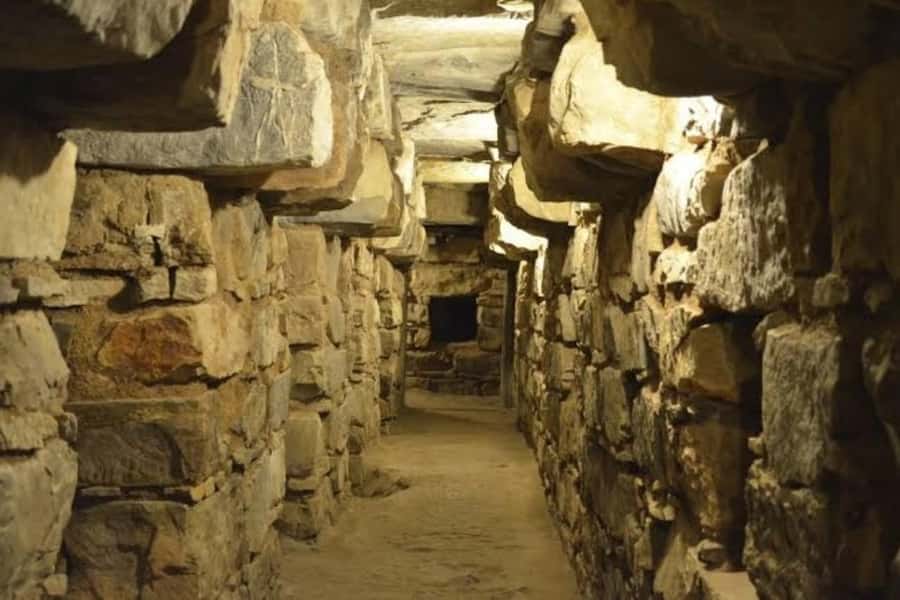
- The Falconids’ Gate, galleries, and Stone Heads
- A useful stop at the Chavín National Museum
- Lunch in Chavín, with time running late
- The return to Huaraz and the nine-hour schedule
- Language: the biggest decision point
- Who should book this Chavín excursion?
- Should you book it?
- FAQ
- Is the Chavín de Huántar tour available on Mondays?
- How long does the tour last?
- What is included in the price?
- Is the entrance fee included?
- Is lunch included?
- What languages are available?
- Where does the tour begin and end?
- Is the tour suitable for wheelchair users?
Key points to know before booking
- Qerococha Lagoon sits at 13,058 feet, with a stop to see the geological fault shaped like the map of Peru.
- The Cahuish Tunnel reaches 14,599 feet, making this a serious high-altitude outing before you even reach the ruins.
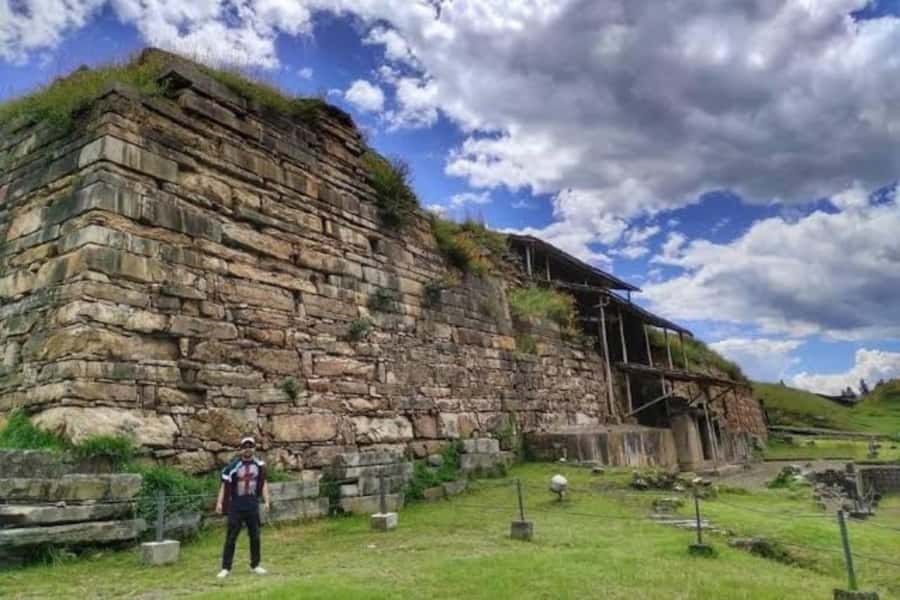
- Chavín de Huántar includes ceremonial squares, underground galleries, the Falconids’ Gate, the Lanzón, and Stone Heads.
- Lunch is not included, and the local restaurant meal may cost about 30 soles for a main dish.
- The tour runs about nine hours, with departure from Huaraz between 8:30 and 9:00 AM.
- Do not book this for a Monday, when the archaeological complex is closed.
Why the Huaraz to Chavín route is worth your day
Chavín de Huántar is not a quick roadside attraction. From Huaraz, you spend much of the day crossing the high Andes, then arrive at an important ceremonial center built by the Chavín culture. The route gives the visit useful context: this was never an easy place to reach, and the surrounding mountains help explain its remote, powerful setting.
I like this tour because it combines three different kinds of sightseeing. You get broad mountain views from the road, a short stop at Qerococha Lagoon, and a guided walk through an archaeological complex where the most memorable features are underground. That variety keeps the day from becoming a nine-hour march through ruins.
The price is also fair for a full-day outing. At $34 per person, you receive transportation from Huaraz and a guide. You still pay the S/25 entrance fee and your own meal, but the total remains reasonable for a trip that would be awkward to arrange independently without local transport.
The compromise is time. You leave in the morning and may not return until late afternoon or evening. One booking ended with lunch around 5:00 PM, so you should eat something before departure and carry a snack. This is not the right choice if you want a relaxed morning or a short cultural visit.
More Cordillera Blanca hikes:
- From Huaraz: Hike to the Lagoon 69
★ 4.4 · 121 reviews - From Huaraz: Tour to the Pastoruri Glacier and Puya Raimondi
★ 4.3 · 68 reviews - Snowy Mateo – Cordillera Blanca Expedition
★ 5.0 · 26 reviews
Qerococha Lagoon at 13,058 feet
The first major stop is Qerococha Lagoon, high above sea level at about 13,058 feet. The altitude is not a minor detail. You may already be feeling Huaraz’s elevation, and this stop takes you higher still. Walk slowly, avoid rushing around for photographs, and pay attention to how your body feels.
The lagoon is paired with a geological feature described as the fault of the Peruvian map. It is an unusual roadside sight, and the guide can explain what you are looking at before the group continues toward Chavín. This stop works best as a short visual break rather than a long walk.
A practical detail came up during the outing: the group may stop to buy herbal mate before reaching the lagoon. It is presented as a way to help with altitude. Treat it as a local custom, not a guaranteed medical solution. If altitude affects you, your best tools are still a slow pace, sensible clothing, water, and following any medical advice you already have.
The high point of the route is the Cahuish Tunnel, at about 14,599 feet. You pass through it on the way to the archaeological site. The tunnel itself is not the main attraction, but its elevation shows how demanding the route can be. If you are sensitive to altitude, this is the part of the day to take seriously.
Entering Chavín de Huántar’s ceremonial center
Once you reach Chavín de Huántar, the focus shifts from scenery to stonework and ritual design. The guided visit lasts about one hour, covering ceremonial squares, the Falconids’ Gate, underground galleries, the Monolithic Lanzón, Stone Heads, and other remains.
The site is especially interesting because much of its character comes from what is hidden inside the complex. The underground galleries create a sense of enclosed ritual space, while the carved stones show how carefully the Chavín builders used images, passageways, and architecture together.
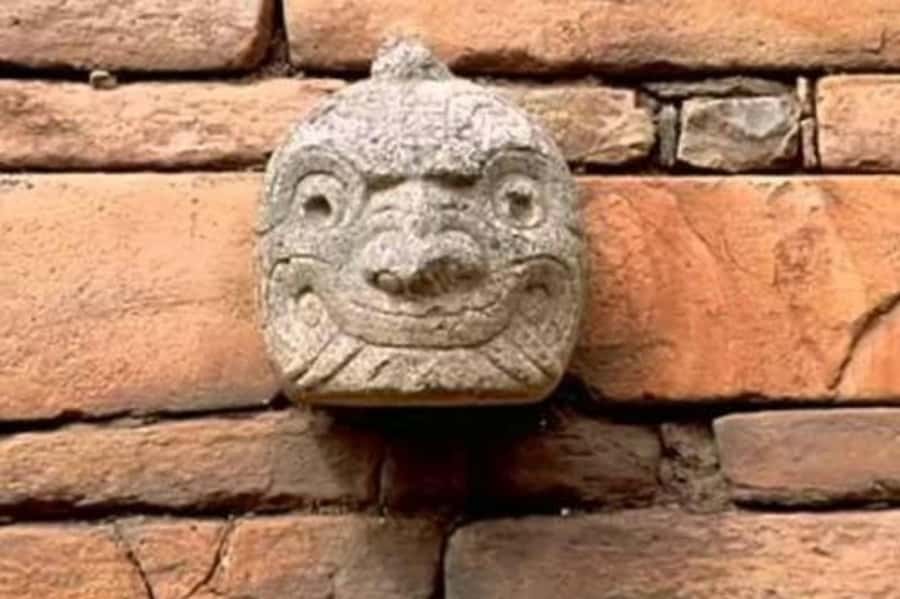
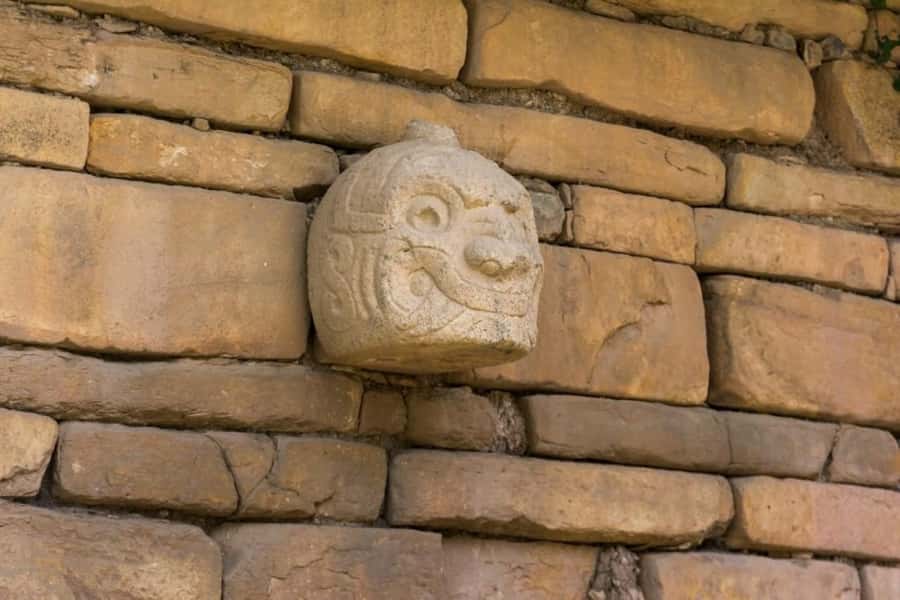
The Monolithic Lanzón is one of the key objects to see. Its name refers to its lance-like shape, and it is associated with the central religious world of Chavín. The Stone Heads are another highlight, with carved human and animal features that give the site a more personal and mysterious feel than a simple set of foundations.
The ceremonial squares help you understand the scale of the complex. Do not expect a single intact monument that explains everything at a glance. You will get more from the visit if you listen closely, look for changes in stonework, and ask the guide to point out how the spaces were used.
The guide is important here. A strong explanation turns scattered walls and carved forms into a coherent visit. The Spanish-language commentary has been described as detailed and helpful, but English-speaking participants may miss much of it. If you understand Spanish, you will get far more from the hour. If you do not, consider asking in advance if an English-speaking guide is guaranteed, rather than assuming that selecting English online settles the matter.
The Falconids’ Gate, galleries, and Stone Heads
The Falconids’ Gate gives the complex one of its most recognizable carved features. Along with the Stone Heads, it shows how Chavín artists blended human and animal forms. These details reward a careful look, especially when the guide explains what the images may have meant within the culture’s religious system.
The underground galleries are a different kind of experience. They are not simply side rooms added to the complex. Their enclosed layout helps you imagine how sound, darkness, movement, and restricted access could have shaped ceremonies. The site’s power comes partly from this contrast between open plazas and interior passageways.
You should expect a guided walk rather than unrestricted wandering. The official visit is listed at about one hour, so the pace may feel brisk if you want to study every carved surface. Take photographs when allowed, but keep your attention on the features the guide identifies. Without explanation, some of the best details can look like ordinary fragments of stone.
The archaeological site is not described as wheelchair accessible, and the activity is specifically marked unsuitable for wheelchair users. The combination of uneven historic surfaces, galleries, stairs or narrow areas, and high-altitude travel makes this a poor fit for anyone who needs step-free access.
More things to do in Huaraz:
- From Huaraz: Tour to Llanganuco Lakes (Chinancocha Lake)
★ 3.6 · 19 reviews - Huaraz: Laguna 69 | Cordillera Blanca | Hike to Lake 69
★ 4.5 · 9 reviews - Full Day to Rocotuyoc and Congelada Lagoons
★ 3.7 · 9 reviews - Ancash: Trekking to Paron Lagoon with Entrance | Full day|
★ 4.1 · 9 reviews
A useful stop at the Chavín National Museum
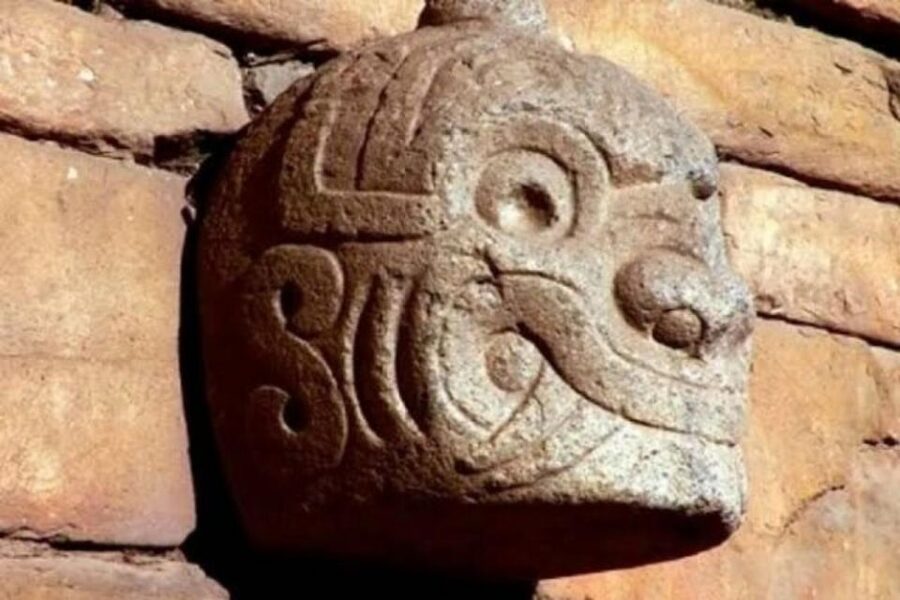
The Chavín National Museum adds about 35 minutes to the day. This matters because the museum can help organize what you saw at the ruins. Objects and carved examples are easier to study in a museum setting than outdoors, where the site’s size and complex layout can compete for your attention.
English information may be limited. One English-speaking participant specifically found that more English material would have helped. If you do not speak Spanish, do not count on the museum alone to fill every gap. The visit is still useful, but your understanding may depend on the guide, labels, and any preparation you do before leaving Huaraz.
The museum stop also breaks up the archaeological visit. After walking through ceremonial spaces and galleries, you get a shorter indoor visit before lunch and the return journey. Thirty-five minutes is enough for an introduction, though not enough for a slow museum study.
Lunch in Chavín, with time running late
After the archaeological complex and museum, you eat at a local restaurant in the town of Chavín. Meals are not included, and a main dish may cost around 30 soles. That price gives you a useful budget figure, though the exact menu and bill can vary.
The meal is part of the local character of the outing, but it also affects the schedule. On one trip, lunch did not happen until roughly 5:00 PM. That is very late by normal lunch standards, so have a snack with you. A full breakfast before pickup is also sensible.
The restaurant is selected by the guide, which makes the stop simple but gives you less choice. You may appreciate not having to search for a place after a long site visit. If you have dietary needs, ask before the tour or at pickup, since no special meal information is provided.
This is one point where the $34 price needs a fair reading. The base cost is low, but the entrance ticket, food, and any drinks are extra. Even so, transportation over a long mountain route is the main value here. The tour saves you the trouble of arranging a vehicle and connecting the lagoon, tunnel, ruins, museum, and town yourself.
The return to Huaraz and the nine-hour schedule
After lunch, you return to Huaraz. The full outing lasts about nine hours, with pickup between 8:30 and 9:00 AM. You should be ready in your hotel lobby 10 minutes before the coordinated pickup time.
The schedule is broad rather than exact. Mountain roads, group timing, the length of the archaeological visit, and the late lunch can all affect your return. Keep the evening free and avoid booking a tight connection or fixed dinner reservation in Huaraz.
Transportation is included, but the vehicle type and group size are not specified. That means comfort may vary. For a long ride, bring water, a snack, sun protection, warm layers, and anything you use to manage altitude. At nearly 14,600 feet on the route, conditions can feel cold and tiring even when Huaraz seems comfortable.
The high altitude is the central practical issue. You might find the lagoon and tunnel more tiring than the ruins themselves. Sit down when you can, move slowly, and tell the guide or driver if you feel unwell.
Language: the biggest decision point
The activity is presented with English and Spanish language options, but actual English service is not assured. Multiple English-language bookings were conducted entirely in Spanish, and one participant said the guide spoke no English. Another found the Spanish explanations very complete, which suggests the problem is not the quality of the guiding but the mismatch between the promised language and the language delivered.
This distinction matters. If you speak Spanish, the tour may be a strong value because the explanations are a major part of the Chavín visit. If you speak only English, you can still see the site, but you may miss the meaning behind the Lanzón, Stone Heads, galleries, and ceremonial spaces.
Before paying, ask Turismo iPeru directly if an English-speaking guide is confirmed for your date. If the answer is uncertain, you can decide if the scenery and ruins are enough to justify the trip without full commentary. A translation app or downloaded background notes might help, but that is not the same as a live explanation.
Who should book this Chavín excursion?
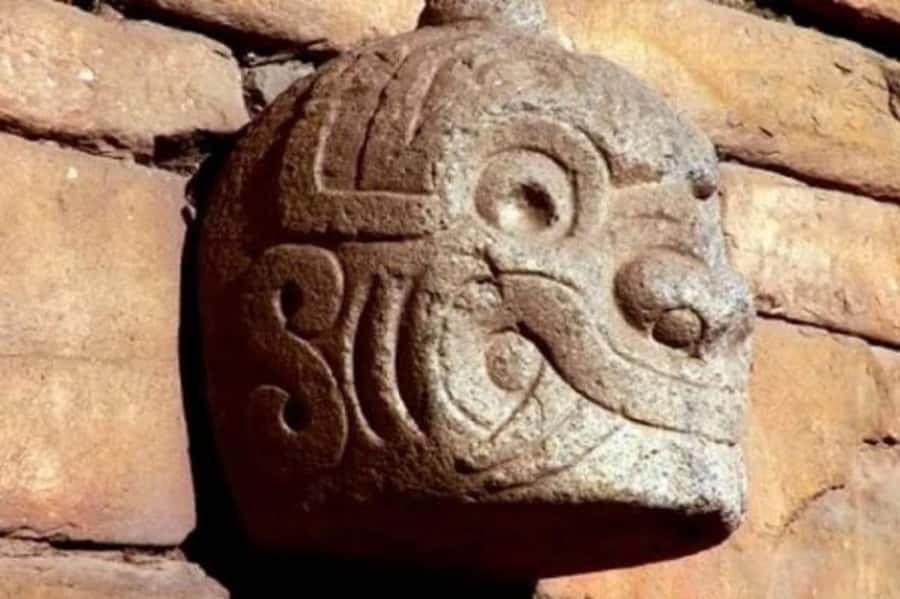
I would recommend this tour to you if you want an affordable, structured day from Huaraz and you are comfortable with high altitude, a long ride, and a late meal. It suits history fans, first-time visitors to Ancash, and anyone who wants to pair a major archaeological site with mountain scenery.
It is also a good fit if you prefer having transport and a guide arranged in advance. The route includes several moving parts, and the included vehicle removes much of the planning burden.
I would hesitate if you need wheelchair access, dislike long road days, or have a fixed evening schedule. I would also think twice if your main goal is an English-language history lesson and the operator cannot confirm that service. The site deserves explanation, and this is the one area where the experience may fall short.
Cancellation is flexible, with a full refund available when you cancel at least 24 hours ahead. You can also reserve now and pay later, which helps if your Huaraz plans are still taking shape. Just check the date carefully: the complex is closed on Mondays.
Should you book it?
Book this excursion if you want the best-value way to reach Chavín de Huántar from Huaraz and you can accept a demanding nine-hour schedule. The archaeological complex, Qerococha Lagoon, Cahuish Tunnel, museum, and local lunch create a varied day for a modest base price.
My advice is simple: confirm the guiding language, prepare for altitude, eat breakfast, pack a snack, and keep your evening open. With those conditions understood, this is a worthwhile Andean history outing rather than just a long bus ride to some old stones.
FAQ
Is the Chavín de Huántar tour available on Mondays?
No. The archaeological complex is closed on Mondays, so you should choose another day.
How long does the tour last?
The tour lasts about nine hours, with departure from Huaraz between 8:30 and 9:00 AM.
What is included in the price?
Transportation and a tour guide are included. The listed price is $34 per person.
Is the entrance fee included?
No. The entrance ticket costs S/25 and must be paid separately.
Is lunch included?
No. Lunch is not included. The group eats at a local restaurant in the town of Chavín, and a main dish may cost about 30 soles.
What languages are available?
English and Spanish are listed as available languages. However, English service is not guaranteed, and several bookings were conducted entirely in Spanish. Confirm the language with Turismo iPeru before booking.
Where does the tour begin and end?
Pickup is in Huaraz, and the tour returns to Huaraz after lunch.
Is the tour suitable for wheelchair users?
No. The activity is specifically marked unsuitable for wheelchair users.
Just added in Huaraz
- From Huaraz: Lake 69 Trek Day Tour – White Mountain Range★ 4.7 · 7 reviews
- Huaraz: Full-day Tour to Lake Parón with Optional Lunch★ 4.9 · 4 reviews
- Huaraz: Pastoruri Glacier Day Trip★ 5.0 · 8 reviews
- Huaraz: Visit to Laguna 69★ 4.2 · 5 reviews
- Huaraz: 3-hour Trek to Laguna 69 with Optional Lunch★ 4.7 · 7 reviews
- Huaraz: Laguna 69 | Cordillera Blanca | Hike to Lake 69★ 4.5 · 9 reviews
- Huaraz-Excursion to the Pastoruri Snows and Puyas Raymondi★ 3.3 · 4 reviews
- Full Day to Rocotuyoc and Congelada Lagoons★ 3.7 · 9 reviews
Huaraz and the Cordillera Blanca, compared.
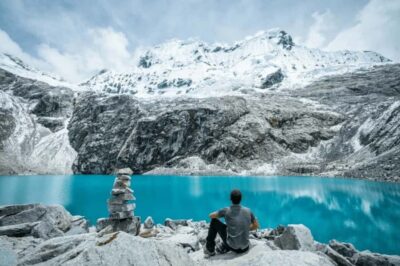
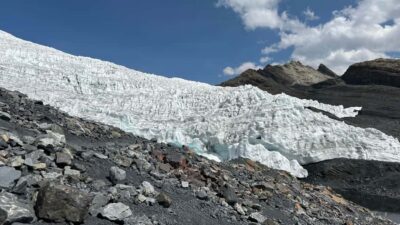
From Huaraz: Tour to the Pastoruri Glacier and Puya Raimondi
Read our review →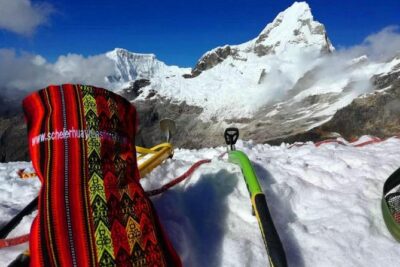
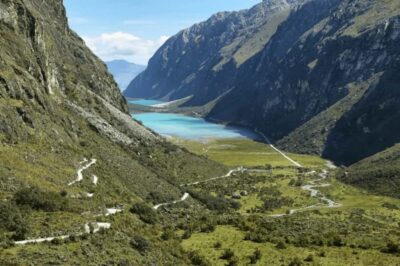
From Huaraz: Tour to Llanganuco Lakes (Chinancocha Lake)
Read our review →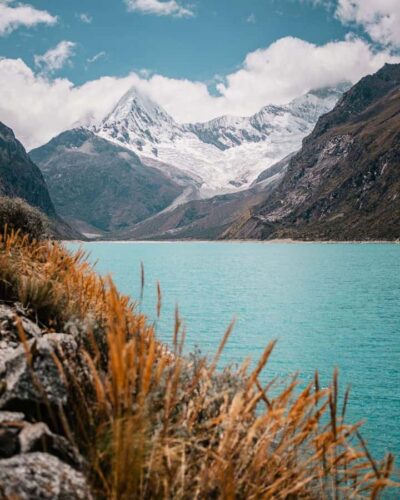
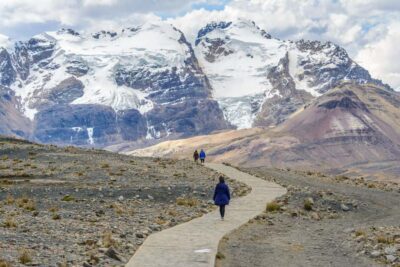
From Huaraz: Lake 69 Trek Day Tour – White Mountain Range
Read our review →Browse the lists this tour appears in