
Reviewed · LIMA CITY TOURS
From Lima: Cordillera de la viuda | Mountain Exploration
Ancient carvings meet high mountain water. This long day from Lima combines the Checta Petroglyphs, Andean lagoons, trout farming, Canta, and Santa Rosa de Quives in one ambitious outing. I like the range of places included, especially the contrast between mysterious stone drawings and the quiet waters of Laguna de Chuchun. I also like that the trip includes a stop with the Huaros community, where you can learn about local trout farming rather than simply taking photographs and moving on. The main caution is the transport and road time: one recent passenger described roughly five hours on rough roads and severe traffic.
At $39 per person, the tour offers good value if you want to reach mountain scenery without arranging several separate trips from Lima. The day begins at 5 a.m. and can finish around 9 p.m., so you should expect a tiring outing, not a relaxed excursion. Service can be warm and attentive, with Alejandro, Gabo, Wilma, and Edgar receiving specific praise, but the booking communication needs care. Confirm your pickup details and tour group directly before bedtime, not at 2 a.m.
In This Review
- Key details before you book
- Why this Lima mountain trip is worth considering
- Leaving Lima at 5 a.m. for the mountain roads
- Checta Petroglyphs and the first taste of ancient Peru
- Cochapampa viewpoint and the high-country scenery
- Laguna de Chuchun, Laguna Ocho, and Laguna Leoncocha
- Huaros and the working side of mountain life
- Canta’s plaza, church, and market
- Santa Rosa de Quives and the final spiritual stop
- The guide and service can shape the whole day
- Is $39 good value for a 16-hour day?
- Who should book this Cordillera de la Viuda tour?
- My call: book it for variety, not comfort
- FAQ
- Where does the tour meet in Lima?
- What time does the tour leave and return?
- Is food included?
- How much do the lagoon activities cost?
- What language is the tour conducted in?
- What should I bring?
Key details before you book
- Checta’s stone drawings show animals, hunters, people, cosmic symbols, and abstract forms open to interpretation.
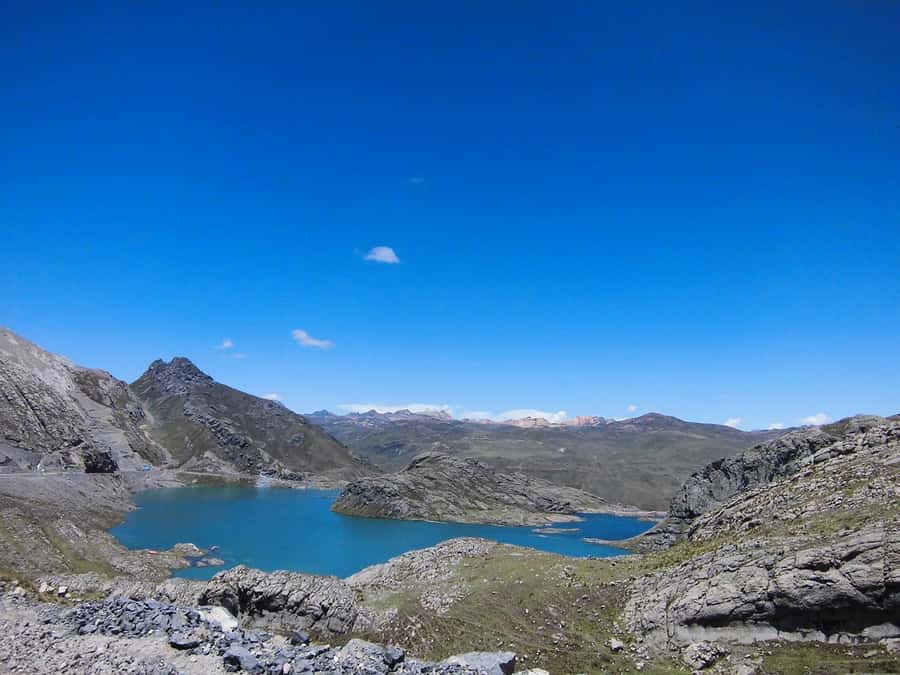
- Four mountain water stops are planned: Laguna de Chuchun, Laguna Ocho, Laguna Leoncocha, plus views toward the snow-capped Cordillera de la Viuda.
- Huaros trout farming adds a useful community and food-production stop to the usual sightseeing circuit.
- Canta’s market is a good place to shop for regional foods such as humitas, tamales, cheeses, honey, and manjar blanco.
- The schedule runs from 5 a.m. to about 9 p.m., with much of the day spent on the road.
- Spanish is the tour language, and oxygen, coca leaves, first aid, transport, and a guide are included.
Why this Lima mountain trip is worth considering
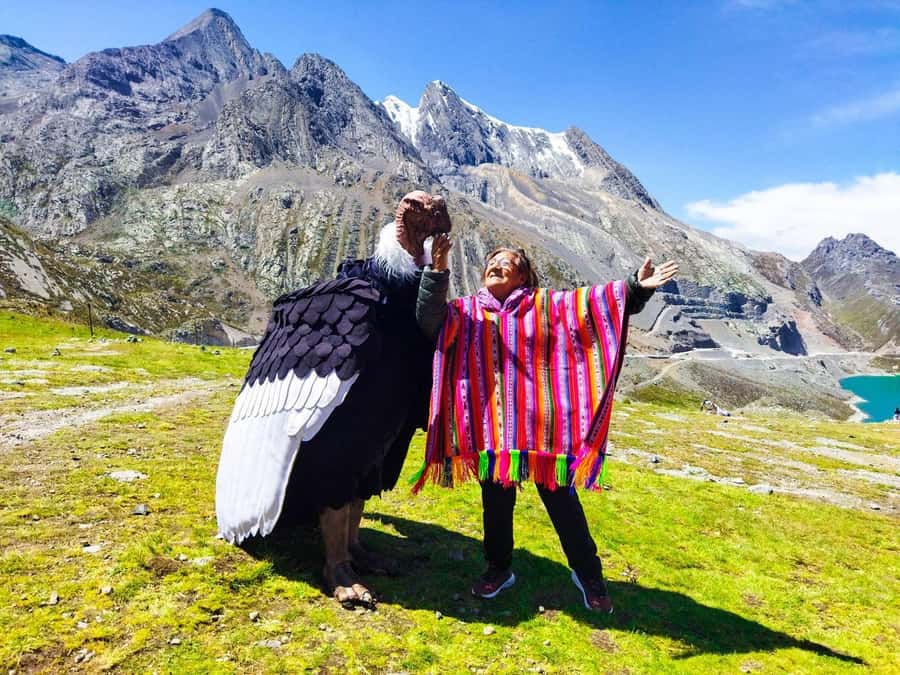
The Cordillera de la Viuda sits far enough above Lima to feel like a different Peru. You leave the capital before sunrise and spend the day moving through the mountains of Lima Province, where rock, water, village life, and old religious traditions share the same route.
I like tours that give you more than one type of sight. This one is not only a lagoon trip. It begins with ancient rock art, continues through mountain viewpoints and highland water, then returns to human-scale stops in Huaros, Canta, and Santa Rosa de Quives.
That variety also explains the long duration. You are covering a lot of ground in one day, and the price keeps it accessible. But the tradeoff is clear: you spend many hours seated in a vehicle. If your ideal holiday day means a slow breakfast and a short walk, this is the wrong shape of excursion. If you want to see places that are difficult to connect on your own from Lima, it makes more sense.
The advertised rate is $39 per person. Food is not included, and the lagoon entrance costs S/3. A boat ride is listed at S/7, with both prices subject to change. These are small additional costs, but you should carry soles and budget for lunch as well.
More Lima city tours:
- Premium Paracas & Huacachina Day Trip from Lima with Sunset Toast
★ 5.0 · 7,380 reviews - Full Day Tour From Lima: Paracas and Huacachina Oasis
★ 5.0 · 3,694 reviews - Lima Ultimate Peruvian Food Tour
★ 5.0 · 1,845 reviews
Leaving Lima at 5 a.m. for the mountain roads
The early departure is not a minor detail. You meet at the La Rambla shopping mall, with the exact GPS location sent to you, and the day starts at 5 a.m. Bring your confirmation details, arrive early, and make sure you know the correct pickup point.
The reward for the early start is the changing scenery outside Lima. The route climbs away from the city toward the mountain country, and the ride itself becomes part of the experience. The drawback is road quality and traffic. A poor rating specifically described bad roads, congestion, and about five hours of driving. That is an important warning for anyone prone to motion sickness or anyone expecting a quick transfer.
I would carry water, a light snack, sunscreen, and something warm for the vehicle. Sunglasses and insect repellent are recommended. Swimwear is also listed, though the schedule does not promise a swimming stop, so treat it as an optional item rather than a reason to expect a beach-style activity.
The provider supplies oxygen for the group, coca leaves, and a first aid kit. Those supplies are sensible for a high-altitude day, but they do not remove the need to pace yourself. You should tell the guide if you feel unwell and avoid rushing around at the lagoon stops.
Checta Petroglyphs and the first taste of ancient Peru
The Checta Petroglyphs provide an intriguing opening stop. The carvings are cut into stone and include stylized animals, human figures involved in hunting, images linked to the cosmos, and shapes that are more abstract.
Their appeal is not based on a single neat explanation. Some figures invite several readings, which makes the stop better suited to careful looking than to a quick checklist photograph. I would ask the Spanish-speaking guide to point out the different forms and explain what is known and what remains open to interpretation.
This is also where the quality of the guiding matters. A good explanation can turn a group of weathered marks into a window on how people represented animals, people, and the world around them. Without that context, the petroglyphs could pass too quickly.
Do not expect a large museum or an indoor exhibition here. The interest is in the stones themselves and in the setting around them. Wear shoes you can use comfortably on uneven ground, even though the supplied information does not specify the walking distance.
Cochapampa viewpoint and the high-country scenery
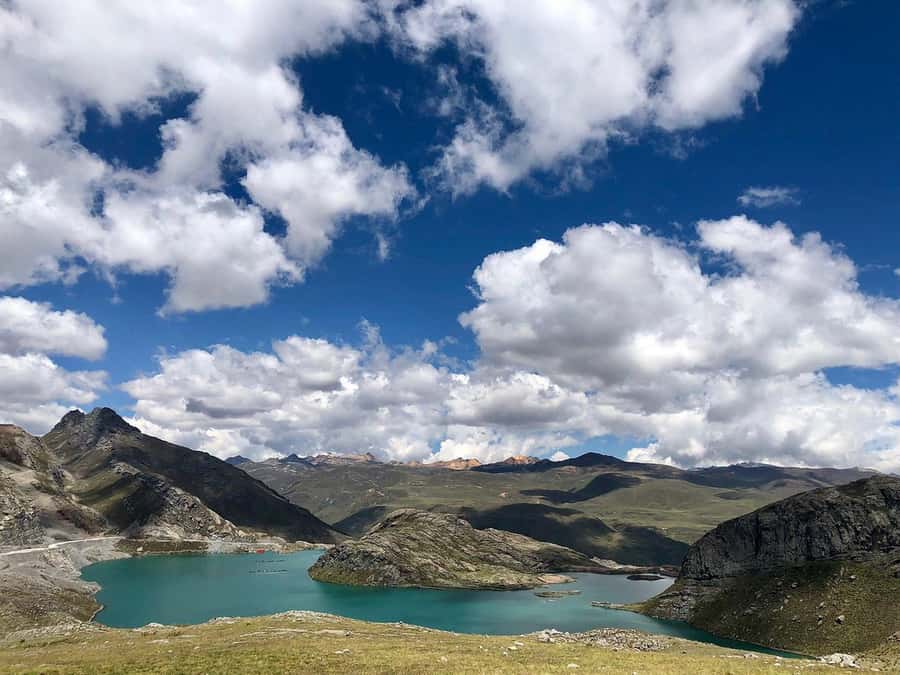
The road includes a stop at the Cochapampa viewpoint. It is a short pause, but it gives you a chance to step out, stretch, and take in the mountain scenery before the main lagoon section.
Viewpoints can be brief and weather-dependent. On a clear day, you may get broad views over the surrounding ridges and valleys. Clouds can change the effect quickly, so I would treat this as a welcome viewing stop rather than a guaranteed panoramic show.
The practical value is simple: after hours in the vehicle, even a short viewpoint break helps. Keep your camera ready, but also look beyond the nearest peak. This is the part of the day when the road journey begins to make visual sense.
More things to do in Lima:
- Lima Half-Day City Walking Tour (Small Groups)
★ 5.0 · 1,508 reviews - Paracas and Huacachina Exclusive Sunset Picnic Tour
★ 5.0 · 1,398 reviews - Unmissable Visit To Paracas, Huacachina And Sunset In The Oasis
★ 5.0 · 1,138 reviews - Paracas, Ballestas Islands and Huacachina Guided Tour
★ 5.0 · 1,100 reviews
Laguna de Chuchun, Laguna Ocho, and Laguna Leoncocha
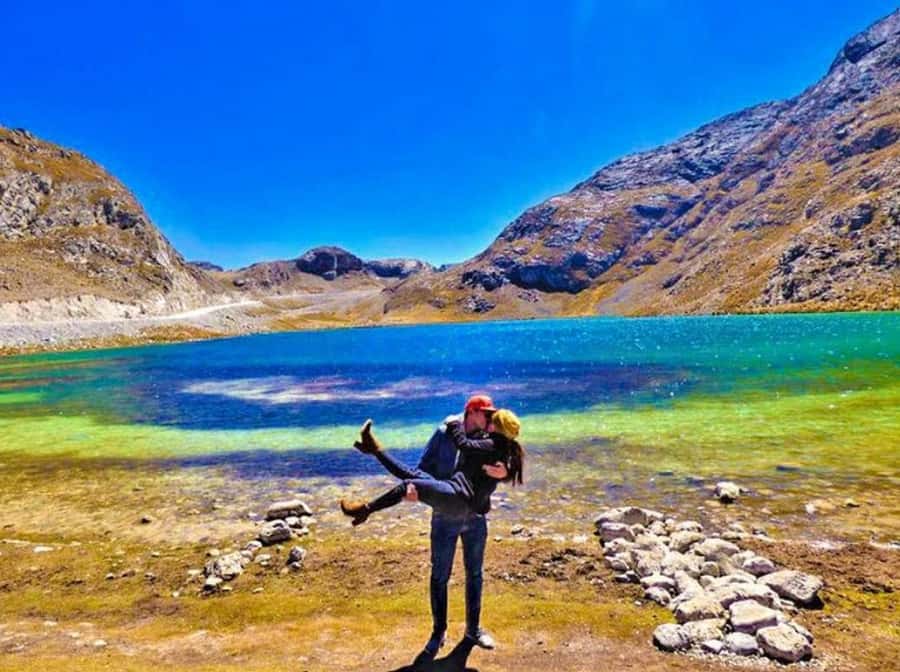
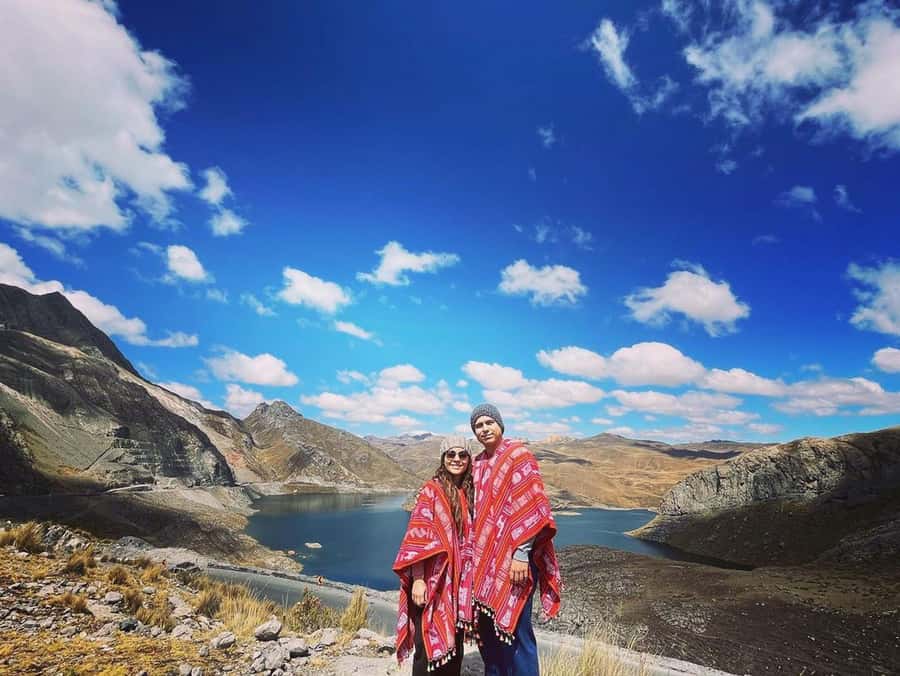
The main natural section includes Laguna de Chuchun, Laguna Ocho, and Laguna Leoncocha, along with views of the snow-capped Cordillera de la Viuda. This is the core reason many people will choose the tour.
Each lagoon offers a different angle on the highlands, although the supplied schedule does not promise exact stop lengths or specific activities at each one. You should expect time for viewing and photographs, with the possibility of a boat ride at an additional S/7. The entrance fee for the lagoons is listed as S/3, subject to variation.
Laguna de Chuchun is named as the principal point of the trip, so it may receive the most attention. Laguna Ocho and Laguna Leoncocha add variety and make the drive worthwhile for people who want more than one mountain-water view.
The snow-capped peaks of La Viuda give the day its strongest sense of scale. From Lima, this is a chance to see a high Andean setting without committing to a multi-day trek. You should still keep expectations realistic. This is a sightseeing tour, not a hiking expedition, and no serious trek is included in the details provided.
Weather, altitude, and road conditions can affect the experience. Bring sunscreen even if the morning begins cold, and use sunglasses. Coca leaves and group oxygen are included, but your own comfort depends on taking the altitude seriously and not treating every stop as a race.
Huaros and the working side of mountain life
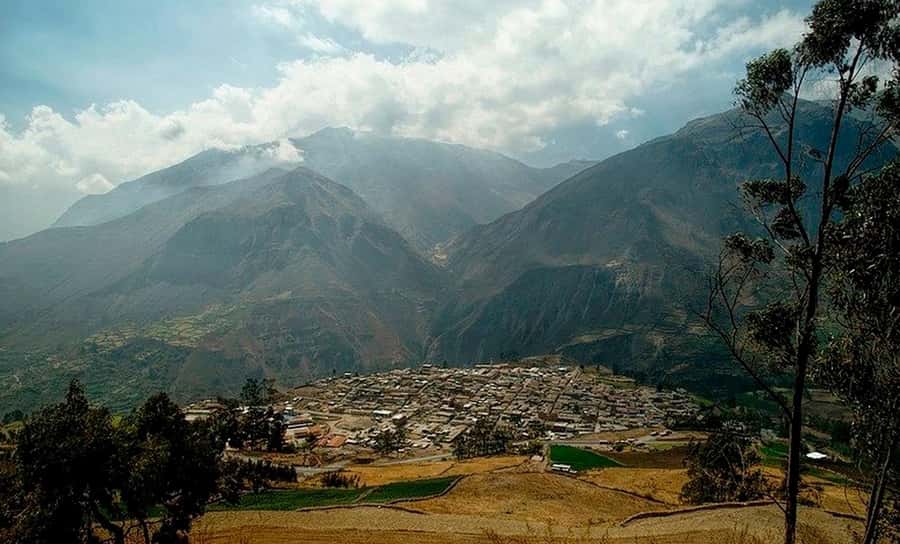
After the lagoons, the route visits the Huaros community and its trout farm. This is one of the most useful stops because it connects the scenery to local work.
You can learn how trout farming functions in the community and see a form of food production that fits the mountain environment. The stop is described as sustainable, giving the visit an environmental and economic angle rather than making it only a photo opportunity.
I appreciate this kind of addition. A highland trip can easily reduce villages to colorful backgrounds. Huaros gives you a closer look at how people use local water resources and build an income around them.
Lunch follows, but it is not included in the price. The information does not specify the restaurant, meal choice, or exact lunch cost, so carry enough cash in Peruvian soles. If food matters to you, ask the guide early in the day about the lunch plan and available choices.
Canta’s plaza, church, and market
The afternoon continues to Canta, also known as the Heroic Villa. Its title refers to a role in Peru’s independence battles and the war with Chile, giving the town a place in the country’s military history.
The city tour focuses on the Plaza de Armas, its colonial pool, Republican-era portals, and the church. You will also see the local patron figures, especially Marshal Chaperito, identified as the most important patron of Canta.
This is a welcome change of pace after the remote mountain stops. The plaza and church let you read the town through its public spaces and religious traditions. The colonial and Republican details are not presented as a full museum visit, so the guide’s explanation will shape how much history you take away.
The market is the most practical part of Canta. You can shop for flat bread, rolls, rosquitas, humitas, tamales from Canta, honey, manjar blanco, cow butter, cheeses, and beef. Some of these foods are easy to carry back to Lima, while others are better for immediate eating.
I would save some soles for this stop. It is a chance to support local sellers and take home something tied to the region, rather than buying a generic souvenir. The market may also be a good place to pick up extra snacks for the long return ride.
Santa Rosa de Quives and the final spiritual stop
The final main visit is Santa Rosa de Quives. The program includes the sanctuary where the patron saint lived, her chapel, and a wishing well.
This stop has a quieter, more devotional character than the mountain viewpoints or market. You can take a moment to observe the religious setting and the traditions connected with Santa Rosa. The wishing well adds a personal, familiar touch, but the site is still best approached with respect.
Because this visit comes late in a very long day, your energy may be low. That is another reason to keep the schedule in perspective. The sanctuary is not a quick roadside photograph, but neither should you expect a long guided religious retreat. The visit provides a calm closing note before the return to Lima.
The guide and service can shape the whole day
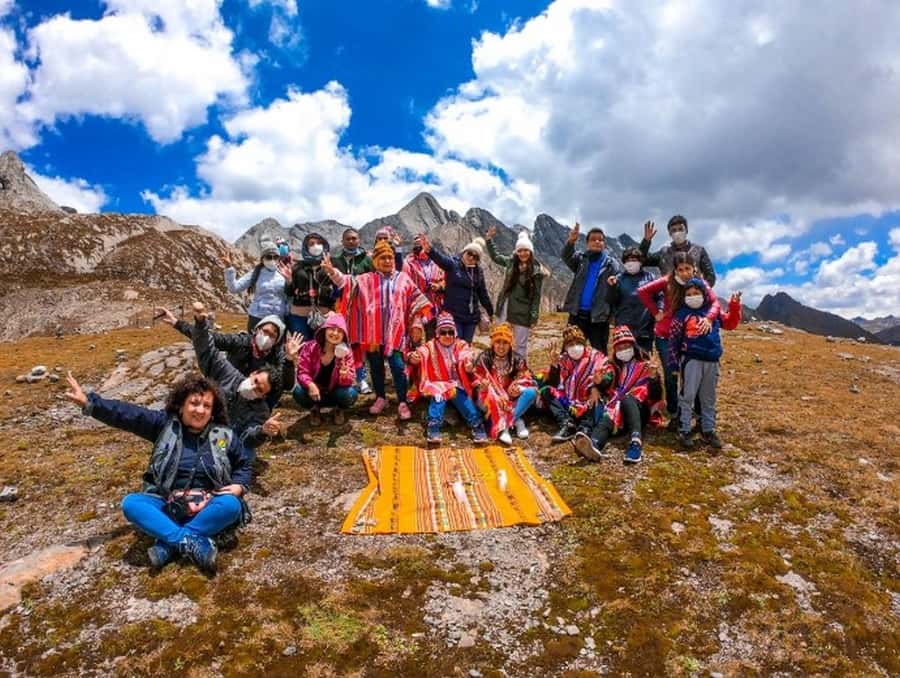
The tour is conducted in Spanish, with an official tourist guide. That matters most at Checta, Canta, and the sanctuary, where a few spoken explanations can add much more meaning than photographs alone.
Specific staff members have received strong praise. Alejandro and Gabo were singled out for attentive service, while Wilma was praised as an excellent guide alongside Edgar, who was described as a kind and careful driver. Those comments suggest the human side of the operation can be a real strength when the right team is assigned.
Photography during the tour is included, which is useful on a day when you may be busy watching the road, listening to explanations, or handling the altitude. One passenger was still waiting for the photographs afterward, so I would confirm how and when the images will be delivered before leaving the group.
There is also a serious coordination warning. One booking went wrong because the guide placed the passenger in the wrong group, and the correct information was not confirmed until only a few hours before departure. I would not rely on an automatic confirmation alone. Contact the provider at www.iziperu.com and verify the meeting point, departure time, guide, and group the day before.
Is $39 good value for a 16-hour day?
For $39, the tour packs in transport, a Spanish-speaking guide, mountain stops, the Huaros trout farm, Canta, and Santa Rosa de Quives. If you tried to arrange all of those visits privately, transport alone could cost much more, especially because the route is long and complex.
The value depends on your priorities. You are paying for access and convenience, not comfort or flexibility. Food, lagoon admission, and the possible boat ride cost extra. The main hidden cost is your time: from 5 a.m. to about 9 p.m., this is one of the longest day trips you can take from Lima.
The price is strongest for a budget-minded visitor who wants a wide sample of the Lima mountains. It is weaker for someone who dislikes long drives, rough roads, crowded vehicles, or fixed schedules.
Who should book this Cordillera de la Viuda tour?
I would consider it for you if:
- You want Andean scenery without planning a multi-day trip.
- You enjoy combining nature, local food, history, and religion.
- You are comfortable with a 16-hour schedule.
- You speak Spanish or can follow a Spanish-language tour.
- You want to visit several places for a low base price.
- You can handle a long road journey and possible rough sections.
I would think twice if you need English guiding, dislike early departures, or have limited tolerance for winding roads and traffic. The supplied information confirms Spanish as the tour language, so do not assume an English explanation will be available.
The free cancellation policy allows cancellation up to 24 hours before departure for a full refund, and the reserve-now, pay-later option gives you some flexibility. Still, the booking confusion described above makes direct confirmation especially important.
My call: book it for variety, not comfort
I would book this tour if my goal were to see as much of the Lima mountain region as possible for a modest price. The combination of Checta’s petroglyphs, three lagoons, snow-capped peaks, Huaros trout farming, Canta’s food market, and Santa Rosa de Quives gives the day real variety.
I would not book it expecting a smooth, restful ride. The roads, traffic, early start, and late finish are part of the bargain. Confirm everything in advance, bring soles for food and admissions, pack sun protection and warm layers, and treat the journey as an endurance day with strong rewards at the stops.
FAQ
Where does the tour meet in Lima?
The meeting point is at the La Rambla shopping mall. The exact GPS location is sent to you after booking.
What time does the tour leave and return?
Departure is scheduled for 5 a.m., with arrival back in Lima around 9 p.m. The total duration is about 16 hours.
Is food included?
No. Food is not included, so you need to budget separately for lunch and any snacks.
How much do the lagoon activities cost?
The lagoon entrance is listed at S/3. A boat tour is listed at S/7. Both prices are indicative and may change.
What language is the tour conducted in?
The tour language is Spanish, with a live Spanish-speaking guide.
What should I bring?
Bring sunglasses, sunscreen, insect repellent, and swimwear. It is also sensible to carry cash for food, market purchases, lagoon fees, and the possible boat ride.
Just added in Lima
- Tour to the magical water circuit with dinner and dance show★ 5.0 · 4 reviews
- Tour to the sanctuary of Pachacamac★ 4.8 · 8 reviews
- Tour Huaca Pucllana: Pyramids and Pre-Columbian Antiquity★ 4.3 · 12 reviews
- Tour of Lima with a visit to the catacombs of San Francisco.★ 4.2 · 24 reviews
- Lima: Palomino Islands Speedboat Tour & Swim with Sea Lions★ 4.8 · 33 reviews
- Surfing experience in Lima★ 5.0 · 6 reviews
- Sandbording in Lima★ 5.0 · 12 reviews
- Pro Sanboarding or skiing in Huacachina from Lima – Day trip★ 4.6 · 8 reviews
Lima City Tours, compared.

Premium Paracas & Huacachina Day Trip from Lima with Sunset Toast
Read our review →
Full Day Tour From Lima: Paracas and Huacachina Oasis
Read our review →
From Lima: Paracas and Huacachina Oasis Full Day Guided Tour
Read our review →
Lima Half-Day City Walking Tour (Small Groups)
Read our review →
Epic Paracas & Huacachina – Day Trip From Lima
Read our review →
Browse the lists this tour appears in