
Reviewed · PARACAS AND BALLESTAS ISLANDS
Ica / Huacachina : Canon de los Perdidos – Ica’s Hidden Gem
The desert keeps a spectacular secret. South of Ica, the Canyon of the Lost offers towering rock walls, sandy trails, fossil beds, and waterholes far from Peru’s better-known attractions. I like the quiet setting and the chance to see a less developed part of the Ica Region. I also like the knowledgeable guidance and personal care shown by Emilio, a guide praised for staying attentive to the group. The main drawback is the long, hot ride, especially since one passenger wished the vehicle had better air conditioning.
At $75 per person, this is a full-day outing rather than a quick photo stop. You get pickup and return to your hotel or bus station, entrance fees, an English or Spanish-speaking guide, the canyon walk, and a pisco and wine tasting. Bring your own lunch, plenty of water, and patience for roughly two hours of travel each way.
In This Review
- Key points to know before you go
- Why the Canyon of the Lost is worth your day
- Leaving Ica for the Ocucaje Desert
- Fossils and the road into the canyon
- The viewpoint: your first look at Los Perdidos
- Walking among the walls and waterholes
- What the guides add to the experience
- The winery stop and return to Ica
- Is $75 a fair price?
- Who should book this desert day?
- FAQ
- Where does the Canyon of the Lost tour depart from?
- How long does the tour last?
- Is lunch included?
- What languages are available for the guide?
- What should I bring?
- Can I book if I am traveling alone?
- Should you book the Canyon of the Lost?
Key points to know before you go
- The canyon sits south of Ica in the Ocucaje Desert, reached by paved highway followed by a dirt road in reported good condition.
- The rock walls and narrow canyon opening are the main event, with a walk toward waterholes, saltpeter deposits, and possible fossil finds.
- The trip lasts about eight hours, so the experience is best for you if you are comfortable with a long desert day.
- The tour requires at least two people to depart, making solo booking something to confirm in advance.
- A winery stop adds a local tasting, with pisco and artisanal wines, though purchases are optional.
- The site remains lightly developed, which gives it a more remote feel but also means strong sun, sand, and few comforts.
Why the Canyon of the Lost is worth your day
Huacachina gets the attention in Ica. Its palm-lined lagoon, dunes, and buggy rides are easy to reach and photograph. The Canyon of the Lost offers a different side of the region. Here, the attraction is not a polished park or a busy viewpoint. It is a huge break in the desert, shaped by water and wind, with layers of colored rock and a sense of open space.
The canyon is in the southern part of the Ica Region, near the Ocucaje Desert. The route takes you away from the familiar resort feel of Huacachina and toward an area known for desert hills, fossils, and dry riverbeds. If you want an outing that feels more remote and geological, this is the stronger choice.
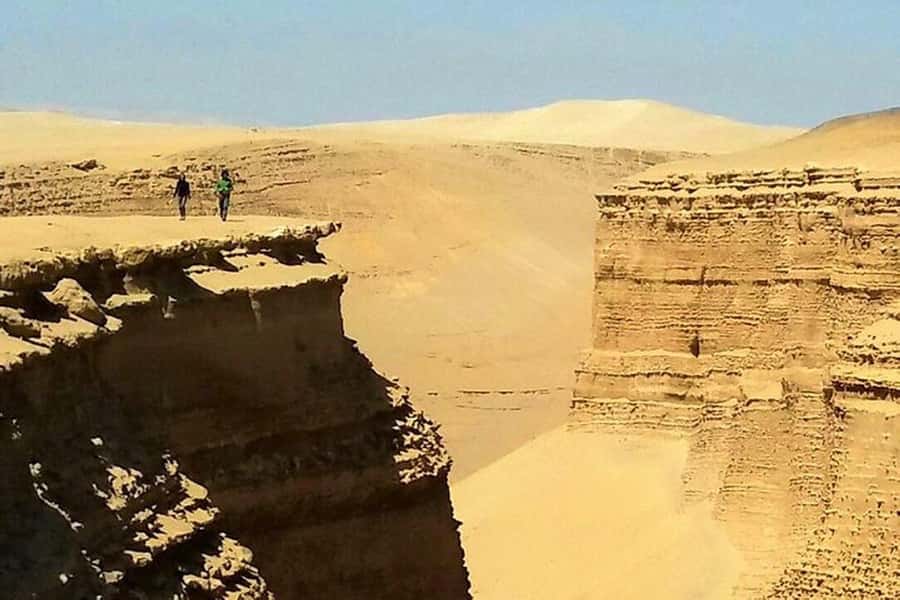
The canyon’s stated dimensions vary within the tour information. You may hear figures of about 150 meters deep and 1.5 kilometers long during the walking portion, while the broader attraction is described as reaching roughly 400 meters in depth. I would treat those figures as general descriptions rather than survey-grade measurements. The important point is simple: the rock walls are large, the opening is dramatic, and the scale is easy to appreciate from the viewpoint.
The attraction is often compared with the Grand Canyon in Colorado. That comparison helps convey the size, but do not expect the same developed viewpoints, marked paths, or visitor facilities. This is a rawer desert experience. That is part of its appeal, but it also explains why you need to arrive prepared.
More Paracas and Ballestas trips:
- Huacachina: Buggy en las Dunas al Atardecer y Sandboarding
★ 4.5 · 299 reviews - Buggy tour in the Huacachina Desert, sunset, and sandboarding
★ 4.9 · 221 reviews - Wine, Pisco and Dune Buggy Experience
★ 5.0 · 166 reviews
Leaving Ica for the Ocucaje Desert
Pickup is arranged at your Ica hotel or the bus station. The transport portion begins with a drive of about one hour in the published schedule, although the full approach to the canyon includes a longer journey and roughly two hours of travel before arrival. The exact timing can depend on the pickup point, road conditions, and stops.
The driver makes a supply stop on the outskirts of Ica before the vehicle enters the desert. This is your chance to buy drinks and food for the day. Use it. Lunch is not included, and the canyon offers no suggestion of a nearby café or restaurant.
The first part of the route follows the Panamericana Sur, Peru’s major coastal highway. Then the vehicle turns toward the Ocucaje Desert, where the road becomes dirt. The road is described as being in good condition, but comfort still depends on the vehicle and the day’s conditions. One passenger specifically wished for air conditioning because of the heat. That is useful advice: ask about the vehicle if hot-weather comfort matters to you.
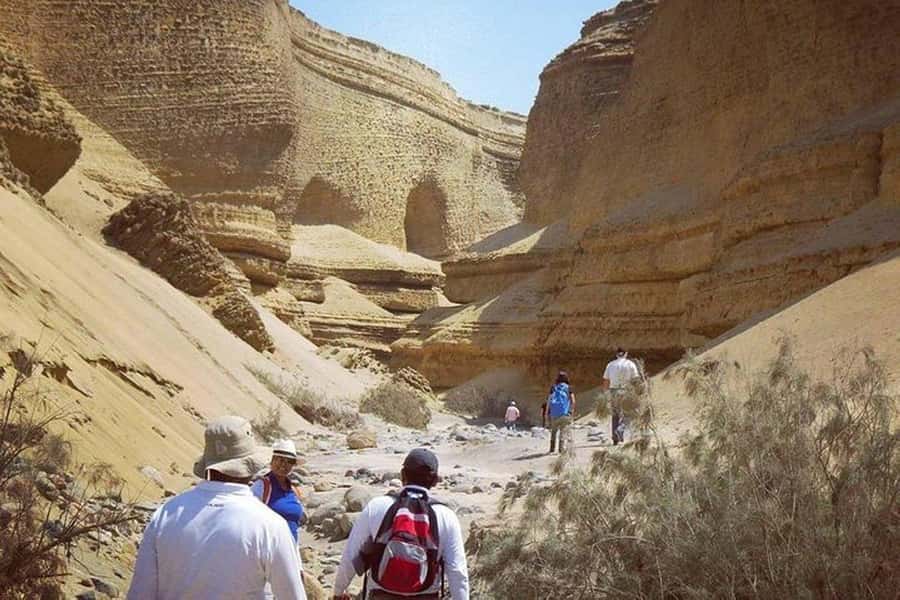
As the highway gives way to desert tracks, the scenery changes from the developed outskirts of Ica to dry hills marked by bands of different colors. These layers are one of the first signs that the trip is becoming more than a long ride. Wind and water have cut through the rock over time, exposing bands that can look surprisingly varied in the otherwise brown and pale desert.
The ride is not the attraction itself. It is the price of reaching a place that has not been built around mass tourism. You will want sunglasses, a hat, sunscreen, and water within easy reach. A light scarf or long-sleeved shirt can also help with sun exposure, though only the listed essentials are required.
Fossils and the road into the canyon
Ocucaje is known for marine fossils that are millions of years old. The area’s dry conditions help preserve exposed geological material, and the tour route passes through a region where fossils may be visible along the dirt track and walking path.
Do not expect a formal fossil museum or a large interpretive center. The appeal is seeing signs of ancient marine life in a place that now looks extremely dry. That contrast gives the desert more meaning. The ground under your shoes belongs to a much older world than the one suggested by the heat and sand around you.
The guide is important here. Emilio was praised for paying close attention to the group’s needs, and this is the kind of trip where a good guide adds real value. Rock layers and fossil traces are easy to miss if you do not know what to look for. The English and Spanish guiding options also make the geological details more accessible.
The tour description refers to the dirt road as being in good condition, but the setting remains remote. I would not choose this trip if you want a short, highly polished excursion with frequent facilities. I would choose it if you enjoy seeing how a place looks before tourism smooths away its rough edges.
The viewpoint: your first look at Los Perdidos
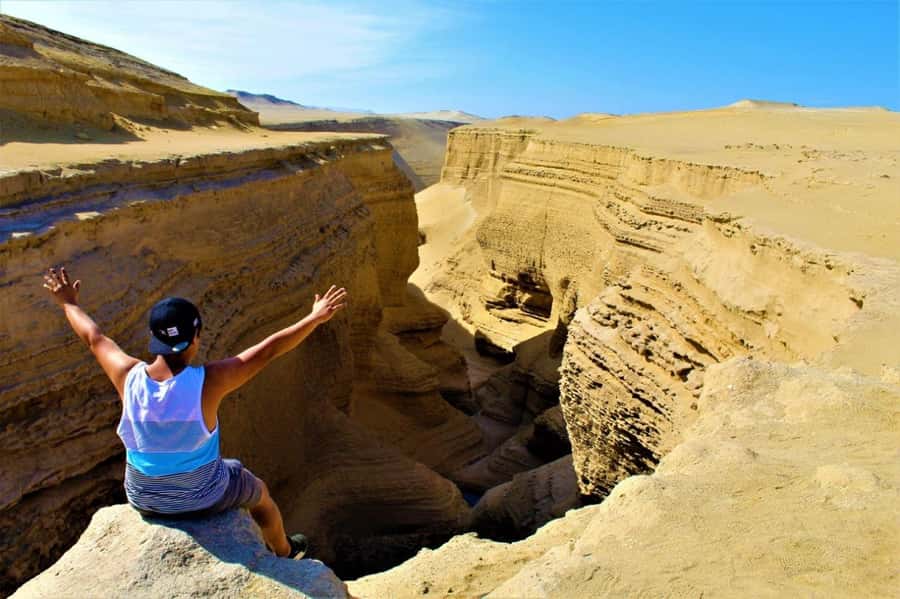
The Los Perdidos Canyon viewpoint gives you the broadest sense of the site. From above, you can see the large crack in the earth and the way it cuts through the surrounding desert. The opening also provides shelter for scavenger birds, described as guardians of the area.
This is the best place to pause before walking down. Take your photos here, but do not rush. The viewpoint lets you understand the canyon’s shape in a way that is harder to grasp once you are among the walls.
The word lost fits the mood more than the geography. You are not wandering without a guide, but the canyon feels removed from Ica’s main tourist circuit. The absence of crowds was one of the strongest positives attached to this experience. That quiet is valuable in Peru, where major sights can quickly become busy.
Photography should be excellent if the sun and visibility cooperate. The strong lines of the rock, the open sky, and the contrast between colored strata and pale desert create bold images. One passenger described the photos as simply incredible, and that enthusiasm makes sense. Still, the light can be harsh, so a hat and sunglasses are not just comfort items. They help you frame and enjoy the view.
More things to do in Paracas:
- UTV Desert Adventure Tour in Huacachina
★ 5.0 · 103 reviews - Winery and Pisco Distillery tour
★ 5.0 · 82 reviews - ICA: Pisco and Wine Route with tasting in 03 Wineries
★ 4.3 · 80 reviews - Huacachina: Sandboarding and 4×4 Desert Adventure
★ 4.0 · 52 reviews
Walking among the walls and waterholes
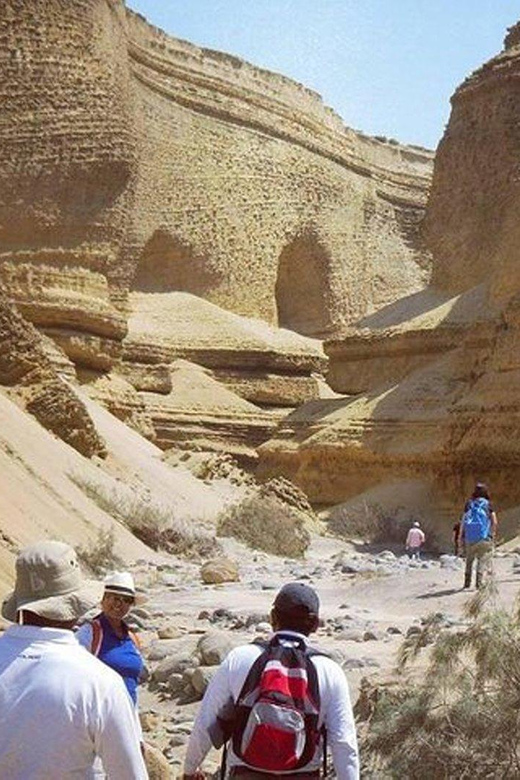
From the viewpoint, the group follows a sandy path into the canyon. The walk brings you closer to the rock formations, where erosion has produced unusual shapes and exposed different layers of earth.
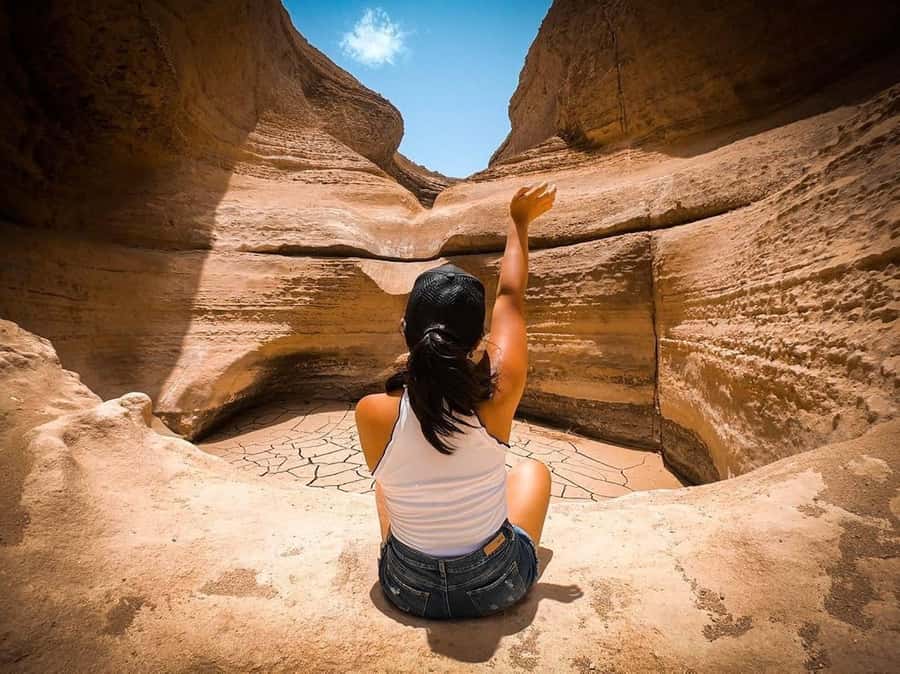
The route includes places where you may see fossils and saltpeter deposits. These details help turn the walk into a geology lesson rather than a simple scenic stop. Saltpeter, also called nitrate deposits, is a reminder of the mineral wealth found in dry regions of the coast. The tour information does not promise a particular fossil specimen, so think of these as things to look for, not guaranteed discoveries.
The canyon’s waterholes are another unusual feature. In a desert this dry, even small pools or damp areas seem surprising. They add a point of interest to the walk and help explain the canyon’s relationship with an old riverbed. The canyon formed through river action and wind erosion, and the route lets you see the results close up.
You should wear closed-toe shoes. Sand can make open sandals awkward, and uneven ground is more safely handled with proper footwear. The walk is described as an adventure, but no exact walking distance, elevation gain, or accessibility details are provided. If you have concerns about uneven sandy ground, ask the operator before booking.
The heat is the main physical issue. Use sunscreen, including biodegradable sunscreen, and carry enough water and food. There is no included lunch, so do not assume the winery stop will replace a meal. The schedule is long enough that a simple packed lunch is a sensible addition.
What the guides add to the experience
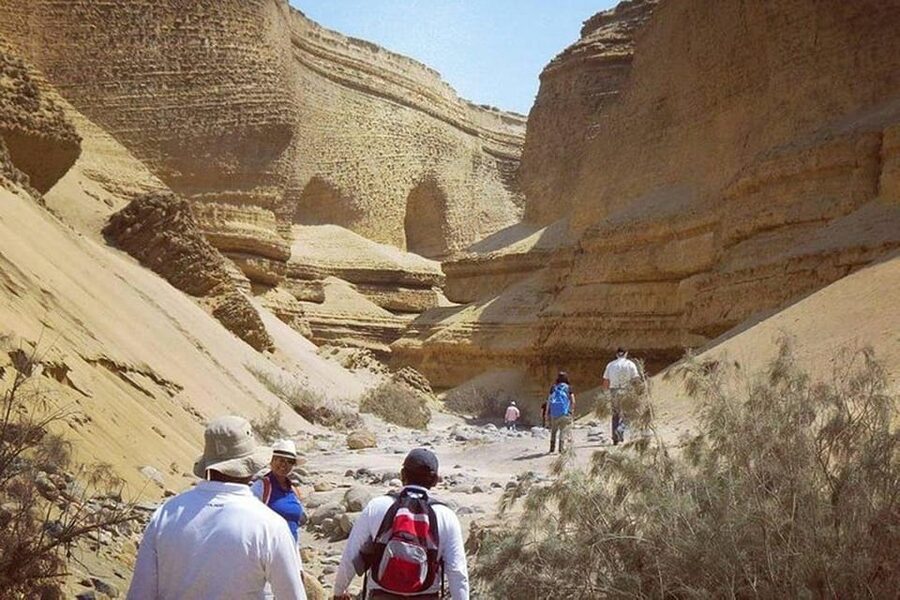
This excursion depends more on guiding than a typical viewpoint visit. The canyon does not come with a large visitor center explaining every formation. Your guide connects the fossils, rock layers, wind erosion, riverbed, birds, and waterholes into a coherent story.
The guide service is offered in English and Spanish. That matters because the route contains several layers of information, from the age of the marine fossils to the way the canyon was shaped. A guide can also help you pace the walk and point out features you might otherwise pass.
Emilio received particular praise for being attentive to group needs. That detail is worth emphasizing because the day combines heat, a long drive, and a walk over sand. A guide who watches the group’s comfort can make the difference between a fascinating outing and a tiring one.
The group is described as small, though no maximum size is provided. A smaller group should make it easier to hear the guide and keep the walk together. If you are booking alone, remember that at least two passengers are required for departure. Ask whether you can join an existing group or arrange a private departure.
The winery stop and return to Ica
After leaving the canyon, the route returns toward Ica and includes a short stop at a winery selling pisco and artisanal wines. You can taste the products and have a few minutes to shop if you wish.
This stop gives the day a local food and drink connection, but keep your expectations measured. It is a brief tasting, not a full vineyard tour or a long meal. The stop works well as a final regional touch after a day focused on rocks and desert.
Pisco is Peru’s best-known grape spirit, and tasting it in the Ica area makes sense because the region is closely linked with pisco and wine production. You do not have to buy anything. The free time is voluntary, which is useful if you would rather stretch your legs, take a short break, or simply wait for the return drive.
The tour then drops you back at your Ica hotel or bus station. That return service is valuable if you are using Ica as a stop between destinations. It removes the need to arrange separate transport after a long day in the desert.
Is $75 a fair price?
At $75 per person, the value comes from the complete day rather than any single included item. You receive hotel or bus station pickup and drop-off, transport to a remote desert site, admission fees, a professional guide, the canyon visit, and a winery tasting.
Lunch is the main extra cost to plan for. You should also buy drinks and snacks at the stop outside Ica. Since the trip lasts about eight hours, those supplies are not optional luxuries.
The price is easier to justify if you do not have your own vehicle or do not want to organize a private desert excursion. Reaching the canyon independently would require transport planning, site access, and local knowledge. The guide also gives the scenery context that you would miss by simply being driven to the viewpoint.
The value is less clear if you dislike long drives, hot conditions, or basic desert facilities. In that case, a shorter visit to Huacachina may suit you better. This tour rewards curiosity more than convenience.
Free cancellation is available up to 24 hours before departure, and you can reserve now and pay later. Starting times depend on availability, so check the schedule before building your Ica plans around it.
Who should book this desert day?
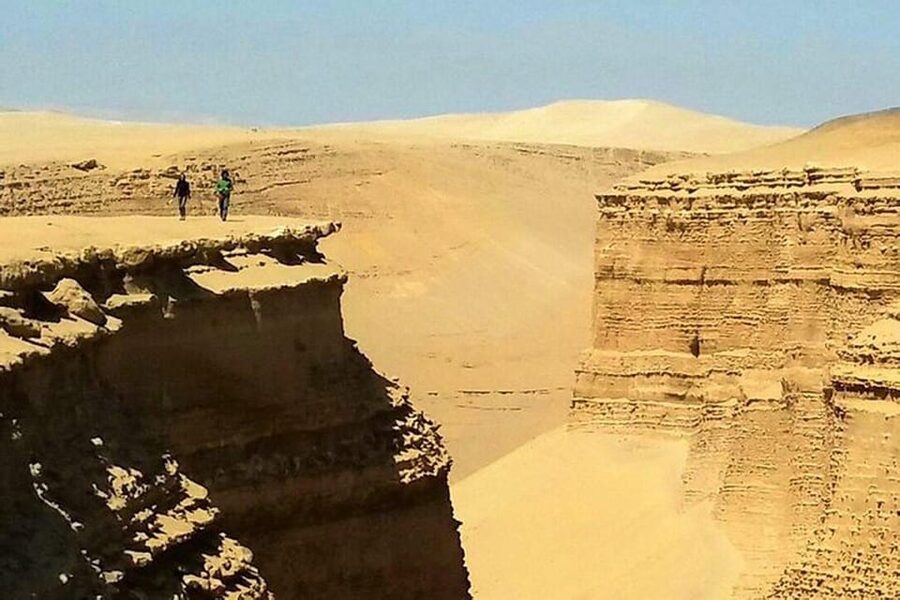
I would recommend the tour to you if you enjoy geology, unusual natural sites, photography, and quieter routes. It is particularly appealing if you have already seen Huacachina and want to understand more of the region beyond the dunes.
It also suits people who prefer guided travel in remote areas. You do not need to worry about arranging the road, locating the canyon, or interpreting the rock formations alone.
I would think twice if your priority is air-conditioned comfort, a short transfer, or a relaxed lunch stop. The day is long, the sun is strong, and the dirt-road approach takes time. The tour is also not ideal to book alone without first confirming that another passenger is joining.
The best preparation is simple:
- Wear closed-toe shoes.
- Pack food and several drinks.
- Use sunscreen and bring sunglasses.
- Carry a sun hat.
- Keep your camera protected from sand.
- Confirm the pickup point and vehicle details.
FAQ
Where does the Canyon of the Lost tour depart from?
Pickup is available from a hotel or the bus station in Ica. Return transport is provided to your hotel or bus station in Ica.
How long does the tour last?
The complete experience lasts about eight hours. The schedule includes transport, guided visits, walking time, the canyon stop, and a winery tasting.
Is lunch included?
No. Lunch is not included. You should buy or bring food and drinks, with a supply stop made before entering the desert.
What languages are available for the guide?
The tour is available with a live guide in English or Spanish.
What should I bring?
Bring sunglasses, a sun hat, food, drinks, sunscreen, biodegradable sunscreen, and closed-toe shoes.
Can I book if I am traveling alone?
At least two passengers are required for departure. If you are alone, ask about joining an existing group or arranging a private tour.
Should you book the Canyon of the Lost?
Book it if you want a full day devoted to an unusual desert setting rather than a quick attraction close to town. The canyon’s huge rock walls, fossil-bearing area, waterholes, and lack of heavy development give it a strong sense of place. The guide, especially someone as attentive as Emilio, adds useful context and helps with the demands of the heat.
Skip it if you want an easy, air-conditioned outing with a guaranteed meal and short transfers. At $75, the tour is good value for a remote site with transport and guiding included, but you pay with time and comfort. Bring water, accept the long road, and you will get one of Ica’s most memorable geological experiences.
Just added in Ica
- Ica/Huacachina: Crazy buggy in the dunes at sunset + sand sled★ 4.9 · 18 reviews
- Ica: Canyon of the Lost Tour in Ocucaje Desert★ 4.7 · 15 reviews
- Ica | Huacachina: Desert Glamping | Night Under the Stars★ 5.0 · 4 reviews
- Huacachina: Sandboarding and Dune Buggy Tour + Sunset★ 4.3 · 7 reviews
- Huacachina: Dune Buggy & Sandboard | Huacachina Oasis | Ica★ 3.6 · 18 reviews
- Huacachina: Sandboarding and 4×4 Desert Adventure★ 4.0 · 52 reviews
- Lima: Ballestas Islands, Huacachina Oasis & Nazca Lines Tour★ 5.0 · 5 reviews
- From Ica or Huacachina: Tour to Tacama Vineyard and Artisanal Winery.★ 4.0 · 4 reviews
Paracas and Ballestas Islands, compared.

Premium Paracas & Huacachina Day Trip from Lima with Sunset Toast
Read our review →
Full Day Tour From Lima: Paracas and Huacachina Oasis
Read our review →
From Lima: Paracas and Huacachina Oasis Full Day Guided Tour
Read our review →
Paracas and Huacachina Exclusive Sunset Picnic Tour
Read our review →
Unmissable Visit To Paracas, Huacachina And Sunset In The Oasis
Read our review →
Paracas, Ballestas Islands and Huacachina Guided Tour
Read our review →
Epic Paracas & Huacachina – Day Trip From Lima
Read our review →
Browse the lists this tour appears in