
Reviewed · NAZCA LINES FLIGHTS
Nazca: Overflight of the Nazca Lines
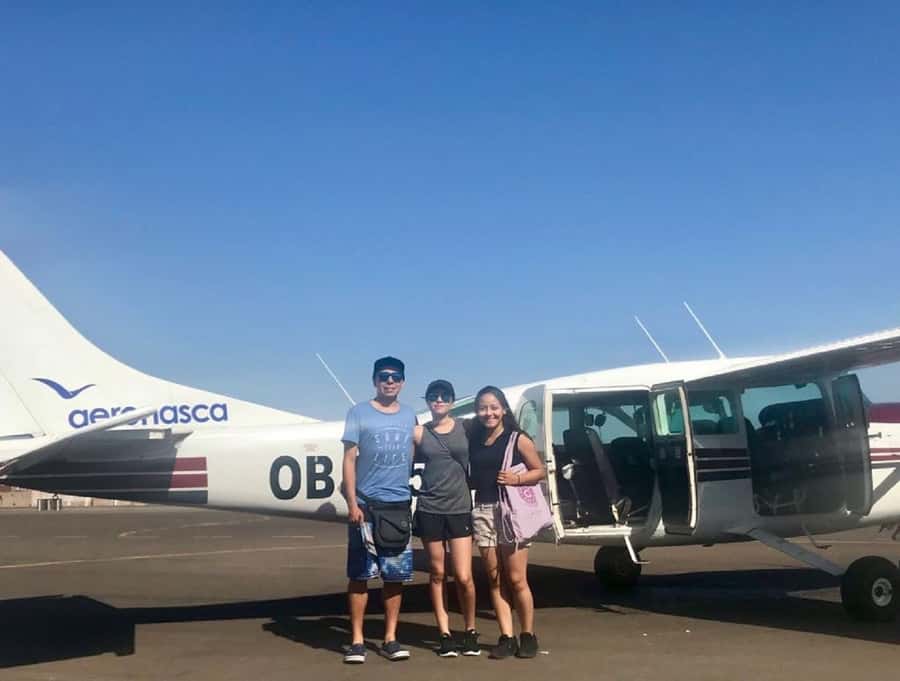
The desert reveals its secrets from above. This Nazca Lines overflight gives you a rare view of ancient geoglyphs that are hard to understand from the ground, including the monkey, hummingbird, spider, condor, and astronaut. I like the small six-passenger aircraft and the useful historical briefing about the Nazca culture. I also like that shared transfers, a flight certificate, and a map are included.
The main drawback is the extra air tax, about $25 in cash, which brings the real cost close to $154 per person. The flight can also feel rushed and physically demanding. The plane banks repeatedly so both sides can see the figures, and even people who rarely get motion sickness may want medication.
In This Review
- Key points to know before booking
- Why the Nazca Lines are worth seeing from the air
- Pickup in central Nazca and the ride to the aerodrome
- The 40-minute airport process
- What the 35-minute flight actually shows you
- The one-hour option across the Palpa plains
- The Nazca culture behind the drawings
- Price, weight rules, and practical value
- Weather, schedules, and motion sickness
- Who will enjoy this flight most
- Should you book the Nazca Lines overflight?
- FAQ
- Where does the Nazca Lines flight depart?
- How long is the flight?
- How many figures can I see on the 35-minute flight?
- What does the one-hour flight add?
- Is the air tax included in the price?
- What documents and items should I bring?
- What languages are available?
- How many passengers fit in the aircraft?
- Can I cancel the booking?
Key points to know before booking
- You see 13 major figures on the 35-minute flight, including the whale, dog, monkey, astronaut, condor, spider, hummingbird, tree, hand, and albatross.
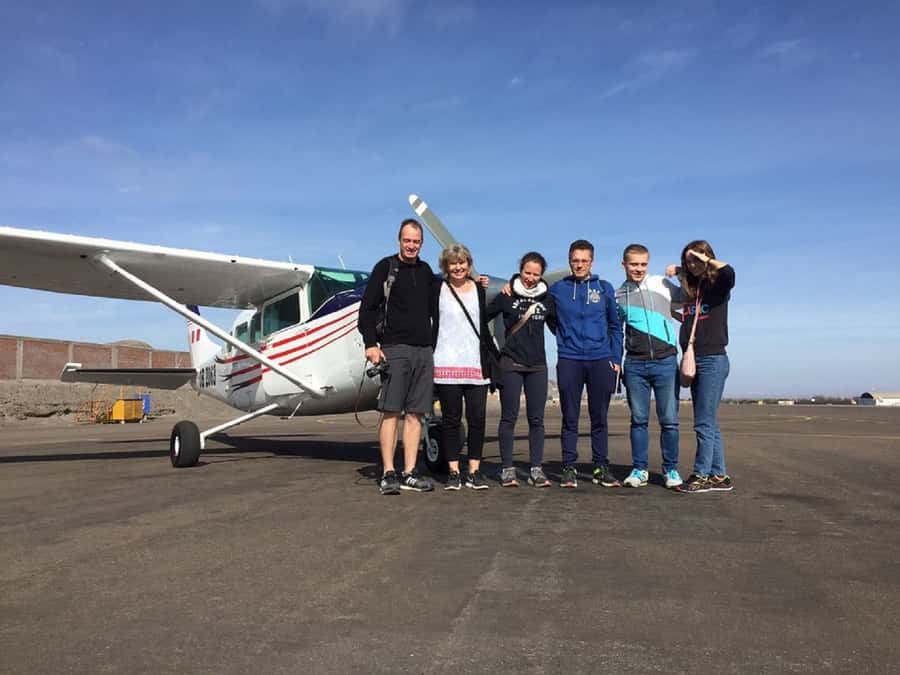
- The aircraft holds six passengers and two pilots, giving each person a panoramic view rather than a cramped coach-style ride.
- The longer one-hour flight needs at least four people, and adds figures across the Palpa plains, including llamas, iguanas, lizards, snakes, and birds.
- The advertised $129 price does not include the air tax, which is about S/. 77, or $25, paid in cash before boarding.
- The airport process takes about 40 to 45 minutes, so the total outing lasts longer than the time spent in the air.
- Motion sickness is a real concern, especially while photographing figures and looking down during repeated turns.
Why the Nazca Lines are worth seeing from the air
The Nazca Lines are huge drawings scratched into the desert plains between Nazca and Palpa. They are difficult to appreciate from ground level because many figures are too large to read as a whole. From the air, the shapes finally make sense.
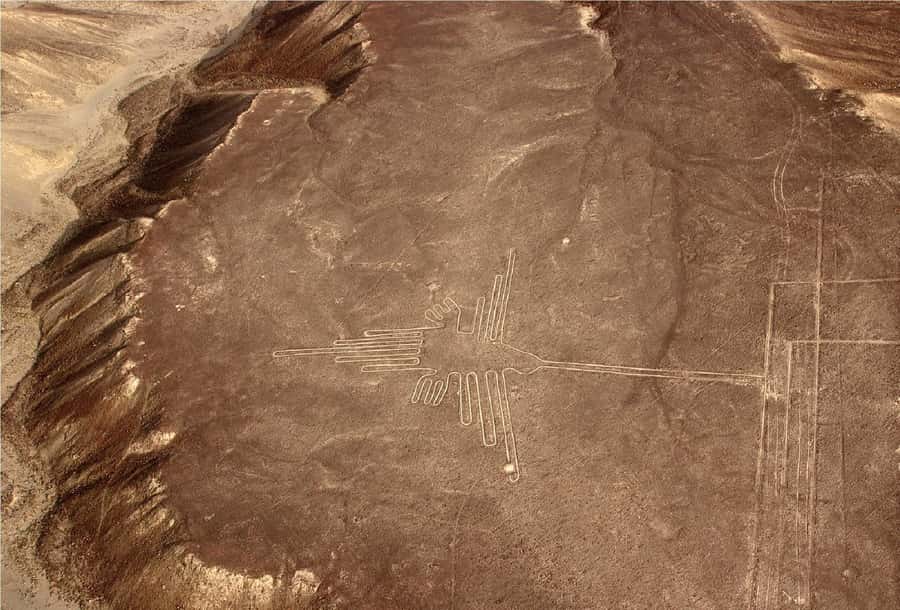
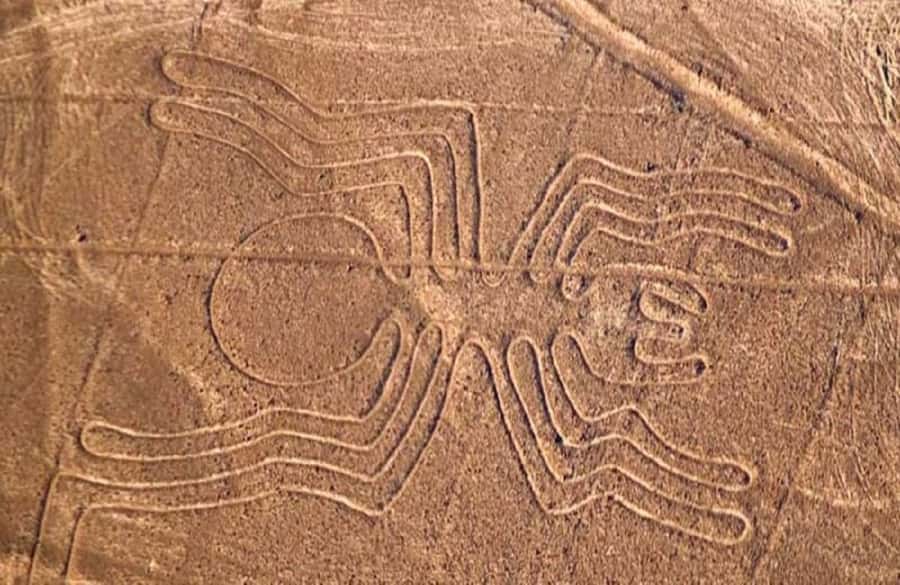
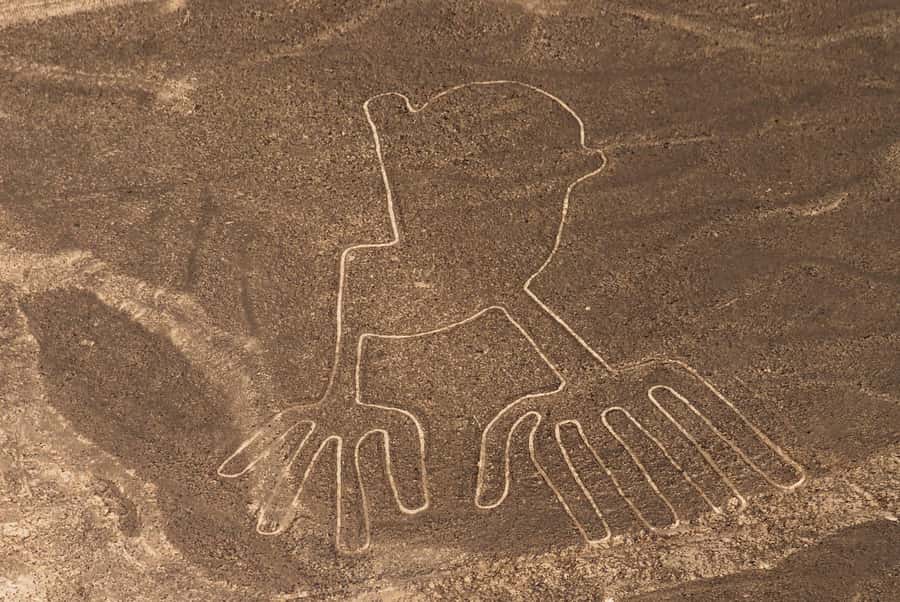
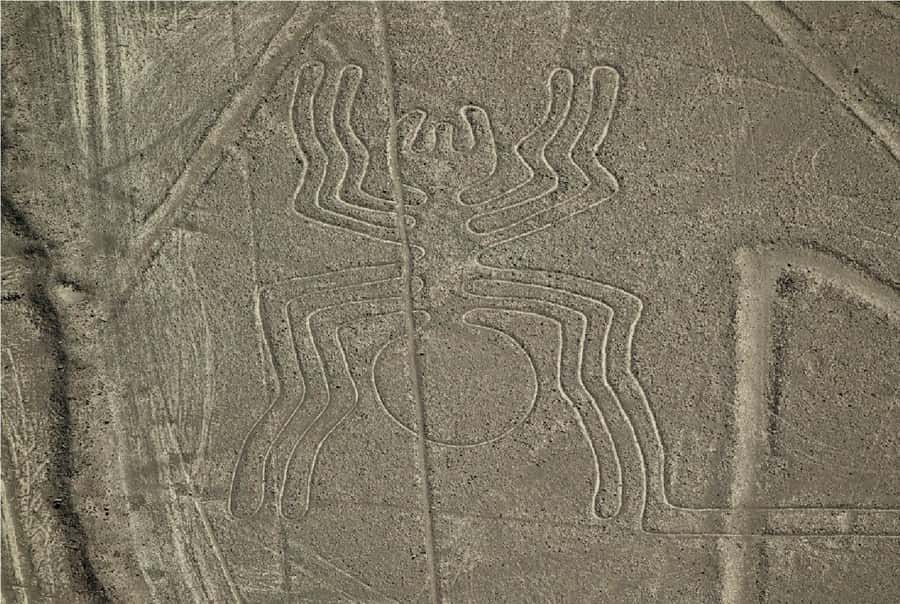
You may see a whale, a dog, a monkey with a curling tail, a hummingbird, a spider, a condor, a parrot, a tree, and a hand. The famous astronaut figure is also part of the route. Some are animals, some are geometric forms, and some remain open to interpretation.
The figures were made by removing the dark surface stones to expose lighter ground below. The dry climate helped preserve them for centuries. The first written reference dates to 1547, but Peruvian archaeologist Toribio Mejía Xesspe identified and studied them in 1927. From 1946, German archaeologist Maria Reiche devoted much of her life to studying and protecting the lines.
Reiche proposed that the geoglyphs formed part of a giant solar and lunar calendar. Other ideas connect them with ceremonies, water, gods, or even visitors from other worlds. There is no settled answer, and that uncertainty is part of the appeal. You are not simply looking at old drawings. You are looking at a puzzle built on a monumental scale.
More Nazca Lines flights:
- From Nazca: 35-Minute Flight Over Nazca Lines
★ 4.6 · 583 reviews - Nazca Lines + Cantalloc Aqueducts
★ 4.5 · 120 reviews - Fly Over the Nazca Lines with the Experts
★ 4.5 · 48 reviews
Pickup in central Nazca and the ride to the aerodrome
The tour begins with pickup from your hotel in central Nazca or from the bus terminal. The drive to Maria Reiche Aerodrome takes about 12 minutes, followed by a return ride of roughly 10 minutes after the flight.
That short transfer is useful if you are passing through Nazca by bus and do not want to arrange a separate taxi. It also keeps the day simple. You do need to check the location of your hotel, since transfers from properties outside central Nazca are not included.
The timing of your pickup may not feel perfectly fixed. Flights operate between 9 a.m. and 4 p.m., and service follows the order of arrival, with weather affecting the schedule. After booking, the local operator contacts you with more details, but you should still allow extra time in your day.
The 40-minute airport process
At the aerodrome, expect a safety briefing and the required boarding procedure. This takes about 40 to 45 minutes, much longer than the transfer itself.
That wait can test your patience, but it is part of the experience. The aircraft are small, holding two pilots and six passengers. The procedure helps organize the passenger list, collect the air tax, and prepare the plane for the flight.
Bring your passport. You should also have cash for the S/. 77, or approximately $25, air tax paid before boarding. This fee is separate from the $129 tour price, so plan on a total of about $154 per person before any extra transfer costs.
A documentary about the Nazca Lines is included, along with permanent assistance in English and Spanish. The guide can explain the Nazca culture and point out what you will see, but the language choice is limited to those two languages. If you need a French guide, this experience may not meet your expectations.
What the 35-minute flight actually shows you
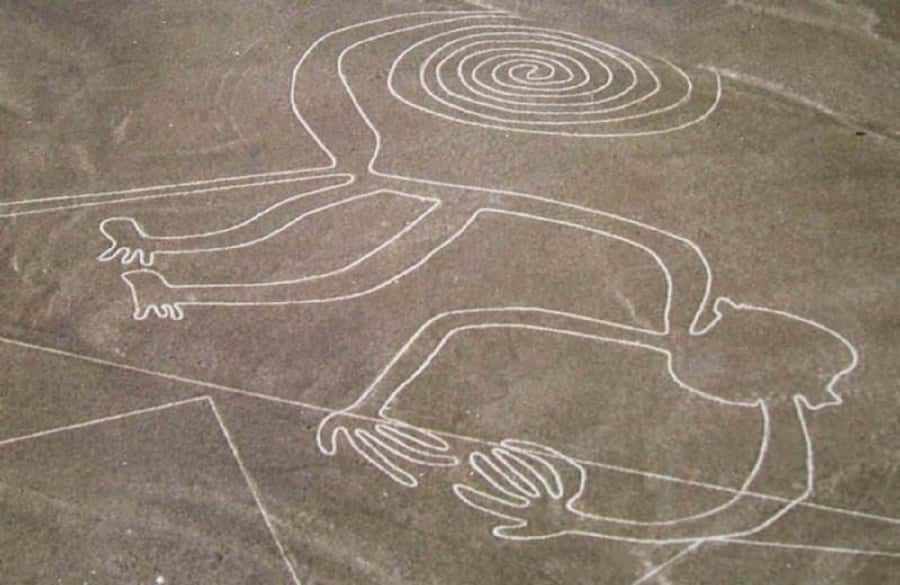
The standard flight lasts about 35 minutes and covers 13 major figures. The route is designed to give you a clear view of each one, but the plane must bank and circle so passengers on both sides can see.
You will first look for the large geometric trapezoids. Then come the recognizable figures:
- The whale
- The dog
- The astronaut
- The monkey
- The condor
- The compass
- The spider
- The hummingbird
- The parrot
- The tree
- The hand
- The albatross
The list also includes the Nazca Lines area itself, where long straight lines stretch across the pale desert. The geometric shapes can be easier to spot than the animals, while the smaller figures may require patience and a sharp eye.
The plane’s design gives each passenger a panoramic view, which is one of the strongest parts of the experience. You are not assigned to a large aircraft with a distant view through a tiny window. Still, you should not expect a calm scenic flight. The plane turns often, and your attention moves quickly from one side to the other.
Use the guide’s directions first, then take photos. A common mistake is to spend the whole flight looking at a screen. One passenger found that concentrating on photography and the views led to motion sickness during the final five minutes. That is a useful warning. Take a few pictures, but keep your eyes on the horizon or the interior of the aircraft when you start feeling unwell.
More things to do in Nazca:
- Flight over the Nazca Lines from Nazca (35 min)
★ 4.0 · 44 reviews - From Nazca: Cahuachi Pyramids Tour and Textile Workshop
★ 4.8 · 21 reviews - From Nazca: Chauchilla Cemetery Tour and Artisans Workshop
★ 4.9 · 20 reviews - From Ica: Flight over the Nazca Lines
★ 3.0 · 15 reviews
The one-hour option across the Palpa plains
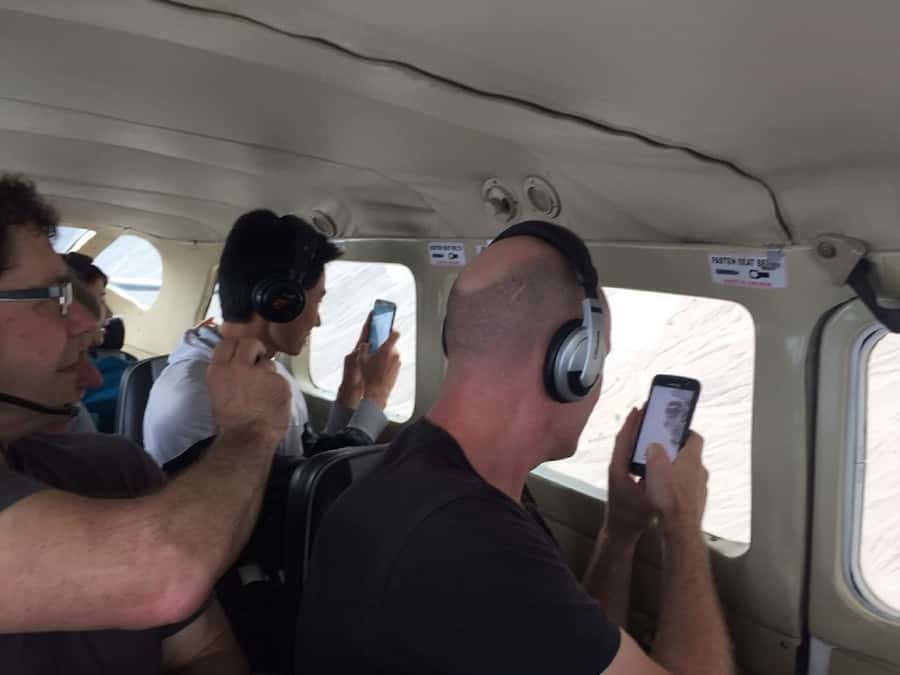
The one-hour flight requires at least four people to start. It includes the 13 figures from the shorter route and then continues over the Palpa plains.
This longer option adds figures such as the heron, crane, pelican, seagull, parrot, snail, llamas, iguana, lizard, snakes, and several birds. The extra time gives you more examples of the geoglyph tradition and takes you beyond the best-known Nazca figures.
I would choose the longer flight only if you have enough time, a group of at least four, and a strong interest in the subject. More time in the air does not mean a more relaxed flight. It means more turns, more figures to identify, and more chance of feeling queasy.
The one-hour route may be especially worthwhile for anyone who has already read about Maria Reiche or the Nazca culture. If you mainly want to see the monkey, hummingbird, and spider, the 35-minute option covers the essentials at a lower physical cost.
The Nazca culture behind the drawings
The geoglyphs were created by the Nazca culture, which developed from about the first through seventh centuries AD. This society is also known for polychrome ceramics, textiles, and metalwork.
Its ceremonial center was Cahuachi, in the Nazca River valley. The Nazca people also built aqueducts that helped bring water to farmland. That detail matters because the lines are not isolated curiosities. They belong to a culture that adapted to one of the driest places on Earth and developed complex ways to support agriculture and ritual life.
The guide’s explanation can add welcome context before or after the flight. Without it, the geoglyphs risk becoming a fast search game: find the monkey, photograph the hummingbird, and wait for the next turn. With some background, you can think about why the figures were placed where they are and how much labor their construction required.
The included map and flight certificate are modest but useful souvenirs. The map helps you remember the order of the figures, while the certificate marks the experience without taking up much space in your luggage.
Price, weight rules, and practical value
At $129 per person, the flight is not a bargain attraction, but the price covers more than the aircraft ride. You receive shared transfers in central Nazca, the documentary, English or Spanish assistance, a map, a certificate, and a seat in a six-passenger aircraft.
The extra air tax changes the calculation. Add about $25 in cash, and your actual cost is close to $154 per person. If you stay outside central Nazca, you may also need to pay for transportation to the meeting point.
Weight charges also apply. Passengers over 209 pounds, or 95 kilos, pay 50 percent more. Passengers over 253 pounds, or 115 kilos, require an additional seat. Give your weight when booking so there are no unpleasant surprises at the airport.
The best value comes from treating this as a once-in-a-trip archaeological experience rather than a simple sightseeing flight. You are paying for access to something that cannot be understood properly from the road. If the extra tax stretches your budget, the shorter flight still covers the central figures.
Weather, schedules, and motion sickness
Flights are scheduled between 9 a.m. and 4 p.m., but the weather can change the timing. The service follows the order of arrival, so do not plan a tight bus connection immediately afterward.
The activity lists a duration of 30 minutes to one hour, but the standard flight itself is about 35 minutes. Add the airport procedure, transfers, possible waiting, and weather delays. You should treat this as a substantial half-day commitment, even though the time in the sky is short.
Pack sunscreen and a hat for the desert sun. Keep cash and your passport with you. Most important, consider motion-sickness medication if you are sensitive to repeated turns. The small plane and constant banking can affect you even if buses, boats, and ordinary flights usually do not.
The plane has only six passenger seats, which is good for visibility but also means you have little room to move around if you feel ill. Eat lightly before the flight, follow the crew’s instructions, and avoid staring at your camera for long periods.
Who will enjoy this flight most
I recommend this experience to anyone traveling through Nazca who wants to see the lines properly. It is particularly good for archaeology fans, photographers, and curious families with older children who can follow a guide’s directions and handle a small aircraft.
It also suits people on a tight Peru itinerary. The pickup from a central hotel or bus terminal makes it easy to fit the flight into a stop in Nazca.
I would think twice if you are highly prone to motion sickness, dislike small planes, or need a fixed departure time. The experience can also feel hectic. One passenger described the organization as funny and impressive but somewhat chaotic. That is fair. The airport wait, weather changes, and order-of-arrival system mean you should bring patience.
The language support is English and Spanish. If you want French commentary, you may need another operator or a separate guide.
Should you book the Nazca Lines overflight?
Book it if seeing the Nazca Lines is a priority. The air view is the point, and the small plane gives you a much better chance of seeing the figures than a ground stop ever could. I especially like the efficient central pickup, the six-passenger aircraft, and the solid cultural background.
Choose the 35-minute flight if you want the essential figures and a lower chance of motion sickness. Choose the one-hour route if you have at least four people, extra time, and a real interest in the additional Palpa geoglyphs.
Before paying, budget for the separate $25 air tax, disclose your weight, bring your passport and cash, and avoid scheduling a tight connection afterward. With those details handled, this is a memorable and worthwhile way to see one of Peru’s most puzzling UNESCO World Heritage Sites.
FAQ
Where does the Nazca Lines flight depart?
The flight departs from Maria Reiche Aerodrome near Nazca. Shared transfers are provided from hotels in central Nazca and from the Nazca bus terminal.
How long is the flight?
The standard flight lasts about 35 minutes. A longer option lasts about one hour and requires at least four people.
How many figures can I see on the 35-minute flight?
The shorter flight includes 13 figures, such as the whale, dog, astronaut, monkey, condor, spider, hummingbird, parrot, tree, hand, and albatross, along with geometric shapes.
What does the one-hour flight add?
The one-hour route includes the 13 figures from the shorter flight and continues over the Palpa plains. Additional figures include a heron, crane, pelican, seagull, snail, llamas, iguana, lizard, snakes, and several birds.
Is the air tax included in the price?
No. An air tax of about S/. 77, or $25, per person must be paid in cash before boarding.
What documents and items should I bring?
Bring your passport, sunscreen, a hat, and cash. Cash is needed for the air tax and possibly for other personal expenses.
What languages are available?
The live guide and assistance are available in English and Spanish.
How many passengers fit in the aircraft?
The aircraft has eight seats in total: two for the pilots and six for passengers.
Can I cancel the booking?
You can cancel up to 24 hours in advance for a full refund. You can also reserve now and pay later, which keeps your plans more flexible.
Just added in Nazca
- Nazca : Mirador of Nazca Lines★ 4.9 · 5 reviews
- Nazca: Light aircraft flight over the Nazca Lines★ 3.7 · 4 reviews
- Nazca: Maria Reiche Museum and Nazca Lines Viewpoint Tour★ 4.5 · 6 reviews
- Nasca: Ocongalla Aqueduct Sandboarding in the Usaka desert★ 4.4 · 4 reviews
- LIMA|| FullDay excursion to the Nazca Lines+Huacachina Oasis★ 3.2 · 7 reviews
- From Nazca: Flight in a light aircraft over the Nazca Lines★ 4.4 · 12 reviews
- From Nazca: Small plane flight over the Nazca Lines★ 4.8 · 6 reviews
- From Nazca: Chauchilla Cemetery Tour and Artisans Workshop★ 4.9 · 20 reviews
Nazca Lines Flights, compared.
2 Day Tour from Lima: Nazca Lines Flight, Paracas, and Huacachina
Read our review →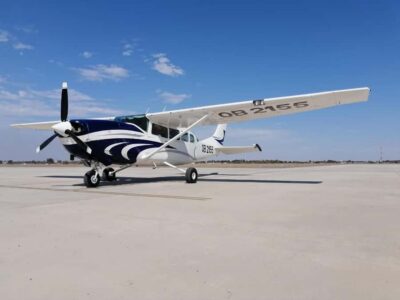
3 Day Tour from Lima: Nazca Lines Flight, Paracas, and Huacachina
Read our review →
4 Day Tour from Lima: Nazca Lines Flight, Paracas, and Huacachina
Read our review →
Full Day Nazca Lines, Huacachina Oasis with Buggy and Sandboard
Read our review →
Ballestas & Huacachina Day Trip w/ Nazca Lines Flight
Read our review →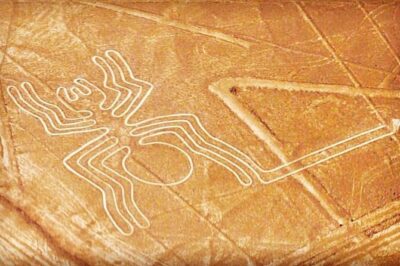
Private Tour to the Astonished Nazca Lines and Huacachina Oasis
Read our review →Browse the lists this tour appears in