
Reviewed · INCA TRAIL AND SALKANTAY TREKS
4-Day Salkantay Trek with Sky Camp Stay
Machu Picchu is only the finale. This four-day Salkantay route gives you a demanding but rewarding way to reach the Inca citadel, with glacier lakes, high mountain passes, coffee farms, jungle-edge trails, and a night beneath a glass roof. I like the Sky Camp igloo, which gives you a memorable place to watch the stars, and I like that the price includes meals, transport, lodging, entry fees, and porterage instead of leaving you to assemble the trip piece by piece.
The main caution is simple: this is a hard trek at high altitude, not a gentle walk to Machu Picchu. The second day reaches 4,630 meters, or 15,190 feet, and the long descents can be rough on tired legs. Arrive in Cusco at least two days early, and take the fitness warning seriously.
In This Review
- Key points to know before booking
- What the four-day route is really like
- Day 1: Challacancha, Humantay Lake, and Sky Camp
- Day 2: The Salkantay Pass at 4,630 meters
- Day 3: Coffee country, the Urubamba River, and Aguas Calientes
- Day 4: Machu Picchu before the crowds build
- Sky Camp, Andean Huts, and the hotel night
- What the $695 price includes
- Guides, group size, and the human side
- Who should book this trek?
- Should you book the 4-Day Salkantay Trek?
- FAQ
- How difficult is the 4-Day Salkantay Trek?
- How early should I arrive in Cusco?
- Is pickup from my hotel included?
- Are meals included?
- Is the train from Hidroelectrica to Aguas Calientes included?
- Is Machu Picchu admission included?
- Are Huayna Picchu and Machu Picchu Mountain included?
Key points to know before booking
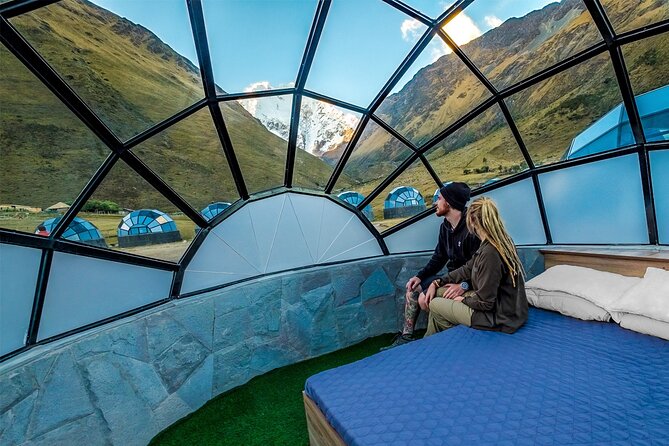
- Sleep beneath the stars at Soraypampa: The glass-roofed Sky Camp igloos make the first night special, but the cold mountain setting calls for proper layers.
- Reach 4,630 meters on Day 2: The Salkantay Pass is the physical high point of the trip, with a demanding climb followed by a long descent.
- Humantay Lake comes early: The three-hour round hike rewards you with a striking glacier-fed lake and views toward Humantay Mountain.
- Small-group guiding is a major plus: The advertised group size is small, listed as a maximum of 10 in the highlights and up to 12 in the additional information, so confirm the exact size for your date.
- The final approach mixes hiking and transport: You can walk three hours beside the railway from Hidroelectrica or pay extra for the train to Aguas Calientes.
- The $695 price covers a lot: Lodging, food, guides, transfers, Machu Picchu admission, buses, train travel from Aguas Calientes to Ollantaytambo, and 7 kilograms of porterage are included.
What the four-day route is really like
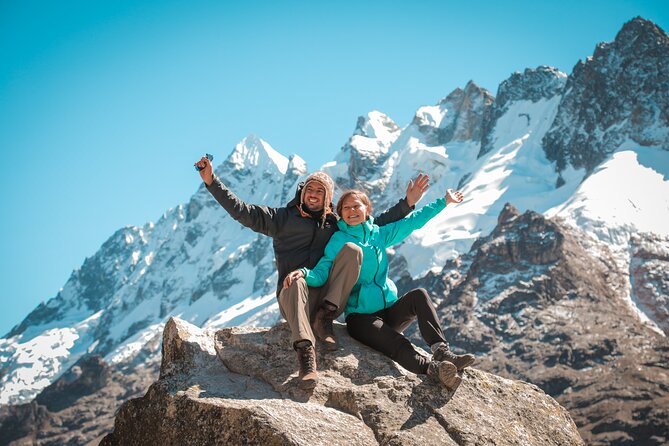
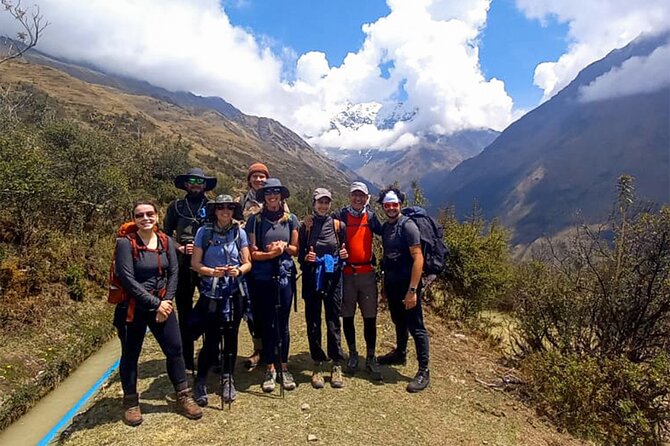
This trip works because the scenery changes almost every day. You begin in dry, high Andean country, climb toward snow-covered peaks, descend into the Cloud Forest, pass through coffee country, and finish at Machu Picchu.
That variety is the great strength of the Salkantay route. The trade-off is that the days are long and the path is not always forgiving. You need to be comfortable hiking for several hours, climbing at altitude, and walking downhill when your legs are already tired.
A mountain guide leads the group, with cooks and porters supporting the camp. Safety equipment includes a first aid kit, oxygen, and emergency satellite phones. Those details matter on a route that reaches serious altitude and spends time far from town.
More hikes and treks in Cusco:
- Classic Inca Trail Trek 4D/3N to Machu Picchu (Group Service)
★ 5.0 · 8,653 reviews - Machu Picchu: 4-Day Inca Trail Trek with Panoramic Train Ride
★ 5.0 · 4,568 reviews - Salkantay Classic Trek 5 Days from Cusco
★ 5.0 · 4,062 reviews
Day 1: Challacancha, Humantay Lake, and Sky Camp
Your morning begins early, with pickup scheduled for 4:30 a.m. You travel to Mollepata for breakfast, then continue to Challacancha, the start of the walk.
Breakfast on Day 1 is not included, so check what your pickup arrangements allow and plan accordingly. The early start is necessary because you have a full day ahead, not because this is a quick transfer followed by a short stroll.
The first section takes about three hours from Challacancha to Soraypampa. It is rated moderate and offers broad valley views. This is a good opening stretch because you can settle into the walking rhythm before facing the harder climb to Humantay Lake.
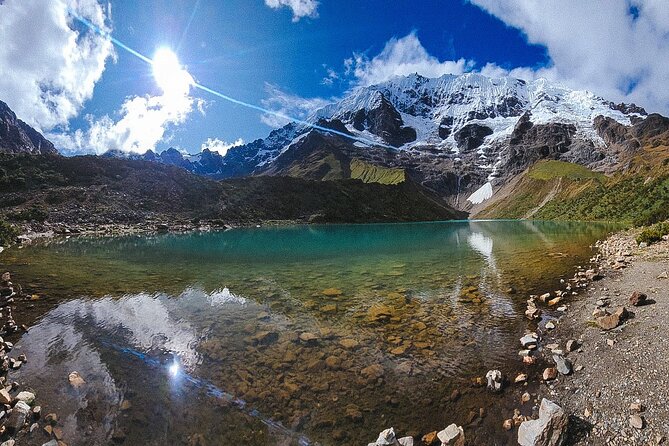
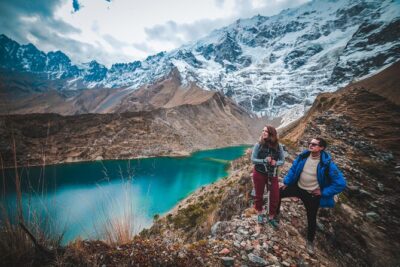
After reaching camp, you head back out for the three-hour round hike to Humantay Lake. The path rises sharply, so the distance alone does not tell the whole story. At the top, you see the glacier-fed lake beneath Humantay Mountain. The high setting and pale water make this one of the trip’s most memorable stops, but you will feel the altitude.
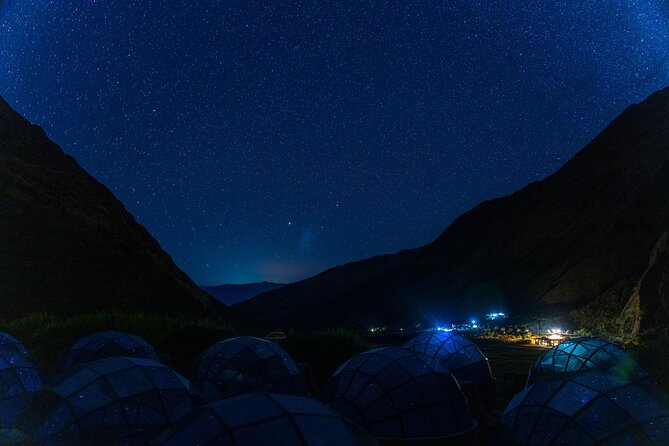
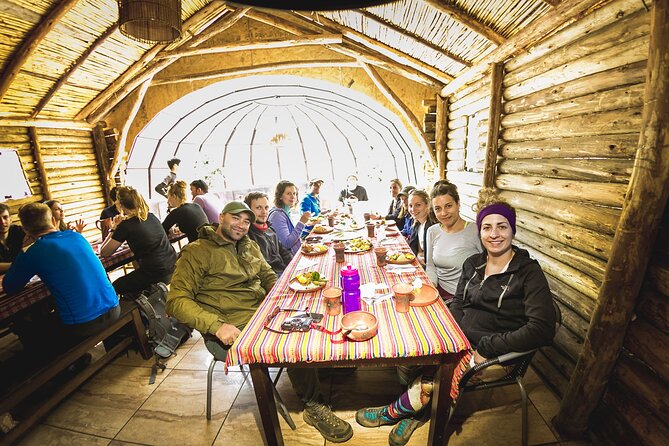
You return to Soraypampa for dinner and your night at Sky Camp. The private camping facilities include a dining room, kitchen, tables, and chairs, so this is not a bare-bones night under a thin tent. The igloos have glass roofs, allowing you to look up at the Andean sky from bed.
That sounds wonderfully comfortable, but do not confuse a glass-roofed igloo with a heated hotel room. Soraypampa is high in the mountains, and nighttime temperatures can be severe. Bring warm sleepwear, a hat, and dry layers. The sleeping bag is included, along with trekking poles, a backpack cover, and a rain poncho.
Day 2: The Salkantay Pass at 4,630 meters
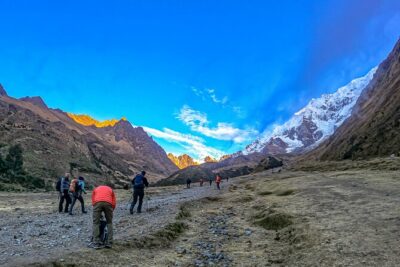
Day 2 is the test. You climb for about four hours to the Salkantay Pass, the highest point of the trek at 4,630 meters.
This is where altitude preparation matters most. The tour advises arriving in Cusco at least two days before departure to adjust. That advice is practical, not decorative. Even fit hikers can find this climb difficult when the air is thin.
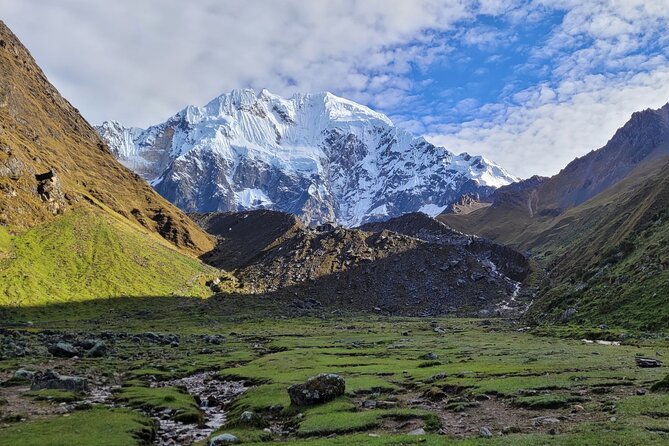
At the pass, you have views toward Salkantay Mountain and the surrounding peaks. You will have time for photographs, but keep your energy in reserve. The day is listed at about 10 hours, and the climb is only half of it.
After the pass, the trail drops toward the green edge of the Cloud Forest. The change in climate is one of the best parts of the route. You move from cold, open mountain country toward warmer, wetter vegetation in a single day.
Lunch comes partway through the descent. Then you continue to Chaullay, where you spend the night in Andean Huts. Dinner and breakfast are included, as are trail snacks and tea time.
The long downhill section deserves attention. People often focus on the climb and underestimate what several hours of descending can do to knees and feet. Good footwear, trekking poles, and careful pacing will help. A previous assessment of the trek also noted that horses may make some sections easier, but using them costs extra. Ask about this before setting out if you are worried about the hardest portions.
Day 3: Coffee country, the Urubamba River, and Aguas Calientes
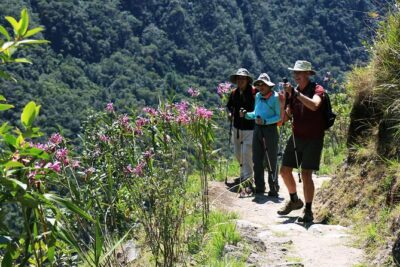
Day 3 changes the tone of the trip. You hike toward La Playa through the Peruvian high jungle, where the route offers a chance to spot birds and wild orchids.
The morning hike lasts several hours, but it is not the same kind of work as the Salkantay Pass. The air is warmer, the vegetation is thicker, and the scenery feels more enclosed. Still, do not expect an easy day. The schedule lists about nine hours, including the farm visit, transfer, and final approach to Aguas Calientes.
After lunch in La Playa, you visit a nearby farm to learn about coffee production. You can take part in harvesting, grind the beans, and prepare a cup. This is a welcome local element in a trip otherwise dominated by mountain scenery. It also gives your legs a break while connecting the route to the agricultural life of the region.
A short drive takes you to Hidroelectrica. From there, you have two choices. You can walk for about three hours along the railway beside the Urubamba River, or pay extra for the train to Aguas Calientes.
The railway walk is included and keeps the total cost down. It is also the more active, slower option after a tiring day. The train costs extra and gives you a quicker arrival, which may be worth considering if your feet are sore or you want more time in town.
In Aguas Calientes, you stay at a hotel rather than another camp. Dinner is included at a restaurant, and you should aim for an early night. The next morning begins before sunrise, so this is not the evening for a late celebration.
A completely different kind of day:
- Cusco: Rainbow Mountain and Red Valley Day Trip with Meals
★ 4.9 · 4,893 reviews - Short Inca Trail to Machu Picchu 2D/1N
★ 5.0 · 3,007 reviews - Excursion to Rainbow Mountain Full Day Optional Red Valley
★ 5.0 · 2,996 reviews - Cusco: Humantay Lake Tour with Breakfast and Buffet Lunch
★ 4.9 · 2,976 reviews
Day 4: Machu Picchu before the crowds build
The final morning starts early. You take the first bus from Aguas Calientes to Machu Picchu, then join a guided visit lasting about two to three hours.
The timing is useful. Reaching the citadel before larger groups arrive gives you a better chance to appreciate the main areas with less pressure. Your guide covers the key spots, then you have time for photographs.
Machu Picchu admission is included, as is the round-trip bus between Aguas Calientes and the site. The standard entry is Circuit 2 when available. If that circuit has sold out, access to Circuit 1 or Circuit 3 is provided at no added cost, subject to availability.
You can also add a climb of Huayna Picchu or Machu Picchu Mountain, but neither hike is included. Both must be booked separately and depend on availability. If one of these summit walks matters to you, arrange it early rather than assuming you can add it at the gate.
After visiting Machu Picchu, you return to Aguas Calientes for lunch, which is not included. You then take the tourist-class train to Ollantaytambo, followed by private transport back to your hotel in Cusco.
This last transfer makes the package easier to manage. You do not have to arrange a separate train, station transfer, or long ride back to Cusco. It also means Day 4 remains a full travel day, even after the morning visit.
Sky Camp, Andean Huts, and the hotel night
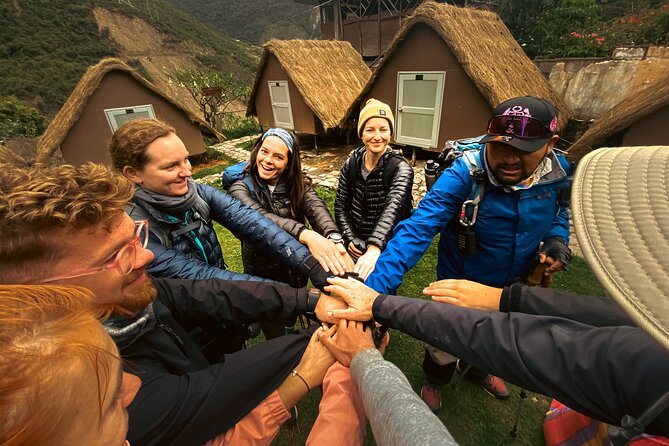
The three sleeping arrangements give the trip useful variety.
Sky Camp is the signature stay. Its glass roof makes stargazing part of the experience, and the private dining and kitchen facilities provide a comfortable base at Soraypampa. The setting is the attraction, but cold weather is the price.
The Andean Huts on the second night offer a simpler mountain stay after the hardest walking day. Their value is practical: you finish near Chaullay, eat dinner, and sleep without adding another long transfer.
The final hotel night in Aguas Calientes is well timed. After three demanding days, having a regular room and a restaurant dinner is a relief. You still need to rise early for Machu Picchu, but you are not packing up a tent before the main event.
One practical point is porterage. The tour includes 7 kilograms for your personal gear, including a duffle bag. You still carry a daypack with items needed during the walk, while the porterage allows you to leave heavier clothing and overnight gear with the support team.
What the $695 price includes
At $695 per person, this is not a budget walk, but the package covers many costs that can quickly add up on an independent trip.
Included are hotel pickup and drop-off, private transport and transfers, a mountain guide, cooks, porters, three breakfasts, three lunches, three dinners, daily snacks, water, tea time, camping equipment, three nights of accommodation, and the Machu Picchu entrance fee.
You also receive the bus to Machu Picchu, the tourist-class train from Aguas Calientes to Ollantaytambo, and private transport onward to Cusco. Safety supplies and basic trekking equipment are included as well.
The important exclusions are Day 1 breakfast, Day 4 lunch and dinner, the optional Hidroelectrica train, the two optional mountain hikes, travel insurance, and staff gratuities.
I see the value in this package if you want one company to handle the complicated parts. The route involves remote trail sections, multiple camps, a hotel, a train, buses, and a return transfer. Booking each part separately may look cheaper at first, but it would require more planning and leaves more room for a missed connection.
The price is less compelling if you already have trekking equipment, transport experience, and a strong preference for arranging every detail yourself. For most people seeking a guided Salkantay trip, though, the combination of food, lodging, entry tickets, and transport makes the cost reasonable.
Guides, group size, and the human side
The guides receive especially strong praise in the supplied feedback. Freddy Apaza is singled out for taking care of group needs, and Marcos is praised for bringing energy and care to the trip. Those names matter because a guide can shape the whole experience on a difficult route.
A good guide should help you pace the climb, explain the changing environment, keep the group together, and respond when altitude or fatigue becomes a problem. The inclusion of oxygen, a first aid kit, and satellite phones adds a useful safety layer, but no equipment replaces good judgment from you and the guide.
The group is intended to be small. The highlights give a maximum of 10, while the additional information states a maximum of 12. That inconsistency is worth clearing up before you pay. Even a group of 12 is more personal than a large coach tour, but the exact number affects how quickly the group moves and how much direct attention you receive.
The experience has a 5 out of 5 rating from 3,348 ratings and a 99 percent recommendation rate. The strongest praise centers on attentive staff, memorable scenery, and the sense that the guides work hard to make a difficult trip manageable.
Who should book this trek?
You should consider this trek if you want Machu Picchu to be part of a larger physical adventure rather than a stand-alone sightseeing visit. It suits hikers who enjoy changing scenery, early starts, simple mountain lodging, and long days on foot.
It is also a good fit if you want support without giving up the feeling of being out in the mountains. The cooks, porters, included gear, and transfers reduce the practical burden, while the route still feels active and remote.
You should think twice if you dislike steep climbs, long descents, basic camp accommodation, or high-altitude conditions. The second day is especially serious, and the full four days require stamina. The 99 percent recommendation does not erase the fact that one rating specifically called the trek intense and wished the difficulty had been explained more clearly.
Book only after confirming your Machu Picchu circuit, group size, and any optional mountain hike. Also buy travel insurance, since the booking is non-refundable and cannot normally be changed. If bad weather or insufficient bookings force cancellation, you are offered a new date or a full refund, but personal cancellations do not qualify.
Should you book the 4-Day Salkantay Trek?
I would book it if you are fit, have acclimatized in Cusco, and want a full mountain route to Machu Picchu with strong logistical support. Sky Camp is a memorable touch, Humantay Lake and Salkantay Pass deliver the major scenery, and the coffee farm adds a welcome connection to local work.
I would not book it as a casual alternative to the Inca Trail. This route is challenging, the days are long, and the altitude is real. If you accept that from the start, the $695 package offers a well-supported way to trade crowded shortcuts for a demanding route through the Andes.
FAQ
How difficult is the 4-Day Salkantay Trek?
It requires a strong level of physical fitness. The toughest day reaches the Salkantay Pass at 4,630 meters and lasts about 10 hours, including the descent.
How early should I arrive in Cusco?
You should arrive at least two days before the trek to adjust to the altitude.
Is pickup from my hotel included?
Yes. Hotel pickup and drop-off, along with private transport and transfers during the trip, are included.
Are meals included?
Breakfast, lunch, and dinner are included for the first three days. Breakfast on Day 1 and lunch and dinner on Day 4 are not included.
Is the train from Hidroelectrica to Aguas Calientes included?
No. You can walk for about three hours beside the railway at no extra cost, or take the train for an additional fee.
Is Machu Picchu admission included?
Yes. The entrance ticket is included, along with the round-trip bus between Aguas Calientes and Machu Picchu. Circuit 2 is provided when available, and Circuit 1 or 3 is offered at no added cost if Circuit 2 is sold out, subject to availability.
Are Huayna Picchu and Machu Picchu Mountain included?
No. Those hikes require separate booking, an additional fee, and availability on your chosen date.
Just added in Cusco
- Cusco Private Transportation for 2026★ 5.0 · 4 reviews
- Private Transfer from Airport to Hotel in the City of Cusco★ 4.0 · 5 reviews
- Best Cusco walking tour: dinner street food tasting★ 4.5 · 11 reviews
- Machu Picchu Day Trip With Panoramic Train from Cusco★ 5.0 · 10 reviews
- Private Tour to Pisac Market and Pisac Ruins★ 5.0 · 4 reviews
- Sacred Valley Private Tour from Cusco, Guide and Driver only★ 5.0 · 4 reviews
- Sacred Valley of the Incas Tour★ 5.0 · 12 reviews
- Private Tour of the Mountain of Colours by Quad★ 5.0 · 7 reviews
Inca Trail and Salkantay Treks, compared.
Classic Inca Trail Trek 4D/3N to Machu Picchu (Group Service)
Read our review →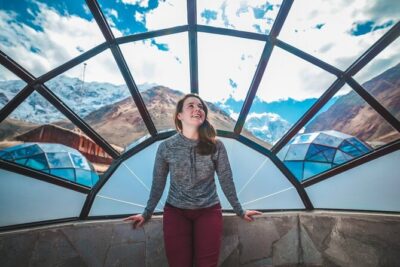
Salkantay Trek 5D/4N with Glass Cabins, Domes and Hobbit House
Read our review →2-Day Inca Trail to Machu Picchu with Panoramic Train
Read our review →
Browse the lists this tour appears in