
Reviewed · HISTORICAL TOURS
Aymara Route Mystical Cultural Tour
Ancient stone, sacred sites, and a very full day await. The Aymara Route brings together unusual places south of Puno, from Chucuito’s fertility temple to the mysterious Aramu Muru portal. I like the mix of archaeology and living ceremony, and I like that the $32 price includes transport, entry tickets, and an official guide. The main consideration is the pace: several stops are brief, and you may need to choose between a short walk and a ceremony at Aramu Muru.
The guide service earns strong marks for clear explanations, maps, photos, and English support. One especially welcome touch is the optional drone footage, which has given some groups free videos of the sites and the people standing among them. Still, this is not a relaxed countryside outing. You spend much of the day in the vehicle, with high-altitude walking and plenty of sun.
In This Review
- Key points to know before booking
- What the Aymara Route is really about
- Chucuito and the Temple of Fertility
- Molloco’s square and circular chullpas
- Circular waru warus and Andean farming
- Aramu Muru, meditation, and the day’s big choice
- Juli, the Rome of America, and the final stop
- Transport, guiding, and the real value of $32
- What to bring for this high-altitude day
- Who should book this route?
- Should you book the Aymara Route?
- FAQ
- How long does the Aymara Route take?
- What places does the tour visit?
- Is pickup included?
- Is an English-speaking guide available?
- Are transportation and entrance tickets included?
- Can I cancel or pay later?
Key points to know before booking
- Chucuito opens with a striking fertility temple: Six smaller phalluses and one larger carving make this an unusual first stop, with time for photos and explanation.
- Molloco differs from Sillustani: You see three square chullpas, one circular tower, and floor-level niches connected with burial use.
- Waru warus show practical Andean farming: The circular raised fields and channels reveal an old method for protecting crops and testing Andean grains and tubers.
- Aramu Muru is the day’s most atmospheric stop: You can view the carved rock formations, meditate, and possibly join a ceremony or take a short hike.
- Juli adds a change of mood: Known here as the Rome of America, it offers a beach and optional activities after the archaeological stops.
- The value is unusually strong: For $32, you get a full-day route, first-class transport, entry tickets, and a Spanish or English-speaking guide.
What the Aymara Route is really about
This tour is less about one famous monument and more about connections. You move through places that show how Aymara communities related to fertility, death, farming, sacred stone, and water. The stops are spread south of Puno, so the vehicle is an important part of the day rather than just a ride between attractions.
The advertised duration is eight hours, while the detailed schedule gives a total of about seven hours and ten minutes. The stated finish is around 4 to 5 pm in Puno. That small difference is worth noting because the actual return time can depend on traffic, the time spent at each stop, and any lunch or shopping break.
Pickup is included in Puno. Send the exact address of your hotel, along with a phone number or WhatsApp contact, so the operator can coordinate the pickup clearly. The published finish point is Cajamarca 236 in Puno, and that is useful to know if you have an evening bus, train, or dinner reservation.
More History Tours in Peru:
- Discover Lima: Love Park, Historic Center, and its Catacombs.
★ 5.0 · 696 reviews - Street Food, Market & Old Eateries Tour in Lima’s Historic Center
★ 5.0 · 656 reviews - Lima’s Vibrant Heritage: Exploring the City’s Landmarks Half-day
★ 4.5 · 581 reviews
Chucuito and the Temple of Fertility
The first main stop is Chucuito, about 45 minutes from Puno. The visit usually includes a photo stop, a guided explanation, walking, and time to look around on your own.
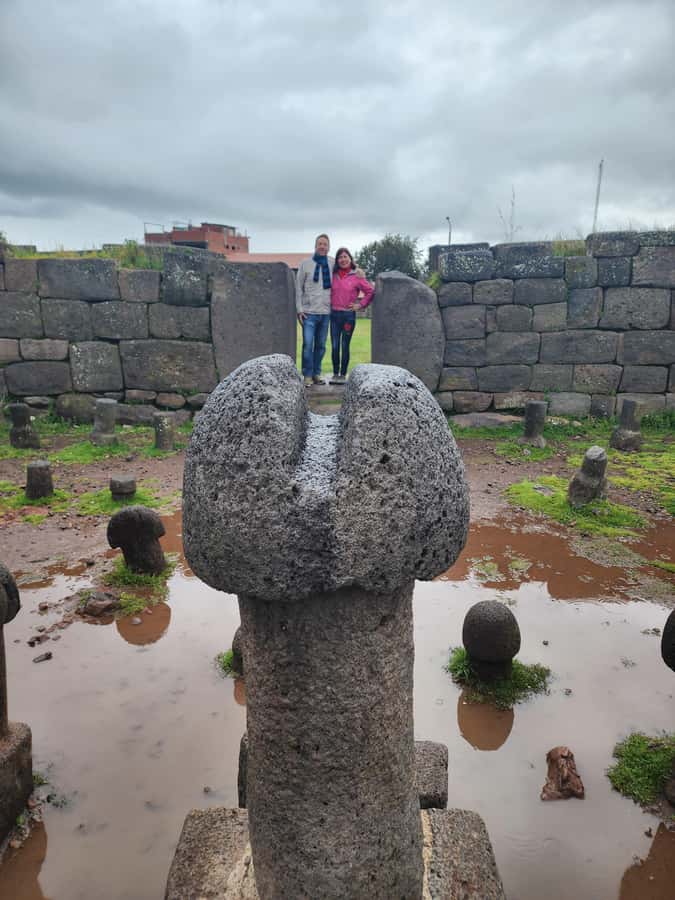
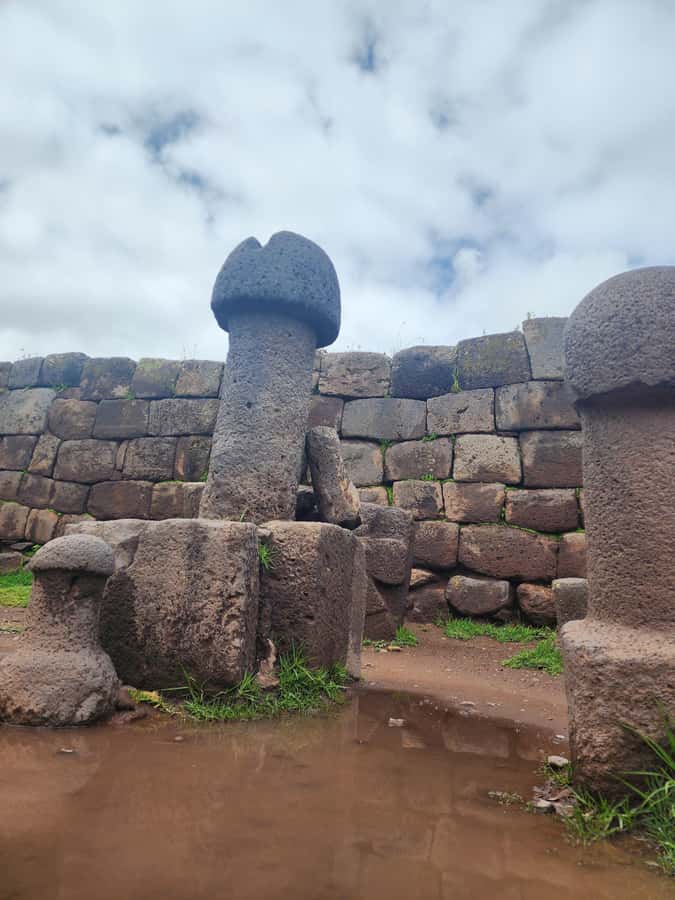
The Temple of Fertility is the attention-grabber. Its unusual stone carvings include six minor phalluses and one larger phallus. The site is direct and visually memorable, but it is also easy to misunderstand if you only snap a photo and move on. The guide’s explanation gives the carvings a cultural setting and helps keep the visit from becoming a quick novelty stop.
You may also find souvenirs here, and one of the Polish visitors specifically recommended taking time to look at them. That does not mean you need to buy anything. It simply gives you a chance to see how local interpretations of the site are presented to visitors.
The stop lasts roughly 45 minutes according to the detailed timing, though the broader schedule allows about an hour. I would expect enough time for the main explanation and photographs, not a long independent visit. Wear shoes that are easy to walk in, and keep your hat and sunglasses ready. The sun at this altitude can feel sharp even when the air is cool.
Molloco’s square and circular chullpas
The route continues toward Acora and the Chullpas de Molloco. This stop takes about 45 minutes, with a guided visit, photography, and walking.
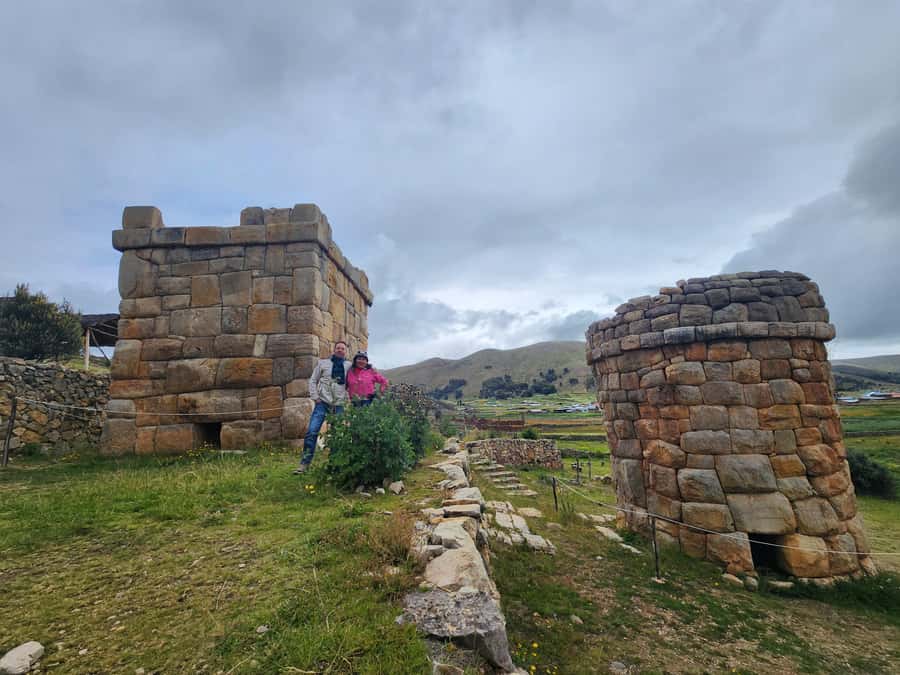
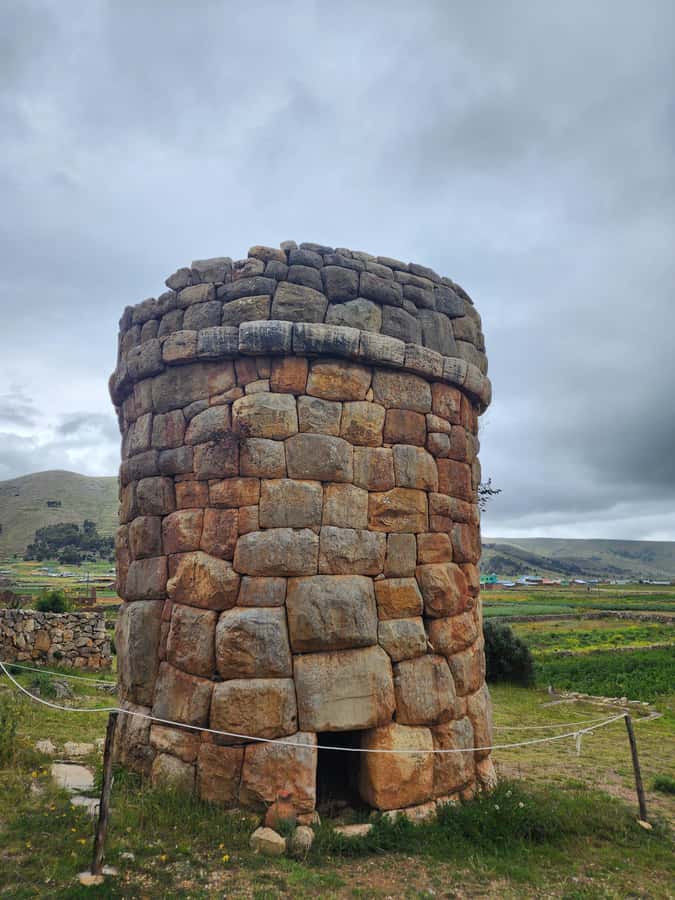
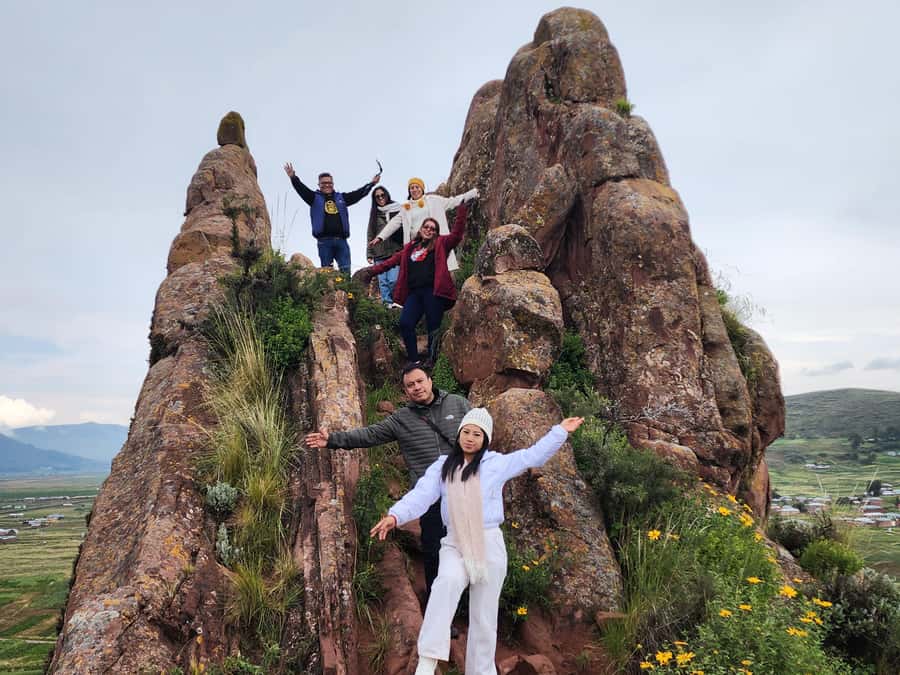
Molloco is particularly useful if you have already seen, or plan to see, the better-known chullpas at Sillustani. The towers here use a different style. You can see three square structures and one circular tower, along with niches beneath the floor that were used in connection with burial practices.
That contrast is the point. You are not simply visiting another group of stone towers that looks the same as the last one. The shapes invite questions about how different communities built memorial structures and organized sacred space.
The site is a good match for anyone who enjoys small archaeological places where the guide’s explanation matters. Without context, the towers can look like weathered stone ruins. With maps and photographs, as one visitor noted, the guide can make the layout much easier to understand.
This is still a relatively short stop. If you want time to study every stone, the schedule may feel brisk. The tour works best if you focus on the form of the towers, ask questions, and let the guide point out details you might otherwise miss.
Circular waru warus and Andean farming
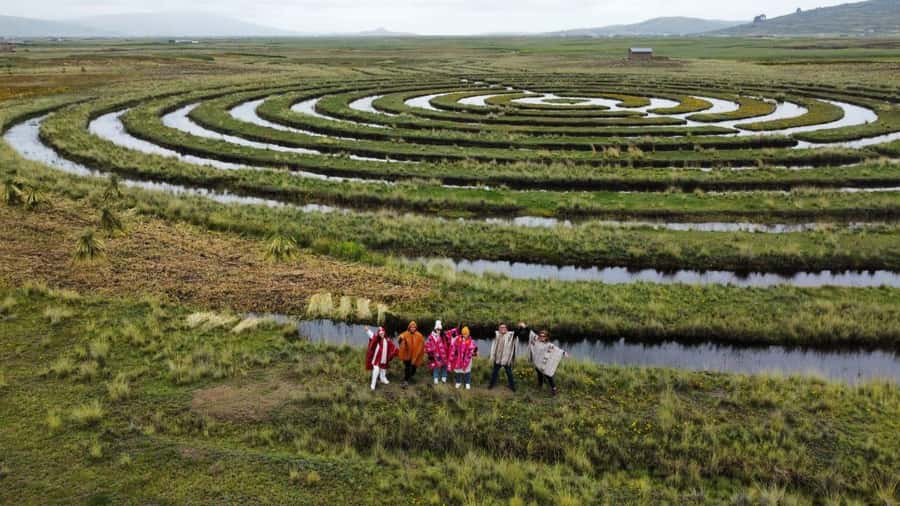
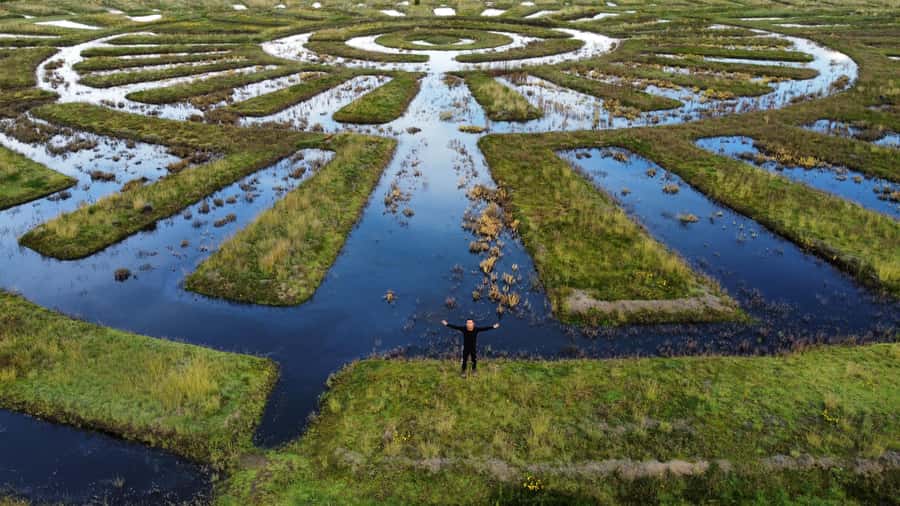
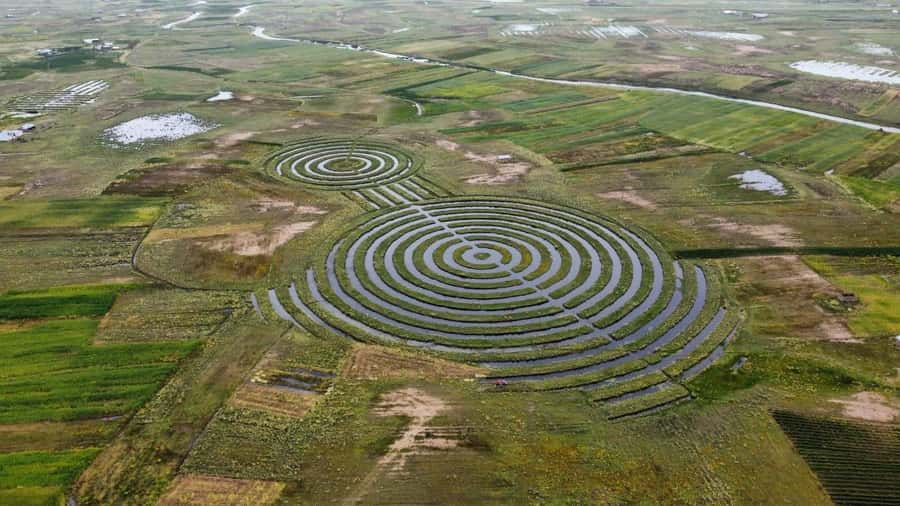
The next stop near Acora presents a different kind of ancient achievement. The circular Andean waru warus are raised fields and channels linked to agricultural experimentation and crop protection.
Here you learn about an ancestral technique used as a kind of open-air laboratory for the domestication and cultivation of Andean grains and tubers. The value of this stop is practical. Instead of looking only at temples and tombs, you see how people worked with soil, water, temperature, and crops.
The circular form makes the site visually easy to read from above, which explains the appeal of the drone footage offered by the guide. Several people singled out the aerial videos as a memorable extra. If the drone is available on your departure, you may receive free clips showing the group and the circular formations from a viewpoint you cannot get from ground level.
Do not book this tour solely for the drone, since weather, equipment, and operating conditions can affect whether it is used. But when it works, it adds real value. The fields can be difficult to understand from ground level, while an aerial view reveals their pattern.
The waru waru visit is listed at about 45 minutes. That is enough for a clear introduction, photographs, and questions. It is not a farming workshop or a long nature walk. The stop rewards curiosity more than physical effort.
A completely different kind of day:
- Classic Inca Trail Trek 4D/3N to Machu Picchu (Group Service)
★ 5.0 · 8,653 reviews - Premium Paracas & Huacachina Day Trip from Lima with Sunset Toast
★ 5.0 · 7,380 reviews - Cusco: Rainbow Mountain and Red Valley Day Trip with Meals
★ 4.9 · 4,893 reviews - Machu Picchu: 4-Day Inca Trail Trek with Panoramic Train Ride
★ 5.0 · 4,568 reviews
Aramu Muru, meditation, and the day’s big choice
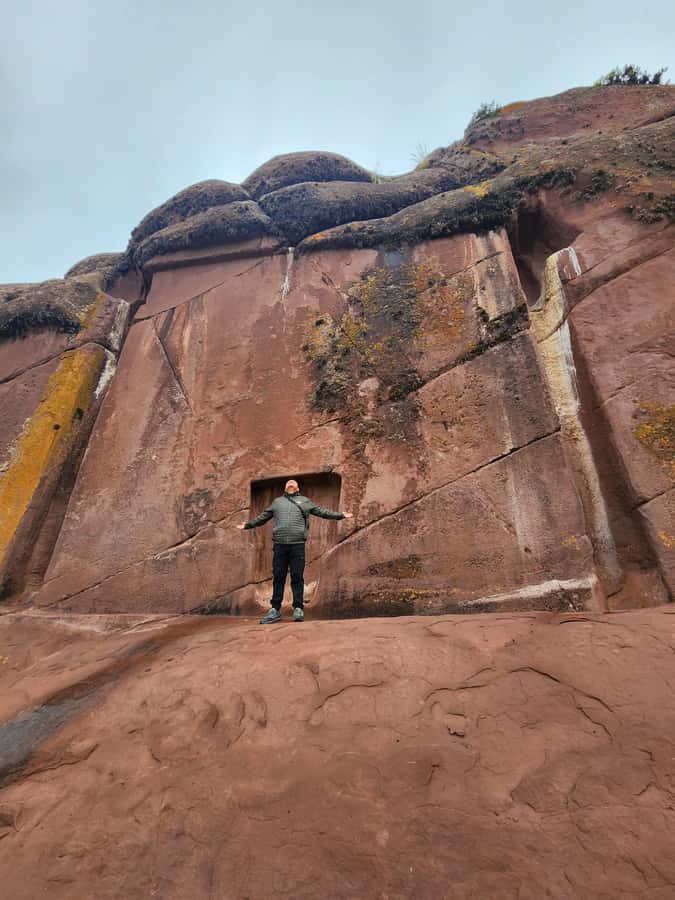
Aramu Muru is the emotional high point for many people on this route. The visit lasts about an hour and includes a guided explanation, free time, meditation, and a look at the unusual rock formations.
The Portal of Aramu Muru is often treated as a mystical place, and the setting encourages that response. The rock face has a striking doorway-like form, and the guide may frame the visit through local beliefs and spiritual practices. You should listen with an open mind while remembering that the site can be approached as both a cultural place and a dramatic geological formation.
The schedule may require you to choose between a short hike and a rite or ceremony. This is the most important decision of the day. The mini trek can give you strong photographs and a closer look at the surrounding rock. The ceremony offers a more inward experience, with meditation and ritual elements.
One visitor called the ceremony intense, while another preferred the short hike for the photographs. Neither choice is wrong. Pick the ceremony if you want to focus on reflection and spiritual atmosphere. Pick the walk if you would rather move around and see more of the site from different angles.
The tour description mentions a ceremony at Aramu Muru, but the precise format can vary. Ask the guide at the start of the visit what is planned and how much time each option takes. That simple question will help you avoid feeling rushed or disappointed.
Bring water, sun protection, and comfortable clothing. The site is not presented as a difficult trek, but you will be outdoors and on your feet. People with epilepsy should not book this activity, according to the stated restrictions.
Juli, the Rome of America, and the final stop
The route then reaches Juli, known in the description as the Rome of America. The stop lasts about an hour and includes time to see the beach and consider optional activities.
After several archaeological sites, Juli provides a change in rhythm. You get open views, time near the water, and a chance to step away from carved stone and burial structures. The beach is a pleasant contrast, though this part of the outing may feel less focused if you prefer a tour built entirely around archaeology.
The detailed itinerary also shows a break near Ilave, with free time, shopping, and sightseeing. The timing appears incorrectly entered as 30 hours, which cannot fit an eight-hour tour. Treat the published total duration and stated return time as the useful figures, and confirm the day’s exact schedule with the operator.
The food arrangement is not fully fixed in the information provided. One group was offered a barbecue restaurant with several choices at a reasonable price. Lunch appears to be an optional expense rather than part of the $32 package, so carry cash and ask the guide early about the meal plan.
Transport, guiding, and the real value of $32
At $32 per person, this tour offers a lot for the money. The package includes first-class transportation, tickets at the places visited, and an official tourism guide. You do not need to keep reaching for your wallet at every entrance, which makes a difference on a long day.
The vehicle also matters because the sites are spread across the Puno Region. A comfortable bus can turn long transfers into useful rest time. One visitor described the bus as the most comfortable they had used in Peru. Another reported a puncture that the operator handled with a replacement vehicle in about half an hour, a reassuring sign that a problem was addressed rather than ignored.
The guide can speak Spanish and English. English explanations have been provided for people who were the only non-Spanish speakers in the group, and the guide service has been praised for using maps, photos, and answers to questions. That is important here because some sites need interpretation. The stonework alone will not explain why the place matters.
Group size is not stated, so I would not assume a small-group format. The drone videos may show the group together and individually, but that does not tell you how many people will be in the vehicle. If personal attention is your top priority, ask about group size before booking.
What to bring for this high-altitude day
Keep your daypack simple but useful:
- Comfortable walking shoes
- Sunglasses and a hat
- Comfortable clothing
- A camera or phone
- Cash for food, souvenirs, or optional activities
- Biodegradable insect repellent
Check the weather and local social conditions one day before departure. The operator specifically advises leaving a contact number, which is sensible in the Puno Region when road conditions or local events can affect transport.
You will spend time outdoors at several stops, so do not pack only for the temperature in Puno. Sun protection is more important than the cool air may suggest. Comfortable clothes also help because the route combines vehicle time, short walks, photography, and free time.
Who should book this route?
I would recommend the Aymara Route to you if you want unusual places beyond Puno’s main sights. It suits people who enjoy archaeology, local belief systems, farming traditions, and guided interpretation in one day.
It is also a good choice if you want a varied route without paying for several separate excursions. The combination of included tickets and transport makes the price hard to criticize, especially if the drone footage is available.
You may want to skip it if you prefer slow visits with lots of time at each site. The route covers several locations, and the short stop lengths mean you need to keep moving. It is also not suitable for people with epilepsy, and anyone uncomfortable with ritual or mystical presentations may prefer a more conventional archaeological outing.
Should you book the Aymara Route?
Book it if you have one open day in Puno and want to see places that are not part of the usual city tour. The strongest reasons are the unusual Temple of Fertility, the contrasting Molloco chullpas, the clever waru waru farming system, and the chance to choose between a ceremony and a short hike at Aramu Muru.
I would confirm three things before paying: the exact pickup time, the lunch arrangement, and whether the Aramu Muru program includes the ceremony, the walk, or a choice between them. If you accept a busy schedule and keep your expectations realistic, $32 is a very good price for a guided day with transport and entrance fees included.
FAQ
How long does the Aymara Route take?
The activity is advertised as eight hours, while the detailed timing states a total of about seven hours and ten minutes. The stated finish is approximately 4 to 5 pm in Puno.
What places does the tour visit?
The route includes Chucuito and the Temple of Fertility, the Chullpas de Molloco, the circular Andean waru warus near Acora, the Aramu Muru Portal, and Juli, also called the Rome of America.
Is pickup included?
Yes. Pickup in Puno is included. You should send the exact address of your hotel and provide a phone number or WhatsApp contact to coordinate the pickup.
Is an English-speaking guide available?
Yes. Live guiding is available in Spanish and English, and the tour includes an official tourism guide.
Are transportation and entrance tickets included?
Yes. First-class transportation and tickets for the places visited are included in the price.
Can I cancel or pay later?
You can cancel up to 24 hours before the activity for a full refund. Reserve-now, pay-later booking is also available, so you do not have to pay at the time of reservation.
Just added in Peru
- Cusco Private Transportation for 2026★ 5.0 · 4 reviews
- Private Transfer from Airport to Hotel in the City of Cusco★ 4.0 · 5 reviews
- Best Cusco walking tour: dinner street food tasting★ 4.5 · 11 reviews
- Private Tour to Pisac Market and Pisac Ruins★ 5.0 · 4 reviews
- Machu Picchu Day Trip With Panoramic Train from Cusco★ 5.0 · 10 reviews
- Private Tour of the Mountain of Colours by Quad★ 5.0 · 7 reviews
- Sacred Valley Private Tour from Cusco, Guide and Driver only★ 5.0 · 4 reviews
- Sacred Valley of the Incas Tour★ 5.0 · 12 reviews
Historical Tours, compared.
Discover Lima: Love Park, Historic Center, and its Catacombs.
Read our review →
Street Food, Market & Old Eateries Tour in Lima’s Historic Center
Read our review →
Lima’s Vibrant Heritage: Exploring the City’s Landmarks Half-day
Read our review →
A Journey Through Time: Lima’s Historic Center & Catacombs Tour
Read our review →
Historic Center Street Food, Market, and Eateries Tour
Read our review →
Historic Walking Tour with Pisco Sour and Local Music
Read our review →
Walking tour in the Historic Center of Arequipa
Read our review →
Top Attractions in Lima: Historic Center, Love Park & Catacombs
Read our review →Browse the lists this tour appears in