
Reviewed · TRUJILLO TOURS
Chiclayo: Chaparri Ecological Reserve Tour
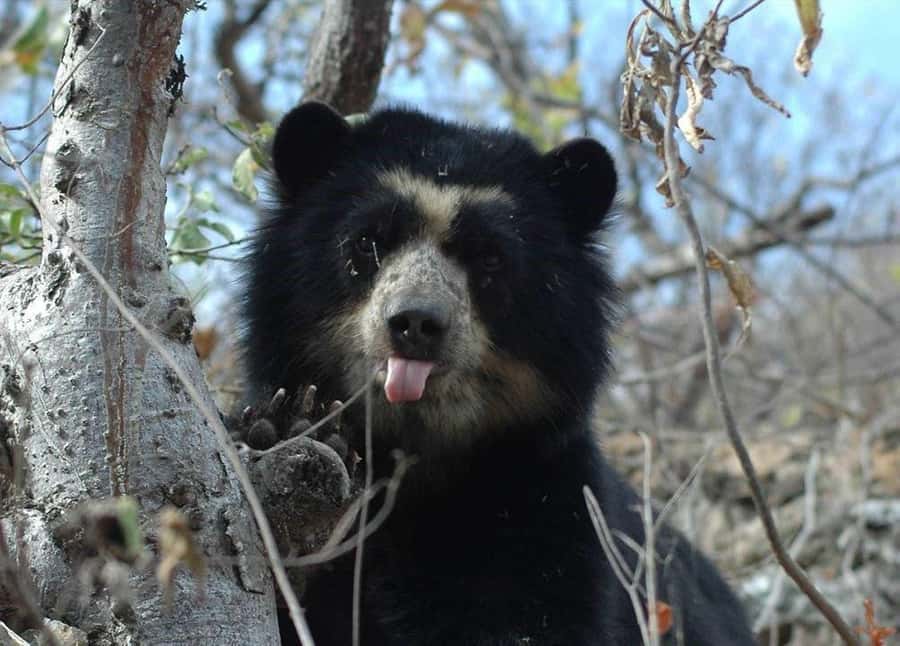
Wild forest makes a fine escape from Chiclayo. This full-day trip takes you southeast to Chaparri Private Conservation Area, a huge dry-forest refuge where you can walk winding trails, look for rare birds, visit a spectacled bear rescue center, and learn why Cerro Chaparri is sacred to local communities. I like the mix of wildlife, conservation, and local belief, and I also like that hotel or airport pickup is included. The main drawback is the long ride on rough roads, plus the fact that pumas, jaguars, tapirs, and spectacled bears are wild animals, not scheduled performers.
You should also know that this is not a soft sightseeing day. The reserve covers 34,142 hectares, and the access road can be very bumpy. Sightings of large mammals are uncertain, while the birds, dry forest, plants, and quiet mountain setting are much more reliable rewards.
In This Review
- Key points to know before booking
- From Chiclayo to Chongoyape
- Arriving at the Enchanted Garden
- Walking the Spectacled Bear route
- Meeting Cuto at the bear rescue center
- Birdwatching on the White-winged Guan route
- Reptiles and the Huachuma route
- The Interpretation Center and conservation message
- Tinajones Reservoir before returning to Chiclayo
- Is $79 a fair price?
- Who will enjoy this day most?
- Should you book the Chaparri tour?
- FAQ
- Where is the Chaparri Ecological Reserve tour located?
- How long does the tour last?
- Is hotel pickup included?
- What language is the tour conducted in?
- Are food and drinks included?
- Is the park entrance fee included?
- Can I see spectacled bears, pumas, or jaguars?
- What should I bring?
- Can I cancel the booking?
Key points to know before booking
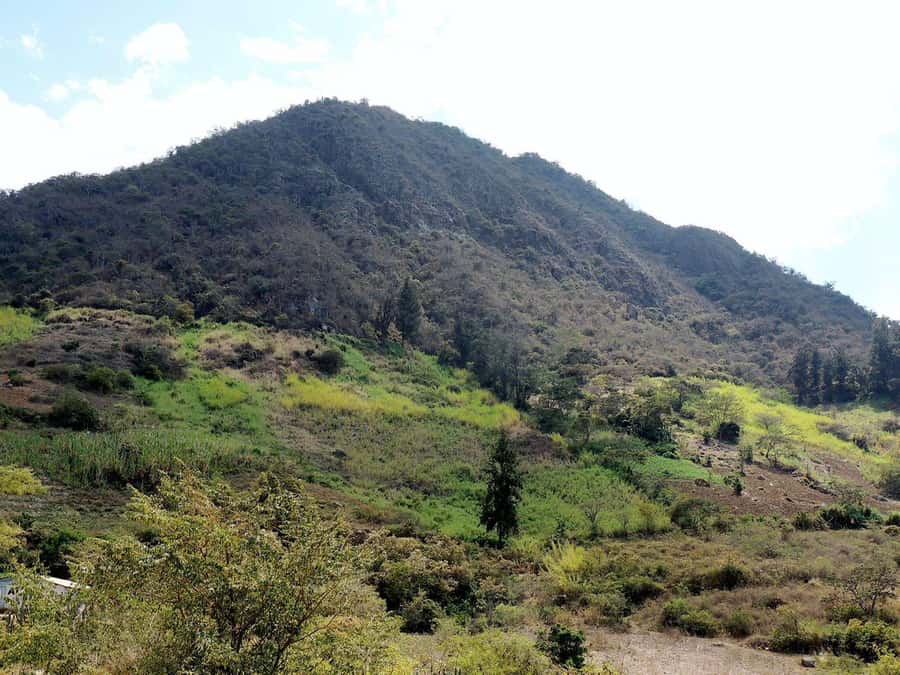
- A 34,142-hectare conservation area: Chaparri is a large dry-forest refuge centered on the sacred Cerro Chaparri.
- The spectacled bear rescue center: You may meet Cuto, a bear rescued from a circus, while learning how captive bears are prepared for life in the wild.
- Three named routes: The day includes the Spectacled Bear route, Huachuma or San Pedro route, and White-winged Guan route.
- Excellent birdwatching: Look for red-headed parrots, emerald parakeets, owls, woodpeckers, hummingbirds, guans, and other regional species.
- A rough but memorable approach: The road toward the reserve is famously uneven, so comfortable clothing and a good attitude matter.
- A useful final stop: Tinajones Reservoir adds open views and the chance to see eagles, herons, and other birds before returning to Chiclayo.
From Chiclayo to Chongoyape
Your day begins with pickup at your Chiclayo hotel or airport. The route heads toward Chongoyape, about 80 kilometers southeast of Chiclayo, where you leave the urban area behind and continue toward the dry forest with a local guide.
The road journey is part of the experience, but it is also one of the day’s practical challenges. The final roads leading toward Chaparri can be badly potholed and rough. I would not choose this outing if you need a smooth, restful transfer. If you can accept a bumpy ride, the changing scenery gives you a useful sense of northern Peru beyond the city.
A previous account of the journey praised the chance to encounter traditional food along the way. That detail matters because the trip is not only about ticking off animals. The route gives you contact with a more rural side of Peru, where food traditions and dry-forest life remain closely linked.
Food and drinks are not included, so bring snacks and water. The provided advice also lists a flashlight, sunglasses, a sun hat, sunscreen, and comfortable shoes. Take that list seriously. You will spend time outdoors, and the reserve is better suited to practical walking clothes than to polished sightseeing outfits.
More things to do in Trujillo:
- Full Day Trujillo Piramides Sol y Luna , Chan chan y Huanchaco
★ 5.0 · 93 reviews - Full Day Tour Huacas, Chan Chan & Huanchaco – Trujillo
★ 4.5 · 64 reviews - Piramids of Tucume Tour, Sican Museum and Lambayeque city tour
★ 5.0 · 30 reviews
Arriving at the Enchanted Garden
Inside the reserve, the first major area is the Enchanted Garden. This is a starting point for several routes and a place to take in the unusual character of the dry forest.
Dry forest can surprise you. It is not the thick green jungle many people picture when they hear the word forest. Plants must cope with long dry periods, and the scenery has a tougher, more open feel. That makes the reserve valuable for exactly what it protects: a delicate ecosystem that supports plants and animals found in northern Peru.
Cerro Chaparri is considered a sacred mountain by local residents. The Huachuma or San Pedro route introduces you to shamanic sessions, their meaning, and respect for the Apus, or mountain spirits. This is an important part of the day because it places the reserve within a living cultural setting. The mountain is not simply a backdrop for wildlife photos.
You should approach this section with respect. It is an explanation of local spiritual traditions, not a promise of a ceremonial session for every participant. The value is in understanding why the mountain matters and how conservation connects with local identity.
Walking the Spectacled Bear route
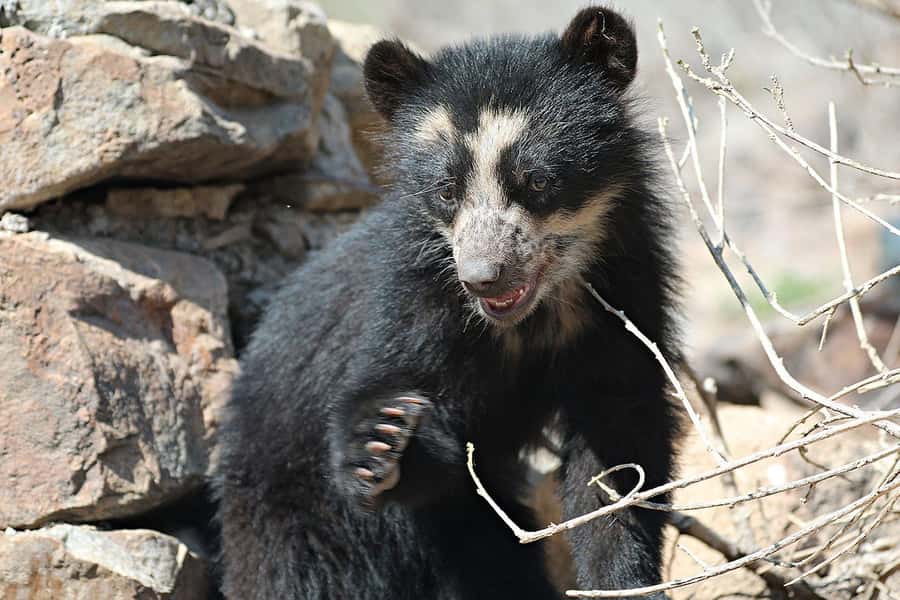
The Spectacled Bear route focuses on one of Chaparri’s best-known animals, the Andean bear, also called the spectacled bear. The species is endangered, and the reserve supports protection and reintroduction work.
The route also gives you a chance to look for other mammals. Chaparri is home to coastal foxes, guanacos, peccaries, deer, pumas, and other wildlife. Tapirs and jaguars are among the animals associated with the wider promise of the outing, but you should keep expectations realistic. The area is large, and these animals are elusive.
That is not a weakness in the reserve. It is the nature of seeing wildlife in a protected setting. You may see tracks, hear movement, or simply walk through habitat that supports these species. A puma or jaguar sighting would be exceptional, not something a guide can guarantee.
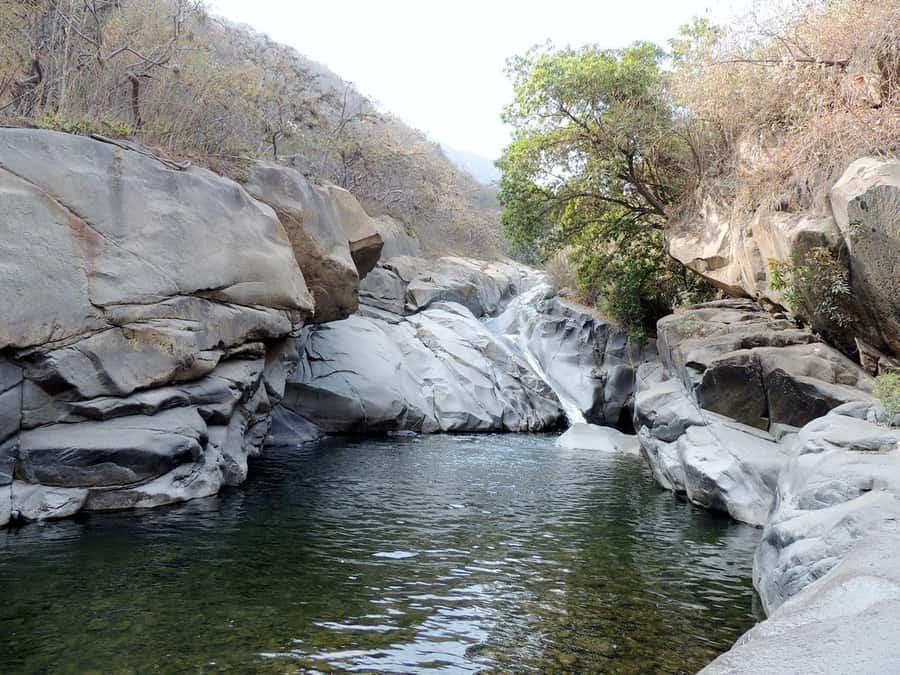
The trails wind through the reserve and can lead toward natural features such as waterfalls. The exact amount of walking and the conditions of the trail can vary, so sturdy shoes are the sensible choice. If you dislike uneven paths, ask for details before booking.
Meeting Cuto at the bear rescue center
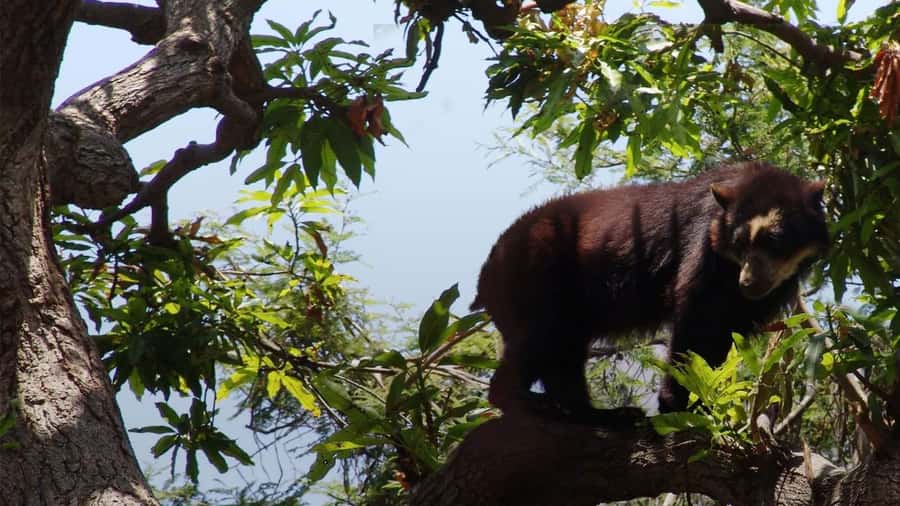
The bear rescue center is one of the most meaningful stops. Bears rescued from illegal captivity are rehabilitated here, with the goal of teaching them to fend for themselves before release into their natural habitat.
You may meet Cuto, a permanent resident rescued from a circus. His presence gives the conservation story a personal focus. Instead of hearing only general facts about endangered wildlife, you see what rescue work can involve after an animal has been removed from captivity.
The center also helps you understand a difficult truth: rehabilitation takes time, and not every rescued animal can return to the wild. The presence of a permanent resident is a reminder that conservation has practical limits as well as hopeful outcomes.
I would treat this as an educational stop rather than a guaranteed close animal encounter. The purpose is to support protection and explain rehabilitation, not to create a staged wildlife show. That distinction makes the visit more worthwhile.
A completely different kind of day:
- Full Archaeological Chan Chan Tour
★ 5.0 · 30 reviews - Private tour full day chan chan & huacas sun and moon in SUV
★ 5.0 · 24 reviews - Full day Tombs of Sipán, Ventarrón and Pto. Eten
★ 4.5 · 10 reviews - Pyramids of the Sun and the Moon, Huanchaco and Chan Chan
★ 4.1 · 9 reviews
Birdwatching on the White-winged Guan route
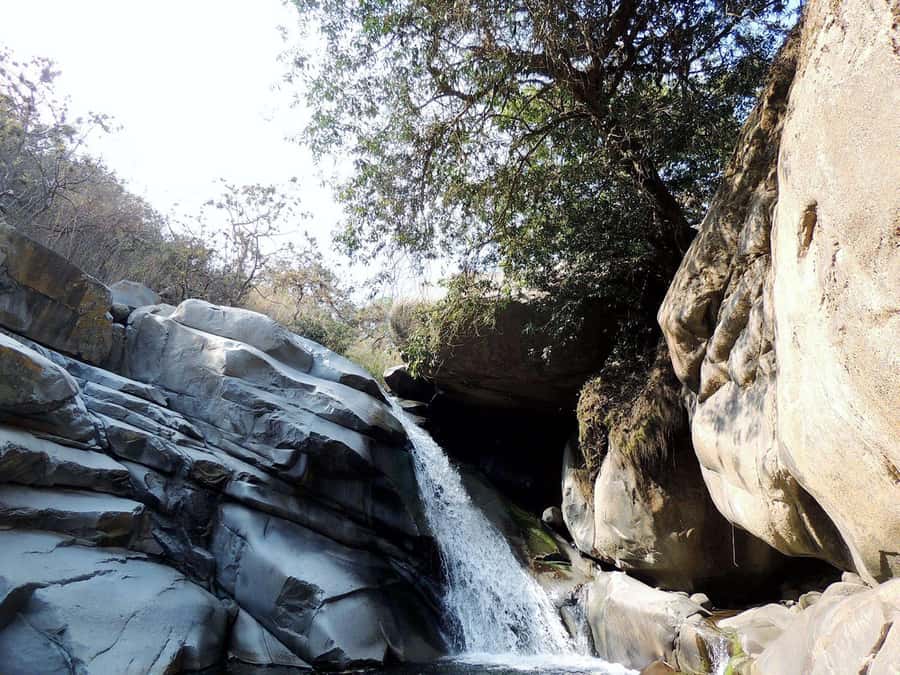
Birdwatching may be the strongest part of the day for many people. A guide who knows the area can help you spot small birds that you would otherwise walk past without noticing.
Possible sightings include the red-headed parrot, Peruvian owl, emerald parakeet, bush nightjar, Tumbes swift, short-tailed starlet, scarlet-backed woodpecker, Peruvian woodpecker, Tumbes woodpecker, eyebrow wren, and white-winged guan. The list also includes hummingbirds, royal vultures, and other birds found in the region.
One of the most useful details from the experience is that the guide may spend considerable time locating small, well-camouflaged birds. Bring patience. This is not a rapid parade of animals. You may pause, scan branches, and listen before a bird appears.
The white-winged guan is especially important because Chaparri supports conservation and reintroduction work for the species. The same is true of the Andean condor and spectacled bear. When you visit, you are seeing a place where wildlife protection involves active projects, not just signs explaining what once lived there.
If birdwatching interests you, carry a small pair of binoculars if you have them. The supplied information does not promise equipment, so I would not assume binoculars are provided.
Reptiles and the Huachuma route
The Huachuma route combines culture with natural history. You learn about San Pedro traditions, shamanism, and the spiritual respect given to the Apus. The route then continues to a reptile center, where you can learn about local snakes, amphibians, and their ways of life.
This stop adds variety to a day that could otherwise focus mainly on birds and bears. Snakes and amphibians are easy to overlook, yet they are part of the dry forest system. The reptile visit gives your guide a chance to explain their forms, habits, and role in the area.
The route may be especially useful for families and anyone who wants more than scenic walking. It also provides a structured indoor or visitor-focused section within a day that otherwise takes place in the open air.
I would not book this outing expecting an adrenaline activity. The emphasis is observation and explanation. You are learning how the ecosystem works, not handling animals or searching for danger.
The Interpretation Center and conservation message
The Interpretation Center brings together the day’s themes. Displays explain the biodiversity of the dry forest, the need to protect it, and the role of Chaparri in conserving threatened species.
This stop helps connect the individual sights. The bear center makes more sense after you understand the pressures caused by illegal captivity. The bird routes become more meaningful once you know why white-winged guans and Andean condors need protection. The mountain traditions also fit into a wider picture of local responsibility for the area.
I like this kind of ending because it gives you context before the return trip. Without it, the day could become a pleasant collection of trails and animal names. With it, you leave understanding why this particular reserve matters.
The tour includes an official tourism guide and local guiding in the reserve. The language listed is Spanish. If you do not speak Spanish, confirm language arrangements before paying, since the supplied information does not promise an English guide.
Tinajones Reservoir before returning to Chiclayo
After Chaparri, the route takes a detour to Tinajones Reservoir. The reservoir supplies water to Lambayeque, so it has practical importance as well as scenic appeal.
This final stop changes the rhythm of the day. After dry-forest trails and conservation centers, you get open water and a different setting for birdwatching. Eagles, herons, and other birds may be visible around the reservoir.
Do not expect the reservoir to be another major wildlife excursion. It is better viewed as a pleasant closing stop that adds variety before the drive back to Chiclayo. The extra detour also makes the day feel fuller, though it contributes to the overall length.
Is $79 a fair price?
At $79 per person, the tour offers reasonable value if you want a full day outside Chiclayo and prefer organized transport. Hotel or airport pickup, tourist mobility, and an official guide are included. Those inclusions matter because reaching Chongoyape and then continuing to a remote conservation area on your own would require more planning.
You still need to budget for the park entrance fee, listed as S/. 30 and subject to change. Food and drinks are also extra. The tour price is therefore not the complete cost of the day, but the additional expenses are easy to plan for if you bring your own provisions.
The value depends on your expectations. If you want guaranteed sightings of bears, pumas, tapirs, or jaguars, $79 will not solve the main problem: wildlife is unpredictable. If you value conservation, birdwatching, dry-forest scenery, and a guide who can explain what you are seeing, the price is more convincing.
A full day also makes the pickup useful. You avoid arranging separate transport, finding the reserve entrance, and organizing the final reservoir stop yourself. Free cancellation up to 24 hours before departure and a reserve-now, pay-later option provide useful flexibility, especially when your Chiclayo plans are still moving.
Who will enjoy this day most?
I would recommend Chaparri to you if you like nature with an educational side. It suits birdwatchers, conservation-minded visitors, photographers, families with an interest in animals, and anyone who wants a break from museums and archaeological sites.
It also works well for a person with one spare day in Chiclayo. The outing reaches a part of Lambayeque that many short city visits miss, and it offers a strong sense of place through dry forest, mountain beliefs, and local conservation work.
You should think twice if you dislike rough roads, outdoor heat, uncertain wildlife sightings, or a Spanish-language tour. The day is active and long, and the setting is more rugged than comfortable. Bring water, snacks, sun protection, good shoes, and patience.
Should you book the Chaparri tour?
Book it if your idea of a good day includes walking through protected habitat, learning about endangered animals, and accepting that nature does not perform on demand. The spectacled bear center, bird routes, sacred mountain traditions, and Tinajones Reservoir give the outing enough variety to justify the long journey.
Skip it if your main goal is a guaranteed puma, jaguar, tapir, or bear photograph. For everyone else, Chaparri offers a thoughtful and worthwhile look at northern Peru’s dry forest, with the rough road serving as a fair reminder that protected places are rarely placed beside the city bus stop.
FAQ
Where is the Chaparri Ecological Reserve tour located?
The tour travels from Chiclayo to Chongoyape, about 80 kilometers southeast of Chiclayo, and then continues to the Chaparri Private Conservation Area in the Lambayeque Region.
How long does the tour last?
It is a one-day excursion with pickup in Chiclayo and a return to the city after visiting Chaparri and Tinajones Reservoir.
Is hotel pickup included?
Yes. Pickup from your hotel or airport in Chiclayo is included.
What language is the tour conducted in?
The listed tour language is Spanish.
Are food and drinks included?
No. Food and drinks are not included, so you should bring snacks and drinks.
Is the park entrance fee included?
No. The entrance fee is listed as S/. 30, although the price may change.
Can I see spectacled bears, pumas, or jaguars?
The reserve protects these animals and offers opportunities to look for wildlife, but sightings are not guaranteed. Large animals can be difficult to see in their natural habitat.
What should I bring?
Bring comfortable shoes, sunglasses, a sun hat, snacks, drinks, sunscreen, and a flashlight.
Can I cancel the booking?
Yes. You can cancel up to 24 hours before departure for a full refund. A reserve-now, pay-later option is also available.
Just added in Trujillo
- Huaca Rajada Tomb of the Lord Of Sipan & Site Museum★ 5.0 · 5 reviews
- Full day Tombs of Sipán, Ventarrón and Pto. Eten★ 4.5 · 10 reviews
- Nature tour, Pómac Forest with picnic breakfast included.★ 5.0 · 5 reviews
- Piramids of Tucume Tour, Sican Museum and Lambayeque city tour★ 5.0 · 30 reviews
- Shore Excursion from Salaverry port★ 4.5 · 8 reviews
- Pyramids of the Sun and the Moon, Huanchaco and Chan Chan★ 4.1 · 9 reviews
- From Trujillo: Complete full day tour with museums★ 5.0 · 5 reviews
- From Trujillo: Temple of the Moon and Sun and Chan Chan★ 3.3 · 5 reviews
Trujillo Tours, compared.
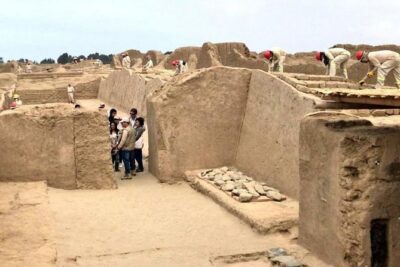
Full Day Trujillo Piramides Sol y Luna , Chan chan y Huanchaco
Read our review →
Full Day Tour Huacas, Chan Chan & Huanchaco – Trujillo
Read our review →
Piramids of Tucume Tour, Sican Museum and Lambayeque city tour
Read our review →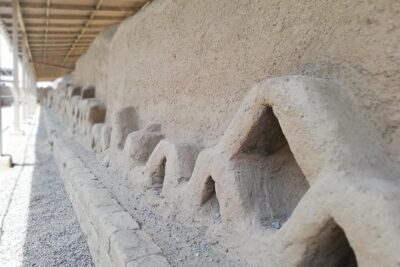
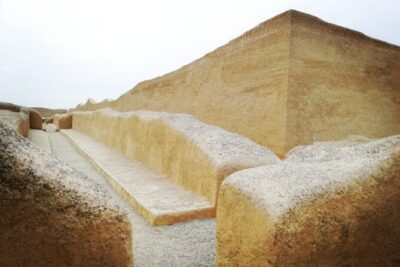
Private tour full day chan chan & huacas sun and moon in SUV
Read our review →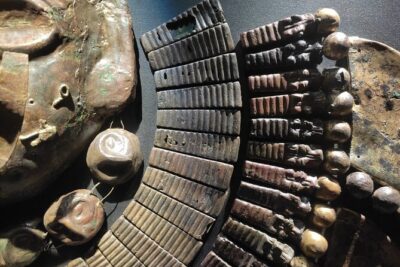
Full day Tombs of Sipán, Ventarrón and Pto. Eten
Read our review →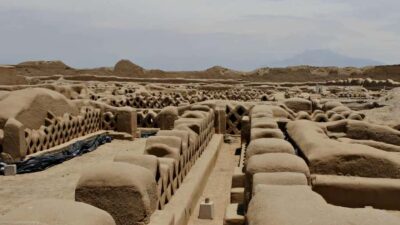
Pyramids of the Sun and the Moon, Huanchaco and Chan Chan
Read our review →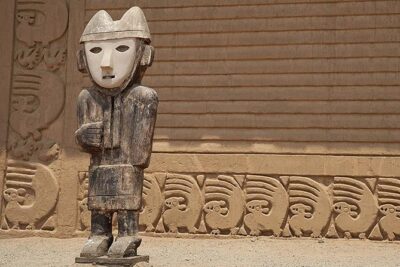
Browse the lists this tour appears in