Reviewed · GUIDED
From Cajamarca: Guided visit to the “Cumbemayo” Stone Forest + pickup
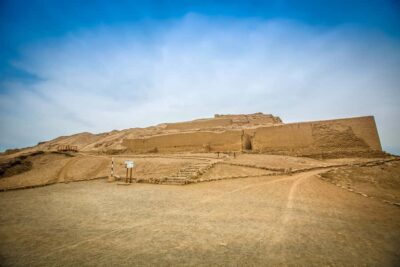
Stone figures rise above Cajamarca. This half-day outing takes you to Cumbemayo, where volcanic rock forms a strange forest of tall pillars, human-like shapes, caves, and a pre-Columbian water channel. I like the easy hotel pickup and the chance to see several important sites in one trip. I also like that the tour combines natural scenery with early hydraulic engineering, rather than treating the stone formations as a quick photo stop.
The main consideration is the short time available. The full experience lasts about 210 minutes, including roughly 45 minutes each way by road, so your time at Cumbemayo is focused rather than leisurely. The tour also involves walking outdoors on uneven ground, which makes it a poor fit for wheelchair users, people with mobility limitations, or anyone recovering from recent surgery.
In This Review
- Key points about the Cumbemayo excursion
- Why Cumbemayo feels different from a normal day trip
- The 45-minute ride from Cajamarca
- Walking among the Frailones
- The ancient aqueduct cut into volcanic rock
- The Sanctuary, caves, and Stone of Sacrifice
- Bellavista and the return to Cajamarca
- What the $28 price really covers
- Who should book this tour
- Should you book the Cumbemayo Stone Forest tour?
- FAQ
- How long does the Cumbemayo tour last?
- Where does the tour start and finish?
- Is hotel pickup included?
- Is an English-speaking guide available?
- What should I bring?
- Is the tour suitable for wheelchair users?
Key points about the Cumbemayo excursion
- Cumbemayo is about 20 kilometers southwest of Cajamarca, with a road journey of roughly 45 minutes each way.
- The Frailones are volcanic rock formations said to resemble a group of solemn friars.
- The pre-Columbian aqueduct is the tour’s most important historical feature, cut into volcanic rock and linked to the Cajamarca culture.
- The route includes the Sanctuary, caves with engravings, the Stone of Sacrifice, and Bellavista viewpoint.
- English and Spanish guiding is available, and one English-speaking visitor received translated explanations during the visit.
- The $28 price covers transport, guiding, entrance, and hotel pickup, but food and drinks are not included.
Why Cumbemayo feels different from a normal day trip
Cumbemayo is not simply a collection of big rocks. The appeal comes from the way geology, water engineering, and ceremonial sites sit together in one highland setting.
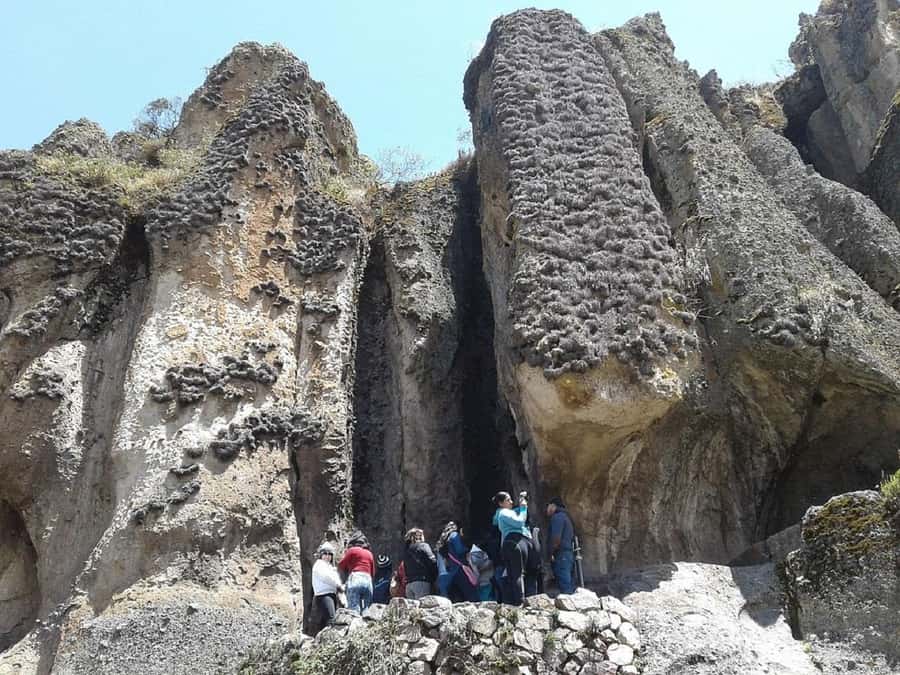
The stone formations are commonly called frailones, or friars, because their shapes can resemble figures standing in a row. That comparison is easy to understand once you see the silhouettes from a distance. Up close, the rock is rougher and more irregular, with the human forms suggested by shadow, angle, and imagination.
I like this kind of place because it rewards both the guide and your own eyes. A guide can explain the cultural setting and point out shapes you might miss. You still have room to form your own impression instead of being handed a single answer.
Cumbemayo was discovered in 1937, but the area is much older than that modern date suggests. The aqueduct is associated with the Cajamarca culture and is dated to about 1000 BC. That gives the excursion more weight than its picturesque name might imply. You are not only looking at odd rock formations. You are also seeing evidence of people planning and shaping water systems in a difficult mountain environment.
A few more options to weigh up in Peru
- From Lima: Paracas and Huacachina Oasis Full Day Guided Tour
★ 4.7 · 1,780 reviews - Paracas, Ballestas Islands and Huacachina Guided Tour
★ 5.0 · 1,100 reviews - From Arequipa: Colca Canyon Full-Day Guided Tour with Meals
★ 4.5 · 982 reviews
The 45-minute ride from Cajamarca
The outing begins with pickup from your hotel in central Cajamarca and nearby areas. You should wait in the hotel lobby at the agreed time. If your lodging is outside the covered area, you may need to meet at the Plaza de Armas instead.
Transport is normally by bus or coach. Traffic congestion can sometimes make a short walk part of the pickup process, so do not assume the vehicle will pull directly to your door. This is a small point, but it matters if you are carrying luggage, using a cane, or trying to keep to a tight schedule.
The drive to Cumbemayo takes about 45 minutes. The route includes scenic views and visits or pass-bys connected with Bellavista, Layzon, and the Forest Park before reaching the stone forest. The available details do not specify how long you stop at each of these places, so I would think of them as part of the approach rather than guaranteed long visits.
That road time is reasonable for a half-day outing, but it takes up close to half the stated duration. If you want a slow walk, long photography sessions, or extended quiet time, this may feel brisk. If you want a tidy introduction to the main sights near Cumbemayo, the timing works well.
Walking among the Frailones
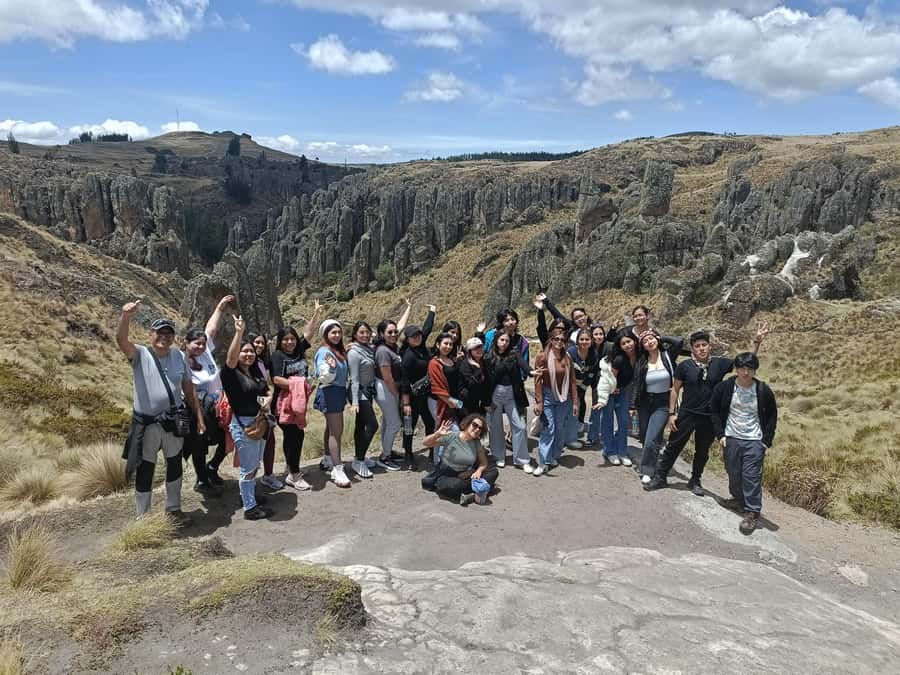
The stone forest is the visual heart of the excursion. Volcanic rock has been shaped into tall, uneven formations that give the area its unusual character. Some resemble people, especially the familiar friar-like silhouettes, while others look like walls, faces, or giant heads depending on where you stand.
You should wear comfortable shoes. The tour is outdoors, and the ground may be uneven even though the exact trail conditions are not provided. A sun hat, sunscreen, outdoor clothing, and clothing suited to the weather are all sensible choices. Cajamarca’s mountain conditions can change your comfort quickly, so a light extra layer is useful, even though the tour details do not specify a required temperature range.
I would keep your camera ready, but do not spend the entire visit looking through it. The shapes are best understood from several angles, and the guide’s explanation can add meaning to what first looks like a natural oddity. The tour is designed as a complete circuit of the main features, so you should expect to keep moving rather than settle in one place for a long time.
The word forest is helpful here, but this is a forest of stone, not trees. That makes the setting feel unusual without requiring a long trek or a technical outdoor excursion. It is a good choice if you want dramatic scenery but have only a morning or afternoon available from Cajamarca.
The ancient aqueduct cut into volcanic rock
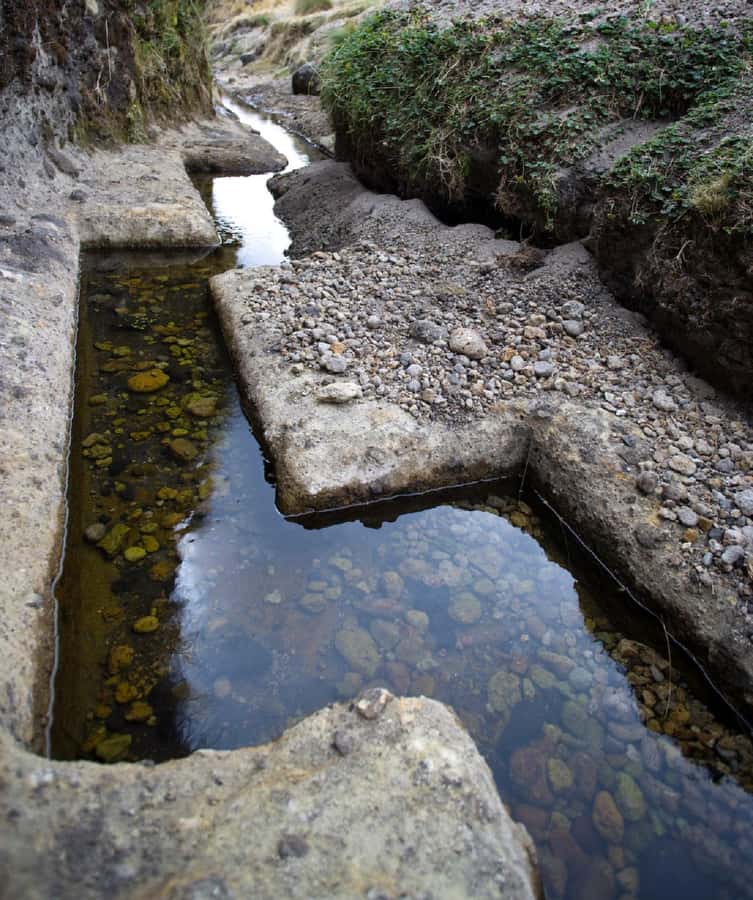
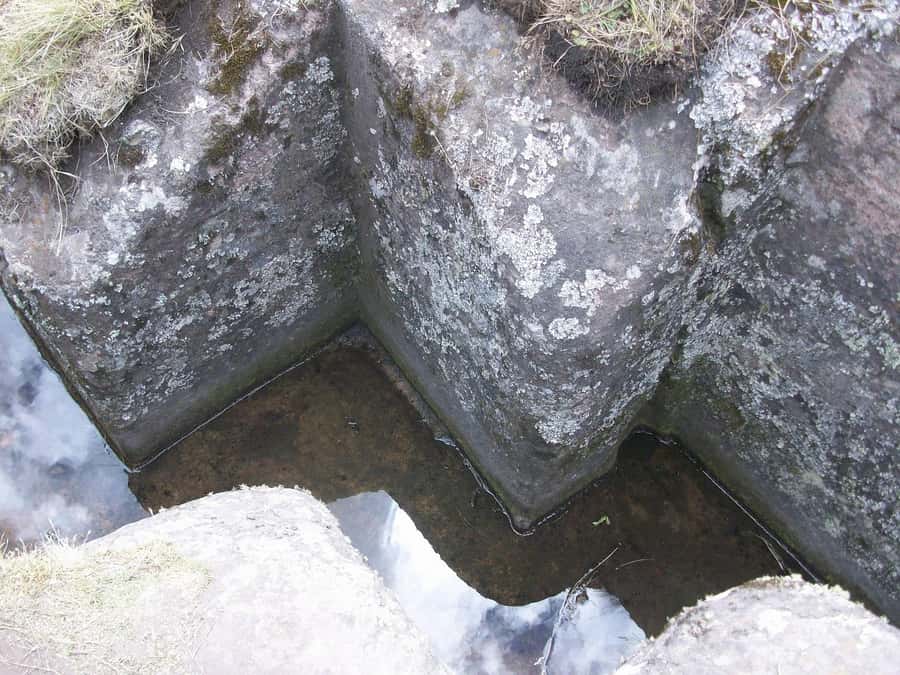
The aqueduct gives the visit its strongest archaeological focus. It is described as a major work of pre-Columbian hydraulic engineering, beginning at an altitude of about 3,555 meters above sea level and extending for 9 kilometers.
The key detail is that the channel was carved into volcanic rock. That changes the way you look at it. Instead of seeing a random groove in the ground, you can consider the labor, planning, and water control needed to make a functioning route through this highland terrain.
Your guide should explain how the aqueduct was constructed and operated. English and Spanish guiding is offered, and an English-speaking visitor specifically received translated information during the tour. That is encouraging if you do not speak Spanish, though the experience may depend on the guide assigned that day. If English explanations matter to you, confirm the language arrangement when booking.
The aqueduct is also a good reason to choose a guided visit instead of arriving with no context. The stone forest catches your eye immediately. The channel takes explanation to appreciate. Without guidance, you might see the carved path but miss why it matters.
A completely different kind of day:
- Classic Inca Trail Trek 4D/3N to Machu Picchu (Group Service)
★ 5.0 · 8,653 reviews - Premium Paracas & Huacachina Day Trip from Lima with Sunset Toast
★ 5.0 · 7,380 reviews - Cusco: Rainbow Mountain and Red Valley Day Trip with Meals
★ 4.9 · 4,893 reviews - Machu Picchu: 4-Day Inca Trail Trek with Panoramic Train Ride
★ 5.0 · 4,568 reviews
The Sanctuary, caves, and Stone of Sacrifice
The Sanctuary is described as a cliff shaped like a gigantic human head. As with the Frailones, the form depends on viewpoint and interpretation. Your guide can help identify the outline, but you will still need to look carefully and allow your eyes to adjust to the rock.
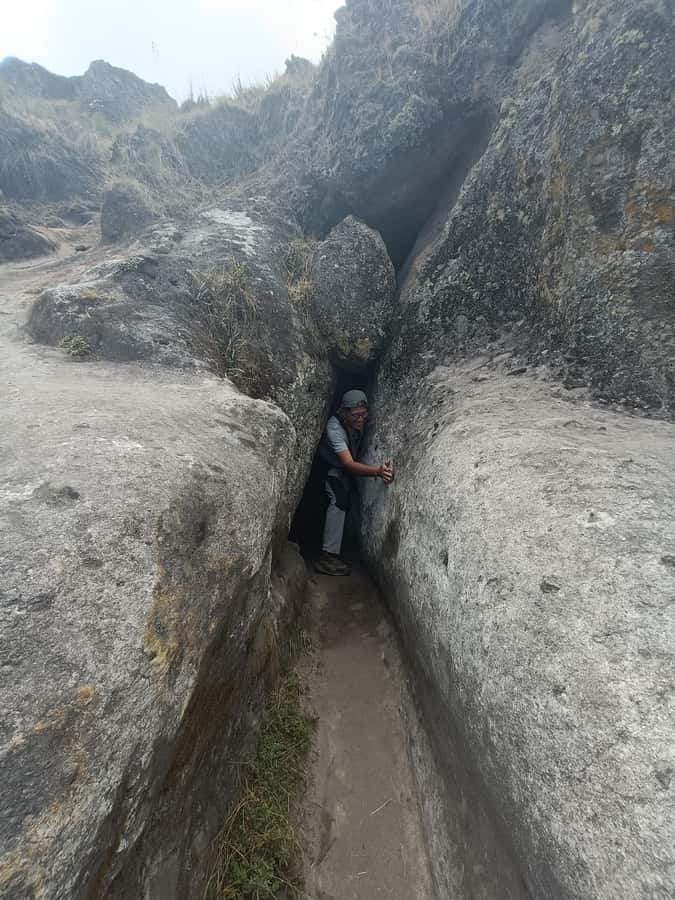
Nearby caves contain engravings. Some researchers believe this area may have been used for sacrifices, which gives the site a solemn tone. That interpretation should be treated as part of the archaeological discussion rather than an absolute fact. The provided details do not explain the engravings in depth, so do not expect a full archaeological lecture. You should expect an introduction to the site’s possible ceremonial role.
The Stone of Sacrifice is another named stop on the complete route. Its title points to the area’s ritual associations, but no specific description is provided about its shape or use. I would listen for the guide’s explanation rather than relying on the name alone.
Together, the Sanctuary, caves, and Stone of Sacrifice add a human dimension to the visit. The Frailones are striking because of natural forces. These sites invite questions about how the Cajamarca people understood the place and used it.
Bellavista and the return to Cajamarca
The Mirador de Bellavista provides a broader view and helps close the visit with a change of scale. After studying rock formations and carved channels, you can step back and take in the surrounding highland setting.
The details describe Bellavista as part of the route and specifically name the Mirador de Bellavista among the tour’s stops. They do not state how long you stay there, so plan for a viewpoint visit rather than a long picnic or extended rest.
The return to Cajamarca takes about 45 minutes. The tour ends at the Plaza de Armas, not necessarily back at your hotel. That is convenient if you want to continue exploring the city center, find lunch, or visit another nearby attraction. It is less convenient if you have left belongings at your accommodation or need a direct hotel return, so plan around the central drop-off.
The highlights also mention Llaguna San Nicolás, but the detailed route does not clearly say where this stop fits. The same is true of the included entrance to Hacienda La Colpa, which is listed among the inclusions but is not explained in the described sequence. I would confirm these points before booking if either site is important to your plans. Do not assume they are full stops during the Cumbemayo visit.
What the $28 price really covers
At $28 per person, the tour offers solid value if you want transport, a guide, and the main entrance handled in one booking. The package includes hotel pickup within the central coverage area, tourist transport, a live guide in English or Spanish, and entrance fees. That removes the need to arrange separate transport to a site 20 kilometers outside Cajamarca.
The price is less attractive if you mainly want a private, slow-paced visit. The duration is fixed, the transport is shared, and the return is to the Plaza de Armas. Food and drinks are not included, so bring what you need for the outing.
You can reserve now and pay later, and cancellation is available up to 24 hours before departure for a full refund. Those terms are useful if your Cajamarca schedule may change. Starting times depend on availability, so check the day and departure time carefully.
The overall value comes from combining several distinct features: stone formations, an ancient aqueduct, a possible ceremonial site, caves, a viewpoint, and scenic road travel. For a first visit to the Cajamarca area, that is an efficient package.
Who should book this tour
I would recommend Cumbemayo to you if you enjoy archaeological sites but also want scenery. The tour is especially suitable for people with limited time in Cajamarca, since it gathers the main features into a little under four hours.
It also suits visitors who prefer some explanation while sightseeing. The aqueduct and caves benefit from context, and English support is available. The reported experience of receiving translated information is a useful sign for English speakers, though I would still confirm your preferred language.
You should think twice if you need a fully accessible route. Non-folding wheelchairs, electric wheelchairs, handcarts, and crutches are not allowed, and the activity is not suitable for people with mobility impairments or recent surgeries. Unaccompanied minors cannot join, while children who do not pay travel on a parent’s lap and remain under that parent’s responsibility.
Bring comfortable shoes, sun protection, and weather-appropriate outdoor clothing. Food and drinks are your responsibility. Keep the schedule clear around the pickup and the Plaza de Armas finish, especially if you have another booking afterward.
Should you book the Cumbemayo Stone Forest tour?
Book it if you want an affordable, guided introduction to one of Cajamarca’s most unusual sites without arranging transport yourself. The best reasons are the strange Frailones, the carved aqueduct, and the chance to connect natural rock formations with Cajamarca culture.
Skip it if you want a long, quiet hike, a private guide, or a route designed for limited mobility. Also confirm the role of Llaguna San Nicolás and Hacienda La Colpa before paying, since both are mentioned in the tour information but are not clearly placed in the detailed schedule.
For most able-bodied visitors with a half-day free, this is a sensible outing. It is short, practical, and packed with enough variety to justify leaving the city center.
FAQ
How long does the Cumbemayo tour last?
The activity lasts 210 minutes, or about three and a half hours. The drive to Cumbemayo takes about 45 minutes, and the return to Cajamarca takes about 45 minutes.
Where does the tour start and finish?
Pickup is available from hotels in central Cajamarca and nearby areas. The tour finishes at the Plaza de Armas of Cajamarca.
Is hotel pickup included?
Yes. Pickup is included for lodgings in the center of Cajamarca and surrounding areas. If your lodging is too far away, you may need to meet at the Plaza de Armas. Pickup can sometimes involve a short walk because of traffic congestion.
Is an English-speaking guide available?
Yes. The tour operates with English and Spanish-speaking guides. English explanations may sometimes be provided through translation, so confirm your preferred language when booking.
What should I bring?
Bring comfortable shoes, a sun hat, sunscreen, weather-appropriate clothing, and suitable outdoor clothing. Food and beverages are not included.
Is the tour suitable for wheelchair users?
No. The activity is not suitable for wheelchair users or people with mobility impairments. Non-folding wheelchairs, electric wheelchairs, handcarts, and crutches are not allowed. People with recent surgeries should also avoid the tour.
Just added in Peru
- Cusco Private Transportation for 2026★ 5.0 · 4 reviews
- Private Transfer from Airport to Hotel in the City of Cusco★ 4.0 · 5 reviews
- Best Cusco walking tour: dinner street food tasting★ 4.5 · 11 reviews
- Private Tour to Pisac Market and Pisac Ruins★ 5.0 · 4 reviews
- Machu Picchu Day Trip With Panoramic Train from Cusco★ 5.0 · 10 reviews
- Private Tour of the Mountain of Colours by Quad★ 5.0 · 7 reviews
- Sacred Valley Private Tour from Cusco, Guide and Driver only★ 5.0 · 4 reviews
- Sacred Valley of the Incas Tour★ 5.0 · 12 reviews
Guided, compared.
From Lima: Paracas and Huacachina Oasis Full Day Guided Tour
Read our review →
Paracas, Ballestas Islands and Huacachina Guided Tour
Read our review →
From Arequipa: Colca Canyon Full-Day Guided Tour with Meals
Read our review →
Rainbow Mountain and Red Valley Guided Day with Meals
Read our review →
Machu Picchu: Private Tour Guide Service (2–3 Hours)
Read our review →
Paracas and the Huacachina Oasis Guided Day Tour
Read our review →