
Reviewed · AMAZON JUNGLE TOURS
Iquitos to the Amazon: 2-Day Jungle & Wildlife Experience
The jungle starts at the river port. This two-day trip from Iquitos combines a long boat ride, forest walks, night wildlife searches, fishing, and a possible visit to a Yagua community. I especially like the private river transport and the chance to see the rainforest change from day to night. I also like that guides such as Christian, Adriel, Harley, and Cristian from Yakumama have been praised for care, patience, and strong local knowledge. The main drawback is time: two days gives you a useful taste, but not much room if river travel runs late or wildlife stays hidden.
You should plan for an early start, a late return, and plenty of heat, mud, mosquitoes, and simple jungle conditions. The lodge provides rooms, meals, guides, and rain boots when needed, which makes the $480 price easier to understand. Still, this is an active trip, not a soft sightseeing cruise.
In This Review
- Five things to know before choosing this Amazon trip
- From Iquitos to the Nanay River Port
- Arrival at the lodge and first jungle walk
- Sunset over the Yanayacu River
- The night walk for tarantulas and amphibians
- Dawn birds and breakfast on day two
- Fishing the Yanayacu for piranhas
- Optional visit to the Yagua community
- Lunch, free time, and the long return to Iquitos
- What the $480 price covers
- Practical preparation for heat, insects, and mud
- The guides and the private-group advantage
- Should you book this two-day Amazon experience?
- FAQ
- Where does pickup take place?
- What time should I arrive?
- Which meals are included?
- Is the tour available in English?
- What wildlife might I see?
- What should I bring for the jungle?
Five things to know before choosing this Amazon trip
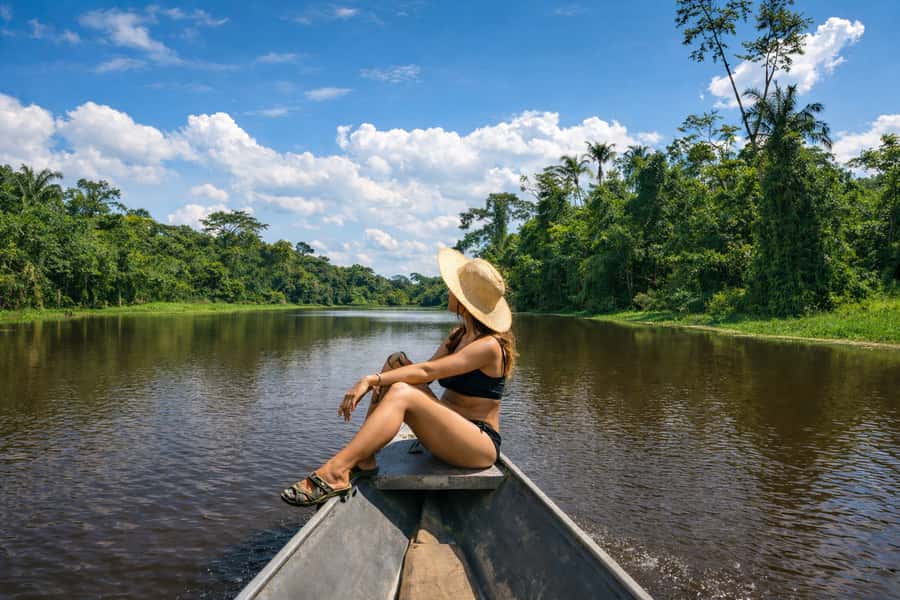
- The journey begins at Nanay River Port: You cruise through the Nanay and Amazon rivers before turning into the narrower Yanayacu River.
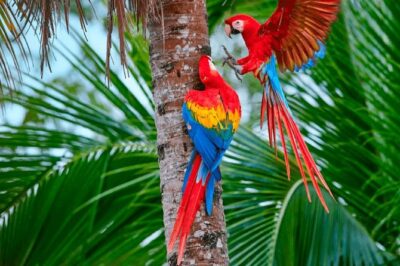
- Wildlife searches happen all day: Look for dolphins, sloths, toucans, parrots, eagles, iguanas, alligators, amphibians, and tarantulas.
- The best rhythm is day, sunset, night, and dawn: Each outing targets different animals and gives the forest a new mood.
- You get more than animal spotting: The walks cover medicinal plants, strangler trees, indigenous traditions, and local history.
- The timing demands stamina: Arrive by 8:00 a.m. and expect to reach Iquitos after 7:00 p.m. on the second day.
From Iquitos to the Nanay River Port
The day begins with pickup at your hotel or the airport. If you stay near Iquitos’ Plaza de Armas, the operator offers pickup from hotels within four blocks, even if your hotel is not shown by default. Airbnb pickup is not available, so this detail matters when you choose where to stay.
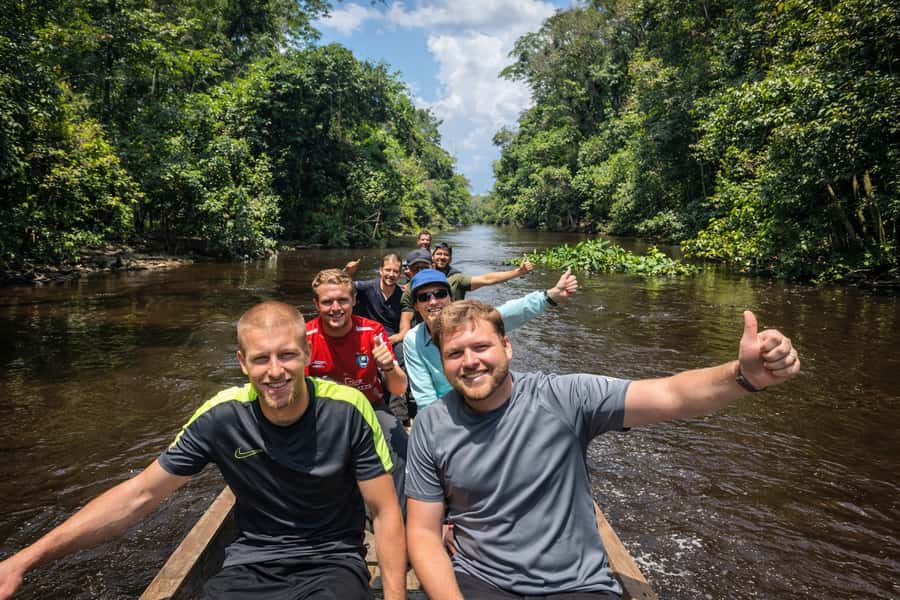
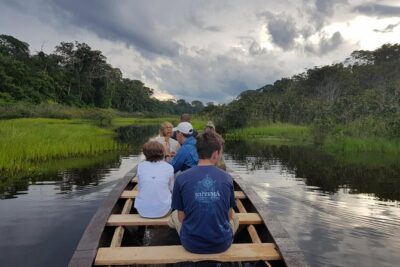
At Nanay River Port, you board a private riverboat and head toward the crossing of the Nanay and Amazon rivers. This is not a quick transfer. The cruise toward the Itaya-Amazon crossing lasts about two and a half hours, so bring water, sun protection, and patience.
I like this opening because the river is part of the experience, not merely a way to reach the lodge. You get time to watch the banks, listen to the boat, and adjust to the scale of the Amazon basin. At the crossing, the guide searches for dolphins. A sighting is never guaranteed, but the pause adds a clear purpose to the long ride.
The boat then turns toward the Río Yanayacu, a tributary with a narrower, more enclosed feel. This shift is important. The broad river gives way to waterways that take you closer to the forest and the lodge.
More Amazon jungle trips:
- 3-Day All Inclusive Guided Jungle Tour from Iquitos at Maniti Eco-Lodge
★ 4.5 · 74 reviews - From Iquitos: 3-Day Amazon Jungle Adventure Trip
★ 4.7 · 50 reviews - Iquitos: 6-Hour Wonderful Wildlife Guided Tour
★ 4.7 · 32 reviews
Arrival at the lodge and first jungle walk
After reaching the lodge, you receive a welcome and sit down for lunch. The included first-day meal is useful because the tour starts early and the river journey takes much of the morning. You do not need to arrange a separate lunch during this part of the day.
The lodge offers single, double, and multiple-room options. That gives couples, solo visitors, and small groups some choice, though you should confirm the room arrangement when booking. This is jungle accommodation, so I would approach it as a comfortable base for field activities rather than a hotel stay with city-style service.
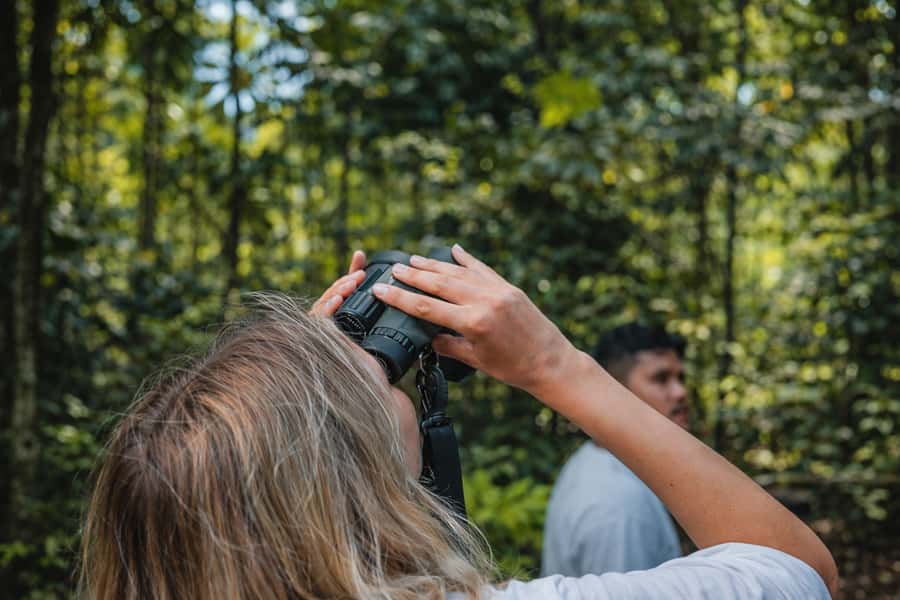
The first guided walk focuses on the plants and animals you can find during daylight. You may learn how medicinal plants are used and hear about traditions connected with indigenous communities. This gives the walk more purpose than simply counting birds or hoping for a sloth.
Strangler trees are another highlight. Their unusual growth makes them good subjects for a guide’s explanation, especially when paired with local plant knowledge. You may also search for sloths, toucans, and other diurnal species, meaning animals active during the day.
The forest can be generous, but it does not perform on demand. You might see several species, or you might spend time studying leaves, tracks, and sounds. A good guide makes that uncertainty worthwhile. Christian, Adriel, Harley, and Cristian have each been praised for staying attentive and helping people take part, which is especially helpful on uneven forest paths.
Sunset over the Yanayacu River
As daylight fades, you return to the open area near the lodge or river for sunset. The appeal here is simple: the forest changes color, the heat begins to ease, and the noise of the day gives way to evening sounds.
This pause also helps you reset before dinner and the night walk. The schedule is full, so do not expect a long empty evening. You eat, collect your flashlight or headlamp, and go back into the forest after dark.
Bring a headlamp if you have one, along with spare batteries. A phone light may help in a pinch, but a proper light leaves your hands free and makes the walk more practical. The packing advice also calls for cash, so carry some in a protected place.
The night walk for tarantulas and amphibians
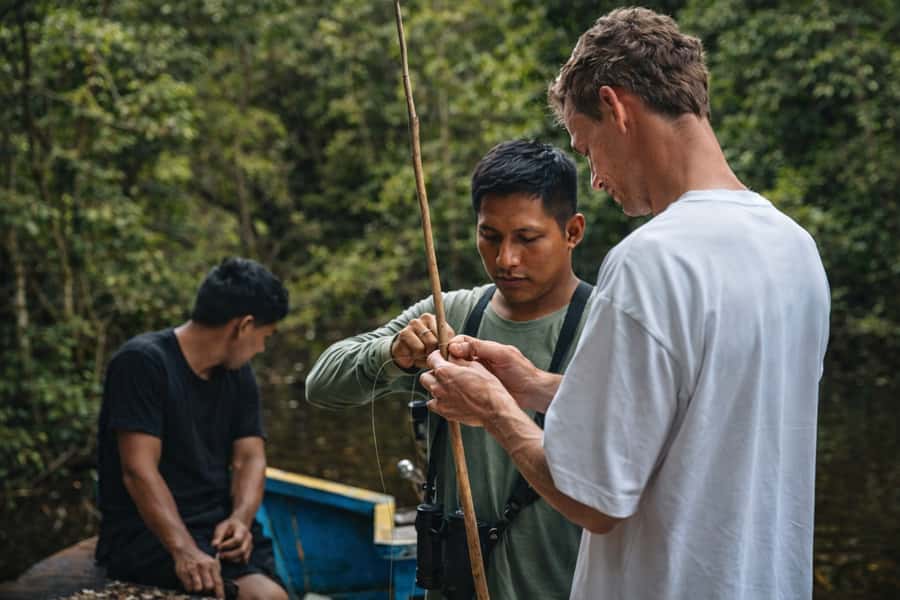
The second forest walk targets animals that avoid the heat of the day. You may search for tarantulas, amphibians, alligators, and other nocturnal wildlife. The experience depends on careful observation, not speed. Your guide may use sound, movement, or the reflection of eyes to help locate animals.
This is one of the strongest reasons to choose two days rather than a single daytime outing. The forest at night feels different, and many creatures you cannot find during the afternoon become possible after sunset.
It is also the part of the trip that may feel least comfortable. Mosquitoes are a real concern, and the operator advises repellent as essential. Wear breathable clothing with long sleeves, avoid dark colors, and bring a flashlight. You should expect humidity, insects, and a path that may be muddy or uneven.
After the walk, you return to the lodge to sleep. The schedule is active, but the night outing gives you a proper sense of how much changes after dark.
More Amazon trips:
- Belen Market and La Venecia Loretana Tour With A Local Guide
★ 5.0 · 85 reviews - Belen Market & Floating City 2-3 Hour Private Tour
★ 4.9 · 38 reviews - From Iquitos: Full day tour in the Peruvian jungle
★ 4.4 · 25 reviews - Iquitos: Native Community Experience & Amazon River Tour
★ 4.6 · 15 reviews
Dawn birds and breakfast on day two
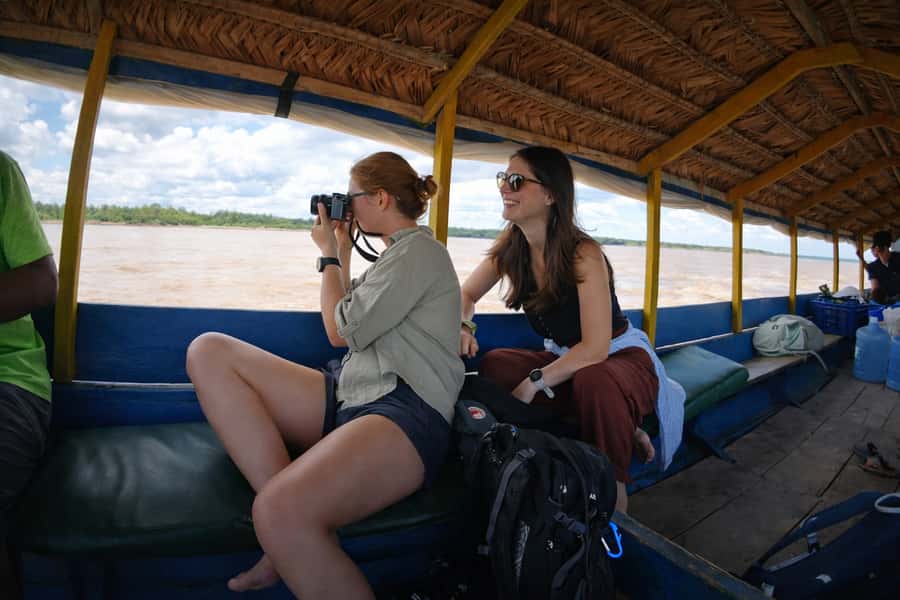
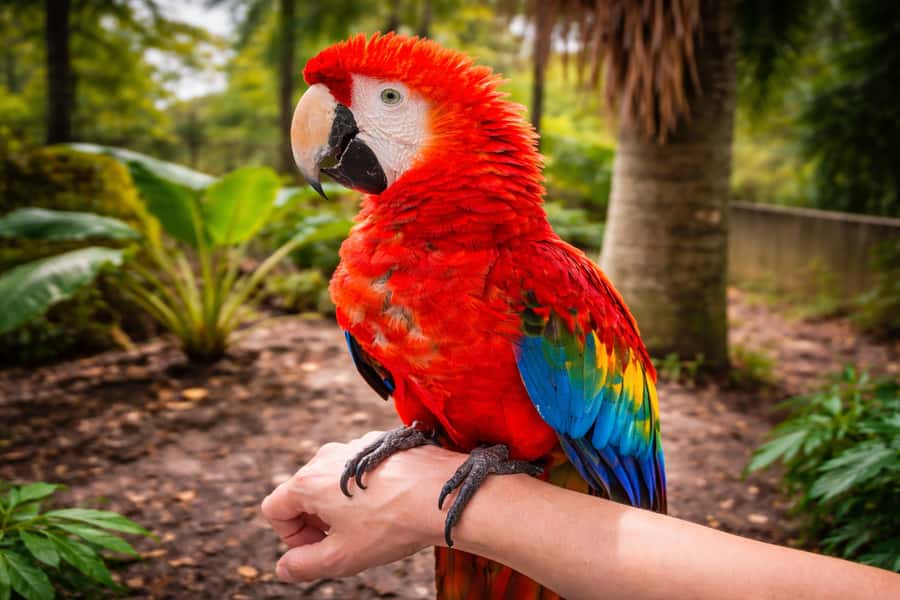
The second morning starts early, before the day becomes hot. You watch the sunrise and look for herons, eagles, parrots, and other birds as they move through the morning air.
Early starts are not for everyone, but this one has a practical payoff. Bird activity can be easier to notice at dawn, and the cooler air makes the first outing more pleasant than a late-morning walk. Pack your camera if you use one, but keep your expectations sensible. Wildlife encounters are guided searches, not guaranteed sightings.
Breakfast follows the sunrise outing. The tour includes breakfast on the second day, but not on the first, so eat before pickup on day one. This small detail is easy to miss and matters because your first meal is lunch at the lodge.
The guide’s role is especially important here. A forest bird can disappear quickly, and a guide who knows the calls and usual areas can help you notice far more than you would alone. The strongest praise for Yakumama’s team centers on care and attention, not just on spotting animals.
Fishing the Yanayacu for piranhas
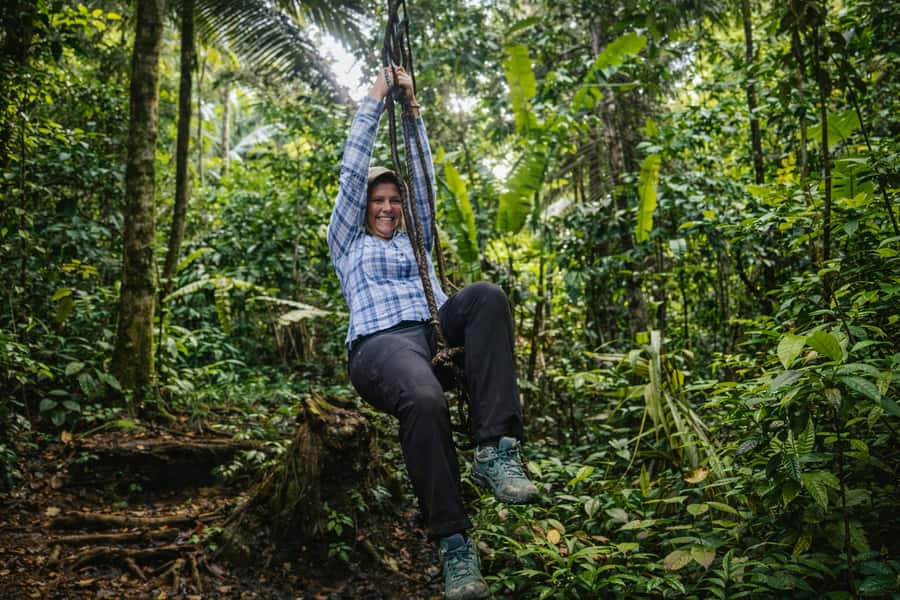
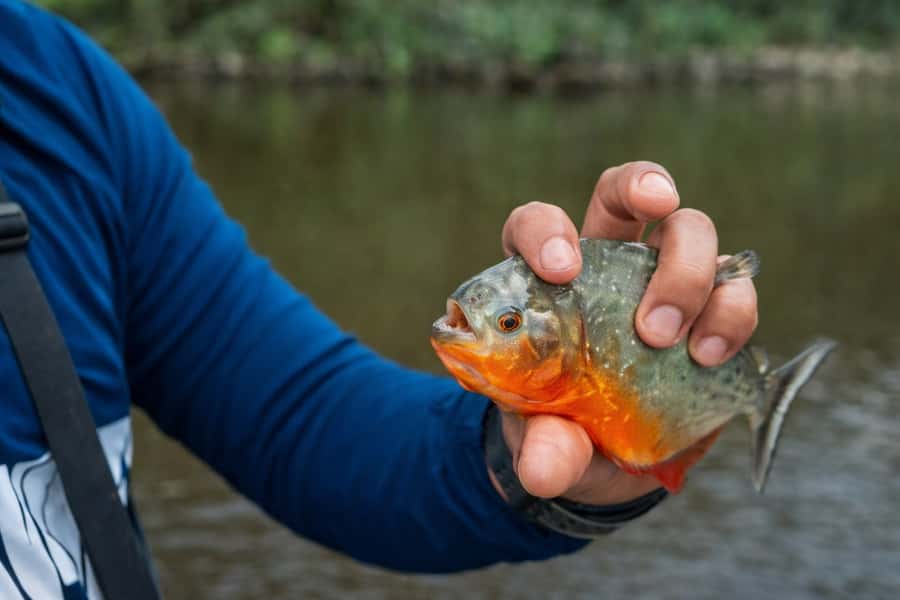
After breakfast, you explore the Yanayacu River by boat and fish for piranhas, palometas, and tarpon. You may also look for iguanas along the banks.
This activity adds a hands-on break to the wildlife walks. You are not only watching the river. You are trying to read it, handle the fishing gear, and wait for movement below the surface. The pace can be relaxed, though the result depends on conditions and luck.
The river outing also shows why a private boat is valuable. Your group can spend time in promising spots without following a large public schedule. Since the group is private, the guide can adjust attention to your interests, such as birds, fishing, plants, or photography.
After fishing, the plan includes rafting and more time admiring plant life. The word rafting may sound like a major whitewater activity, but the information provided does not describe rapids or technical difficulty. Treat it as a river activity within an active jungle morning, not as an extreme sports trip.
Optional visit to the Yagua community
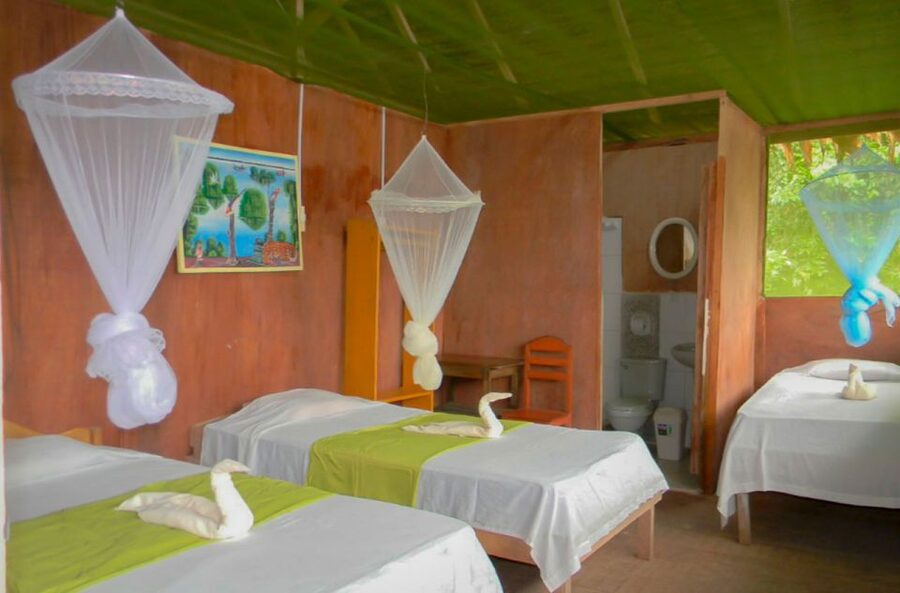
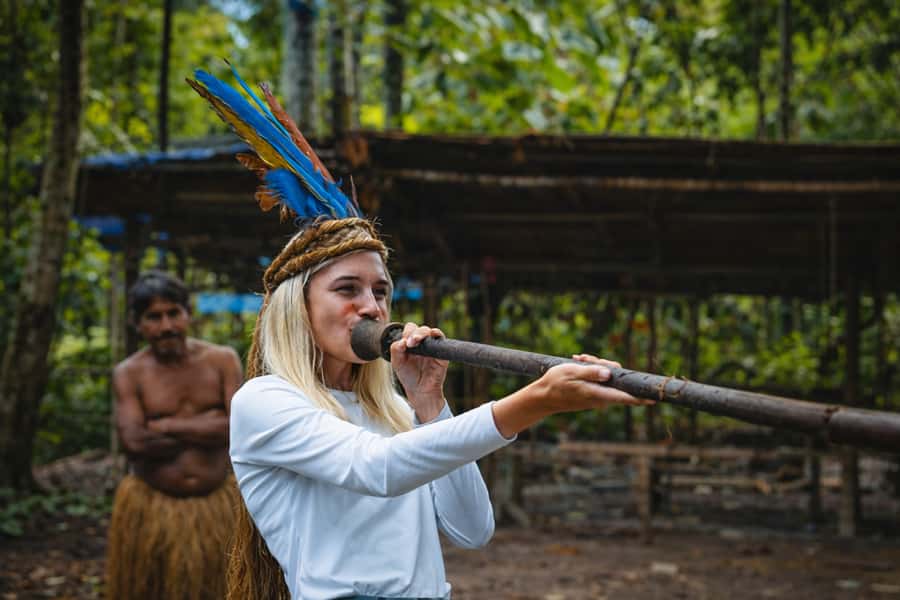
You may have the opportunity to visit a Yagua community during the second morning. The visit connects the natural setting with the people who have longstanding traditions in the region.
The key word is opportunity. It is not presented as a fixed guarantee for every departure, so ask your guide how the timing and river conditions affect it. If the visit takes place, listen closely to the explanations about indigenous history and traditions rather than treating the community as a quick photo stop.
This part can be one of the most meaningful elements for you if you want cultural context alongside wildlife. It also requires respect. Follow the guide’s instructions, ask before taking photographs, and remember that the community is a living place, not a display arranged for tourists.
Lunch, free time, and the long return to Iquitos
You have lunch after the morning activities, followed by about an hour and a half of leisure time. This break is welcome because the trip packs several activities into a short period.
Use the time to drink water, rest, organize your belongings, and check for damp clothing or muddy footwear. The lodge provides food and drinks for first-day lunch and dinner, then second-day breakfast and lunch. Dinner on the final evening is not included because you are still returning to Iquitos.
The trip back ends with drop-off at your hotel or the airport. Plan carefully if you have an evening flight. The stated return is after 7:00 p.m. on day two, so do not schedule a tight connection or a same-night plan that cannot tolerate a delay.
What the $480 price covers
At $480 per person, this is not a budget river excursion. The price includes hotel or airport pickup and drop-off, private transport to the jungle lodge, a room, an English- or Spanish-speaking guide, jungle walks, rafting, four meals, drinks, and rain boots if needed.
The private transport is the biggest value point. You are paying for a dedicated two-day program rather than piecing together a port transfer, river ride, lodge stay, meals, and separate guides. That saves planning time and gives the trip a clear structure.
The short length is also part of the value. If you have only two days in Iquitos, this package delivers several types of activity: broad-river cruising, tributary travel, day and night walks, fishing, rafting, bird watching, and possible cultural contact.
The price feels less attractive if you want a slow jungle stay. Two days means a large share of your time goes toward transport and scheduled outings. Someone with four or more days may prefer a longer lodge stay, but that option is not described here, so you should compare other programs before booking.
Practical preparation for heat, insects, and mud
Pack for function, not style. You need a passport or identity card, sunglasses, a sun hat, sunscreen, insect repellent, long-sleeved shirts, breathable clothing, cash, a flashlight, and a reusable water bottle.
Light-colored clothing is the practical choice because dark colors can attract mosquitoes. Long sleeves help during walks, but you still need repellent. Rain boots are available if required, though you may prefer to bring footwear that dries well if you already own suitable jungle shoes.
Yellow fever vaccination is described as optional for this activity. You should still check current health advice for your wider Peru itinerary and personal situation before traveling. The provided instructions do not require proof of vaccination for the tour.
The schedule favors people who can walk, manage heat, and sleep after a late night outing. The tour is not suitable for children under 10, pregnant women, people with mobility impairments, or people over 70. One guide assisted a 68-year-old participant with limited mobility, but that is encouraging service, not a promise that every mobility need can be met.
The guides and the private-group advantage
Guide quality can make or break a jungle trip. You need someone who can explain plants, spot wildlife, manage boat timing, and notice when a visitor needs help.
Christian is praised for being professional and attentive. Adriel made a particular effort to help a participant with limited mobility join the planned activities. Harley is described as caring, passionate, and considerate, while another Christian was praised for resolving a transfer problem quickly after the return to Iquitos.
Those details point to the strongest feature of the operation: personal attention. Because the group is private, you can ask questions and request more time for a subject that interests you. Spanish and English guiding is available.
You should still restate dietary needs when you meet the team. One useful piece of advice is to raise food requirements at the start, even if you already entered them during booking. That gives the lodge a clear chance to confirm what it can provide.
Should you book this two-day Amazon experience?
Book it if you want a tightly planned first look at the Amazon near Iquitos, especially if you value private transport, active outings, and a guide who can connect plants, wildlife, and indigenous traditions. The mix of night walking, dawn birds, fishing, and river travel gives you more range than a simple lodge stay.
Think twice if you need easy access, dislike insects, or want a relaxed pace. The early pickup, long return, muddy paths, and after-dark walk demand energy. I would also choose a longer program if your main goal is unhurried wildlife watching.
For a short visit, the $480 cost is reasonable because it covers the major logistics and several guided activities. Just arrive with realistic expectations: the Amazon offers possibilities, not a guaranteed checklist of sloths and dolphins.
FAQ
Where does pickup take place?
Pickup is available from the airport or hotels near Iquitos’ Plaza de Armas. Hotels within four blocks of the main square can be included even if they are not listed by default. Pickup from Airbnb accommodations is not available.
What time should I arrive?
You should plan to arrive by 8:00 a.m. on the first day. The return to Iquitos is expected after 7:00 p.m. on the second day.
Which meals are included?
The tour includes lunch and dinner on the first day, then breakfast and lunch on the second day. Breakfast on the first day and dinner on the final day are not included.
Is the tour available in English?
Yes. Guide services are available in English and Spanish.
What wildlife might I see?
The planned searches include dolphins, sloths, toucans, eagles, parrots, herons, iguanas, alligators, amphibians, tarantulas, piranhas, palometas, and tarpon. Wildlife sightings depend on conditions and cannot be guaranteed.
What should I bring for the jungle?
Bring your passport or identity card, sunglasses, a hat, sunscreen, repellent, long-sleeved clothing, breathable clothes, cash, a flashlight, and a reusable water bottle. A headlamp and spare batteries may also be useful.
Just added in Iquitos
- Iquitos: Full Day Tour in the Jungle | Amazon Safari★ 4.0 · 14 reviews
- Iquitos: Native Community Experience & Amazon River Tour★ 4.6 · 15 reviews
- Iquitos: Amazon Jungle in 3 Days: Adventure and Culture★ 4.8 · 4 reviews
- Iquitos: Amazon Jungle in 2 Days: Adventure and Expedition★ 4.5 · 6 reviews
- Iquitos: 3 Days and 2 Nights Guided Amazon Jungle Tour★ 3.9 · 12 reviews
- Iquitos: 6-Hour Wonderful Wildlife Guided Tour★ 4.7 · 32 reviews
- Iquitos: 2 Days and 1 Night Guided Amazon Jungle Tour★ 4.4 · 7 reviews
- From Iquitos: Full day tour in the Peruvian jungle★ 4.4 · 25 reviews
Amazon Jungle Tours, compared.
4-Day Inca Jungle Trail to Machu Picchu Hiking and Biking Tour
Read our review →
4-Day Adventure Tour: Inca Jungle Trail to Machu Picchu
Read our review →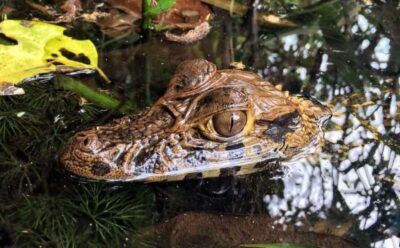
Tambopata Peruvian Amazon Jungle for Three Days/Two Nights
Read our review →
4-Day Inca Jungle Tour: Machu Picchu Biking, Rafting, and Zipline
Read our review →
Browse the lists this tour appears in