
Reviewed · PERU FOOD TOURS AND COOKING CLASSES
Lima: Ultimate Peruvian Food Tour
Come hungry, leave with a map of Peru. This four-hour walking tour packs Barranco with ceviche, lomo saltado, pisco sour, chocolate, fruit, coffee, and ice cream, while guides such as Marcos, Valeria, David, Aura, and Adriana add the food stories that make each bite matter. I like the small group size, capped at 10, and the mix of tastings, kitchen demonstrations, and neighborhood sightseeing.
I also like how the stops move beyond a single restaurant. You visit a bakery, local restaurants, a bar, a café, and small shops, with time to see pisco sours and classic dishes prepared in front of you. The main caution is dietary: vegan and vegetarian choices are limited, and severe nut allergies are not suitable because cross-contamination can occur.
In This Review
- Key points to know before you book
- Why this Barranco food tour works
- Starting at Mirador Saénz Peña
- The first tastings: fruit, local flavors, and a bakery
- Ceviche, lomo saltado, and the value of seeing the kitchen
- A short Barranco walk to the Bridge of Sighs
- The bar stop and Peru’s famous cocktail
- Chocolate, coffee, and a sweet finish
- What you will eat, and how full you will get
- The guide makes the difference
- Who gets the best value from the $105 price
- Should you book this food tour?
- FAQ
- Where does the tour meet?
- How long does the experience last?
- Is lunch included?
- Is the tour available in languages other than English?
- Can I join if I am vegetarian or vegan?
- Is the tour suitable for someone with a severe nut allergy?
Key points to know before you book
- Four hours of food and walking: Expect a full meal spread, not a few token samples, with short walks between stops in Barranco.
- Ceviche and lomo saltado demonstrations: You see how two of Peru’s best-known dishes come together and hear why they matter.
- Pisco sour preparation at a local bar: The cocktail is shown and served as part of the food route.
- Barranco adds the setting: The route includes the Saénz Peña viewpoint, the Bridge of Sighs, artsy streets, and Parque Municipal.
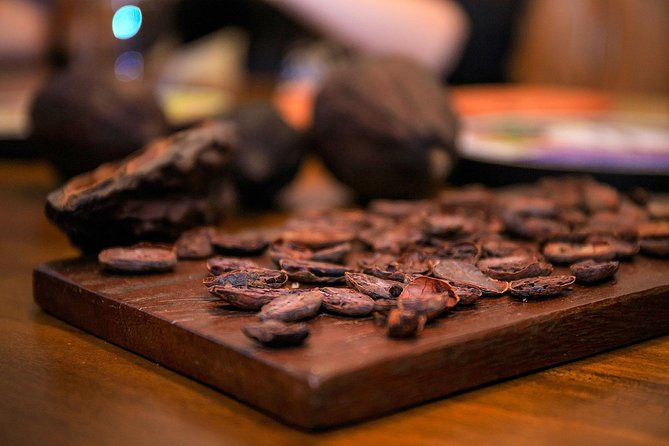
- Chocolate has a story too: A fair-trade and locally made chocolate workshop brings producers and small businesses into the experience.
- Best for curious eaters: You should enjoy seafood, meat, drinks, and plenty of small tastings, since you will likely finish full.
Why this Barranco food tour works
Lima is one of those cities where eating is a way to understand the place. Peruvian food is not one neat tradition. It reflects Indigenous ingredients, migration, coastal life, Asian influence, European techniques, and the country’s varied regions.
This tour gives you that lesson in edible form. Instead of sitting down for one long meal, you move through several food settings. That matters because each stop shows a different side of Lima’s food culture. A bakery feels different from a restaurant kitchen. A chocolate shop tells a different story from a neighborhood bar.
The route stays in Barranco, one of Lima’s most appealing districts for a walk. You get food, local stories, and a look at the area’s artistic character without spending the day crossing the city in traffic.
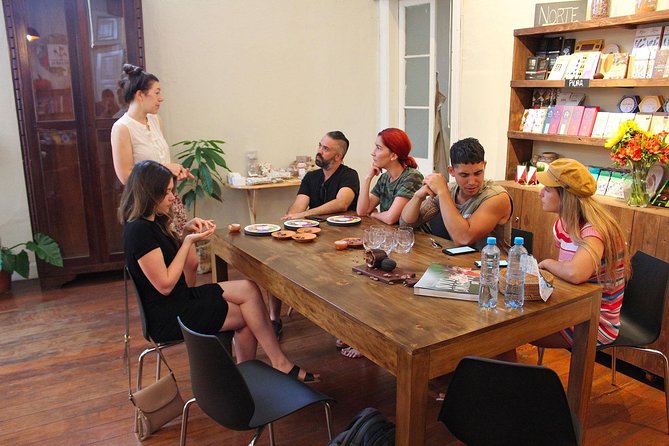
The group limit of 10 is another real advantage. A guide can explain ingredients without shouting across a crowded room, and you have a better chance of asking questions. Guides including David, Marcos, and Valeria are repeatedly praised for being warm, funny, and clear. That personal quality seems central to the experience.
More Food Tours and Cooking Classes in Lima
- Lima Ultimate Peruvian Food Tour
★ 5.0 · 1,845 reviews - #1 Reviewed Lima Cooking Class
★ 5.0 · 995 reviews - Peruvian Cooking Class, Local Market Tour & Exotic Fruit Tasting
★ 5.0 · 744 reviews
Starting at Mirador Saénz Peña
You meet your guide at Mirador Saénz Peña, not far from Casa República hotel. Look for the red lanyard. There is no hotel pickup, so you need to make your own way to the meeting point.
The viewpoint is a sensible place to begin. It gives you an immediate sense of Barranco before the eating starts, and it helps frame the neighborhood as more than a collection of restaurants. From there, the tour becomes a compact walking loop through local streets.
The walks are short, usually five to 10 minutes, but they add up. This is not a seated tasting with a little sightseeing attached. Comfortable shoes are important, and the tour is not suitable for wheelchair users or people with mobility impairments.
The first tastings: fruit, local flavors, and a bakery
Your first food stop lasts about 35 minutes in Barranco. The exact serving details may vary, but the purpose is clear: you begin with a spread of Peruvian flavors before moving into the larger dishes.
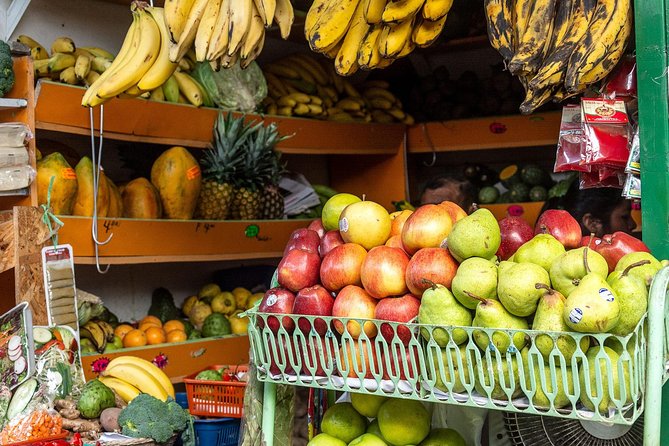
Peru is known for an impressive range of fruits, and fruit tastings help you notice ingredients you might otherwise pass by in a market or café. Your guide can explain where foods come from and how they fit into local eating habits. This opening also gives you a gentle start before the heavier courses arrive.
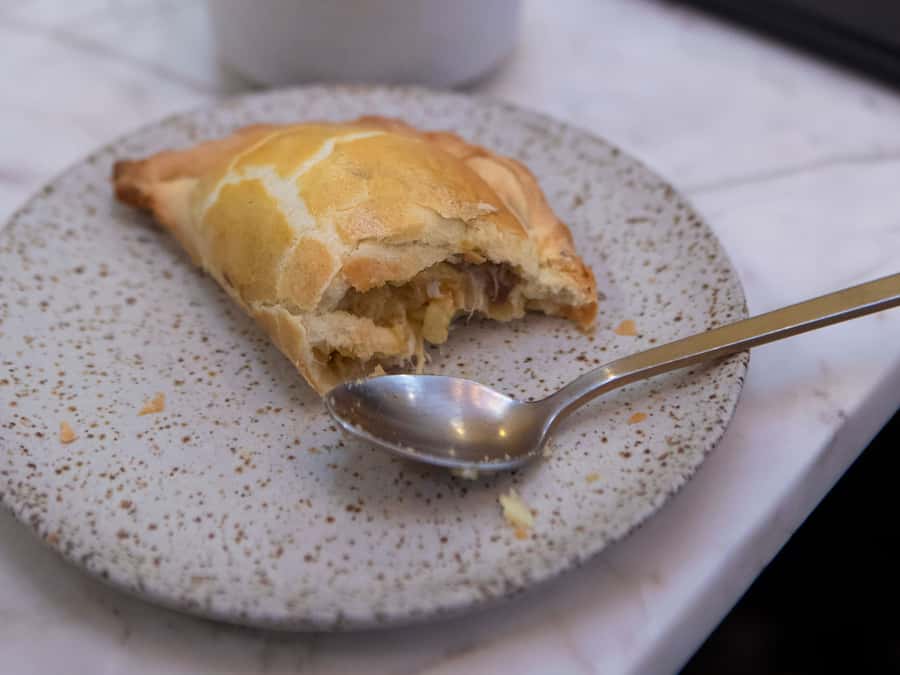
After a short walk, you spend about 30 minutes at a local bakery. This is a useful change of pace. Bread and baked goods show a more everyday side of food culture, rather than only the dishes visitors already know.
Several people who took the tour appreciated the variety between stops. That variety keeps the four hours from feeling like one long restaurant meal. It also means you should avoid a large breakfast if you choose an 11 a.m. departure. The portions may be tasting-sized at some stops, but the total amount of food is substantial.
Ceviche, lomo saltado, and the value of seeing the kitchen
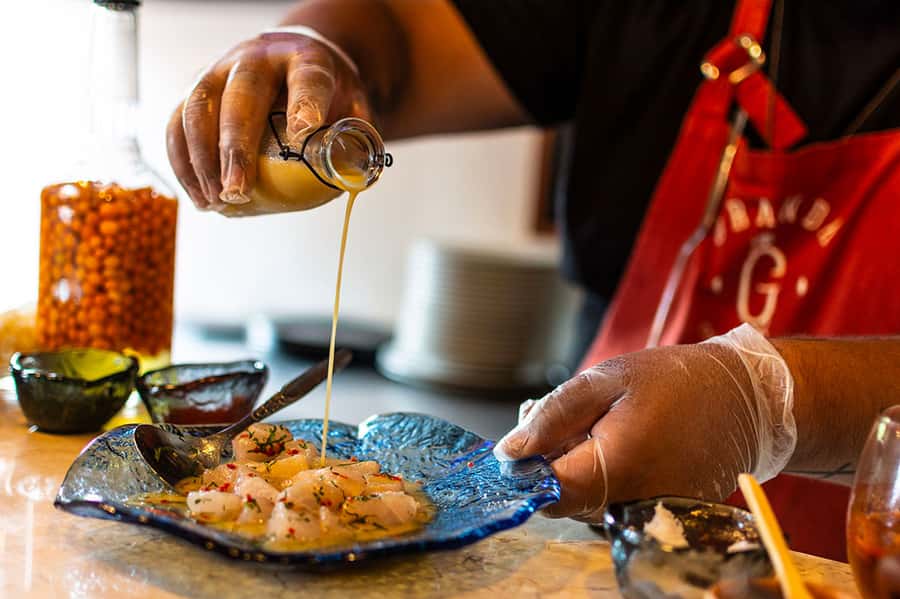
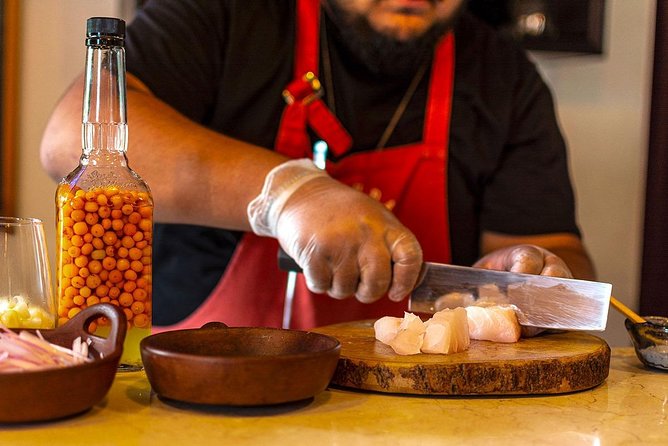
The centerpiece of the route is the chance to watch food being prepared. At a local restaurant, you spend about 45 minutes tasting and learning. This is where the tour’s demonstrations become especially useful.
Ceviche is not just fish with lime. The guide and chef can show how the ingredients are combined and explain the role of the seasonings. Seeing the dish made in front of you gives you a better idea of texture, timing, and balance than simply receiving a plate at a table.
Lomo saltado offers a different lesson. The dish brings together beef, vegetables, potatoes, and a style of cooking shaped by Peru’s Chinese-Peruvian food tradition. It is hearty, familiar, and distinctly Peruvian. It also tends to be one of the dishes people remember most.
The demonstrations are valuable because they turn lunch into a short cooking class. You do not only hear the names of dishes. You see the work behind them and can ask about ingredients and methods.
The quality of the restaurant stops is one reason the price feels easier to justify. This is not a bargain street-food crawl. At $105 per person, you are paying for a guide, advance planning, food at several businesses, drinks, demonstrations, and a small group. Add the local 18 percent sales tax, which is not included, and the listed price becomes roughly $123.90 per person before any other personal spending.
That is a serious price for four hours. If you are happy exploring on your own and ordering inexpensive plates, you can eat in Lima for much less. But if you want a guided introduction with many dishes and no guesswork, the value is stronger.
More Lima city tours:
- Premium Paracas & Huacachina Day Trip from Lima with Sunset Toast
★ 5.0 · 7,380 reviews - Full Day Tour From Lima: Paracas and Huacachina Oasis
★ 5.0 · 3,694 reviews - Lima Half-Day City Walking Tour (Small Groups)
★ 5.0 · 1,508 reviews - Epic Paracas & Huacachina – Day Trip From Lima
★ 5.0 · 1,041 reviews
A short Barranco walk to the Bridge of Sighs
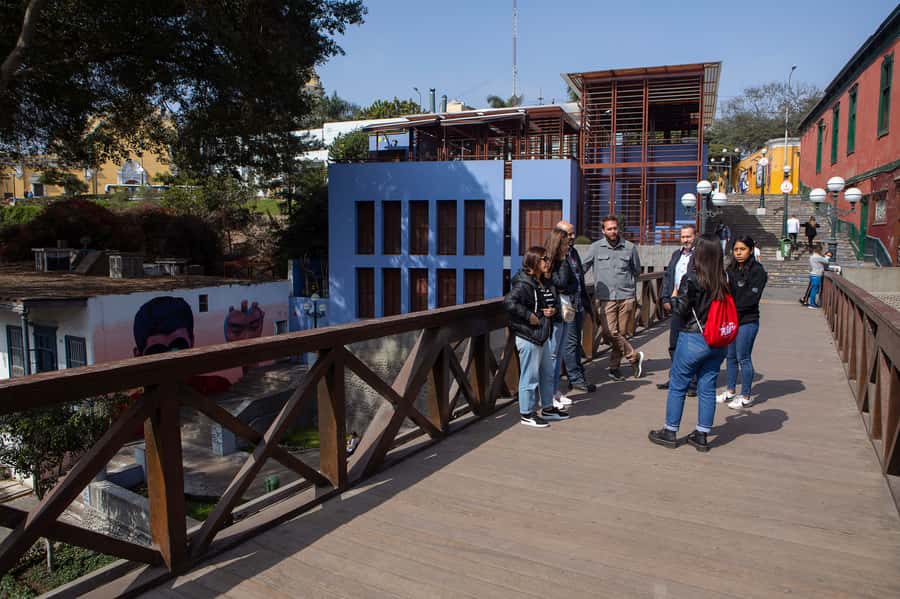
Between the larger tastings, you get short walks through Barranco. One photo and sightseeing stop lasts about 10 minutes, followed later by a stop at the Bridge of Sighs for another 10 minutes.
These pauses are well placed. Without them, the amount of food could become a blur. The neighborhood gives your stomach a break and your guide a chance to connect the dishes with Peruvian culture and local life.
The Bridge of Sighs is one of Barranco’s recognizable sights, so it makes a natural photo stop. Keep your expectations sensible. The tour does not promise a full architectural or art tour of the district. You get a food-focused walk with selected views and stories.
Still, the setting adds a lot. Food tastes better when you understand where you are, and Barranco gives the tour a more rounded feel than a series of unrelated indoor tastings.
The bar stop and Peru’s famous cocktail
A local bar provides another 35-minute tasting stop. This is where you learn how to prepare a pisco sour, Peru’s best-known cocktail.
Watching the drink being made is more useful than simply ordering one. You can see the proportions, the mixing, and the ingredients that give the cocktail its character. The tour includes pisco, and several people found the drinks generous enough to advise keeping the rest of your day fairly open.
This stop also gives the tour a social lift. A small group can compare reactions, ask questions, and talk with the guide in a relaxed setting. Guides such as David and Valeria are praised for adding humor and making the group feel at ease.
You should remember that this is not a nonalcoholic food tour with one optional sip. Pisco is included, and the route also includes other drinks. If you do not drink alcohol, advise the operator when booking and confirm what substitutions are possible.
Chocolate, coffee, and a sweet finish
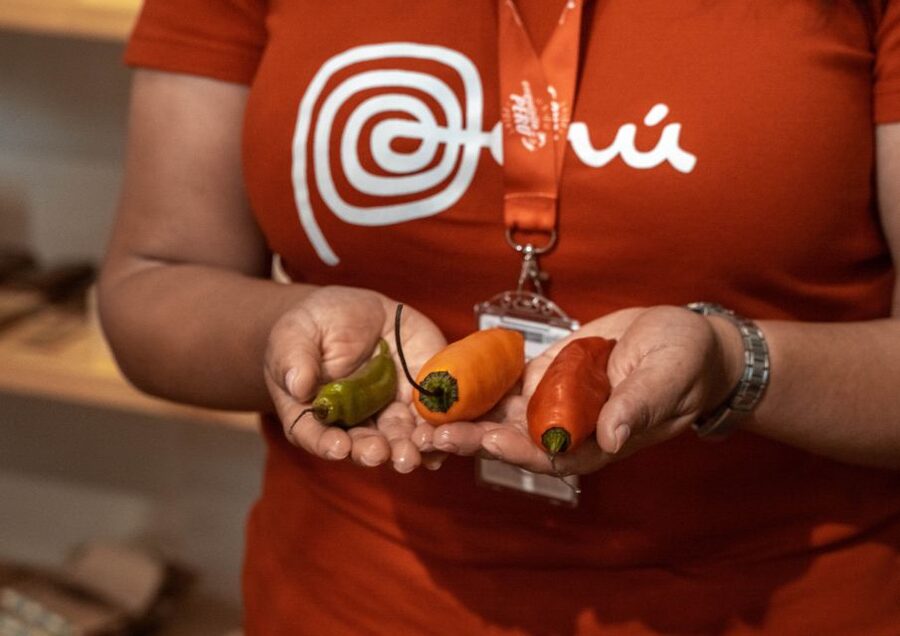
The final part of the route moves through a local café for about 15 minutes, with coffee and a sweet finish. Ice cream appears in the food mix, along with chocolate and other treats.
The fair-trade and locally produced chocolate workshop is one of the more distinctive parts of the experience. It gives you a chance to learn about the people and businesses behind the product, not only the finished chocolate on the plate.
Exquisito Peru is connected with this part of the experience and has products you may want to buy. One practical tip: set aside time to shop only if the guide and schedule allow it. The route is tightly timed, and a quick tasting stop is not the same as a relaxed shopping visit. If chocolate interests you, ask early in the tour when you will have time to browse.
Coffee and ice cream may sound like a light ending, but by this point you will probably have eaten enough for the day. The final café stop works as a pleasant close rather than another major meal.
What you will eat, and how full you will get
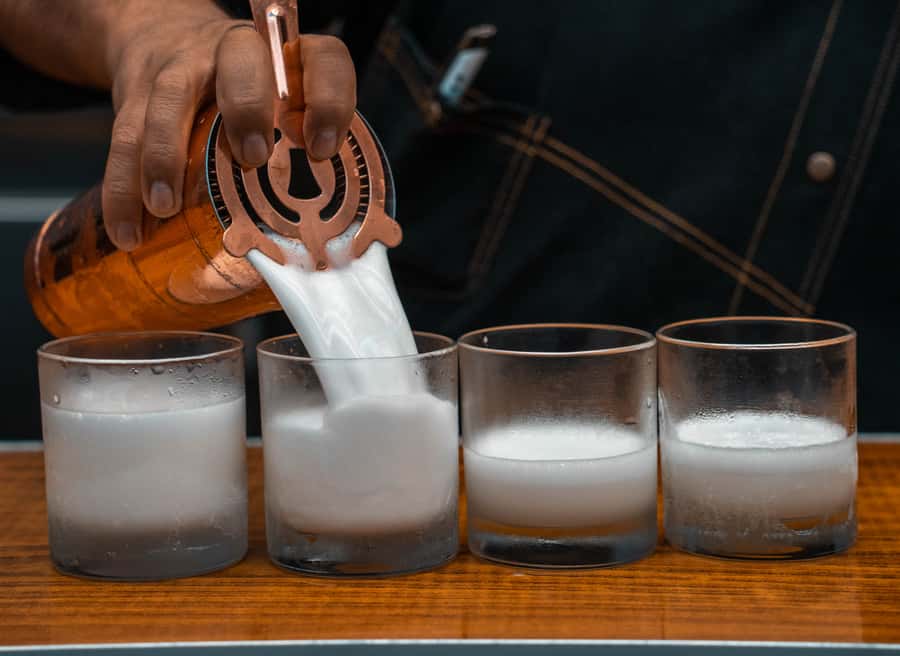
The tour includes lunch, coffee, soft drinks, pisco, and the food served at the stops. You should expect a broad sample rather than a single fixed plate.
The selection can include:
- Ceviche
- Lomo saltado
- Pisco sour
- Peruvian fruits
- Bakery items
- Locally produced chocolate
- Coffee
- Ice cream
- Additional savory dishes and drinks
The portions are meant to let you try many things, but the total is not small. People who want to taste everything should arrive hungry. If you take the tour early, do not eat a big breakfast. If you take it later, plan on skipping dinner or making it very light.
The menu is not ideal for every diet. You must provide dietary restrictions when booking, including vegetarian, vegan, gluten-free, or allergy needs. Vegetarian and vegan choices are limited, and the operator specifically warns that the menu will not provide tofu or lentils and may not offer a balanced protein intake. People with severe nut allergies should not book because cross-contamination can happen.
This is important enough to treat as a booking decision, not a minor note. Do not assume that a guide can fix the menu on the day.
The guide makes the difference
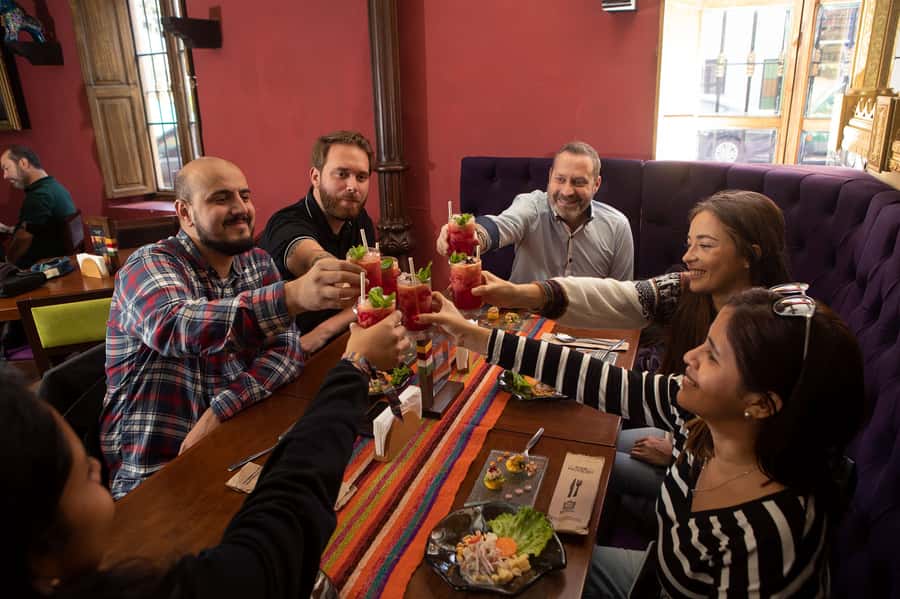
A food tour can be ordinary if the guide simply names each dish and moves on. Here, the guide is expected to explain how food connects with Peru’s history, cultures, ingredients, and people.
That is where the strongest part of the experience lies. Marcos is praised for making food history interesting and answering questions. Valeria is described as passionate, engaging, and particularly good at connecting flavors with culture. David is often singled out for clear explanations, humor, and friendly attention. Aura and Adriana also receive warm praise for making the route personal and easygoing.
Guide quality can vary from one departure to another, so you should not book expecting one particular person unless the operator confirms the guide. Still, the consistent pattern is encouraging: the guide is not simply a walking escort. The guide is the bridge between the plate and the place.
The English-only format also matters. You need enough English to follow explanations about ingredients, cooking, and history. The tour is not offered in multiple languages according to the supplied details.
Who gets the best value from the $105 price
I would recommend this tour most strongly if you are new to Lima, want a clear first taste of Peruvian food, or feel unsure about choosing restaurants on your own.
It is especially useful at the start of a Peru trip. You can learn which dishes you like, pick up restaurant ideas, and get your bearings in Barranco. One smart strategy is to book it early enough that you still have time to return to a favorite stop later.
The price makes less sense for you if you are a seasoned Lima diner, prefer very cheap local eating, or dislike group schedules. Four hours is a long time if you would rather order one dish at a time and wander without a fixed route.
The walking also rules it out for anyone with mobility limits. Short distances do not mean no walking, and there are multiple transitions between food stops.
Booking is flexible, with free cancellation up to 24 hours before the tour and a reserve-now, pay-later option. Those terms are useful, but the bigger practical issue is dietary suitability and the added 18 percent tax.
Should you book this food tour?
Book it if you want a full introduction to Peruvian food in one well-organized afternoon or evening. You get classic dishes, drinks, sweets, kitchen demonstrations, a short Barranco walk, and a guide who can explain why the food matters.
I would not book it for a cheap meal, a fully accessible route, a strict vegan menu, or a severe nut allergy. For everyone else, the combination of small-group attention and many food stops makes the $105 price defensible, especially if you use it to shape the rest of your Lima eating plans.
FAQ
Where does the tour meet?
Meet your guide at Mirador Saénz Peña, not far from Casa República hotel. The guide will be wearing a red lanyard.
How long does the experience last?
The tour lasts four hours, with availability depending on the selected starting time.
Is lunch included?
Yes. Lunch and the food served during the tasting stops are included, along with coffee, soft drinks, and pisco.
Is the tour available in languages other than English?
No. The tour is guided in English only.
Can I join if I am vegetarian or vegan?
You must state dietary restrictions when booking, but vegetarian and vegan choices are limited. The operator warns that the menu will not include tofu or lentils and may not provide balanced protein options.
Is the tour suitable for someone with a severe nut allergy?
No. Severe nut allergies are not considered suitable because cross-contamination can occur with some foods served during the tour.
Just added in Lima
- Tour to the magical water circuit with dinner and dance show★ 5.0 · 4 reviews
- Tour to the sanctuary of Pachacamac★ 4.8 · 8 reviews
- Tour Huaca Pucllana: Pyramids and Pre-Columbian Antiquity★ 4.3 · 12 reviews
- Tour of Lima with a visit to the catacombs of San Francisco.★ 4.2 · 24 reviews
- Lima: Palomino Islands Speedboat Tour & Swim with Sea Lions★ 4.8 · 33 reviews
- Surfing experience in Lima★ 5.0 · 6 reviews
- Sandbording in Lima★ 5.0 · 12 reviews
- Pro Sanboarding or skiing in Huacachina from Lima – Day trip★ 4.6 · 8 reviews
Peru Food Tours and Cooking Classes, compared.
Peruvian Cooking Class Cocktails and Market Tour in Cusco
Read our review →
Peruvian Cooking Class, Local Market Tour & Exotic Fruit Tasting
Read our review →
3 Day Tour From Lima: Paracas, Huacachina Oasis & Pisco Vineyard
Read our review →
Peruvian Cooking Class, Cocktails & Local Market Tour
Read our review →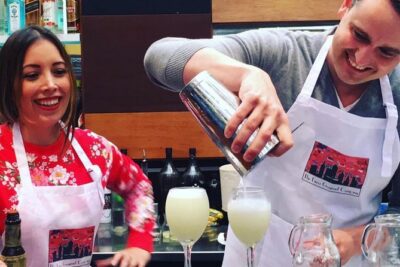
Browse the lists this tour appears in