
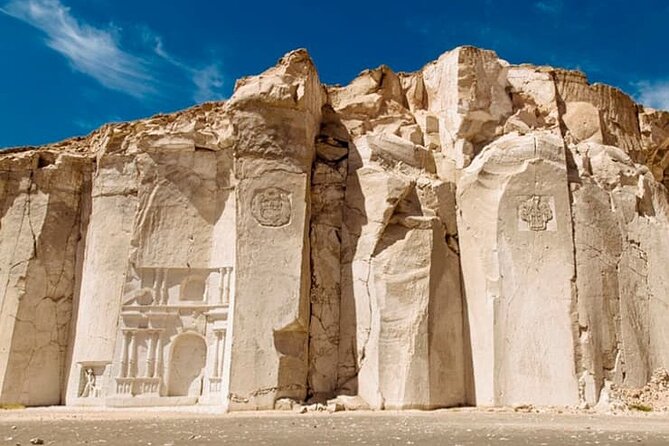
Reviewed · AREQUIPA TOURS
Sillar Route
Stone tells Arequipa’s story. What makes this half-day outing appealing is the chance to see active sillar quarries rather than only admire the finished stone in the city. I like the hands-on look at stonemasonry, and I like that the route continues to Culebrillas Canyon, where Wari petroglyphs add a much older chapter. The main consideration is the early start and moderate walking on uneven ground.
The tour costs $35 per person and includes transport, a guide, and one bottle of water. Small groups are capped at 10, which should make the quarry demonstrations easier to follow. Tickets, breakfast, and lunch are extra, and the schedule may feel rushed if you prefer long, unhurried stops.
In This Review
- Key points at a glance
- Why sillar matters in Arequipa
- The morning pickup and drive from Arequipa
- Añashuayco Quarry and the work of sillar
- Culebrillas Canyon and its rising walls
- Wari petroglyphs and Apachetas
- Timing, group size, and the $35 price
- Who will enjoy this route most
- Useful planning advice before you go
- Should you book the Sillar Route?
- FAQ
- Where does the Sillar Route take place?
- How long does the tour last?
- How much does the tour cost?
- Is hotel pickup available?
- What time does the tour start?
- Is the tour offered in English?
- What is included in the price?
- Are meals and tickets included?
- How many people can join the tour?
- Can I cancel for a refund?
Key points at a glance

- See sillar being made: Añashuayco remains an active quarry, with stonemasons working the volcanic stone.
- Walk inside Culebrillas Canyon: The route includes a roughly 20-minute walk between canyon walls that reach 15 to 20 meters high.
- Find ancient Wari petroglyphs: The rock markings are said to be more than 1,000 years old.
- Try cutting a stone block: At Añashuayco, you may be able to handle the basic work of a stonemason.
- Look for the Church of the Society of Jesus carving: A large stone carving gives the quarry a clear link to Arequipa’s grand buildings.
- Plan around the early morning: Hotel pickup is listed for central Arequipa, with the tour schedule beginning early in the day.
Why sillar matters in Arequipa
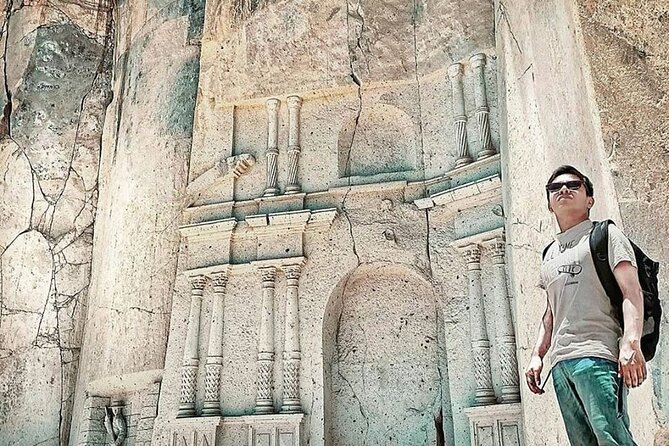
Arequipa is closely tied to sillar, a pale volcanic stone formed from ash and other material. The stone has been cut and used in the city for generations, giving many buildings their light color and distinctive carved facades.
The Sillar Route helps you understand that architecture from the source. Instead of simply walking past stone churches in the city center, you see where the material came from and how it was shaped by hand. That connection is the real value of the outing.
The quarry is not presented as a polished museum. It is a working place. That means you can expect cut stone, high walls, tools, and active labor rather than displays arranged only for sightseeing. For me, that makes the visit more useful. You are seeing a living craft, not just hearing a prepared speech about the past.
The route also connects several periods of local culture. The quarries show continuing stonework, the Church of the Society of Jesus carving links the material to colonial-era architecture, and Culebrillas preserves older markings attributed to the Wari culture. In five hours, the tour moves through several layers of Arequipa’s story.
More things to do in Arequipa:
- 2 day 1 night trek / Colca Canyon
★ 5.0 · 1,069 reviews - From Arequipa: Colca Canyon Full-Day Guided Tour with Meals
★ 4.5 · 982 reviews - Tour to the Salinas Lagoon and National Reserve in Arequipa
★ 4.5 · 548 reviews
The morning pickup and drive from Arequipa
The supplied schedule gives two early time references. It lists hotel pickups in central Arequipa from 8:00 to 8:30 a.m., while the meeting information gives a 6:00 a.m. start time. Because those details do not match, confirm your exact pickup time when booking.
Pickup is offered only from hotels located in the center of Arequipa. The return point is Calle Zela, block 3, in the city center. If your lodging is outside the central area, do not assume the vehicle will come directly to you. Ask the provider where you should meet.
The journey to Añashuayco takes about 45 minutes. That is enough time for the city to give way to the dry surroundings outside Arequipa, though the tour description does not promise a separate sightseeing stop along the road. The main purpose of the drive is to reach the quarry.
One bottle of water is included. Breakfast is not, so an early pickup may require you to eat before leaving or arrange food on your own. Lunch is also not included, but the listed return to central Arequipa is around 12:30 p.m., making it easy to plan lunch after the tour.
Añashuayco Quarry and the work of sillar
Añashuayco is the main stop and the heart of the experience. It is an active quarry, where stonemasons begin work early in the day. You can expect to see them cutting and shaping blocks rather than simply viewing an abandoned excavation.
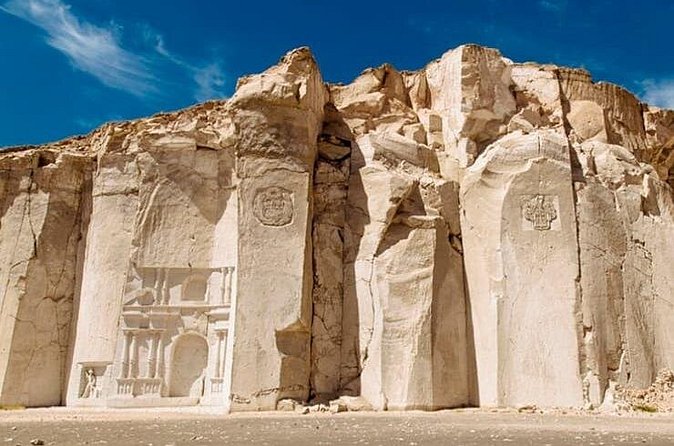
The quarry is described as a large canyon with tall ignimbrite walls. The walls were formed in part by the extraction of sillar, so the scenery here is closely tied to the work itself. The stone has been removed over time to make building blocks, leaving behind tall faces and broad cut sections.
Your guide explains the origin of sillar, how it is prepared, and how it has been used. This background matters because the stone can look simple at first glance. Once you hear how it is cut and used in Arequipa, the city’s pale buildings make more sense.
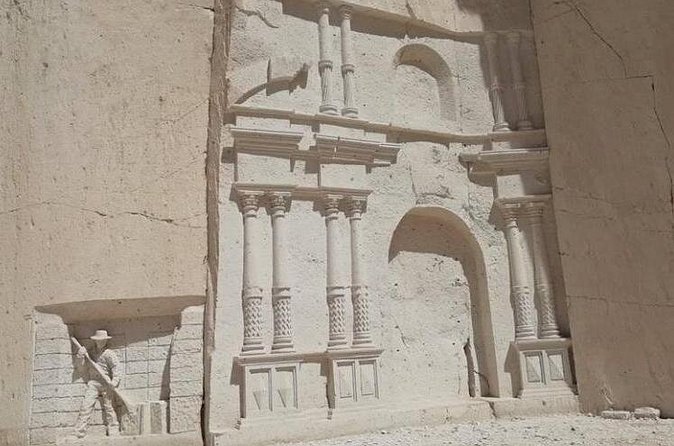
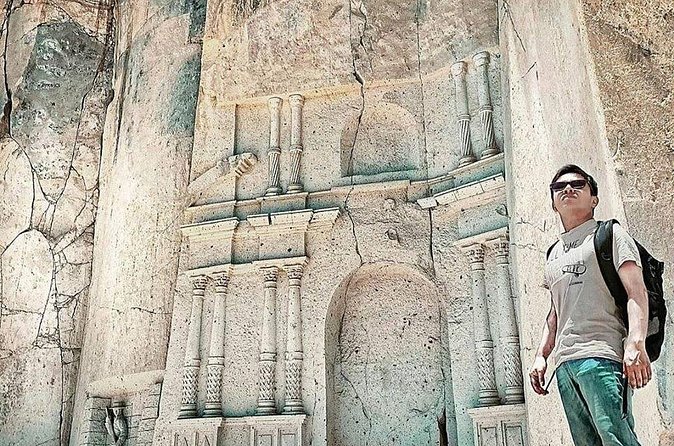
A particularly good detail is the chance to see a mega-carving of the Church of the Society of Jesus. The image was made by the stonemasons themselves, giving you a direct link between the quarry and one of the city’s best-known religious buildings. It is also a useful reminder that sillar is not only a construction material. It can be shaped into detailed decorative work.
The tour may also let you meet some of the stonemasons and hear about their daily work. You may even get to try cutting one of the stone blocks yourself. This is likely to be a brief demonstration rather than a full lesson, but it adds a physical sense of the job. Stonework looks very different when you have to handle the material yourself.
The active nature of the quarry is also the main practical drawback. Conditions may be dusty, and the ground may not be smooth. The tour requires a moderate level of physical fitness, so shoes with a firm sole are a sensible choice. The provided details do not promise shade, so an early start may be helpful for comfort.
Culebrillas Canyon and its rising walls
After Añashuayco, the vehicle continues for about 30 minutes to Quebrada de Culebrillas. The name refers to the small canyon, which was formed by the passage of water.
Here, the tour includes a walk of about 20 minutes into the canyon. The walls rise roughly 15 to 20 meters, and they become taller as you move farther inside. This makes the walk feel different from the open quarry. At Añashuayco, human extraction shapes much of what you see. At Culebrillas, water has carved the route.
The walk is short, but it should not be treated as a fully paved city stroll. The tour asks for moderate physical fitness, and canyon surfaces can be uneven. You should be comfortable walking for around 20 minutes inside the gorge.
The canyon gives the route some welcome variety. If the quarry is about labor and building stone, Culebrillas is about natural formation and older traces of human activity. It is a compact stop, but the changing height of the walls gives it a sense of progression as you walk inward.
A completely different kind of day:
- From Arequipa: Sillar Route Trek
★ 4.2 · 461 reviews - Colca Full Day Tour
★ 4.5 · 429 reviews - Rafting Arequipa – Chili River Canoeing – Cusipata Rafting Arequipa
★ 5.0 · 332 reviews - Arequipa: Chili River White Water Rafting with Hotel Pickup
★ 4.8 · 329 reviews
Wari petroglyphs and Apachetas
At the end of the Culebrillas walk, you can see petroglyphs attributed to the Wari culture. They are described as being more than 1,000 years old. Their presence gives the stop real archaeological interest, but you should keep expectations sensible. This is not described as a large archaeological complex or museum visit. The value lies in seeing ancient marks in their original canyon setting.
Your guide’s explanation will be important here. Petroglyphs can be easy to miss without help, especially when rock markings blend into the surrounding stone. Stay close enough to hear the interpretation and follow any instructions about where to walk.
Before returning to Arequipa, the group stops to observe apachetas. These are small stone formations made by placing stones one on top of another. They are described as symbols of gratitude toward nature and as attractions for good luck.
Apachetas are simple, but they add a spiritual and cultural note to the route. You do not need to treat them as a dramatic spectacle. Their meaning is quieter. They show how people mark a place and express thanks, using the same stone that shapes the canyon and the city.
Timing, group size, and the $35 price

At approximately five hours, this is a compact excursion. The schedule gives about 45 minutes to reach Añashuayco, 30 minutes to continue to Culebrillas, a 20-minute canyon walk, and a return to the city beginning around 11:30 a.m. Arrival in central Arequipa is listed for about 12:30 p.m.
That timing works well if you want an introduction to the route without giving up an entire day. You can see the two main sites, hear the story of sillar, and return in time for lunch. The tradeoff is limited free time. The tour has several transfers and stops, so it is not designed for lingering at one quarry or spending hours photographing every wall.
At $35 per person, the value is strongest if you need transport and interpretation. The price covers the vehicle and guide, which removes the difficulty of reaching two sites outside the center. It also includes the chance to learn about quarry work directly and possibly try cutting a block.
The value is lower if you expect meals, entrance tickets, or a long private tour. Tickets are not included, and no ticket price is provided, so keep a little extra money available. Breakfast and lunch are also your responsibility.
The group limit of 10 is useful. It is small enough for a guide to explain the stonework and for you to hear a demonstration without being lost in a large crowd. The tour has an average rating of 4.8 from four submitted ratings, and the strongest praise focuses on the experience itself and the quality of the guide. One Spanish-language comment calls the route unforgettable and specifically praises the guide as excellent. With such a small number of ratings, I would treat that as encouraging rather than final proof, but it points to the guide’s role in making the visit worthwhile.
Who will enjoy this route most
I would choose this tour if you want more than city architecture but do not have time for a full-day trip from Arequipa. It suits people interested in stonework, local building traditions, archaeology, and short outdoor walks.
It is also a good fit if you prefer a small group. With a maximum of 10 people, you have a better chance of hearing the explanation at the quarry and asking questions than you would on a large coach outing.
Families with older children may appreciate the hands-on element, especially the possibility of trying to cut a stone block. The moderate fitness requirement matters, though, and the canyon walk may not suit anyone who has trouble on uneven ground.
I would think twice if you dislike early departures, dusty working sites, or a schedule with fixed transfers. This is not a relaxed café-and-cathedral morning. It is a practical excursion into a quarry and canyon, with the rough edges that come with those places.
English is offered, which helps if you do not speak Spanish. The available information does not specify whether other languages are available, so ask before booking if language choice is important to you.
Useful planning advice before you go
Wear shoes suited to a short walk on uneven surfaces. The tour calls for moderate physical fitness, and the Culebrillas section takes you into a canyon rather than along a smooth urban path.
Bring water beyond the single bottle provided if you normally drink a lot while walking. Since food is not included, arrange breakfast before departure and plan lunch after the return to Calle Zela.
Confirm the pickup time. The information gives a 6:00 a.m. start time but describes central hotel pickups between 8:00 and 8:30 a.m. That is too large a difference to ignore.
The tour requires good weather. If poor weather causes cancellation, you are offered another date or a full refund. It also requires a minimum number of participants. If that minimum is not reached, you are offered another date or experience, or a full refund.
You can cancel for a full refund if you do so at least 24 hours before the start time. Changes or cancellations made less than 24 hours ahead are not accepted for a refund, so keep the local cutoff in mind.
Should you book the Sillar Route?
Book it if you want a focused half-day that explains why Arequipa looks the way it does. The working quarry, the Church of the Society of Jesus carving, the Wari petroglyphs, and the apachetas create a strong mix of craft, nature, and culture for $35.
The tour is less suitable if you want meals included, extensive free time, or a gentle, fully paved walk. Confirm the confusing start time, prepare for moderate walking, and bring food for the early morning.
For most people with limited time in Arequipa, I think the route is a sensible choice. It takes you beyond the city’s finished stonework and shows the labor and places behind it.
FAQ
Where does the Sillar Route take place?
The tour visits the Añashuayco Quarry and the Quebrada de Culebrillas outside Arequipa, Peru.
How long does the tour last?
The experience lasts approximately five hours.
How much does the tour cost?
The listed price is $35 per person.
Is hotel pickup available?
Yes. Pickup is offered from hotels located in the center of Arequipa.
What time does the tour start?
The meeting information lists a 6:00 a.m. start time. The schedule also lists central hotel pickups from 8:00 to 8:30 a.m., so confirm your exact pickup time when booking.
Is the tour offered in English?
Yes. English is one of the languages offered.
What is included in the price?
Transport, a guide, and one bottle of water are included.
Are meals and tickets included?
No. Tickets, breakfast, and lunch are not included.
How many people can join the tour?
The tour has a maximum group size of 10 people.
Can I cancel for a refund?
Yes. You can receive a full refund if you cancel at least 24 hours before the experience starts. Poor weather or failure to meet the minimum number of participants may also lead to an alternative date or a full refund.
Just added in Arequipa
- Salinas Lagoon + Mini Volcano DE Lojen★ 5.0 · 9 reviews
- 3-Day Colca Canyon trek with Professional Guide★ 5.0 · 40 reviews
- Full Day Tour To The Salt Lake Salinas in Arequipa★ 4.5 · 34 reviews
- Walking City tour including the Monastery of Santa Catalina★ 5.0 · 6 reviews
- Trekking, Waterfalls and Thermal Baths★ 4.5 · 47 reviews
- Downhill Tour – Mountain Bike in Arequipa★ 3.5 · 5 reviews
- 2 Days 1 Night trekking Through Colca Canyon, Private room★ 5.0 · 16 reviews
- Walking Tour Arequipa Including Santa Catalina Monastery★ 4.0 · 8 reviews
Arequipa Tours, compared.
From Arequipa: Colca Canyon Full-Day Guided Tour with Meals
Read our review →
Tour to the Salinas Lagoon and National Reserve in Arequipa
Read our review →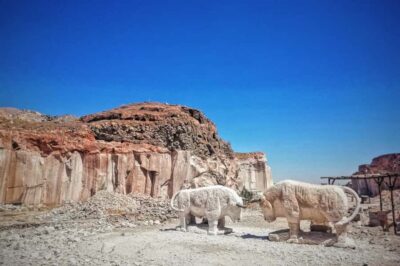
Rafting Arequipa – Chili River Canoeing – Cusipata Rafting Arequipa
Read our review →
Chili River White Water Rafting with Hotel Pickup
Read our review →
Browse the lists this tour appears in