
Reviewed · AMAZON JUNGLE TOURS
3 Days Amazon Jungle Tour in Manu Peru
The jungle begins before breakfast. This three-day trip from Cusco packs cloud forest, river travel, wildlife walks, and a night search for frogs, caimans, spiders, and snakes into a demanding but rewarding route. I like the close attention from local guide Alex, whose sharp eye and telescope have helped visitors spot animals that would otherwise stay hidden, and I like the small private-group format, with only your party taking part. The main drawback is the pace: a 5:00 am start, long road travel, basic lodging, and a moderate fitness requirement make this less of a restful getaway than a proper jungle expedition.
I also like the variety. You move from high Andean scenery to cloud forest, then down to the Amazon lowlands, with stops for cock-of-the-rock birds, hummingbirds, macaws, monkeys, capybaras, caimans, and water birds. But three days gives you only a short taste of Manu, so wildlife sightings depend heavily on weather, river conditions, patience, and luck.
In This Review
- Key things to know before booking
- From Cusco to Paucartambo before sunrise
- Cloud forest birds, orchids, and the cock-of-the-rock
- Day 2: the Madre de Dios River and Atalaya
- Forest walks and a proper night search
- Day 3: hummingbirds and the long return to Cusco
- What the $540 price really covers
- Group size, guiding, and family suitability
- The wildlife question: exciting, never guaranteed
- Comfort, food, and what to pack
- Who should book this three-day Manu trip?
- Should you book Green Amazon Tours Peru?
- FAQ
- Where does the tour begin and end?
- Is this a private tour?
- What meals are included?
- What wildlife might I see?
- What fitness level is required?
- Can I cancel for a full refund?
Key things to know before booking
- A 5:00 am departure from Cusco gets you onto the long mountain and jungle route early, but you should eat beforehand because the first breakfast is not included.
- Alex is the main wildlife asset, with local jungle experience, excellent animal-spotting skills, and a high-resolution telescope that can help you take better phone photos.
- The route changes dramatically, from Ninamarca and Paucartambo to Ajanaco Pass, cloud forest, riverbanks, and Amazonian lakes.
- Wildlife watching continues after dark, when the group searches for tarantulas, frogs, snakes, caimans, night monkeys, and insects.
- The accommodation is basic but functional, with clean toilet facilities, mosquito nets, running water, and Wi-Fi reported at the lodges.
- The $540 price makes the most sense for wildlife-focused visitors, since it includes transport, canoe travel, meals, guiding, and private participation rather than just a lodge stay.
From Cusco to Paucartambo before sunrise
Your day begins at 5:00 am in Cusco, in a private vehicle adapted for the rough transition from mountain roads to jungle roads. That early departure matters. You have a long route ahead, and the schedule includes several stops for scenery, archaeology, birdwatching, and wildlife.
The first notable stop is Ninamarca, a pre-Inca construction linked to the Lupaca culture. It is not the main reason to book this trip, but it gives the drive some depth. You are not simply being transported from Cusco to the forest. The road connects highland culture with the ecosystems below.
You then pass through the Paucartambo Valley and the town of Paucartambo, known as the folklore capital of Peru. The itinerary does not allow for a long cultural visit here, so think of this as a scenic and historical passage rather than a full town tour.
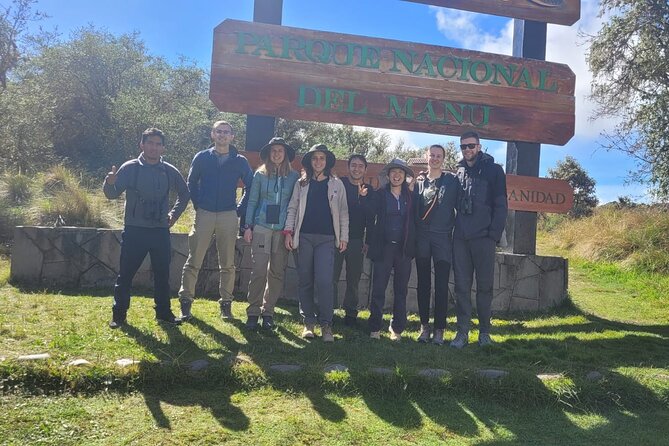
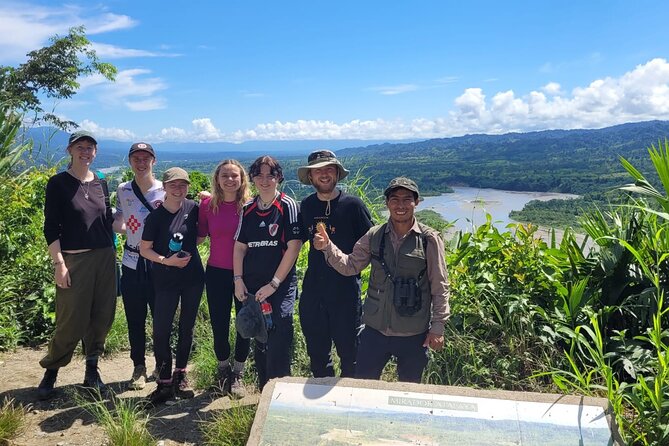
The road continues to Ajanaco Pass, where you register before entering Manu National Park. This is the great geographical shift of the day. From the pass, the route drops toward the Amazon through cloud forest, and the air, plants, and birdlife begin to change.
More Amazon jungle trips:
- 4-Day Inca Jungle Trail to Machu Picchu Hiking and Biking Tour
★ 5.0 · 438 reviews - 4-Day Adventure Tour: Inca Jungle Trail to Machu Picchu
★ 5.0 · 426 reviews - 4-Day Inca Jungle Tour: Machu Picchu Biking, Rafting, and Zipline
★ 5.0 · 241 reviews
Cloud forest birds, orchids, and the cock-of-the-rock
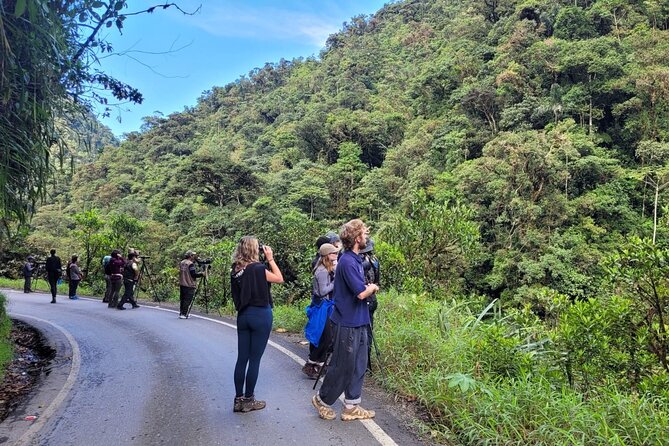
The cloud forest section is one of the strongest parts of the first day. Short walks give you a chance to look for Peru’s national bird, the cock-of-the-rock, along with toucans and tanagers. The forest also contains orchids and other flowers, so this portion is not only for people who keep a bird list.
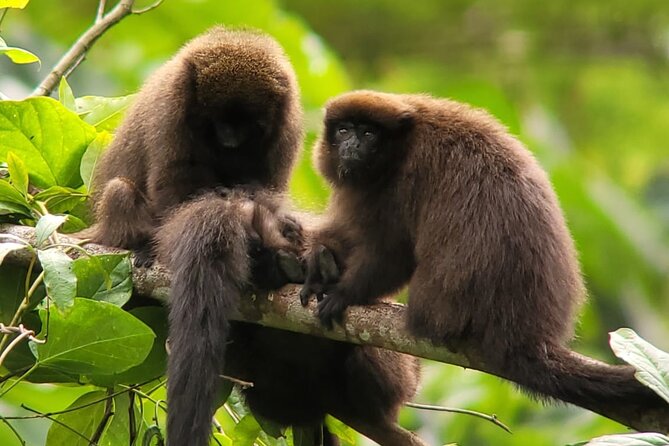
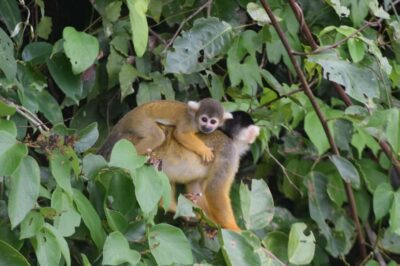
You might also find monkeys and coatis. With good fortune, the guide may spot a sloth or spectacled bear, though these are possibilities, not promises. Heavy rain, thick vegetation, river levels, and animal behavior all affect what you see. A careful guide can improve your chances, but no jungle tour can schedule a wild animal.
This is where Alex’s role becomes especially important. His ability to hear and locate animals, combined with the telescope he has used to help people photograph wildlife with their phones, can turn a vague movement in the trees into a clear sighting. You should still bring patience. Jungle wildlife rarely appears on command.
The first night is spent at a lodge, with dinner included. The facilities are described as basic but clean, and mosquito nets are provided. That is the right expectation. You are paying for access to the forest, not a polished hotel room.
Day 2: the Madre de Dios River and Atalaya
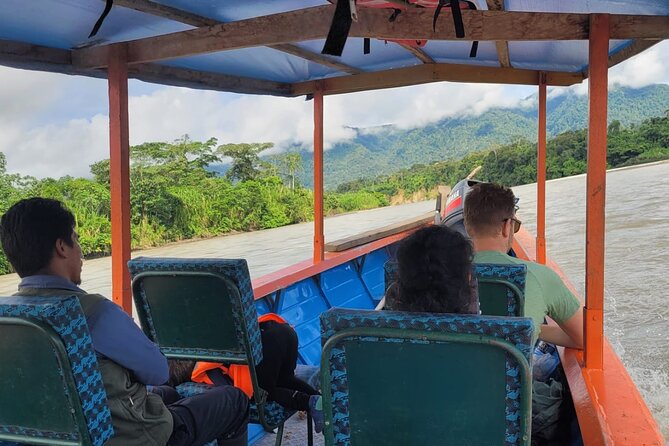
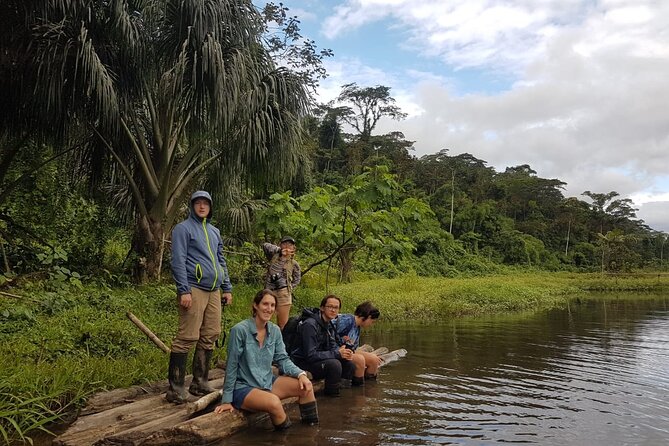
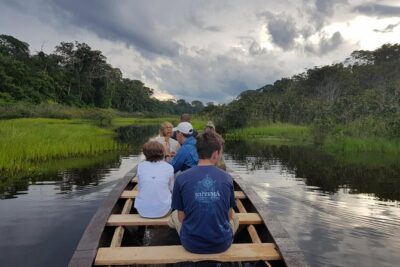
Day two begins early again, with the group heading toward Atalaya. Here you board a canoe and travel down the Madre de Dios River. The boat ride is a major part of the experience, not just a transfer between stops.
The river opens a different view of Manu. From the road, you look into forest edges and trees. From a canoe, you watch the banks, sandbars, vegetation, and waterline for movement. The pace also changes. The road is noisy and confined; the river offers a quieter way to search.
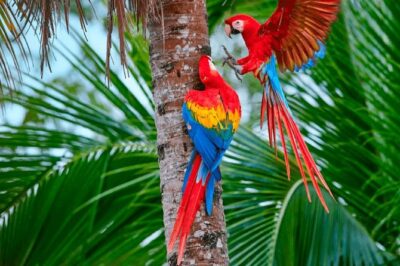
One key stop is the parrot clay lick on the riverbank. Macaws and parrots gather to eat clay, and this is one of the most distinctive wildlife events on the itinerary. The exact number and variety of birds will depend on conditions, but the stop gives you a chance to see behavior rather than simply ticking off species.
The canoe then continues to Machuwasi Lake. You explore the lake on balsa rafts, looking for capybaras, caimans, monkeys, and water birds. Capybaras are the largest rodents in the world, and seeing one near the water puts their remarkable size into perspective.
Machuwasi is also a good example of why you should bring binoculars if you have them, although the supplied information specifically highlights the guide’s telescope for close viewing and phone photography. Animals may be at a distance, partly obscured, or visible only for a few seconds.
Forest walks and a proper night search
After returning by boat to Eco Manu Lodge near Atalaya, you spend the afternoon exploring the forest. The focus is broad: monkeys, birds, medicinal plants, and the small signs that reveal how the jungle works.
The plant walk adds useful context. You are not only looking for large animals. You learn about medicinal plants and the ways local knowledge connects people with the forest. This can make a short walk feel more meaningful than a simple photo stop.
Before dinner, the group heads out again for nocturnal wildlife. The list includes spiders, tarantulas, frogs, snakes, caimans, night monkeys, and insects. This is one of the tour’s best features because the jungle changes after sunset. A night walk is not merely a shorter version of a daytime walk. It asks you to listen, use a flashlight carefully, and accept that some sightings will be brief.
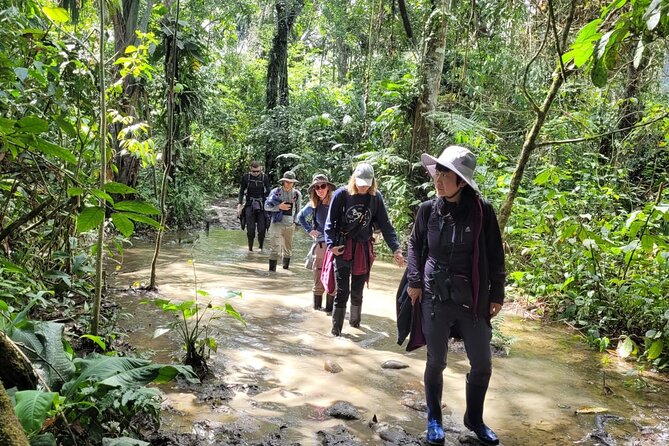
The tour data does not specify the exact duration of the night walk, so you should expect the guide to adjust it to conditions and the group. The moderate fitness requirement matters here as well as during the daytime walks. You should be comfortable walking on uneven ground and spending time outdoors in humid conditions.
Lunch and dinner are included on day two, as is breakfast. The food receives especially strong praise, including careful handling of a vegan dietary request and cooking described as among the best of a wider Peru trip. Still, tell the operator about dietary needs before departure rather than assuming every request can be handled at the last minute.
More things to do in Cusco:
- Classic Inca Trail Trek 4D/3N to Machu Picchu (Group Service)
★ 5.0 · 8,653 reviews - Cusco: Rainbow Mountain and Red Valley Day Trip with Meals
★ 4.9 · 4,893 reviews - Machu Picchu: 4-Day Inca Trail Trek with Panoramic Train Ride
★ 5.0 · 4,568 reviews - Salkantay Classic Trek 5 Days from Cusco
★ 5.0 · 4,062 reviews
Day 3: hummingbirds and the long return to Cusco
After breakfast, you return by canoe to Atalaya, then switch back to the private vehicle. The final wildlife stop is a hummingbird garden, where you can see different types of hummingbirds in several sizes and colors.
This is a pleasant final stop because it does not require the same luck as searching for a sloth or jaguar in dense forest. Hummingbirds are active, colorful, and easier to appreciate in a garden setting. It also gives you one last chance to watch small wildlife before the long trip back.
The vehicle returns you to Cusco, with arrival expected at about 5:00 pm. The third day includes breakfast and lunch, but not the last dinner. You should plan your evening meal in Cusco and keep your schedule flexible in case road conditions affect the arrival time.
The return journey is not a minor detail. You have already had an early start and two active days, so the road trip may feel tiring. Frequent stops for wildlife and walks can make the outbound journey more interesting, but you should not book an important evening connection or fixed appointment immediately after the tour.
What the $540 price really covers
At $540 per person, this is not a bargain day trip. It is a private three-day package with a private vehicle, canoe travel, guiding, accommodation, camping equipment, meals, and access to a difficult-to-reach national park area.
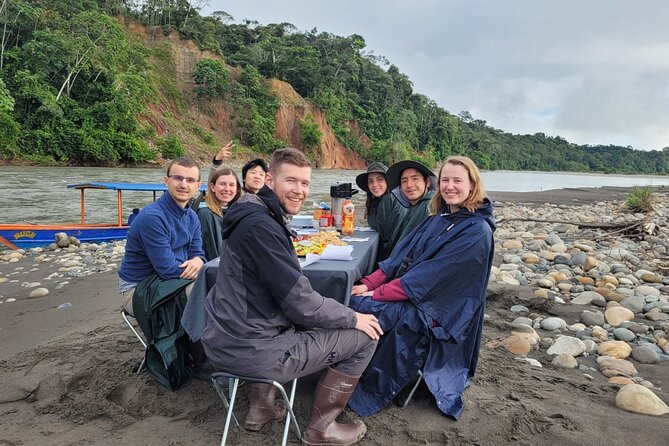
The included equipment covers tables, chairs, rubber boots, rain gear, and other camping supplies. The exact accommodation arrangement should be confirmed at booking, since the itinerary refers to lodges while the inclusions also mention camping equipment. Either way, the standard is practical rather than luxurious.
Two dinners, three lunches, and two breakfasts are included. The first breakfast and final dinner are not. That small detail matters because the start is so early. Eat before pickup or arrange food for the first morning.
I see the value most clearly if you care about wildlife and prefer a private experience. Alex’s local background, patient explanations, ability to adapt the program, and talent for spotting animals add something that a basic transport-and-lodge package would not provide. A telescope that lets you see distant wildlife and take phone photos can also be valuable when you do not carry a large camera.
The value is less clear if your priority is comfort, a slow pace, or a polished lodge. The accommodation is basic, and the route requires long hours in a vehicle and boat. You are paying for access, guiding, and time in the forest, not spa-style relaxation.
Group size, guiding, and family suitability
This is a private tour, so only your group participates. That gives you more control than a large shared departure. You can ask questions, spend longer at a wildlife sighting, or adjust the pace for children, within the limits of the schedule.
The available feedback places strong emphasis on Alex. He speaks excellent English, explains flora and fauna patiently, and is described as friendly, professional, and careful around wildlife. His local upbringing is useful because jungle guiding depends on more than memorized species names. Listening, reading tracks, recognizing calls, and knowing where to pause can all change the quality of a walk.
The trip can work for families. One account describes children aged eight and fourteen enjoying Alex’s kindness and flexibility. That does not mean the trip is easy for every child. The early start, road travel, boat rides, forest walks, insects, and basic accommodation should be discussed honestly with younger family members.
The tour requires moderate physical fitness. The supplied information does not give a mileage or walking-time total, so ask for the expected walking distances if that affects your decision. You should also be ready for changing weather and uneven forest conditions.
The wildlife question: exciting, never guaranteed
This route offers a strong list of possible sightings: macaws, parrots, toucans, tanagers, monkeys, coatis, capybaras, caimans, water birds, frogs, snakes, tarantulas, night monkeys, and many insects. The cloud forest adds the cock-of-the-rock, with sloth and spectacled bear possible under favorable conditions.
Past tours have also produced sightings of giant otters, black caimans, more than 30 bird species, and several kinds of monkeys. Those examples show what the wider Manu area can offer, but they should not be treated as a checklist for your three days.
You may not see jaguar, sloth, or tapir. Heavy rain and high river levels can reduce sightings, and the guide cannot control animal movement. Dry season conditions may improve some chances, according to Alex, but the supplied information does not give exact months or guarantee specific species.
For the best experience, treat every sighting as a bonus and pay attention to small creatures. A frog, insect, medicinal plant, or distant parrot can be just as interesting as a large mammal when the guide explains what you are seeing.
Comfort, food, and what to pack
The lodges are basic but clean, with mosquito nets and toilet facilities. Running water and Wi-Fi have been reported, though you should not expect city-level comfort or a reliable connection in every part of the route.
Meals are one of the tour’s strongest practical points. Food is described as tasty and plentiful, and dietary needs have been accommodated. Ask in advance about any allergies or restrictions.
The included rubber boots and rain gear are useful because wet ground and sudden rain are part of the setting. You should also bring light clothing, insect protection, a flashlight for the night walk, personal toiletries, a phone or camera, and any medication you need. The supplied details do not list a required packing list, so confirm equipment arrangements before you leave Cusco.
The first breakfast is excluded, and the start time is 5:00 am. That combination is easy to overlook. Prepare food the night before or arrange it with your hotel.
Who should book this three-day Manu trip?
I would choose this tour if you have limited time in Cusco but want more than a standard city and ruins itinerary. It gives you mountain scenery, cloud forest, river travel, lake exploration, daytime walks, and nocturnal wildlife in three days.
It suits:
- Wildlife enthusiasts who value expert spotting over luxury
- Couples or small groups wanting a private departure
- Families with children who can handle early starts and outdoor conditions
- Visitors interested in birds, monkeys, reptiles, insects, and plants
- People comfortable with basic lodging and a physically active schedule
I would think twice if you need a gentle schedule, guaranteed sightings, high-end accommodation, or a short transfer from Cusco. The long route is part of the experience, but it also takes energy.
The high recommendation rate and five-star rating from 13 ratings suggest strong satisfaction, especially with the guide, food, safety, wildlife spotting, and personal care. That is encouraging, but the small number of ratings means you should still judge the tour by its real conditions: three days, basic lodging, long transfers, and unpredictable wildlife.
Should you book Green Amazon Tours Peru?
Book it if your main goal is wildlife and authentic access to Manu, and you are willing to trade comfort for time in the forest. Alex appears to be the key reason the trip works so well, especially for people who want explanations, close views through a telescope, and a guide who can adapt the outing.
Do not book it expecting a luxury Amazon lodge or a guaranteed jaguar sighting. Ask about current road and river conditions, the exact lodge arrangement, expected walking times, and the available equipment before paying.
For $540, this is a serious three-day outing rather than a casual excursion. If you accept the early mornings, basic facilities, long travel, and uncertainty of wild animals, it offers a memorable and unusually varied introduction to Manu National Park.
FAQ
Where does the tour begin and end?
The tour begins in Cusco with pickup at 5:00 am and returns to Cusco at approximately 5:00 pm on day three.
Is this a private tour?
Yes. Only your group participates in the activity.
What meals are included?
The tour includes two breakfasts, three lunches, and two dinners. The first breakfast and final dinner are not included.
What wildlife might I see?
Possible sightings include cock-of-the-rock birds, toucans, tanagers, monkeys, coatis, sloths, spectacled bears, macaws, parrots, capybaras, caimans, water birds, frogs, snakes, tarantulas, night monkeys, and insects.
What fitness level is required?
A moderate level of physical fitness is required. The program includes short walks, jungle exploration, canoe travel, and a night wildlife search.
Can I cancel for a full refund?
Yes. You must cancel at least three full days before the experience start time for a full refund. Cancellations or changes made less than three full days in advance are not accepted for a refund.
Just added in Cusco
- Cusco Private Transportation for 2026★ 5.0 · 4 reviews
- Private Transfer from Airport to Hotel in the City of Cusco★ 4.0 · 5 reviews
- Best Cusco walking tour: dinner street food tasting★ 4.5 · 11 reviews
- Private Tour to Pisac Market and Pisac Ruins★ 5.0 · 4 reviews
- Machu Picchu Day Trip With Panoramic Train from Cusco★ 5.0 · 10 reviews
- Sacred Valley Private Tour from Cusco, Guide and Driver only★ 5.0 · 4 reviews
- Sacred Valley of the Incas Tour★ 5.0 · 12 reviews
- Private Tour of the Mountain of Colours by Quad★ 5.0 · 7 reviews
Amazon Jungle Tours, compared.
4-Day Inca Jungle Trail to Machu Picchu Hiking and Biking Tour
Read our review →
4-Day Adventure Tour: Inca Jungle Trail to Machu Picchu
Read our review →
Tambopata Peruvian Amazon Jungle for Three Days/Two Nights
Read our review →
4-Day Inca Jungle Tour: Machu Picchu Biking, Rafting, and Zipline
Read our review →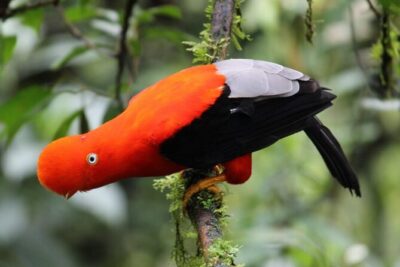
Browse the lists this tour appears in