
Reviewed · RAINBOW MOUNTAIN AND HUMANTAY LAKE
3 Days Trekking in Ausangate and Rainbow Mountain
High Andes walking does not get much wilder. This three-day route links the sacred Ausangate region with Vinicunca, the famous Rainbow Mountain, while keeping you above the tree line among glacial peaks and wide-open views. I like the small group size of up to eight people and the fact that the price includes a porter, cook, meals, transport, park entrances, and an emergency horse.
I also like the human touch reported from the crew, especially guide Ruben, chef Braulio, and horseman Hilario. The food appears to be a real strength, not an afterthought at a remote camp. The main caution is altitude: you will sleep as high as 4,700 meters and climb to 5,030 meters, so this is a serious trek, not a gentle sightseeing walk.
In This Review
- Key points to know before booking
- Why Ausangate feels different from a standard Cusco day trip
- Day one: Cusco to Upis and the hot springs
- Day two: Arapa Pass and a high camp at 4,700 meters
- Day three: Vinicunca at 5,030 meters
- Ausangate, Vinicunca, and the meaning of the route
- What the $445 price includes
- The crew and the camping setup
- How to prepare for the altitude
- Who should book this trek?
- Should you book the Ausangate and Rainbow Mountain trek?
- FAQ
- How long is the Ausangate and Rainbow Mountain trek?
- What time does pickup begin?
- What is the highest elevation reached?
- How high are the campsites?
- How many people can join the trek?
- Is food included?
- Is transport included?
- Is a sleeping bag included?
- Can I cancel for a full refund?
Key points to know before booking
- You reach 5,030 meters on the final day: That is higher than most visitors have ever walked, so fitness and acclimatization matter.
- The first night ends at Upis hot springs: After a 10-kilometer walk, you can soak near the campsite at 4,250 meters.
- The second day is the hardest: You walk 14 kilometers for about eight hours and cross the 4,800-meter Arapa Pass.
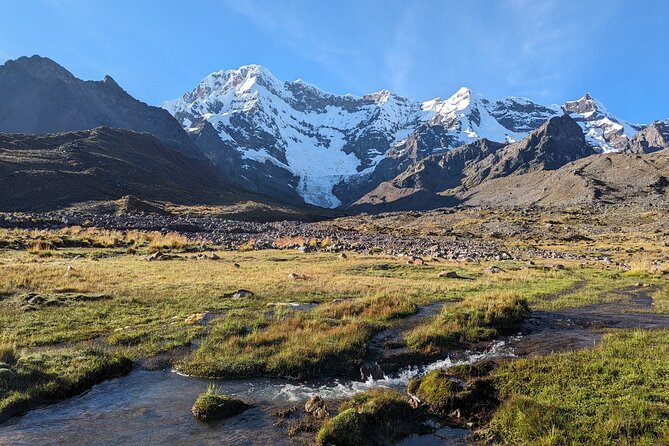
- Ausangate gives the trek its character: The 6,300-meter sacred peak watches over the route and the Vilcanota range.
- The $445 price covers a lot: Meals, cook, kitchen tent, porter service, transport, entrances, mattress, and emergency horse are included.
- The group is capped at eight people: That is useful on narrow, demanding mountain paths and makes guide support more practical.
Why Ausangate feels different from a standard Cusco day trip
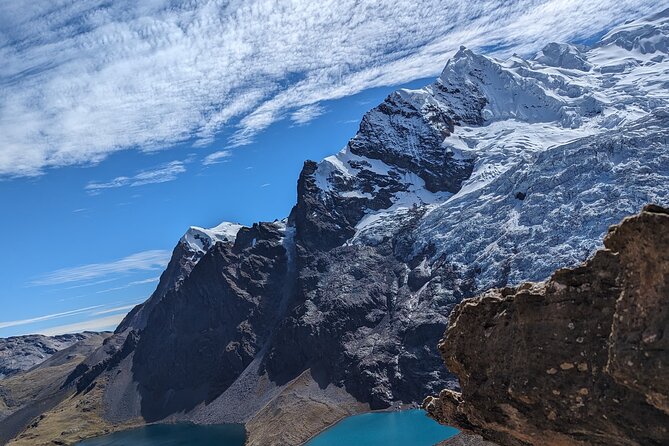
Many Cusco excursions aim for one famous viewpoint, a quick photo, and a return to town. This route asks for three days of effort in exchange for something quieter and more remote. You move through the high Andes beneath Ausangate, a 6,300-meter snowy peak regarded as sacred by Andean communities for centuries.
I like that the trek is not built around Rainbow Mountain alone. Vinicunca is the headline stop, but the wider Ausangate area gives you glacial peaks, open high-altitude scenery, mountain lakes, and camps far above the tree line. The color bands of Rainbow Mountain become one part of a larger mountain journey.
That setting also explains the physical demands. At these heights, even a moderate uphill stretch can feel slow. The route reaches 4,480 meters on the first day, 4,800 meters on the second, and 5,030 meters on the third. You should think of this as a high-altitude expedition with organized support, not a casual walk with a scenic finish.
The group limit of eight is a useful detail. A smaller party gives the guide more ability to keep an eye on pace and comfort. It also avoids the feel of a large procession, which matters on a remote route where weather and altitude can change the mood quickly.
More Rainbow Mountain and Humantay Lake trips:
- Cusco: Rainbow Mountain and Red Valley Day Trip with Meals
★ 4.9 · 4,893 reviews - Excursion to Rainbow Mountain Full Day Optional Red Valley
★ 5.0 · 2,996 reviews - Cusco: Humantay Lake Tour with Breakfast and Buffet Lunch
★ 4.9 · 2,976 reviews
Day one: Cusco to Upis and the hot springs
Your day starts early, with hotel pickup at 5:00 a.m. Private transport takes you from Cusco to the trailhead at the Upis community. The early start may feel harsh, but it leaves more time for the first walking stage and helps the group reach camp before the day gets too late.
The first day covers about 10 kilometers in five hours. The highest point is 4,480 meters, or 14,698 feet, and the campsite sits at 4,250 meters. That is already higher than many Alpine summits, so the first day is not a warm-up in the usual sense.
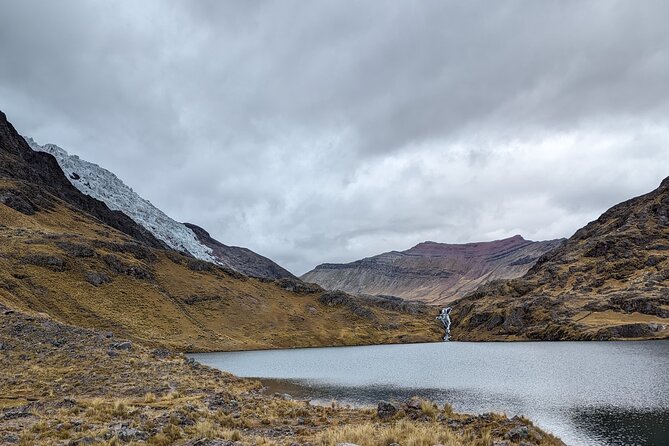
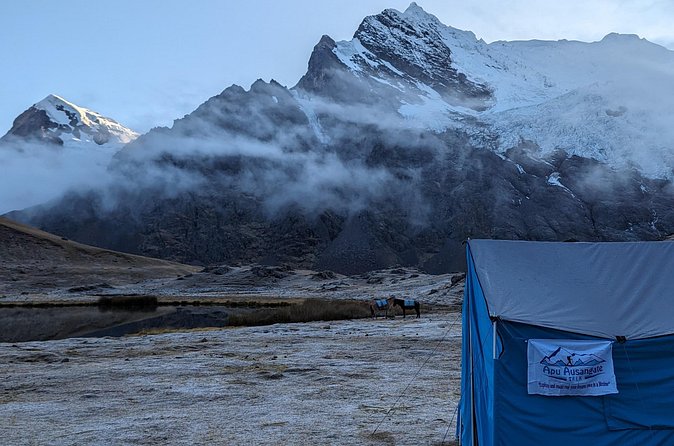
The route brings you toward Upis Lake and the surrounding high mountain scenery. The appeal here is space. You are walking in the shadow of Ausangate, with the snowy peak and glacial terrain providing the visual focus. The setting feels far removed from the streets and traffic of Cusco.
The first night’s camp is near Upis hot springs. I consider this one of the smartest features of the route. After several hours of walking at altitude, a hot spring gives you a chance to relax before dinner and sleep. It does not remove the effects of high altitude, but it adds comfort to an otherwise demanding first day.
The included mattress, cooking equipment, kitchen tent, chef, and porter service also matter from the start. You are not expected to carry all your camping gear yourself. A personal porter carries up to 8 kilograms of overnight equipment, leaving you with the items you need during the day.
The food receives especially warm praise. Chef Braulio is credited with preparing tasty meals throughout the trek, which is no small task at remote camps. You receive breakfast and dinner on the camping days, plus lunch each day of the three-day route. For a high-altitude trip, regular meals can make the difference between merely getting through the day and enjoying it.
Day two: Arapa Pass and a high camp at 4,700 meters
The second day is the trek’s main test. You walk about 14 kilometers for roughly eight hours, starting from Upis and crossing the Arapa Pass at 4,800 meters. The route continues toward Pukaqocha and Ananta, where you camp at approximately 4,700 meters.
This is the point where you need to be honest about your condition. The distance is not extreme by ordinary hiking standards, but the altitude changes the calculation. At 4,800 meters, a climb that looks short on paper can take real effort. A moderate fitness level is required, yet altitude tolerance cannot be predicted by fitness alone.
The value of having an English-speaking professional guide becomes clear here. A guide such as Ruben can help explain the route, set a workable pace, and watch how the group is handling the high pass. The supplied information does not promise a private pace for every person, so you should still be ready for a full mountain day.
Arapa Pass provides the dramatic high point of the day. You get broad views across the Vilcanota range and the surrounding glacial peaks. The scenery is stark rather than lush, with little shelter from the elements above the tree line. That makes the views memorable, but it also means you should take weather and clothing seriously.
The camp at Ananta is another unusual part of the experience. Sleeping at about 4,700 meters gives you a genuine high-Andes camping experience, but it may also be the least comfortable night of the trip. The extra-thick foam mattress helps, and the sleeping bag can be rented for $20, but warmth and rest remain important concerns.
The provision of an emergency horse is reassuring. It is not a promise that you can ride the entire route, nor should it be treated as a shortcut. Its purpose is support if altitude, fatigue, or another problem makes walking unsafe. That kind of backup is valuable on a route far from ordinary road access.
Day three: Vinicunca at 5,030 meters
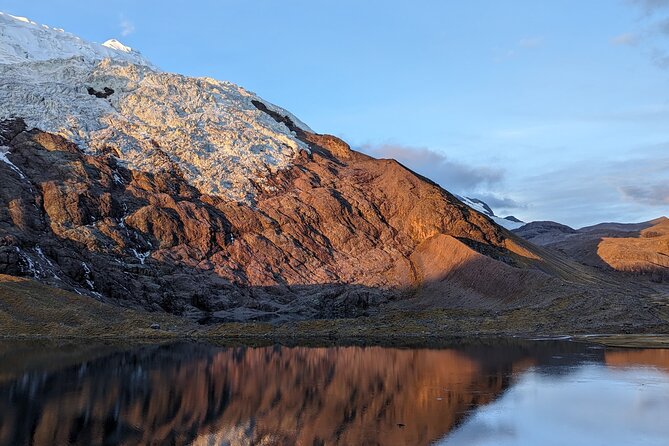
The final day covers about 13 kilometers in six hours. From Ananta, you walk toward Rainbow Mountain, known locally as Vinicunca, and then continue to Hanchipata before returning by transport to Cusco.
The day’s highest point is 5,030 meters, or 16,568 feet. This number deserves attention. Rainbow Mountain photographs often make the visit look simple, but the altitude can make the approach demanding. You should expect to walk slowly, take breaks, and focus on steady progress rather than speed.
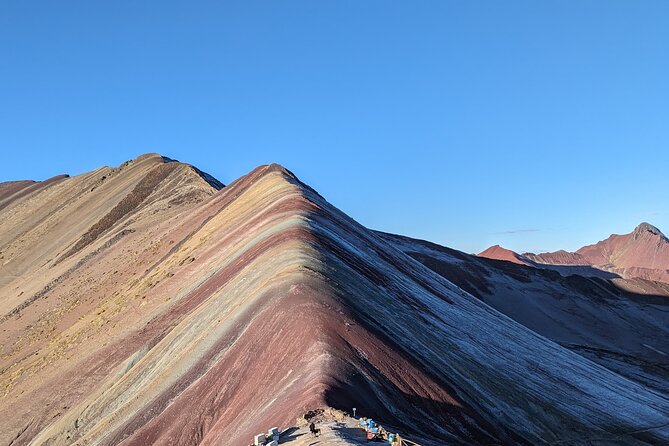
Vinicunca is famous for its natural bands of color, created by the mineral-rich earth in the mountain slopes. The attraction is visual, but the setting gives it more weight. You arrive after two days among Ausangate’s glaciers and high passes, so the mountain is not an isolated stop. It becomes the final scene in a longer route through the Vilcanota range.
The finish at Hanchipata allows the walking portion to end before the drive back to Cusco. Transport to your hotel is included, which saves you from arranging a separate return after three demanding days. That is a practical benefit, especially if your legs are tired and your gear is dusty.
There is also an optional entrance fee for Red Valley, listed at 20 soles. Since it is not included in the tour price, ask before setting out if this extra stop is part of your plan and how it fits with the day’s timing. Do not assume every side attraction is covered.
More hikes and treks in Cusco:
- Classic Inca Trail Trek 4D/3N to Machu Picchu (Group Service)
★ 5.0 · 8,653 reviews - Machu Picchu: 4-Day Inca Trail Trek with Panoramic Train Ride
★ 5.0 · 4,568 reviews - Salkantay Classic Trek 5 Days from Cusco
★ 5.0 · 4,062 reviews - 4-Day Salkantay Trek with Sky Camp Stay
★ 5.0 · 3,346 reviews
Ausangate, Vinicunca, and the meaning of the route
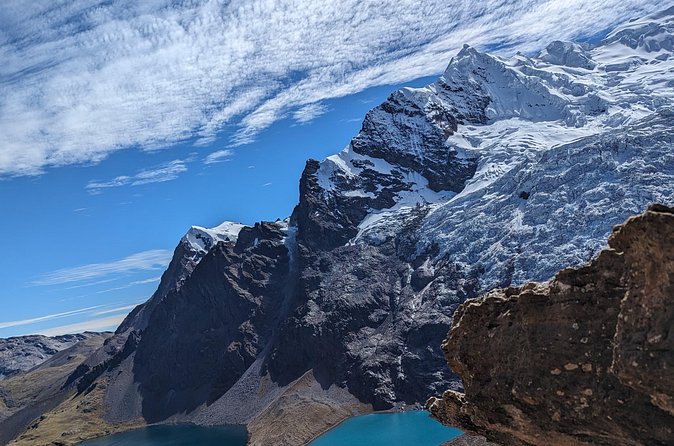
Ausangate is more than a large mountain in the background. At 6,300 meters, it is the highest mountain in the Cusco Region and one of southern Peru’s major sacred peaks. The route’s character comes from traveling in its shadow, through an area tied to long-held Andean beliefs.
I like the way this trip connects a famous sight with a less familiar mountain region. If you only visit Rainbow Mountain on a short excursion, you see the colored ridge but not the broader setting that makes it special. Here, the long approach gives you time to notice the scale of the peaks, the high lakes, and the changing views around the route.
That said, the route is not for everyone. You are above the tree line for much of the walk, and the camps are extremely high. If your main goal is simply to photograph Vinicunca, a shorter visit may be more suitable. This three-day version makes sense if you want the mountain journey as much as the final viewpoint.
What the $445 price includes
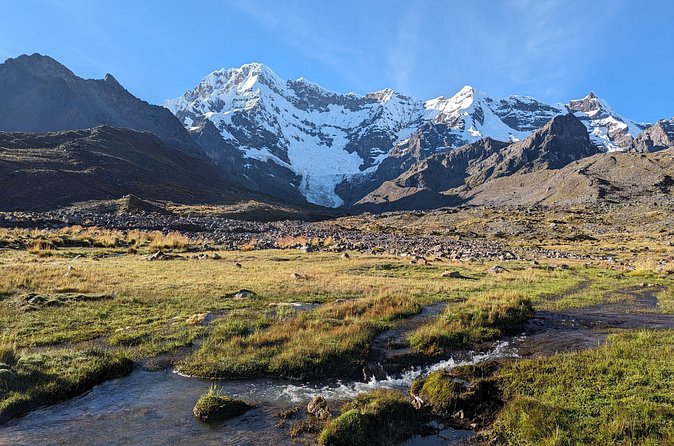
At $445 per person, this is not the cheapest way to see Rainbow Mountain. The price becomes easier to judge when you count what is included:
- Private transport from Cusco to the trailhead and back to your hotel
- Two breakfasts, two dinners, and three lunches
- A personal porter for up to 8 kilograms of overnight gear
- An extra-thick foam mattress
- English-speaking professional guide
- Chef, cooking equipment, and kitchen tent
- Emergency horse
- Entrance fees for Ausangate, Rainbow Mountain, and Upis hot springs
I see solid value here for a supported camping trek. Food and transport are covered, and you do not need to carry all your overnight equipment. The entrance fees also remove several small costs that can otherwise add up.
You still need to budget for a $20 sleeping bag rental if you do not bring one, plus $15 for walking poles if you want to rent them. Travel interruption and medical insurance are not included. Red Valley costs an additional 20 soles.
The porter allowance is generous enough to reduce your load but not enough to carry everything you own. Pack carefully. Keep water, weather protection, personal medicine, and other daytime essentials in your own daypack.
The crew and the camping setup
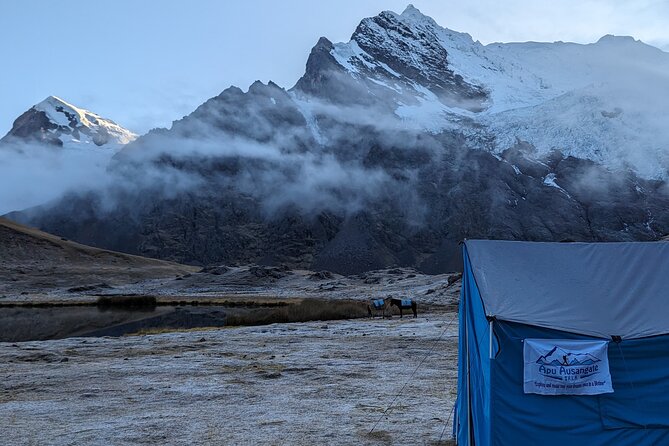
The human side of a remote trek can shape the whole experience. Guides named in the supplied material include Ruben and Maritza, while Braulio handles the cooking and Hilario works as the horseman. The strongest praise centers on the crew’s care, food, and local mountain support.
Braulio’s cooking gets particular attention, with meals described as tasty from the opening day through the return to Cusco. At high camps, that is a real advantage. You are spending long hours outside, so dependable meals are part of the trip’s comfort, not a minor extra.
The camp equipment is organized around practical needs: mattress, kitchen tent, cook, and porter service. You should not expect hotel comfort at 4,700 meters. You should expect a functioning mountain camp designed to support a challenging route.
The experience also includes a local guide from the Ausangate area, with information about the region’s nature and history. That local connection helps give context to the mountain rather than reducing it to a photo stop.
How to prepare for the altitude
The tour requires a moderate fitness level, but the elevation is the bigger issue. Your schedule includes four major altitude markers:
- 4,480 meters on day one
- 4,800 meters at Arapa Pass on day two
- 4,700 meters at the second campsite
- 5,030 meters at Rainbow Mountain on day three
These are not small gains above Cusco. If you are uncertain about your ability to handle them, speak with a medical professional before booking. The tour includes an emergency horse, but that is a safety measure, not a replacement for preparation.
Walking poles can be rented for $15. I would consider them useful on steep or uneven sections, especially when tiredness sets in on the second and third days. A sleeping bag costs $20 to rent, and warmth is especially important at the high camps.
Good footwear, warm clothing, and protection from changing mountain weather are basic needs. The tour requires good weather, and poor conditions can lead to a new date or a full refund. That policy reflects the reality of the route: safety comes before a fixed schedule.
Who should book this trek?
I would choose this trip if you want a demanding, small-group mountain experience and care about seeing more than one famous viewpoint. It suits people who enjoy camping, long walking days, high passes, and remote scenery.
The trek is also a good fit if you value support. A guide, chef, porter, emergency horse, private transport, and included entrances create a strong support system for a difficult route. The group size of eight or fewer keeps that support manageable.
I would hesitate if you dislike camping, struggle with altitude, or want a relaxed holiday. The early pickup, eight-hour second day, and 5,030-meter summit point require commitment. Rainbow Mountain is colorful, but getting there is the work.
You can cancel for a full refund up to 24 hours before the 5:00 a.m. start time. Last-minute cancellations or changes are not accepted, and bad weather may lead to a different date or a full refund.
Should you book the Ausangate and Rainbow Mountain trek?
I would book it for the right kind of adventure: three hard days, high camps, strong scenery, and a finish at Vinicunca. The best reasons are the route beneath sacred Ausangate, the Upis hot springs, the small group, and the unusually full list of inclusions for $445.
I would not book it just because Rainbow Mountain is famous. The altitude is real, the second day is long, and sleeping at 4,700 meters can test even fit walkers. If you prepare properly and want an authentic high-Andes trek with a capable support crew, this trip offers much more than a quick photo stop.
FAQ
How long is the Ausangate and Rainbow Mountain trek?
The experience lasts approximately three days. The walking distances are about 10 kilometers on day one, 14 kilometers on day two, and 13 kilometers on day three.
What time does pickup begin?
Pickup begins at 5:00 a.m. from your hotel in Cusco.
What is the highest elevation reached?
The highest point is 5,030 meters, or 16,568 feet, on the third day near Rainbow Mountain.
How high are the campsites?
The first campsite is at about 4,250 meters. The second campsite near Ananta is at about 4,700 meters.
How many people can join the trek?
The group can have a maximum of eight people.
Is food included?
Yes. The package includes two breakfasts, two dinners, and three lunches. A chef and cooking equipment are also included.
Is transport included?
Yes. Private transport takes you to the starting point and returns you to your hotel in Cusco after the trek.
Is a sleeping bag included?
No. Sleeping bags are available to rent for $20.
Can I cancel for a full refund?
Yes, if you cancel at least 24 hours before the experience begins. Cancellations made less than 24 hours before the start time are not refunded. If poor weather causes the experience to be canceled, you will be offered another date or a full refund.
Just added in Cusco
- Cusco Private Transportation for 2026★ 5.0 · 4 reviews
- Private Transfer from Airport to Hotel in the City of Cusco★ 4.0 · 5 reviews
- Best Cusco walking tour: dinner street food tasting★ 4.5 · 11 reviews
- Private Tour to Pisac Market and Pisac Ruins★ 5.0 · 4 reviews
- Machu Picchu Day Trip With Panoramic Train from Cusco★ 5.0 · 10 reviews
- Sacred Valley Private Tour from Cusco, Guide and Driver only★ 5.0 · 4 reviews
- Sacred Valley of the Incas Tour★ 5.0 · 12 reviews
- Private Tour of the Mountain of Colours by Quad★ 5.0 · 7 reviews
Rainbow Mountain and Humantay Lake, compared.
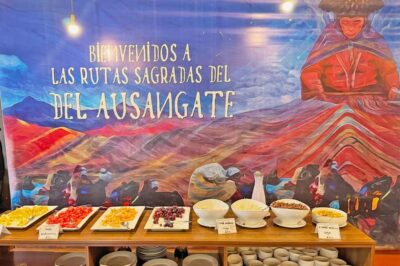
Rainbow Mountain and Red Valley Day Trip with Meals
Read our review →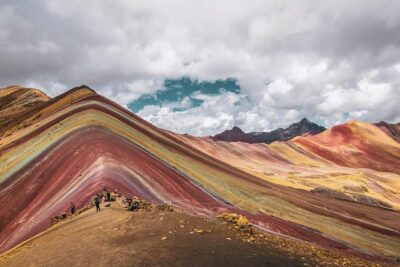
Excursion to Rainbow Mountain Full Day Optional Red Valley
Read our review →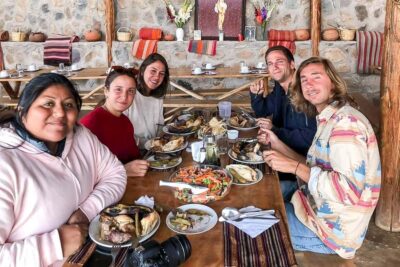
Humantay Lake Tour with Breakfast and Buffet Lunch
Read our review →
#1 Rainbow Mountain & Red Valley Day Trip with Meals
Read our review →
Rainbow Mountain & Red Valley Premium Day Trip with Meals
Read our review →
Excursión to Humantay Lake Full Day from Cusco
Read our review →
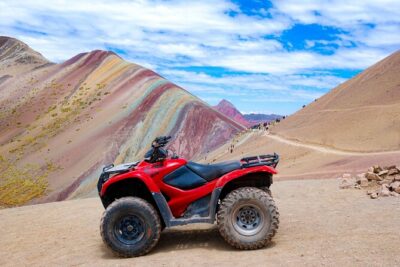
From Cusco: Vinicunca Rainbow Mountain ATV Tour with Meals
Read our review →Browse the lists this tour appears in