
Reviewed · PERU FOOD TOURS AND COOKING CLASSES
4 Course Peruvian Cooking Class
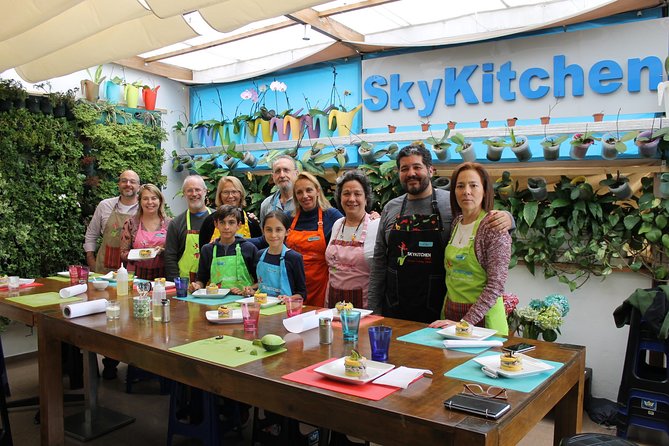
Come hungry, leave with new recipes. This three-hour-15-minute class at SkyKitchen in Miraflores turns a midday meal into a practical introduction to Peruvian cooking. You prepare four traditional dishes, eat each one as it is finished, and share the table with a small group of no more than 14 people.
I like the way the class gives you real work to do, from chopping vegetables to mixing tigre de leche and shaping picarones. I also like the useful drink lesson, especially the advice on making a less sugary Pisco Sour with better-quality pisco. The main drawback is the fixed schedule and firm cancellation policy, so you need to be certain you can attend.
The class runs from 11 am to about 2:15 pm and costs $89 per person. That price includes all ingredients, water, a homemade fruit drink, one Pisco Sour, and the four-course lunch you make yourself. It does not include transport or extra alcohol.
In This Review
- What makes this Lima cooking class worth your afternoon
- Arriving at SkyKitchen in Miraflores
- Starting with a Pisco Sour
- Causa, Peru’s Layered Potato Classic
- Making Cebiche from Fresh Components
- Lomo Saltado, Peru’s Stir-Fry With Two Traditions
- Picarones Require a Little Patience
- Eating Each Course as It Is Ready
- How Much Value You Get for $89
- Who Will Enjoy This Class Most
- Timing, Booking, and Practical Details
- Should You Book the SkyKitchen Class?
- FAQ
- Where does the cooking class meet?
- What time does the class start?
- How long does the experience last?
- What dishes do you prepare?
- What drinks are included?
- Are hotel pickup and drop-off included?
- Is a vegetarian option available?
- How many people can join the class?
What makes this Lima cooking class worth your afternoon
- A four-dish menu covers Peru’s signature flavors: You prepare causa, cebiche, lomo saltado, and picarones, moving from cool and fresh dishes to a hot main course and sweet fried dessert.
- You eat as you cook: Each course is served once it is ready, so lunch is spread through the class rather than held until the very end.
- The Pisco Sour lesson comes first: You learn why quality pisco and restrained simple syrup can make the drink taste cleaner and less sweet.
- The class takes place on a Miraflores terrace: The meeting point is SkyKitchen, at Ca. Enrique Palacios 470, apartment 701.
- The group stays small: A maximum of 14 people gives the cooking session a more personal feel than a large demonstration.
- The dough starts early: Picarones dough needs time to rise, so it is prepared near the beginning and fried for dessert later.
Arriving at SkyKitchen in Miraflores
You meet at SkyKitchen at 11 am, at Enrique Palacios 470, apartment 701, in Lima’s Miraflores District. The class begins and ends at this location, and hotel pickup and drop-off are not included.
That simple arrangement is useful if you are already staying in Miraflores or can make your own way there. It also means you should allow time to find the building and apartment, since there is no included transfer service to smooth out the arrival.
The setting is a terrace, which gives the class a more social feel than a closed restaurant kitchen. You cook alongside the other people in your group, then sit down to eat and talk between stages. The maximum group size is 14, large enough for a shared meal but still small enough for hands-on participation.
The class may be led by a multilingual guide. Names that have been associated with the cooking instruction include Yurac and Christian, with Maritza helping behind the scenes during one session. The teaching style is described as patient and friendly, with attention given to both technique and the story behind the ingredients.
More Food Tours and Cooking Classes in Lima
- Lima Ultimate Peruvian Food Tour
★ 5.0 · 1,845 reviews - #1 Reviewed Lima Cooking Class
★ 5.0 · 995 reviews - Peruvian Cooking Class, Local Market Tour & Exotic Fruit Tasting
★ 5.0 · 744 reviews
Starting with a Pisco Sour
The first lesson is a practical one: how to make a proper Pisco Sour. You learn the basic balance of pisco, citrus, and sweetener before moving into the food preparation.
The useful point here is not simply learning a cocktail recipe. You also get a small lesson in Peruvian drinking culture and in the difference that ingredients make. The class emphasizes quality pisco and less simple syrup, producing a drink that is less sweet than many restaurant versions.
One Pisco Sour is included in the price. Extra alcoholic drinks are available to buy, including bottles of wine, but they cost extra. If you prefer not to drink, water and a homemade fruit drink are included throughout the meal.
Causa, Peru’s Layered Potato Classic
The first dish is causa, a cool layered potato preparation. The version described in the class uses seasoned yellow potatoes, chicken breast mixed with mayonnaise and lime, and avocado.
Causa is a good opening dish because it introduces a key Peruvian ingredient without requiring complicated cooking equipment. Yellow potatoes are mashed and seasoned, then paired with creamy filling and avocado. The result is soft, bright, and filling, with the lime cutting through the richer ingredients.
You get to work on the preparation rather than simply watching a chef assemble a finished plate. That matters because causa can look simple, but the balance of potato seasoning, lime, filling, and texture determines whether it tastes flat or lively.
If you want the vegetarian option, request it when you book. The standard preparation described here includes chicken, so it is important not to assume the dish will automatically be changed on the day.
Making Cebiche from Fresh Components
Next comes classic cebiche, one of Peru’s best-known dishes. The class uses mahi mahi with red rocoto and aji limo peppers, purple onion, and tigre de leche made from scratch.
Cebiche is all about freshness, sharp acidity, heat, and timing. You prepare the citrus-based tigre de leche yourself, then combine it with the fish and other ingredients. Sweet potato, corn, and toasted corn accompany the dish, adding softness and crunch to the bright fish.
This part of the class gives you a better sense of how Peruvian cooking layers contrasting textures. The raw fish is not served alone. Sweet potato adds a gentle sweetness, while corn brings a different kind of bite. The peppers provide heat, but the exact level can vary depending on your taste and the ingredients used.
Because cebiche depends on fresh ingredients and careful handling, this is also one of the most instructive parts of the class. You see how much flavor comes from a few well-matched items. It is a good lesson for anyone who wants to recreate Peruvian food at home without a long shopping list.
A completely different kind of day:
- Premium Paracas & Huacachina Day Trip from Lima with Sunset Toast
★ 5.0 · 7,380 reviews - Full Day Tour From Lima: Paracas and Huacachina Oasis
★ 5.0 · 3,694 reviews - Lima Half-Day City Walking Tour (Small Groups)
★ 5.0 · 1,508 reviews - Paracas and Huacachina Exclusive Sunset Picnic Tour
★ 5.0 · 1,398 reviews
Lomo Saltado, Peru’s Stir-Fry With Two Traditions
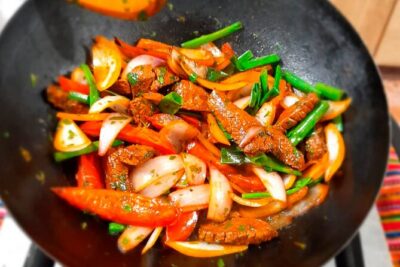
The hot main course is lomo saltado, made with sliced beef tenderloin, peppers, purple onion, tomatoes, chicken stock, soy sauce, white vinegar, red wine, and parsley. It is served with long-grain rice and fried potatoes.
This dish shows the meeting of Peruvian ingredients and Chinese-Peruvian cooking traditions. The cooking is quick, and the sauce brings together savory, acidic, and slightly sweet notes. Fried potatoes and rice make the dish substantial, while the vegetables keep it from feeling like a plain plate of meat.
The class lets you slice, season, and cook the components yourself. That hands-on work helps you understand the rhythm of the dish. You are not just handed a recipe card. You see how the ingredients come together in the pan and how the sauce coats the beef and vegetables.
One especially strong reason to take this class is that the dish can surprise people who already know lomo saltado. The preparation here has been praised as ranking among the best versions participants have eaten, even by someone who had enjoyed the dish throughout their life. That is a useful sign that the cooking instruction pays attention to flavor rather than treating the dish as a tourist shortcut.
The recipe uses parsley instead of cilantro in the described preparation. If you are particular about herbs, you may want to ask the instructor about the substitution.
Picarones Require a Little Patience
Dessert is picarones, Peruvian ring-shaped fritters made with sweet potato and squash. The dough also contains flour, instant dry yeast, and anise.
The smart part of this course is starting the dough early. It needs about two hours to rise, so you prepare it near the beginning and return to it after the other dishes. By dessert time, it is ready to fry.
That waiting period gives the class a natural pace. You are not rushing through four recipes in one continuous push. Instead, you move between preparation, cooking, eating, and conversation while one element rests.
Picarones also provide a different kind of cooking lesson. The dough is not simply mixed and baked. Sweet potato and squash give it its character, while anise adds a distinct aroma. The final frying step gives you a warm, crisp dessert after the fresher causa and cebiche and the heavier lomo saltado.
Eating Each Course as It Is Ready
A major strength of the schedule is that you eat the food between cooking stages. You do not prepare everything, let it sit, and receive a single crowded plate at the end.
Causa can be enjoyed before you move on. Cebiche follows while its ingredients are fresh. Lomo saltado arrives hot, and picarones finish the meal after the dough has had time to rise.
This format makes the class feel like lunch and a lesson at the same time. You can taste what you have done while the process is still fresh in your mind. If something needs more lime, salt, or heat, you can ask about it at once.
The shared table also gives the class its social side. You have time to talk with the instructor and the rest of the group while eating. That makes the experience a good fit if you enjoy food classes as social outings, not just as private lessons.
How Much Value You Get for $89
At $89 per person, this is not the cheapest lunch in Lima. It is also more than you would pay for a casual local meal. The value depends on what you want from the afternoon.
For the price, you receive approximately three hours and 15 minutes of instruction, every ingredient, water, a homemade fruit drink, one Pisco Sour, and a four-course lunch. You also leave with practical exposure to four Peruvian dishes rather than simply tasting them in a restaurant.
I think the price makes sense for visitors who want a structured food experience and a substantial midday meal. The small maximum group size helps, too. A 14-person limit is not the same as a private class, but it should give you a better chance to participate than a large cooking demonstration.
The value is less convincing if you mainly want a quick lunch or already have a full food itinerary in Lima. The class takes most of the middle of the day, and the meal develops gradually. You are paying for time, instruction, ingredients, drinks, and the chance to make the dishes yourself.
Extra alcoholic drinks are not included. Wine is available for purchase, with bottles offered at about $18 during one session. Tips are not mandatory.
Who Will Enjoy This Class Most
I would point this class toward several types of visitors:
- People who enjoy cooking and want to learn by doing
- Families, since children can attend when accompanied by an adult
- Food lovers who want context for classic Peruvian dishes
- Couples or friends looking for a social midday activity
- Anyone curious about the differences between restaurant-style and homemade Pisco Sours
You do not need to be an experienced cook. The instruction is designed so that each member of a family can take part in creating the dishes. The teaching has also been praised for being patient, friendly, and easy to follow.
This may not suit you if you want a quiet, private meal, dislike group activities, or need a very flexible schedule. The start time is fixed at 11 am, the group can include up to 14 people, and the class cannot be changed or refunded after booking.
Tell SkyKitchen about food allergies, dietary restrictions, or other food needs when you reserve. A vegetarian option is available, but it must be requested in advance.
Timing, Booking, and Practical Details
The class begins at 11 am and ends at roughly 2:15 pm. Plan for the full period rather than treating the end time as exact, since cooking and eating naturally take a little time.
Confirmation is sent within 48 hours of booking, subject to availability. A minimum of two people is required per booking, and the class accepts a maximum of 14 participants.
The experience is non-refundable and cannot be amended or changed for any reason. That is the detail I would take most seriously before paying. Check your Lima plans first, especially if your schedule includes a flight, a day trip, or another timed activity.
The activity ends back at SkyKitchen. Since no transport is supplied, you handle your own route to and from the Miraflores meeting point.
Should You Book the SkyKitchen Class?
Book it if you want more than a meal. You will chop, mix, cook, taste, and learn why these dishes work. The menu gives you a broad sample of Peruvian food, from potato-based causa and sharp cebiche to saucy lomo saltado and sweet potato picarones.
I especially recommend it if this is your first visit to Lima and you want a friendly introduction to local flavors without spending an entire day on a formal food tour. The combination of a small group, four dishes, a Pisco Sour lesson, and a full lunch gives the $89 price solid value.
Skip it if your main goal is a fast or inexpensive meal, or if your schedule cannot handle a fixed three-hour-15-minute commitment. For everyone else, this is a practical, tasty way to understand Peruvian cooking by putting your own hands into the work.
FAQ
Where does the cooking class meet?
It meets at SkyKitchen Peruvian Cooking Classes, Ca. Enrique Palacios 470, Miraflores 15074, Peru.
What time does the class start?
The class starts at 11 am.
How long does the experience last?
It lasts approximately three hours and 15 minutes, ending at about 2:15 pm.
What dishes do you prepare?
The class prepares four traditional Peruvian dishes: causa, cebiche, lomo saltado, and picarones.
What drinks are included?
Water is available throughout the class, and a homemade fruit drink is served with the food. One Pisco Sour is also included.
Are hotel pickup and drop-off included?
No. Hotel pickup and drop-off are not included. The activity begins and ends at the SkyKitchen meeting point.
Is a vegetarian option available?
Yes. A vegetarian option is available, but you should advise SkyKitchen when booking.
How many people can join the class?
The class requires a minimum of two people per booking and has a maximum of 14 participants.
Just added in Lima
- Tour to the magical water circuit with dinner and dance show★ 5.0 · 4 reviews
- Tour to the sanctuary of Pachacamac★ 4.8 · 8 reviews
- Tour Huaca Pucllana: Pyramids and Pre-Columbian Antiquity★ 4.3 · 12 reviews
- Tour of Lima with a visit to the catacombs of San Francisco.★ 4.2 · 24 reviews
- Lima: Palomino Islands Speedboat Tour & Swim with Sea Lions★ 4.8 · 33 reviews
- Surfing experience in Lima★ 5.0 · 6 reviews
- Sandbording in Lima★ 5.0 · 12 reviews
- Pro Sanboarding or skiing in Huacachina from Lima – Day trip★ 4.6 · 8 reviews
Peru Food Tours and Cooking Classes, compared.
Peruvian Cooking Class Cocktails and Market Tour in Cusco
Read our review →
Peruvian Cooking Class, Local Market Tour & Exotic Fruit Tasting
Read our review →
3 Day Tour From Lima: Paracas, Huacachina Oasis & Pisco Vineyard
Read our review →
Peruvian Cooking Class, Cocktails & Local Market Tour
Read our review →Browse the lists this tour appears in