
Reviewed · MACHU PICCHU TOURS
4 Days Inca Jungle Adventure to Machu Picchu
Four days, one mountain, many ways to earn it. This Inca Jungle Adventure mixes a thrilling downhill bike ride from Abra Malaga with cloud-forest hiking, river activities, hot springs, and a guided visit to Machu Picchu. I like the range of experiences here, especially the shift from high Andes scenery to coffee, cacao, coca, and fruit plantations. I also like the small groups, capped at 10 people, and the chance to travel with guides such as Andy or Carlitos, both praised for keeping the journey lively and meaningful. The main caution is the physical effort: Day 2 is a tough trek, and high altitude can be a problem if you are not acclimatized.
You get three nights of simple hostel lodging, meals, transport, a bilingual guide, biking gear, Machu Picchu admission, and several activities for $439 per person. That is a strong package price, but it is not an all-inclusive holiday. You still pay for the Cocalmayo hot springs, the bus up to Machu Picchu, snacks, your first breakfast, lunch on the final day, and possibly a more expensive return by train. Pack light, too. You will carry your own small bag through changing weather and several long walking sections.
In This Review
- Key points worth knowing before you book
- Why this route feels different from a standard Machu Picchu trip
- Day 1: A downhill ride from Abra Malaga to Santa Maria
- Day 2: Ancient paths, small farms, and Cocalmayo
- Day 3: Zip-lines, Hydroelectric Station, and the railway walk
- Day 4: Sunrise at Machu Picchu and a choice of return routes
- What the $439 price really covers
- Comfort, packing, and physical demands
- The people who will like this adventure most
- Should you book the Inca Jungle Adventure?
- FAQ
- How long is the Inca Jungle Adventure?
- What time is pickup on the first day?
- Is the bike ride suitable for beginners?
- Is rafting included?
- How difficult is the hiking?
- Is the Cocalmayo hot-spring entry included?
- Is the bus to Machu Picchu included?
- Can I climb Huayna Picchu or Machu Picchu Mountain?
- What is included in the return to Cusco?
Key points worth knowing before you book
- The first day begins at 4,350 meters: The ride from Abra Malaga is downhill, but the altitude can still affect you before the biking starts.
- The second day is the hardest: Expect about three more hours of hiking after lunch, plus uneven ancient paths and a monkey-bridge river crossing.
- The route has real variety: You move from high mountain roads to plantations, jungle paths, hot springs, rail tracks, and finally Machu Picchu.
- Cocalmayo is a well-timed break: The $3 hot-spring entry fee is extra, but the warm pools can be welcome after a demanding hiking day.
- Machu Picchu entry timing matters: Your exact entry slot may not be known until the day before, so plans for sunrise and mountain climbs need flexibility.
- Return choices change the price and pace: Walking back to Hydroelectric Station and taking a car is cheaper, while the train route is shorter and more comfortable.
Why this route feels different from a standard Machu Picchu trip
The usual Machu Picchu visit centers on transport and the ruins. This four-day route makes the journey part of the attraction. You are not simply driven to Aguas Calientes, shown around the citadel, and sent home. You spend several days moving through the changing climate of the Cusco Region, with active stops built into the route.
The appeal is variety. You bike, hike, cross a bridge, soak in hot springs, walk beside railway tracks, and can add rafting and zip-lining. None of these activities alone defines the trip. Together, they make the route feel like an adventure rather than a sightseeing transfer.
That variety also means you need to be ready for a full schedule. This is not a gentle walk with long café breaks. Early starts are common, the second day is demanding, and the final morning begins at 4:00 am. I would choose this trip if you want exercise and changing scenery as much as you want Machu Picchu itself.
More Machu Picchu trips:
- From Aguas Calientes: Machu Picchu guided tour with tickets
★ 4.9 · 72 reviews - From Cusco: Machu Picchu 2 days
★ 3.6 · 29 reviews - Cusco: Machu Picchu Day Trip with Train + Entrance ticket
★ 4.5 · 17 reviews
Day 1: A downhill ride from Abra Malaga to Santa Maria
Pickup begins at 7:00 am from your Cusco hotel. If your accommodation is outside the historic center, you meet the group at the main square by the fountain. The first stop is Ollantaytambo, where you have time for breakfast and shopping before continuing toward Abra Malaga.
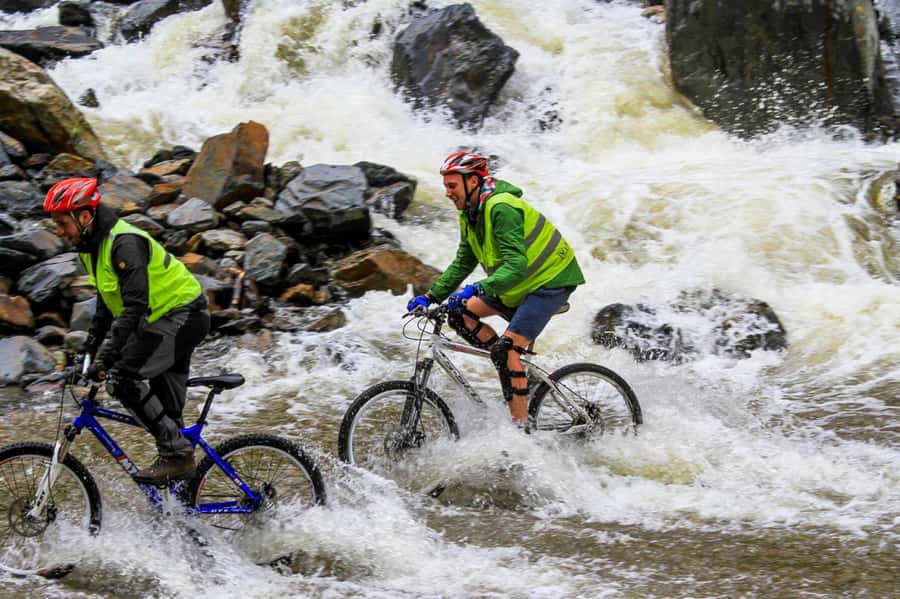
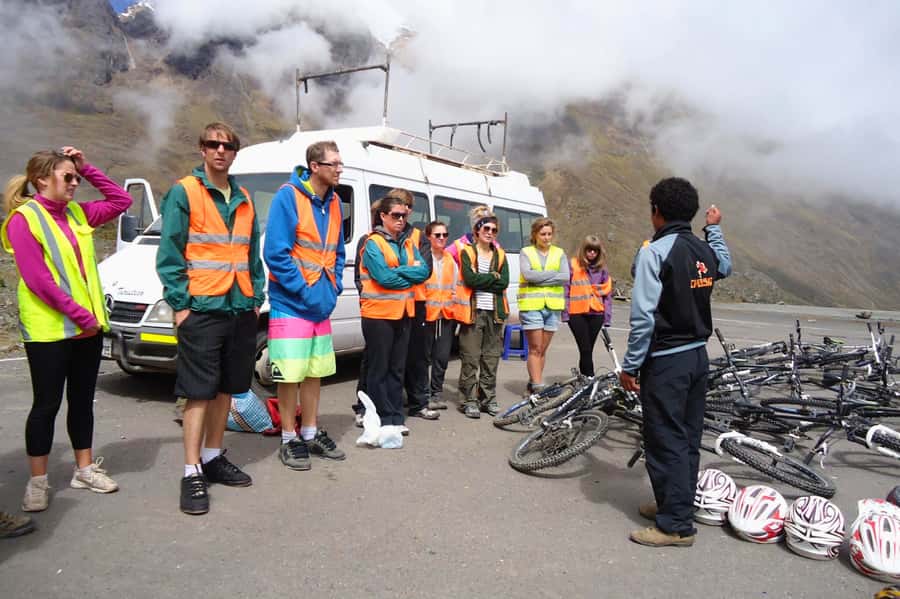
At 4,350 meters, Abra Malaga is the high point of the route. The mountain air can be thin here, even though the main activity is downhill. The bike ride continues toward Huamanmarca, with the Andes changing around you as you lose altitude. You receive a mountain bike and protective equipment, including a helmet and knee pads.
You should have at least basic biking experience. The ride is downhill, but that does not mean it is effortless. You still need to control your speed, stay alert, and handle a mountain road. If you are not comfortable on a bike, this is the part of the trip to discuss with the guide before setting off.
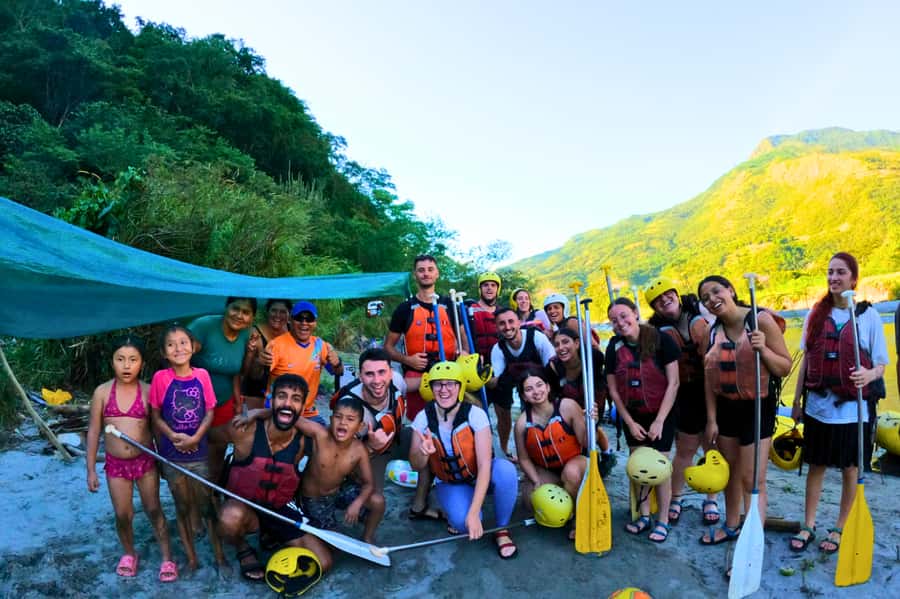
After biking, private transport takes you to Santa Maria. Here you can add rafting on the Vilcanota River. It is an optional activity, so you can decide if you want another burst of action or prefer to save your energy for the following day.
You spend the night in a hostel, with lunch and dinner included. The accommodation is basic rather than polished. That said, one of the most appealing details is the chance to stay in a jungle setting with homegrown and homemade food and coffee. The simple lodging is part of the local feel, but do not expect resort comforts.
Day 2: Ancient paths, small farms, and Cocalmayo
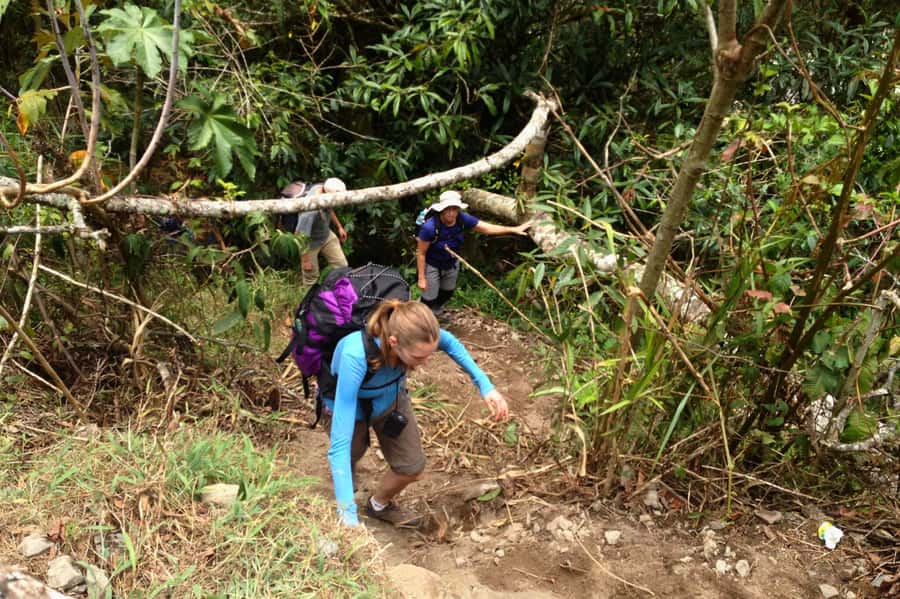
Breakfast is at 6:30 am, followed by the longest and toughest walking day. The trail moves through cloud forest and plantations growing coca, coffee, cacao, and native fruit. This is where the trip feels most connected to everyday life in the region. You are walking through working agricultural areas, not just passing a row of tourist sights.
A stop at the Pispitayoq family house gives you a chance to rest. It also breaks up the physical effort with a more personal encounter. The route then follows an ancient Inca path toward Qellomayu village, where lunch is served.
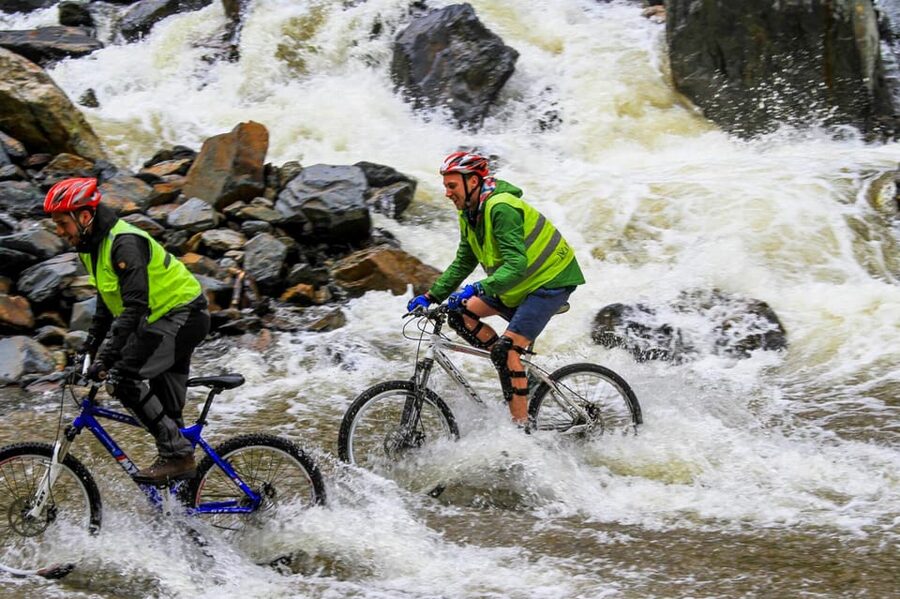
After lunch, you hike for another three hours toward the Vilcanota River. The route includes a monkey bridge. The name tells you enough: this is a memorable crossing, but it may not be comfortable for anyone uneasy with heights or swinging footbridges.
The reward comes at Cocalmayo hot springs. Entry costs $3, paid separately. After the long walk, the pools offer a practical place to rest sore legs before continuing to Santa Teresa for the night.
The hot springs are not just a pleasant extra. They are well placed in the schedule. I would bring a swimsuit and keep it easy to reach, rather than burying it at the bottom of your bag. You should also carry snacks, since snacks are not included and this is a long day between meals.
The route continues to Santa Teresa, where you spend the night in another hostel. Accommodation can range from family-style lodging to clean, basic hotels. Expect private or simple facilities rather than luxury. The tradeoff is clear: you get a lower-cost route and a closer connection to local communities, but you give up the polished comfort found on a dedicated lodge-based trek.
Day 3: Zip-lines, Hydroelectric Station, and the railway walk
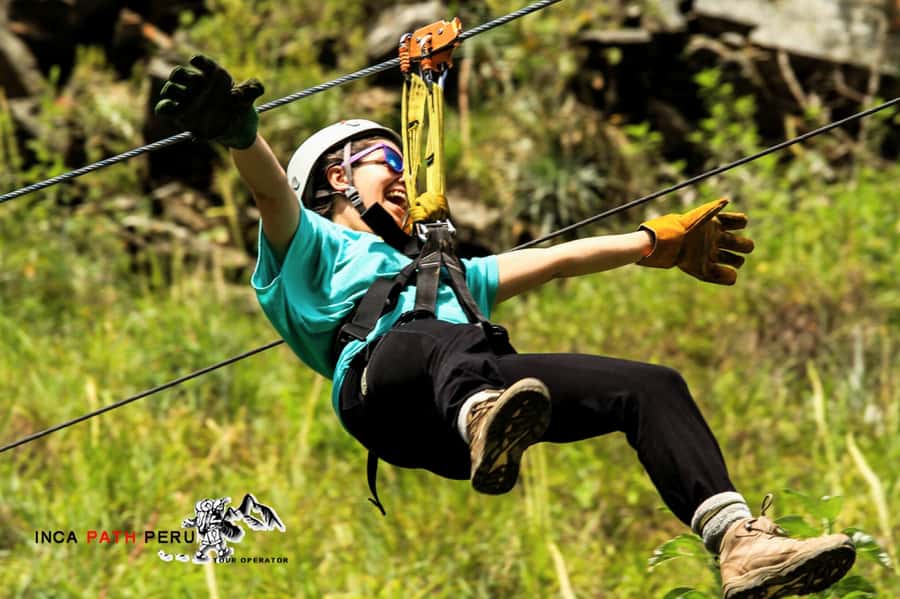
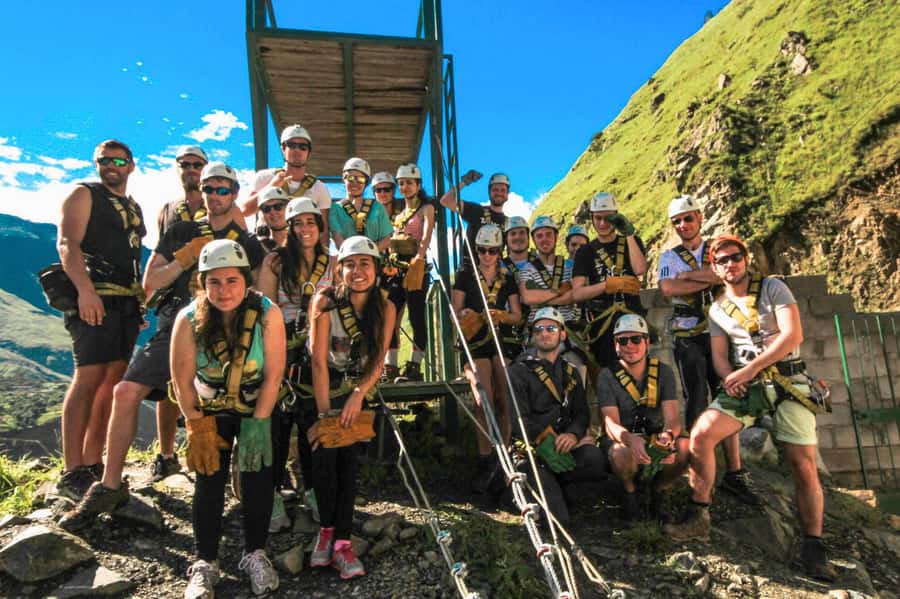
After breakfast at 7:00 am, you have the option to go zip-lining. This is another activity that adds excitement without being required. If your legs are tired after the previous day, skipping it is a sensible choice. If you want the trip to feel packed with activities, this is one of the highlights.
The walking route then heads toward Hydroelectric Central Station. Lunch comes along the way, and from the station you continue on foot beside the railway to Aguas Calientes. This section is less rugged than the Inca paths, but it is still a substantial walk.
The railway route gives you views toward Machu Picchu Mountain and builds anticipation for the next morning. Aguas Calientes, also called Machu Picchu town, is reached at about 5:00 pm. You check into a hostel with a private bathroom and hot showers, a welcome improvement after the outdoor sections of the trip.
This night matters because the next morning starts early. You should organize your day pack before sleeping, keep your passport handy, and avoid carrying anything you will not need at Machu Picchu. A small bag makes the whole trip easier, especially on Days 2 and 3.
More Sacred Valley trips:
- Rainbow Mountain tour and Machu Picchu tour by train
★ 4.8 · 13 reviews - From Cusco: One-Day Round Trip to Machu Picchu by Train
★ 4.7 · 10 reviews - Machu Picchu Entry Ticket and Bus from Aguas Calientes
★ 3.8 · 8 reviews - Machupicchu tour by tourist train in 2 days
★ 4.5 · 7 reviews
Day 4: Sunrise at Machu Picchu and a choice of return routes
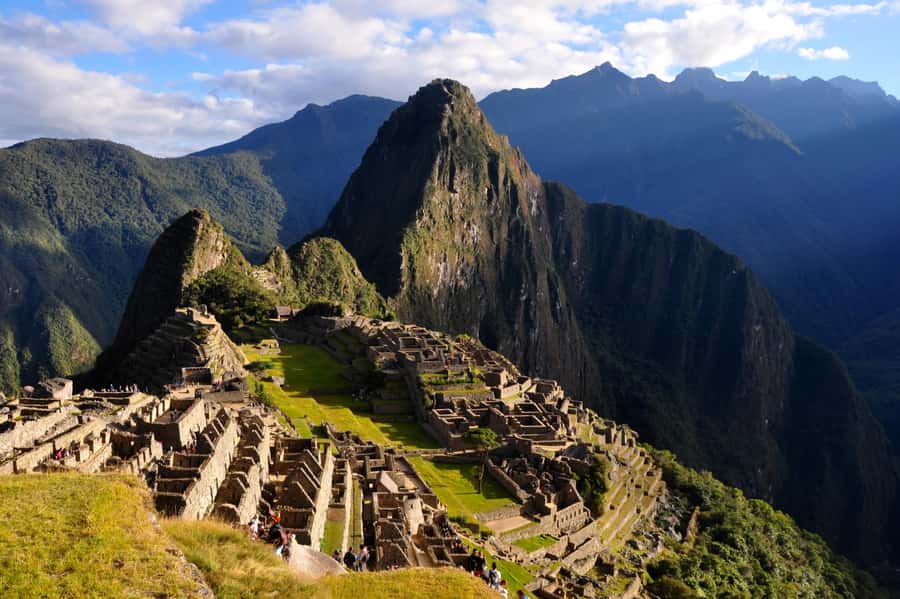
The final day starts around 4:00 am. You meet your guide and either hike up to Machu Picchu or take the bus for an extra charge. The bus costs $15 one way, or twice that for a round trip. The hike saves money, but the early start and the previous days of walking make the bus tempting.
Once inside, you receive about two hours of guided touring. This is valuable because the guide gives structure to a vast site that can otherwise feel overwhelming. Guides such as Carlitos have been praised for explaining Inca history and religion with real enthusiasm, while Andy was noted for encouraging the group through the harder stretches of the trek.
After the guided portion, you have time to explore on your own. You may be able to add Huayna Picchu or Machu Picchu Mountain, but these require an extra fee and early booking. Do not assume you can decide at the last minute. Entry timing for Machu Picchu itself may also be confirmed only the day before, which can make sunrise plans and extra mountain climbs less predictable.
You return to Aguas Calientes around midday. Lunch is not included, so budget for a restaurant meal or another option in town. From there, you choose how to get back to Cusco.
The cheaper route involves walking back to Hydroelectric Station and taking a car. The total journey can take about seven hours. The more convenient choice is a train to Ollantaytambo, followed by a car to Cusco, taking around five hours but costing more. The train adds a scenic final ride and avoids repeating the long railway walk.
The trip ends at your Cusco hotel. That final transfer is useful after four active days, particularly if you have a flight or another excursion soon afterward. Still, do not schedule anything important immediately after arrival. The return journey is long, and road or train timing can shape the evening.
What the $439 price really covers
At $439, the package gives you a lot for the money. It includes Cusco pickup and drop-off, private transport to Malaga Pass and Santa Maria, the bike and safety gear, three hostel nights, nine meals, a bilingual English and Spanish guide, Machu Picchu entry, and the main route activities.
The value comes from combining logistics that would be difficult to arrange separately. Transport through remote sections, trail guidance, lodging, meals, biking equipment, and the Machu Picchu visit are handled together. A small group of no more than 10 people also gives you a better chance of asking questions and staying connected to the guide.
The price needs a few additions in your budget:
- Cocalmayo hot springs: $3
- Bus to Machu Picchu: $15 each way
- First-day breakfast
- Lunch at Machu Picchu
- Snacks and drinks
- Optional rafting and zip-lining costs, if charged separately
- Optional return by train
The phrase optional return is important. Confirm exactly which return arrangement is included in your booking and what supplement applies. The listed choices are clear in broad terms, but transport costs can change the final price.
Comfort, packing, and physical demands
The hostels are clean and friendly according to the available feedback, but they are basic. You should expect a practical place to sleep, not a luxury retreat. Private bathrooms and hot showers are specifically noted for Aguas Calientes, while the earlier stays may feel more like homestays or simple jungle hotels.
Pack as lightly as you can. A small backpack is better than a wheeled suitcase, and you should keep your passport with you. Bring clothing for high-altitude cold, warm lowland conditions, rain, walking, and hot springs. Comfortable walking shoes, a swimsuit, a refillable water bottle, sun protection, and snacks all make sense based on the schedule.
The tour is not suitable for people with altitude sickness. The first day begins at a very high pass, and even a downhill route can feel hard if your body has not adjusted. Give yourself time in Cusco before starting, and be honest with the guide if you feel unwell.
You do not need to be an elite athlete, but you should be comfortable with long walking days. Basic biking ability is important for Day 1. The second day demands the most stamina, and the 4:00 am start on Day 4 adds another test.
The people who will like this adventure most
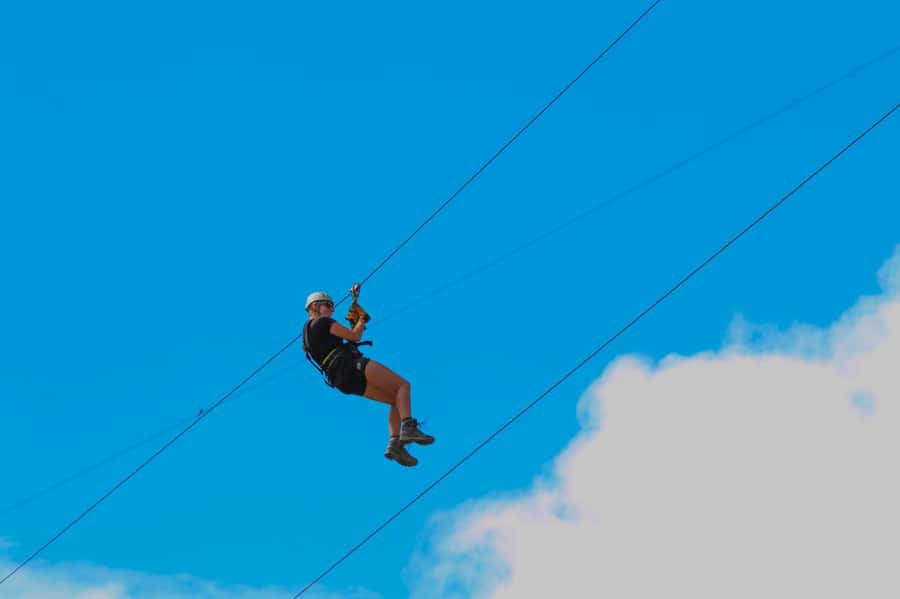
I would recommend this trip to an active first-time visitor who wants Machu Picchu with more action and less sitting in a vehicle. It suits you if biking, hiking, rafting, zip-lining, local food, and simple lodging sound like part of the fun.
It is also a good match if you value a guide who stays involved. Small groups help here, and the strong praise for Andy and Carlitos points to the importance of guide quality on a demanding route.
I would choose another style of Machu Picchu visit if you want quiet comfort, flexible mornings, or a short and easy approach. This itinerary is tightly packed, and some parts are physically demanding. It also may not suit you if you need certainty about your Machu Picchu entry time or want to add Huayna Picchu without planning early.
Should you book the Inca Jungle Adventure?
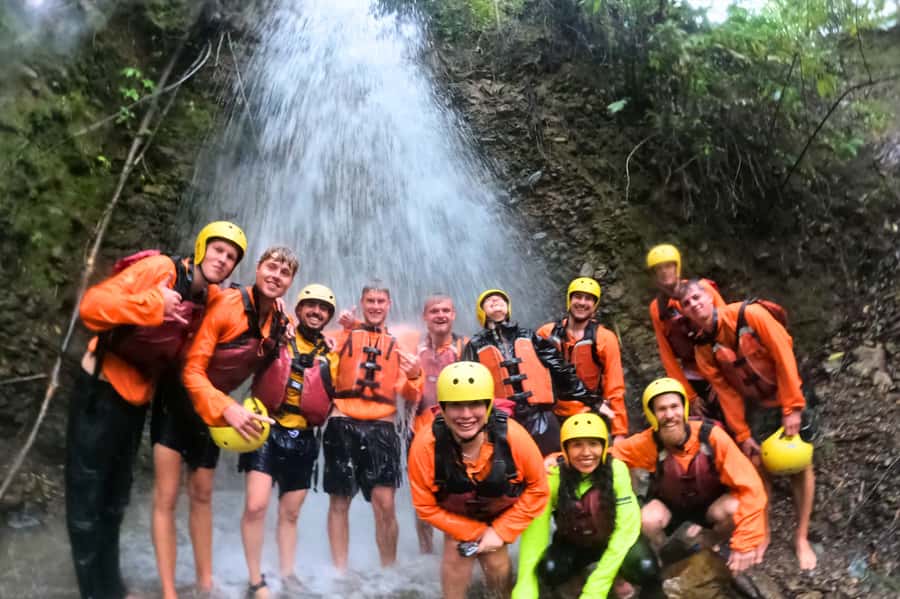
Book it if you want to earn Machu Picchu through four days of active travel and you like having several ways to enjoy the route. The combination of mountain biking, farm paths, hot springs, optional river activities, and the railway walk gives you far more variety than a simple day trip.
Think twice if altitude sickness, long hikes, basic hostels, or a pre-dawn finish would make the trip unpleasant. For the right person, $439 is a good deal, especially with transport, meals, admission, equipment, and guiding included. Pack light, build in time to acclimatize, and confirm the return transport and Machu Picchu entry details before you pay.
FAQ
How long is the Inca Jungle Adventure?
The experience lasts four days and ends with drop-off at your hotel in Cusco.
What time is pickup on the first day?
Hotel pickup begins at 7:00 am. If you are not staying in Cusco’s historic center, you should wait at the main square by the fountain.
Is the bike ride suitable for beginners?
Basic biking experience is recommended. The route is downhill from Abra Malaga, but you still need to control a mountain bike and remain comfortable on the ride.
Is rafting included?
River rafting on the Vilcanota River is offered as an optional activity. The included information does not state a separate price for it.
How difficult is the hiking?
The second day is particularly demanding. It includes cloud-forest walking, an ancient Inca path, a monkey-bridge crossing, and about three more hours of hiking after lunch.
Is the Cocalmayo hot-spring entry included?
No. Entry costs $3 per person and is paid separately.
Is the bus to Machu Picchu included?
No. The bus costs $15 each way. You can also hike up to Machu Picchu instead.
Can I climb Huayna Picchu or Machu Picchu Mountain?
You may have the option to climb either mountain, but each requires an extra fee and early booking. Availability and entry timing should be checked in advance.
What is included in the return to Cusco?
You can return by car from Hydroelectric Station, which takes about seven hours and costs less, or take a train to Ollantaytambo followed by a car, which takes about five hours and is more convenient but more expensive.
More Amazon Jungle Trips
- Inka Jungle trek to Machu Picchu 3 D/ 2 N
★ 4.8 · 4 reviews - 4-Day Inca Jungle Trail to Machu Picchu Hiking and Biking Tour
★ 5.0 · 438 reviews - 4-Day Adventure Tour: Inca Jungle Trail to Machu Picchu
★ 5.0 · 426 reviews - Tambopata Peruvian Amazon Jungle for Three Days/Two Nights
★ 4.5 · 329 reviews
Just added in Aguas Calientes
- TOUR TO MACHU PICCHU FULL DAY BY TRAIN – The Best Adventure★ 3.2 · 4 reviews
- Tour guide in Machu Picchu on Route 2★ 4.7 · 6 reviews
- Salkantay Trek to Machu Picchu 5 Days with Sky Lodge Domes★ 5.0 · 5 reviews
- Rainbow Mountain tour and Machu Picchu tour by train★ 4.8 · 13 reviews
- From Cusco: Train Ride and Guided Tour of Machu Picchu★ 5.0 · 6 reviews
- Machu Picchu Entry Ticket and Bus from Aguas Calientes★ 3.8 · 8 reviews
- Machupicchu tour by tourist train in 2 days★ 4.5 · 7 reviews
- Machu Picchu 2 Days / 1 Night (By Bus)★ 3.7 · 4 reviews
Machu Picchu Tours, compared.
Classic Inca Trail Trek 4D/3N to Machu Picchu (Group Service)
Read our review →
2-Day Inca Trail to Machu Picchu with Panoramic Train
Read our review →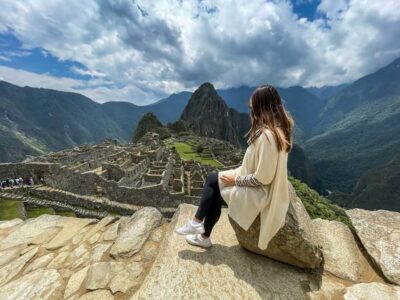
From Cusco: Full-Day Group Tour of Machu Picchu
Read our review →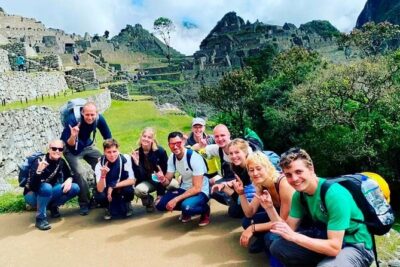
2-Day Tour: Sacred Valley and Machu Picchu by Train
Read our review →
Machu Picchu: Full-Day Tour from Cusco with Optional Lunch
Read our review →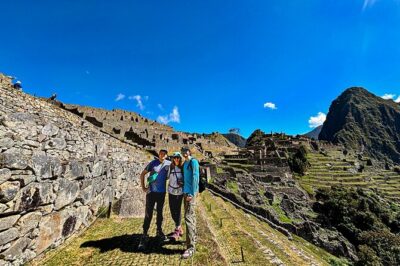
Machu Picchu Full Day from Cusco by Panoramic Train
Read our review →Browse the lists this tour appears in