
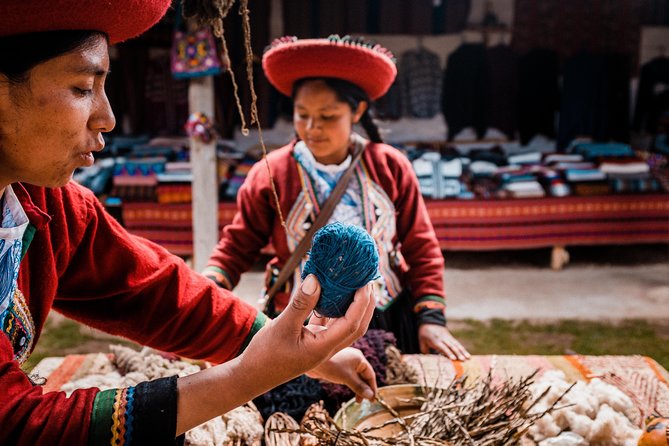
Reviewed · MACHU PICCHU TOURS
2-Day Tour: Sacred Valley and Machu Picchu by Train
Machu Picchu is only half the story. This two-day train tour from Cusco links the Sacred Valley’s major Inca sites with an overnight in Aguas Calientes, so you can reach Machu Picchu early without making the long trip from Cusco that same morning. I especially like the small group size, capped at 10 people, and the careful handling of trains, buses, hotels, and entrance tickets. The main drawback is that day one is packed with stops, including commercial textile visits and a buffet-style lunch option that can make the day feel more touristy than independent.
The tour is priced at $469 per person. That is a fair price if you value having the transport, Machu Picchu admission, one hotel night, breakfast, and guide support arranged for you. It is less attractive if you want to choose every restaurant, skip shopping stops, or travel with only a train ticket and a self-guided visit.
In This Review
- Key points to know before booking
- Why this two-day route works from Cusco
- Day one begins with llamas and Andean textiles
- Taray gives you the first Sacred Valley view
- Pisac combines farming knowledge with a busy market
- Urubamba is a lunch stop, not a major visit
- Ollantaytambo is day one’s strongest ruin
- The Inca Rail ride to Aguas Calientes
- The Machu Picchu morning requires planning
- Machu Picchu circuits are more important than they sound
- Returning to Cusco takes most of day two
- What the $469 price really covers
- Packing, altitude, and timing advice
- Who should book this Machu Picchu tour
- Should you book it?
- FAQ
- How long is the tour?
- What time does pickup begin in Cusco?
- Is Machu Picchu admission included?
- Are Pisac and Ollantaytambo entrance fees included?
- Is the hotel included?
- Are meals included?
- What luggage can I take on the train?
- How many people are in the group?
- What documents are required?
Key points to know before booking
- Awana Kancha adds a quick look at Andean weaving and camelids, with llamas, alpacas, and vicuñas close by.
- Pisac and Ollantaytambo provide the strongest archaeological stops on day one, but entrance fees for both are extra.
- The overnight in Aguas Calientes saves you a very early Cusco departure, making the Machu Picchu morning easier.
- Machu Picchu Circuit 2 is the preferred route, but your circuit depends on availability when you book.
- The group maximum is 10 people, and guides such as Fabrizio, Gary, Juan, Michael, and Paul have earned especially warm praise for their care and historical explanations.
- Pack only a small bag for the train, since checked luggage is not allowed and may cost extra.
Why this two-day route works from Cusco
Machu Picchu is not a quick side trip from Cusco. You need a road transfer, a train, a hotel night, a bus up to the citadel, and another train and road transfer to return. Trying to fit all of that into one day creates a punishing schedule.
This tour breaks the journey into two manageable parts. On the first morning, you leave Cusco between 7:30 and 7:45 am and work your way through the Sacred Valley. In the late afternoon, you board an Inca Rail train at Ollantaytambo for Aguas Calientes, also called Machu Picchu town.
That overnight matters. You sleep near the mountain instead of starting from Cusco before dawn. After breakfast, your guide takes you to the bus station, helps you get up to the entrance, and leads the visit inside Machu Picchu. You then return to Aguas Calientes, take the train back to Ollantaytambo, and reach Cusco at about 6:00 pm.
I like this structure because it removes much of the stress from a trip that involves several moving parts. You still have two long days, but you are not responsible for matching every bus, train, and ticket on your own.
More Machu Picchu trips:
- Classic Inca Trail Trek 4D/3N to Machu Picchu (Group Service)
★ 5.0 · 8,653 reviews - Machu Picchu: 4-Day Inca Trail Trek with Panoramic Train Ride
★ 5.0 · 4,568 reviews - Short Inca Trail to Machu Picchu 2D/1N
★ 5.0 · 3,007 reviews
Day one begins with llamas and Andean textiles
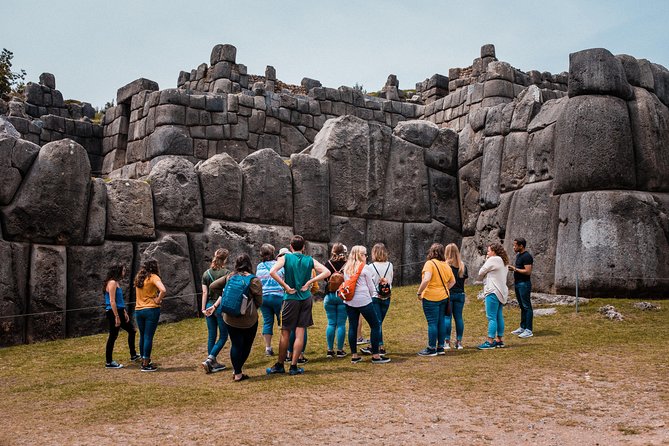
Hotel pickup starts after breakfast, usually between 7:30 and 7:45 am. The drive from Cusco passes Sacsayhuaman, Qenqo, and Pucapucara without stopping, so you get a quick reminder of Cusco’s archaeological belt but should not expect visits at those sites.
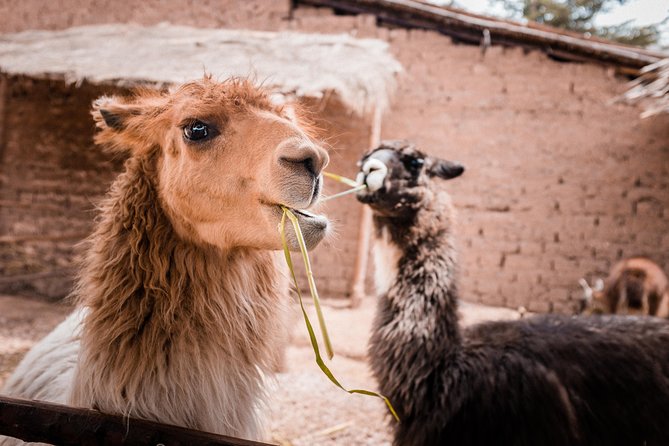
The first proper stop is Awana Kancha, lasting about 15 to 20 minutes. You can see llamas, alpacas, and vicuñas, take photographs, and watch a short presentation about Peruvian textiles and weaving. It is a pleasant introduction to local craft traditions, especially if you have not yet seen how wool garments are made.
This stop also has a shopping angle. I would treat it as a brief cultural orientation rather than a major attraction. If you dislike organized craft demonstrations, you may find it too commercial. Still, the animals and weaving make it more useful than a simple roadside photo stop.
Taray gives you the first Sacred Valley view
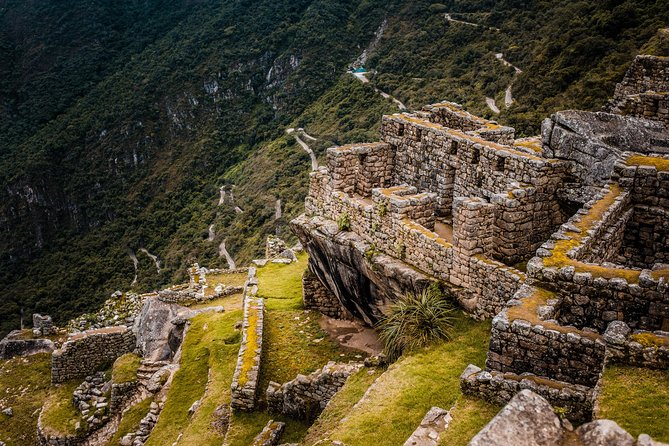
At Taray, the group pauses for roughly 10 minutes at a lookout above the Sacred Valley. From here, you can photograph the Urubamba River, terraces, fields, and steep mountain walls.
The stop is short, but that is fine. The valley is broad and dramatic, and the viewpoint helps you understand the geography before you reach the larger sites. Bring your camera out quickly, since the schedule does not allow a long wandering visit.
The road itself is part of the experience. You pass from the high Cusco area into the warmer valley, and the change in scenery is one reason this route works better than a direct trip to the train station.
Pisac combines farming knowledge with a busy market
The Pisac archaeological site is one of the day’s main visits. You drive up to the ruins, where the guide explains the terraces, temples, residences, altars, and water channels. The site is also a good place to understand Inca agriculture. The terraces were not just decorative stonework. They helped shape steep slopes for cultivation and reflected the practical engineering behind Inca settlement planning.
You have about an hour here. Expect uphill paths, uneven stone, and steps. The altitude can make even a moderate walk feel harder, particularly if you have just arrived in Cusco. A reasonable level of fitness is required, and comfortable walking shoes are a must.
After the ruins, you spend about 45 minutes at the Pisac Market. The market is known for pottery, jewelry, and textiles, and your guide can help explain the goods and local customs. You will have a chance to buy souvenirs and practice bargaining.
This is also where the tour’s organized nature becomes clear. If you enjoy browsing markets and want an easy place to shop, the stop is useful. If you would rather spend more time at Pisac’s ruins or avoid sales-focused visits, it may feel like time taken from the archaeological sites.
More Sacred Valley trips:
- From Cusco: Moray, Maras Salt Mines & Chinchero Weavers Tour
★ 4.8 · 1,925 reviews - Cusco: Sacred Valley, Pisac, Ollantaytambo, Salt Mines Moray
★ 4.6 · 1,058 reviews - Cusco:Chinchero,Moray & Salt Mines drop-off in Ollantaytambo
★ 4.8 · 793 reviews - Sacred Valley and Maras Moray Tour with Full Day Buffet Lunch
★ 5.0 · 670 reviews
Urubamba is a lunch stop, not a major visit
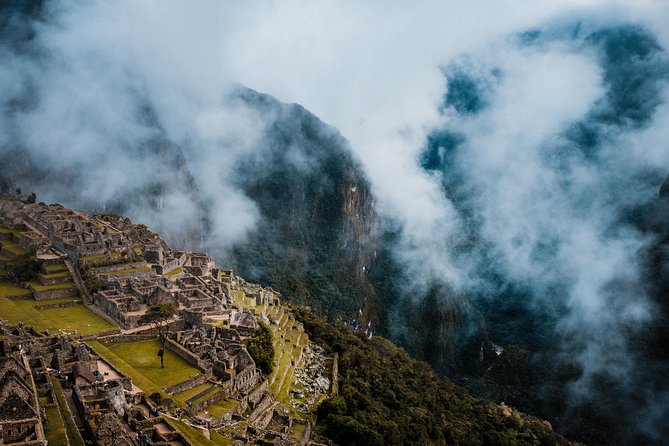
The group stops in Urubamba for about an hour for lunch. The meal is not included, and many restaurants offer buffet service.
You should budget separately for lunch and ask your guide about the available choices. The buffet setup is convenient for a group with different tastes, but it limits your freedom to choose a small local meal or eat at your own pace. One criticism of this type of stop is that the restaurant choice may feel built into the tour rather than fully independent.
There is no sightseeing program in Urubamba itself, so think of it as a practical break between Pisac and Ollantaytambo. The valley setting remains attractive, but your main reason for stopping is food and rest.
Ollantaytambo is day one’s strongest ruin
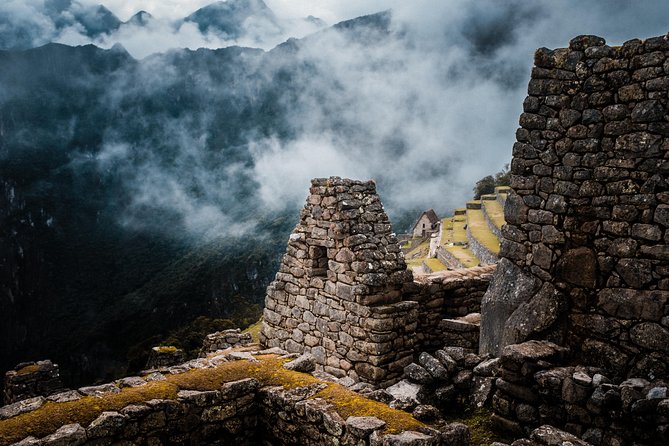
After lunch, you visit the Archaeological Park at Ollantaytambo for about an hour. This is one of the most rewarding stops on the route, with large stone terraces, ceremonial structures, and steeply placed Inca construction.
The site is tied closely to the living town of Ollantaytambo, which preserves an old street layout and remains an important transport point for Machu Picchu trains. The guide explains the major structures and the rock formation associated with the Inca god Wiracocha.
The visit involves stairs and uneven stone. The higher sections offer better views, but you should not rush them if you are feeling the altitude. The Sacred Valley entrance fee, covering sites such as Pisac and Ollantaytambo, is not included in the tour price. Confirm the current amount and payment method before you go, since the supplied details do not state the fee.
The Inca Rail ride to Aguas Calientes
By about 3:00 or 4:00 pm, the group is taken to the Ollantaytambo station. The Inca Rail train to Aguas Calientes follows the Vilcanota River, with views of the valley narrowing into mountain country.
Train comfort depends on the class assigned or selected for your booking. Some people consider upgrading to a Vistadome-style service, but a basic Expedition train can be enough if scenery is your main goal. One useful tip is to avoid assuming that a premium train is automatically better value. A higher-priced service may add entertainment or snacks, but the river and mountain views remain the main attraction.
You arrive in Aguas Calientes around 6:10 pm. A hotel representative may meet you at the station with a sign, and the tour team coordinates your transfer to the hotel. Some people have particularly enjoyed rooms near the rushing river, though the sound can be loud at night. If you are a light sleeper, ask about the room location when possible.
The included hotel is described as a three-star property. It is intended as a comfortable overnight base, not a luxury stay. You have free time in town for dinner, shopping, or a short walk before the early start.
The Machu Picchu morning requires planning
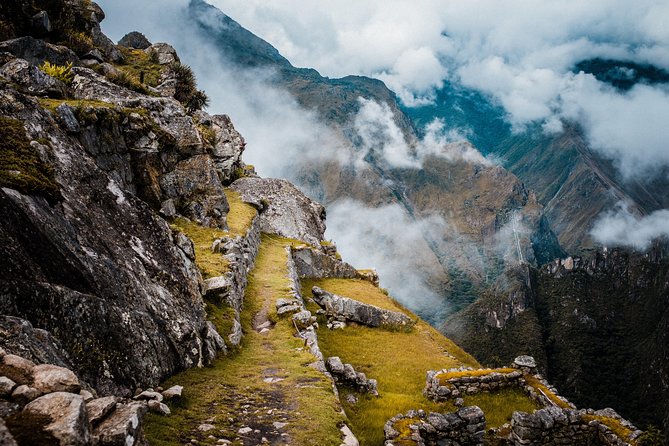
After breakfast, your guide takes you to the bus station for the ride up to Machu Picchu’s entrance. The exact timing depends on the ticket and circuit assigned, so you should not treat the sunrise reference as a guarantee of watching the sun appear over the citadel. The early visit is designed to give you a better chance at cooler conditions and fewer people than a late morning entry.
The bus ride is short compared with the full journey from Cusco. Once inside, the guide leads a roughly four-hour visit, explaining the citadel’s buildings, traditions, and purpose. This is where the tour earns much of its value. Machu Picchu can look like a beautiful collection of stones if you walk through without context. A good guide helps you understand the plazas, rooms, terraces, and engineering choices.
The specific guide can vary. Fabrizio has been praised for his organization and for adapting to a mixed-age group. Gary is noted for his historical explanations, friendly manner, and help with photographs. Other guides named by guests include Juan, Michael, and Paul. Guide quality can vary from departure to departure, but the strongest feedback consistently centers on personal attention and clear coordination.
After the guided portion, you receive free time to look around at your own pace, subject to the rules of your assigned circuit and entry period. Do not expect to roam everywhere. Machu Picchu now uses controlled routes, and your ticket determines which paths and viewpoints are available.
Machu Picchu circuits are more important than they sound
The preferred ticket is Circuit 2. It generally gives the fullest standard visit through the central parts of the citadel, which is why the operator suggests booking two or three months ahead.
Tickets are assigned according to availability at booking. If Circuit 2 has sold out, you may be assigned Circuit 1 or Circuit 3. This is a major point to consider before paying. The tour includes Machu Picchu admission, but it does not promise your first-choice circuit.
I would book early if seeing the main citadel route is central to your trip. If you are booking close to your departure date, ask which circuit is currently available before assuming you will receive Circuit 2.
The site includes many steep stone steps and uneven paths. One 85-year-old participant managed the visit with rests, while younger people also found the steps tiring. That is a useful reminder that age is not the only issue. Altitude, heat, rain, and the pace of the group all affect how hard the visit feels.
Take sunscreen even on cloudy days. Conditions can change quickly, so carry rain and wind protection as well as comfortable hiking or tennis shoes.
Returning to Cusco takes most of day two
After Machu Picchu, you take the bus down to Aguas Calientes. Lunch is not included, and you have some free time in town before boarding the return train.
The train reaches Ollantaytambo at about 3:55 pm. Your road transport then takes you back to Cusco, with expected arrival near 6:00 pm. This is a long return day, but the timing gives you a useful buffer for the train and road connection.
Door-to-door hotel drop-off is offered when road restrictions allow. Cusco has narrow streets and restricted vehicle access in some areas, so the exact drop-off point may occasionally require a short walk. That detail is worth clarifying with the operator if your hotel sits in a pedestrian-only zone.
What the $469 price really covers
At $469 per person, the tour includes:
- Hotel pickup and drop-off when roads permit
- One night in a three-star hotel
- Breakfast
- Round-trip train tickets
- Machu Picchu admission
- Bus transportation between Aguas Calientes and Machu Picchu
- Guided visits
Lunch and dinner are not included. The Sacred Valley entrance fee for Pisac and Ollantaytambo is also excluded, so the advertised price is not the final amount you will spend.
I see the price as reasonable for someone who wants the difficult pieces handled in one booking. Train tickets, Machu Picchu admission, hotel coordination, buses, and the return road transfer can be confusing to arrange independently. The value improves if you want a guide with you at the ruins and prefer a small group.
The price is harder to justify if you mainly want a train ride and a short visit to Machu Picchu. You are also paying for the textile stop, market visit, group lunch break, and guided Sacred Valley touring. Those are useful to some people and unnecessary to others.
Packing, altitude, and timing advice
You should leave large checked luggage at your Cusco hotel. The train does not allow checked baggage, and the provided information warns that extra luggage may be charged at 50 percent more each way. Pack a small backpack or carry-on with:
- One change of clothes
- Rain and wind protection
- Sunscreen
- Water
- Comfortable shoes
- Any personal medication
A current passport is required, and it must be valid for at least six months to enter Peru. You also need to provide each participant’s passport name, number, date of birth, and country when booking.
Altitude deserves respect. Cusco is high, and the Sacred Valley and Machu Picchu route includes walking, stairs, and long days. The tour asks for moderate physical fitness and does not list special restrictions unless you have a serious health condition, but you should still consider arriving in Cusco at least a day early for acclimatization. The supplied information confirms that vegetarian meals can be requested, though meals themselves are not included.
The group maximum of 10 is a real advantage. A smaller group makes it easier to hear the guide, move through stations, and get help with photographs or timing. It does not turn the tour into a private trip, so you should still expect a set schedule.
Who should book this Machu Picchu tour
I would choose this tour if you want the Sacred Valley and Machu Picchu in one efficient package, prefer a guide, and do not want to manage several train and bus connections yourself. It suits first-time visitors, families with mixed interests, and anyone who values an overnight near Machu Picchu.
It is also a strong choice if your time in Peru is limited. In two days, you see Awana Kancha, Taray, Pisac, the Pisac Market, Urubamba, Ollantaytambo, Aguas Calientes, and Machu Picchu. That is a lot, but the tour gives you a clear route through the region.
I would look elsewhere if you want slow travel, long independent visits, or complete control over meals and stops. The first day is tightly scheduled, and the market and textile visits will not appeal to everyone. You should also confirm the Machu Picchu circuit before booking, since Circuit 2 is requested but not guaranteed.
Should you book it?
Book this tour if your priority is a well-organized first visit to Machu Picchu with the Sacred Valley added in. The strongest features are the small group, overnight location, included Machu Picchu ticket, and guides who have been praised for their warmth, historical explanations, and practical help.
Before paying, budget for Sacred Valley entrance fees, lunch, dinner, and any train-class upgrade. Ask which Machu Picchu circuit is available, pack light, and prepare for steep steps and high-altitude walking. With those limits understood, the $469 price can buy considerable peace of mind and a memorable two-day route.
FAQ
How long is the tour?
The tour lasts approximately two days. Day one runs from morning pickup in Cusco through arrival in Aguas Calientes at about 6:10 pm. Day two ends with an expected return to Cusco around 6:00 pm.
What time does pickup begin in Cusco?
Hotel pickup begins between 7:30 and 7:45 am after breakfast. Door-to-door service is offered when road restrictions allow.
Is Machu Picchu admission included?
Yes. The Machu Picchu admission ticket is included, but the circuit is assigned according to availability at booking. Circuit 2 is the first choice, followed by Circuit 1 or Circuit 3 if Circuit 2 is sold out.
Are Pisac and Ollantaytambo entrance fees included?
No. The entrance fee for the Sacred Valley sites, including Pisac and Ollantaytambo, is not included.
Is the hotel included?
Yes. One night of accommodation in a three-star hotel in Aguas Calientes is included.
Are meals included?
Breakfast is included. Lunch and dinner are not included, including the lunch stop in Urubamba and lunch after the Machu Picchu visit.
What luggage can I take on the train?
You should take a small backpack or carry-on suitcase with extra clothes. Checked baggage is not allowed on the train, and the supplied information says additional baggage may be charged extra.
How many people are in the group?
The tour has a maximum of 10 participants.
What documents are required?
You need a current passport valid for at least six months to enter Peru. Passport name, number, date of birth, and country are required for every participant at booking.
Just added in Cusco
- Private Transfer from Airport to Hotel in the City of Cusco★ 4.0 · 5 reviews
- Best Cusco walking tour: dinner street food tasting★ 4.5 · 11 reviews
- Cusco Private Transportation for 2026★ 5.0 · 4 reviews
- Private Tour to Pisac Market and Pisac Ruins★ 5.0 · 4 reviews
- Machu Picchu Day Trip With Panoramic Train from Cusco★ 5.0 · 10 reviews
- Sacred Valley Private Tour from Cusco, Guide and Driver only★ 5.0 · 4 reviews
- Sacred Valley of the Incas Tour★ 5.0 · 12 reviews
- Private Tour of the Mountain of Colours by Quad★ 5.0 · 7 reviews
Machu Picchu Tours, compared.
Classic Inca Trail Trek 4D/3N to Machu Picchu (Group Service)
Read our review →
2-Day Inca Trail to Machu Picchu with Panoramic Train
Read our review →
From Cusco: Full-Day Group Tour of Machu Picchu
Read our review →
Machu Picchu: Full-Day Tour from Cusco with Optional Lunch
Read our review →
Machu Picchu Full Day from Cusco by Panoramic Train
Read our review →
Browse the lists this tour appears in