Reviewed · SACRED VALLEY TOURS
Cusco: Sacred Valley, Pisac, Ollantaytambo, Salt Mines Moray
Five Sacred Valley stops, one very long day. This $28 shared tour packs Chinchero, Moray, the Maras Salt Mines, Urubamba, Ollantaytambo, and Pisac into roughly 12 hours. I like the excellent range of sights, from weaving and salt production to major Inca sites, and I like that buffet lunch and transport are included. The catch is clear: visits are short, the bus rides add up, and the day can feel hurried.
I especially like this option for anyone with only one full day around Cusco. Guides such as Victor, Edith, Rudy, Samuel, and Joel have been praised for clear English, good timing, and lively explanations. Just remember to budget for the 70-sol tourist ticket, the 20-sol salt mine entrance, drinks, and a fair amount of walking.
In This Review
- Key points before you book
- What this $28 Sacred Valley trip is really offering
- Starting early from Cusco
- Chinchero, where weaving is part of the story
- Moray and the Inca farming experiment
- Maras Salt Mines, still working today
- Urubamba and the included buffet lunch
- Ollantaytambo, the day’s great Inca stop
- Pisac closes the day with ruins and market culture
- The guide can make or break a packed schedule
- What the day feels like in practice
- Who should book this Sacred Valley tour?
- Should you book it?
- FAQ
- How long does the Sacred Valley tour last?
- What time does the tour start?
- Is lunch included?
- Are the entrance fees included?
- Can I end the tour in Ollantaytambo for Machu Picchu?
- Is the tour available in English?
- What should I bring?
Key points before you book
- Five major areas in one day: Chinchero, Moray, Maras, Ollantaytambo, and Pisac give you a broad look at the Sacred Valley.
- A strong value at $28: Shared transport, a bilingual guide, hotel pickup when selected, and buffet lunch are included.
- Ollantaytambo can connect with Machu Picchu: The special option ends there around 3:00 p.m. for travelers catching a train to Aguas Calientes.
- The schedule is tight: Ollantaytambo receives about an hour, while Moray and Maras are shorter stops.
- Lunch is a real plus: The buffet in Urubamba is frequently praised, with hot drinks included and cold drinks available for purchase.
- Expect shopping stops: Chinchero weaving and the Maras salt shop add cultural context, but some people would prefer more time at the ruins.
What this $28 Sacred Valley trip is really offering
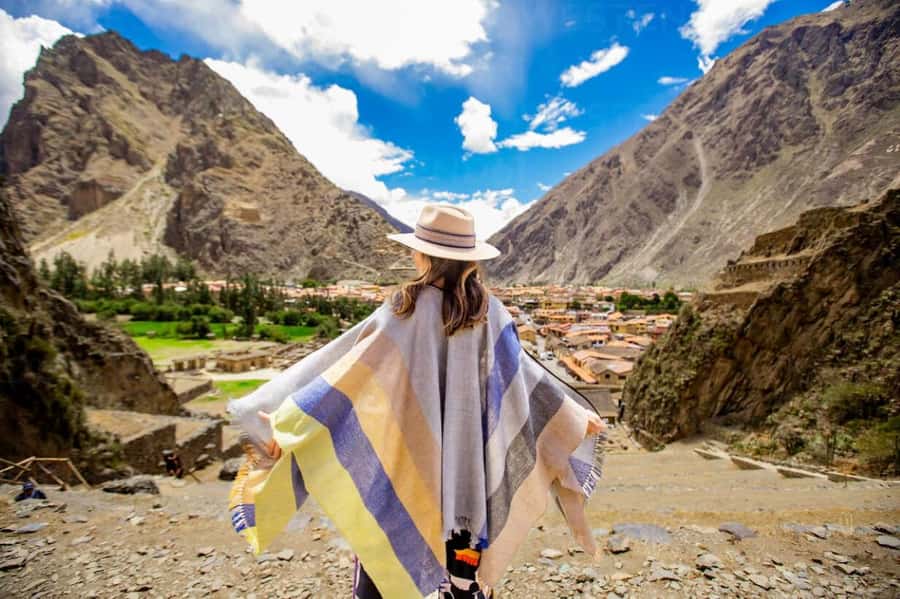
This is not a slow, reflective day in the Andes. It is a greatest-hits route designed to help you see a lot when your Cusco schedule is short.
For $28 per person, you receive shared tourist transport, a professional English or Spanish guide, hotel pickup if you choose that option, and a buffet lunch in Urubamba. The two main entrance costs are extra: 70 soles for the tourist ticket and 20 soles for the Maras Salt Mines. Drinks are also separate.
That still makes the trip good value. A private car covering this much ground would cost far more, while arranging each stop independently would require careful transport planning. The tradeoff is control. You follow the group’s clock, and that clock moves quickly.
The strongest part of the experience is the range. In a single day, you see living craft traditions, Inca farming terraces, working salt ponds, a major fortress, and hillside ruins above Pisac. You also get a guide to connect the stops, which matters because these places can otherwise feel like a series of impressive stones and photo stops.
More Sacred Valley trips:
- From Cusco: Moray, Maras Salt Mines & Chinchero Weavers Tour
★ 4.8 · 1,925 reviews - 2-Day Tour: Sacred Valley and Machu Picchu by Train
★ 5.0 · 1,127 reviews - Cusco:Chinchero,Moray & Salt Mines drop-off in Ollantaytambo
★ 4.8 · 793 reviews
Starting early from Cusco
The tour begins early, with hotel pickup generally scheduled between 6:00 and 6:30 a.m. The stated meeting point is the water fountain at Cusco’s Plaza de Armas at 7:20 a.m., depending on the option you select.
Read that timing carefully when you book. The information describes both hotel pickup and a central meeting point. Pickup may take place about 15 minutes before departure, and some hotels on narrow streets may require you to walk to a nearby place where the bus can meet you.
The first ride takes about 40 minutes. This is a full day, so bring water, sunscreen, cash, your passport, and biodegradable insect repellent. You will want layers, too. Pisac can feel very cold and windy, especially later in the day.
Chinchero, where weaving is part of the story
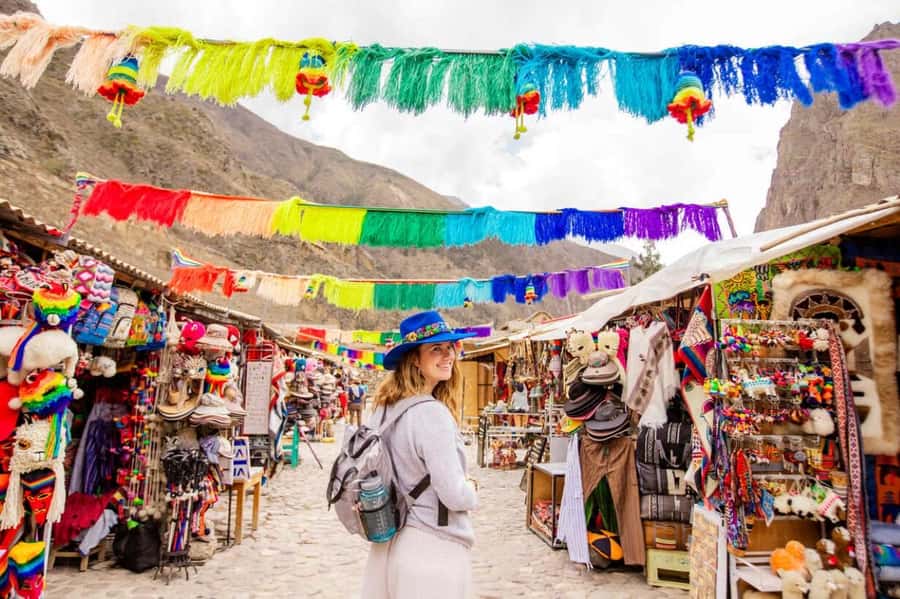
Chinchero is the first cultural stop, with about 25 minutes for a visit, guided explanation, photographs, and shopping.
The focus here is Andean textile work. You learn how natural fibers are prepared and how plants and minerals create different dyes. This stop helps explain that traditional culture in the Sacred Valley is not confined to archaeological sites. It is also found in techniques still taught and demonstrated today.
You should expect a textile center rather than a long visit through the district. The short time works if you want an introduction to weaving and a chance to browse. It will feel too brief if you are hoping to explore Chinchero’s wider town or spend time making careful purchases.
The sales element is part of the day. Several people appreciated that the demonstrations were not overly forceful, while others wished the tour had fewer preselected shopping stops. My advice is simple: enjoy the demonstration, ask questions, and buy only what genuinely interests you.
Moray and the Inca farming experiment
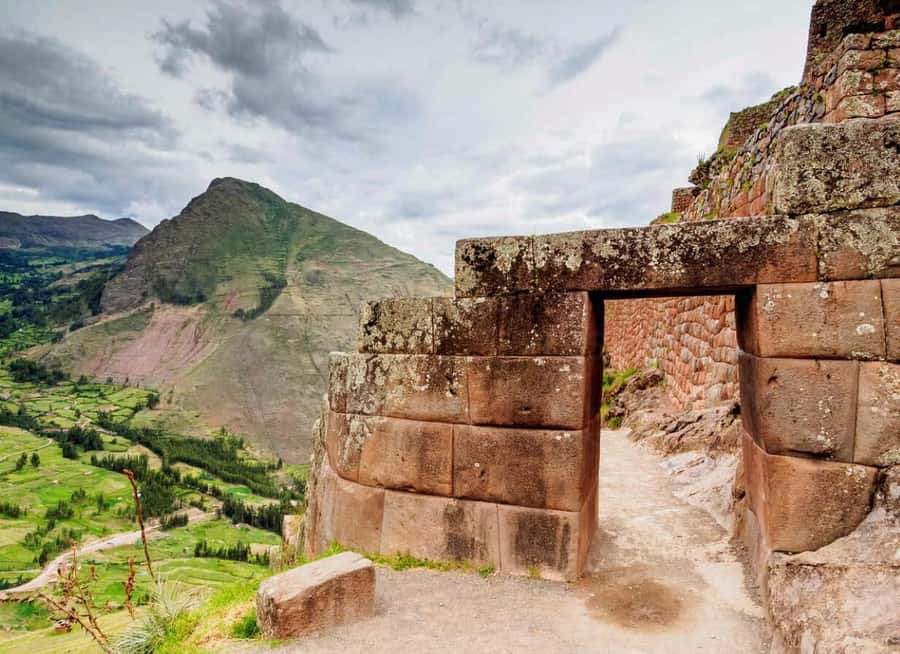
After another roughly 40-minute ride, the bus reaches Moray. The visit lasts about 20 minutes, including a guided explanation and time for sightseeing.
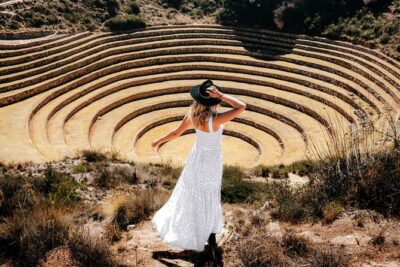
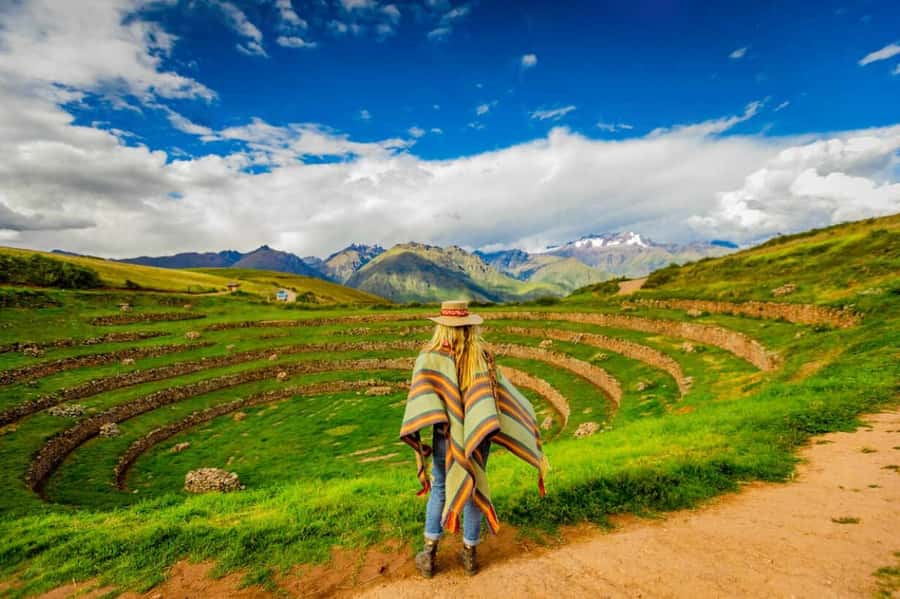
Moray’s circular terraces are one of the day’s most unusual sights. The rings drop into a large natural hollow, creating a place where the Incas could study growing conditions at different levels. Your guide should explain how the terraces helped with agricultural testing and how the site fits into the wider story of food production in the Andes.
This is a stop where a guide adds real value. The shape is striking, but the meaning behind it is what makes Moray memorable. You will have time for photographs and a short look, but not an extended walk around every viewpoint.
If you enjoy archaeology and practical engineering, Moray may be one of your favorite stops. If you prefer long walks through ruins, it may feel more like a scenic explanation than a full archaeological visit.
More things to do in Cusco:
- Classic Inca Trail Trek 4D/3N to Machu Picchu (Group Service)
★ 5.0 · 8,653 reviews - Cusco: Rainbow Mountain and Red Valley Day Trip with Meals
★ 4.9 · 4,893 reviews - Machu Picchu: 4-Day Inca Trail Trek with Panoramic Train Ride
★ 5.0 · 4,568 reviews - Salkantay Classic Trek 5 Days from Cusco
★ 5.0 · 4,062 reviews
Maras Salt Mines, still working today
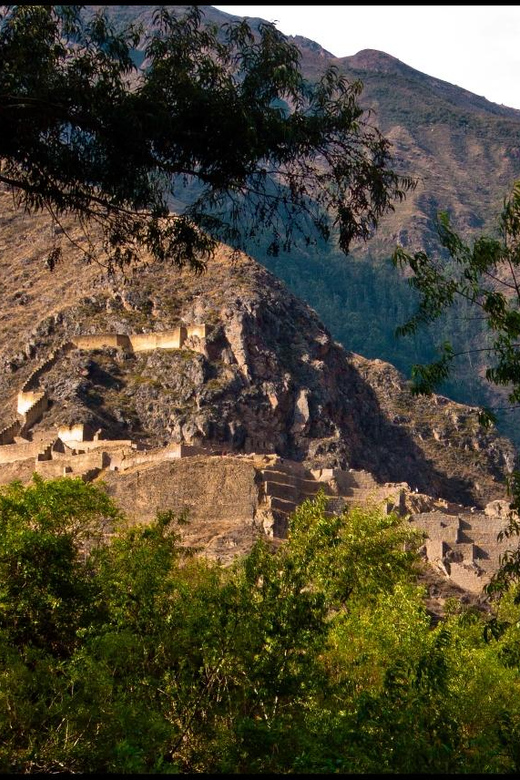
The ride to the Maras Salt Mines takes about 25 minutes, followed by a visit of around 30 minutes.
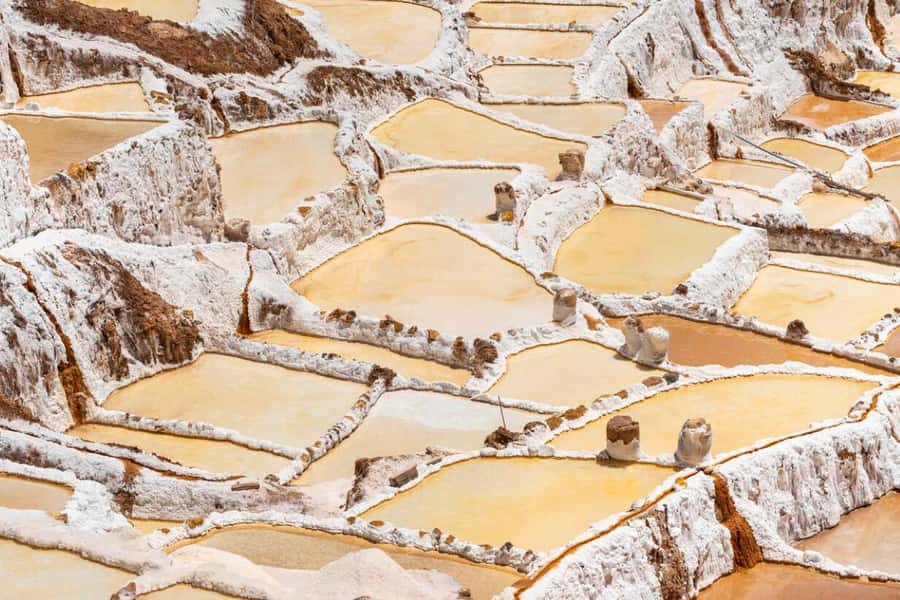
Thousands of small salt pools spread across the mountainside, fed by an underground spring. Water flows through the ponds, and salt is collected as it forms. The site links present-day production with the area’s older trade traditions, making it more than a quick photo stop.
The pools are especially rewarding because they look different from the stonework elsewhere on the route. Here you see a working system shaped by water, slope, and careful labor.
There is also a salt shop. One useful money-saving tip is to compare prices before buying salt or chocolate. A purchase that costs about 80 soles at a workshop may be available for under 30 soles at San Pedro Market or San Blas Market in Cusco.
That does not mean the shop has nothing worthwhile. It means you should not assume a stop on the tour offers the best price. If you would rather spend more time looking at the pools, keep your shopping brief.
Urubamba and the included buffet lunch
A 20-minute ride brings you to Urubamba, where lunch lasts about 50 minutes.
This break is practical as well as pleasant. Urubamba sits in the middle of the Sacred Valley route, so stopping here prevents the day from becoming one long stretch of bus rides and ruins. The included buffet has received especially strong praise, with many people calling it surprisingly good for a meal included in a low-cost excursion.
The meal is served at a scenic venue, identified by some as the 14 Inkas restaurant. Hot beverages are included, while cold drinks cost extra. You should carry cash for those purchases.
Fifty minutes gives you enough time to eat, but not necessarily enough time for a relaxed wander through town. The description also refers to a local market with regional products and handicrafts, though the day’s pace may limit how much browsing you can do.
I see lunch as one of the tour’s best practical features. Food can be an expensive and awkward problem on a long day outside Cusco. Here, that part is handled, and you return to the bus ready for the major ruins.
Ollantaytambo, the day’s great Inca stop
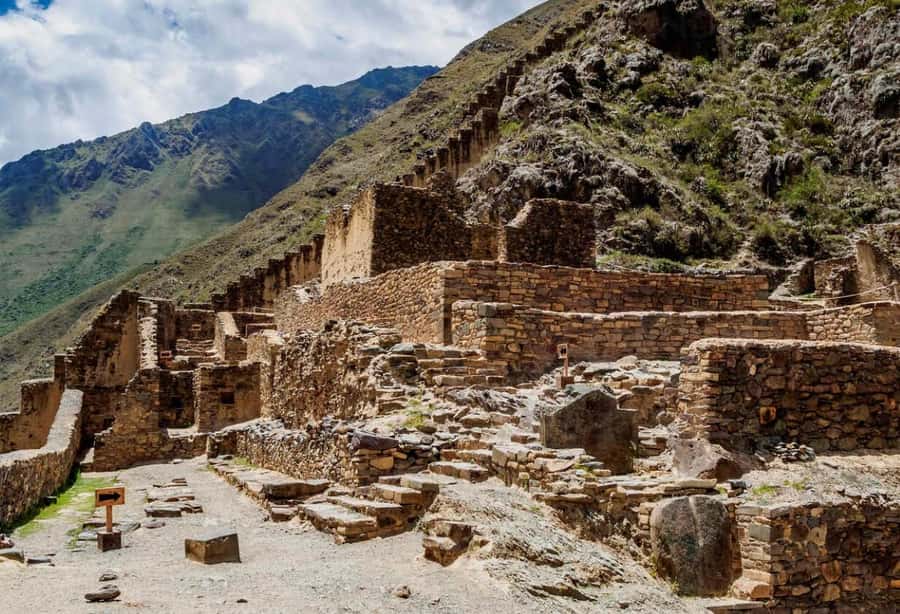
After lunch, the group travels about 30 minutes to Ollantaytambo. You receive about one hour for the guided visit, photographs, and free time.
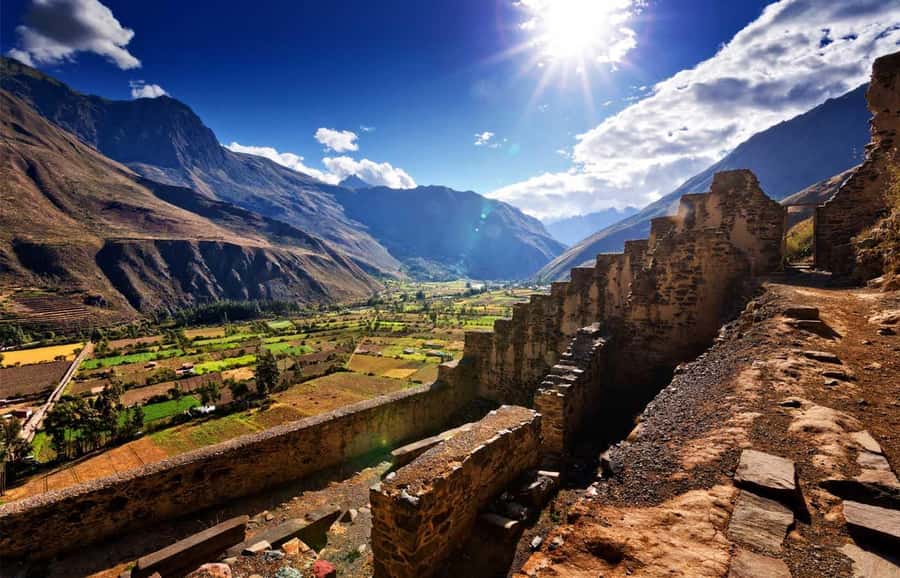
Ollantaytambo is both an archaeological site and a living town. Its cobbled streets preserve an original Inca urban plan, while the fortress and stone temples rise above the settlement. This is the place where the scale of Inca construction becomes hard to ignore.
There are steep steps, and the group may move at a brisk pace. If you have asthma, knee trouble, or difficulty with stairs, tell your guide early. The tour does not appear designed for a slow climb with long pauses.
The one-hour visit is enough to understand the layout and see the main features. It is not enough to explore every corner at leisure. Several people specifically wished for more time here or at Pisac, especially after passing through the shopping stops.
If you are continuing to Machu Picchu, Ollantaytambo is the most useful part of the schedule. The special option can end here around 3:00 p.m., allowing you to board a train to Aguas Calientes. Confirm the exact transfer plan before departure, especially if you have luggage.
One important practical warning comes from the timing. If you leave the group at Ollantaytambo, make sure you understand where your bags, tickets, guide, and driver will be. A clear plan prevents stress during what should be an exciting transition to Machu Picchu.
Pisac closes the day with ruins and market culture
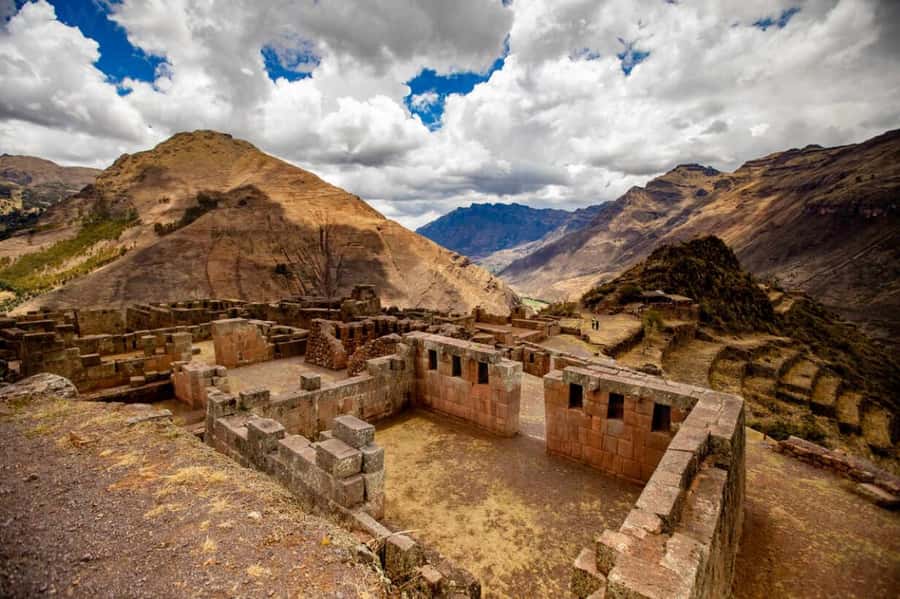
The longest transfer follows Ollantaytambo, taking about 100 minutes before the group reaches Pisac. The visit lasts around one hour, followed by a 45-minute ride back toward Cusco.
Pisac combines hillside Inca ruins with a colonial town and an artisan market. That combination gives the final stop a different feel from Ollantaytambo. You see the remains of an Inca settlement above you, then connect them with the town below.
The setting is impressive, but the late timing can be challenging. The wind may be cold, and you have already spent many hours on the road. Bring a warm layer even if Cusco felt mild in the morning.
Pisac is also one of the places where you may wish for more time. The one-hour visit is enough for a guided look, but not for a leisurely market browse and a thorough exploration of the ruins. If you want to shop carefully or walk every path, plan a separate visit.
At the end, drop-off locations include San Pedro Market, San Blas, Plaza de Armas, the Historic Center, Plaza Regocijo, and Santa Ana. The exact stop depends on the selected option and the day’s arrangements.
The guide can make or break a packed schedule
The route is demanding, so the guide matters a great deal. A good guide keeps explanations focused, gives clear meeting times, points out photo locations, and helps the group move without panic.
Guides named Victor, Edith, Rudy, Samuel, Joel, Luis, Christian, and others have been praised for strong English and Spanish, calm delivery, humor, and careful timekeeping. Christian was singled out for making archaeology engaging, while Rudy was praised for helping with photographs and pointing out useful restroom locations.
You should not expect every departure to have the same guide. Still, the repeated praise for the guiding team is important because this tour covers so much ground. The best guides add context during the bus rides, not only at the ruins.
The driver matters, too. The roads and Cusco traffic can be demanding, and drivers such as Juan, Enrique, Saul, and others have been praised for safe, smooth driving. Some vehicles may have limited legroom, so tall people should prepare for several long rides in a compact coach.
What the day feels like in practice
The total duration is about 12 hours. That includes roughly 40 minutes to Chinchero, another 40 minutes to Moray, 25 minutes to Maras, 20 minutes to Urubamba, 30 minutes to Ollantaytambo, 100 minutes to Pisac, and 45 minutes back to Cusco, along with the stops.
That is a lot of sitting and starting again. You should think of this as an efficient overview, not a restful excursion.
The positive side is that the schedule prevents wasted time. A well-organized guide can keep the group ahead of larger crowds, and some people found the pace comfortable despite the long day. The downside is that a late start, traffic, or a slow group can reduce time at the final site.
Shopping stops are another tradeoff. Chinchero and the Maras shop support local sales and demonstrate traditional products, but they also take time away from ruins. If you care most about archaeology, ask at the beginning how much free time is planned at Ollantaytambo and Pisac.
Who should book this Sacred Valley tour?
I would choose this tour if you have one day in Cusco and want broad coverage. It is also a sensible option for solo visitors, since the guide, transport, and meal make a complicated day easier to manage.
It suits you if you enjoy variety, accept a fixed schedule, and want to learn through short guided visits. It is particularly useful before Machu Picchu if you need Ollantaytambo transport built into the day.
I would choose a slower, more focused tour if your priority is photography, long walks, market browsing, or detailed archaeology. Families with very young children, people who dislike long bus rides, and anyone who needs frequent rest may find the pace tough.
The tour has a strong rating of 4.6 from 1,058 ratings, and the most repeated praise centers on the guides, buffet lunch, organization, and sheer number of sights. The most consistent cautions are short visits, limited legroom, steep steps, cold wind at Pisac, and time spent at shopping stops.
Should you book it?
Book this tour if you want the best possible overview in one day and can accept moving on before you have seen everything. At $28, with transport and lunch included, it offers a lot for the money, even after adding the 70-sol tourist ticket and 20-sol salt mine fee.
Skip it if you want the Sacred Valley at a slower pace. In that case, give Ollantaytambo and Pisac more time on separate days.
For most short Cusco visits, I think this is a smart, busy, good-value choice. Pack sunscreen, cash, warm clothing, and patience. The day is long, but the mix of salt ponds, terraces, weaving, fortress walls, and mountain ruins gives you a useful first look at the Sacred Valley.
FAQ
How long does the Sacred Valley tour last?
The activity lasts about 12 hours. The planned return to Cusco is around 6:30 p.m.
What time does the tour start?
Hotel pickup is generally between 6:00 and 6:30 a.m. The stated central meeting point is the water fountain at Cusco’s Plaza de Armas at 7:20 a.m. The exact start depends on the selected option.
Is lunch included?
Yes. A buffet lunch in Urubamba is included. Hot beverages are included, while cold drinks must be purchased separately.
Are the entrance fees included?
No. The tourist entrance ticket costs 70 soles, and the Maras Salt Mines entrance costs 20 soles. These are separate from the tour price.
Can I end the tour in Ollantaytambo for Machu Picchu?
Yes. A special option can end in Ollantaytambo around 3:00 p.m., allowing you to continue by train to Aguas Calientes.
Is the tour available in English?
Yes. The tour offers live guiding in English and Spanish.
What should I bring?
Bring your passport, sunscreen, cash, and biodegradable insect repellent. Warm layers are also useful, particularly for the cold wind at Pisac.
Just added in Cusco
- Private Transfer from Airport to Hotel in the City of Cusco★ 4.0 · 5 reviews
- Best Cusco walking tour: dinner street food tasting★ 4.5 · 11 reviews
- Cusco Private Transportation for 2026★ 5.0 · 4 reviews
- Private Tour to Pisac Market and Pisac Ruins★ 5.0 · 4 reviews
- Machu Picchu Day Trip With Panoramic Train from Cusco★ 5.0 · 10 reviews
- Sacred Valley Private Tour from Cusco, Guide and Driver only★ 5.0 · 4 reviews
- Sacred Valley of the Incas Tour★ 5.0 · 12 reviews
- Private Tour of the Mountain of Colours by Quad★ 5.0 · 7 reviews
Sacred Valley Tours, compared.
From Cusco: Sacred Valley & Maras Salt Mines Tour with Lunch
Read our review →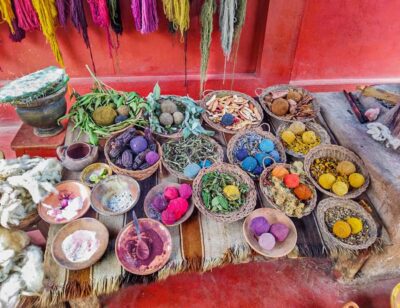
From Cusco: Moray, Maras Salt Mines & Chinchero Weavers Tour
Read our review →
2-Day Tour: Sacred Valley and Machu Picchu by Train
Read our review →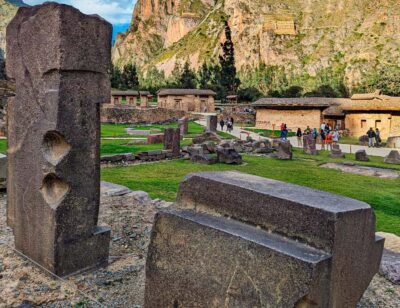
Chinchero,Moray & Salt Mines drop-off in Ollantaytambo
Read our review →
Sacred Valley and Maras Moray Tour with Full Day Buffet Lunch
Read our review →