Reviewed · SACRED VALLEY TOURS
From Cusco: Moray, Maras Salt Mines & Chinchero Weavers Tour
The Sacred Valley packs plenty into half a day. This tour links Chinchero’s living textile tradition with Moray’s high Inca terraces and the remarkable Maras salt pools, giving you history, scenery, and local culture without committing to a full-day circuit. I especially like the clear explanations from guides such as Felipe, Julio, and Jhon, plus the relaxed pace reported throughout the trip. The main consideration is the extra entrance cost: the $15 tour price does not include 70 soles for Moray or 20 soles for the salt mines.
I also like the hotel pickup, bilingual guiding, and mix of short walks, photo stops, demonstrations, and free time. You get a useful introduction to this corner of the Sacred Valley, rather than spending the whole day inside a van. Still, several stops include shopping, and the sites sit at high altitude with little shade, so bring water, sunscreen, and a hat.
In This Review
- Key points to know before you go
- Why this half-day circuit works from Cusco
- Chinchero: Quechua weaving in practice
- Moray at 3,450 meters: Inca agriculture in giant circles
- Maras Village: a brief look at local architecture
- Maras Salt Mines: 3,000 pools on a steep valley wall
- The ride between stops and the pace of the day
- The guides make the history easier to follow
- What the $15 price really includes
- Who should book this Cusco excursion?
- Should you book it?
- FAQ
- How long does the tour last?
- Is hotel pickup included?
- Is hotel drop-off included?
- Are the Moray and salt mine entrance fees included?
- What languages are available?
- Can I choose a private tour?
- What should I bring?
Key points to know before you go
- Moray sits at 11,318 feet: The Inca terraces are striking, but the altitude and sun can make even a 40-minute walk feel demanding.
- The Maras Salt Mines contain about 3,000 pools: Salt is still produced, processed, and sold in the region.
- Chinchero offers more than souvenir browsing: You see natural dyeing, Quechua weaving methods, and demonstrations involving alpaca textiles.
- The schedule is built for a half-day: The full outing lasts about 390 minutes, with pickup commonly beginning around 8:30 a.m. and city return around mid-afternoon.
- Extra fees matter: Budget 90 soles per person for the Moray and salt mine entrances, paid separately from the tour price.
- Guiding is a major strength: Felipe, Julio, Jhon, Manuel, Roy, and others are praised for clear history, friendly care, and help with questions and photos.
Why this half-day circuit works from Cusco
Cusco offers no shortage of Sacred Valley excursions. Some run from early morning until evening and pile on four or five archaeological sites. This outing takes a narrower approach: Chinchero, Moray, Maras, and the salt mines, with a few cultural and shopping stops along the way.
I think that focus is useful. You see two unusual Inca or pre-Inca sites, learn about textiles, and still have time to rest in the afternoon. Several reports describe the timing as comfortable rather than rushed, with enough space to take photographs and ask questions.
The tour lasts 390 minutes, or six and a half hours. Recent departures have started around 8:30 a.m. and returned to central Cusco at roughly 3:30 p.m., though you should confirm the exact starting time when booking. The stated plan says you return in time for lunch on your own, but the practical schedule can place you back in the city closer to mid-afternoon.
That timing suits you if you want a useful introduction to the Sacred Valley before a trek, a train journey, or a quieter afternoon. It also works well for a short stay in Cusco. You will not see every major site in the valley, but you will see three very different kinds of attraction.
More Sacred Valley trips:
- 2-Day Tour: Sacred Valley and Machu Picchu by Train
★ 5.0 · 1,127 reviews - Cusco: Sacred Valley, Pisac, Ollantaytambo, Salt Mines Moray
★ 4.6 · 1,058 reviews - Cusco:Chinchero,Moray & Salt Mines drop-off in Ollantaytambo
★ 4.8 · 793 reviews
Chinchero: Quechua weaving in practice
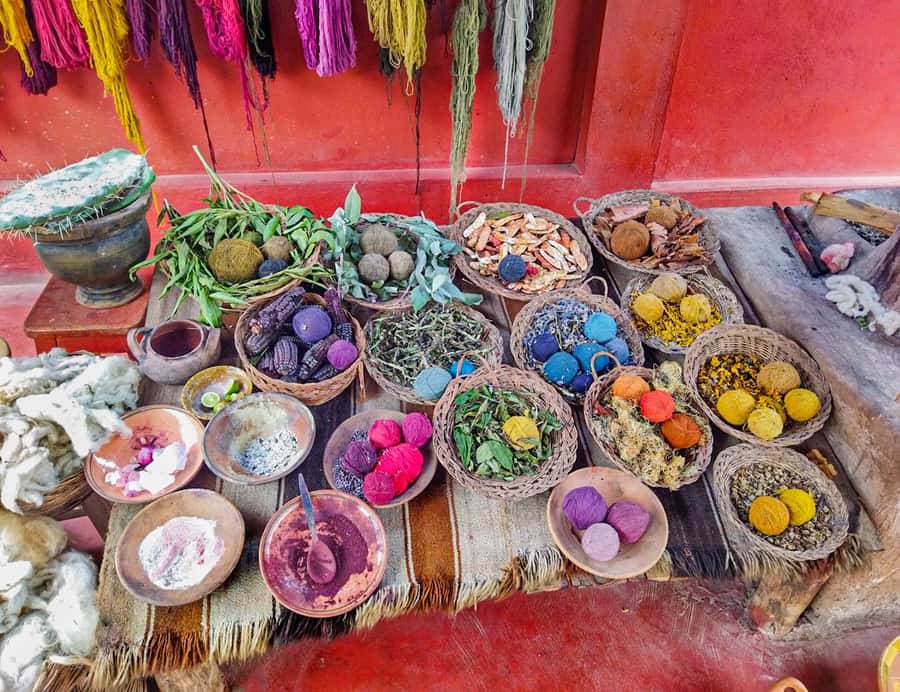
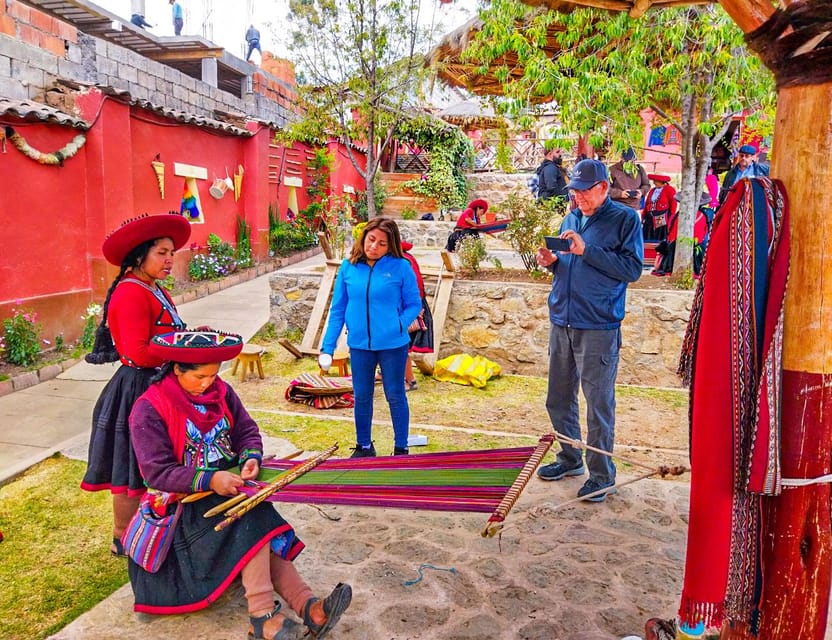
The first major stop is Chinchero District, at about 3,762 meters. The visit includes a weaving workshop lasting around an hour, with a demonstration of how Andean textiles are made and colored.
This is more than a quick look at finished scarves. You can see how local artisans use plants and other natural materials to create dyes, then apply those colors to wool and textile work. The demonstration connects the finished alpaca products to the hands-on process behind them.
The Quechua tradition matters here. Chinchero is presented not simply as a place to buy a soft hat or blanket, but as a place where local craft continues in daily use. Guides may also explain alpaca fiber, including the difference between genuine baby alpaca products and cheaper substitutes. That makes the shopping stop more useful, even if you do not plan to buy anything.
You should expect time to browse. Several stops on this trip involve shopping, especially at Chinchero and Maras. That can feel commercial if you prefer a tour made only of ruins and viewpoints, but the visits are short, and the textile demonstration gives them real cultural value. You can look, ask questions, and decide for yourself.
Some guides add small cultural touches. One guide described herbs and demonstrated a short Andean ritual, while others helped people choose local products or take photographs. Those details depend on your guide, but they show why the human side of the tour is important.
Moray at 3,450 meters: Inca agriculture in giant circles
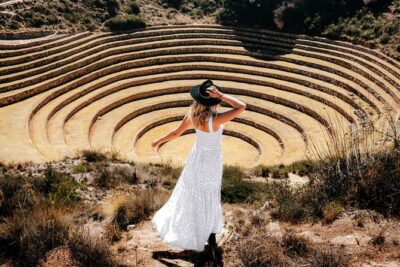
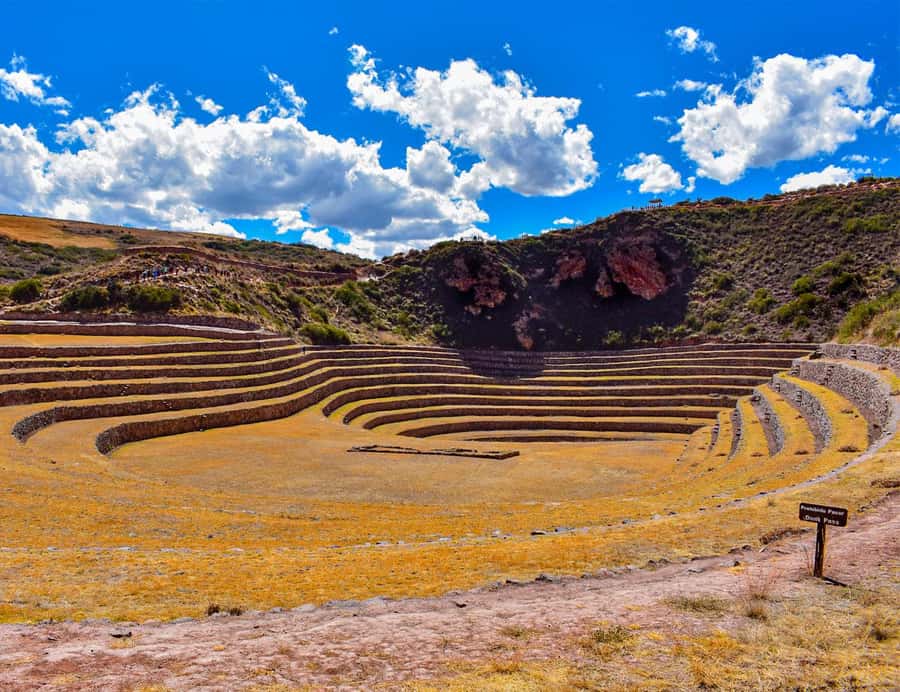
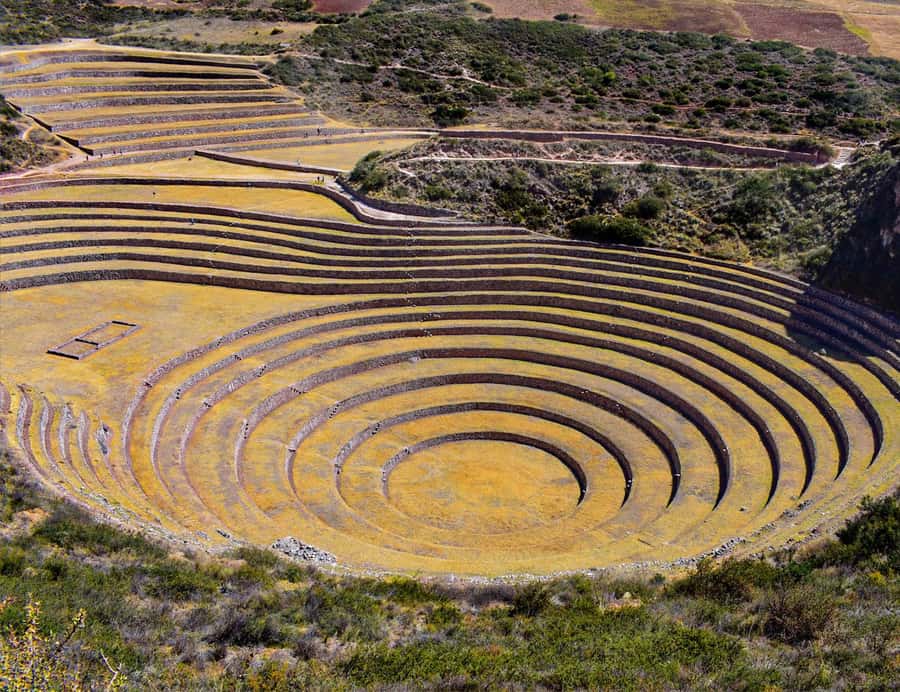
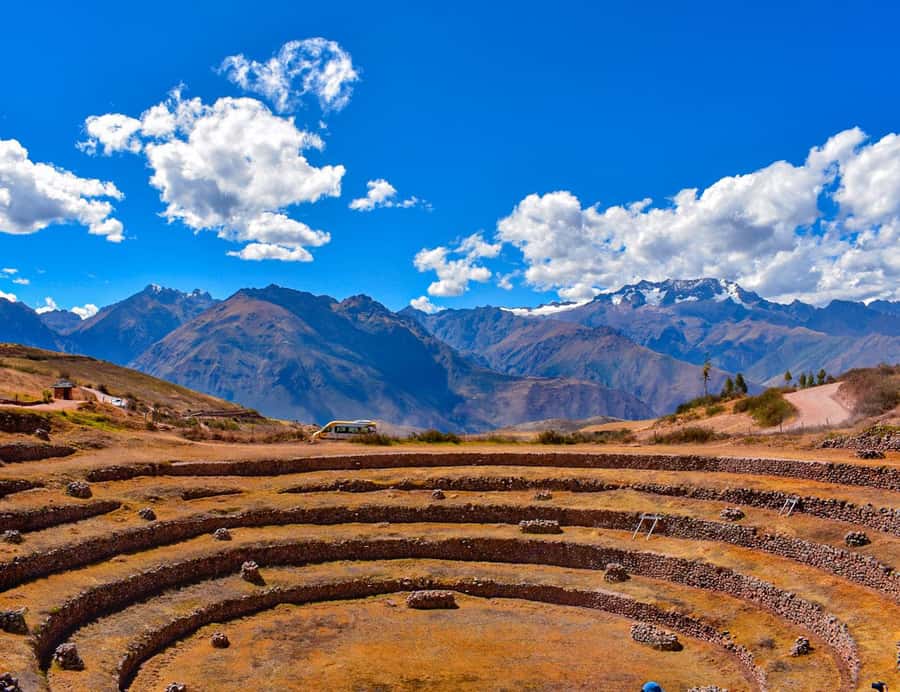
Moray is the archaeological centerpiece for many people. At an elevation of 3,450 meters, or 11,318 feet, it presents a series of broad, circular terraces cut into the earth.
From above, the terraces resemble a huge green amphitheater. Their form is not just attractive. The different levels create changes in temperature and exposure, and the site includes an irrigation system. Guides explain how the Incas used these terraces for agricultural experimentation and adaptation.
I like Moray because it gives you a practical way to think about Inca achievement. Instead of seeing only walls or ceremonial structures, you see a place linked to food production. The terraces show careful planning, water management, and an understanding of how altitude affects crops.
The guided portion lasts about 40 minutes and includes a walk and photo stop. That is enough time to appreciate the main view and hear the central explanation, though you should not expect a long archaeological visit with every detail explored. The site itself is open and exposed, so sun protection is essential. Recent visitors repeatedly pointed out how hot it can feel, even at this elevation.
The high altitude also deserves respect. You may already be adjusted after time in Cusco, but a short walk at Moray can still leave you breathing harder than expected. Move slowly, drink water, and tell your guide if you feel unwell. The staff have been praised for checking that people were handling the altitude comfortably.
The Moray entrance costs 70 soles and is not included in the $15 tour price. That extra fee is substantial compared with the booking cost, so calculate the total before you reserve. Even so, the site is unusual enough that I consider it one of the better uses of your day around Cusco.
Maras Village: a brief look at local architecture
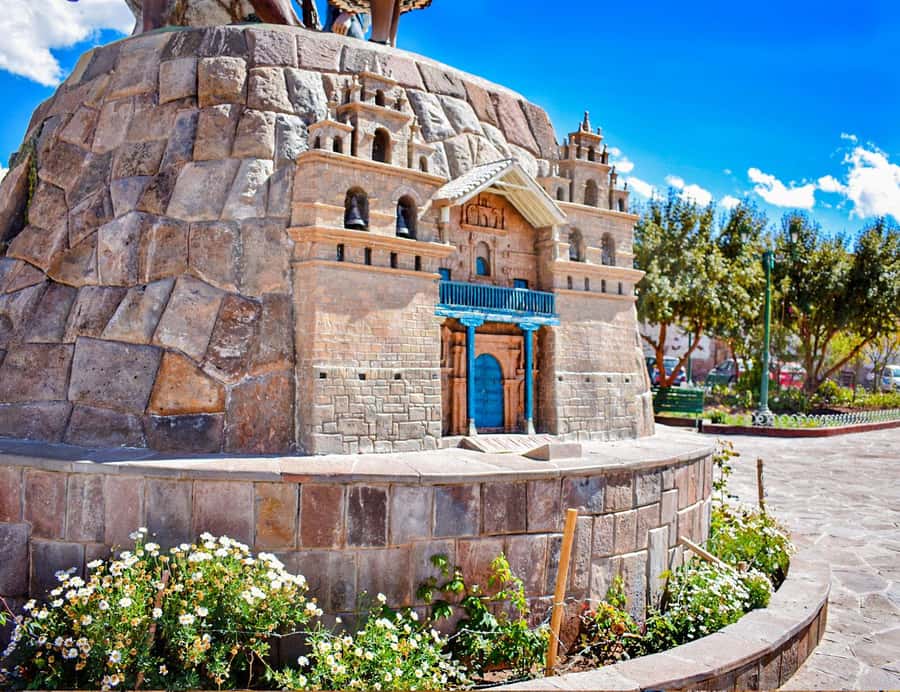
The route continues to Maras Village, where you have about 20 minutes for free time and shopping. The village is known here for preserved colonial buildings and thin-stoned construction.
This is a short stop, not a full town tour. Think of it as a pause between the major sites, with an opportunity to see a different layer of the region. The architecture reflects the colonial period, while the surrounding route keeps drawing you back toward older Inca and pre-Inca traditions.
You may have time to browse local products or visit another workshop. The stop can feel less memorable than Moray or the salt mines, but it breaks up the driving and gives you a chance to stretch your legs. It also helps show that the Sacred Valley is not just a collection of ruins. People still live, work, make textiles, and sell regional products here.
If you want a long, quiet look at village life, 20 minutes will not be enough. For this particular half-day format, though, the short visit keeps the day moving.
More things to do in Cusco:
- Classic Inca Trail Trek 4D/3N to Machu Picchu (Group Service)
★ 5.0 · 8,653 reviews - Cusco: Rainbow Mountain and Red Valley Day Trip with Meals
★ 4.9 · 4,893 reviews - Machu Picchu: 4-Day Inca Trail Trek with Panoramic Train Ride
★ 5.0 · 4,568 reviews - Salkantay Classic Trek 5 Days from Cusco
★ 5.0 · 4,062 reviews
Maras Salt Mines: 3,000 pools on a steep valley wall
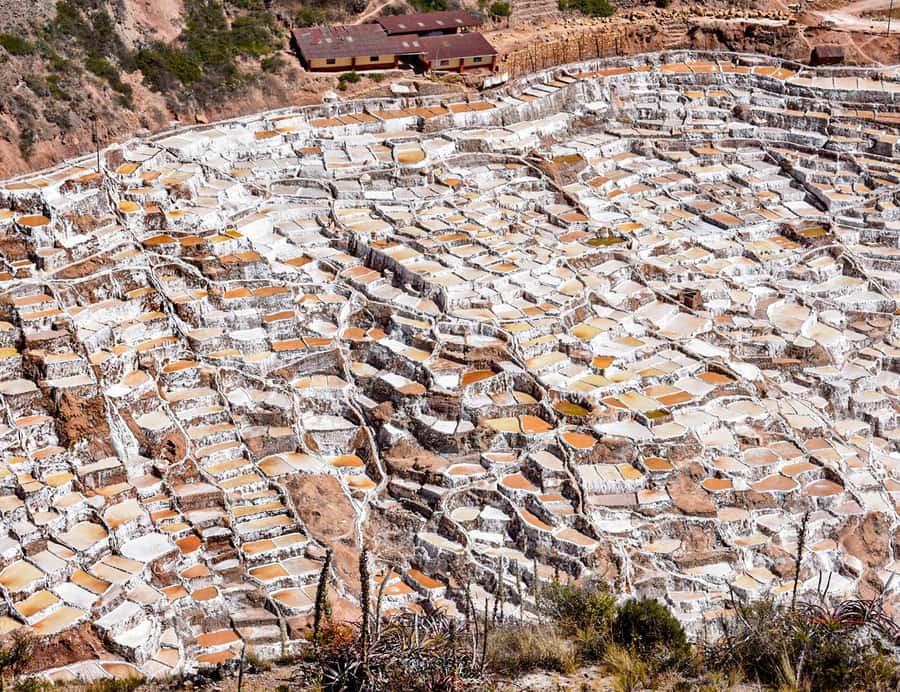
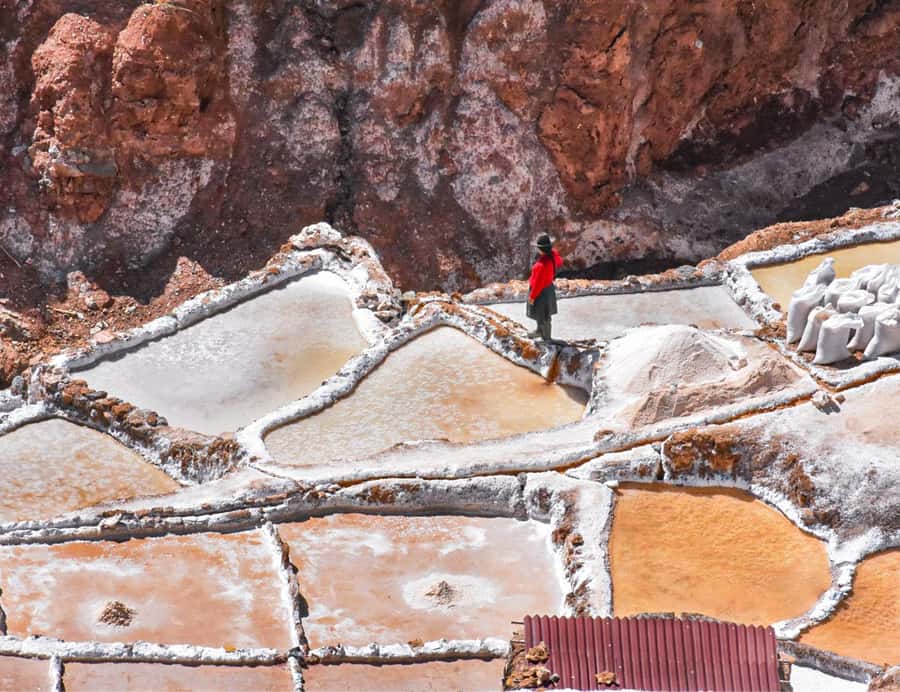
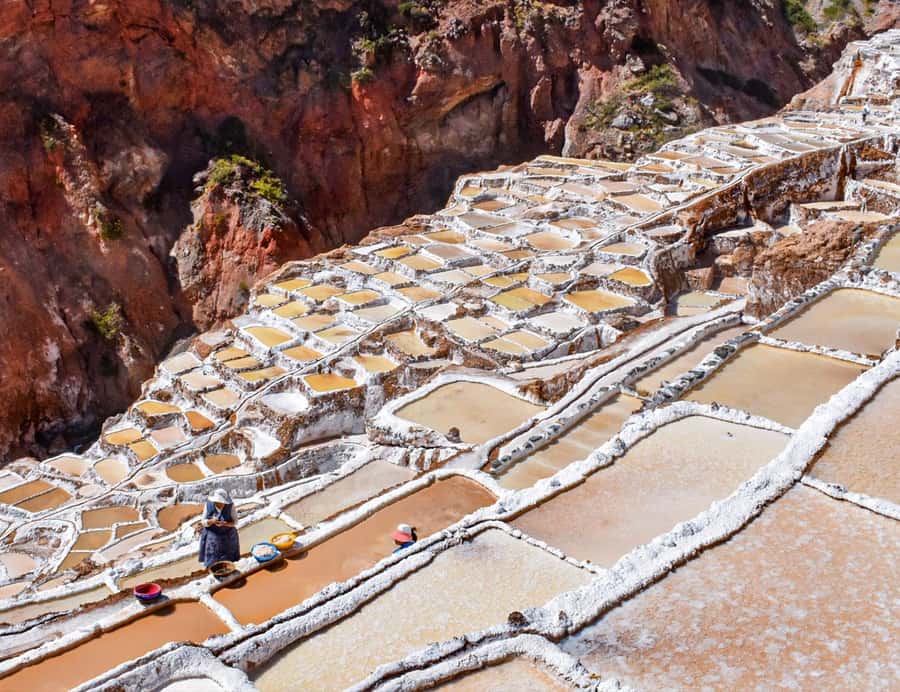
The Maras Salt Mines are the tour’s most immediately photogenic stop. A network of roughly 3,000 small pools covers the mountainside in a bright, stepped pattern. Depending on the season, the pools can appear white, brown, or pinkish, with water reflecting the sky and surrounding mountains.
The salt works date to pre-Inca times and still operate today. Salt water flows into the small basins, where evaporation leaves salt behind. The product is then collected, processed, and distributed around the region.
That continued production gives the site more meaning than a static archaeological ruin. You are seeing an old system that remains tied to local work and commerce. Your guide can explain how the salt is harvested, and you may have the chance to buy salt afterward.
The guided visit and walk last about 40 minutes. The paths and viewing areas give you good chances for photographs, but the terrain can be narrow and uneven. One guide and driver team received praise for handling the narrow roads near the mines safely, an important point because the approach is not the easiest part of the day.
The salt mine entrance costs 20 soles, also paid separately. Add that to the Moray fee, and your actual day cost becomes $15 plus 90 soles, before any purchases. That is still good value if you want these specific sites, but it is not a $15 all-inclusive excursion.
The sun can be strong at the salt mines, and shade is limited. Bring a hat, sunscreen, water, and comfortable shoes. The advice is repeated for a reason. One person described the day as very hot, while another noted that the walks have little shade despite the high altitude.
The ride between stops and the pace of the day
Transportation is included, along with hotel pickup in or near Cusco’s Centro Histórico. Pickup outside the historic center is available, but you need to confirm the meeting point and wait in your hotel lobby about 10 minutes before the scheduled time. Hotel drop-off is not included, so expect to finish at one of the central drop-off points, including Plaza Regocijo or the historic center.
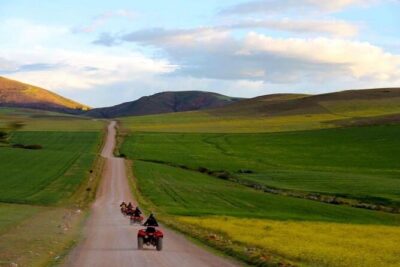
The van has been described as clean and comfortable, even when full. That matters because the route includes winding roads and a fair amount of driving between stops. One useful detail for anyone prone to motion sickness: the stops generally last 30 to 60 minutes, giving you regular chances to get out and walk.
The roads near the salt mines can be narrow. A careful driver makes a real difference here, and the driving has generally been praised for being safe and punctual. One practical drawback is heat inside the vehicle on warm days, especially when the van is full. Light clothing and water are sensible.
The pace is one of the best features. You are not left with a long stretch at one site, but you also are not rushed through every photograph. The balance works because each stop has a different purpose: cultural demonstration, archaeology, village life, and working salt production.
Private tours are available if you select that option. A private format gives you more flexibility and personal attention, particularly if you want to spend longer at Moray or ask many questions. Small-group departures cost less and still provide a bilingual guide, but exact group size is not stated, so check the available option when booking.
The guides make the history easier to follow
The sites are interesting on their own, but the guide determines how much you understand. The strongest praise has gone to guides including Felipe, Julio, Jhon, Manuel, Roy, John, Rehider, and Edi.
Felipe is repeatedly described as friendly, funny, and passionate about Andean culture. He has helped with practical problems such as forgotten phone exchanges and money, reminded people to use hats and sunscreen, and explained Inca traditions in clear English. Julio is praised for answering questions about the history of the Incas and the areas visited, while Manuel is noted for careful explanations and attention at every stop.
That kind of personal care is valuable at Moray and the salt mines. Without context, Moray can look like a set of impressive circles, and the salt pools can seem like a bright photo opportunity. A good guide explains how agriculture, water, trade, textiles, and daily life connect.
The tour is offered in English and Spanish. The quality of the experience will naturally vary with the guide assigned that day, but the repeated strength of the guiding is a strong reason to choose this outing over arranging transport alone.
Guides also commonly help with photographs. That may sound minor, but at the salt mines and Moray, a little help can save you from relying on a stranger or settling for a rushed selfie.
What the $15 price really includes
At $15 per person, this is unusually inexpensive for a guided excursion with transportation and hotel pickup. The price includes the bilingual guide and vehicle, and you receive access to several major sights in one organized route.
The catch is the entrance fees. Moray costs 70 soles, and the Maras Salt Mines cost 20 soles. You should also carry cash for these payments, snacks, drinks, and any salt or textile purchases. The tour price is excellent, but the complete cost is higher than the headline figure.
I still see strong value here. Hiring separate transport to reach Chinchero, Moray, and Maras would require more planning, and you would lose the explanations that tie the places together. The tour also saves you from negotiating a route through narrow roads and coordinating several stops yourself.
The best value comes if you want all three main experiences: weaving, Moray, and the salt mines. If you only want Moray, a different arrangement might make more sense. If you want a major Sacred Valley market or a full day of archaeological sites, this trip is too limited.
Who should book this Cusco excursion?
I would choose this tour if you want a short, varied introduction to the Sacred Valley. It suits couples, solo visitors, families, and anyone with limited time in Cusco. Solo participants have found the small-group format comfortable and safe, while private departures offer more control.
It is also a good choice before a demanding trek. The walking is limited compared with a full-day archaeological circuit, and there are regular stops. You still need to manage altitude, heat, and uneven paths, but the day is not built around strenuous hiking.
You may want another option if you dislike workshop visits or any form of shopping stop. Chinchero and Maras include opportunities to buy local goods, and these visits are part of the experience. You can treat them as cultural demonstrations rather than compulsory purchases, but shoppers will get more from them than someone determined to avoid stores.
Bring your passport, cash, camera, sun hat, sunscreen, water, and comfortable shoes. The tour runs rain or shine, so a change in weather will not automatically cancel the outing. Hotel pickup is included, but hotel drop-off is not.
Should you book it?
Book this tour if you want Moray and the Maras Salt Mines without giving up a full day, and if you value a guide who can explain the culture behind what you see. The combination of living textile work, high-altitude agriculture, colonial architecture, and an active salt operation gives you a fuller picture than a ruins-only trip.
I would be careful about the extra fees, shopping stops, heat, and altitude. Once those points are clear, the tour offers excellent practical value, a sensible pace, and a strong chance of getting a friendly, well-informed guide. For a first look at the Sacred Valley from Cusco, it is a smart half-day choice.
FAQ
How long does the tour last?
The tour lasts 390 minutes, or about six and a half hours. Recent schedules have commonly run from around 8:30 a.m. until approximately 3:30 p.m., but you should check the available starting time when booking.
Is hotel pickup included?
Yes. Hotel pickup is available from Cusco, including locations outside the Centro Histórico. You should wait in your hotel lobby 10 minutes before the scheduled pickup time.
Is hotel drop-off included?
No. Hotel drop-off is not included. The tour ends at central locations including Plaza Regocijo and the Centro Histórico.
Are the Moray and salt mine entrance fees included?
No. The Moray entrance costs 70 soles, and the Maras Salt Mines entrance costs 20 soles. Bring cash to cover these fees.
What languages are available?
The tour is available with a live guide in English or Spanish.
Can I choose a private tour?
Yes. Private and small-group options are available, depending on the option you select when booking.
What should I bring?
Bring your passport, sun hat, camera, sunscreen, comfortable shoes, and cash. The tour operates rain or shine, and several stops have strong sun and little shade.
Just added in Cusco
- Cusco Private Transportation for 2026★ 5.0 · 4 reviews
- Private Transfer from Airport to Hotel in the City of Cusco★ 4.0 · 5 reviews
- Best Cusco walking tour: dinner street food tasting★ 4.5 · 11 reviews
- Private Tour to Pisac Market and Pisac Ruins★ 5.0 · 4 reviews
- Machu Picchu Day Trip With Panoramic Train from Cusco★ 5.0 · 10 reviews
- Sacred Valley Private Tour from Cusco, Guide and Driver only★ 5.0 · 4 reviews
- Sacred Valley of the Incas Tour★ 5.0 · 12 reviews
- Private Tour of the Mountain of Colours by Quad★ 5.0 · 7 reviews
Sacred Valley Tours, compared.
From Cusco: Sacred Valley & Maras Salt Mines Tour with Lunch
Read our review →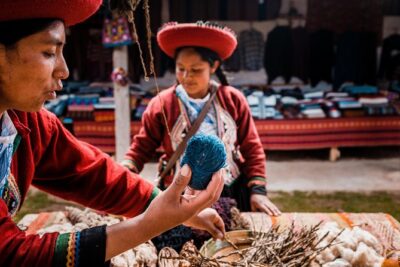
2-Day Tour: Sacred Valley and Machu Picchu by Train
Read our review →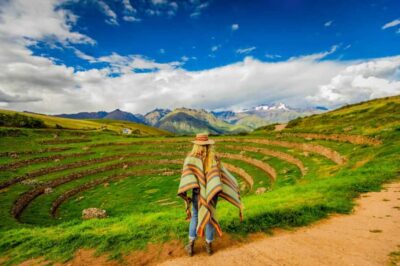
Sacred Valley, Pisac, Ollantaytambo, Salt Mines Moray
Read our review →
Chinchero,Moray & Salt Mines drop-off in Ollantaytambo
Read our review →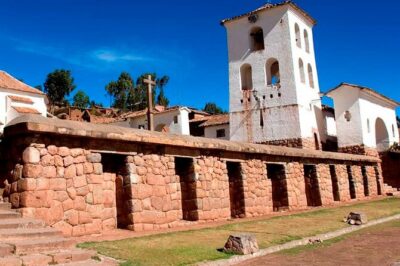
Sacred Valley and Maras Moray Tour with Full Day Buffet Lunch
Read our review →