
Reviewed · COLCA CANYON AND AREQUIPA TOURS
Adventure Day in Arequipa: Pillones Waterfall + Rock Forest
Peru’s strangest scenery lies beyond Arequipa. This 11-hour trip combines Pillones Waterfall, the Puruña Rock Forest, high-altitude volcano views, and a chance to see wild vicuñas in Salinas and Aguada Blanca National Reserve. I especially like the contrast between the rushing falls and the eerie stone shapes, plus the guides’ personal care. Cristina, Mario, Roberto, Sophia, and other guides have earned praise for clear explanations, translation, and helping with photographs. The main drawback is the long ride in a small van, with some road stretches lasting close to two hours.
At $27 per person, this is a strong-value day if you want dramatic scenery without arranging separate transport. You should still prepare for two short walks above 4,000 meters, a long day, extra entrance fees, and food costs. The advertised schedule can also feel optimistic: plan on about 11 hours, with a return to Arequipa at roughly 5 p.m.
In This Review
- Key points to know before you go
- Why this day trip works so well from Arequipa
- From Yura to Pampa de Arrieros
- Salinas and Aguada Blanca National Reserve
- Pillones Waterfall and the careful walk down
- Puruña Rock Forest, stone shapes with no two views alike
- The wildlife and volcano views are part of the value
- Food, entrance fees, and the real $27 cost
- Guides can make or break a long mountain day
- Who should book this 11-hour outing?
- Should you book Pillones Waterfall and the Rock Forest?
- FAQ
- How long does the Pillones Waterfall and Rock Forest tour last?
- How much does the experience cost?
- What does the tour price include?
- Where is pickup available?
- Are meals included?
- Can I cancel the booking for a refund?
Key points to know before you go
- Pillones Waterfall requires a careful descent: You can walk down toward the water and see rocks carved by erosion, but the route needs care.
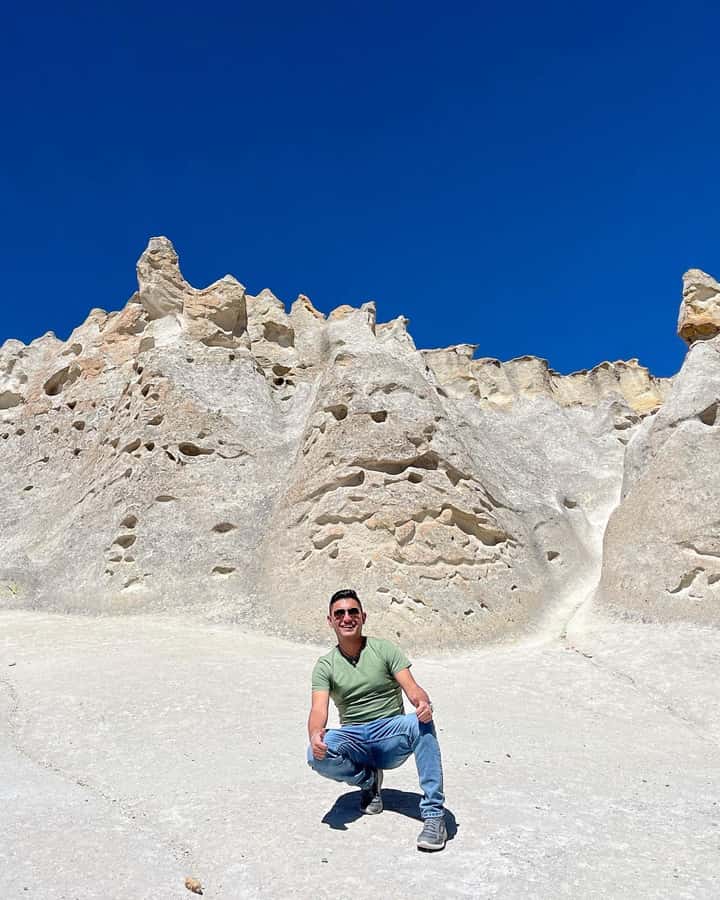
- The Puruña Rock Forest feels like another planet: Strange stone formations make this one of the most unusual stops near Arequipa.
- Vicuñas appear in their natural setting: The reserve also offers chances to see llamas, guanacos, vizcachas, and volcanoes.
- Altitude is part of the day: Two short hikes reach above 4,000 meters, so take the acclimatization stop seriously.
- The guides are a major strength: Cristina received especially warm praise for translation, photos, and keeping people involved.
- Bring sun protection and budget for extras: Entrance costs S/12, meals are not included, and sun cream is more useful than the anti-mosquito product sold during the stop.
Why this day trip works so well from Arequipa
Arequipa is famous for its white volcanic-stone buildings and views of El Misti, but the city only gives you one angle on southern Peru’s high country. This outing takes you along the road toward Yura and then across a much broader setting of volcanoes, open reserve land, stone formations, and cold mountain water.
I like the way the trip gives you several kinds of scenery in one day. You are not spending 11 hours driving to one attraction, then turning around. The route builds gradually: first the road and volcanoes, then wildlife in the reserve, then the waterfall, and finally the rock forest.
That variety matters because the main stops are not large, polished attractions. Their appeal comes from scale, weather, silence, and unusual natural shapes. You will get the most from the day if you enjoy looking closely, taking photographs, and accepting that the road between sights is part of the experience.
More Colca Canyon trips:
- 2 day 1 night trek / Colca Canyon
★ 5.0 · 1,069 reviews - From Arequipa: Colca Canyon Full-Day Guided Tour with Meals
★ 4.5 · 982 reviews - Tour to the Salinas Lagoon and National Reserve in Arequipa
★ 4.5 · 548 reviews
From Yura to Pampa de Arrieros
Pickup is offered from hotels in Arequipa’s historic center. If you stay outside the central area, the meeting point is in front of the main door of the Cathedral. The early departure begins along the highway to Yura, with the Chachani Volcano helping set the tone for the day.
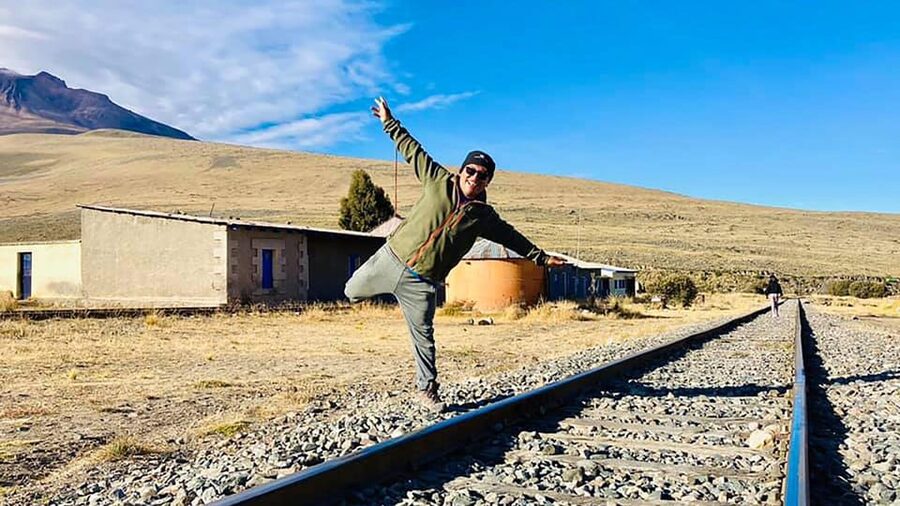
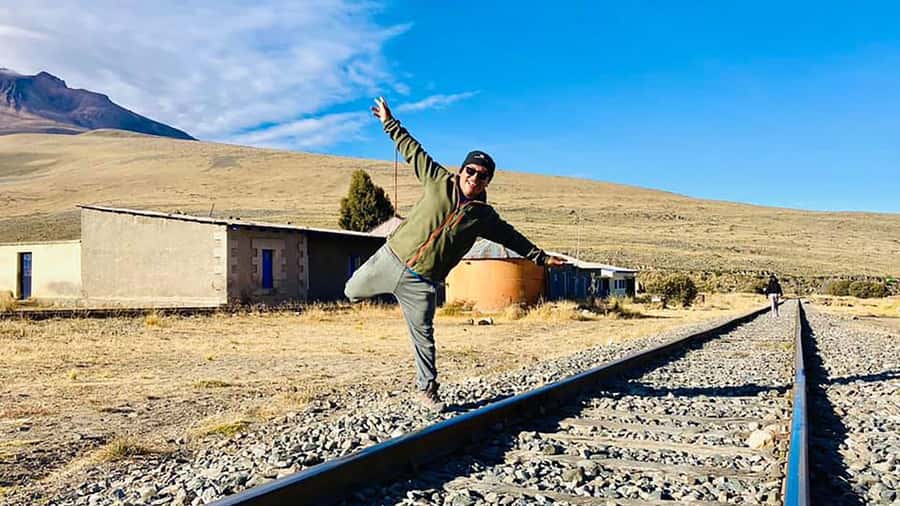
The first notable stop is Pampa de Arrieros, a former gateway for people moving through the region during the railway era. Today it is described as a ghost town, which gives the stop a spare, abandoned feel rather than the polished look of a conventional sightseeing site.
Do not expect a long visit here. It is a short historical pause on the way into the high country. Still, I find it useful because it gives the road some human context. The empty settlement hints at how important this route once was before modern road travel changed the rhythm of the region.
The vehicle is practical rather than luxurious. One guide described the small van as uncomfortable on the longer stretches, and that is worth taking seriously. Roads in the area add to the challenge. If you are sensitive to cramped seating or motion, sit where you can see ahead and bring water, layers, and anything you normally use for a long mountain ride.
Salinas and Aguada Blanca National Reserve
The route then enters the Salinas and Aguada Blanca National Reserve, a huge protected area known for high plains, volcano views, rock formations, and native wildlife. The scenery becomes much more open here. You are looking across broad stretches of mountain country rather than at a single landmark.
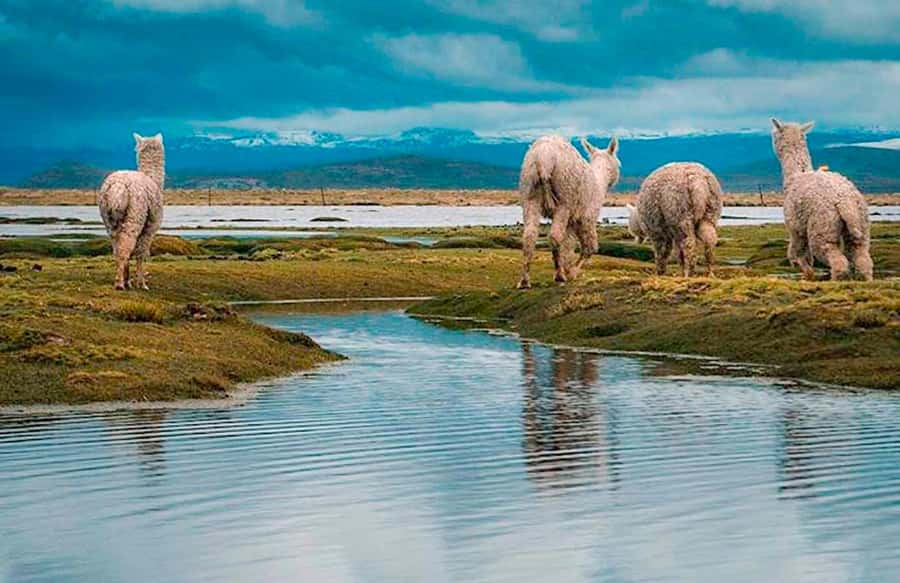
Several stops are made inside the reserve. These pauses are valuable because they let you get out, stretch, take photographs, and look for South American camelids. Vicuñas are the star, and you may also see llamas and guanacos. The animals are part of the reserve itself, not a staged encounter.
This is also where altitude begins to shape the day. The tour includes a snack and an acclimatization stop before continuing along the Arequipa to Puno highway. That pause is not filler. At elevations above 4,000 meters, even a short walk can feel harder than expected, especially if you have only recently arrived in Arequipa.
Your guides can offer practical advice about altitude sickness. Cristina received repeated praise for explaining carefully and watching out for everyone, while Roberto was noted for translating into English for a passenger who needed it. The quality of the guide matters here because a good explanation helps you recognize when to slow down instead of treating breathlessness as a test of toughness.
Bring sun cream. The light at altitude can be strong even when the air feels cool. One useful piece of advice from the experience is to skip the expensive anti-mosquito product sold during the shop stop. Sun protection is the item you are more likely to need.
Pillones Waterfall and the careful walk down
After the acclimatization stop, the vehicle follows the Arequipa to Puno highway before taking a detour to Pillones Waterfall. The approach is part of the fun, since the falls arrive after long stretches of high-country scenery rather than beside a busy urban road.
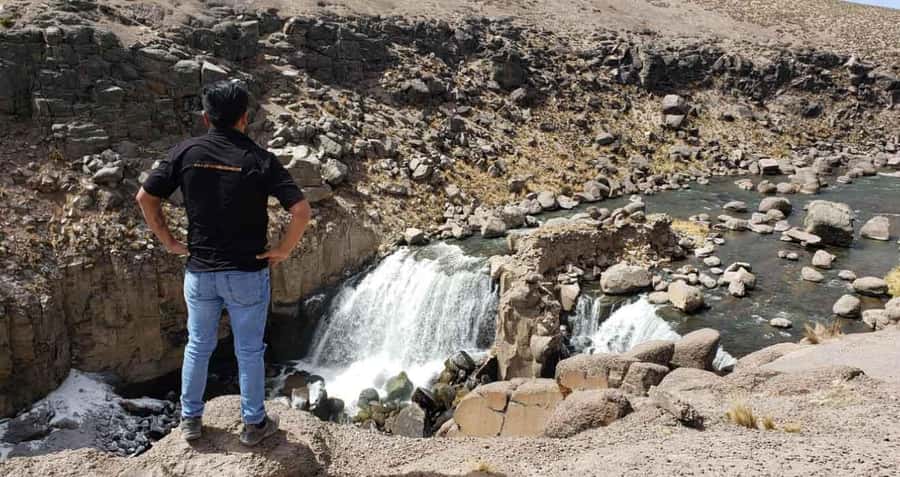
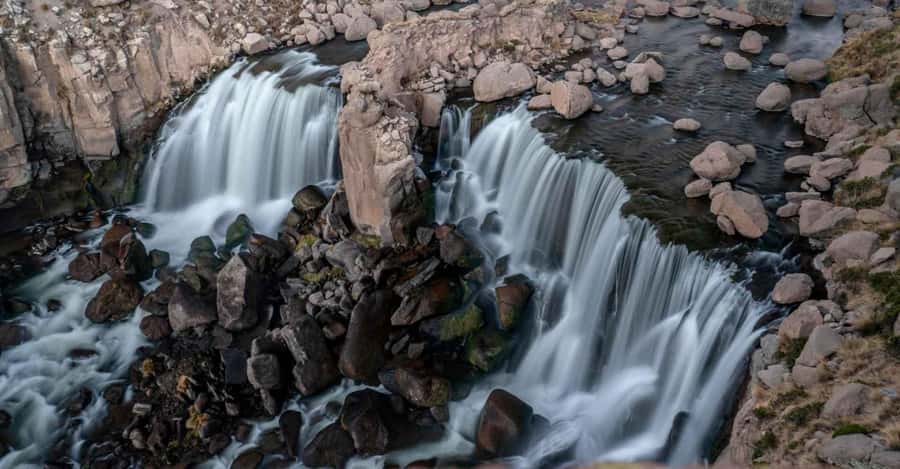
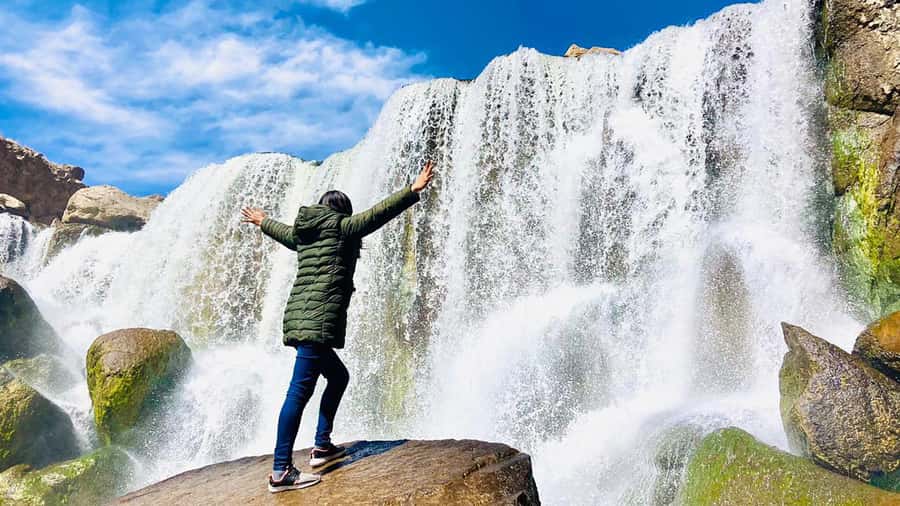
Pillones is impressive because water has shaped the surrounding rock into rounded and irregular forms. The waterfall itself is not just a distant viewpoint. You can descend toward it, spend time near the water, and take photographs from below.
That descent deserves caution. The route is one of the short hikes above 4,000 meters, and the rocks can make footing uncertain. Go slowly, use the guide’s advice, and do not feel pressured to reach the lowest possible point. The best photograph is not worth a slip.
Near the rocks, you may spot vizcachas jumping between ledges. These Andean rodents are quick and easy to miss, so pause between photographs and watch the rock faces. Their movement adds life to a place that might otherwise seem entirely shaped by water and stone.
The timing also has a pleasant rhythm. The description of the day places the waterfall visit in the morning, when you can enjoy the sound of the water and the cooler conditions before returning toward Arequipa. The stop allows time for photographs rather than forcing a quick look from the vehicle.
I would bring sturdy shoes with a good grip, though the supplied details do not promise a particular level of trail construction. Wear layers as well. The reserve can feel cold, while walking and direct sun can make you warm within minutes.
More things to do in Arequipa:
- From Arequipa: Sillar Route Trek
★ 4.2 · 461 reviews - Colca Full Day Tour
★ 4.5 · 429 reviews - Rafting Arequipa – Chili River Canoeing – Cusipata Rafting Arequipa
★ 5.0 · 332 reviews - Arequipa: Chili River White Water Rafting with Hotel Pickup
★ 4.8 · 329 reviews
Puruña Rock Forest, stone shapes with no two views alike
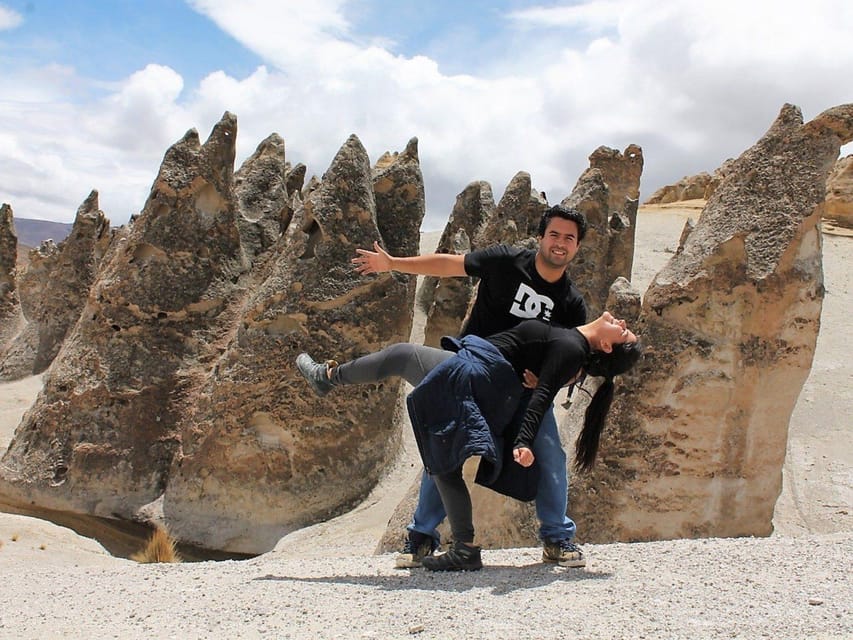
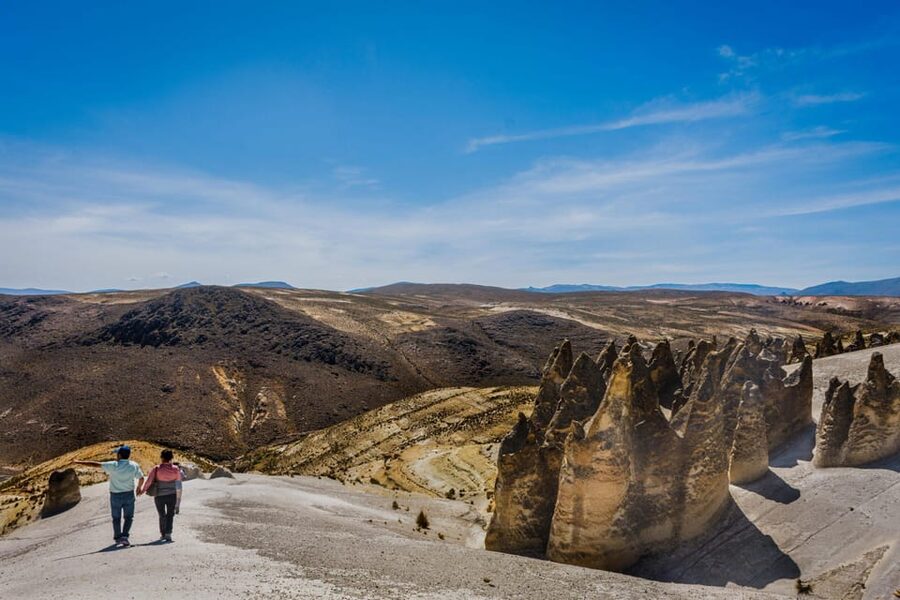
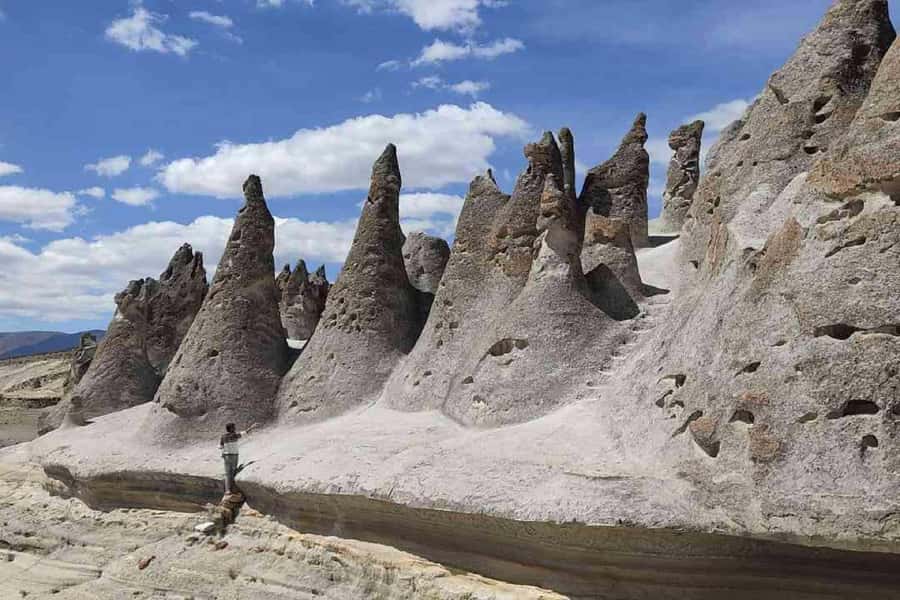
The next major stop is the entrance to the Puruña Stone Forest. The name suggests trees, but the forest is made of rock formations shaped by erosion and weather. Their forms can look like figures, towers, animals, or strange buildings, depending on where you stand.
This is the most imaginative part of the outing. At Pillones, nature gives you movement and sound. At Puruña, the interest comes from shape and shadow. I like that the stop rewards curiosity rather than a fixed viewpoint. You can walk, look around, and decide what each formation resembles.
The rock forest also gives the guide room to add useful interpretation. A good guide can explain how erosion created the formations while still allowing you to enjoy the slightly mysterious atmosphere. Sophia was praised for speaking excellent English and helping an English-speaking passenger get more from the visit.
Expect another short walk at high elevation. You do not need to race through the formations, and you should keep your pace easy. The combination of thin air, uneven ground, and photography can make a supposedly simple route take longer than expected.
The two main attractions also balance each other well. If waterfall photographs are your priority, Pillones gives you water, rock, and moving subjects such as vizcachas. If you prefer unusual geology, Puruña may be the highlight. Neither stop feels like a quick roadside photo only, although the full schedule can feel long for anyone who wants a fast sightseeing day.
The wildlife and volcano views are part of the value
It would be a mistake to judge this outing only by its two named attractions. Some of the best moments may come between stops, when the vehicle pauses for a volcano view or when a vicuña appears across the reserve.
The views from the high country differ from the volcano scenes you see within Arequipa. From the city, mountains frame an urban setting. Here, the volcanoes are part of an open, remote setting, with rock and plain stretching around them. That change in perspective is one of the strongest reasons to take the trip.
Wildlife sightings cannot be guaranteed, but the route specifically includes several stops to look for vicuñas, llamas, and guanacos. Vicuñas are particularly important to the character of the reserve because they remain wild animals rather than domestic livestock. Keep your distance and let the guide help you spot them.
The reserve also helps explain why this is more than a waterfall excursion. You are seeing a high-altitude ecosystem, with plants and animals adapted to difficult conditions. Even if you are not a serious nature enthusiast, the animals and huge views break up the driving and give the day a stronger sense of place.
Food, entrance fees, and the real $27 cost
The advertised price is $27 per person, which covers tourist transport, pickup in central Arequipa, a professional guide, and ongoing assistance. For a full day covering distant natural sites, that is very good value.
The price does not cover the entrance ticket, listed as S/12, or meals that are not mentioned as included. You should carry cash in Peruvian soles for the ticket and bring money for food. A meal stop is part of the day, and one account praised the food at the plateau, but it was paid for separately.
There is also a shop stop along the route. Be careful with impulse purchases there. One useful warning is that some prices can be much higher than expected, particularly for products promoted as useful for the trip. Buy sun cream before departure if you need it, and pack snacks if you prefer not to rely on the available stop.
The value is strongest for visitors who would otherwise need to hire a private vehicle or arrange separate transport to both Pillones and Puruña. The tradeoff is comfort and control. You pay little, but you share the vehicle, follow a fixed route, and spend a large part of the day on the road.
Guides can make or break a long mountain day
The most praised part of this experience is the guiding. Cristina received especially strong comments for her detailed explanations, translation, photo help, humor, and attention to individual needs. Mario was described as helpful, and Roberto translated into English throughout the day for someone in his group. Sophia also helped an English-speaking passenger get more from the sights.
Those details matter because this is not a simple hop-on, hop-off excursion. You need someone to explain the reserve, keep the group moving, help with altitude concerns, and make the strange rock formations meaningful.
The guide can also reduce the language barrier. English support depends on the assigned guide, so you should not assume every departure will operate in exactly the same language mix. Still, the guide team has shown a clear ability to translate and keep people included.
There is one area where expectations should stay modest: transport. The driver and road conditions can affect comfort, and one account suggested that the driving could use improvement. The scenery helps, but you should not book this expecting a plush coach or a relaxed private ride.
Who should book this 11-hour outing?
I would choose this day trip if you want a lot of scenery for a low price and are happy to trade comfort for access. It suits people who enjoy short hikes, unusual rock formations, wildlife sightings, and wide mountain views.
It is also a smart choice if you have limited time in Arequipa but want to see more than the city center. The route combines several places that would be awkward to reach without transport, and the guide adds useful context along the way.
You should think twice if you have a tight evening schedule. Although some descriptions have suggested a shorter day, you should plan around 11 hours and a return near 5 p.m. Delays on mountain roads or a slower group can affect the timing.
This is not the best fit if you want a gentle, short excursion. The hikes are brief, but altitude makes them physically demanding. One person described the day as requiring good physical activity, and that is fair advice. You can take it slowly, but you cannot remove the elevation or the long ride.
Free cancellation is available up to 24 hours before departure, and you can reserve without paying immediately. Those terms are useful if your Arequipa plans are still shifting, but the bigger booking decision is your tolerance for altitude, van travel, and a full day outside the city.
Should you book Pillones Waterfall and the Rock Forest?
Book it if you want striking nature, wildlife, and strong guiding at $27. Pillones gives you water and eroded stone, Puruña gives you unusual formations, and the reserve adds vicuñas and volcano views that make the long ride worthwhile.
I would be less enthusiastic only if you dislike small vans, need a firm short schedule, or are not ready for walks above 4,000 meters. For everyone else, pack sun cream, sturdy shoes, water, layers, and extra soles for the entrance fee and food. With realistic expectations about comfort and timing, this is one of the better low-cost ways to see Arequipa’s high country.
FAQ
How long does the Pillones Waterfall and Rock Forest tour last?
The tour lasts about 11 hours. The expected return to Arequipa is approximately 5 p.m., though you should allow the full stated duration.
How much does the experience cost?
The listed price is $27 per person. The S/12 entrance ticket and meals are not included.
What does the tour price include?
The price includes tourist transport, pickup from a hotel in Arequipa’s historic center, a professional guide, and ongoing assistance.
Where is pickup available?
Pickup is included from hotels in the historic center of Arequipa. If you are staying farther away, the meeting point is in front of the main door of the Cathedral.
Are meals included?
No. Meals are not included. A food stop is made during the day, and you should pay separately for any meal or snack you buy.
Can I cancel the booking for a refund?
Yes. You can cancel up to 24 hours in advance for a full refund. You can also reserve now and pay later.
Just added in Arequipa
- Sillar Route★ 5.0 · 4 reviews
- Salinas Lagoon + Mini Volcano DE Lojen★ 5.0 · 9 reviews
- 3-Day Colca Canyon trek with Professional Guide★ 5.0 · 40 reviews
- Full Day Tour To The Salt Lake Salinas in Arequipa★ 4.5 · 34 reviews
- Walking City tour including the Monastery of Santa Catalina★ 5.0 · 6 reviews
- Trekking, Waterfalls and Thermal Baths★ 4.5 · 47 reviews
- Downhill Tour – Mountain Bike in Arequipa★ 3.5 · 5 reviews
- 2 Days 1 Night trekking Through Colca Canyon, Private room★ 5.0 · 16 reviews
Colca Canyon and Arequipa Tours, compared.
From Arequipa: Colca Canyon Full-Day Guided Tour with Meals
Read our review →
Tour to the Salinas Lagoon and National Reserve in Arequipa
Read our review →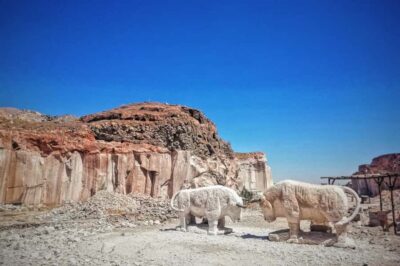
Rafting Arequipa – Chili River Canoeing – Cusipata Rafting Arequipa
Read our review →
Chili River White Water Rafting with Hotel Pickup
Read our review →
Browse the lists this tour appears in