Reviewed · CUSCO TOURS
Andean Overnight
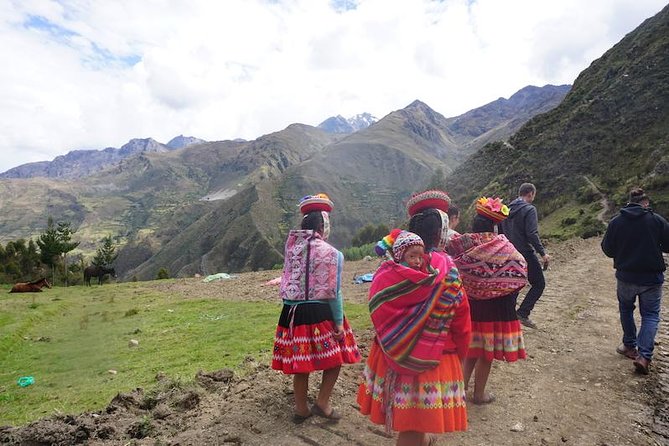
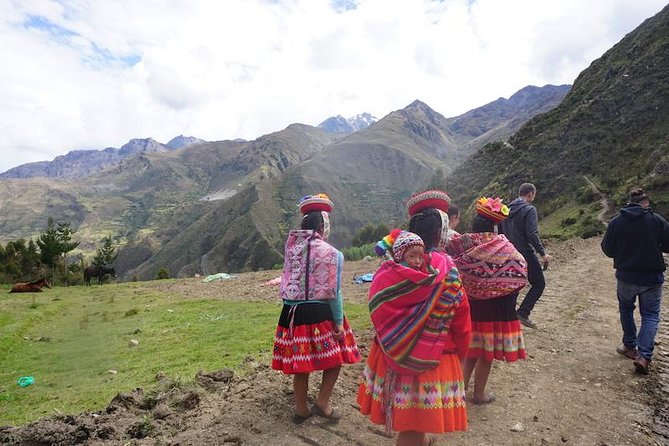
Come for the mountains, stay for the people. The Andean Overnight takes you from Ollantaytambo into the Patacancha Valley, where Quechua artisan families teach traditional spinning, natural dyeing, and backstrap weaving. I especially like the hands-on bracelet lesson and the chance to eat home-cooked Andean food with the people who prepare it. The small private textile market also gives you a direct way to support the cooperative.
The main caution is altitude. Some village stays reach about 3,800 meters, and the longer optional hikes climb higher. The homestay is comfortable but simple, with cold evenings, uneven ground, and limited phone service. If you arrive without time to adjust to the altitude, you may find the first day harder than expected.
In This Review
- Key Details Before You Go
- From Ollantaytambo to the Patacancha Valley
- Learning to Spin, Dye, and Weave
- A Home-Cooked Lunch in the Village
- Pick a Hike That Fits Your Body
- The Homestay: Simple, Warm, and Cold at Night
- Morning Breakfast and a Pachamanca Feast
- What the $254 Price Gets You
- Who Will Enjoy This Most
- Practical Packing Advice for This High-Altitude Stay
- Should You Book the Andean Overnight?
- FAQ
- Where does the Andean Overnight begin?
- Is transportation from Cusco included?
- What meals are included?
- Where do I sleep?
- Do I need hiking boots?
- Can the hike be shortened or modified?
- Is the tour suitable for people with dietary restrictions?
- Can I extend the overnight stay?
Key Details Before You Go
- You sleep in a private bedroom at a rural homestay: The room is simple, but blankets, electricity, running water, and a flushing toilet are available in the village accommodations described.
- You learn textiles from the makers themselves: Try spinning wool with a drop spindle, then make a bracelet or hat band on a backstrap loom with help from an artisan.
- You choose your activity level: A longer hike can lead toward a glacial lake or alpaca herding grounds, while gentler options include a village walk or extra weaving time.
- You eat a traditional Pachamanca meal: Meat, potatoes, sweet potatoes, fava beans, and other foods are slow-roasted among hot stones in an Earth Oven.
- Transportation begins in Ollantaytambo: The tour includes round-trip transport from the meeting point in the Plaza de Armas, but not your journey from Cusco.
- The group can be as large as 16 people: The experience is offered in English with an English-speaking guide and interpreter support.
From Ollantaytambo to the Patacancha Valley
The tour begins at 9:00 a.m. in La Esquinaplaza de Armas in Ollantaytambo. That starting point matters. You are responsible for reaching Ollantaytambo yourself, and the package does not include pickup from Cusco, another city, or a train station.
If you need help arranging the Cusco to Ollantaytambo connection, Awamaki can be contacted by email. Sort this out before booking, especially if you are connecting from a morning train or trying to fit the overnight between other fixed plans.
From Ollantaytambo, round-trip transportation to the community is included. The trip carries you into high Andean villages above the Sacred Valley, where the focus shifts from famous archaeological sites to daily life in mountain communities.
The setting is beautiful but not polished for tourism. You should expect uneven paths, mud in wet weather, changing temperatures, and homes that are traditional rather than hotel-like. That is exactly what gives the experience its value, but it also means you should pack for the conditions instead of expecting resort comfort.
More things to do in Cusco:
- Classic Inca Trail Trek 4D/3N to Machu Picchu (Group Service)
★ 5.0 · 8,653 reviews - Cusco: Rainbow Mountain and Red Valley Day Trip with Meals
★ 4.9 · 4,893 reviews - Machu Picchu: 4-Day Inca Trail Trek with Panoramic Train Ride
★ 5.0 · 4,568 reviews
Learning to Spin, Dye, and Weave
Your first major activity is a meeting with artisan leaders from the local textile cooperative. The women explain the full process behind their work, including spinning wool, preparing natural dyes, and weaving on a backstrap loom.
This is more than a quick demonstration. You get to try spinning with a drop spindle and make a small bracelet with an artisan’s help. The task looks easy until you try to keep the threads even and maintain the pattern. A simple bracelet gives you a better sense of the patience and labor behind the larger textiles sold in the village.
The natural dyes are especially interesting because local plants can serve more than one purpose. The same mountain plants used to color yarn may also have medicinal uses, and a village walk can include explanations of those traditional remedies.
Guides and interpreters make a major difference here. Gabriella is praised for her patience and friendly coordination, while Mario and Juan are also specifically noted for helping with translation and conversation. The guide’s role is not only to translate words. It helps you ask questions, follow village customs, and take part without turning the visit into a staged performance.
You should expect some language limits within the community. Some residents speak little or no Spanish, and English is not widely spoken among the artisans. The guide helps bridge that gap, but a smile, patience, and willingness to learn a few simple gestures will make the exchange more comfortable for everyone.
A Home-Cooked Lunch in the Village
Lunch on the first day is served in an artisan’s home. The meal includes soup or salad and a main course, with food prepared in the local style.
The cooking is straightforward and filling. Potatoes, beans, and other native Andean ingredients may come directly from the valley. Later meals include a traditional dinner with an appetizer or soup, a main course, and native Andean herbal tea.
I like this part because the meal is tied to the place you are visiting. You are not simply being shown a village and then sent back to a restaurant in town. You sit down in a family home and share food prepared by people who live there.
Dietary restrictions can usually be accommodated, but you need to list them in the special instructions section when booking. Awamaki says it can handle nearly all dietary restrictions, though you will be contacted if a request cannot be met.
Bring snacks of your own, especially chocolate or other sweet foods for the cold. Bottled water, snacks, coffee, and tea are included, but a refillable water bottle is still recommended.
Pick a Hike That Fits Your Body
The afternoon allows some choice. You may hike toward a glacial lake, walk to alpaca herding grounds, or take a gentler route through the village. You can also spend more time learning to weave.
This flexibility is important because the tour takes place at high altitude. A longer hike may be changed to suit health needs, but the outing still includes walking over uneven ground. One route described by a family took about two and a half hours each way to reach a sacred lake at more than 14,000 feet.
That kind of hike is not a casual stroll. It can involve a steep climb, thin air, and exposed mountain paths. A family member who stayed behind had more time for weaving and conversation, which is a sensible choice if your breathing, knees, or altitude adjustment are not keeping pace.
You should arrive with sturdy hiking boots or solid shoes that can handle mud. Pack warm layers and rain layers, since the weather can shift quickly. High UV exposure is also a concern, even when the air feels cold.
The gentler alternatives are not consolation prizes. A village walk can include medicinal plants, local homes, fields, and alpacas. Extra weaving time lets you spend longer with the artisans and understand their work at a slower pace.
A completely different kind of day:
- Salkantay Classic Trek 5 Days from Cusco
★ 5.0 · 4,062 reviews - 4-Day Salkantay Trek with Sky Camp Stay
★ 5.0 · 3,346 reviews - Short Inca Trail to Machu Picchu 2D/1N
★ 5.0 · 3,007 reviews - Excursion to Rainbow Mountain Full Day Optional Red Valley
★ 5.0 · 2,996 reviews
The Homestay: Simple, Warm, and Cold at Night
In the evening, you return to a rustic homestay and share dinner with your host family. The accommodation includes a private bedroom for members of your group.
The rooms are basic but adequate. Electricity is available, and the bedrooms have plenty of blankets. Running water may be outside the main house, and mobile service may not be available. There is a flushing toilet in the accommodations described.
The cold is the detail you should take seriously. Homes are not heated, and the temperature drops sharply after sunset. A sleeping bag is optional but recommended if you own one. Spare shoes are also useful if your walking shoes become wet or muddy.
The tradeoff is clear. You give up hotel conveniences, but you gain a quiet evening with a host family and a closer look at rural Andean life. Some people may find the cold and basic setup uncomfortable. Others may sleep better here than in a busy town because the night is quiet and the pace slows down.
Morning Breakfast and a Pachamanca Feast
Day two begins with a hot breakfast shared with the host family. Breakfast is traditional rather than tailored to familiar hotel habits, so you may encounter hearty Andean foods and simple preparations.
The main meal is a Pachamanca lunch, one of the most memorable parts of the program. Food is cooked slowly in an Earth Oven among heated stones. Meat, potatoes, sweet potatoes, fava beans, and other local foods are placed into the oven and allowed to roast together.
The meal is both practical and ceremonial. It connects the food to the soil, the community, and the work required to grow and prepare it. You may find the portions generous and the selection different from what you would eat in Cusco restaurants.
After lunch, the artisans hold a private textile market for the group. The selection can include bracelets, purses, hats, scarves, bags, and larger tablecloths. Prices range from small inexpensive items to more substantial handmade pieces.
There is no pressure to buy, which is important. Still, bring small bills in Peruvian soles if you want to purchase something. Since you have already seen the spinning, dyeing, and weaving process, the textiles carry more meaning than a souvenir picked up from a standard market.
What the $254 Price Gets You
At $254 per person, this is not the cheapest way to spend two days near Cusco. But the price includes much more than transport and a guided walk.
You receive round-trip transport from Ollantaytambo, an English-speaking guide, meals from the first-day lunch through the second-day lunch, a private homestay, bottled water, tea and coffee, snacks, a weaving lesson, and access to the private cooperative market.
The strongest value is the direct connection with the community. Your fee supports a nonprofit program that works with textile cooperatives as they develop more independence as local tour providers. That makes the purchase of a textile and the cost of the visit part of a wider community-based model.
The experience also avoids the awkward feeling that can come from entering a village only to watch people work. You are given a clear role: learn, listen, try the craft, share meals, and participate at a level that suits your health.
The price makes less sense if you want a standard sightseeing tour with constant comfort, private hotel rooms, and tightly controlled timing. It makes much more sense if you value small-scale cultural contact, local meals, and an overnight stay that supports the people hosting you.
Who Will Enjoy This Most
I would recommend the Andean Overnight to anyone who wants a meaningful break from the standard Cusco circuit. It suits families, couples, solo visitors, and small groups who are comfortable with simple accommodations and a flexible schedule.
It is particularly good for anyone interested in textiles, traditional food, rural life, or community-led tourism. Children can take part in the bracelet lesson and village activities, but parents should decide in advance if the altitude and optional hikes fit their abilities.
You should think twice if you dislike cold rooms, uneven walking surfaces, limited phone service, or meals outside your usual routine. The tour can adjust the hiking, but it cannot turn a remote highland homestay into a city hotel.
Allow time to adjust to altitude before coming here if possible. A headache and other altitude symptoms can spoil an otherwise wonderful stay. If you are unsure about the longer hike, choose the village walk or additional weaving lesson.
The group maximum is 16 people. That is small enough to keep the activities personal in most cases, although the feel may change depending on the final group size.
Practical Packing Advice for This High-Altitude Stay
Bring sturdy shoes with good grip, warm layers, and rain protection. Mud is possible, and a spare pair of shoes can be useful.
Pack a refillable water bottle, small bills in soles, personal snacks, sunscreen, and anything you need for cold nights. A sleeping bag is not required, but it is recommended.
Tell Awamaki about dietary needs when you book. You can also request an extended homestay or a custom trip by contacting [email protected]. Late departures around 11:00 a.m. or early returns by 1:00 p.m. may sometimes be arranged, but you need to request this in the special instructions section.
The experience is non-refundable and cannot be changed after booking, so confirm your Cusco and Ollantaytambo plans first. Service animals are allowed, and most people can participate, provided they can manage the high-altitude walking or choose a modified route.
Should You Book the Andean Overnight?
Book it if you want to meet Quechua artisans in their own community, learn how a textile is made, eat a Pachamanca meal, and spend a night far from the usual tourist route. The strongest moments come from ordinary activities: making a clumsy bracelet, walking among potato fields, sharing tea, and listening through a translator as a host family explains its customs.
Skip it if you need predictable weather, heated rooms, strong phone service, or a fully accessible path. The Andean Overnight asks for patience and a little physical grit.
For the right person, the $254 cost buys more than two days of sightseeing. It buys time with a cooperative, a family meal, and a respectful look at a way of life that is still being practiced in the high Andes.
FAQ
Where does the Andean Overnight begin?
It begins at 9:00 a.m. at La Esquinaplaza de Armas in Ollantaytambo, Peru.
Is transportation from Cusco included?
No. Transportation from Cusco or another city to Ollantaytambo is not included. Awamaki can help arrange transportation from Cusco if you contact the organization.
What meals are included?
The tour includes a typical Andean lunch and dinner on Day 1, breakfast on Day 2, and a traditional Pachamanca lunch. Coffee, tea, bottled water, and snacks are also included.
Where do I sleep?
You stay in a private bedroom at a rustic homestay with members of your traveling group and a host family.
Do I need hiking boots?
Sturdy shoes or hiking boots are recommended because the paths can be uneven and muddy.
Can the hike be shortened or modified?
Yes. The longer walk can be modified for health needs. Gentler choices include a village walk or additional weaving lessons.
Is the tour suitable for people with dietary restrictions?
Awamaki says it can accommodate nearly all dietary restrictions. Add your needs to the special instructions section when booking.
Can I extend the overnight stay?
Yes. Extended homestays and custom trips may be arranged by contacting Awamaki at [email protected].
Just added in Cusco
- Cusco Private Transportation for 2026★ 5.0 · 4 reviews
- Private Transfer from Airport to Hotel in the City of Cusco★ 4.0 · 5 reviews
- Best Cusco walking tour: dinner street food tasting★ 4.5 · 11 reviews
- Private Tour to Pisac Market and Pisac Ruins★ 5.0 · 4 reviews
- Machu Picchu Day Trip With Panoramic Train from Cusco★ 5.0 · 10 reviews
- Private Tour of the Mountain of Colours by Quad★ 5.0 · 7 reviews
- Sacred Valley Private Tour from Cusco, Guide and Driver only★ 5.0 · 4 reviews
- Sacred Valley of the Incas Tour★ 5.0 · 12 reviews
Cusco Tours, compared.
Classic Inca Trail Trek 4D/3N to Machu Picchu (Group Service)
Read our review →
Rainbow Mountain and Red Valley Day Trip with Meals
Read our review →

Excursion to Rainbow Mountain Full Day Optional Red Valley
Read our review →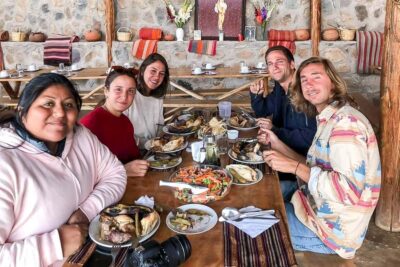
Humantay Lake Tour with Breakfast and Buffet Lunch
Read our review →