Reviewed · CUSCO TOURS
Andean Wedding Ceremony and Vowel Renewal Love’s Celebration
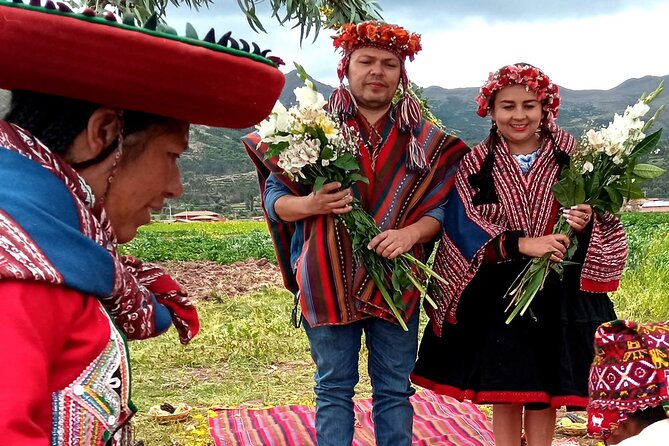
Love gets a mountain setting here. This private ceremony combines Q’eros Andean maestros, music, and a Pachamama offering with a personal celebration for two. I like the warm, hands-on care from guides Laura and Ruty, and I like that the ceremony ends with a local lunch shared with the community. One thing to consider: this is a spiritual love ceremony, not a conventional church-style wedding, so it suits couples seeking cultural meaning more than formal legal paperwork.
The four-hour outing begins with pickup in Cusco at 8:00 a.m. and continues to an Andean community in the Sacred Valley, about an hour away. English translation is included, along with private transportation, ceremonial materials, champagne, dancing, a small wedding gift, and lunch. The main drawback is that the published schedule is fairly brief, so couples hoping for a large wedding with many additional invitees will need a customized arrangement.
In This Review
- Key Points
- Leaving Cusco for the Sacred Valley
- Arriving at the Decorated Ceremony Site
- The Andean Offering to Pachamama
- Prayers, Vows, and the Burning of the Offering
- Music, Champagne, Dancing, and a Small Gift
- Lunch With the Andean Community
- What $468 Per Person Really Buys
- Who Will Appreciate This Ceremony Most
- Practical Details Before You Book
- Should You Book the Andean Wedding Ceremony?
- FAQ
- Where does the Andean wedding ceremony take place?
- What time does pickup begin?
- How long does the experience last?
- Is transportation included?
- Is the ceremony private?
- Who performs the ceremony?
- Is English translation provided?
- Is lunch included?
- Can unmarried couples take part?
- Can additional people attend?
- What is the cancellation policy?
Key Points
- Q’eros maestros lead the ceremony: A male and female Andean shaman may guide the ritual in Quechua, with translation into English.
- Pachamama receives the offering: The ceremony includes a gift to Mother Earth, prayers, and the burning of the offering.
- The setting is part of the experience: The decorated ceremony site sits near a lake in the Sacred Valley, with mountains around it.
- You celebrate with the community: A local lunch follows the ceremony, giving you time to eat, dance, and learn about local life.
- It is private for your group: You do not share the ceremony with an unrelated tour party.
- The price covers more than transport: At $468 per person, the cost includes the ceremony, music, translation, lunch, champagne, and private transfers.
Leaving Cusco for the Sacred Valley
Pickup starts at 8:00 a.m. from your hotel or the airport. From there, private transportation takes you toward the ceremony location in an Andean community roughly one hour from Cusco.
That private ride matters. You are not trying to conduct a meaningful ceremony while keeping up with a large sightseeing group or waiting for strangers at several hotels. The couple can use the drive to settle in, ask questions, and prepare for a morning that is more emotional than a normal day tour.
The experience lasts about four hours, including transportation, the ceremony, lunch, and celebration. That makes it easy to fit into a Cusco stay, though you should avoid scheduling another important activity too tightly afterward. Ceremonies rarely run like train timetables, and this one is designed around people and ritual rather than a strict sightseeing clock.
Pickup from the airport is offered, which can be useful if your arrival lines up with the 8:00 a.m. start. Still, confirm the timing carefully before booking flights or adding the airport pickup to your plan. The information provided does not specify how much time is allowed for an airport arrival.
More things to do in Cusco:
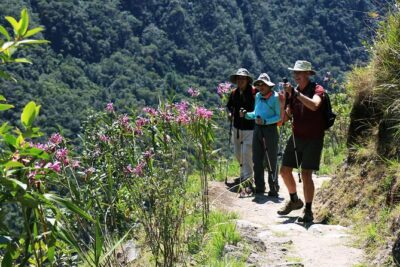
- Classic Inca Trail Trek 4D/3N to Machu Picchu (Group Service)
★ 5.0 · 8,653 reviews - Cusco: Rainbow Mountain and Red Valley Day Trip with Meals
★ 4.9 · 4,893 reviews - Machu Picchu: 4-Day Inca Trail Trek with Panoramic Train Ride
★ 5.0 · 4,568 reviews
Arriving at the Decorated Ceremony Site
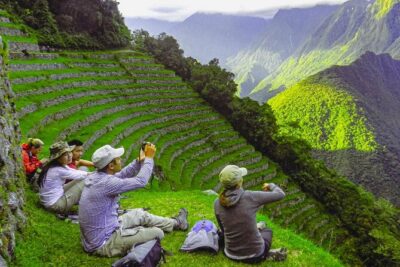
You arrive at a prepared setting decorated with flowers. Music is already part of the welcome, and the ceremony takes place near a lake with large Andean mountains around it.
This is not simply a room where someone reads vows. The location gives the ceremony a strong sense of place. Your relationship is being marked beside water, mountains, music, and an Andean community, rather than in a generic event venue.
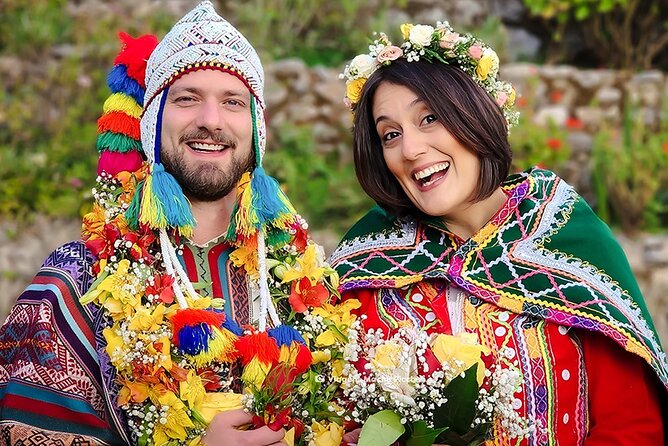
The details are intentionally ceremonial. Traditional attire may be included or arranged as part of the experience, and the music group helps create a sense of occasion from the moment you arrive. Couples who want photographs will find plenty of meaningful moments to capture, including the welcome, the offering, the dancing, and the champagne toast.
The setting is also the point where expectations matter. You are paying for cultural and spiritual participation, not a hotel wedding package with a long list of standard wedding services. The supplied information does not promise professional photography, flowers to take home, formal wedding documents, rings, or a large reception. Ask about any of those items before booking if they matter to you.
The Andean Offering to Pachamama
The ceremony begins with an offering to Pachamama, or Mother Earth. In Andean culture, this act expresses gratitude and asks for blessings, making it the heart of the experience rather than a decorative extra.
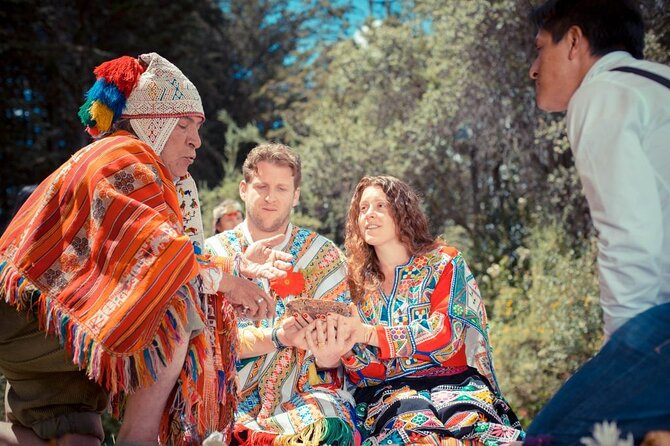
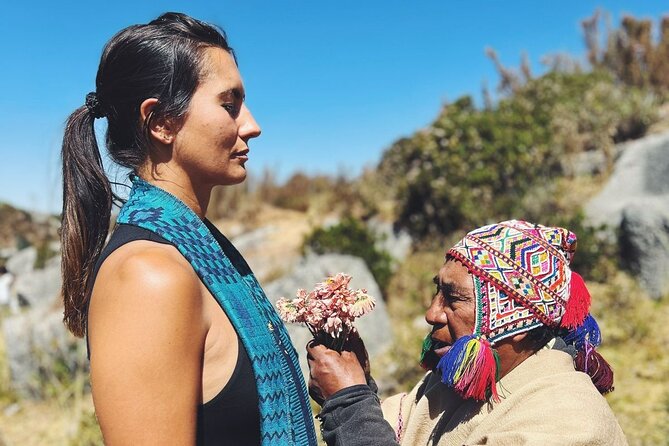
Two Andean maestros lead the ritual. The shamans may speak in Quechua, while an English-speaking translator and guide explain the meaning as the ceremony unfolds. This language support is important. Without it, a ritual can become a string of beautiful but unclear gestures. With translation, you can understand what you are being asked to do and why it matters.
The offering is also personal. You and your partner take part in the ceremony rather than simply watching a performance. One couple described adding personal elements to an offering shaped like a heart, while another highlighted the prayer for happiness and unity. Those details show how the ceremony can be adjusted around your relationship instead of delivered as a fixed show.
I especially like the presence of both a male and female shaman from the Q’eros community. It gives the ceremony a sense of balance and makes the role of the maestros central. The focus remains on the couple, but the ritual is rooted in a living cultural tradition.
You should approach this part with respect. It is not a theatrical reenactment of an ancient wedding. The ceremony draws on Andean spiritual practice, and your guide is there to help you participate thoughtfully. Couples who want a quiet, reflective moment will likely appreciate it. Couples looking mainly for entertainment may find the spiritual tone more serious than expected.
Prayers, Vows, and the Burning of the Offering
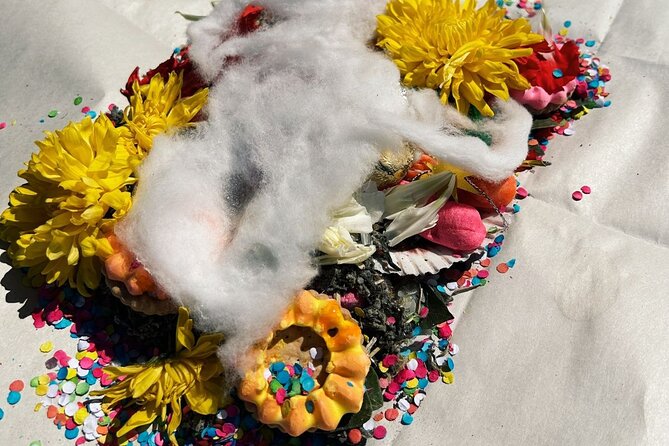
After the offering, the maestros give a special prayer for your happiness. The ceremony is intended both for couples who are not married and for married couples renewing their vows.
The wording of the vows is not fully described, so ask the operator how much of the ceremony is personalized. You may want to prepare a few words of your own, especially if you are renewing vows after many years together. The experience is designed to honor your bond, but the amount of personal speaking time should be confirmed before you arrive.
The ritual closes with the burning of the ceremonial offering. This act gives the ceremony a clear symbolic ending: your wishes and intentions are offered to Mother Earth. It is a powerful moment because you see the offering change and disappear rather than simply hearing a final blessing and moving on.
This closing ritual also helps explain why the experience can feel emotional. The day includes formal elements such as music, flowers, and champagne, but it also asks you to pause and express gratitude. Several couples described tears, laughter, and a strong sense of connection during the ceremony. That emotional response will not be identical for everyone, but the structure gives you room for it.
A completely different kind of day:
- Salkantay Classic Trek 5 Days from Cusco
★ 5.0 · 4,062 reviews - 4-Day Salkantay Trek with Sky Camp Stay
★ 5.0 · 3,346 reviews - Short Inca Trail to Machu Picchu 2D/1N
★ 5.0 · 3,007 reviews - Excursion to Rainbow Mountain Full Day Optional Red Valley
★ 5.0 · 2,996 reviews
Music, Champagne, Dancing, and a Small Gift
Once the spiritual portion ends, the mood becomes lighter. You celebrate with champagne, dance to live Andean music, and receive a small wedding gift from the organizers.
The dancing is not an afterthought. Music continues to shape the day, and the maestros themselves may join in. One especially memorable part of the experience is the contrast between the solemn offering and the relaxed celebration afterward. You can move from prayer to laughter without losing the connection between the two.
The champagne toast gives you a familiar wedding touch, while the music keeps the event tied to its Andean setting. This mix works well for couples who want something ceremonial without giving up the fun of a wedding celebration.
Photography is not listed as an included service, although Laura has taken photographs for couples during the experience. If photos are important, ask whether that can be arranged and what is included. Bring a phone or camera if you want your own record, but do not let photography take over the ceremony. The most meaningful moments may be brief and easy to miss while posing.
Lunch With the Andean Community
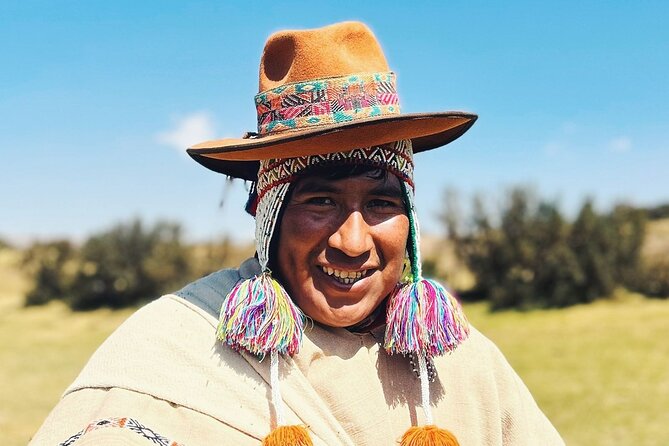
After the ceremony, you share a local celebratory lunch with the community. This is one of the strongest parts of the outing because it moves the experience beyond a private ritual and gives you time with the people who helped create it.
The lunch is included, and the food has been described as a highlight. You may also learn about local ways of life and how community members make things. There may be opportunities to purchase local items, although shopping is not listed as a formal part of the package.
This meal adds real value to the price. Without it, the day would be a private ceremony followed by a drive back to Cusco. With it, you have a chance to eat, talk, and share the celebration in a more natural setting. The sense of friendship can be as memorable as the ceremony itself.
Keep your expectations practical. The package promises a local celebratory lunch, not a menu of restaurant choices or a private banquet. If you have dietary restrictions, ask about them ahead of time. Extra meals and snacks are not included, so bring anything else you may need during the morning.
What $468 Per Person Really Buys
The price is $468 per person. That is a substantial cost for a four-hour experience, but it includes several services that would otherwise require separate planning.
Your payment covers private transportation, the ceremonial materials, the Andean music group, the shaman-led celebration, an English-speaking translator and guide, a small wedding gift, champagne, and local lunch. The guide can speak English, Spanish, and Quechua, which is a useful bridge between you and the maestros.
The private format is another part of the value. Only your group participates, so the ceremony can feel personal rather than staged for a busload of unrelated people. The operator has also adjusted arrangements for couples who wanted to invite additional people, but extra participants are not included in the listed price. You need to request a customized offer for them.
I would compare this cost with what you want from the day. If you are looking for a simple vow exchange and a few photographs, $468 per person may feel high. If you value private transportation, cultural interpretation, live music, a community meal, and a carefully prepared spiritual ceremony, the package is easier to justify.
The strongest value comes from the human involvement. Laura and Ruty are closely involved in planning, translation, and personal adjustments. That level of attention is more useful here than a long list of physical inclusions, since the success of a ceremony depends on timing, warmth, and clear communication.
Who Will Appreciate This Ceremony Most
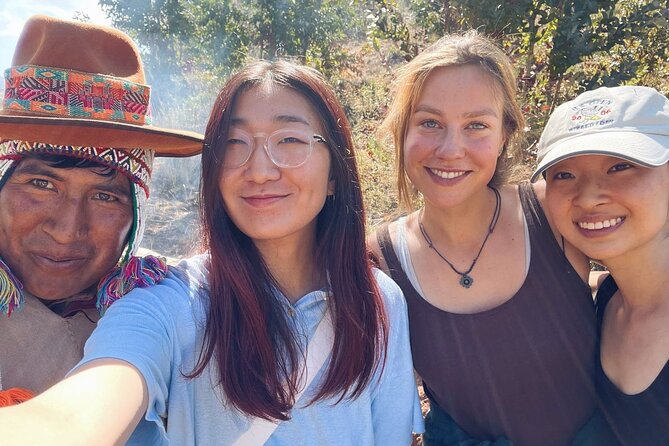
I would recommend this for couples who want to mark a relationship milestone in a way that connects them to Andean culture and the natural setting of the Sacred Valley.
It works especially well for:
- Couples who are not married but want a meaningful commitment ceremony.
- Married couples renewing vows.
- Couples who do not connect with traditional church weddings.
- People who value spiritual rituals, gratitude, and time with a local community.
- Couples who want a private experience rather than a shared group event.
- Partners who are comfortable with a ceremony that may be conducted partly in Quechua.
It may be less suitable if you want a legal wedding, a large formal reception, a detailed wedding menu, or a tightly timed event. The information provided does not identify the ceremony as a civil or legally binding marriage. Treat it as a spiritual wedding or vow renewal unless the operator tells you otherwise.
It is also worth remembering that the ceremony is the main event. The outing is not a full Sacred Valley sightseeing tour with a long list of archaeological stops. If your priority is visiting ruins, markets, or several viewpoints, choose a separate day for those.
Practical Details Before You Book
Confirmation is provided when you book, and free cancellation is available if you cancel at least 24 hours before the start time. Cancellations made less than 24 hours before the 8:00 a.m. start do not receive a refund, and changes within that period are not accepted.
The experience is offered in English, with translation support during the ceremony. Guides can speak English, Spanish, and Quechua, which is particularly helpful when the maestros are conducting prayers and ritual elements.
Service animals are allowed, and the experience is near public transportation, although private pickup is offered from your hotel or the airport. Most people can participate, and the activity is private for your group.
I would contact the operator before booking if you plan to bring additional people, need meal adjustments, want special vows, or hope to arrange photography. Those requests may be possible, but the listed package does not automatically include them.
Should You Book the Andean Wedding Ceremony?
Book it if you want a personal, spiritual celebration shaped by Andean tradition, live music, mountain scenery, and time with a local community. The combination of Q’eros maestros, English translation, Pachamama offering, dancing, and lunch gives the experience a clear identity.
Skip it if you are looking for a legal wedding, a large reception, or a conventional ceremony with every service arranged in advance. For the right couple, the cost buys far more than a short excursion. It buys a carefully prepared moment that connects your relationship with place, culture, and community.
FAQ
Where does the Andean wedding ceremony take place?
It takes place in an Andean community in the Sacred Valley of the Incas, about one hour from Cusco. The ceremony setting is near a lake and surrounded by mountains.
What time does pickup begin?
Pickup begins at 8:00 a.m. You can be collected from your hotel or the airport in Cusco.
How long does the experience last?
The experience lasts approximately four hours, including transportation, the ceremony, celebration, and lunch.
Is transportation included?
Yes. Private transportation is included, with pickup offered from your hotel or the airport in Cusco.
Is the ceremony private?
Yes. This is a private activity, and only your group participates.
Who performs the ceremony?
Two Andean maestros or shamans perform the ceremony. The experience includes an Andean shaman and a music group, and the ceremony may include both a male and female shaman from the Q’eros community.
Is English translation provided?
Yes. A translator and guide are included, with English, Spanish, and Quechua language support.
Is lunch included?
Yes. A local celebratory lunch with the community is included. Extra meals and snacks not listed in the experience are not included.
Can unmarried couples take part?
Yes. The ceremony is intended both for couples who are not married and for married couples who want to renew their vows.
Can additional people attend?
Additional people are not included in the listed price. You can ask the operator for a customized offer if you want to invite more people.
What is the cancellation policy?
You can cancel at least 24 hours before the start time for a full refund. Cancellations or changes made less than 24 hours before the experience are not accepted and are not refunded.
Just added in Cusco
- Cusco Private Transportation for 2026★ 5.0 · 4 reviews
- Private Transfer from Airport to Hotel in the City of Cusco★ 4.0 · 5 reviews
- Best Cusco walking tour: dinner street food tasting★ 4.5 · 11 reviews
- Private Tour to Pisac Market and Pisac Ruins★ 5.0 · 4 reviews
- Machu Picchu Day Trip With Panoramic Train from Cusco★ 5.0 · 10 reviews
- Sacred Valley Private Tour from Cusco, Guide and Driver only★ 5.0 · 4 reviews
- Sacred Valley of the Incas Tour★ 5.0 · 12 reviews
- Private Tour of the Mountain of Colours by Quad★ 5.0 · 7 reviews
Cusco Tours, compared.
Classic Inca Trail Trek 4D/3N to Machu Picchu (Group Service)
Read our review →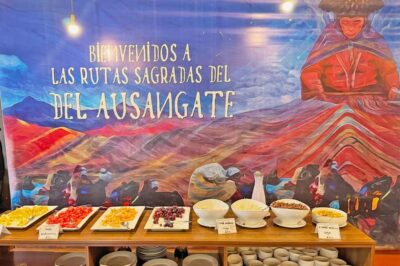
Rainbow Mountain and Red Valley Day Trip with Meals
Read our review →
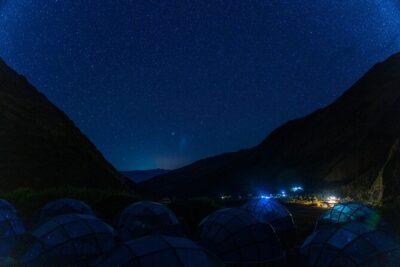

Excursion to Rainbow Mountain Full Day Optional Red Valley
Read our review →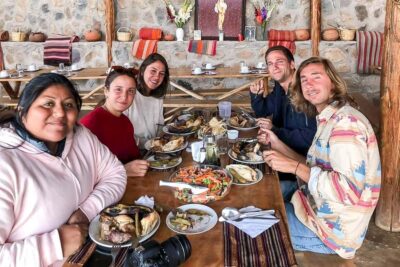
Humantay Lake Tour with Breakfast and Buffet Lunch
Read our review →