
Reviewed · COLCA CANYON AND AREQUIPA TOURS
Arequipa: City and Country Tour
See Arequipa beyond its postcard center. This four-hour bus tour combines the Plaza de Armas and historic streets with countryside stops, giving you a useful first look at the White City. I especially like the wide views from Yanahuara and Carmen Alto, plus the chance to see local farming and camelid culture rather than spending the whole morning in town.
I also like the range of stops for the modest $23 price. You get transport, hotel pickup in central Arequipa, and a bilingual guide, while the route includes volcano viewpoints, a colonial mansion, a working stone mill, and the Paucarpata terraces. The main caution is guide consistency: Giuliana earned praise for her attentive explanations, but one English-speaking departure had a guide with only limited English.
In This Review
- Key points to know before booking
- A smart first look at Arequipa
- Plaza de Armas and the Centro Historico
- Yanahuara and Carmen Alto volcano views
- Incalpaca and the four camelid species
- Sachaca and Tingo: local districts and food traditions
- Via Paisajista and the Mansion del Fundador
- Molino de Sabandia and old stone-mill methods
- Paucarpata’s terraces and Quechua farming knowledge
- The guide and language question
- Timing, pickup, and what to budget
- Who will get the most from this tour
- Should you book the Arequipa City and Country Tour?
- FAQ
- How long does the Arequipa City and Country Tour last?
- What is included in the tour price?
- Is hotel pickup available everywhere in Arequipa?
- Are entrance fees included?
- Is lunch included?
- What language is the tour conducted in?
- Which volcanoes can you see?
- Can I cancel for a full refund?
Key points to know before booking
- Yanahuara and Carmen Alto provide the tour’s best views: You can photograph the Chili Valley and the Misti and Chachani Volcanoes from two scenic overlooks.
- The route covers city and countryside: You move from the Centro Historico to Sachaca, Tingo, Via Paisajista, Sabandia, and Paucarpata.
- The Incalpaca stop adds cultural context: You learn about llamas, alpacas, vicuñas, and guanacos, with a small zoo on site.
- Two attractions cost extra: The Mansion del Fundador is 12 soles and Molino de Sabandia is 10 soles, subject to change.
- The 11 a.m. departure may run five hours: It includes an optional one-hour lunch stop, but lunch is not included.
- This is an overview tour, not a deep visit to every site: It works best for first-time orientation and broad sightseeing.
A smart first look at Arequipa
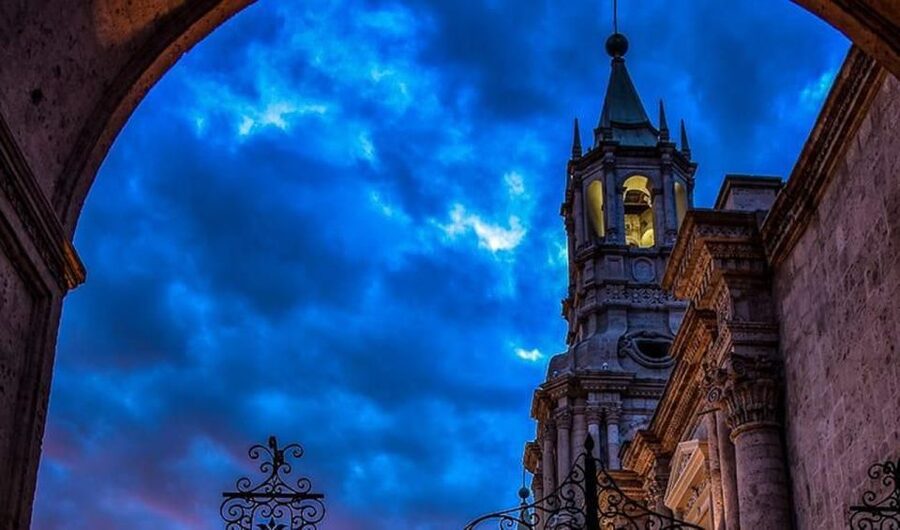
Arequipa can be hard to read at first. The grand central streets, white volcanic-stone buildings, dry countryside, snow-tipped volcanoes, and working agricultural districts all belong to the same city area, but they feel quite different.
This tour helps you connect those pieces. You ride in a panoramic bus with a local guide, stopping often enough to stretch your legs and take photos. The route is broad rather than slow and detailed. You see many places in one outing, but you should not expect extended visits at every stop.
That tradeoff makes sense for a first day in Arequipa. You get an overview of the city center, nearby districts, views, food traditions, textile culture, colonial architecture, and farming systems. If you already know Arequipa well, the pace may feel less satisfying.
The price is a strong part of the appeal. At $23 per person, the tour includes transportation, a bilingual guide, and pickup from a hotel within the central city area. You will need to budget separately for the Mansion del Fundador and Molino de Sabandia, along with food, drinks, and personal purchases. Those two entrance fees total 22 soles at the stated prices, though the operator notes that fees can change.
More Colca Canyon trips:
- 2 day 1 night trek / Colca Canyon
★ 5.0 · 1,069 reviews - From Arequipa: Colca Canyon Full-Day Guided Tour with Meals
★ 4.5 · 982 reviews - Tour to the Salinas Lagoon and National Reserve in Arequipa
★ 4.5 · 548 reviews
Plaza de Armas and the Centro Historico
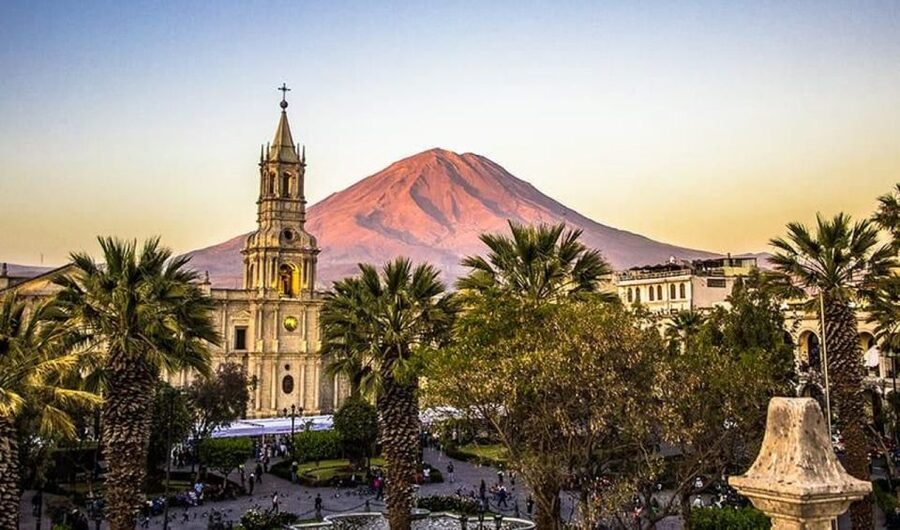
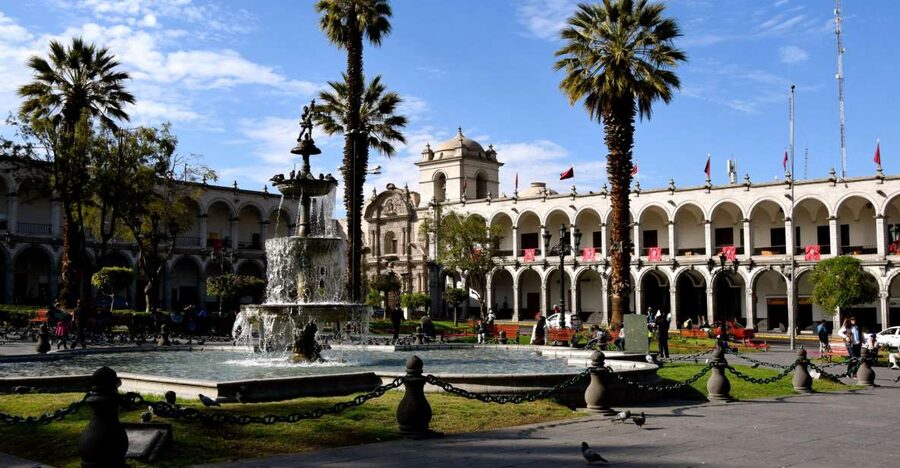
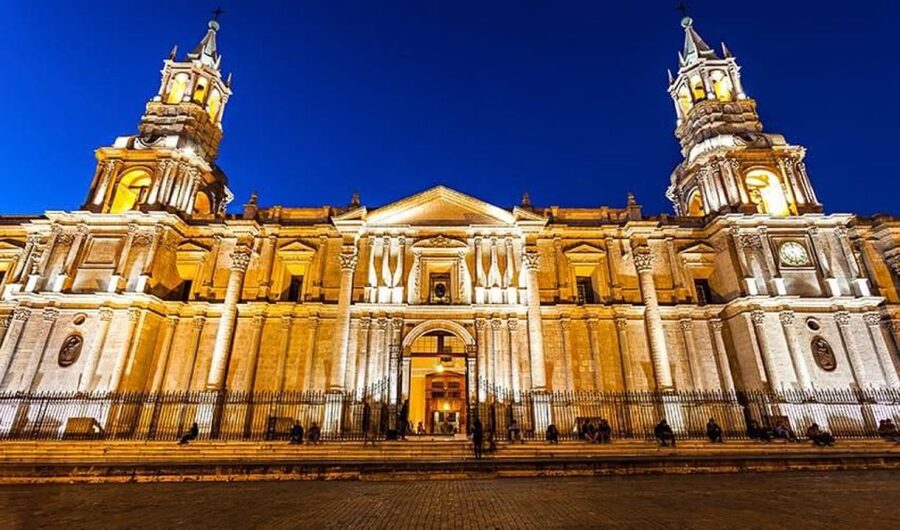
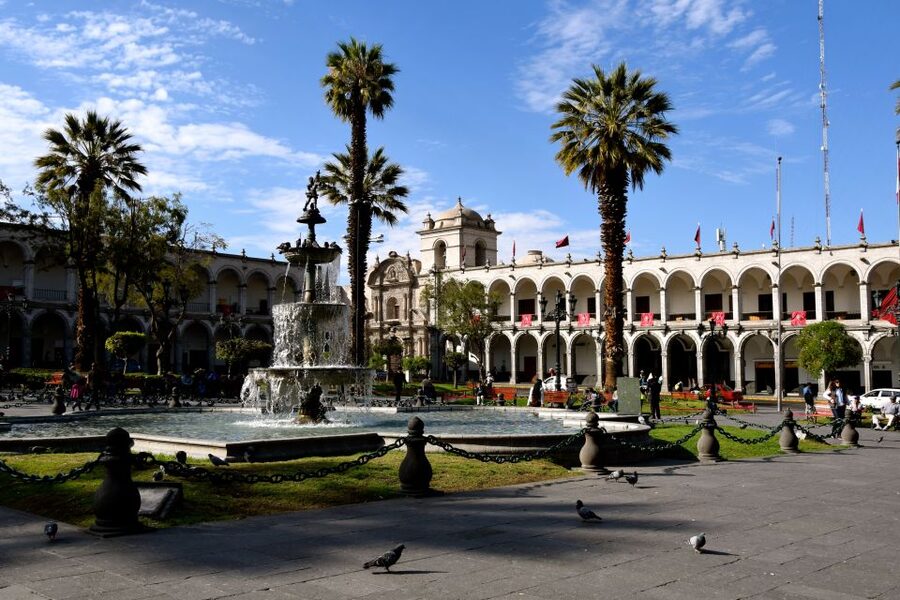
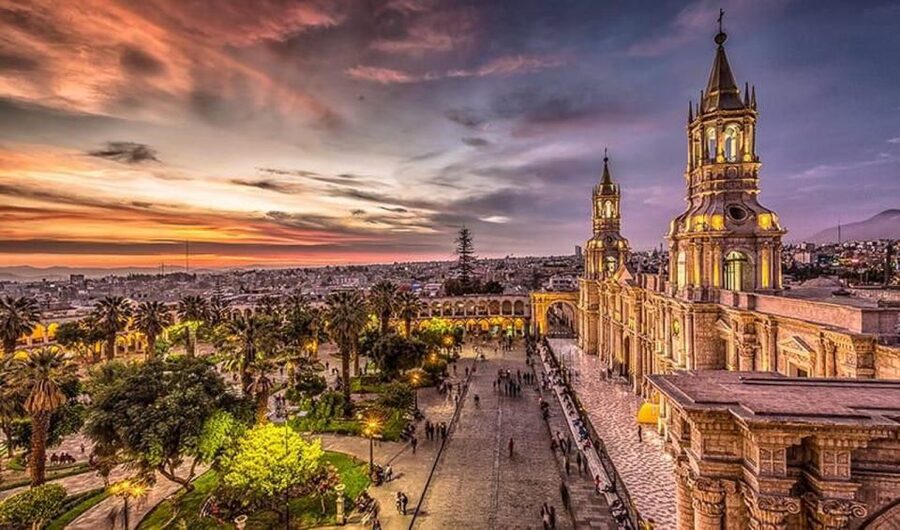
The tour begins with Arequipa’s central landmarks and streets. The Plaza de Armas is the natural starting point, since it gives you an immediate sense of the city’s formal center and its white volcanic-stone architecture.
You will also pass through the Centro Historico, where the guide can help explain the importance of the streets and buildings around you. This portion is useful if you have just arrived and want to understand how the city is arranged before exploring on your own.
Do not expect a long walking tour here. The experience is built around a bus route, so the central section is more about orientation than close study. If you want detailed time inside Arequipa’s major religious buildings or museums, you will need a separate visit.
I like having this section at the front of the route. It gives the rest of the day a clear setting: the city center is not isolated from the countryside. The suburban districts and agricultural areas nearby are part of Arequipa’s everyday identity.
Yanahuara and Carmen Alto volcano views
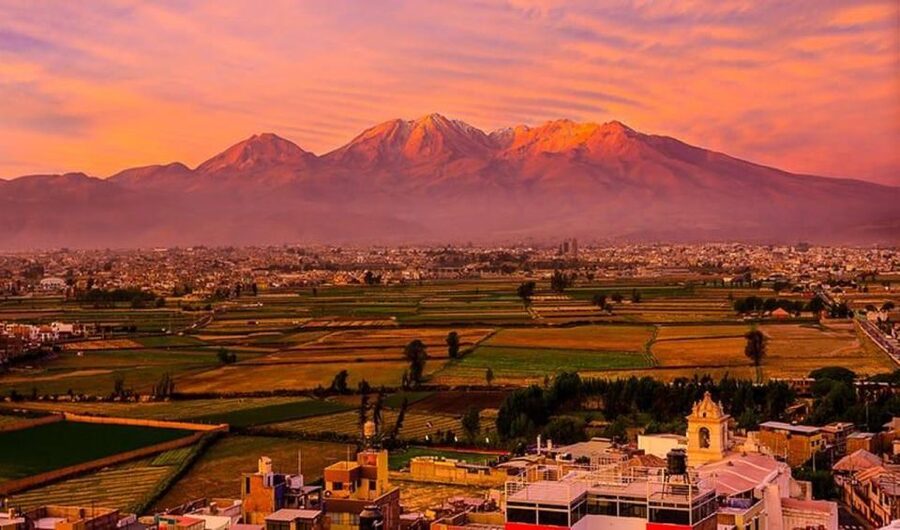
The stops at Yanahuara and Carmen Alto are likely to be the visual high points. From these overlooks, you can look across the Chili Valley and toward Misti and Chachani Volcanoes.
You will have time to get off the bus, stretch your legs, and take pictures. That matters on a four-hour ride, since the route includes several driving sections. These pauses also give you a better feel for the scale of Arequipa than you get from the central plaza.
The views depend on weather and visibility, so keep expectations sensible. The tour promises viewpoints and volcano scenery, not guaranteed clear peaks. Still, these stops add something a purely urban tour cannot provide.
Carmen Alto and Yanahuara also help explain Arequipa’s setting. The city is tied closely to the Chili Valley and to the volcanic peaks around it. You are not simply checking off photo stops. You are seeing the natural features that shape the city’s appearance and agriculture.
Bring a camera, but also give yourself a moment to look without it. The best value here is not just one perfect photograph. It is the contrast between the pale city, the valley below, and the large volcanoes behind it.
Incalpaca and the four camelid species
The Incalpaca Outlet adds a different angle to the day. Along with the outlet, you visit a small zoo and learn about four South American camelids: the llama, alpaca, vicuña, and guanaco.
This is a helpful stop because the animals are often lumped together by visitors. The guide can explain the differences and connect them to local textile traditions and Quechua culture. For you, that turns a shopping-oriented stop into something more informative.
The outlet itself may not appeal to everyone. If you are not interested in alpaca products, you may see it as less essential than the viewpoints or historic sites. The mini-zoo and explanation of the four species give the stop more substance, though the visit still has a commercial element.
I would treat it as a short cultural stop, not the central purpose of the tour. It works best when you want a broader introduction to the region’s animals, materials, and communities.
More city tours in Arequipa:
- Arequipa: Walk through the Historic Center of the City
★ 4.9 · 87 reviews - Arequipa Walking Tour city center and drinks experience
★ 5.0 · 72 reviews - Arequipa Food Tour: Ancestral Cuisine & City Tour
★ 5.0 · 52 reviews - Arequipa, Historic and Colonial City and Santa Catalina Monastery
★ 4.5 · 42 reviews
Sachaca and Tingo: local districts and food traditions
The route continues into the Sachaca district, where you see a beautiful 19th-century church. This part of the tour moves you away from the most familiar central sights and into a district with its own character.
You also visit the Balneario Tingo, known for local foods such as anticuchos and buñuelos. Food is not included, so you should not assume a meal is part of the tour. The stop is still useful because it introduces dishes tied to local eating habits and gives you a chance to understand a little more about the area.
The 11 a.m. departure includes an additional optional lunch stop lasting one hour. Lunch is not mandatory and is not included in the tour price. If you choose that time slot, check the schedule carefully, since your outing may last about five hours instead of four.
The food portion is best for people who like their sightseeing mixed with everyday culture. If you have a short schedule or prefer to stay focused on landmarks, the extra lunch time may not be worth it.
Via Paisajista and the Mansion del Fundador
After the city districts, the bus follows Via Paisajista toward the countryside. The change in setting is one of the tour’s strengths. You see how quickly Arequipa’s urban streets give way to agricultural areas and open views.
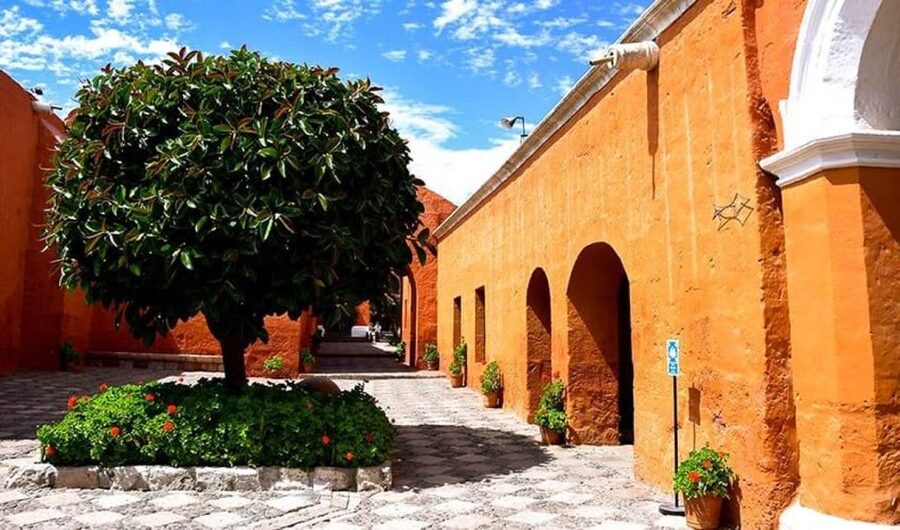
The Mansion del Fundador is a 16th-century property and one of the more substantial historic stops. It gives you a chance to look at the region’s colonial-era architecture outside the main center.
Entrance costs 12 soles at the stated rate. That fee is not included, and prices can change without notice. You should carry local currency or confirm current payment arrangements before setting out, since the tour price alone does not cover this visit.
The mansion is worth adding if you want more than a drive-by view. If you are carefully controlling costs, you can decide based on your interest in historic buildings. The guide can still provide context for the stop, but the interior experience depends on paying the entrance fee.
Molino de Sabandia and old stone-mill methods
The Molino de Sabandia is another optional paid attraction, with an entrance fee listed at 10 soles. This 16th-century stone mill shows the techniques once used to process wheat.
That detail makes the stop more than a pretty old building. You get a look at the practical systems that supported local food production. The stone mill connects architecture with work, agriculture, and the region’s rural economy.
I find this kind of stop especially useful because it adds texture to the countryside portion. You are not only looking at fields from a bus window. You are learning how one important crop was processed using traditional equipment.
The limitation is time. Since the full route includes many stops, you should expect an introduction rather than a long technical demonstration. Pay the entrance fee if old machinery and local production interest you. Skip it if your priority is volcano views and central Arequipa.
Paucarpata’s terraces and Quechua farming knowledge
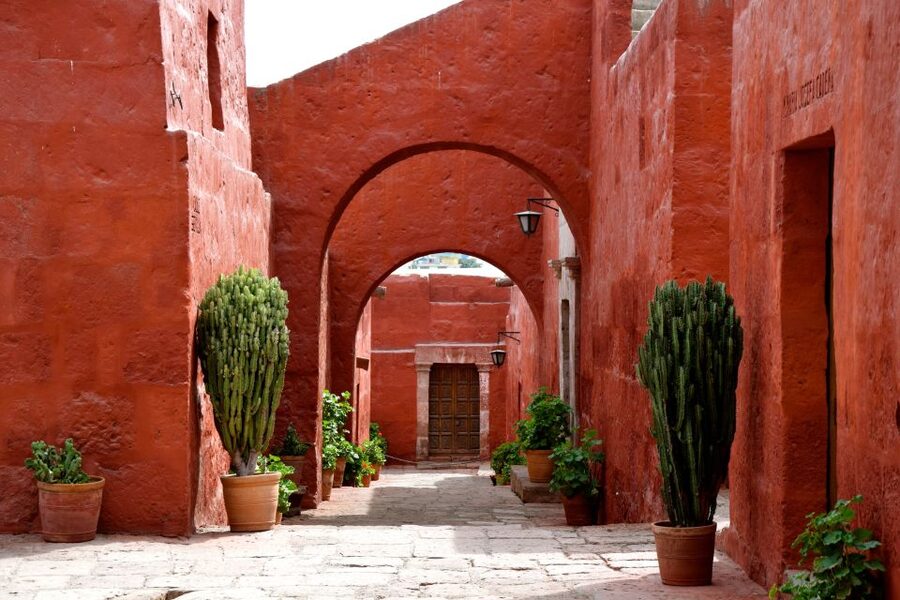
The final major stop is the Andenes de Paucarpata. These are man-made agricultural platforms designed to create a microclimate system, allowing different products to grow on the terraces.
This is one of the most meaningful parts of the itinerary because it shows how people adapted to the local terrain. The terraces are not simply scenic. They reflect practical farming knowledge passed through the region and connect the countryside to Quechua culture.
You will see how agriculture shaped the area long before modern sightseeing routes. The idea of growing a range of products in different terrace conditions gives you a clearer sense of why these platforms matter.
Paucarpata also rounds out the tour nicely. You have already seen the city, the valley, the volcanoes, the camelids, colonial buildings, and the stone mill. The terraces bring those themes together by showing the relationship between people, water, soil, and altitude.
The guide and language question
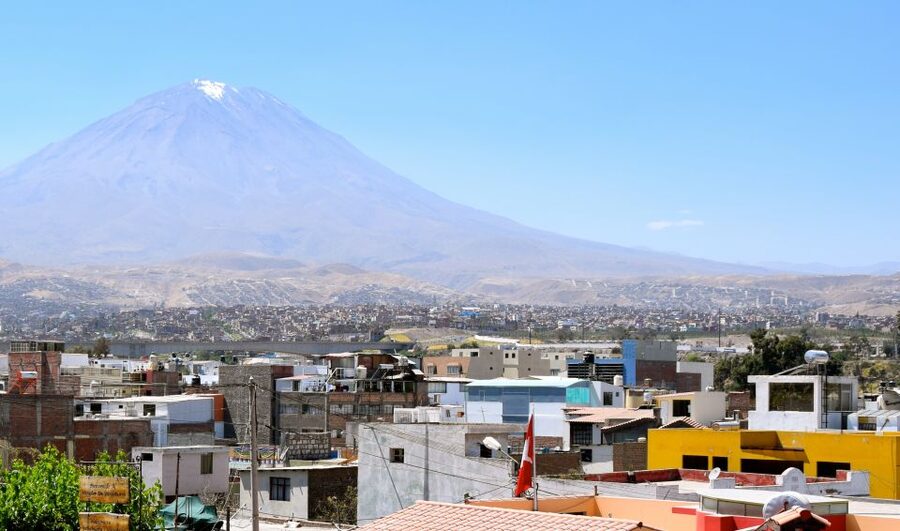
The guide can make a large difference on this tour. One guide, Giuliana, received especially warm praise for being attentive and for making sure everyone had useful information about the places along the route. That kind of care matters on a group excursion with many short stops.
The advertised language is English, and a bilingual guide is included. However, you should confirm the English-language departure when booking. One departure had a guide with minimal English, although he made an effort to help.
That does not automatically make the tour a poor choice. The scenery and route still provide value, and a guide who works hard can communicate a lot through basic explanations. But if detailed English interpretation is important to you, ask for confirmation before paying.
The overall rating of 3.7 from 27 ratings suggests a mixed but generally useful experience. I would read that as a reminder to keep your expectations practical. This is an affordable overview with many stops, not a private custom tour with guaranteed specialist commentary.
Timing, pickup, and what to budget
The tour lasts four hours for most departures. Pickup is included only from accommodations in the Arequipa city center area, so you should check whether your hotel qualifies. If it is outside that area, you may need to arrange your own way to the meeting point.
The panoramic bus is a good match for a route covering both city and countryside. You can see more ground than on foot, but you will spend part of the experience riding between stops. Wear comfortable shoes for the short walks and viewpoint visits, and bring water because food and drinks are not included.
Your likely extra costs are:
- 12 soles for the Mansion del Fundador
- 10 soles for Molino de Sabandia
- Food and drinks
- Personal expenses
- Any changes to entrance fees
The 11 a.m. departure has an optional one-hour lunch stop. That can be convenient if you want a slower outing and a chance to try food such as anticuchos or buñuelos. Choose another departure if you want to keep the tour close to four hours.
Free cancellation up to 24 hours before departure and the option to reserve without paying immediately make this easier to fit into a changing Peru itinerary. Those booking terms are useful, but the real decision should rest on the route, the guide language, and your interest in a broad city-and-country overview.
Who will get the most from this tour
I would recommend this experience to you if you are visiting Arequipa for the first time and want to get oriented quickly. It is also a good fit if you have only half a day, enjoy mixing major sights with ordinary districts, or want an easy way to reach the countryside without arranging separate transport.
Families may appreciate the bus format, the animal stop, and the variety of short visits. Anyone interested in Quechua culture, traditional agriculture, or regional food will also find more here than in a basic city circuit.
You may want a different plan if you prefer long museum visits, slow photography, or detailed architectural tours. The itinerary covers many places, so time at each one is limited. It is also less suitable if you need guaranteed advanced English guiding and cannot confirm the language arrangements in advance.
Should you book the Arequipa City and Country Tour?
Book it if you want breadth for a low price. The combination of Plaza de Armas, volcano viewpoints, camelid culture, countryside districts, a colonial mansion, a stone mill, and Paucarpata terraces gives you a well-rounded first look at Arequipa.
Before booking, confirm three points: your accommodation is in the central pickup area, the guide will speak English clearly, and you understand which entrance fees are extra. If you want lunch, check the 11 a.m. timing and allow about five hours.
I would choose this tour early in an Arequipa stay, then return later to the places that deserve more time. It gives you the map in your head first. After that, you can decide where to slow down.
FAQ
How long does the Arequipa City and Country Tour last?
The standard duration is four hours. The 11 a.m. time slot includes an optional one-hour lunch stop, so that departure may last about five hours.
What is included in the tour price?
The $23 price includes transportation, a bilingual guide, and pickup from your accommodation if it is within Arequipa’s city center area.
Is hotel pickup available everywhere in Arequipa?
No. Pickup is included only from hotels or accommodations within the Arequipa city center area.
Are entrance fees included?
No. Entrance to the Mansion del Fundador costs 12 soles, and entrance to Molino de Sabandia costs 10 soles at the stated rates. Fees may change.
Is lunch included?
No. Food and drinks are not included. The 11 a.m. departure has an optional one-hour lunch stop, but lunch is not mandatory.
What language is the tour conducted in?
The tour is offered with a live English-speaking guide, and the included guide is described as bilingual. You should confirm the English-language arrangement when booking because guide fluency may vary.
Which volcanoes can you see?
The viewpoints at Yanahuara and Carmen Alto offer views toward the Misti and Chachani Volcanoes, as well as the Chili Valley.
Can I cancel for a full refund?
Yes. You can cancel up to 24 hours in advance for a full refund. You can also reserve now and pay later, according to the stated booking terms.
Just added in Arequipa
- Sillar Route★ 5.0 · 4 reviews
- Salinas Lagoon + Mini Volcano DE Lojen★ 5.0 · 9 reviews
- 3-Day Colca Canyon trek with Professional Guide★ 5.0 · 40 reviews
- Full Day Tour To The Salt Lake Salinas in Arequipa★ 4.5 · 34 reviews
- Walking City tour including the Monastery of Santa Catalina★ 5.0 · 6 reviews
- Trekking, Waterfalls and Thermal Baths★ 4.5 · 47 reviews
- Downhill Tour – Mountain Bike in Arequipa★ 3.5 · 5 reviews
- 2 Days 1 Night trekking Through Colca Canyon, Private room★ 5.0 · 16 reviews
Colca Canyon and Arequipa Tours, compared.
From Arequipa: Colca Canyon Full-Day Guided Tour with Meals
Read our review →
Tour to the Salinas Lagoon and National Reserve in Arequipa
Read our review →
Rafting Arequipa – Chili River Canoeing – Cusipata Rafting Arequipa
Read our review →
Chili River White Water Rafting with Hotel Pickup
Read our review →
Browse the lists this tour appears in