
Reviewed · COLCA CANYON AND AREQUIPA TOURS
Arequipa|| The Sillar Route+Culebrillas Canyon
Ancient stone tells Arequipa’s story. I like the close look at sillar, the pale volcanic stone shaped by hand for the city’s buildings, and I like the chance to see Wari petroglyphs more than a thousand years old in Culebrillas Canyon. The main caution is that the stoneworking demonstration may be limited: one verified guest found no artisans working in the quarries and received only brief explanations.
At $35 per person, the tour offers a useful half-day outing beyond central Arequipa, with hotel pickup, transport, a bilingual Spanish and English guide, and a return near the Plaza de Armas. You should also budget 15 soles for the two quarry entrances, and keep your expectations realistic if seeing active stonemasons is your main reason for booking.
In This Review
- Key points to know before you book
- Why sillar matters in Arequipa
- Reaching the Añashuayco quarries
- The 30-minute walk to Culebrillas Canyon
- Looking for Wari petroglyphs in the gorge
- What the $35 price really includes
- Timing, transport, and the return to Arequipa
- Who will enjoy this outing most
- Simple ways to get more from the visit
- Should you book the Sillar Route and Culebrillas Canyon?
- FAQ
- How long does the Sillar Route and Culebrillas Canyon tour last?
- How much does the tour cost?
- What entrance fees are not included?
- Is transportation included?
- Where is the meeting point?
- What languages does the guide speak?
- Are food and travel insurance included?
- Can I cancel the tour for a refund?
Key points to know before you book
- Sillar comes from volcanic lava: The white ashlar stone is linked to the volcanoes surrounding Arequipa and is shaped by hand because machines can cause it to break.
- Culebrillas Canyon includes ancient rock art: The gorge contains petroglyphs attributed to the Wari culture, with meanings that remain uncertain.
- The tour lasts four hours: Pickup begins at your hotel at a preferred time, while the stated meeting point is the Cathedral door between 1:45 and 1:55 PM.
- Expect a 30-minute walk between stops: The route includes walking from the sillar quarries to Culebrillas Canyon before exploring the narrow gorge.
- Entry fees are extra: Add S/. 10 for the Añashuayco Quarries and S/. 5 for the Culebrillas Quarries.
- The experience suits a short afternoon: You return near Arequipa’s Plaza de Armas rather than spending a full day outside the city.
Why sillar matters in Arequipa
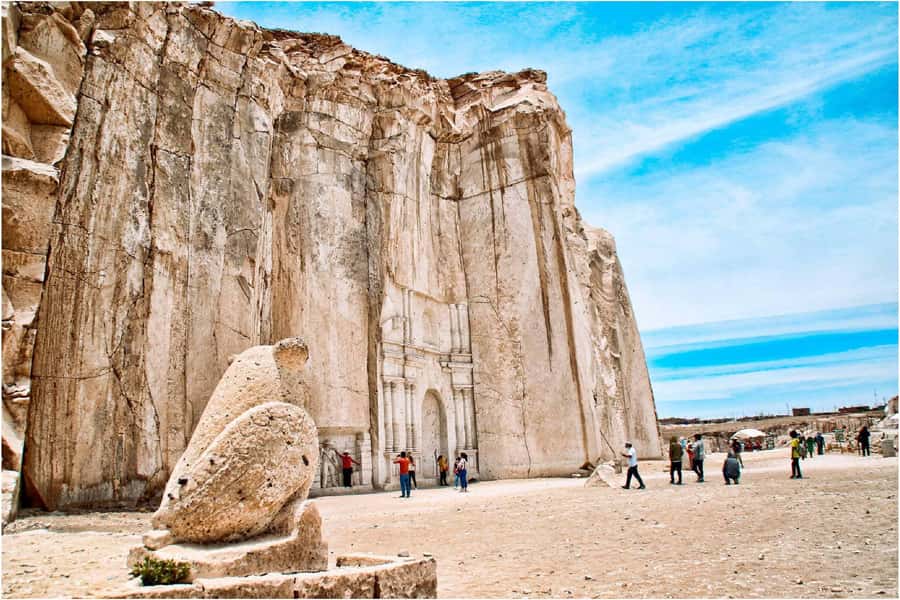
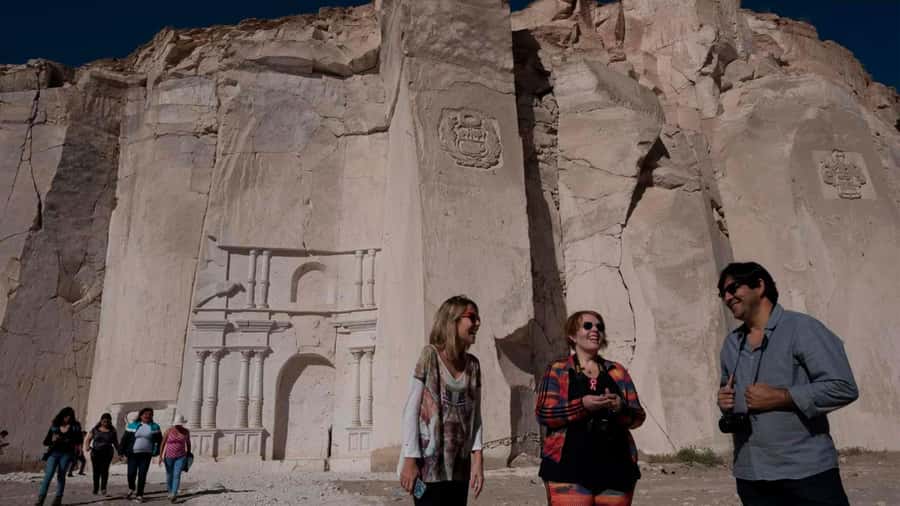
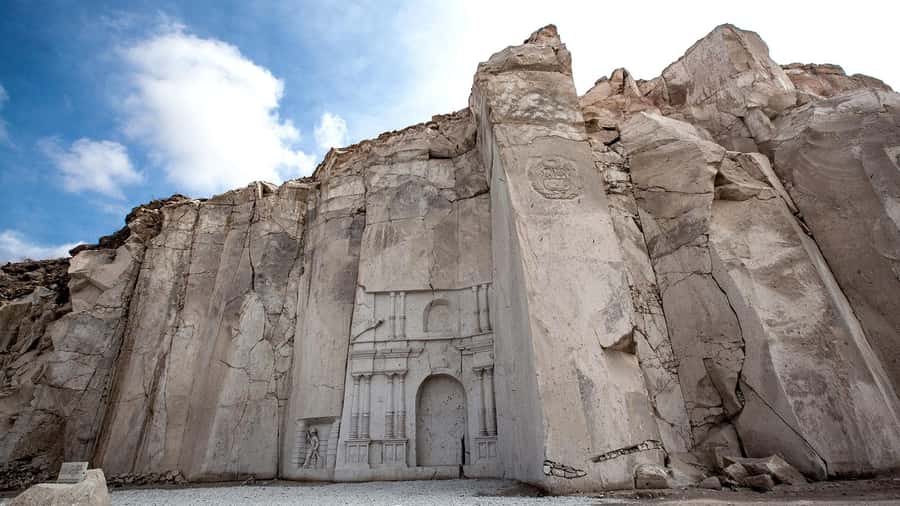
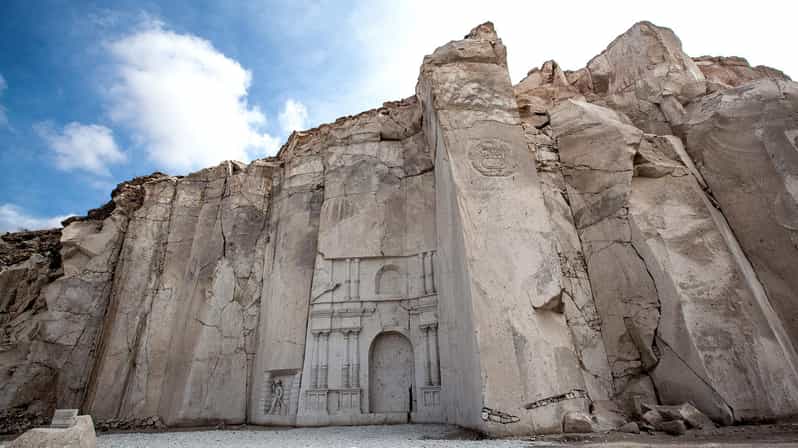
Arequipa is closely associated with its pale ashlar stone, known locally as sillar. This material comes from volcanic lava produced by the volcanoes around the region. It is not simply a decorative rock used in old buildings. It is part of the city’s visual identity and a link between Arequipa’s natural setting and its building traditions.
The first quarry stop near the Uchumayo road gives you a chance to see where this stone is extracted and shaped. The focus is the work of the stonemasons, whose craft depends on careful manual cutting. The stone requires a light touch because rough handling can cause it to break.
That detail makes the stop more interesting than a simple quarry visit. You are looking at a trade shaped by the material itself. The stone dictates the method, and the method has been passed down through generations.
The tour is especially worthwhile if you have already noticed the white stone in Arequipa’s churches, walls, and colonial buildings. Here, you can connect those finished structures with the raw material and the labor behind them.
Still, this part needs a clear warning. The description suggests a close look at the traditional stonecutting craft, but the actual experience may not include active artisans at work. One verified account from December 2025 found no stonemasons in the quarries and felt that the explanation of the material and carving process was too brief.
I would book this stop for the quarry setting and the chance to understand sillar, not as a guaranteed live workshop. If your main goal is to watch craftsmen shaping stone, ask the operator before paying whether workers will be present on your date.
More Colca Canyon trips:
- 2 day 1 night trek / Colca Canyon
★ 5.0 · 1,069 reviews - From Arequipa: Colca Canyon Full-Day Guided Tour with Meals
★ 4.5 · 982 reviews - Tour to the Salinas Lagoon and National Reserve in Arequipa
★ 4.5 · 548 reviews
Reaching the Añashuayco quarries
The outing begins with pickup from your hotel in Arequipa at the time arranged for the group. Transport is by bus or minibus, depending on the number of people joining. The route follows the Uchumayo road toward the ashlar quarries.
The included transport is useful because the tour combines two stops outside the city and ends back near the main square. You do not need to arrange separate taxis for the quarries or work out the return on your own.
There is also a small meeting-point wrinkle. The activity information gives hotel pickup, but it also specifies the Cathedral door on Arequipa’s Main Square as the meeting point, with arrival between 1:45 and 1:55 PM. Confirm the exact pickup arrangement when you book, especially if you are staying outside the central area.
At the quarry, the guide is supposed to explain how the stone is extracted and shaped. The strongest part of the stop is the basic material lesson: sillar is volcanic, pale, and fragile enough to require manual work.
The quality of this explanation matters. A good guide can help you notice the marks left by cutting, the size of the blocks, and the difference between raw stone and finished ashlar. A weaker visit may feel like a quick look at piles of stone followed by a few general facts.
The guide speaks Spanish and English, so you can request the language you need. The provider is Transporte Chullos Travel. No individual guide is named, so you should not expect to select a particular guide when booking.
The 30-minute walk to Culebrillas Canyon
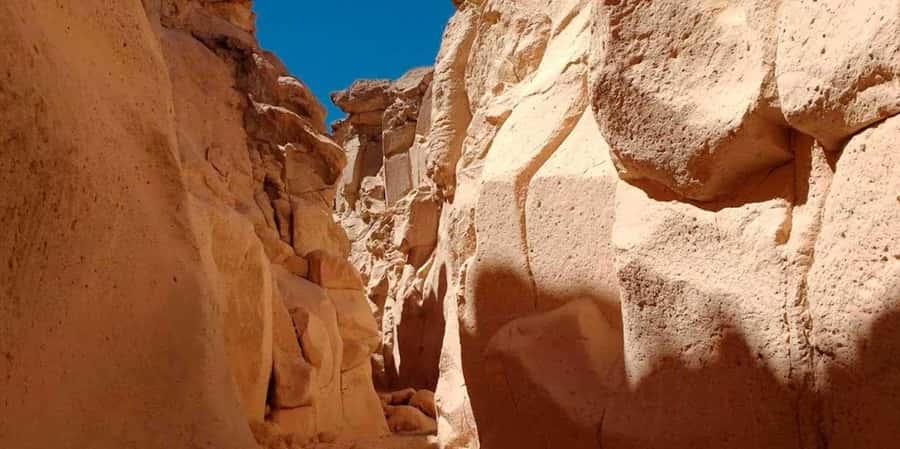
After the quarry visit, you walk for about 30 minutes to reach Culebrillas Canyon. This transfer is part of the experience, not just a ride between attractions. It gives you time to move from a working stone site into a natural gorge shaped by water.
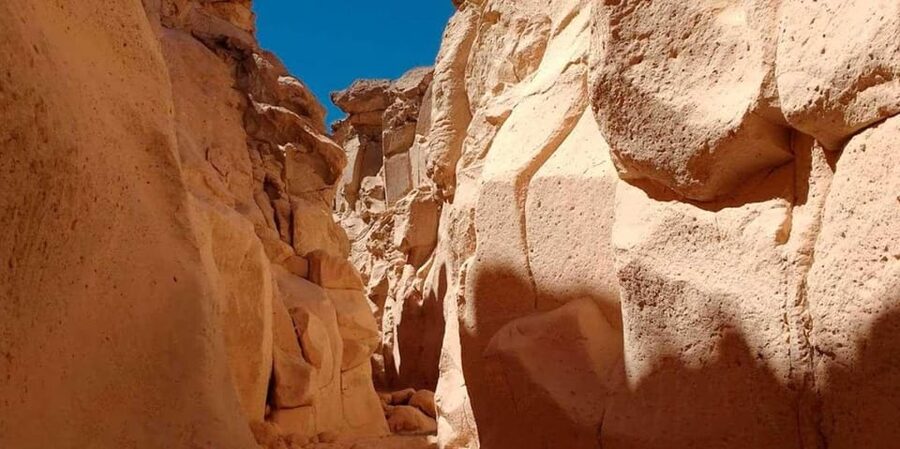
The canyon walls rise between 15 and 20 meters. That is high enough to create a strong change in scale as you walk between them, while still allowing you to study the rock closely.
The route through the canyon is a good reason to bring a camera. The tall walls, pale stone, and narrow passage create photographs that look quite different from central Arequipa’s churches and courtyards.
You should treat the walk as a real part of the tour. The provided information gives the duration, but it does not describe the ground, shade, or level of difficulty. Wear practical walking shoes and be prepared for an outdoor route rather than a paved city attraction.
Because the activity lasts four hours, the canyon visit is not designed as a long wilderness walk. You get a focused look at the gorge, with time to take photographs and examine the rock art, then return to Arequipa.
Looking for Wari petroglyphs in the gorge
The canyon’s most distinctive feature is its petroglyphs. These symbols were engraved into the rock and are connected with the Wari culture, which existed more than a millennium ago.
Their meaning remains an enigma. That uncertainty is part of the appeal, but it also means the guide cannot offer a neat answer for every mark. You are seeing evidence of past activity without a complete explanation of what each symbol meant.
This stop adds cultural depth to what could otherwise be only a scenic walk. The quarry shows how people work with stone today and in recent generations. The petroglyphs point to people who used the canyon long before modern Arequipa took shape.
Take time to look carefully rather than expecting large, obvious carvings at every turn. Petroglyphs can be easy to miss when you are focused on the canyon walls and photographs. A guide who points out the main symbols can make a major difference here.
The information provided does not specify the exact number or location of the petroglyphs. For that reason, I would see the rock art as an important part of the stop, but not assume the canyon is a large archaeological site with extensive interpretation.
More things to do in Arequipa:
- From Arequipa: Sillar Route Trek
★ 4.2 · 461 reviews - Colca Full Day Tour
★ 4.5 · 429 reviews - Rafting Arequipa – Chili River Canoeing – Cusipata Rafting Arequipa
★ 5.0 · 332 reviews - Arequipa: Chili River White Water Rafting with Hotel Pickup
★ 4.8 · 329 reviews
What the $35 price really includes
The base price is $35 per person. For a four-hour excursion with transport, hotel pickup, a return transfer, and a live bilingual guide, that is a reasonable price if you want an organized afternoon outside Arequipa.
The cost is not all-inclusive. Entry fees are paid separately:
- Añashuayco Quarries: S/. 10 per person
- Culebrillas Quarries: S/. 5 per person
Food is not included, although the tour lasts only four hours. Travel insurance is also not included.
The extra 15 soles is modest, but you should know about it before departure. The real value depends on the guiding. If the guide clearly explains the volcanic origin of sillar, the hand-carving process, and the Wari petroglyphs, the tour gives you useful context that is difficult to get from a quick independent visit.
If the quarry stop has no active workers and the commentary is sparse, the value drops. That is the central issue with this experience. You are paying mainly for transport, access, and guided organization, not for a guaranteed craft demonstration.
The flexible booking terms help if your Peru plans are still shifting. You can cancel up to 24 hours before the activity for a full refund, and you can reserve now and pay later. Those terms are practical, but they do not change the importance of confirming the meeting arrangement and the expected quarry activities.
Timing, transport, and the return to Arequipa
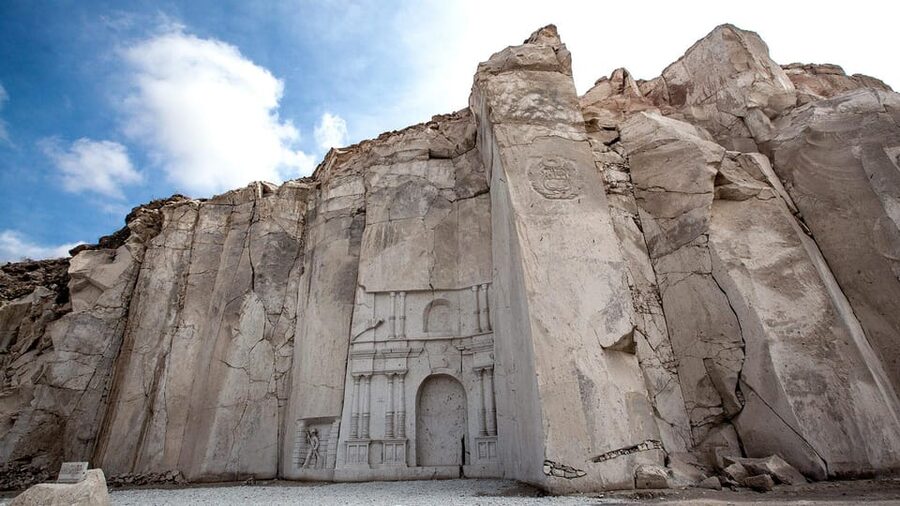
The afternoon schedule works well if you want to keep your morning free for Arequipa’s historic center, museums, or another activity. The stated meeting time at the Cathedral door is between 1:45 and 1:55 PM, and the complete outing takes about four hours.
You return near the Plaza de Armas. That is a convenient finish because you can continue with dinner, an evening walk, or other plans in the center.
Transport varies by group size. A bus or minibus is used, so the feel of the ride may depend on how many people have booked that day. The information does not give a maximum group size, so ask if the size of the group matters to you.
Hotel pickup is included, but the central meeting point is also specified. This is one detail I would settle before the day of the tour. You do not want to wait at your hotel while the group is gathering at the Cathedral door.
The tour is compact rather than slow-paced. You see two distinct places, walk between the quarry and canyon, examine the petroglyphs, and return within half a day. That makes it a good fit for a short stay in Arequipa, but it leaves limited room for delays or a long, detailed demonstration.
Who will enjoy this outing most
I would recommend the tour to you if you want to get beyond the city center without committing to a full-day trip. It combines geology, local building traditions, a short walk, canyon scenery, and ancient rock art in one afternoon.
It is also a good choice if you prefer having transport arranged. The two sites are easier to combine with a guide and vehicle than to visit separately, especially when you want to return to central Arequipa the same day.
The tour suits photographers and anyone interested in how local materials shape architecture. The pale quarry stone and high canyon walls offer plenty to examine and photograph.
It may disappoint you if you are specifically seeking a working artisan studio. The available evidence suggests that stonemasons may not be present during the visit, and the explanation may be limited. Ask a direct question before booking: will artisans be actively carving stone during the scheduled visit?
You should also think about the walking. The route includes about 30 minutes on foot between the quarry and the canyon, followed by a walk inside the gorge. The supplied details do not establish the trail conditions, so anyone with mobility concerns should request more information from the provider before reserving.
Simple ways to get more from the visit
Pay attention to the transition between the two stops. At the quarry, you see stone as a useful material shaped by human hands. In the canyon, you see rock marked by water, time, and ancient people.
Ask the guide to explain how the volcanic lava became the pale sillar used in Arequipa. You can also ask which quarry areas show current work and which parts are mainly for viewing.
At the petroglyphs, ask which symbols are attributed to the Wari culture and what is known versus uncertain. Since the meanings are not fully understood, a careful answer is better than a confident guess.
Bring money for the two entrance fees. Food is not included, and no meal stop is listed, so eat beforehand if you know you will want something during the afternoon.
Keep the meeting time precise. If you are using the Cathedral door, arrive before the 1:45 to 1:55 PM window rather than treating it as a loose suggestion. If hotel pickup is arranged instead, confirm the time and location in advance.
Should you book the Sillar Route and Culebrillas Canyon?
Book it if you want a short, organized introduction to Arequipa’s volcanic stone, a canyon walk, and Wari petroglyphs. The $35 price is fair when the transport and guiding work well, and the return near the Plaza de Armas makes the afternoon easy to fit into a city itinerary.
Skip it, or ask detailed questions first, if active stone carving is essential to your plans. The main weakness is the uncertain quarry demonstration and the possibility of limited commentary. I would choose this tour for its combination of sillar and Culebrillas Canyon, not for a guaranteed close-up of traditional stonemasons at work.
FAQ
How long does the Sillar Route and Culebrillas Canyon tour last?
The tour lasts four hours, including the quarry visit, the walk to Culebrillas Canyon, the canyon exploration, and the return to Arequipa.
How much does the tour cost?
The listed price is $35 per person. Entry fees are separate and total S/. 15 per person.
What entrance fees are not included?
The Añashuayco Quarries charge S/. 10 per person, and the Culebrillas Quarries charge S/. 5 per person.
Is transportation included?
Yes. Transportation is provided by bus or minibus, depending on the group size. Hotel pickup and a return transfer to central Arequipa are included.
Where is the meeting point?
The stated meeting point is the Cathedral door on the Main Square of Arequipa. You should be there between 1:45 and 1:55 PM if using that meeting point.
What languages does the guide speak?
The live guide speaks Spanish and English.
Are food and travel insurance included?
No. Food and travel insurance are not included in the tour price.
Can I cancel the tour for a refund?
Yes. You can cancel up to 24 hours in advance for a full refund. You can also reserve now and pay later.
Just added in Arequipa
- Sillar Route★ 5.0 · 4 reviews
- Salinas Lagoon + Mini Volcano DE Lojen★ 5.0 · 9 reviews
- 3-Day Colca Canyon trek with Professional Guide★ 5.0 · 40 reviews
- Full Day Tour To The Salt Lake Salinas in Arequipa★ 4.5 · 34 reviews
- Walking City tour including the Monastery of Santa Catalina★ 5.0 · 6 reviews
- Trekking, Waterfalls and Thermal Baths★ 4.5 · 47 reviews
- Downhill Tour – Mountain Bike in Arequipa★ 3.5 · 5 reviews
- 2 Days 1 Night trekking Through Colca Canyon, Private room★ 5.0 · 16 reviews
Colca Canyon and Arequipa Tours, compared.
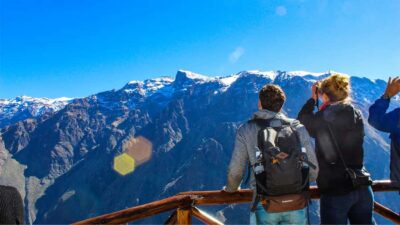
From Arequipa: Colca Canyon Full-Day Guided Tour with Meals
Read our review →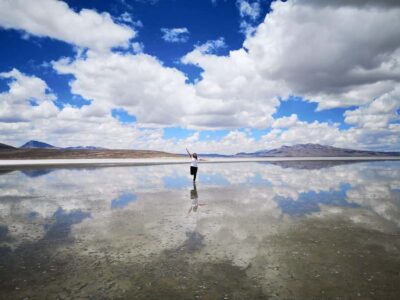
Tour to the Salinas Lagoon and National Reserve in Arequipa
Read our review →
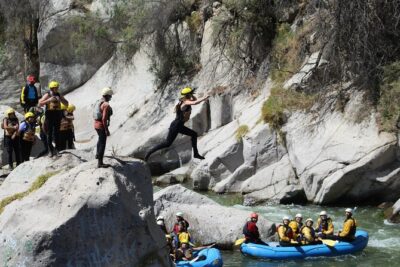
Rafting Arequipa – Chili River Canoeing – Cusipata Rafting Arequipa
Read our review →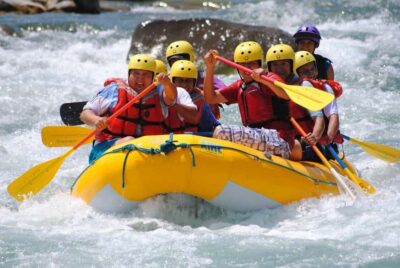
Chili River White Water Rafting with Hotel Pickup
Read our review →
Browse the lists this tour appears in