
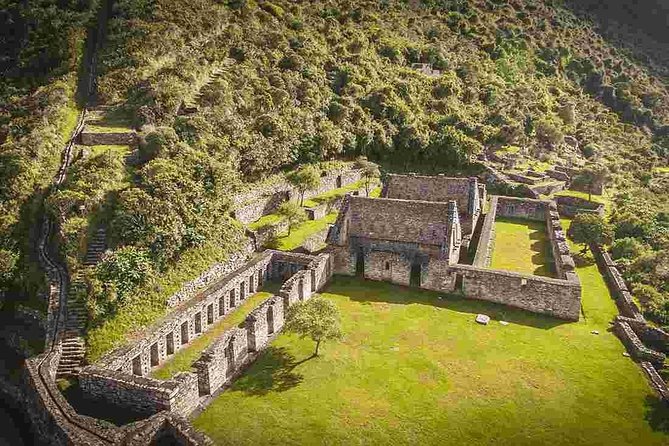
Reviewed · INCA TRAIL AND SALKANTAY TREKS
Choquequirao Trek (4 Days)
Choquequirao rewards people who like earning their ruins. This four-day trek from Cusco leads through the Apurímac Canyon to one of Peru’s least crowded Inca sites. I like the small groups of up to 10 and the strong local guiding, especially guides such as Raúl, Renzo, and Adrián. I also like that transport, meals, camping, entrance fees, and first aid are included. The main catch is simple: this is a hard hike, with steep climbs, heat, dust, and long walking days.
You leave before daylight and return to Cusco on the fourth evening. Along the way, you camp at Santa Rosa, near Choquequirao, and Chiquisca, while walking through several climate zones. The ruins and canyon views are superb, but you should arrive well acclimatized and ready for a serious physical effort.
In This Review
- Key points to know before you book
- Why Choquequirao feels different from Machu Picchu
- Day 1: From Cusco to Capuliyoc and Santa Rosa
- Day 2: The hard climb to Marampata and Choquequirao
- Day 3: Sunrise, condor country, and the archaeological complex
- Day 4: The final climb and five-hour drive to Cusco
- Camping, meals, and what the price really covers
- Guides, group size, and the human side of the trek
- Who should book this trek?
- Practical strengths and limitations
- Should you book the 4-day Choquequirao Trek?
- FAQ
- How long is the Choquequirao Trek?
- Where does the trek start?
- What meals are included?
- Is camping included?
- Is transportation included?
- How large is the group?
- How physically difficult is the trek?
Key points to know before you book
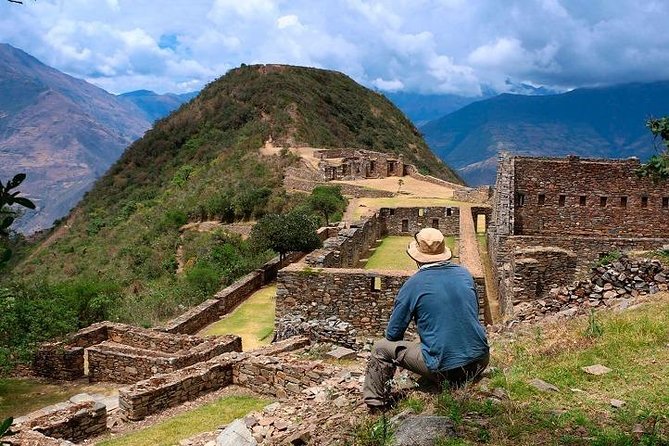
- The trek begins with a long descent: Day 1 drops from Capuliyoc toward the Apurímac Canyon before the climb begins.
- Day 2 is the main uphill test: Reaching Marampata takes about three hours, followed by another hike toward Choquequirao.
- You get extended time at the ruins: The schedule allows an early visit and roughly three hours exploring the archaeological complex.
- Camping is part of the experience: You spend three nights outdoors at Santa Rosa, near Choquequirao, and Chiquisca.
- The $647 price covers the core trip: Transport, entrance fees, guide, camping, meals, and first aid are included.
- Good acclimatization matters: The altitude, canyon heat, steep trail, and seven-hour hiking day demand preparation.
Why Choquequirao feels different from Machu Picchu
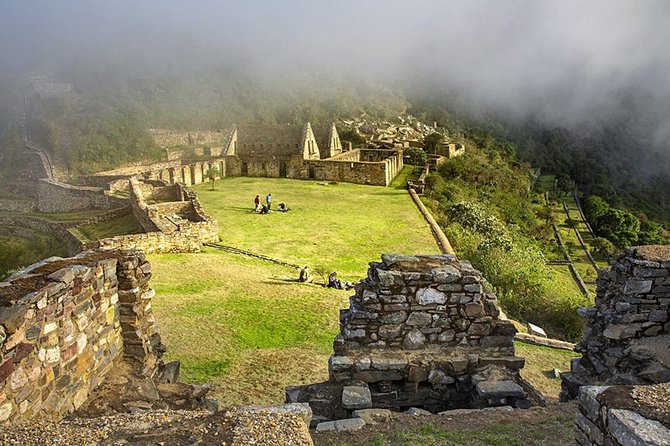
Choquequirao is often paired with Machu Picchu in people’s minds, but the experience is quite different. You do not simply arrive at a famous site by train or short walk. You work your way there on foot, through the huge Apurímac Canyon, with the ruins appearing gradually above the trail.
That effort changes the mood. The ancient city feels tied to the mountains around it, rather than separated from them by crowds and platforms. You have time to look across the canyon, notice orchids and other flowers, and watch for birds, mammals, and condors. The setting is not just a backdrop. It is part of the experience.
The tradeoff is the physical cost. This is not a gentle sightseeing walk. The route includes long downhill and uphill sections, uneven Inca paths, warm stretches near the canyon, and cooler, windier conditions near the ruins. If you want a relaxed archaeological outing, choose another tour. If you enjoy a demanding route with a big payoff, this one makes sense.
More hikes and treks in Cusco:
- Classic Inca Trail Trek 4D/3N to Machu Picchu (Group Service)
★ 5.0 · 8,653 reviews - Machu Picchu: 4-Day Inca Trail Trek with Panoramic Train Ride
★ 5.0 · 4,568 reviews - Salkantay Classic Trek 5 Days from Cusco
★ 5.0 · 4,062 reviews
Day 1: From Cusco to Capuliyoc and Santa Rosa
Your morning begins early. Breakfast is scheduled at your hotel around 5 a.m., followed by transport from Cusco toward Cachora. The drive takes about four hours, so this first day is partly a road journey and partly a full hiking day.
The route passes toward the Cunyac Bridge and then reaches Cachora at about 2,800 meters. At Capuliyoc, around 2,900 meters, you meet the horsemen and donkey drivers who help carry equipment. This is also where the first major views toward Choquequirao appear. The ruins are still far away, which gives you a useful sense of scale.
From Capuliyoc, the trail drops by a winding path toward the Apurímac Canyon. You pass the small hamlets and rest points of Cocamasana and Chiquisca. The descent lasts about four hours, and the dry-season conditions can be warm, sunny, and dusty. That combination is harder than it sounds, especially after waking before dawn.
Lunch comes near Playa Rosalinda, at roughly 1,500 meters. This is the low point of the day and the start of the climb toward Santa Rosa. After a break, you walk uphill for about two hours to the first camp, Santa Rosa, at approximately 2,100 meters.
The day covers about 12 kilometers and around six hours of hiking. I like this opening because it introduces the canyon immediately, but it is not a soft start. The early departure, long drive, steep descent, and afternoon climb can leave you tired before dinner. Bring water, sun protection, and a daypack you can carry comfortably.
Day 2: The hard climb to Marampata and Choquequirao
Day 2 is the main physical test. After breakfast around 6 a.m., you continue uphill toward Marampata at approximately 2,850 meters. The climb takes about three hours at a slower pace, giving you time to manage your breathing and adjust to the changing altitude.
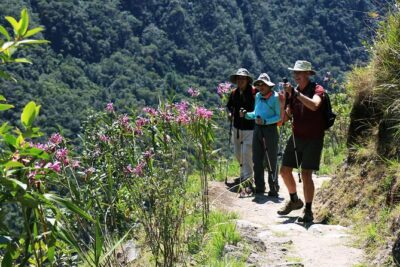
The route passes through thicker vegetation, with orchids, colorful flowers, birds, and mammals possible along the way. You might also notice how quickly the climate changes as you climb away from the canyon floor. A guide adds real value here by helping you understand the plants, animals, and mountain terrain rather than treating the trail as a simple route from point A to point B.
Marampata works as a welcome resting place and lunch stop. It offers a high view toward Choquequirao, which is still farther into the mountains. After lunch, you walk for about two more hours along the Inca trail toward the ruins and the camp near the site.
The listed distance is about eight kilometers, with roughly five hours of hiking. Those numbers may look modest, but the steep grade makes this day demanding. The word uphill does a lot of work here. Pace yourself, take the breaks offered, and do not race ahead early in the morning.
The camp near Choquequirao sits around 2,950 to 3,000 meters. Conditions are described as windy, and darkness comes early in the mountains. The advantage of staying close is obvious: you are positioned for an early visit to the archaeological complex, when the views can be clearer and the light is often better.
Day 3: Sunrise, condor country, and the archaeological complex
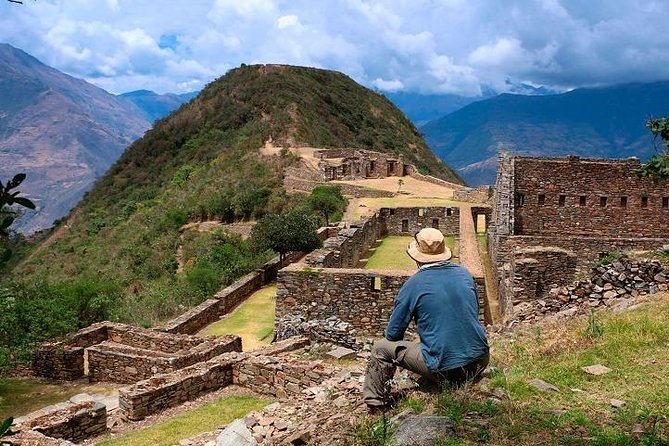
Day 3 gives you the reward for the previous two days. After breakfast, you walk toward Choquequirao in the early morning. The approach takes about an hour, and the site opens onto wide views of the deep canyons and surrounding mountain ranges.
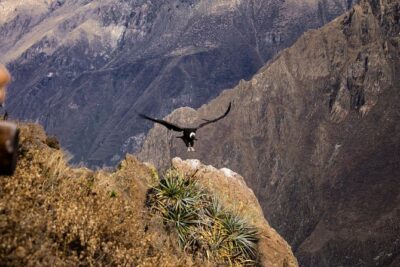
A condor may appear in the air nearby. That is never guaranteed, but the route gives you a chance to watch for one. The site’s high position and open mountain setting make this a good part of the day for simply stopping and looking around.
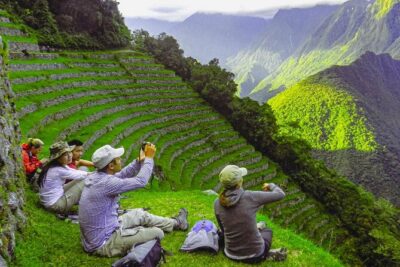
You spend about three hours exploring the archaeological complex with your guide. That time matters. Choquequirao is large enough that a rushed visit would reduce it to stone walls and viewpoints. A guide such as Raúl or Renzo can help connect the structures with the wider story of the Apurímac Canyon and explain what you are seeing as you move through the site.
One particularly useful feature offered on some departures is audio equipment. Headphones allow you to hear the guide clearly without needing to gather tightly around him. That can make explanations easier to follow, especially when the group is spread out across the ruins.
After the visit, the route reverses. You descend for about two hours, cross the Apurímac River, then climb for roughly an hour toward Chiquisca. This return is not an easy stroll after several hours at the site. The day covers approximately 13 kilometers and seven hours of hiking.
Chiquisca sits around 1,950 meters, and the camp is described as warm and sunny. This lower elevation can feel welcome after the cooler, windier conditions near Choquequirao. It also gives you a chance to rest before the final climb to Capuliyoc.
A completely different kind of day:
- Cusco: Rainbow Mountain and Red Valley Day Trip with Meals
★ 4.9 · 4,893 reviews - 4-Day Salkantay Trek with Sky Camp Stay
★ 5.0 · 3,346 reviews - Short Inca Trail to Machu Picchu 2D/1N
★ 5.0 · 3,007 reviews - Excursion to Rainbow Mountain Full Day Optional Red Valley
★ 5.0 · 2,996 reviews
Day 4: The final climb and five-hour drive to Cusco
The last day starts beside the river, with breakfast before the final walking section. You follow the route back toward Capuliyoc, climbing from Chiquisca to the pass at about 2,915 meters.
This is the reverse of the first day’s descent, so you already know the shape of the challenge. The climb takes about four hours, with a total walking time listed at roughly five hours and a distance of about nine kilometers. The route offers more views of the Apurímac Canyon, snowcapped peaks, condors, and Andean plant and animal life.
Lunch at Capuliyoc marks the end of the trail. It is also your last high view toward the canyon and Choquequirao before the road journey begins. The drive back to Cusco takes about five hours, with arrival expected around 6 p.m. Hotel transfer is provided at the end.
This final day is practical rather than leisurely. You have already walked a demanding route, then face a long drive. Do not plan an important evening activity in Cusco unless you are comfortable with a late arrival and a tired body.
Camping, meals, and what the price really covers
The $647 per-person price is not just a guide fee. It includes all transport, the entrance fee to Choquequirao, a bilingual English and Spanish guide, camping, first aid, four lunches, three dinners, and three breakfasts.
That package gives you useful cost control on a remote trek. You do not need to arrange separate transfers to Cachora and back from Capuliyoc, and you do not need to buy meals along the route. Camping is included for all three nights, at Santa Rosa, near Choquequirao, and Chiquisca.
The supplied details advise you to bring your own equipment, but local equipment rental may be available at Chiquisca and Marampata. I would confirm exactly what is included and what can be rented during the pre-trip briefing, rather than relying on last-minute supplies in the mountains.
The camping settings are one of the appealing parts of the trip. You sleep close to the canyon and ruins, rather than returning to a town each evening. Still, camping means basic conditions. The information does not specify tent types, mattresses, toilets, showers, or porter limits, so ask the operator about those points before paying.
Guides, group size, and the human side of the trek
The maximum group size is 10 people. That is small enough for a guide to keep an eye on the group during steep sections and give explanations without turning the walk into a moving crowd.
The guiding is a major strength. Adrián is described as friendly and encouraging, while Raúl is praised for making the route entertaining and informative. Renzo is noted for explaining the story of the Apurímac Canyon over the four days. These details matter because a long trek can feel very different with a guide who talks with you, not just at you.
The guide also helps with pacing, route decisions, history, and practical organization. That support is especially useful on Day 2, when the uphill sections are long, and on Day 3, when the archaeological site deserves more than a quick photo stop.
English and Spanish guiding is included. A pre-trip briefing takes place at the company office the day before departure. Use it well. Confirm pickup time, gear, meal arrangements, camping details, and the exact plan for the group.
Who should book this trek?
I would recommend it to you if you have a strong fitness level, enjoy multi-day hiking, and want an archaeological site reached by a demanding mountain route. It suits people who value quiet trails, big canyon views, local guiding, and time outdoors more than comfort or speed.
You should think twice if steep descents bother your knees, if you dislike camping, or if you are not comfortable with early starts and long drives. The trail is not described as accessible, and the operator specifically requires a strong physical fitness level.
Acclimatization is important. Cusco itself is high, but the trek also moves through major changes in altitude and temperature. Give yourself time to adjust before starting, and speak honestly with the guide about how you feel on the trail.
The tour is normally booked about 12 days ahead. Confirmation arrives within 48 hours, subject to availability. The booking is non-refundable and cannot be changed, so only commit once your dates and physical readiness are settled.
Practical strengths and limitations
The strongest part of this experience is the combination of isolation and access. You get to Choquequirao with a guide, transport, meals, camping, and entrance fees already organized, yet the route still feels like a real expedition rather than a packaged sightseeing stop.
The scenery is another major reason to go. The Apurímac Canyon, snowcapped peaks, steep mountain paths, flowers, wildlife, and possible condor sightings keep the walk interesting even before you reach the ruins.
The weak points are the same features that make it memorable. The road transfers are long, the first day begins very early, and the route requires repeated climbs. The itinerary also gives approximate walking times, and mountain conditions can affect the pace. Expect a demanding four days, not a tightly timed city tour.
Should you book the 4-day Choquequirao Trek?
Book it if you want to reach an impressive Inca site by foot and are happy to trade comfort for scenery, quiet, and a stronger sense of place. The included transport, meals, camping, entrance fee, and small-group guide make $647 a reasonable price for a four-day supported trek.
Skip it if you want a short visit, hotel beds, or a simple route with little elevation change. For the right person, this is one of Peru’s most rewarding serious hikes. Prepare properly, confirm the camping and equipment details, and let the trail set the pace.
FAQ
How long is the Choquequirao Trek?
The trek lasts approximately four days and includes three nights of camping. The itinerary lists about six hours of hiking on Day 1, five hours on Day 2, seven hours on Day 3, and five hours on Day 4.
Where does the trek start?
Transport leaves from Cusco and drives to the Cachora and Capuliyoc area. The trail begins near Capuliyoc, at roughly 2,900 meters above sea level.
What meals are included?
The package includes three breakfasts, four lunches, and three dinners. Breakfast on the first morning is taken at your hotel around 5 a.m.
Is camping included?
Yes. Camping is included for all three nights. The itinerary places camps at Santa Rosa, near Choquequirao, and Chiquisca.
Is transportation included?
Yes. Transport from Cusco to the trailhead and the return drive to Cusco are included. The final drive back to Cusco takes about five hours, with arrival expected around 6 p.m.
How large is the group?
The maximum group size is 10 people. A bilingual guide in English and Spanish is included.
How physically difficult is the trek?
The operator requires a strong physical fitness level. The route includes steep descents, long uphill sections, canyon heat, windy high areas, and hiking days of up to seven hours. Good acclimatization before departure is strongly advisable.
Just added in Cusco
- Cusco Private Transportation for 2026★ 5.0 · 4 reviews
- Private Transfer from Airport to Hotel in the City of Cusco★ 4.0 · 5 reviews
- Best Cusco walking tour: dinner street food tasting★ 4.5 · 11 reviews
- Private Tour to Pisac Market and Pisac Ruins★ 5.0 · 4 reviews
- Machu Picchu Day Trip With Panoramic Train from Cusco★ 5.0 · 10 reviews
- Sacred Valley Private Tour from Cusco, Guide and Driver only★ 5.0 · 4 reviews
- Sacred Valley of the Incas Tour★ 5.0 · 12 reviews
- Private Tour of the Mountain of Colours by Quad★ 5.0 · 7 reviews
Inca Trail and Salkantay Treks, compared.
Classic Inca Trail Trek 4D/3N to Machu Picchu (Group Service)
Read our review →
Salkantay Trek 5D/4N with Glass Cabins, Domes and Hobbit House
Read our review →2-Day Inca Trail to Machu Picchu with Panoramic Train
Read our review →
Browse the lists this tour appears in