
Reviewed · INCA TRAIL AND SALKANTAY TREKS
Classic Inca Trail Tour 4 days
Machu Picchu is the reward, not the whole story. This four-day trek gives you the full Inca Trail experience, with high mountain passes, stone ruins, cloud-forest scenery, staffed camps, and entry to Machu Picchu through Intipunku, the Sun Gate. I especially like the small group limit of 16 and the way cooks, porters, and guides handle the hard camp work while you focus on walking.
I also like the strong human side of the trip. Guides such as Luis Echaiz, Henry, Fredi, and Luis Hernandez received warm praise for patience, cultural explanations, and trail support. The main concern is uneven agency communication, especially around last-minute details and the return from Aguas Calientes.
In This Review
- Key Points Before You Book
- What Four Days on the Classic Inca Trail Really Means
- Day 1: Ollantaytambo and the First 13 Kilometers
- Day 2: The 4,215-Meter Test at Warmiwañusca
- Day 3: Sayacmarca, Phuyupatamarca, and Long Descents
- Day 4: Intipunku and the First View of Machu Picchu
- Guides, Cooks, and Porters Make the Difference
- Is $1,060 a Fair Price?
- Fitness, Gear, and Communication
- Who Should Book This Inca Trail Tour?
- Final Verdict: A Strong Trek with One Important Warning
- FAQ
- How long is the Classic Inca Trail tour?
- What time does the tour start?
- Where does the tour begin?
- How high does the trail go?
- Is Machu Picchu admission included?
- Are meals included?
- Is a sleeping bag included?
- Is personal luggage carried by the porters?
- What is the cancellation policy?
Key Points Before You Book
- The trek reaches 4,215 meters at Warmiwañusca, the highest point of the route, so altitude and fitness matter.
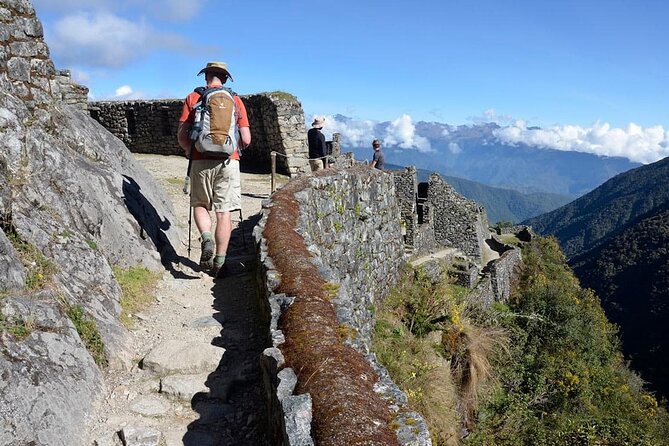
- You enter Machu Picchu through Intipunku, giving the final morning a dramatic sense of arrival.
- Porters carry camp equipment and cooks prepare three days of meals, but you still need to carry your personal items.
- The route covers about 13 kilometers on Day 1, 11 kilometers on Day 2, and 16 kilometers on Day 3, with steep climbs and long descents.
- The $1,060 price includes transport, camping, meals, guiding, the Machu Picchu visit, bus, and train back to Cusco.
- Sleeping bags, trekking poles, Day 4 lunch and dinner, tips, and cancellation protection are not included.
What Four Days on the Classic Inca Trail Really Means
This is not a sightseeing trip with a short walk added. It is a proper mountain trek, with early starts, basic camping, steep stone paths, and a demanding high point above 4,200 meters.
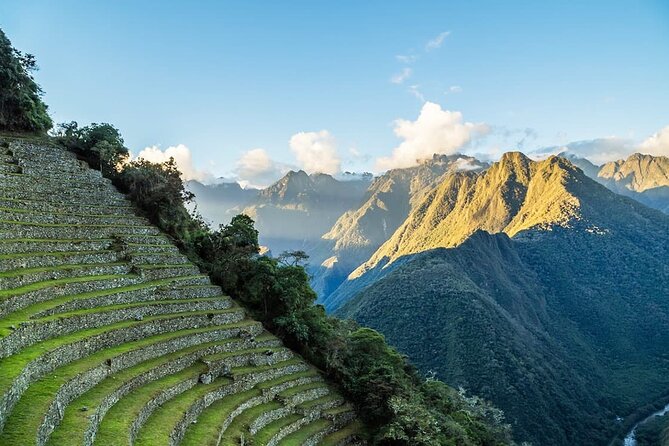
The reward is the way the route builds toward Machu Picchu. You do not simply arrive by train and see the citadel from a viewpoint. You approach it through the same historic trail corridor used to reach the sanctuary, passing ruins and changing plant life along the way.
The tour starts with a briefing one day before departure. That meeting matters. You should use it to confirm pickup details, ask what equipment is supplied, and check how your personal luggage will be handled. Communication has been the weakest part of this operation, so ask clear questions before the 4:00 am start.
Pickup is offered from your hotel in Cusco. The group then takes tourist transport toward the Sacred Valley and the trailhead near Ollantaytambo. The maximum group size is 16 people, large enough to provide company but still manageable on a narrow mountain path.
More hikes and treks in Cusco:
- Classic Inca Trail Trek 4D/3N to Machu Picchu (Group Service)
★ 5.0 · 8,653 reviews - Machu Picchu: 4-Day Inca Trail Trek with Panoramic Train Ride
★ 5.0 · 4,568 reviews - Salkantay Classic Trek 5 Days from Cusco
★ 5.0 · 4,062 reviews
Day 1: Ollantaytambo and the First 13 Kilometers
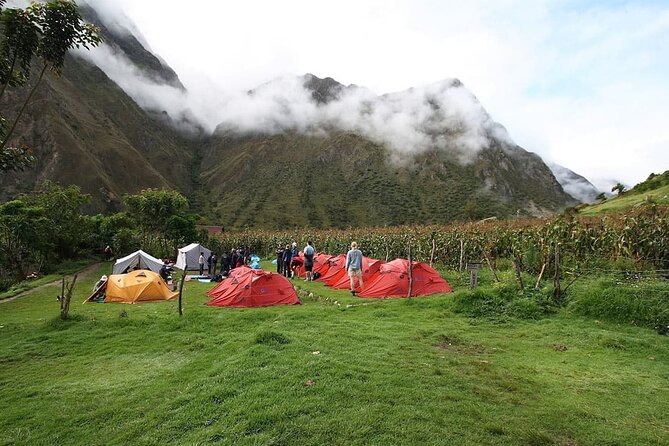
The first morning starts early, with pickup from your hotel and transport toward Ollantaytambo. Breakfast on this day is not included, so plan ahead before leaving Cusco.
The walking begins near the village and soon turns uphill. The first section covers about 13 kilometers and is described as difficult because of the sustained ascent. This is where you find out if your shoes fit, your pack is comfortable, and your pacing is sensible.
Take the first day slowly. You do not gain anything by racing ahead, especially since the route continues for several days. A good guide should help set a calm pace, and the positive comments about guides such as Luis Echaiz and Luis Hernandez suggest that personal encouragement is one of the better parts of this trip.
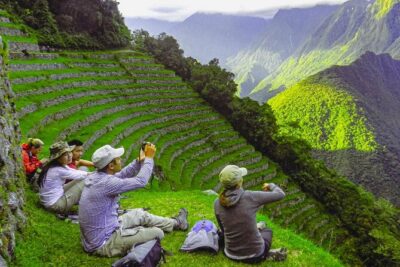
From the higher sections, you can appreciate Llactapata, an archaeological site connected with the wider Inca route. The ruins are important, but the first day is also about getting used to the altitude and the rhythm of camp life.
Lunch is prepared along the route by the cooking team. Breakfast, lunch, and dinner are included for the first three trekking days, and the cooks are a real part of the value here. Juan de Dios and Fabian were singled out for creative, satisfying meals, including a farewell cake. Do not expect restaurant service, but you can expect more than basic trail snacks.
The first night may be at Ayapata, Wayllabamba, Llaqtapata, or Llulluchapampa, depending on availability. That uncertainty is worth noting. The exact camp affects your distance, elevation gain, and how much ground you need to cover the next day.
Day 2: The 4,215-Meter Test at Warmiwañusca
Day 2 is the toughest physical day for many people. After breakfast, you walk roughly 11 kilometers through high mountain terrain and climb to Warmiwañusca, also called Dead Woman’s Pass.
At 4,215 meters, this is the highest point on the Classic Inca Trail. The distance itself is not extreme, but steep climbing at altitude can make every section feel longer. I would treat this day as a test of patience rather than speed.
You may find the weather changes quickly at this height. The supplied information does not promise particular conditions, so pack layers and keep rain protection easy to reach. Your guide and first aid team are there for support, but neither can remove the basic demands of altitude and steep ground.
After the pass, the trail descends toward the day’s lunch stop. Depending on the assigned camp, you may walk several more kilometers afterward. Possible camps include Chaquiccocha, Pacaymayo, Llulluchapampa, and Phuyupatamarca.
That range of camps is another reason to ask about the expected plan during the briefing. A night at a closer camp may mean a shorter evening, while a more distant camp could make the day feel much longer after the main climb.
The tour includes camping equipment and porter support, but not a sleeping bag or trekking poles. Those omissions are normal enough for a guided trek, yet they affect your true cost. If you do not already own suitable gear, add rental costs before deciding that $1,060 is your final budget.
Day 3: Sayacmarca, Phuyupatamarca, and Long Descents
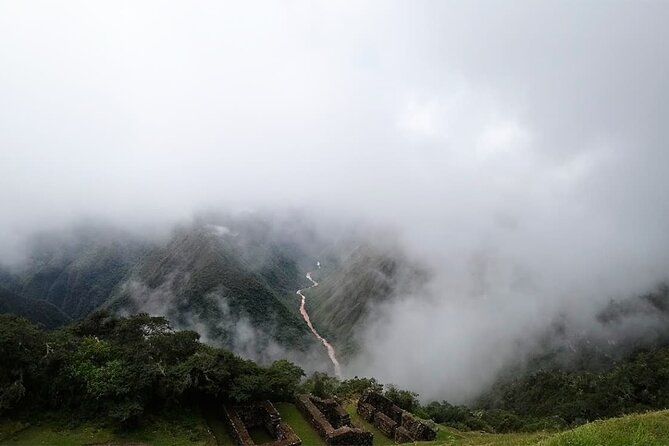
Day 3 covers about 16 kilometers and is mostly downhill. That sounds easy, and it is generally considered the less punishing day, but long descents can be hard on knees and ankles.
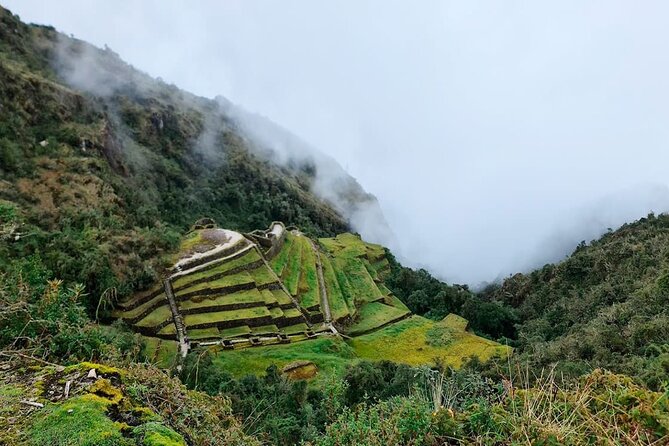
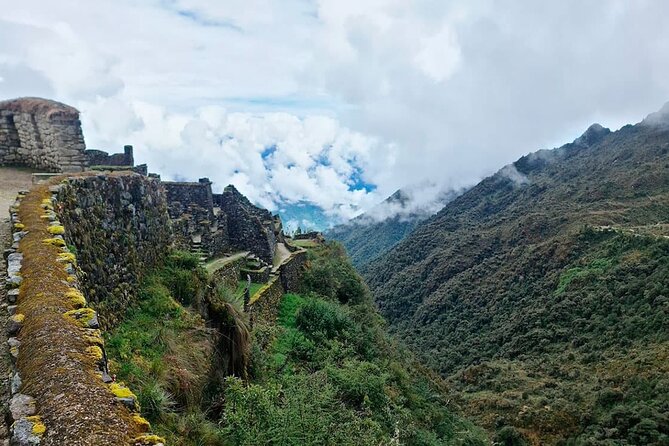
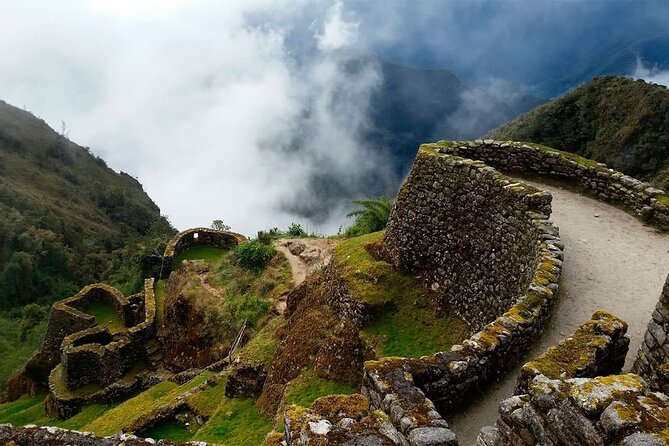
The route passes through thick vegetation and mountain scenery. You also visit Sayacmarca, an Inca archaeological site set along the trail. Phuyupatamarca may be included if time allows, but the wording makes clear that this visit depends on the schedule and camp arrangement.
This is the day when a guide’s interpretation adds real value. The ruins are not just stopping points for photographs. A guide can explain how the sites fit into the trail system and point out details you might pass without noticing.
Lunch is again provided, followed by more walking to the assigned camp. The possible camps are Phuyupatamarca, Wiñayhuayna, and Ruins Bridge. These names are not minor details. Your camp location determines how much walking remains before the final morning and how early you need to rise.
The porter team carries camping equipment rather than your personal luggage. You should expect to carry the day’s essentials yourself: water, rain gear, warm layers, medication, snacks, and anything else you need between camp stops. Pack light, but do not leave useful weather protection behind.
The porters earned some of the strongest praise attached to this experience. Their work allows the tour to provide cooked meals and organized camps in a remote setting. It is also a good reminder to budget for tips, which are not included.
More things to do in Cusco:
- Cusco: Rainbow Mountain and Red Valley Day Trip with Meals
★ 4.9 · 4,893 reviews - 4-Day Salkantay Trek with Sky Camp Stay
★ 5.0 · 3,346 reviews - Short Inca Trail to Machu Picchu 2D/1N
★ 5.0 · 3,007 reviews - Excursion to Rainbow Mountain Full Day Optional Red Valley
★ 5.0 · 2,996 reviews
Day 4: Intipunku and the First View of Machu Picchu
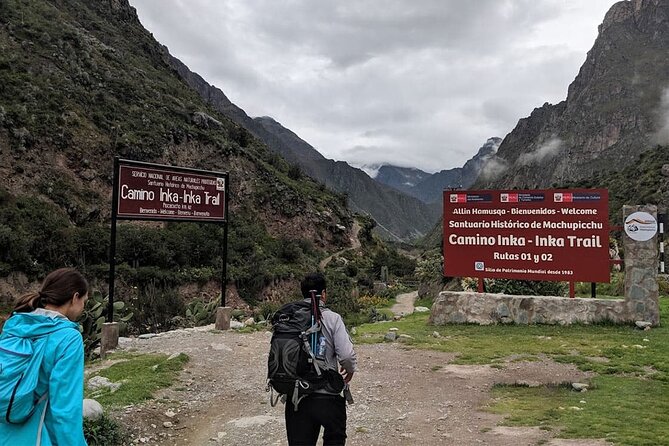
The final morning begins early with a box lunch and a descent toward Intipunku, the Sun Gate. The aim is to reach the gateway around sunrise, though the exact view depends on weather and timing.
Arriving through Intipunku gives the day a special shape. Machu Picchu appears after you have already spent three days walking through the mountains and archaeological sites. The citadel feels like the end of a journey, not just another stop on a bus itinerary.
From Intipunku, you continue down to the Machu Picchu archaeological site with your guide. The guided visit lasts about three hours and includes explanations of the citadel and its major areas.
The tour includes admission to Machu Picchu, but you should pay close attention to the exact ticket category. The supplied details call it the Machu Picchu Classic post. If you want a specific mountain or additional circuit, ask about that before booking rather than assuming it is covered.
After the visit, you leave the archaeological site by bus to Aguas Calientes, also called Machu Picchu village. Lunch is not included, and you have free time there for food, shopping, or a short look around town.
The return uses a tourist train to Ollantaytambo, followed by tourist transport to Cusco. The listed end point is Plaza Regocijo in central Cusco. Train schedules and road connections matter here, particularly after a long trek. One past return was affected by a train accident, and the lack of timely agency follow-up caused serious frustration. That event was unusual, but it shows why you should keep your guide’s contact details and confirm the meeting plan before leaving the ruins.
Guides, Cooks, and Porters Make the Difference
The operation’s strongest feature is its field team. Several guides received specific praise, including Luis Echaiz, Henry, Fredi, and Luis Hernandez.
Luis Echaiz was noted for his care, enthusiasm, and explanations of Inca culture, Peruvian culture, and the natural setting. Luis Hernandez was praised for patience and encouragement when members of a family group nearly gave up. Those details matter because the hardest moments often come on Day 2, not at Machu Picchu.
The cooks also add value. Juan de Dios and Fabian were praised for varied meals and a farewell cake. Three breakfasts, three lunches, and three dinners are included, giving you proper food during the first three days rather than forcing you to rely on purchased snacks.
The porters carry the equipment that makes the camp possible. They were repeatedly praised for their effort and support. The tour does not include personal luggage carrying, so do not read porter equipment as a promise that your full backpack will be transported for you.
Is $1,060 a Fair Price?
At $1,060 per person, this is not a cheap walk. Yet the fee covers several costly parts of the experience: hotel pickup, transport to the trail, camping equipment, cooks, porters for group equipment, an English and Spanish guide service, first aid support, Machu Picchu admission, the bus down to Aguas Calientes, and the train and transport back to Cusco.
You also receive nine included meals across the first three days: three breakfasts, three lunches, and three dinners. That makes the price easier to understand than a simple four-day admission fee.
Still, the price is not all-inclusive. You need to budget for a sleeping bag, trekking poles, Day 1 breakfast, Day 4 lunch and dinner, and tips. The cancellation policy is strict: the experience is non-refundable and cannot be changed after booking.
I see the price as reasonable if you value a staffed camping operation, a guide-led archaeological visit, and organized transport back to Cusco. It is less attractive if you already own camping gear, prefer to organize your own meals, or want more control over the schedule.
Fitness, Gear, and Communication
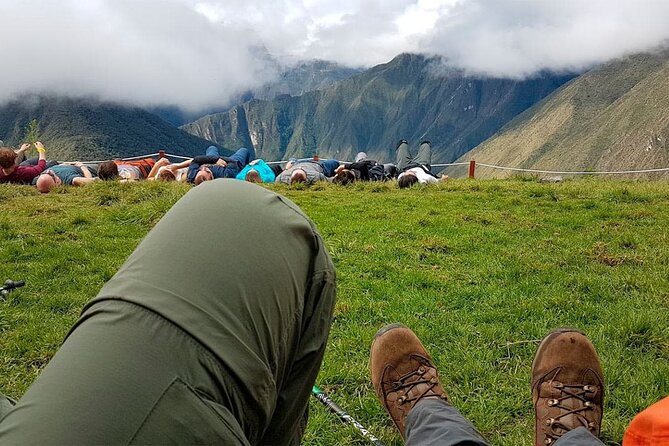
The stated fitness requirement is moderate, but that word should not fool you. The route includes a long first-day ascent, the 4,215-meter pass on Day 2, and a 16-kilometer descent on Day 3.
You should be comfortable walking for several hours on steep and uneven ground. If you are unsure, use the briefing to ask about recent trail conditions and the likely camp assignments.
Bring footwear that is already broken in, layers for changing temperatures, rain protection, sun protection, personal medication, and a small daypack. Trekking poles are not supplied, so bring or rent them if they help your balance and knees.
Communication deserves extra attention. Some customers received only a basic PDF and felt that information arrived too late. The agency acknowledged problems with clear updates and follow-up. I would confirm pickup, the briefing time, camp expectations, luggage arrangements, train details, and an emergency contact before the trek begins.
Who Should Book This Inca Trail Tour?
I would recommend this tour to someone who wants the classic four-day route and prefers having meals, camps, guides, and return transport arranged in one package.
It suits you especially well if you value cultural explanation and personal support. The positive feedback about guide patience, porter effort, and cooking quality suggests that the people on the trail can make a demanding route feel manageable.
I would be more cautious if you need polished office communication, flexible cancellation, or a highly predictable schedule. The camp locations can vary, and the agency has had communication problems during transport disruptions.
The group size of up to 16 is a useful middle ground. You are not walking alone, but the group is not so large that every stop must feel like a parade. Just remember that the route remains physically serious, no matter how good the support team is.
Final Verdict: A Strong Trek with One Important Warning
This Classic Inca Trail tour offers the main things you want from the four-day route: high mountain walking, Inca ruins, staffed camps, cooked meals, an English-speaking guide, and arrival at Machu Picchu through Intipunku.
The guide and support teams appear to be the great strength. Luis Echaiz, Henry, Fredi, Luis Hernandez, cooks Juan de Dios and Fabian, and the porter crews were all praised for care, patience, skill, or hard work.
My main reservation is communication from the agency office. Book this tour if you are ready for a demanding trek and willing to confirm details yourself before departure. If you do that, the $1,060 package offers a solid way to experience the full trail rather than only the famous ruins at the end.
FAQ
How long is the Classic Inca Trail tour?
The tour lasts approximately four days and includes three nights of camping before the Machu Picchu visit and return to Cusco.
What time does the tour start?
The listed start time is 4:00 am, with pickup from your hotel in Cusco.
Where does the tour begin?
Transport takes you from Cusco toward the trail start near Ollantaytambo in the Sacred Valley of the Incas.
How high does the trail go?
The route reaches 4,215 meters above sea level at Warmiwañusca, the highest point of the Inca Trail.
Is Machu Picchu admission included?
Yes. Admission to Machu Picchu is included, along with the guided visit and the bus to Aguas Calientes.
Are meals included?
Breakfast, lunch, and dinner are included for the first three trekking days. Day 1 breakfast and Day 4 lunch and dinner are not included.
Is a sleeping bag included?
No. You must arrange your own sleeping bag. Trekking poles are also not included.
Is personal luggage carried by the porters?
The included porter service covers equipment for the tour, but it does not include carrying the tourist’s personal luggage.
What is the cancellation policy?
The experience is non-refundable and cannot be changed for any reason. Cancellations or amendment requests do not receive a refund.
Just added in Cusco
- Cusco Private Transportation for 2026★ 5.0 · 4 reviews
- Private Transfer from Airport to Hotel in the City of Cusco★ 4.0 · 5 reviews
- Best Cusco walking tour: dinner street food tasting★ 4.5 · 11 reviews
- Private Tour to Pisac Market and Pisac Ruins★ 5.0 · 4 reviews
- Machu Picchu Day Trip With Panoramic Train from Cusco★ 5.0 · 10 reviews
- Sacred Valley Private Tour from Cusco, Guide and Driver only★ 5.0 · 4 reviews
- Sacred Valley of the Incas Tour★ 5.0 · 12 reviews
- Private Tour of the Mountain of Colours by Quad★ 5.0 · 7 reviews
Inca Trail and Salkantay Treks, compared.
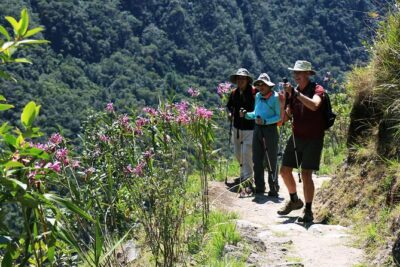
Classic Inca Trail Trek 4D/3N to Machu Picchu (Group Service)
Read our review →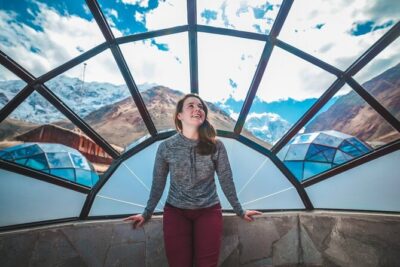
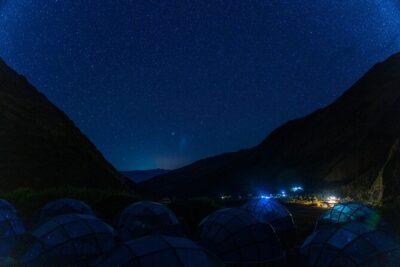
Salkantay Trek 5D/4N with Glass Cabins, Domes and Hobbit House
Read our review →2-Day Inca Trail to Machu Picchu with Panoramic Train
Read our review →
Browse the lists this tour appears in