Reviewed · TICKETS
Cochahuasi Animal Sanctuary® Admission Ticket
Rescued Andean wildlife deserves a closer look. Cochahuasi Animal Sanctuary offers a short, meaningful visit near Cusco, with a local guide explaining how abused, trafficked, abandoned, and injured animals came to live here. I like the chance to see pumas, condors, bears, monkeys, llamas, and alpacas while learning about their care. I also like that the visit is small, with no more than 15 people.
The main caution is that this is a working rescue center, not a polished zoo. Some enclosures may feel small, and one critical assessment found parts of the property poorly maintained. You should visit with realistic expectations: the animals’ difficult stories are central to the experience, and the setting may feel modest.
In This Review
- Key points before you book
- Why this sanctuary visit matters
- Entering Cochahuasi near Cusco
- A guided walk through rescued animal enclosures
- Pumas with especially painful stories
- Condors, bears, monkeys, llamas, and alpacas
- What the guide adds to the admission price
- The sanctuary’s rough edges
- How long you should allow
- Who will enjoy Cochahuasi most
- Cancellation and booking details
- Should you book this animal sanctuary visit?
- FAQ
- Where is Cochahuasi Animal Sanctuary?
- How long does the visit last?
- What animals can I see?
- Is a guide included?
- How much does admission cost?
- Is the sanctuary suitable for children?
- Can I cancel for a refund?
Key points before you book
- A short visit from Cusco: The sanctuary is about 30 minutes from the city, making it a practical half-day outing if you arrange transport carefully.
- Rescued Andean animals: You may see pumas, condors, bears, monkeys, llamas, and alpacas, along with other animals from across the Andes.
- A guide is included: A local caretaker or guide leads you around and explains each animal’s background, condition, and future prospects.
- Some animals cannot return to nature: Injuries, tooth and claw removal, illness, or human imprinting can make release impossible.
- Small-group setting: The maximum group size is 15 people, which should make it easier to ask questions.
- Plan your ride home: A taxi or Uber may take you there, but arranging a return ride is important because the sanctuary is outside Cusco.
Why this sanctuary visit matters
Cochahuasi is not simply a place to look at animals. It exists because many of the animals in its care were harmed by people. Some were abused or abandoned. Others were caught in illegal wildlife trafficking or kept in unsuitable settings.
That background changes the way you see the enclosures. A puma is not just an impressive large cat behind a barrier. It may be an animal that lost the skills needed for life in the wild, or one that carries permanent injuries from its earlier treatment.
The sanctuary’s role is especially important for animals that cannot be released. Wildlife rehabilitation has limits. An animal that has been heavily handled by people may not know how to survive alone. A serious injury may make hunting impossible. A former captive may not recognize danger or find food.
The center works with both kinds of cases. Animals that can recover may eventually be released. Those that cannot are given long-term care. That is a useful lesson for you, especially if you are visiting with children. Rescue does not always end with freedom. Sometimes responsible care means providing a safe permanent home.
More things to do in Cusco:
- Classic Inca Trail Trek 4D/3N to Machu Picchu (Group Service)
★ 5.0 · 8,653 reviews - Cusco: Rainbow Mountain and Red Valley Day Trip with Meals
★ 4.9 · 4,893 reviews - Machu Picchu: 4-Day Inca Trail Trek with Panoramic Train Ride
★ 5.0 · 4,568 reviews
Entering Cochahuasi near Cusco
The sanctuary is located outside central Cusco, roughly 30 minutes away by car according to the practical information provided for the visit. That makes it easy to combine with other plans, but it is not a place I would treat like a central city attraction.
The most important transport tip is simple: arrange both directions before you leave Cusco. An Uber or taxi can bring you out, but finding a ride back may be harder once you are at the sanctuary. One useful arrangement involved a taxi driver waiting during the visit and returning the passengers to Cusco for about 100 soles total. That price is not guaranteed, but it shows why a round-trip agreement can save time and stress.
You can also ask your accommodation to help arrange the ride. If a driver waits, remember that the visit usually lasts between 45 minutes and 1 hour 30 minutes. The longer end of that range may matter when agreeing on a fare.
The entrance process itself is meant to be easy. Booking ahead provides confirmation at the time of purchase and helps you avoid waiting in line. Admission is listed at $10 per person online. Paying at the sanctuary has been reported as 20 soles per person, so compare the options before you go. The online price is not automatically better in every currency situation, but it gives you a confirmed reservation and may make arrival more straightforward.
A guided walk through rescued animal enclosures
Your visit begins with a guided walk around the sanctuary. A local guide explains the animals’ stories and describes their current condition. This personal explanation is important because the enclosures alone cannot tell you what happened before each animal arrived.
The guide may explain which animals are candidates for release and which require permanent care. You can also ask about rehabilitation, diet, injuries, and the effects of captivity. One account praised a guide’s excellent English, while another described the owner personally leading the walk and answering questions. The exact guide may vary, but the experience depends heavily on the person showing you around.
The walk lasts about 45 minutes at its shortest. That is enough time for a focused introduction, but not enough for a slow, all-day wildlife outing. If you want a long nature walk or a large collection of exhibits, this will feel limited. If you want a compact activity that adds meaning to your Cusco itinerary, the timing works well.
The group limit of 15 people is another positive. A smaller group gives you a better chance to hear the explanations and ask about individual animals. It also avoids the feel of a large, rushed tour, although the actual pace will depend on the guide and the number of people present.
Pumas with especially painful stories
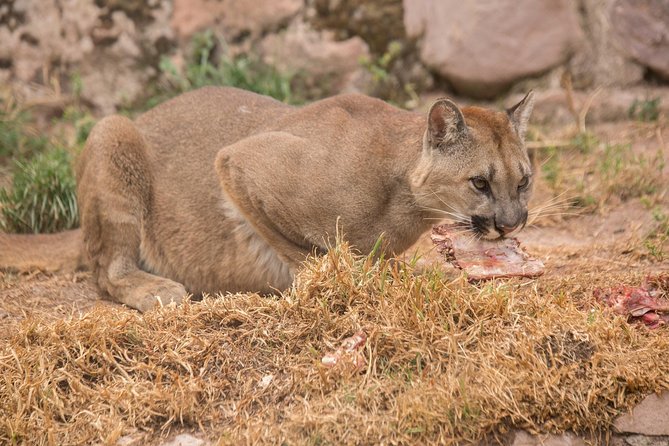
The pumas are likely to be among the most memorable animals at Cochahuasi. Their size and presence make them easy to notice, but their histories are harder to forget.
Two pumas were reportedly kept in a disco club in Lima, where their teeth and claws were removed. The sanctuary had dentures made for them so they could eat meat. This is a stark example of why a rescued animal may never return to the wild. Even with care, an animal that has lost its natural weapons cannot hunt normally or defend itself.
A guide can help you understand the difference between seeing an animal and understanding its needs. The pumas may look strong from a distance, but their earlier treatment caused permanent harm. That makes the visit less about getting a dramatic photograph and more about recognizing the consequences of using wild animals as entertainment.
Enclosure size is a fair concern here. One critical assessment felt that some animals were kept in spaces that were too small and that the grounds were not well maintained. The sanctuary’s response was that the animals had been rescued from abuse or illegal trafficking and that staff work to provide safe, suitable care. You should hold both points in mind. The mission may be worthwhile, but good intentions do not remove the need for clean facilities and adequate living space.
A few more options to weigh up in Cusco
- Skip the Line: Planetarium Cusco Admission Ticket
★ 4.5 · 193 reviews - Machu Picchu Ticket, Bus & Private Guide – Language Options
★ 5.0 · 34 reviews - Cusco Tourist Ticket and Sacred Valley Site Pass
★ 4.2 · 28 reviews - Machu Picchu Day Trip from Cusco Guided Tour & Tickets
★ 4.0 · 16 reviews
Condors, bears, monkeys, llamas, and alpacas
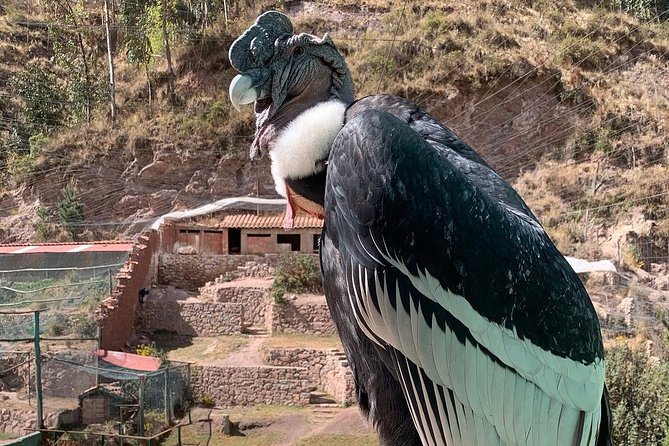
Cochahuasi cares for a broad mix of Andean wildlife. The larger animals include condors, bears, pumas, llamas, and alpacas, with monkeys also among the species you may see.
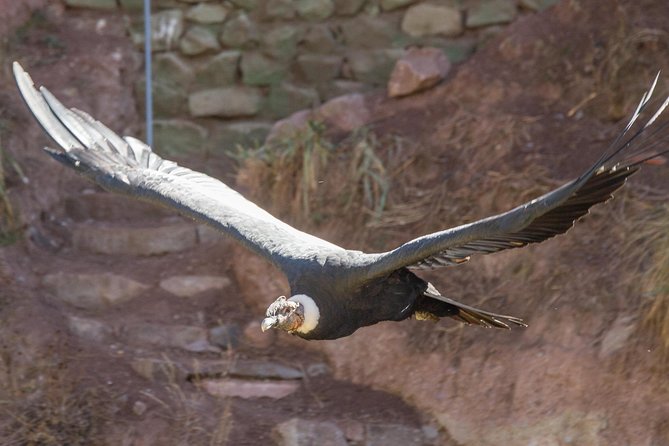
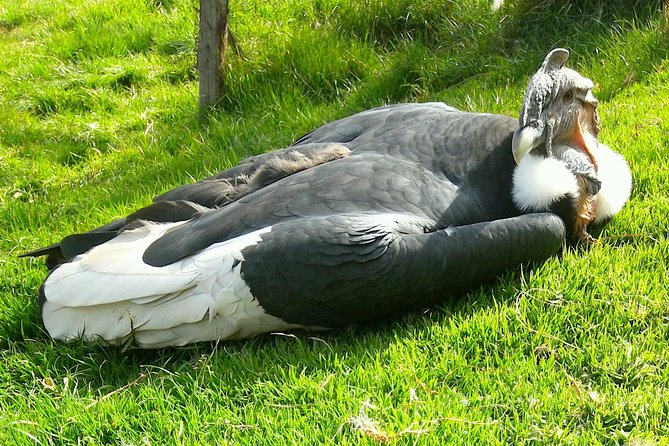
The condors are a particular draw. Seeing one at close range gives you a better sense of its size and power than a distant bird in the sky. At the same time, a close view in captivity can feel complicated. The point is not simply to admire the bird, but to understand why it is being kept and whether it can survive outside the sanctuary.
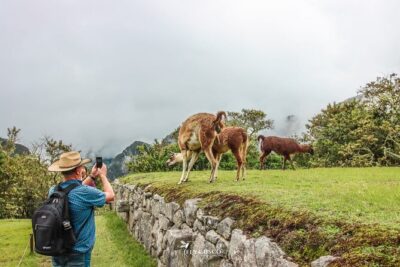
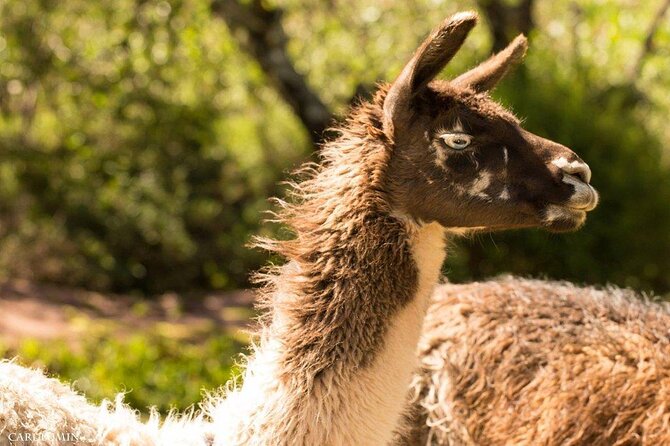
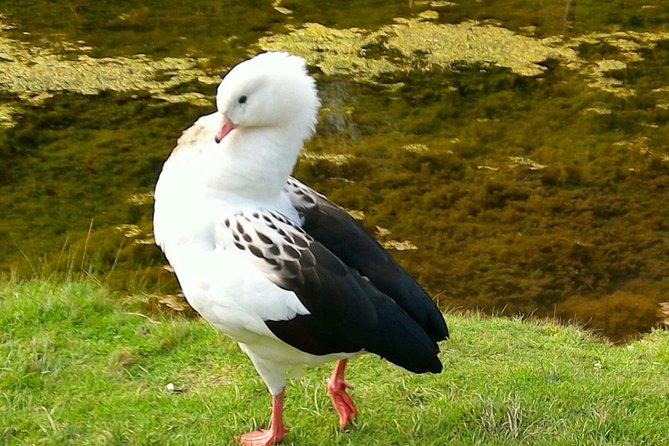
The llamas and alpacas offer a gentler part of the visit. Some admission experiences may include feeding or petting alpacas, but you should not assume that interaction is guaranteed every time. It depends on the animals, the staff, and the rules in place that day. Even without touching them, the camelids can provide a lighter moment after hearing about the pumas and other rescue cases.
For families, this mix of animals can keep younger children interested. The stories also create a natural way to discuss wildlife protection. Children must be accompanied by an adult, and the visit requires a moderate level of physical fitness, so it is best suited to families who can manage a guided walk around the property.
What the guide adds to the admission price
At $10 per person, the admission is not just a pass through a gate. A local guide is included, and that guide provides the context that makes the visit worthwhile.
Without the explanations, you might see cages and leave with only a general impression. With the stories, you learn why an animal is there, what treatment it received, and whether rehabilitation is possible. That turns a short stop into a lesson about trafficking, human ownership of wild animals, and the difficult choices involved in rescue work.
The value also depends on what kind of activity you want. If you are looking for a major attraction with elaborate facilities, the price may not feel justified. If you care about animal welfare and want your admission fee to support a rescue center, the cost is more appealing.
You may also choose to make an additional donation. The center’s work involves ongoing food, medical care, enclosures, and staff time. No donation is required by the information provided, but extra support may help the sanctuary care for animals that need permanent homes.
The separate food and drink cost is easy to manage because these are not included. Plan to eat before or after the visit rather than expecting a full meal at the site.
The sanctuary’s rough edges
A fair review has to address the uncomfortable part. The sanctuary does not appear to be uniformly polished. One negative assessment described small enclosures, dirty areas, and poor maintenance, and questioned whether the setting felt like a true sanctuary.
That criticism matters. Animal rescue centers should be judged not only by the past suffering of the animals, but also by the quality of their present care. You may find the facilities basic rather than modern. The animals are kept in enclosures, and some areas may not meet the expectations of someone used to a large, professionally designed wildlife park.
Still, the setting can look different once a caretaker explains the animals’ backgrounds. A cage that first seems disappointing may hold an animal that cannot safely live outside human care. That does not excuse poor upkeep, but it does explain why release is not always the right answer.
I would approach the visit with an open but observant mind. Pay attention to how staff describe rehabilitation and permanent care. Notice whether the animals appear protected and attended to. If the facilities make you uncomfortable, you can still decide that the center’s work deserves support, but you should not feel pressured to ignore legitimate concerns.
How long you should allow
The stated visit takes about 45 minutes to 1 hour 30 minutes. Most people should allow at least an hour, plus driving time from Cusco and a little flexibility for the guide’s pace.
A 45-minute visit works for a quick introduction. The longer visit gives you more time to ask questions and hear the background of several animals. Your total outing can become a comfortable half-day plan once you include the journey and transport arrangements.
The short duration is useful if you are adjusting to Cusco’s altitude or trying not to overload your schedule. You can visit the sanctuary without giving up an entire day. On the other hand, if you travel a long way only for this stop and expect a full wildlife park experience, the limited duration may feel brief.
Who will enjoy Cochahuasi most
I would recommend this experience most strongly to people who care about wildlife rescue, families looking for an educational outing, and anyone with an extra half-day near Cusco.
It is also a good match for visitors who prefer meeting local caretakers and learning individual animal stories rather than simply reading signs. The small maximum group size should suit you if you like asking questions.
You may want to skip it if you need spotless, spacious, highly developed facilities or if seeing animals in enclosures is upsetting. The sanctuary’s purpose is rescue, but the setting may still raise difficult questions about captivity and animal welfare.
The visit is not physically extreme, but a moderate fitness level is required. Children need adult supervision. Bring practical expectations and allow enough time for the ride back.
Cancellation and booking details
You receive confirmation when you book. Free cancellation is available if you cancel at least 24 hours before the experience begins, based on local time. Cancellations made within 24 hours are not refunded, and changes inside that period are not accepted.
Booking ahead may help you avoid a line and gives you a fixed plan for a small-group visit. Since the experience is booked around six days in advance on average, planning several days ahead is sensible if the sanctuary is important to your Cusco schedule.
Should you book this animal sanctuary visit?
Book Cochahuasi if you want a short, guided encounter with rescued Andean wildlife and you are willing to support a modest working sanctuary. The strongest reasons are the personal animal stories, the passionate caretakers, the chance to see species such as condors and pumas, and the clear focus on recovery and long-term care.
Before booking, arrange a round-trip taxi or another reliable ride. Expect basic facilities, not a polished zoo. If you can accept that tension and remain thoughtful about the conditions you see, Cochahuasi can add real meaning to a Cusco visit. If you want perfect enclosures and a purely recreational animal attraction, choose another activity.
FAQ
Where is Cochahuasi Animal Sanctuary?
Cochahuasi Animal Sanctuary is near Cusco, Peru. The journey from Cusco takes about 30 minutes by car.
How long does the visit last?
The visit lasts approximately 45 minutes to 1 hour 30 minutes.
What animals can I see?
The sanctuary cares for rescued Andean wildlife, including pumas, condors, bears, monkeys, llamas, and alpacas.
Is a guide included?
Yes. A local guide is included and explains the animals’ stories, recovery, and conservation work.
How much does admission cost?
The listed admission price is $10 per person. Admission at the sanctuary has been reported as 20 soles per person.
Is the sanctuary suitable for children?
Children must be accompanied by an adult. The activity also requires a moderate level of physical fitness.
Can I cancel for a refund?
Yes. You can cancel at least 24 hours before the start time for a full refund. Cancellations or changes made within 24 hours are not accepted and are not refunded.
Just added in Cusco
- Cusco Private Transportation for 2026★ 5.0 · 4 reviews
- Private Transfer from Airport to Hotel in the City of Cusco★ 4.0 · 5 reviews
- Best Cusco walking tour: dinner street food tasting★ 4.5 · 11 reviews
- Private Tour to Pisac Market and Pisac Ruins★ 5.0 · 4 reviews
- Machu Picchu Day Trip With Panoramic Train from Cusco★ 5.0 · 10 reviews
- Sacred Valley Private Tour from Cusco, Guide and Driver only★ 5.0 · 4 reviews
- Sacred Valley of the Incas Tour★ 5.0 · 12 reviews
- Private Tour of the Mountain of Colours by Quad★ 5.0 · 7 reviews
Tickets, compared.
Skip the Line: Planetarium Cusco Admission Ticket
Read our review →
Machu Picchu: Tour Guide Service & Entrance Ticket Circuit-2
Read our review →
Machu Picchu Private Tour from Aguas Calientes (Tickets included)
Read our review →
Hop-On Hop-Off Tourist Bus in Lima – Tickets 24h, 48h or 72h
Read our review →
From Aguas Calientes: Machu Picchu guided tour with tickets
Read our review →