Reviewed · CUSCO TOURS
Cusco Santuario de Animales Rescatados en Cusco
Wild animals need more than scenery. This short visit to Cochahuasi Animal Sanctuary gives you a close look at rescued wildlife, along with the work required to feed, protect, and eventually return some animals to nature. I like the private format and the chance to learn each animal’s story from a guide, rather than simply walking through a collection of cages. I also like that hotel pickup and return are included. The main drawback is the brief visit, usually about two to three hours, with roughly one hour at the sanctuary.
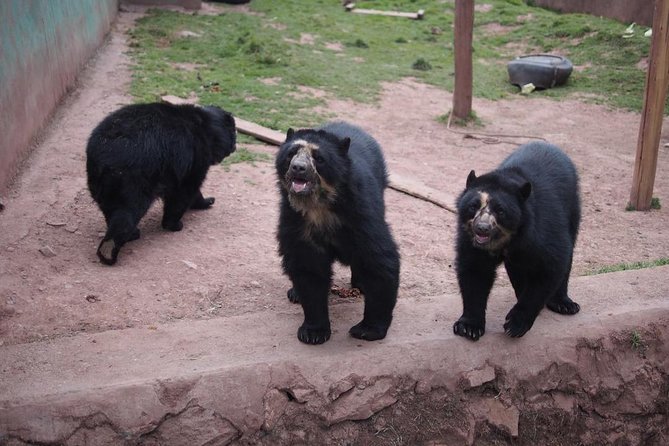
You can see monkeys, macaws, turtles, deer, alpacas, bears, wild cats, foxes, and condors, with animals from Peru’s highlands and jungle regions. The sanctuary also teaches children and the public about respect for nature. Still, this is a working rescue center, not a polished zoo, so conditions and animal access may vary.
The tour is offered in English and accepts a maximum of 10 people, though the private setup lets you move at your own pace. You can be picked up from your Cusco hostel or Airbnb, or meet at Selina Cusco Saphi. The flexibility is useful if you want to return to your accommodation or the main square after the visit.
In This Review
- Key points about the Cochahuasi visit
- Why Cochahuasi is worth your morning
- Pickup from Cusco and the ride out
- Meeting the animals at Cochahuasi
- A guide makes the difference
- What the $34 price really covers
- The alpaca shop and the wider mission
- Timing, group size, and practical comfort
- Who will enjoy this most
- Should you book the Cochahuasi Animal Sanctuary tour?
- FAQ
- How long does the Cochahuasi Animal Sanctuary tour last?
- What animals can I see at the sanctuary?
- Is hotel pickup included?
- Is the tour offered in English?
- How many people can join the tour?
- Can I cancel for a full refund?
Key points about the Cochahuasi visit
- Rescued native animals: See alpacas, monkeys, macaws, condors, foxes, bears, turtles, deer, and wild cats.
- Private, small-scale outing: The activity is limited to 10 people and allows a more personal pace.
- Guide-led animal stories: Guides explain where the animals came from, what happened to them, and how the sanctuary cares for them.
- Hotel pickup in Cusco: Pickup is available from a hostel, Airbnb, or an agreed meeting point.
- Hands-on moments: Feeding alpacas and other animals may be part of the visit, depending on the sanctuary’s rules that day.
- A conservation purchase: Alpaca products sold at the end help fund the sanctuary and nearby peasant communities.
Why Cochahuasi is worth your morning
Cochahuasi is not just a place to look at animals. Its stated purpose is rescue, education, and rehabilitation. That gives the visit more weight than a quick animal photo stop. You are seeing creatures affected by harmful human behavior, while also learning why some may one day return to natural habitats.
I find the educational side especially important in Cusco. Many visitors spend their days visiting Inca sites and scenic mountain viewpoints. This sanctuary adds a different part of Peru, one focused on native wildlife and the responsibility people have toward it.
The experience also works well for families, animal lovers, and anyone who wants a quieter activity after a busy sightseeing day. It is short enough to fit around a Cusco schedule, yet personal enough to feel more meaningful than a standard group attraction.
The sanctuary’s work is supported without government funding, according to the information provided. That makes the closing shop more than a routine souvenir stop. Half of the sales from alpaca products goes to the animals, while the other half supports peasant communities near the sanctuary.
More things to do in Cusco:
- Classic Inca Trail Trek 4D/3N to Machu Picchu (Group Service)
★ 5.0 · 8,653 reviews - Cusco: Rainbow Mountain and Red Valley Day Trip with Meals
★ 4.9 · 4,893 reviews - Machu Picchu: 4-Day Inca Trail Trek with Panoramic Train Ride
★ 5.0 · 4,568 reviews
Pickup from Cusco and the ride out
The morning begins with pickup from your hostel or Airbnb, if arranged in advance. The listed meeting point is Selina Cusco Saphi at C. Saphy 601, and you can also use an agreed meeting location. The operator asks you to share your location or contact details through WhatsApp if needed.
This arrangement is handy in Cusco, where narrow streets, changing hotel names, and uneven access can make meeting a vehicle less simple than it sounds. Confirming the exact pickup point before the morning of the tour is a sensible move.
The driver is part of the experience in a small way. One account describes a punctual, friendly driver who pointed out places to stop for photographs along the way. That is not a guaranteed sightseeing route, but it suggests that the transfer can feel more like a local ride than a silent shuttle.
Allow roughly two to three hours for the full outing, including transportation and the sanctuary visit. The animal portion is listed as about one hour. The rest of the time depends on pickup locations, road conditions, and the return arrangement.
You can return to your accommodation or go back to Cusco’s main square. That flexibility matters if you want to continue sightseeing, meet friends, or eat lunch in the center.
Meeting the animals at Cochahuasi
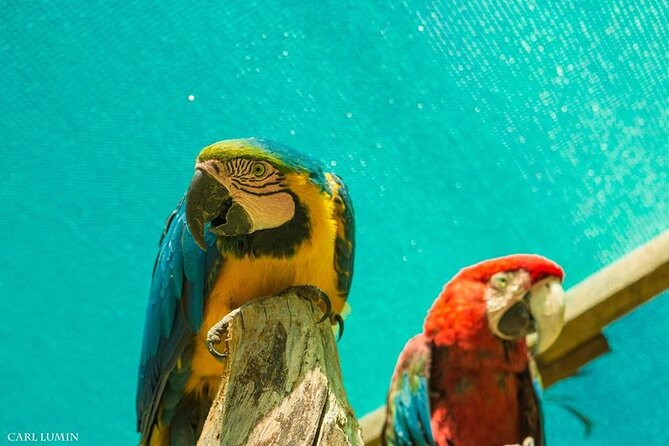
Inside the sanctuary, you are introduced to animals from Peru’s highlands and jungle areas. The list includes monkeys, macaws, turtles, deer, alpacas, bears, wild cats, foxes, and condors. The exact animals you see up close can depend on their health, behavior, and the sanctuary’s daily routines.
That last point is worth keeping in mind. A rescue center must put animal welfare before photographs. You may not be able to approach every animal, and some may be resting or kept at a distance. That is a reasonable tradeoff, and it is part of what separates a rescue operation from an entertainment park.
The guide explains the purpose of the sanctuary and the background of the animals. One guide named in the experience is Albert, who has provided detailed explanations about where individual animals came from, what they had endured, and how they were rescued. The personal stories are likely to be the strongest part of the visit for anyone who wants context rather than a simple animal checklist.
The setting is described as a large space surrounded by nature. That gives the animals more room than a cramped urban display and helps you understand why the sanctuary considers a suitable environment important to their well-being.
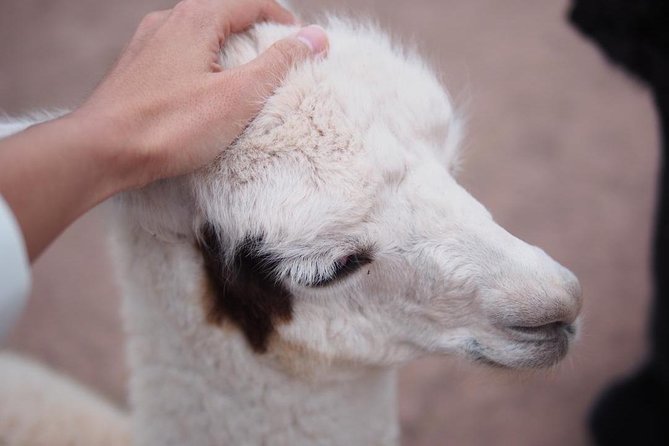
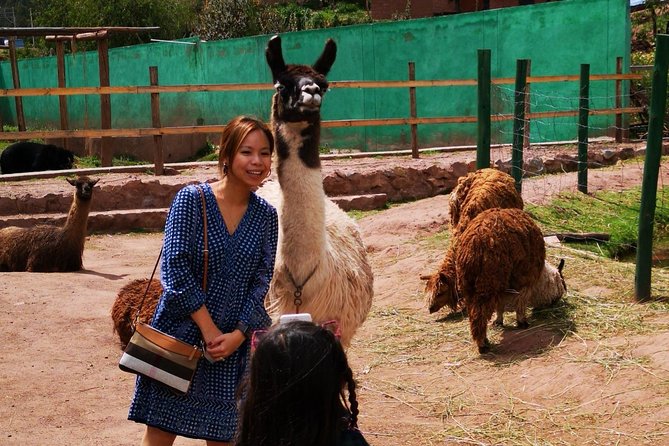
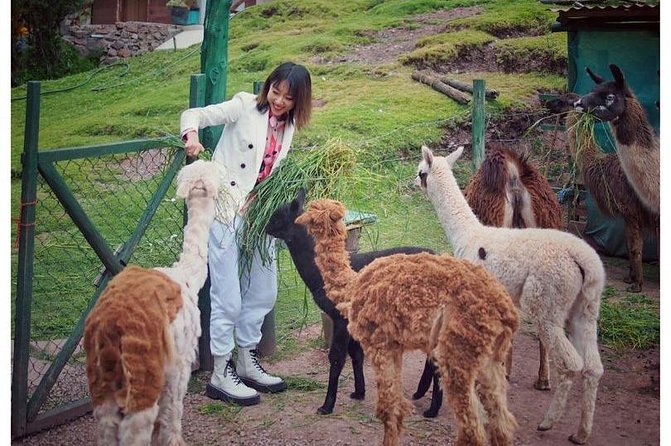
You may have the chance to feed alpacas, llamas, birds, and monkeys. Feeding is one of the more popular parts of the visit, but it should always happen under staff direction. The same applies to touching animals. A toucan was brought out for a supervised interaction during one visit, but you should not expect that every animal will be available for petting.
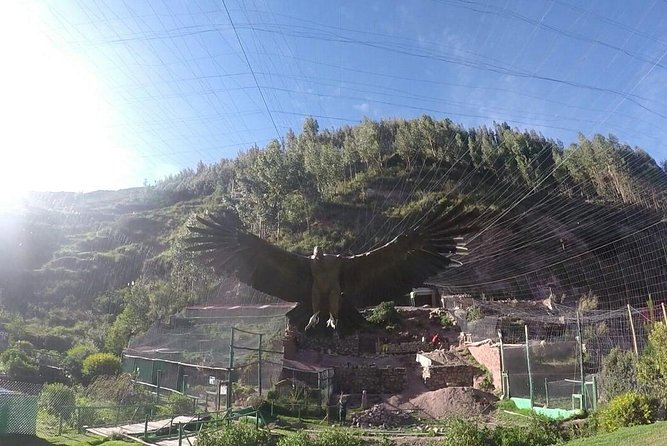
A condor flying overhead can be an unforgettable sight. It may happen, but it cannot be scheduled, so treat it as a fortunate moment rather than a promised part of the program.
A guide makes the difference
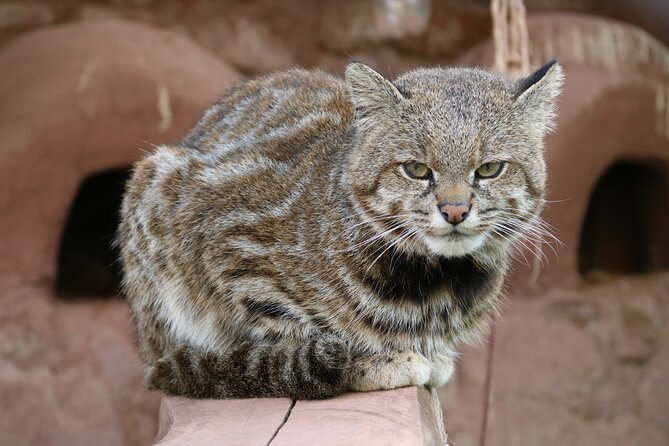
A personal guide changes the tone of this outing. Instead of rushing from enclosure to enclosure, you have a chance to ask why the animals are at the sanctuary, what care they need, and how rehabilitation works.
That is particularly helpful when you see animals that look healthy. Rescue work is not always visible at first glance. An alpaca may appear simply friendly, while a wild cat may seem calm, but their past and care needs can be very different.
The guide also helps you understand the sanctuary’s education program. The center invites schools and the general public to teach children to respect wildlife and protect nature. For parents, this gives the tour a useful lesson beyond the excitement of feeding an alpaca.
The experience is offered in English, which makes the explanations accessible to English-speaking visitors. Since the tour is limited to 10 people, you should have more opportunity to hear the guide and ask questions than you would in a large bus group.
Still, the depth of the tour may depend on the guide assigned that morning. The available feedback points to warm, patient, informative guiding, but individual presentation styles can differ. If you care about a particular animal or conservation issue, ask questions rather than waiting for a fixed script.
A completely different kind of day:
- Salkantay Classic Trek 5 Days from Cusco
★ 5.0 · 4,062 reviews - 4-Day Salkantay Trek with Sky Camp Stay
★ 5.0 · 3,346 reviews - Short Inca Trail to Machu Picchu 2D/1N
★ 5.0 · 3,007 reviews - Excursion to Rainbow Mountain Full Day Optional Red Valley
★ 5.0 · 2,996 reviews
What the $34 price really covers
At $34 per person, this is not the cheapest short activity in Cusco. The price makes better sense when you count the included transport, guide, admission, and return to your accommodation or the main square.
You are also paying for a small operation that depends on visitor income and product sales. The sanctuary does not receive government support, so your admission and any purchase at the alpaca shop help keep the work going.
The value is strongest if you want a convenient, guided visit and care about animal rescue. If you only want a quick photo with an animal, the price may feel high for an experience with about one hour at the sanctuary. If you want to understand rehabilitation and support a local conservation project, the cost is easier to justify.
The private arrangement adds value for couples, families, and small groups. You can take your time, ask questions, and adjust the return plan. Be sure to clarify what private means for your booking, since the activity also gives a maximum capacity of 10 people.
The alpaca shop and the wider mission
The final shop visit is connected to the sanctuary’s financial model. Alpaca products are sold, with 50 percent of the proceeds directed to the animals and 50 percent to peasant communities around the center.
You do not have to treat the shop as an obligation. But if you were already planning to buy an alpaca scarf, hat, or other product in Cusco, purchasing here gives the money a clearer purpose.
This is also a good moment to ask about donations. The experience specifically notes that donations help the sanctuary continue its work. You should decide for yourself what amount feels right, but the center’s stated lack of government support explains why visitor spending matters.
The shop can make the ending feel commercial after a thoughtful animal visit. That is the one part some people may find less appealing. I see it as acceptable when the funding split is explained clearly and buying remains optional.
Timing, group size, and practical comfort
The tour takes place in the morning and lasts approximately two to three hours. Since only about one hour is assigned to the sanctuary itself, do not book this expecting a full-day wildlife program.
A morning visit leaves most of your day free. You could return to Cusco’s main square for lunch or continue with another activity, depending on the return time and your pickup location.
The maximum group size is 10 people, and the private format supports a relaxed pace. Most people can participate, according to the activity details. No special fitness requirement is listed, but you should still expect time on your feet around an animal center.
Cusco’s altitude can make even an easy morning feel tiring. Take the visit at a comfortable pace and tell the guide if you need a slower walk or a pause. The sanctuary setting is described as spacious, but the exact walking surface and facilities are not specified, so contact the operator if you have particular mobility needs.
The activity requires good weather. If poor conditions force cancellation, you are offered another date or a full refund. Otherwise, you can cancel for a full refund up to 24 hours before the start time. Changes or cancellations inside that 24-hour window are not accepted.
Who will enjoy this most
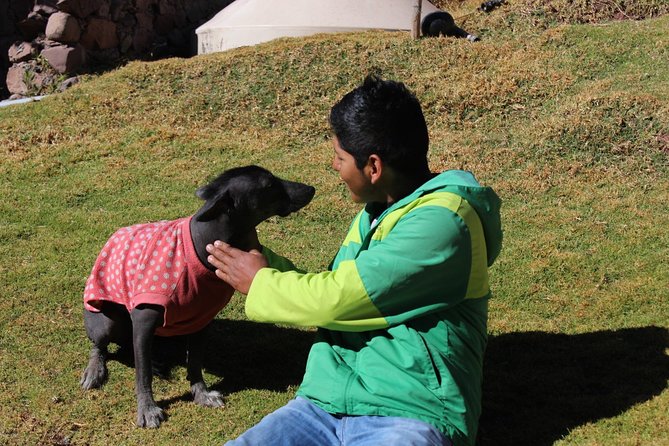
I would recommend Cochahuasi to you if animals are a major part of your trip, or if you want to support a conservation project without committing to a long volunteer program. The visit also suits families because the feeding opportunities and school education mission give children something clear to understand.
It is a good choice after several days of ruins and churches. The setting offers a different view of Peru, and the short duration keeps it from taking over your schedule.
You may want to skip it if you expect a large zoo with many species on display, guaranteed animal handling, or a tightly timed professional wildlife show. Rescue centers must place the animals first, so some encounters can be brief or unavailable.
You should also think carefully about animal interaction. Feeding and touching are mentioned as possible highlights, but the staff should decide what is suitable. A respectful visit means accepting limits, even when you hoped for a close photograph.
Should you book the Cochahuasi Animal Sanctuary tour?
Book this tour if you want a small, personal wildlife visit with hotel pickup, an English-speaking guide, and a direct way to support rescued animals. The strongest reasons are the individual animal stories, the patient guiding associated with Albert, the chance to feed alpacas and other animals, and the sanctuary’s education and rehabilitation goals.
Skip it if your schedule is packed or if you want a longer wildlife excursion. For $34, the outing offers solid value when transport and admission are useful to you, but the animal visit itself is short.
Before booking, confirm your pickup location and ask how the return will work for your accommodation. Then bring curiosity, not a checklist. The most meaningful part of Cochahuasi is learning why these animals need care and why the sanctuary hopes some can eventually live in their natural habitats.
FAQ
How long does the Cochahuasi Animal Sanctuary tour last?
The full experience lasts approximately two to three hours. About one hour is allocated to the sanctuary visit, with the remaining time used for transportation and the return journey.
What animals can I see at the sanctuary?
The sanctuary has monkeys, macaws, turtles, deer, alpacas, bears, wild cats, foxes, condors, and other native animals from Peru’s highlands and jungle areas. The animals available to view can vary.
Is hotel pickup included?
Pickup is offered from your Cusco hostel or Airbnb, or from an agreed meeting point. The listed meeting point is Selina Cusco Saphi at C. Saphy 601.
Is the tour offered in English?
Yes. The experience is offered in English and includes a personal guide.
How many people can join the tour?
The activity has a maximum of 10 participants. It is described as a private tour, allowing you to take the visit at your own pace.
Can I cancel for a full refund?
Yes. You can cancel at least 24 hours before the experience start time for a full refund. Cancellations or changes made less than 24 hours before the start time are not accepted, unless poor weather causes the operator to cancel the experience.
Just added in Cusco
- Cusco Private Transportation for 2026★ 5.0 · 4 reviews
- Private Transfer from Airport to Hotel in the City of Cusco★ 4.0 · 5 reviews
- Best Cusco walking tour: dinner street food tasting★ 4.5 · 11 reviews
- Private Tour to Pisac Market and Pisac Ruins★ 5.0 · 4 reviews
- Machu Picchu Day Trip With Panoramic Train from Cusco★ 5.0 · 10 reviews
- Sacred Valley Private Tour from Cusco, Guide and Driver only★ 5.0 · 4 reviews
- Sacred Valley of the Incas Tour★ 5.0 · 12 reviews
- Private Tour of the Mountain of Colours by Quad★ 5.0 · 7 reviews
Cusco Tours, compared.
Classic Inca Trail Trek 4D/3N to Machu Picchu (Group Service)
Read our review →
Rainbow Mountain and Red Valley Day Trip with Meals
Read our review →


Excursion to Rainbow Mountain Full Day Optional Red Valley
Read our review →
Humantay Lake Tour with Breakfast and Buffet Lunch
Read our review →