
Reviewed · COLCA CANYON AND AREQUIPA TOURS
Excursion + Sillar and Culebrillas Route in Arequipa
Stone tells Arequipa’s story. This four-hour outing takes you from volcano views to the working Añashuayco quarries, where the pale volcanic stone used across the city is cut by hand. I especially like the Mega carving of the Church of the Society of Jesus and the short walk through Culebrillas Canyon to see Wari petroglyphs.
The low $14 price is another strong point, since transport and a professional guide are included. The main caution is comfort and timing: one verified booking reported delays while the group waited for late members, and the bus had no air conditioning.
In This Review
- Key Points At A Glance
- Why The Sillar Route Matters In Arequipa
- The First Viewpoint: Volcanoes And The Chilina Valley
- Añashuayco Quarry And The Making Of Sillar
- The Church Carving And A Chance To Cut Stone
- Culebrillas Canyon And The Wari Petroglyphs
- Apachetas And The Return To Arequipa
- Transport, Guide And Comfort
- Is The $14 Price Good Value?
- Who Should Book This Excursion?
- Should You Book The Sillar And Culebrillas Route?
- FAQ
- How long does the Sillar and Culebrillas Route take?
- Is there an afternoon departure?
- What languages are available for the guide?
- What does the $14 price include?
- Is an entrance fee required?
- What can I see at Añashuayco Quarry?
- How long is the walk at Culebrillas Canyon?
- Can I cancel the booking?
Key Points At A Glance
- See sillar where it begins: Visit the active Añashuayco Quarry and learn how Arequipa’s famous white building stone is produced.
- A church carved into the quarry wall: The large Society of Jesus carving gives the visit a memorable visual focus.
- Walk inside Culebrillas Canyon: A roughly 20-minute route leads between walls rising 15 to 20 meters.
- Find ancient Wari petroglyphs: The canyon includes rock drawings made more than 1,000 years ago.
- Enjoy wide volcano views: An opening stop looks toward Arequipa’s volcanoes and the Chilina Valley.
- Good value for a half-day: The $14 fee covers tourist transport and a professional guide, with a separate 10-sol entrance charge.
Why The Sillar Route Matters In Arequipa
Arequipa is closely tied to sillar, a light-colored volcanic stone used in churches, houses, courtyards, and other buildings. The city’s nickname and appearance make more sense after you visit the places where that stone is cut from the earth.
This is not simply a drive to a pretty quarry. The route connects local building traditions with the people who still work the stone. At Añashuayco, the quarry remains in operation, and quarrymen begin their work early. You can see the tall ignimbrite walls created as blocks are removed and shaped.
I like this connection between city and countryside. You are not only looking at finished architecture in central Arequipa. You are seeing the raw material and hearing how it is made ready for construction.
The experience is also short enough to fit around a full day in Arequipa. The morning departure begins at 9:15 am, with an expected return near the Plaza de Armas at about 1:30 pm. A 2:00 pm shift is also available, although the later timing may not suit you if you have evening plans or transport to catch.
More Colca Canyon trips:
- 2 day 1 night trek / Colca Canyon
★ 5.0 · 1,069 reviews - From Arequipa: Colca Canyon Full-Day Guided Tour with Meals
★ 4.5 · 982 reviews - Tour to the Salinas Lagoon and National Reserve in Arequipa
★ 4.5 · 548 reviews
The First Viewpoint: Volcanoes And The Chilina Valley
The journey begins with a brief stop at a strategic viewpoint. From here, you can see Arequipa’s volcanoes and the Chilina Valley, giving you a quick sense of the region before the quarry visit begins.
The exact first stop may change with the season. At some times of year, the route can begin at another traditional viewpoint with views of the volcanoes. That flexibility is useful, but it also means you should not expect one fixed photo stop every time.
This stop is brief, so think of it as an orientation point rather than a long sightseeing session. Have your camera ready before the vehicle arrives. The point is to place the Sillar Route in its setting, not to spend half the morning at a lookout.
From the departure area, the drive to Añashuayco takes about 45 minutes. That ride is an important part of the timing. You are spending roughly an hour of the four-hour outing on the approach and return roads, so the tour works best if you want a focused half-day visit rather than a slow, full-day excursion.
Añashuayco Quarry And The Making Of Sillar
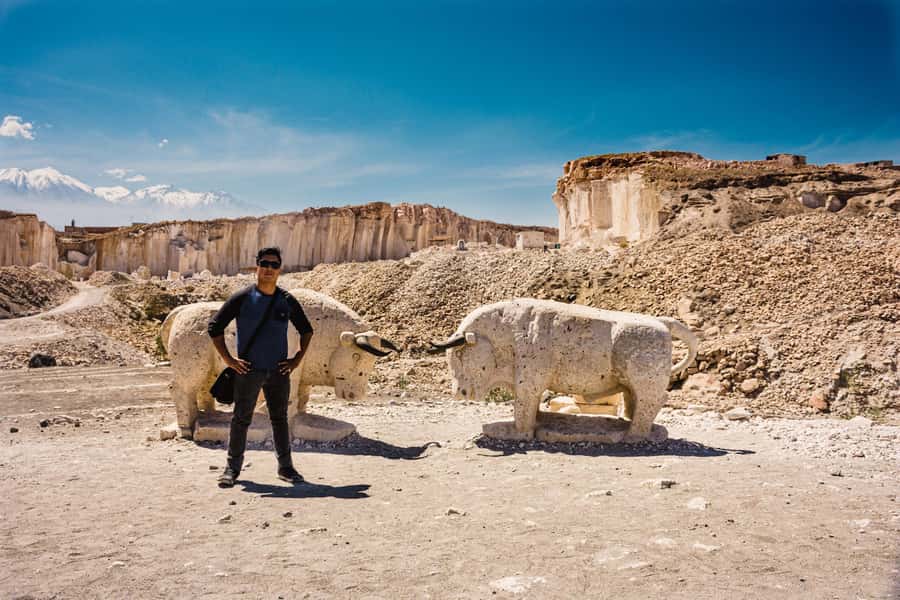
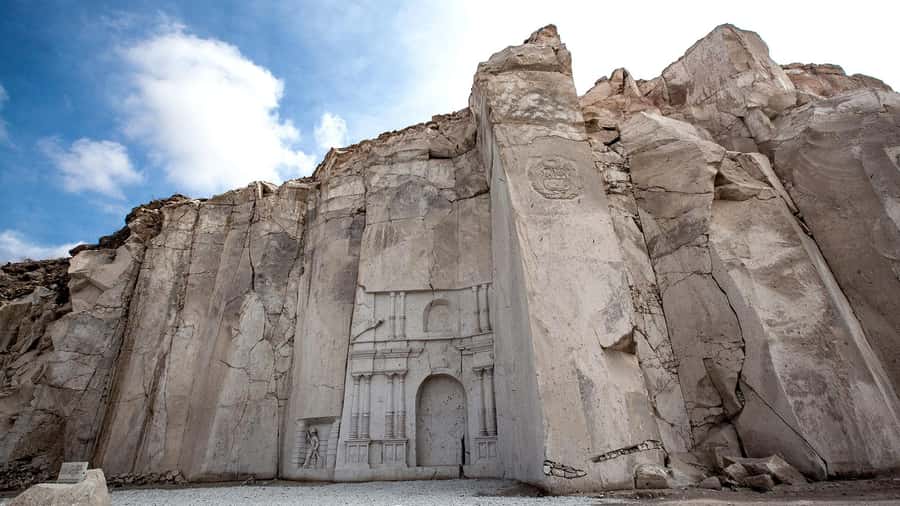
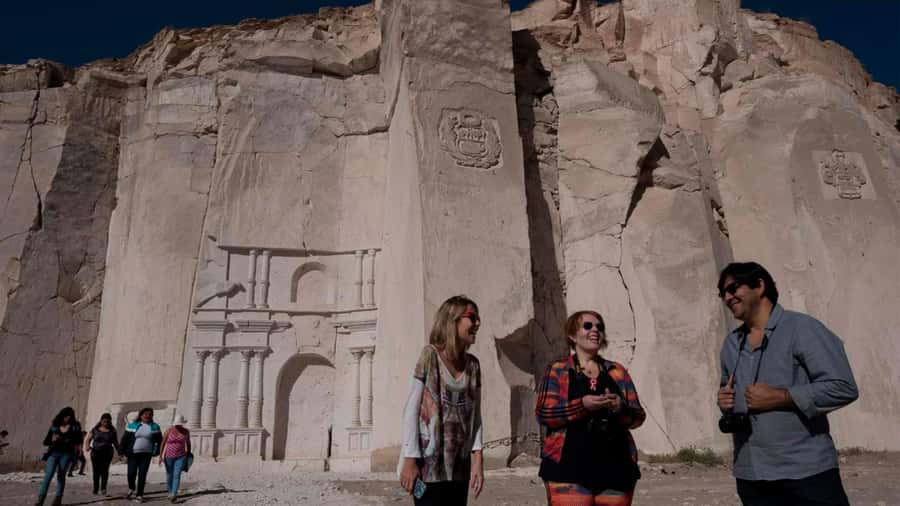
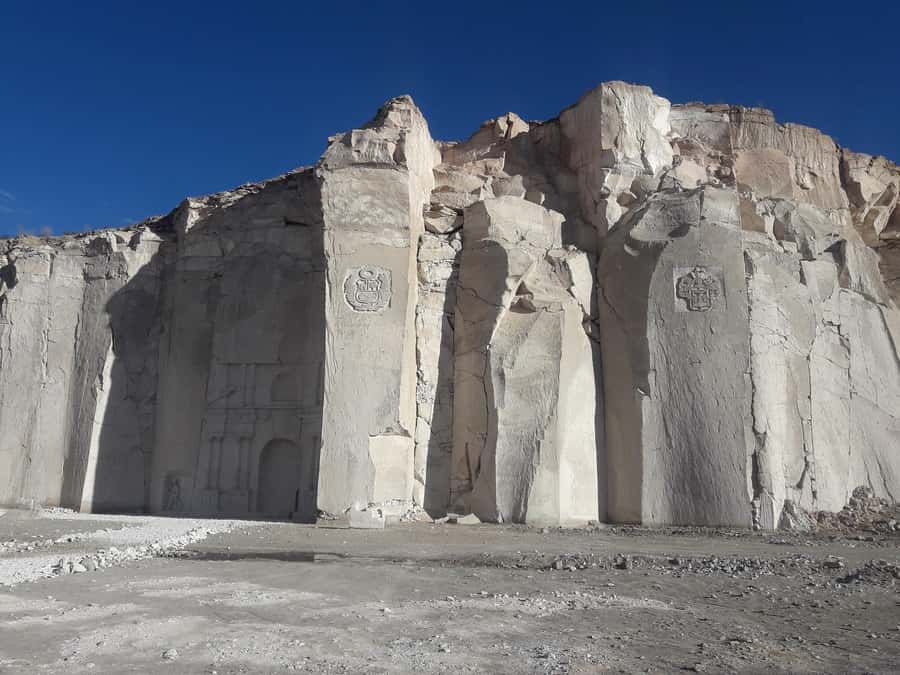
Añashuayco is the main stop, and it gives the tour its strongest sense of place. The quarry contains high cliffs made from ignimbrite, the volcanic material that workers cut into sillar blocks.
The walls are not natural canyon scenery in the usual sense. They have been shaped in part by extraction, so the marks of human work are central to what you see. The result is a broad, pale quarry with cliffs rising several meters above you.
Your guide explains the origin of sillar, how it is produced, and how it has been used over time. The value of this explanation is practical. Without it, the quarry might look like an attractive stone pit. With the context, you can connect the rough blocks in front of you to the pale facades and carved details found in Arequipa.
The quarry is currently active. That brings an important note of realism. This is a working place, not a polished museum built only for sightseeing. The pace and exact activity can vary because quarrymen start early and the work follows its own schedule.
The Church Carving And A Chance To Cut Stone
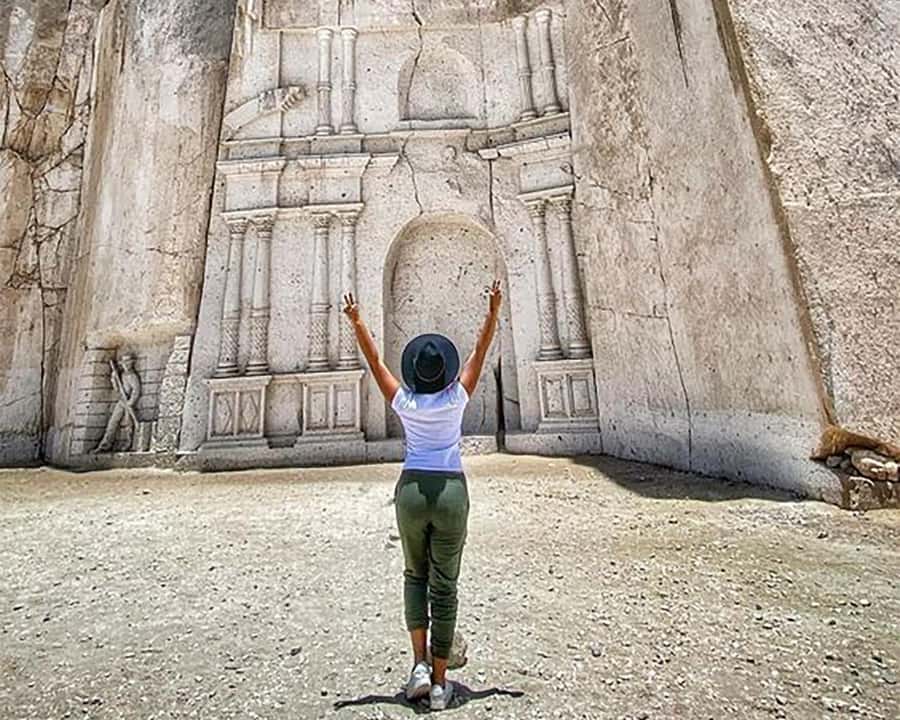
One of the most striking features at Añashuayco is the Mega carving of the Church of the Society of Jesus. Local stonemasons created this large work in the quarry, giving you a clear example of what skilled hands can do with the same material being extracted nearby.
I like this stop because it makes the craft easy to understand at a glance. You do not need to know much about architecture to appreciate the scale of the carving or the effort behind it. The stone is not just a construction product. It can also become detailed religious art.
The visit may also include a meeting with a stonemason who explains the daily work and lets you try cutting one of the stone blocks. That hands-on moment is likely to be the most personal part of the outing. It changes the quarry from something you look at into something you physically test.
Do not expect to become a stoneworker in a few minutes. The point is to gain respect for the work. Even a short attempt can show you that shaping sillar is more demanding than the clean finished surfaces in Arequipa’s historic center suggest.
More things to do in Cusco:
- Classic Inca Trail Trek 4D/3N to Machu Picchu (Group Service)
★ 5.0 · 8,653 reviews - Cusco: Rainbow Mountain and Red Valley Day Trip with Meals
★ 4.9 · 4,893 reviews - Machu Picchu: 4-Day Inca Trail Trek with Panoramic Train Ride
★ 5.0 · 4,568 reviews - Salkantay Classic Trek 5 Days from Cusco
★ 5.0 · 4,062 reviews
Culebrillas Canyon And The Wari Petroglyphs
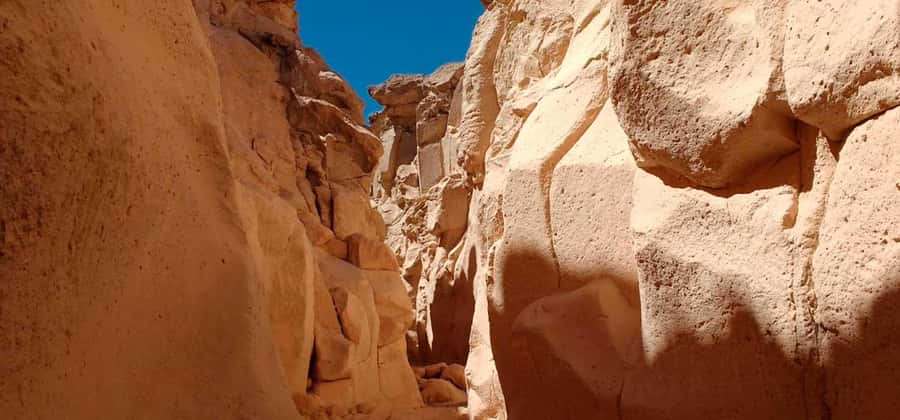
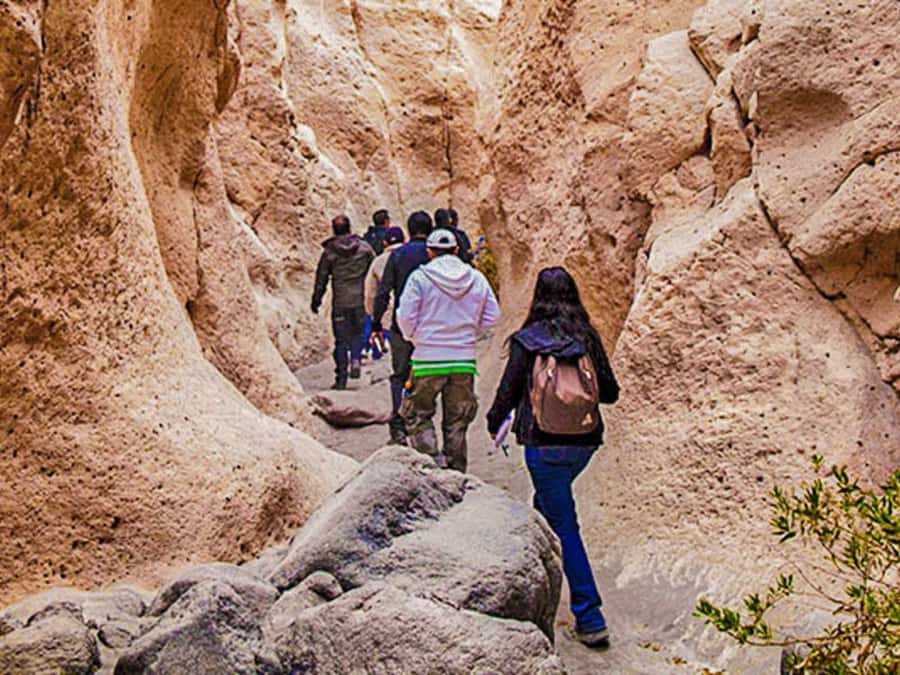
After Añashuayco, the vehicle continues for about 30 minutes to Quebrada de Culebrillas. Here, water has shaped a narrow canyon with walls about 15 to 20 meters high.
The walk inside the canyon lasts around 20 minutes. As you go farther in, the walls grow higher, creating a more enclosed setting than the open quarry. It is a modest walk rather than a major hike, but you should still be ready to walk on the canyon route instead of staying beside the vehicle.
The change in scenery helps the tour. Añashuayco is tied to active stone extraction and human labor. Culebrillas shows how water has cut through the rock over time. You get two different ways to read the same region: one shaped by people and one shaped by nature.
At the end of the walk, you can see petroglyphs associated with the Wari culture, made more than 1,000 years ago. This is a particularly valuable detail because it adds an archaeological layer to the excursion. The route is not only about the stone used in colonial and modern Arequipa. It also reaches back to an older culture that left marks on the canyon walls.
The petroglyphs should be treated with care. Their presence is a reason to pay attention, not an invitation to touch or climb around the rock surfaces. The supplied details do not specify the exact images or size of the drawings, so it is best to expect a brief archaeological sight rather than a full museum-style interpretation.
Apachetas And The Return To Arequipa
Before the return trip, the group stops to see Apachetas. These are stone formations made by placing stones one on top of another. They are described as symbols of gratitude toward nature and as good-luck attractions, with a mystical quality for many people.
This is a small stop, but it gives the route a cultural finish. After seeing stone removed from the earth and shaped by hand, you see stones gathered and stacked as a gesture of thanks. The meaning is different from the quarry work, yet both reflect a close relationship with the natural world.
The return begins at about 12:30 pm. Arrival in central Arequipa is expected around 1:30 pm, with drop-off near the Plaza de Armas. That location is handy if you want to continue sightseeing, find lunch, or return to a hotel in the center.
Keep in mind that group tours run on group time. A verified booking rated the experience three out of five and described the guide as very sweet, but also reported delays caused by waiting for other members of the group. If your afternoon includes a strict reservation, leave a buffer after the scheduled return.
Transport, Guide And Comfort
Tourist transport and a professional guide are included. Live guiding is available in Spanish and English, so you can choose the language that works best for your group.
The guide’s role matters here because the route depends on explanation. The quarry, stone-cutting process, church carving, Wari petroglyphs, and Apachetas all mean more when someone connects them. A verified booking rated the activity five out of five for organization, while another gave the guide personal praise despite concerns about the vehicle and delays.
Transport comfort may be less predictable. One booking specifically reported that the bus did not have air conditioning. Since the route includes drives of about 45 minutes to the quarry and another 30 minutes to Culebrillas, this is worth considering, especially on a warm day.
The supplied information does not state the group size or vehicle type beyond tourist transport. That means you should not assume a small private van or a highly customized outing. The low price points toward a shared group experience, and the reported waiting time confirms that the schedule can depend on other participants.
Is The $14 Price Good Value?
At $14 per person, this is one of the easier Arequipa excursions to justify on cost. You receive transport, a professional guide, the volcano viewpoint, the working quarry, the large church carving, Culebrillas Canyon, the petroglyph area, and the Apachetas stop in about four hours.
There is also an entrance charge of 10 soles for the places visited. Add that to your budget before booking. The available details do not break down whether the charge covers one combined admission or several site fees, so carrying the stated amount in local currency is sensible.
The value is strongest if you want several related sights without hiring separate transport. A taxi or private vehicle might give you more control, but it would not necessarily provide the same guided explanation or the chance to meet a stonemason.
The price is less attractive if you expect a luxury vehicle, a tiny group, or long free time at each stop. This is a brisk, organized circuit. You pay for access and interpretation, not for a slow private day in the countryside.
Who Should Book This Excursion?
I would choose this tour if you have a half-day in Arequipa and want more than colonial streets and church interiors. It suits you especially well if you enjoy working places, local crafts, short walks, and archaeological details.
Families may like the stone-cutting activity and the large quarry carving, though the vehicle ride and group delays could test young children. Anyone interested in architecture will gain a useful understanding of where Arequipa’s pale stone comes from.
The outing also fits visitors who prefer a clear schedule. You leave in the morning, follow a set route, and return near the city center before mid-afternoon. It is easy to pair with other plans, provided you allow extra time for delays.
You may want to skip it if your top priority is comfort or complete control over timing. The reported lack of air conditioning and possible waits are real considerations. The canyon walk is short, but the experience still involves quarry and outdoor conditions rather than polished indoor sightseeing.
Should You Book The Sillar And Culebrillas Route?
Book it if you want a low-cost, compact introduction to the material and cultural world around Arequipa. The Añashuayco quarry, the Church of the Society of Jesus carving, and the Wari petroglyphs give the four-hour trip more substance than a simple viewpoint tour.
I would treat the 4.1 rating from four verified bookings as encouraging but limited evidence. The praise centers on a kind guide and good organization, while the main complaints concern group delays and a bus without air conditioning.
For the best fit, choose it with realistic expectations: shared transport, a brisk schedule, and a working quarry rather than a staged attraction. If those conditions suit you, $14 plus the 10-sol entrance charge buys a useful and memorable look at how Arequipa’s famous stone connects geology, craft, architecture, and older culture.
FAQ
How long does the Sillar and Culebrillas Route take?
The excursion lasts about four hours. The morning shift begins at 9:15 am and is expected to return to central Arequipa around 1:30 pm.
Is there an afternoon departure?
Yes. A 2:00 pm shift is also available. Starting times depend on availability.
What languages are available for the guide?
Live guiding is available in Spanish and English.
What does the $14 price include?
The price includes tourist transport and a professional guide.
Is an entrance fee required?
Yes. The listed entrance cost is 10 soles for the places visited, and it is not included in the tour price.
What can I see at Añashuayco Quarry?
You can see an active quarry, tall ignimbrite walls formed through sillar extraction, an enormous carving of the Church of the Society of Jesus, and the stone-cutting work of local stonemasons.
How long is the walk at Culebrillas Canyon?
The walk inside the canyon takes approximately 20 minutes. The canyon walls are about 15 to 20 meters high and become taller as you go deeper.
Can I cancel the booking?
You can cancel up to 24 hours in advance for a full refund. You can also reserve now and pay later, keeping your plans flexible.
Just added in Cusco
- Cusco Private Transportation for 2026★ 5.0 · 4 reviews
- Private Transfer from Airport to Hotel in the City of Cusco★ 4.0 · 5 reviews
- Best Cusco walking tour: dinner street food tasting★ 4.5 · 11 reviews
- Private Tour to Pisac Market and Pisac Ruins★ 5.0 · 4 reviews
- Machu Picchu Day Trip With Panoramic Train from Cusco★ 5.0 · 10 reviews
- Sacred Valley Private Tour from Cusco, Guide and Driver only★ 5.0 · 4 reviews
- Sacred Valley of the Incas Tour★ 5.0 · 12 reviews
- Private Tour of the Mountain of Colours by Quad★ 5.0 · 7 reviews
Colca Canyon and Arequipa Tours, compared.
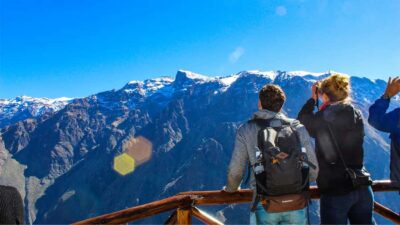
From Arequipa: Colca Canyon Full-Day Guided Tour with Meals
Read our review →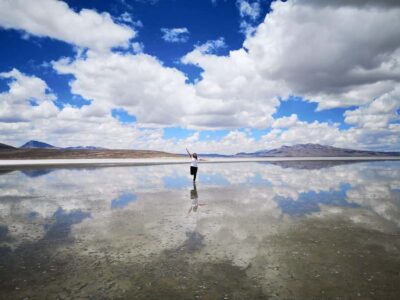
Tour to the Salinas Lagoon and National Reserve in Arequipa
Read our review →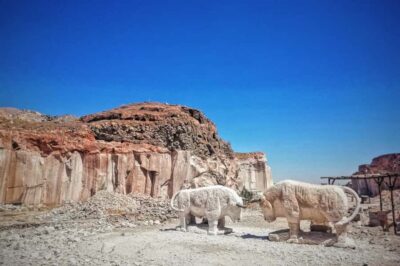
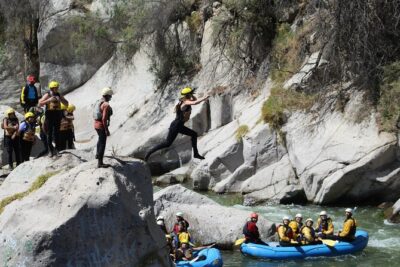
Rafting Arequipa – Chili River Canoeing – Cusipata Rafting Arequipa
Read our review →
Chili River White Water Rafting with Hotel Pickup
Read our review →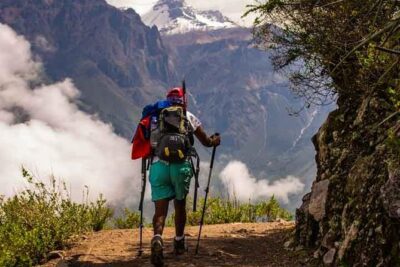
Browse the lists this tour appears in