
Reviewed · PERU FOOD TOURS AND COOKING CLASSES
Food Tour and Market Experience: 12 Peruvian Snacks
Come hungry, and leave happily overwhelmed. This three-and-a-half-hour walking tour turns central Lima into a dining room, with stops for ceviche, papa rellena, anticucho, picarones, chicha morada, Chinese snacks, exotic fruit, and more. I like the wide range of food and the way the route connects Lima’s Peruvian, Chinese, and colonial influences.
I also like the small-group format, advertised at a maximum of 10 people, along with guides such as Arturo, Yoced, Giovanna, Joseph, and Yelsin, who are repeatedly praised for their warmth and clear explanations. The main drawback is the amount of walking through crowded market streets, and the tour information also gives a maximum of 15 people in one place, so I would confirm the expected group size before booking.
In This Review
- Key points to know before you book
- Why this Lima food walk works so well
- Start at Jirón Cusco with three classic tastes
- Barrios Altos brings ceviche into the picture
- Jirón Ucayali shows Lima’s Chinese influence
- Mercado Central is the tour’s busiest and most rewarding stretch
- Plaza de Armas adds pork, a local drink, and a sit-down pause
- Finish at Plaza San Martín with an optional pisco sour
- Is $50 a good value for 3.5 hours?
- Group size, pace, and practical comfort
- Who should book this experience?
- Final verdict: book it for a flavorful first look at Lima
- FAQ
- How long does the food tour last?
- What time does the tour begin?
- Where does the tour start?
- Where does the tour finish?
- How many food tastings are included?
- Are drinks included?
- Can I add a pisco sour?
- Is hotel pickup included?
- Is the tour suitable for wheelchair users or baby strollers?
- What is the maximum group size?
Key points to know before you book
- Twelve substantial tastings: This is more than a nibble-based stroll. Several people found themselves too full for another meal afterward.
- A useful first-day activity: The route gives you an early look at Lima’s food, old center, Chinatown, markets, and local customs.
- Markets are central to the experience: You walk through Barrios Altos, Chinatown, and Mercado Central rather than eating only in polished restaurants.
- Strong guide praise: Arturo, Yoced, Giovanna, Joseph, Gustavo, and Yelsin are all singled out for friendly service, good English, cultural context, and attention to group safety.
- Expect a busy urban walk: Most of the route is on foot, and Mercado Central can be crowded. Wear comfortable shoes and keep your appetite for the afternoon.
- Pisco sour costs extra: The optional classic pisco sour is offered for $8 and is not part of the $50 tour price.
Why this Lima food walk works so well
Lima is famous for fine dining, but you do not need a high-end restaurant reservation to understand its food culture. This experience takes you to ordinary central neighborhoods, market counters, a Chinese quarter, and casual eateries where small portions let you sample a broad range of flavors.
I like the structure. Every 30 minutes brings a new part of the city and a new set of tastes. You are not parked at one table for three hours, and you are not asked to decode a long menu on your own. Your guide explains what you are eating and places it within Peruvian history and daily life.
The tour is also useful for getting your bearings. It begins near Jirón Cusco and finishes close to Plaza San Martín, passing through Barrios Altos, Jirón Ucayali, Mercado Central, and Plaza de Armas. That makes it a practical introduction to central Lima, especially if you schedule it near the beginning of your stay.
The tone appears friendly rather than formal. Arturo receives especially warm praise for his enthusiasm, excellent English, and easy conversation. Giovanna is noted for buying several unfamiliar fruits, cutting them open, and sharing them with the group. Joseph is praised for explaining food and culture in English, while Yoced is repeatedly valued for local recommendations and his ability to guide people through the markets.
More Food Tours and Cooking Classes in Lima
- Lima Ultimate Peruvian Food Tour
★ 5.0 · 1,845 reviews - #1 Reviewed Lima Cooking Class
★ 5.0 · 995 reviews - Peruvian Cooking Class, Local Market Tour & Exotic Fruit Tasting
★ 5.0 · 744 reviews
Start at Jirón Cusco with three classic tastes
The meeting point is ICPNA Centro at Jirón Cusco N 446, with a 1:20 pm start. The first tastings are choclo con queso, chicha morada, and papa rellena.
Choclo con queso pairs large-kernel Andean corn with cheese. It is simple, filling, and a good reminder that Peruvian food is not only about sauces and spice. Chicha morada, made from purple corn, is a familiar nonalcoholic drink with a sweet, fruity character. Papa rellena is a fried potato parcel filled with a seasoned mixture, offering a crisp outside and soft center.
This opening is smart because it introduces three different textures and styles before the route gets busier. You get a drink, a vegetable-based snack, and a fried specialty right away.
Do not eat lunch immediately before meeting the group. The portions are described as generous enough that some people could not manage a full meal afterward. If you have dietary restrictions, tell the operator or guide as early as possible. Giovanna is specifically praised for accommodating food allergies, but the available details do not promise that every ingredient can be changed at every stop.
Barrios Altos brings ceviche into the picture
The next stop moves through Barrios Altos for ceviche. This is one of the tour’s most important tastings because ceviche is central to Peru’s international food reputation, yet the experience presents it as part of a broader local food day rather than as the only reason to visit Lima.
The tour description does not specify the fish, preparation time, or exact restaurant, so you should not expect a detailed menu in advance. Your guide provides the useful context, helping you understand the dish as you eat it instead of simply handing you a plate and moving on.
This section also adds a different rhythm to the food. After the heavier potato and corn snacks, ceviche brings a fresher change. The stop is listed as about 30 minutes, enough time for an explanation and tasting without turning the afternoon into a long restaurant meal.
Jirón Ucayali shows Lima’s Chinese influence
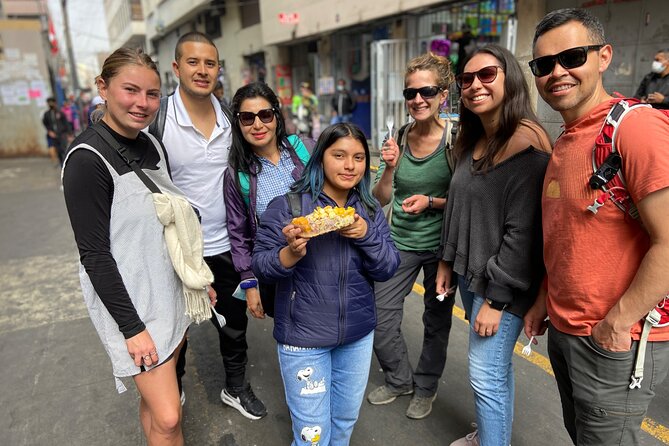
On Jirón Ucayali, the route wanders through Chinatown and introduces siu mai and min pao. The inclusion of these Chinese snacks is one of the tour’s best features because it shows how Lima’s food developed through several cultural influences.
You are not tasting only dishes that fit a narrow idea of Peruvian cuisine. You are also seeing how Chinese food became part of everyday life in Lima. The Chinatown stop gives the food story a wider frame and makes the walk feel connected to the city rather than arranged as a series of unrelated samples.
The names and spellings may appear in slightly different forms, including siu mai, min pao, and siu mae. That is not a concern, but people with food allergies should ask what each item contains before eating. The available information does not list ingredients for these snacks.
A completely different kind of day:
- Premium Paracas & Huacachina Day Trip from Lima with Sunset Toast
★ 5.0 · 7,380 reviews - Full Day Tour From Lima: Paracas and Huacachina Oasis
★ 5.0 · 3,694 reviews - Lima Half-Day City Walking Tour (Small Groups)
★ 5.0 · 1,508 reviews - Paracas and Huacachina Exclusive Sunset Picnic Tour
★ 5.0 · 1,398 reviews
Mercado Central is the tour’s busiest and most rewarding stretch
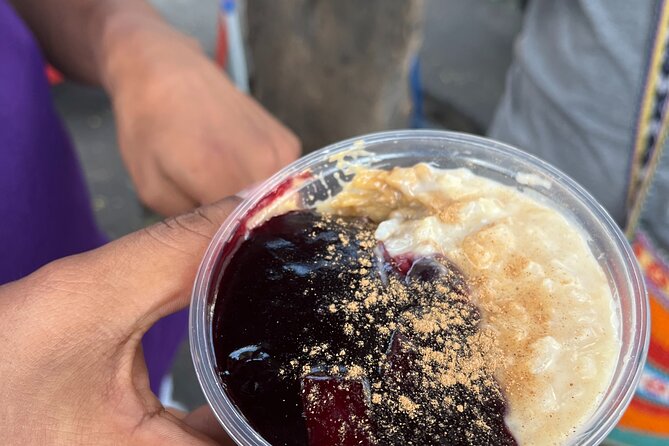
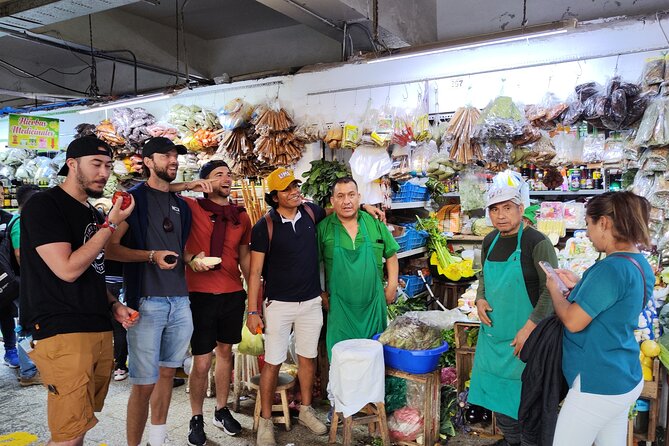
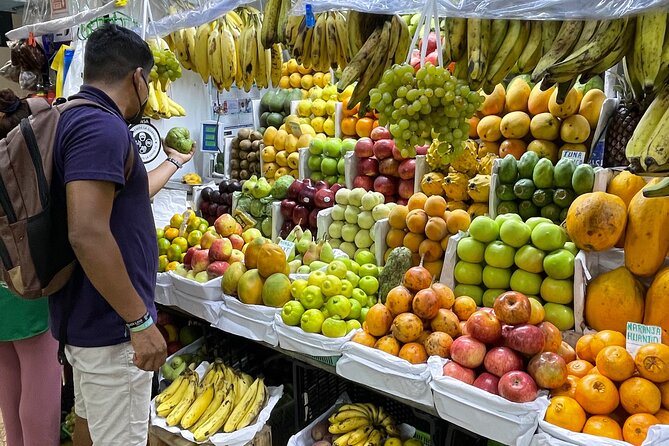
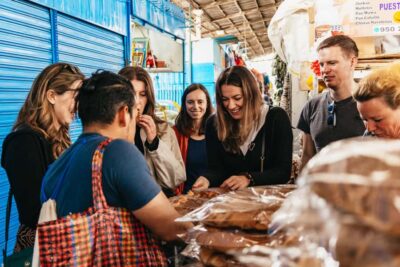
Mercado Central is where the experience becomes most active. You look at Peruvian culinary spices and produce, then taste anticucho, picarones, and lúcuma juice.
Anticucho is traditionally associated with beef heart, and one person specifically regretted not trying it after hearing local recommendations. If the version offered is beef heart, this may be your chance to try one of Peru’s most distinctive street foods. The supplied details do not guarantee the exact cut, so ask your guide before tasting if that matters to you.
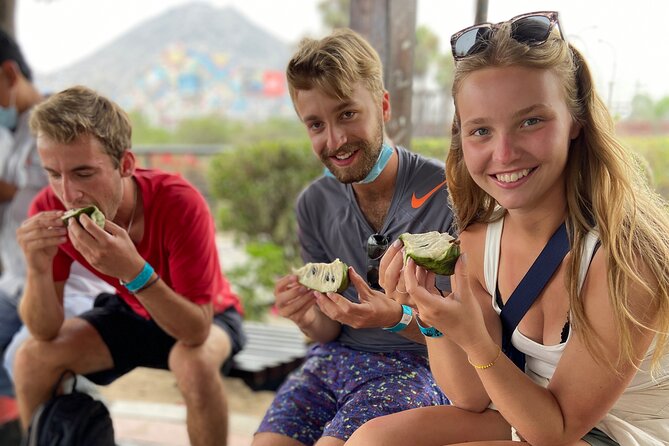
Picarones are fried rings, usually associated with squash or sweet potato, and are a fitting market snack. Lúcuma juice introduces a Peruvian fruit flavor that many first-time visitors have not encountered before. The tour also includes seasonal exotic fruit, and this part may be especially enjoyable if you like trying produce that you would not find easily at home.
The market is not a quiet museum. It is a working place, and the route can feel crowded. One account describes throngs of people, while another calls the pace easy and enjoyable. Both points can be true: the guide may keep the group moving at a comfortable speed, but the surroundings remain busy.
Keep your belongings secure and stay close to the group. Yelsin and other guides are praised for watching out for everyone, but a market visit still requires normal city awareness. For me, that real-world setting is part of the value. You see where food is sold and how people shop, not just a staged display prepared for an afternoon tour.
Plaza de Armas adds pork, a local drink, and a sit-down pause
The route then reaches the historic center and Chinitos Restaurant near Plaza de Armas. Here you try pan con chicharrón, a pork sandwich, along with emoliente.
The sandwich is a substantial tasting rather than a decorative bite. It is one reason you should treat the experience as a light meal, not an appetizer before lunch. Several accounts stress the amount of food, and one person calls the pork sandwich among the strongest parts of the route.
Emoliente is a traditional Peruvian drink often associated with street vendors and everyday city life. Having it alongside the sandwich gives you another look at food beyond restaurant dining. It is the kind of small cultural detail that can make a walking tour feel useful after you return to Lima on your own.
The stop at Chinitos also provides a change from the market and street-food portions of the route. Most of the experience is active, so a restaurant stop can be welcome. The tour remains casual, but you get a chance to slow down and absorb what you have already tasted.
Finish at Plaza San Martín with an optional pisco sour
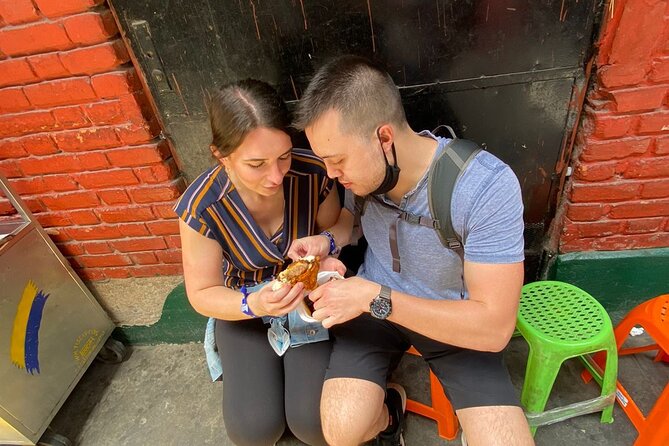
The listed endpoint is The Bolivarcito Cathedral Pisco at Jirón Contumazá 844, close to Plaza San Martín. The final 30-minute section includes free time in the plaza.
You can stop there and finish the included experience, or choose the optional classic pisco sour for $8. The cocktail is not included in the $50 price, and alcoholic drinks are otherwise excluded. That clear separation is helpful, especially if you are watching the budget or prefer to end with the nonalcoholic drinks already provided.
The tour’s end point is not the same as the starting point, so plan your afternoon around a one-way walk through central Lima. Accommodation pickup and drop-off are not included. Public transportation is nearby, but the supplied details do not give a private transfer option.
Is $50 a good value for 3.5 hours?
At $50 per person, I consider this a fair price if you want a guided introduction rather than simply a list of market addresses. The value comes from the number of tastings, the guide’s explanations, and the time spent moving through several distinct parts of central Lima.
You receive food and drinks including pan con chicharrón, emoliente, anticucho, picarones, lúcuma juice, siu mai, ceviche, chicha morada, papa rellena, corn with cheese, and seasonal exotic fruit. The description calls the experience 12 snacks, while the included list names the individual items. Either way, the amount is considerable.
The price is less attractive if you prefer a long, seated meal or already know Lima’s central markets well. You are paying partly for access and partly for interpretation. A self-guided visit would cost less, but you would need to find the stops, understand what you are ordering, and manage the route yourself.
I also like that the tour gives you practical food suggestions after the walk. Yoced is praised for recommending places to eat, and Joseph even helped one group with a later visit to San Francisco Church and its catacombs. That extra help is not promised as part of the formal tour, so do not book expecting a private city guide after the finish, but it reflects the generous spirit several guides bring to the experience.
Group size, pace, and practical comfort
The experience is marketed as a small group with a maximum of 10 people, but the additional information lists a maximum of 15. I would ask for clarification when booking, particularly if you care about a very intimate group or want to hear every explanation in a noisy market.
The tour lasts about three hours and 30 minutes and begins at 1:20 pm. Most people can participate, and service animals are allowed. It is not suitable for wheelchairs or baby strollers because of the route conditions and safety concerns.
Expect a lot of walking. One person specifically liked the walking, while another warned that there was plenty of it. Both reactions are useful: choose this if you want to explore on foot, not if you are looking for a seated tasting with minimal movement.
Wear comfortable shoes and leave room in your stomach. You may also want water, although the tour includes several drinks. The route passes through busy public areas, so a small bag is easier to manage than bulky luggage.
English and Spanish guiding is included. The English guides are repeatedly praised for clarity, with Arturo and Joseph receiving especially strong comments. Gustavo is also praised for explaining cultural and everyday details, while Yoced and Giovanna are noted for their friendly attention to individual group members.
Who should book this experience?
I would recommend it to first-time visitors who want a quick introduction to Lima’s historic center and food culture. It is particularly useful on your first full day because you can learn what dishes you like, see where the markets are, and collect ideas for later meals.
It also suits solo participants. The small-group format and conversational guides can make the afternoon social without requiring you to arrive with a group of friends. Couples and families who enjoy trying unfamiliar foods should also find plenty to keep them interested.
Food lovers will get the most from it, but you do not need advanced knowledge of Peruvian cuisine. In fact, the tour works best if you are willing to sample foods you might not order alone, including anticucho and unfamiliar fruit.
I would hesitate if you need step-free access, dislike crowded markets, have very limited walking ability, or want complete control over ingredients. The tour moves through public streets and market spaces, and the food list is broad enough that careful dietary planning matters.
Final verdict: book it for a flavorful first look at Lima
I would book this tour, especially near the start of a Lima stay. The combination of 12 tastings, central neighborhoods, Chinatown, Mercado Central, and Plaza de Armas gives you far more than a meal. It shows how the city eats and how different cultural influences meet on the same streets.
The strongest reason to go is the guides. Arturo, Yoced, Giovanna, Joseph, Gustavo, and Yelsin are repeatedly praised for warmth, safety, English skills, food knowledge, and personal attention. The main cautions are simple: come hungry, wear good shoes, expect crowds, confirm the group-size limit, and budget another $8 if you want the optional pisco sour.
With free cancellation up to 24 hours before the start time, the booking terms are reasonably flexible. If you want a practical, generous tasting tour that helps you understand Lima before ordering on your own, this is a strong choice.
FAQ
How long does the food tour last?
The experience lasts approximately three hours and 30 minutes.
What time does the tour begin?
The stated start time is 1:20 pm.
Where does the tour start?
It starts at ICPNA Centro, Jirón Cusco N 446, Lima 15086, Peru.
Where does the tour finish?
It ends at The Bolivarcito Cathedral Pisco, Jirón Contumazá 844, Lima 15001, Peru.
How many food tastings are included?
The experience is promoted as a tour of 12 Peruvian snacks. Included items are pan con chicharrón, emoliente, anticucho, picarones, lúcuma juice, siu mai, ceviche, chicha morada, papa rellena, corn with cheese, and seasonal exotic fruit.
Are drinks included?
Several nonalcoholic drinks are included, including chicha morada, lúcuma juice, and emoliente. Alcoholic drinks are not included.
Can I add a pisco sour?
Yes. A classic pisco sour is available as an optional extra for $8.
Is hotel pickup included?
No. Accommodation pickup and drop-off are not included.
Is the tour suitable for wheelchair users or baby strollers?
No. The experience is not suitable for wheelchair users or people traveling with baby strollers because of the route conditions and safety concerns.
What is the maximum group size?
The tour is described as a small group of up to 10 people in the highlights. The additional information lists a maximum of 15 people, so you should confirm the expected group size before booking.
More Markets in Lima
- Street Food, Market & Old Eateries Tour in Lima’s Historic Center
★ 5.0 · 656 reviews - Lima City, Central Market & Catacombs Tour (Pick-up & Drop Off)
★ 5.0 · 228 reviews - Lima: Historic Center Street Food, Market, and Eateries Tour
★ 4.9 · 216 reviews - Lima Walking Tour: Historic Center, Market & Monastery
★ 5.0 · 96 reviews
Just added in Lima
- Tour to the magical water circuit with dinner and dance show★ 5.0 · 4 reviews
- Tour to the sanctuary of Pachacamac★ 4.8 · 8 reviews
- Tour Huaca Pucllana: Pyramids and Pre-Columbian Antiquity★ 4.3 · 12 reviews
- Tour of Lima with a visit to the catacombs of San Francisco.★ 4.2 · 24 reviews
- Lima: Palomino Islands Speedboat Tour & Swim with Sea Lions★ 4.8 · 33 reviews
- Surfing experience in Lima★ 5.0 · 6 reviews
- Sandbording in Lima★ 5.0 · 12 reviews
- Pro Sanboarding or skiing in Huacachina from Lima – Day trip★ 4.6 · 8 reviews
Peru Food Tours and Cooking Classes, compared.
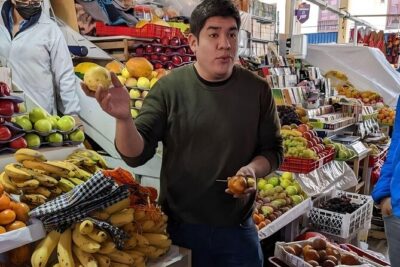
Peruvian Cooking Class Cocktails and Market Tour in Cusco
Read our review →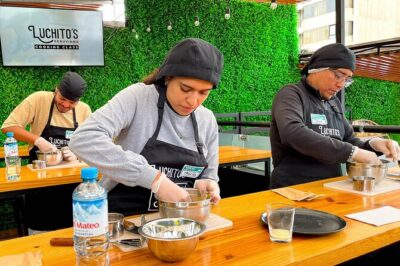
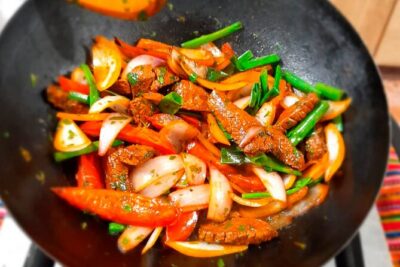
Peruvian Cooking Class, Local Market Tour & Exotic Fruit Tasting
Read our review →
3 Day Tour From Lima: Paracas, Huacachina Oasis & Pisco Vineyard
Read our review →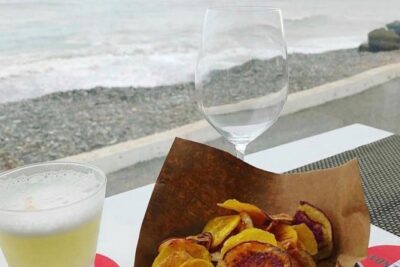
Peruvian Cooking Class, Cocktails & Local Market Tour
Read our review →Browse the lists this tour appears in