
Reviewed · COLCA CANYON AND AREQUIPA TOURS
From Arequipa: Sillar Route Excursion | Half Day |
White stone tells Arequipa’s story. This half-day trip takes you beyond the city to the quarries that supply the pale volcanic stone used in churches, homes, and monuments across Arequipa. I like the combination of working quarry scenes and the short canyon walk, which gives the outing both cultural meaning and outdoor appeal. I also like that hotel pickup, transport, and a live guide are included for only $25 per person.
The main thing to plan for is the extra $10 in entrance fees, paid separately at the Ruta del Sillar and Cañón de Culebrillas. You should also bring mosquito repellent, even though it is not listed among the required items. One recent visitor found mosquitoes in the canyon and had to buy repellent locally at a high price.
In This Review
- Key Points Before You Book
- Why Sillar Matters to Arequipa
- Starting From Arequipa at 8:50 a.m.
- Añashuayco Quarry and the Hands Behind the Stone
- The 30-Minute Transfer to Culebrillas
- Petroglyphs at the End of the Canyon
- The Guide Makes a Big Difference
- Is the $25 Price Good Value?
- What to Bring for a Better Morning
- Who Should Book This Excursion?
- Should You Book the Sillar Route?
- FAQ
- Where does the Sillar Route excursion begin?
- What time is hotel pickup?
- When does the excursion return to Arequipa?
- How long is the activity?
- What languages are available?
- Are entrance tickets included?
- What will I see at Añashuayco Quarry?
- How long is the walk at Culebrillas Canyon?
- What should I bring?
Key Points Before You Book
- See how sillar is shaped: Watch local masons work the pale volcanic stone at Añashuayco Quarry.
- Walk inside Culebrillas Canyon: The short walk passes between walls reaching about 20 meters high.
- Learn Arequipa’s identity: Sillar helps explain why the city is called the White City.
- Plan for a 6.5-hour outing: Pickup is scheduled for 8:50 a.m., with return to Arequipa around 1 p.m.
- Use the guide well: English and Spanish tours are available, and guide Tony received special praise for clear explanations and humor.
- Carry cash: The two entrance fees cost $5 each, and extra purchases are not included.
Why Sillar Matters to Arequipa
Arequipa is often called the White City because so many of its buildings use sillar, a light-colored volcanic stone. The material gives the city a distinct appearance, but it is not just a decorative building block. Sillar connects Arequipa’s architecture with the volcanic terrain surrounding it.
This excursion helps you see that connection at its source. Instead of only admiring pale facades in the historic center, you watch the stone being extracted and carved. That shift matters. The city’s famous appearance begins in a quarry, with people shaping heavy blocks by hand.
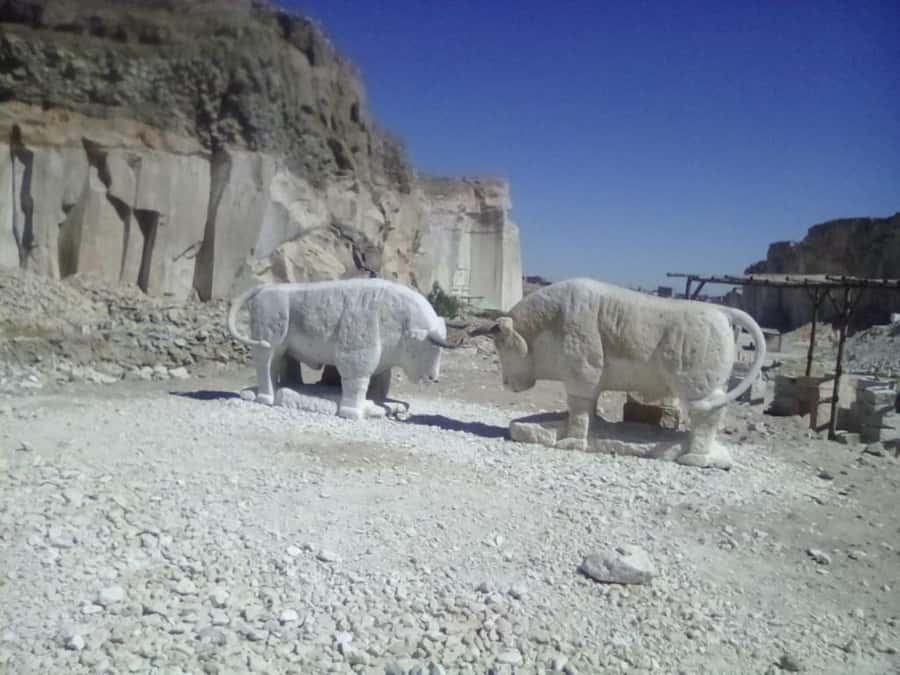
The work has also been declared Intangible Cultural Heritage of the Nation. That recognition reflects the skill and cultural value of the stone-cutting tradition. You are not simply visiting an abandoned industrial site. At Añashuayco, you can see local masons working and learn how raw material becomes a building surface.
I find this kind of stop more useful than a quick photo visit because it explains a familiar feature of Arequipa. If you have already admired the city’s churches and streets, the quarry gives those sights a practical backstory.
More Colca Canyon trips:
- 2 day 1 night trek / Colca Canyon
★ 5.0 · 1,069 reviews - From Arequipa: Colca Canyon Full-Day Guided Tour with Meals
★ 4.5 · 982 reviews - Tour to the Salinas Lagoon and National Reserve in Arequipa
★ 4.5 · 548 reviews
Starting From Arequipa at 8:50 a.m.
Pickup is provided from hotels near the main square. You enter your hotel name when booking, so the operator can arrange the morning meeting point. You should reserve at least one day in advance and contact the emergency number after booking, as requested by the operator.
The scheduled pickup is 8:50 a.m., followed by tourist transport toward the Ruta del Sillar. The total activity time is listed as 390 minutes, or six and a half hours, although the stated return time is around 1 p.m. That timing is worth confirming before you go, since the pickup and return schedule suggests a shorter field visit with transport included.
The first part of the route includes a viewpoint where you can see the volcanoes around Arequipa. This is a useful opening stop. It gives you geographic context before you reach the quarries, and it helps explain why volcanic stone is so central to the area.
Bring your camera, but also bring cash. The tour price covers transport and a professional guide, while entrance tickets are separate. The fee is $5 per person for the Ruta del Sillar and another $5 for Culebrillas Canyon.
Añashuayco Quarry and the Hands Behind the Stone
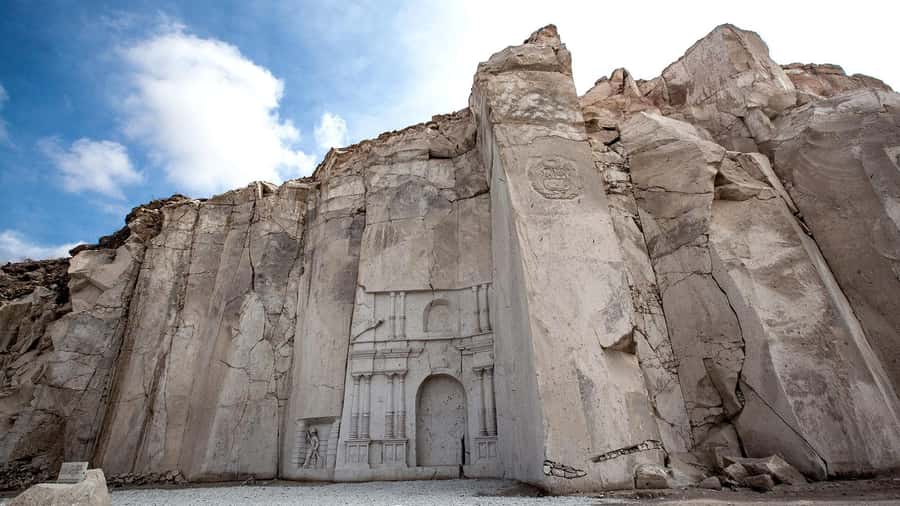
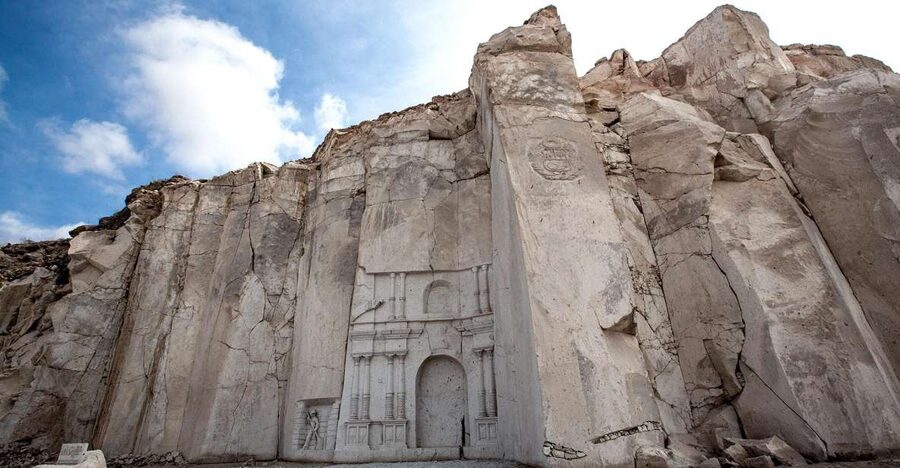
Añashuayco Quarry is the main cultural stop. Here, you can watch local masons work the sillar and learn about the carving process. The most valuable part is seeing the contrast between the rough stone at the quarry and the precise blocks used in city architecture.
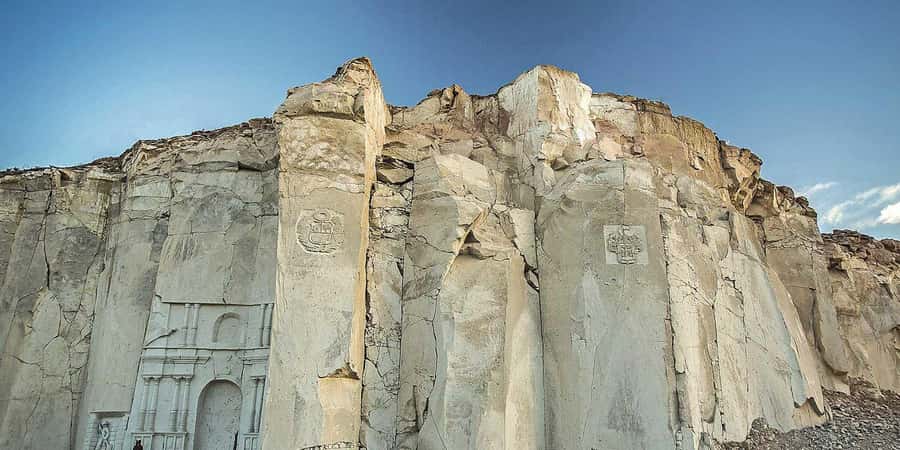
The quarry itself has been shaped by extraction. The immense cliff canyon shows where material has been removed over time. It is a dramatic sight, but it also gives you a clear idea of the physical effort involved in producing sillar.
This stop should appeal to you if you enjoy traditional crafts, architecture, or working cultural sites. The experience is not built around a museum display. You see the material in its natural setting and observe the process that gives it practical form.
The quarry is also one of the better photo stops. A recent French visitor enjoyed taking pictures there and found the canyon walk especially scenic. You will want to leave room on your camera for broad views of the carved cliff, close views of the stone, and photographs of the quarry work.
The limits are simple. The provided schedule does not give a long list of demonstrations or a detailed workshop format. Your experience will depend in part on the guide’s explanations and what is being worked when you arrive. That is not a reason to skip it, but you should expect an informative visit rather than a hands-on stone-carving class.
The 30-Minute Transfer to Culebrillas
After Añashuayco, the vehicle continues for about 30 minutes to Quebrada de Culebrillas. That transfer breaks up the morning and moves you from the working quarry to a more natural section of the route.
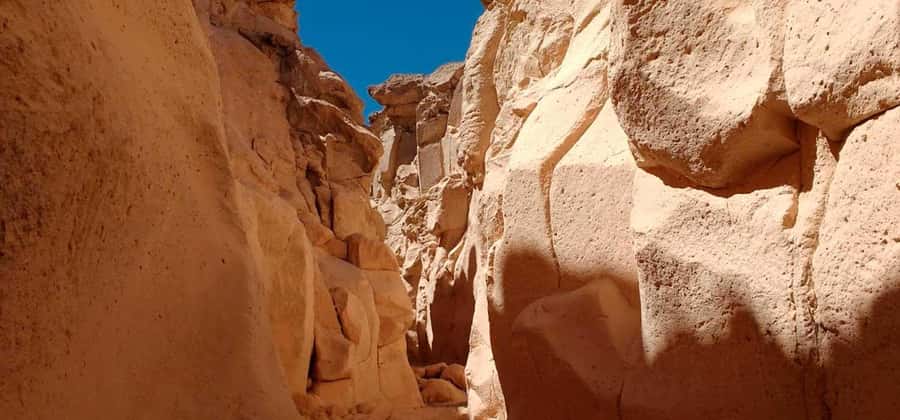
Culebrillas is a water-cut canyon with walls up to 20 meters high. The group enters the canyon for a walk of about 20 minutes. It is a short outing, not a long hike, so the tour works well if you want to see the area without giving up a full day in Arequipa.
I like the balance here. The quarry explains human work and the city’s building tradition. The canyon adds space, rock formations, and a little adventure. You get two different ways to understand sillar country without spending hours on a difficult trail.
The canyon walk may be the physical highlight for many people. The walls rise around you, and the enclosed route creates a stronger sense of place than a roadside viewpoint. The available information does not give a difficulty rating, trail surface, or accessibility details, so you should be prepared for an uneven outdoor walk and ask the operator if you need specific mobility information.
One practical warning is mosquitoes. They were a real issue for at least one person on a recent August visit, and repellent purchased locally was considered expensive for the amount provided. Pack your own repellent if possible. It is a small item that can make the canyon walk much more pleasant.
More things to do in Arequipa:
- From Arequipa: Sillar Route Trek
★ 4.2 · 461 reviews - Colca Full Day Tour
★ 4.5 · 429 reviews - Rafting Arequipa – Chili River Canoeing – Cusipata Rafting Arequipa
★ 5.0 · 332 reviews - Arequipa: Chili River White Water Rafting with Hotel Pickup
★ 4.8 · 329 reviews
Petroglyphs at the End of the Canyon
The final stop is a group of petroglyphs carved into the canyon rock. Their meaning is unknown, which gives the visit an open question rather than a neat answer.
You should approach this stop with realistic expectations. The attraction is not a large archaeological complex with a full interpretation center. It is a chance to see figures cut into stone and consider who made them and why. The guide can provide context, but the information supplied for the tour does not identify the artists, date, or meaning of the carvings.
That uncertainty is part of the appeal. After seeing modern quarry work, you encounter older marks made directly on stone. The two stops invite different questions about how people have used the canyon and its rock over time.
Bring a camera, but avoid touching or damaging the carvings. The tour information does not state any special photography restrictions, yet basic care is important at a site where the meaning and age of the images are not fully known.
The Guide Makes a Big Difference
The guide is an important part of this outing because the stone, canyon, and petroglyphs need explanation. English and Spanish guiding are available, making the trip practical for both international visitors and Spanish speakers.
Tony received especially warm praise for using humor and explaining the sites clearly in both languages. That matters if your Spanish is limited. One group with almost no local-language ability still appreciated the explanations, while another English-speaking group valued having an English guide among Spanish speakers.
The guide also helps pace the stops. One person described the time at each location as just right. That is useful feedback for anyone worried about being rushed through the quarry or left with too much unstructured time. The outing appears designed to keep moving while still allowing time for photographs and the canyon walk.
At the same time, this is a shared excursion, so the guide’s attention is divided among the group. If you want a private, highly flexible visit, this may not be the right format. If you prefer a planned route with transport and explanations, the guide adds good value to the modest price.
Is the $25 Price Good Value?
At $25 per person, the tour is a strong value for a half-day outing. The price includes hotel pickup from accommodation near the main square, tourist transport, and a professional guide. Those inclusions remove the need to arrange separate transportation to two sites outside Arequipa.
The real cost is $35 per person once you add the $5 Ruta del Sillar entrance and $5 Culebrillas entrance fees. Extra expenses are not included. You should also budget for any snacks, drinks, or repellent you might need along the way, though the tour information does not specify food service.
I would compare the total cost with the convenience of getting there. The tour links a quarry, viewpoint, canyon, and petroglyph site in one morning. For many people, the transport and bilingual guide are worth more than the basic ticket price alone.
The value is strongest for first-time visitors to Arequipa who want a simple introduction to the area outside the city center. It is also a sensible choice if you have limited time and cannot dedicate a full day to a more distant excursion.
What to Bring for a Better Morning
The official preparation list is short: passport or identification card, camera, cash, and personal medication. Take it seriously, especially the cash. The two entrance fees are separate, and the tour does not cover extra purchases.
I would add mosquito repellent to that list based on the canyon conditions described by a recent participant. Comfortable walking shoes are also a sensible choice because the route includes a 20-minute canyon walk, although the operator does not provide a formal footwear requirement.
Weapons, sharp objects, alcohol, and drugs are not allowed. You must also provide the name of your hotel and reserve at least one day before the excursion.
The language choice is another useful point. Check availability for English or Spanish when you select a departure. The experience depends heavily on understanding how sillar is extracted and carved, so a guide you can follow will make the quarry visit much more rewarding.
Who Should Book This Excursion?
I would recommend it to you if you enjoy local craft, architecture, short walks, and unusual day trips that explain a city’s identity. Families with older children may also appreciate the mix of quarry work, canyon walls, and petroglyphs, provided everyone can manage the outdoor walk.
It suits visitors staying near Arequipa’s main square because hotel pickup is included from that area. It also works well for people who want a structured morning rather than figuring out separate transport.
You may want a different outing if you are looking for a long hike, a private tour, or a detailed archaeological visit with extensive background on the petroglyphs. The canyon walk lasts about 20 minutes, and the focus is split between culture, scenery, and transport.
Cancellation is flexible if your plans change: you can cancel up to 24 hours before departure for a full refund. You can also reserve now and pay later, which helps if your schedule in Peru is still shifting.
Should You Book the Sillar Route?
Book this tour if you want to understand Arequipa through the stone beneath its famous white buildings. The quarry offers the strongest cultural reason to go, while Culebrillas provides the best scenery and a short dose of adventure.
The tour is inexpensive, well paced, and made easier by hotel pickup and bilingual guiding. Just treat $25 as the base price, bring cash for the $10 in entrance fees, and pack mosquito repellent. With those details handled, this is a useful, compact introduction to the working traditions and volcanic surroundings that give Arequipa its character.
FAQ
Where does the Sillar Route excursion begin?
Pickup is available from your hotel if it is near Arequipa’s main square. You must enter your hotel name when booking.
What time is hotel pickup?
Pickup is scheduled for 8:50 a.m.
When does the excursion return to Arequipa?
The stated return time is around 1:00 p.m.
How long is the activity?
The activity duration is listed as 390 minutes.
What languages are available?
The live guide is available in English and Spanish.
Are entrance tickets included?
No. The Ruta del Sillar ticket costs $5 per person, and the Cañón de Culebrillas ticket costs another $5 per person.
What will I see at Añashuayco Quarry?
You can watch local masons work sillar, learn about the carving process, and see the large cliff canyon formed by stone extraction.
How long is the walk at Culebrillas Canyon?
The walk inside the canyon lasts about 20 minutes. The canyon walls reach up to about 20 meters high.
What should I bring?
Bring your passport or identification card, camera, cash, and personal medication. Mosquito repellent is also a practical addition based on conditions reported at the canyon.
Just added in Arequipa
- Sillar Route★ 5.0 · 4 reviews
- Salinas Lagoon + Mini Volcano DE Lojen★ 5.0 · 9 reviews
- 3-Day Colca Canyon trek with Professional Guide★ 5.0 · 40 reviews
- Full Day Tour To The Salt Lake Salinas in Arequipa★ 4.5 · 34 reviews
- Walking City tour including the Monastery of Santa Catalina★ 5.0 · 6 reviews
- Trekking, Waterfalls and Thermal Baths★ 4.5 · 47 reviews
- Downhill Tour – Mountain Bike in Arequipa★ 3.5 · 5 reviews
- 2 Days 1 Night trekking Through Colca Canyon, Private room★ 5.0 · 16 reviews
Colca Canyon and Arequipa Tours, compared.
From Arequipa: Colca Canyon Full-Day Guided Tour with Meals
Read our review →
Tour to the Salinas Lagoon and National Reserve in Arequipa
Read our review →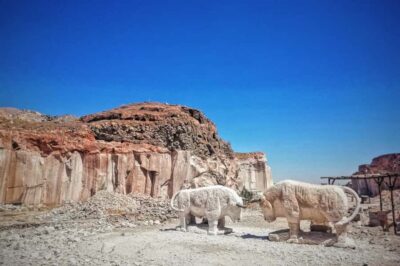
Rafting Arequipa – Chili River Canoeing – Cusipata Rafting Arequipa
Read our review →
Chili River White Water Rafting with Hotel Pickup
Read our review →
Browse the lists this tour appears in