
Reviewed · AMAZON JUNGLE TOURS
From Cusco: Manu National Park 3 Day Tour
Jungle wildlife begins before the Amazon. This three-day trip from Cusco takes you from Andean valleys into the Manu National Park region, with cloud forest scenery and a chance to watch the Andean cock-of-the-rock perform its courtship ritual. I like the mix of nature and culture, especially the Lupaca tombs, Paucartambo museum, coca plantation, rescue center, and parrot clay lick. I also like that kayaking, transport, park admission, lodging, and most meals are bundled into the $370 price.
The main drawback is the long road journey and a schedule that can feel hurried. One booking reported that the food was excellent and the organization was generally good, but the plan was sometimes unclear and the first lodging area needed better upkeep. You should choose this trip for its access to Manu, not for polished hotel comforts.
In This Review
- Key points before you book
- From Cusco to Lupaca tombs and Paucartambo
- Cloud forest lunch and the cock-of-the-rock
- Day two: coca, rescued wildlife, and the Alto Madre de Dios
- River time, swamp birds, and a search for caimans
- Day three: the parrot clay lick
- What the $370 price includes
- Guide quality, group size, and day-to-day comfort
- Who should take this Manu trip?
- Should you book the 3-day Manu tour?
- FAQ
- How long is the Cusco to Manu National Park tour?
- How much does the tour cost?
- What languages does the guide speak?
- How many people are in the group?
- Is kayaking included?
- Are meals included?
- What wildlife might I see?
- What should I bring?
- Can I cancel the booking?
Key points before you book
- Andean cock-of-the-rock courtship: Learn about Peru’s national bird in the cloud forest, where the early stop may also reveal orchids, bromeliads, ferns, and native fauna.
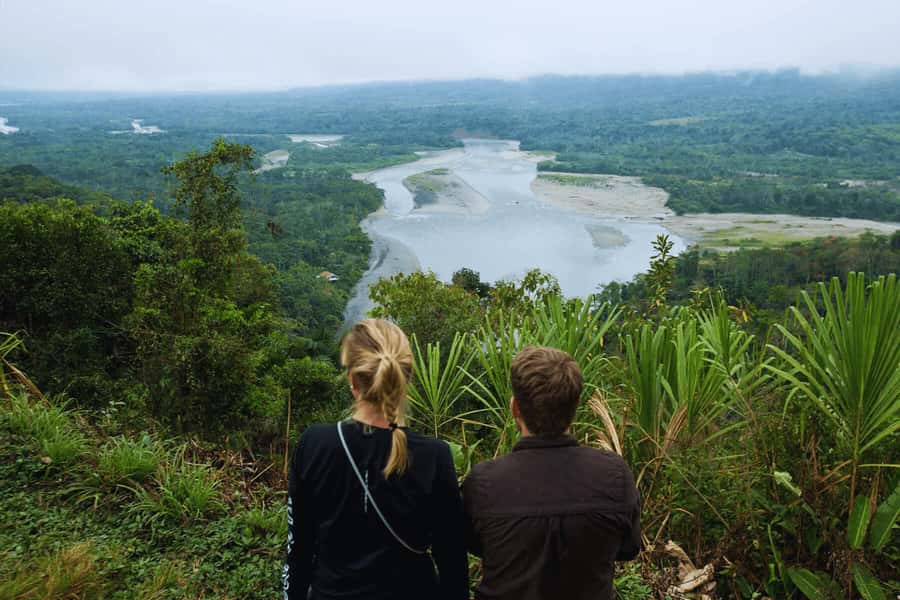
- A full change of scenery: The route moves from Cusco’s high valleys through colonial towns and cloud forest toward the Alto Madre de Dios River.
- Wildlife with several different settings: Look for birds in the forest and swamp, caimans near the water, and parrots at a mineral-rich clay wall.
- Cultural stops add balance: Lupaca pre-Inca tombs, Paucartambo, and a coca plantation give the trip more depth than a simple jungle transfer.
- Small-group value: With no more than 17 participants, the tour is more manageable than a large coach outing, though road comfort still depends on the vehicle and group.
- Pack for wet, active days: Bring sturdy comfortable shoes, rain gear, insect repellent, sunscreen, swimwear, binoculars, and a reusable water bottle.
From Cusco to Lupaca tombs and Paucartambo
Your first day begins with pickup in Cusco and a long journey through valleys between the Andes Mountains. This is not a quick ride to an Amazon lodge. The road itself is part of the outing, taking you through changing elevations, small towns, and mountain scenery before the forest begins to close in.
The first cultural stop is a set of pre-Inca tombs linked to the Lupaca culture. This gives you an early reminder that the region is not only about wildlife. You are crossing an old cultural corridor, and the tombs help place the later forest experience in a wider Peruvian setting.
The route then reaches Paucartambo, a colonial city where you visit the museum. The stop breaks up the drive and adds a local-history layer without turning the whole day into a museum tour. If you enjoy seeing how towns connect the highlands with the forest, this is one of the more useful pauses.
You should have realistic expectations about the first day. The program includes several stops, lunch, and a move into the cloud forest, so time at each site may be limited. Wear shoes you can walk in and keep water, sunscreen, and a light rain layer close at hand rather than buried in your luggage.
More Amazon jungle trips:
- 4-Day Inca Jungle Trail to Machu Picchu Hiking and Biking Tour
★ 5.0 · 438 reviews - 4-Day Adventure Tour: Inca Jungle Trail to Machu Picchu
★ 5.0 · 426 reviews - 4-Day Inca Jungle Tour: Machu Picchu Biking, Rafting, and Zipline
★ 5.0 · 241 reviews
Cloud forest lunch and the cock-of-the-rock
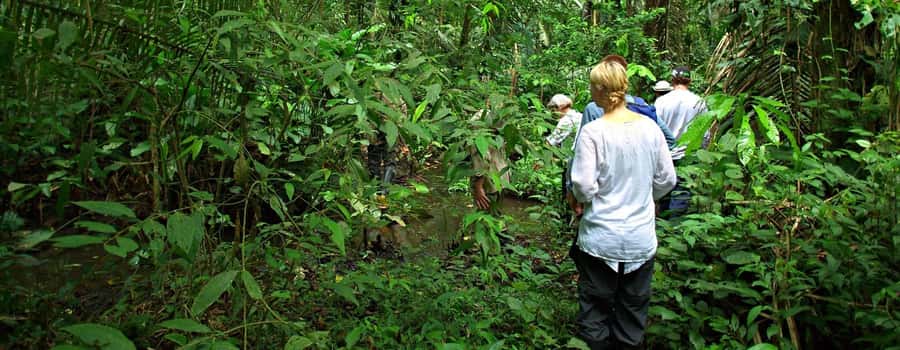
Lunch takes place in the cloud forest, an area known for thick plant growth and native wildlife. The vegetation includes orchids, bromeliads, and ferns, so even a short walk can feel very different from the dry or cool surroundings you left near Cusco.
The key wildlife lesson here concerns the Andean cock-of-the-rock, Peru’s national bird. Your guide explains its courtship ritual, a striking behavior that makes this more than a standard bird-watching stop. Sightings of wild animals are never guaranteed, but the setting gives you a reasonable chance to learn about the species in the place where it lives.
The Andean bear is also associated with this forest zone. The itinerary presents it as part of the native fauna, but you should not treat that as a promise of a bear sighting. Bring binoculars and listen closely. In forest conditions, patient observation matters more than simply scanning for large animals.
This is one of the tour’s strongest sections because it links plants, birds, and habitat. You are not only being driven through a pretty stretch of road. You are learning why the cloud forest acts as a transition between the Andes and the warmer forest farther below.
After the day’s stops, you reach the first hostel. The accommodation is included, but this is a nature-focused trip, not a boutique lodging package. One report noted rubbish around the first overnight property, a small but fair warning to keep expectations modest. The food, on the other hand, received strong praise.
Day two: coca, rescued wildlife, and the Alto Madre de Dios
Day two starts early with breakfast and a forest walk to look for fauna. Early starts are useful in a forest setting, since the morning is the scheduled time for this walk and the day has several activities packed into it.
The next stops are a coca plantation and a wildlife rescue center. The plantation gives you a chance to see an important regional crop in context. The rescue center shifts attention toward animal care and conservation. Together, these visits add human and environmental subjects to the birding and forest walks.
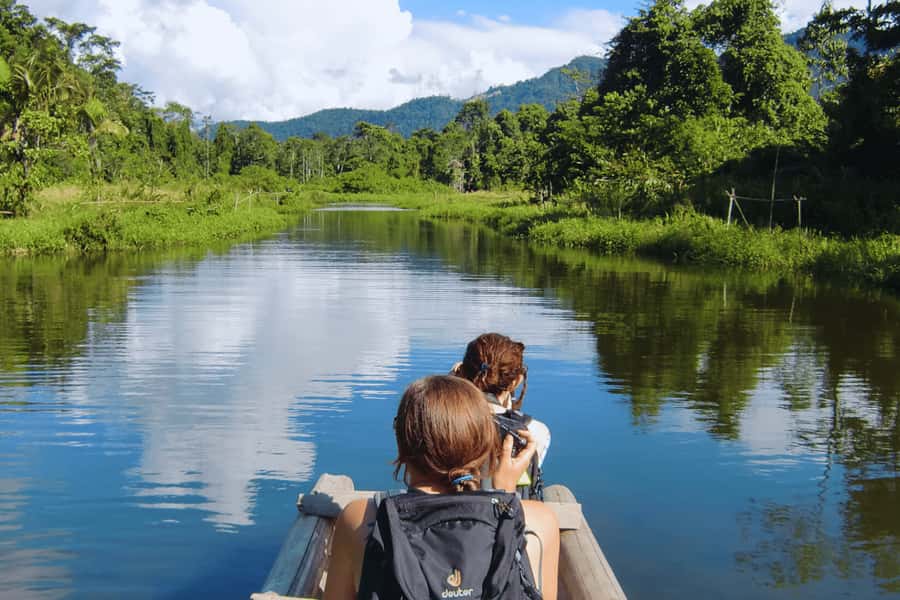
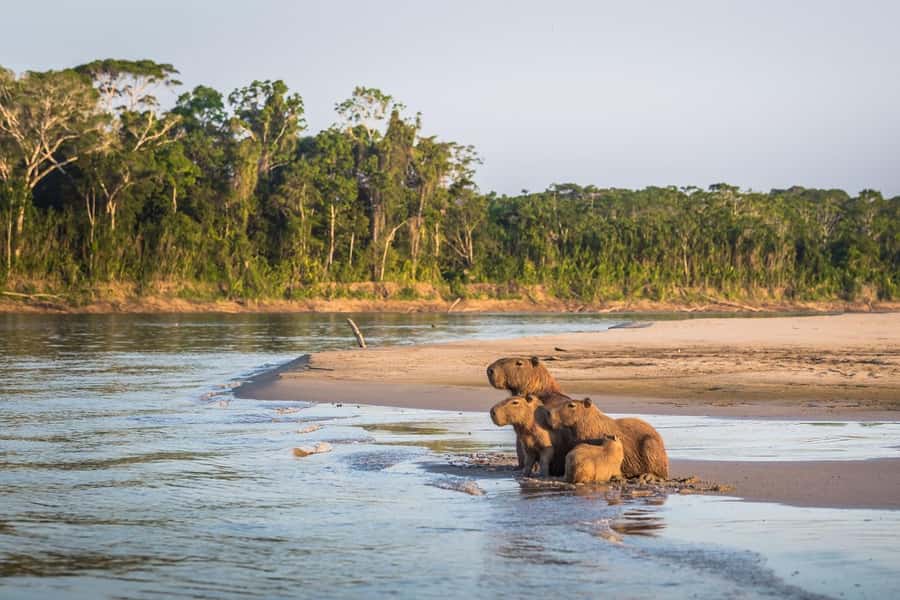
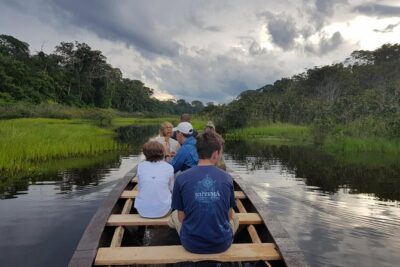
You then continue to Atalaya, on the banks of the Alto Madre de Dios River. At this point, the trip changes from road travel to water travel. A speedboat carries you into the river portion of the program, while a one-hour kayaking activity gives you a slower way to watch the riverbanks.
During kayaking, you might spot herons, vultures, and cormorants. The value of this hour is not only the possibility of seeing birds. A kayak places you closer to the rhythm of the river than a coach does, although the weather can affect the activity and wildlife sightings remain uncertain.
You do not need to bring a kayak. It is included. You should bring comfortable clothing, sunscreen, a hat, and water, and pack swimwear if you want to use the river later. The tour specifically asks you to carry a reusable bottle and avoid plastic bottles, which is practical in a protected natural area.
River time, swamp birds, and a search for caimans
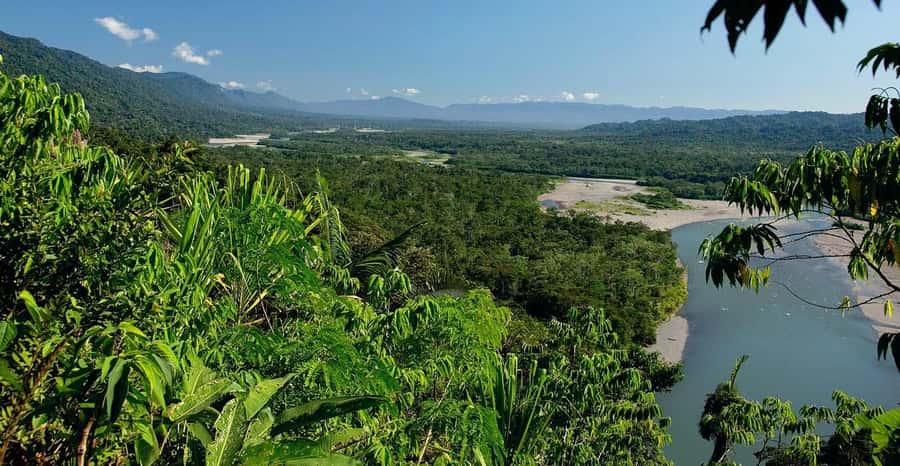
After arriving at the second hostel, you have free time to take a dip in the river and eat lunch. This pause matters. The itinerary is active, and a short break lets you cool down before the afternoon wildlife search.
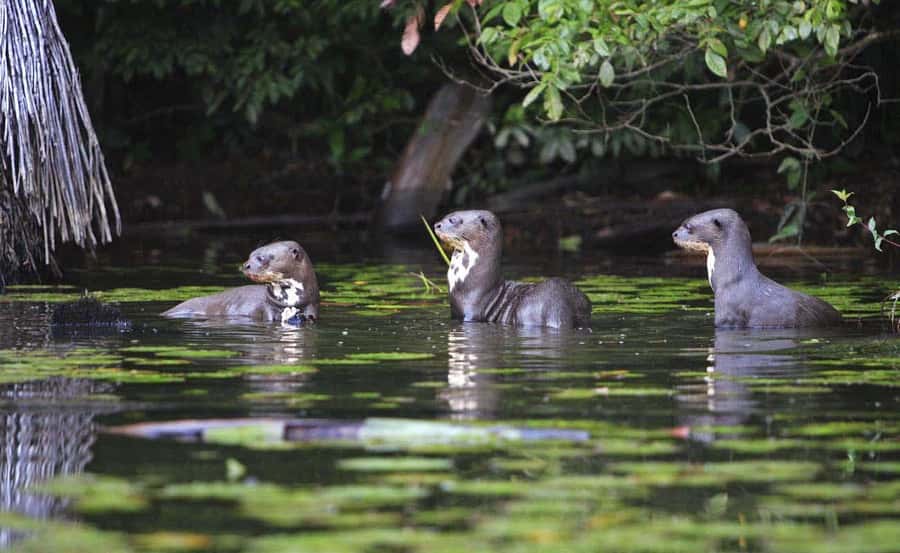
Later, you visit a swamp where toucans, woodpeckers, and parrots live. A swamp can seem less dramatic than a tall forest at first glance, but it concentrates water, vegetation, and bird activity in one place. You may find it easier to watch birds here than on a moving road or boat.
The group also goes looking for caimans. This is a search rather than a guaranteed viewing, so keep your expectations sensible. Your guide’s role is important here, since spotting wildlife often depends on knowing where to look and how to remain quiet.
This day offers the best mix of action and variety: walking, a plantation, a rescue center, kayaking, river time, swamp habitat, and a caiman search. It is also the day when the tour may feel most tightly scheduled. If you prefer slow travel with long rests, three days may feel short for the amount of ground covered.
More things to do in Cusco:
- Classic Inca Trail Trek 4D/3N to Machu Picchu (Group Service)
★ 5.0 · 8,653 reviews - Cusco: Rainbow Mountain and Red Valley Day Trip with Meals
★ 4.9 · 4,893 reviews - Machu Picchu: 4-Day Inca Trail Trek with Panoramic Train Ride
★ 5.0 · 4,568 reviews - Salkantay Classic Trek 5 Days from Cusco
★ 5.0 · 4,062 reviews
Day three: the parrot clay lick
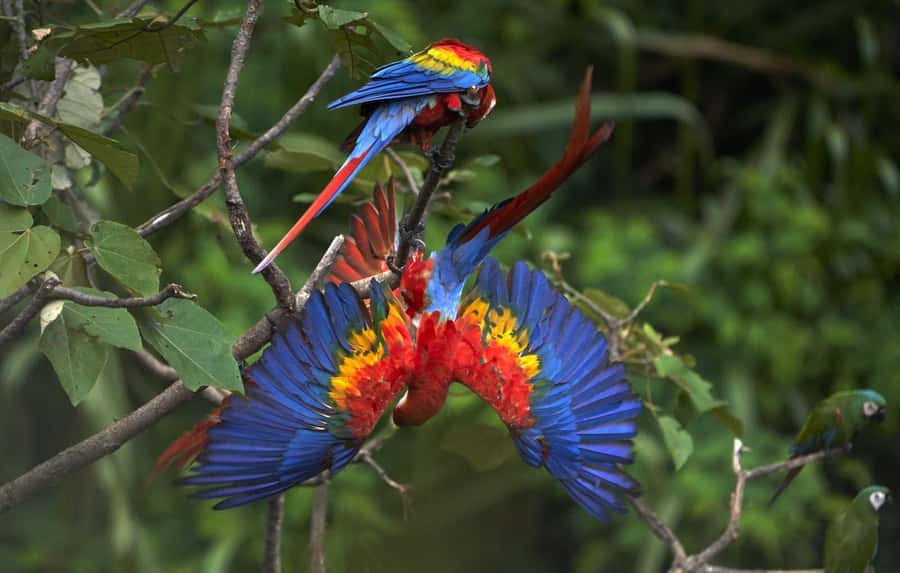
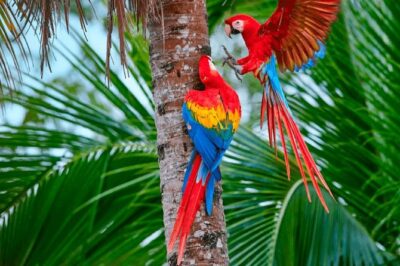
The final morning begins early with a speedboat ride to a parrot clay lick, a clay wall beside the river. Different parrot species gather here to eat clay containing minerals that help with digestion and the removal of toxins.
This is the tour’s clearest signature sight. Many nature outings promise general forest wildlife, but a clay lick gives you a specific natural event to watch. The birds arrive at a place shaped by the riverbank, and the behavior offers a glimpse into how animals use minerals in their environment.
Bring binoculars and a camera, but avoid treating the stop like a stage show. Wildlife follows its own schedule, and weather conditions can affect the activity. The tour itself is subject to weather, so the clay lick and boat portions require some flexibility.
After returning to the hostel, you have breakfast before taking a speedboat back toward Puerto Atalaya. A coach then takes you back to Cusco, with lunch along the way. Arrival is expected between 5:30 pm and 6:30 pm, so do not plan an important evening commitment in Cusco.
That late return is worth noting when you arrange onward transport or a hotel. The final day is mostly a return journey, but it still includes the early clay lick visit, breakfast, a boat ride, a coach trip, and lunch.
What the $370 price includes
At $370 per person, this tour is priced as a compact package for a difficult-to-arrange route. The cost includes hotel pickup and drop-off, coach or minibus transport, speedboats, an English-speaking guide, kayaking, the Manu National Park admission ticket, two nights of accommodation, and most meals.
Included food covers:
- Two breakfasts
- Two lunches
- Two dinners
- Mineral water
The package saves you from arranging separate road transfers, river transport, park entry, lodging, and a guide. That matters in a region where the logistics are the hard part. The small group limit of 17 people also gives the trip a more personal scale than a large bus tour, though it is not a private outing.
You pay extra for breakfast on the first day, dinner on the final day, and drinks. Plan for those costs before departure. The tour provides mineral water, but bringing a reusable bottle is both useful and part of the environmental guidance.
The value is strongest if you want a short introduction to the Manu cultural zone and prefer one booking to several separate arrangements. The value is weaker if you want luxury lodging, long wildlife waits, or a relaxed schedule with plenty of unplanned time.
Guide quality, group size, and day-to-day comfort
The guide speaks English and Spanish. One booking described the guide as attentive and strong on local plants, animals, medicinal plants, and conservation. Those subjects fit this route well, since the experience depends on interpretation as much as on scenery.
At the same time, clear timing matters on a three-day trip with many transfers. One report found the schedule sometimes confusing. I would ask for a simple day-by-day outline at pickup, including meal times, walking lengths, boat departures, and the expected return time to Cusco.
A group of up to 17 people is small enough to keep the guide within reach and large enough to share costs. It may still feel crowded during bird sightings or on a narrow trail. If you want complete control over stops and timing, a private arrangement would suit you better, but it would likely cost more.
The accommodation should be viewed as functional. The included hostels give you a base for sleeping and eating, while the real focus is outside. Bring comfortable clothing and rain gear because the trip moves through different conditions, and keep valuable electronics protected from moisture.
Who should take this Manu trip?
I would recommend this tour to you if you want a short, structured introduction to Manu from Cusco and enjoy a mix of nature, culture, and soft adventure. It suits people who are happy with early mornings, long road transfers, basic lodging, and wildlife sightings that cannot be promised.
It is also a good fit if you want to see more than one habitat. You move from Andean valleys to cloud forest, then to river and swamp environments. The range makes the trip feel varied even though the schedule is compact.
You may want to skip it if you have back or heart problems, are pregnant, use a wheelchair, or are traveling with a child under three. These restrictions are stated for the activity. The road, walking, kayaking, boat rides, and early starts also make it less suitable for anyone seeking a low-effort break.
Pack comfortable shoes, a hat, swimwear, sunscreen, water, rain gear, comfortable clothes, insect repellent, a camera, and binoculars. Do not smoke, feed animals, touch plants, litter, or bring plastic bottles. Vegetarian meals are available, and you need a passport or ID card.
Should you book the 3-day Manu tour?
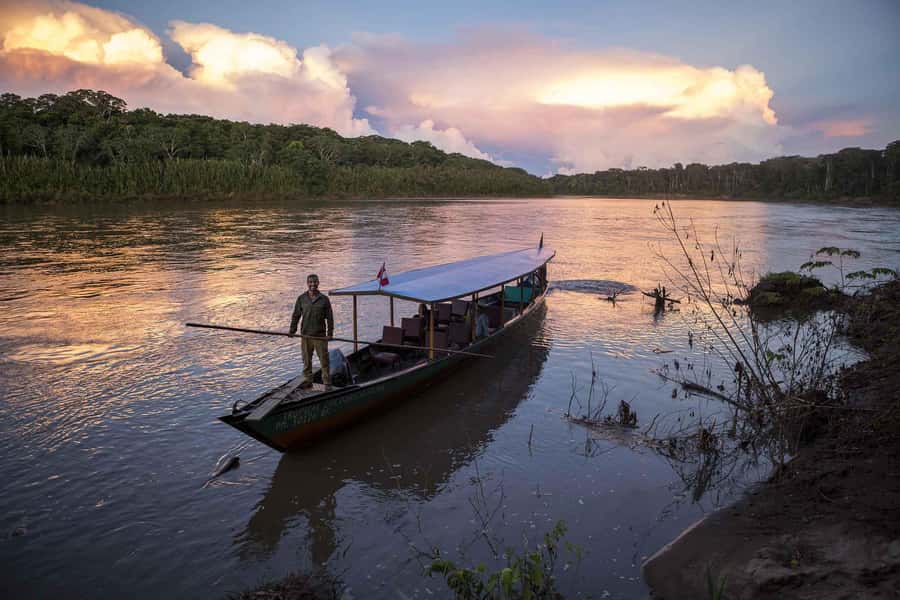
Book it if you want an efficient route from Cusco into the Manu region, with strong wildlife themes and useful cultural stops. The cock-of-the-rock lesson, kayaking, rescue center, caiman search, and parrot clay lick give the trip a good spread of experiences for three days.
I would book with two conditions: accept basic accommodation and confirm the daily schedule clearly at the start. At $370, the package offers solid value because it covers transport, boats, lodging, meals, guide services, park entry, and kayaking. It is best for an active nature trip, not a polished resort holiday.
FAQ
How long is the Cusco to Manu National Park tour?
The tour lasts three days, with departure from Cusco and return to the city between 5:30 pm and 6:30 pm on the third day.
How much does the tour cost?
The listed price is $370 per person.
What languages does the guide speak?
The live guide service is available in English and Spanish.
How many people are in the group?
The tour is limited to 17 participants.
Is kayaking included?
Yes. A one-hour kayaking activity near Atalaya on the Alto Madre de Dios River is included.
Are meals included?
Two breakfasts, two lunches, and two dinners are included. Breakfast on the first day, dinner on the final day, and drinks are not included.
What wildlife might I see?
The program includes opportunities to look for the Andean cock-of-the-rock, Andean bear, herons, vultures, cormorants, toucans, woodpeckers, parrots, and caimans. Wildlife sightings are not guaranteed.
What should I bring?
Bring comfortable shoes, a hat, swimwear, a camera, sunscreen, water, rain gear, comfortable clothes, insect repellent, and binoculars. A reusable water bottle is recommended.
Can I cancel the booking?
You can cancel up to 24 hours in advance for a full refund. The tour can also be reserved with payment made later.
Just added in Cusco
- Private Transfer from Airport to Hotel in the City of Cusco★ 4.0 · 5 reviews
- Best Cusco walking tour: dinner street food tasting★ 4.5 · 11 reviews
- Cusco Private Transportation for 2026★ 5.0 · 4 reviews
- Private Tour to Pisac Market and Pisac Ruins★ 5.0 · 4 reviews
- Machu Picchu Day Trip With Panoramic Train from Cusco★ 5.0 · 10 reviews
- Sacred Valley Private Tour from Cusco, Guide and Driver only★ 5.0 · 4 reviews
- Sacred Valley of the Incas Tour★ 5.0 · 12 reviews
- Private Tour of the Mountain of Colours by Quad★ 5.0 · 7 reviews
Amazon Jungle Tours, compared.
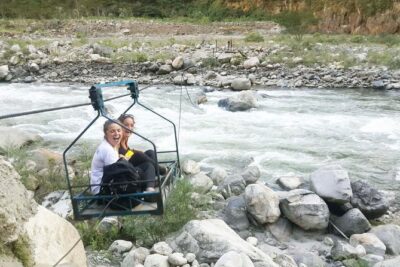
4-Day Inca Jungle Trail to Machu Picchu Hiking and Biking Tour
Read our review →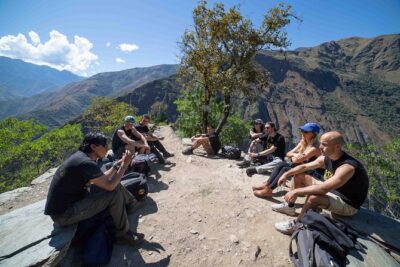
4-Day Adventure Tour: Inca Jungle Trail to Machu Picchu
Read our review →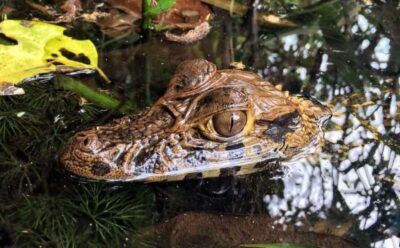
Tambopata Peruvian Amazon Jungle for Three Days/Two Nights
Read our review →
4-Day Inca Jungle Tour: Machu Picchu Biking, Rafting, and Zipline
Read our review →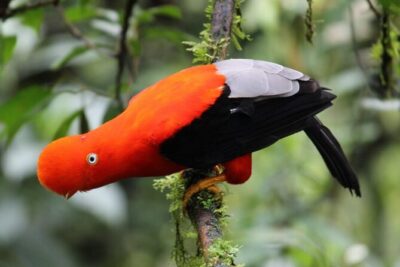
Browse the lists this tour appears in