Reviewed · FULL-DAY
From Cusco: Q’eswachaka Bridge & 4 Lagoons Full-Day Tour
The last Inca bridge still swings. That is what makes this long day from Cusco so memorable: you cross a grass-rope suspension bridge above the Apurimac River, then visit four quiet highland lakes. I like the rare cultural experience and the wide views along the road. I also like that breakfast, lunch, transport, a bilingual guide, and hotel transfers are included. The catch is the schedule: you leave before dawn and spend many hours in the van.
This is not a quick sightseeing outing. It is a full 13-hour excursion into the rural Cusco Region, with a steep walk to the bridge viewpoint and a careful crossing over a moving span. I would choose it for the Q’eswachaka bridge itself, not for comfort or a relaxed pace. A small backpack, warm layers, water, sunscreen, and patience will make the day much easier.
In This Review
- Key points at a glance
- Why Q’eswachaka is worth the long ride
- The 4:30 AM departure from Cusco
- Salcca River views on the road to Yanaoca
- Reaching the Q’eswachaka viewpoint
- What crossing the grass-rope bridge feels like
- Lunch in Combapata and the four-lake circuit
- How the timing affects the experience
- What to pack for this highland day
- Who should book this tour
- Should you book the Q’eswachaka and four-lagoon tour?
- FAQ
- What is the Q’eswachaka Bridge tour from Cusco?
- How long does the tour last?
- Is hotel pickup included?
- What languages does the guide speak?
- Is breakfast included?
- Is lunch included?
- How much does entry to Q’eswachaka cost?
- What should I bring?
- Who should not take this tour?
Key points at a glance
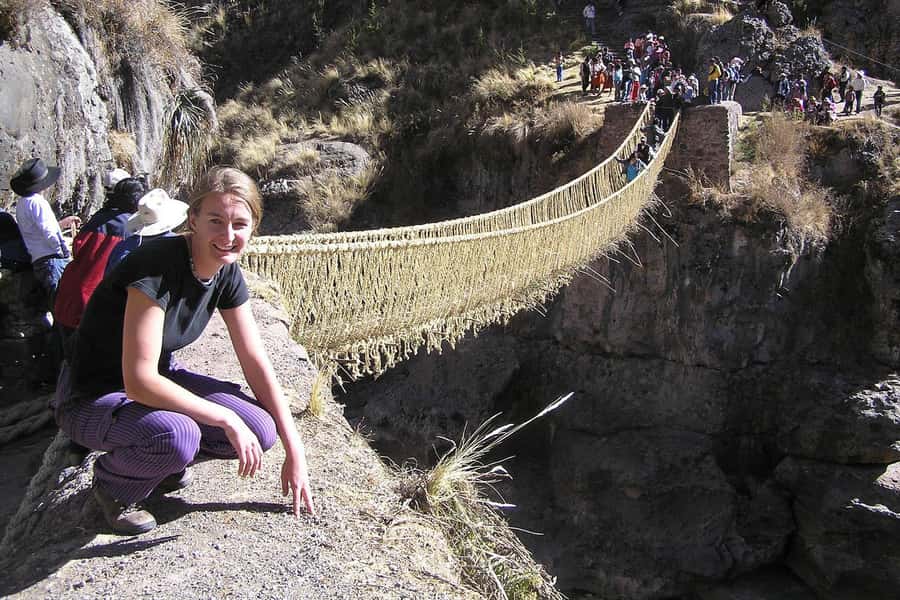
- Cross the last surviving Inca rope bridge: Q’eswachaka is made from grass ropes and spans the Apurimac River between steep rocky cliffs.
- Start before sunrise: Hotel pickup runs from about 4:30 AM to 5 AM, helping you reach the bridge before the day gets crowded.
- See four high-altitude lagoons: Pampamarca, Asnacqoccha, Acopia, and Pomacanchi bring open water, golden-green hills, and native birdlife.
- Expect a demanding walking section: The path down to the viewpoint is steep, and the bridge swings as you cross it.
- Budget for one extra fee: The bridge entrance costs 20 soles and is not included in the $49 tour price.
- Plan for a long drive: The route includes about three hours of outward travel before the bridge, followed by lunch and the lake circuit.
Why Q’eswachaka is worth the long ride
Cusco has no shortage of famous sights, but many are easy to reach and heavily photographed. Q’eswachaka feels different because the bridge is still part of a living local tradition. It is rebuilt by hand from grass rope, preserving an old Andean bridge-making practice rather than simply displaying one behind glass.
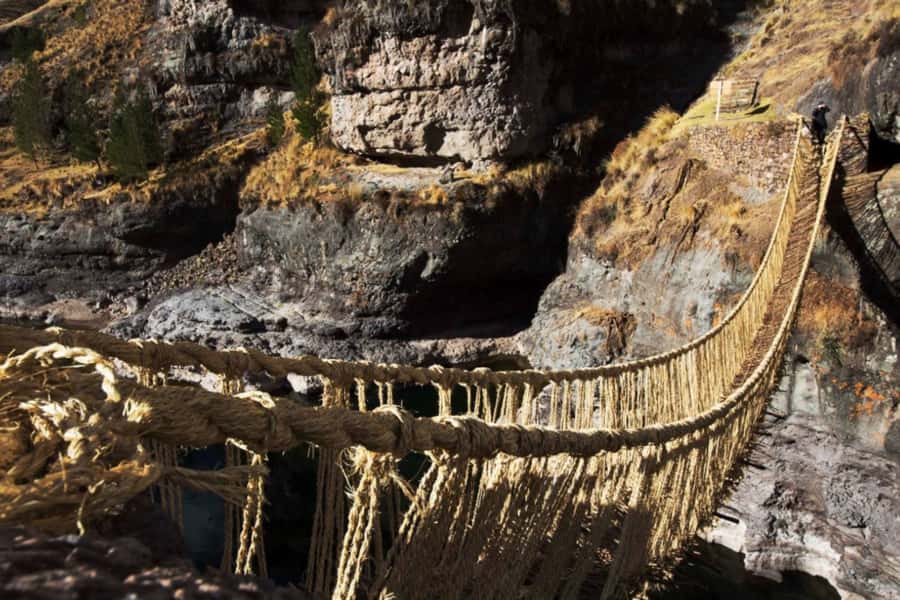
The bridge crosses the Apurimac River, one of the important rivers of the Andes. From the viewpoint, you look down toward the canyon and see why the crossing can feel intimidating. The bridge is not a broad, rigid platform. It has a narrow walking surface and a noticeable swing, so the experience asks you to pay attention to each step.
I like that the tour lets you see the bridge from below and then cross it. The walk down the steep path gives you a better sense of the cliffs and the river than a roadside photo stop would. You should take your time on the descent, since the return climb will require more effort than the walk down.
An entrance fee of 20 soles is paid separately. That is a modest extra cost, but you should carry cash so it does not catch you by surprise. The listed tour price is $49 per person, making the full outing good value if you want transport, meals, hotel pickup, and a guide bundled together.
More things to do in Cusco:
- Classic Inca Trail Trek 4D/3N to Machu Picchu (Group Service)
★ 5.0 · 8,653 reviews - Cusco: Rainbow Mountain and Red Valley Day Trip with Meals
★ 4.9 · 4,893 reviews - Machu Picchu: 4-Day Inca Trail Trek with Panoramic Train Ride
★ 5.0 · 4,568 reviews
The 4:30 AM departure from Cusco
The day begins between 4:30 AM and 5 AM at your Cusco hotel. That early pickup is not a small detail. You will spend much of the morning on the road, and reaching the bridge earlier can mean a quieter visit and cooler conditions.
The vehicle is a private van, and hotel pickup and drop-off are included. No group size is given, so I would not book this expecting a small, intimate outing unless the operator confirms it directly. The important point is that you avoid arranging several remote transfers yourself.
The first leg takes about two hours to Combapata. This is a useful time to sleep, though the views gradually improve as you leave the city behind. At Combapata, the group stops for a continental breakfast before continuing.
The breakfast is practical rather than a major food event. It gives you something to eat before the bridge and breaks up the early drive. Since lunch comes later, I would still bring water and perhaps a small snack, provided it fits in your daypack.
Salcca River views on the road to Yanaoca
After breakfast, you continue for about another hour toward Yanaoca, one of the eight districts in the Canas province of Cusco. The road itself is part of the experience, with broad highland views and a look at the Salcca River.
The Salcca is described as a sacred river of the Incas, so this stretch adds cultural meaning to what might otherwise feel like a long transfer. You get a better sense of the scale of the Cusco Region here: open hills, distant ridges, working countryside, and very few urban distractions.
This is also where the tour demands a little discipline. The drive is long, and the day includes several stops rather than one main attraction. If you want a tour with constant activity, this may feel slow. If you enjoy seeing how the countryside changes outside Cusco, the road time becomes part of the reward.
Bring sunglasses and a hat. The supplied advice also calls for sunscreen, water, and rain gear. That combination makes sense in the highlands, where bright sun and sudden rain can both matter. Wear comfortable shoes with a secure sole, especially for the steep path near the bridge.
Reaching the Q’eswachaka viewpoint
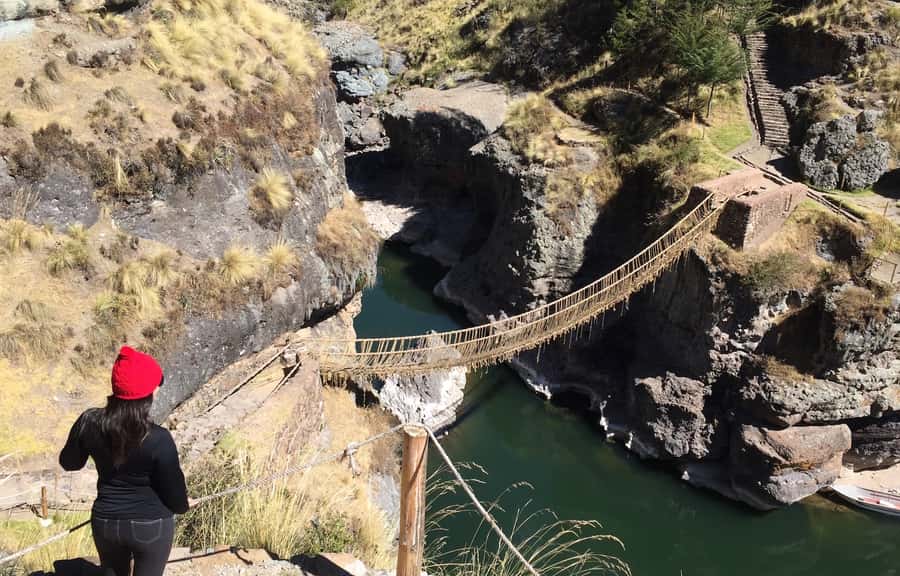
At the bridge area, you leave the van and walk down a steep path to a viewpoint. This is the most physically demanding section before the crossing. The path gives you a clear photo position, but it also means you must climb back up afterward.
From below, Q’eswachaka connects rocky cliffs above the Apurimac River. The grass construction is the point: this is a suspension bridge made from braided natural fiber, not modern steel or concrete. Its plain appearance hides the amount of work required to maintain it.
Your guide can help with photos and explain what you are seeing in English or Spanish. One especially praised guide, Christian, was noted for his explanations and for taking good photographs on the bridge. That kind of help matters here, since you may want pictures but will not always feel comfortable handling a camera while crossing.
The bridge entrance costs 20 soles. Keep this money separate from your tour balance and carry it in cash, along with your identification and any other spending money.
A completely different kind of day:
- Salkantay Classic Trek 5 Days from Cusco
★ 5.0 · 4,062 reviews - 4-Day Salkantay Trek with Sky Camp Stay
★ 5.0 · 3,346 reviews - Short Inca Trail to Machu Picchu 2D/1N
★ 5.0 · 3,007 reviews - Excursion to Rainbow Mountain Full Day Optional Red Valley
★ 5.0 · 2,996 reviews
What crossing the grass-rope bridge feels like
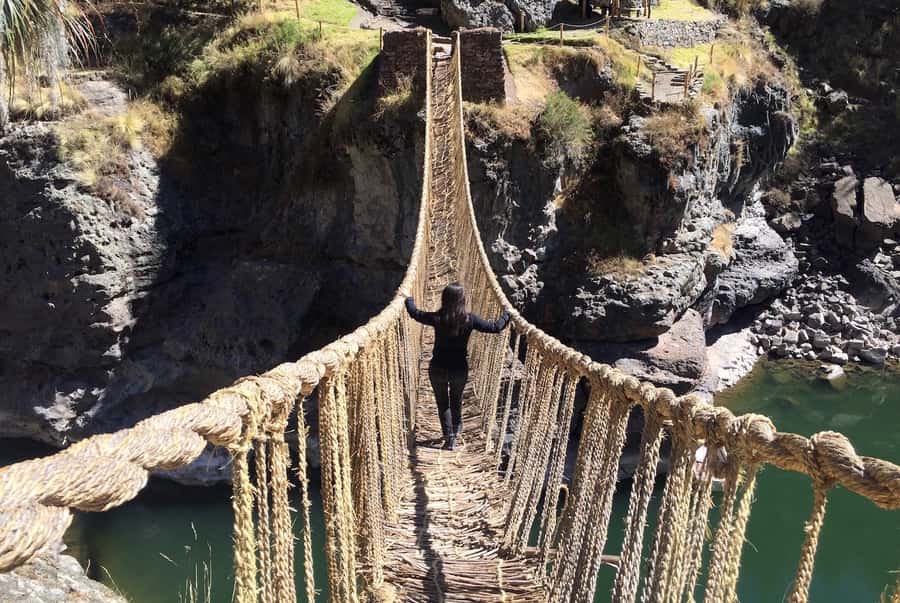
The crossing brings the day’s strongest physical sensation. The bridge moves beneath you, and the canyon lies far below. You may find yourself concentrating on the ropes and the next few steps rather than admiring the view.
That is normal. You do not need to rush across or pretend the height does not bother you. The attraction is partly cultural and partly an adrenaline experience. You see an old construction method, then feel directly how different it is from a modern bridge.
The tour is not suitable for people with mobility impairments or for pregnant women. That restriction fits the route, with its steep access path and swinging bridge. If heights or uneven walking surfaces make you uncomfortable, you can still enjoy the viewpoint, but you should ask the guide what options are available before crossing.
A past outing also included an optional boat ride under the bridge and through the canyon. Treat that as a possible add-on, not a guaranteed part of this package, since it is not listed among the included services. Ask about availability and price on the day if that sounds appealing.
Lunch in Combapata and the four-lake circuit
After the bridge visit, the van returns to Combapata for a quick lunch break. Lunch is included, which helps justify the $49 cost, especially since food in a remote area can be harder to arrange independently.
I would keep your expectations practical. One account praised the overall outing but found both meals cold, with a buffet that was not replenished quickly and only one thermos of hot water serving several buses. That does not mean your meal will be poor, but it is a useful warning not to treat lunch as a highlight.
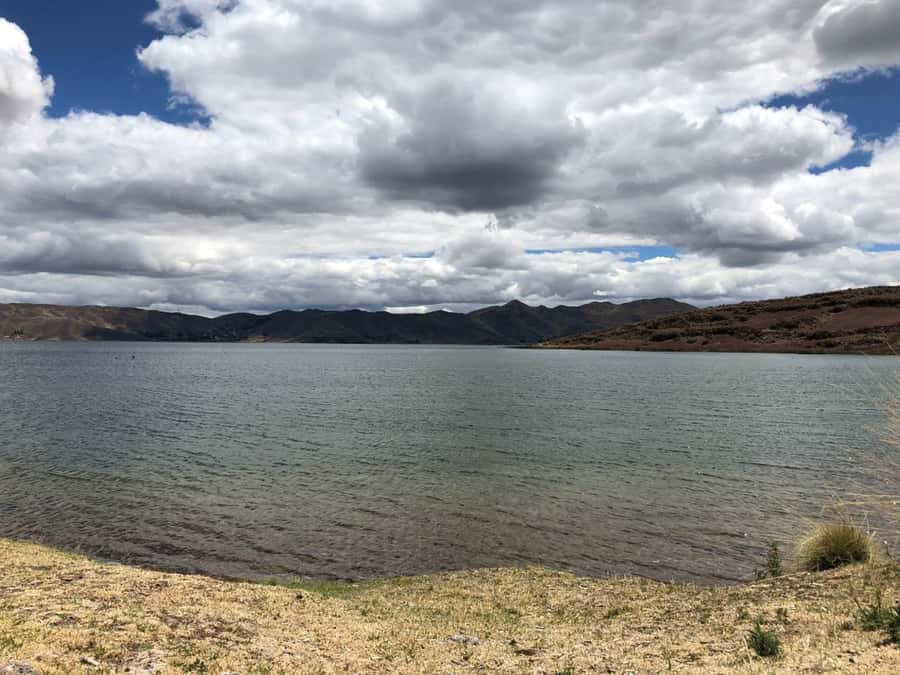
The afternoon continues into the lake district. You visit four lagoons: Pampamarca, Asnacqoccha, Acopia, and Pomacanchi. They sit among broad golden-green hills, and the water gives the route a calmer second half after the bridge’s tension.
The stops are especially good for photographs. Depending on the season and conditions, you may see native flamingos and other birds feeding or flying along the edges. Bird sightings are not guaranteed, but the open water and quiet surroundings give you a better chance than a busy city viewpoint.
The four lakes are not presented as one long hike. You travel between them by van and make short stops for views and photos. That makes the afternoon manageable after the steep bridge walk. It also means you should not expect extended time at every lake. The schedule has to fit all four stops and the return to Cusco.
How the timing affects the experience
The total outing lasts up to 750 minutes, or about 13 hours. Pickup is around 4:30 AM to 5 AM, with a return to your hotel around 4:30 PM to 5 PM. The exact day can run long because road conditions, meal stops, and time at the bridge affect the schedule.
The early start has two benefits. You avoid wasting the morning in bed while the remote destination remains far away, and you may reach Q’eswachaka before larger groups. One account specifically praised an early arrival that put the group first at the bridge after breakfast.
The cost is reasonable for what is covered. You receive:
- Hotel pickup and drop-off in Cusco
- Transport in a van
- English and Spanish guide service
- Continental breakfast
- Lunch
- A first aid kit and oxygen balloon
The bridge entrance is the only listed extra, at 20 soles. At this price, the tour works well for someone who wants a simple, organized way to reach a difficult-to-access site. It is less appealing if you dislike long drives or prefer to set your own pace at each stop.
Free cancellation up to 24 hours before departure and reserve-now, pay-later terms provide useful flexibility. Keep in mind that these policies help with booking plans, not with the physical demands of the route.
What to pack for this highland day
Bring a small daypack. Large bags and luggage are not allowed, and you will have limited need for anything beyond the basics.
Pack:
- Passport or ID card
- Comfortable walking shoes
- Water
- Sunscreen
- Sunglasses
- Sun hat
- Waterproof jacket or other rain gear
- Cash, including 20 soles for bridge entry
- Camera if you want photos
Layered clothing is sensible because the day begins early and conditions can change by afternoon. The supplied information does not give a specific altitude for the bridge or lakes, so I would not make assumptions about how your body will respond. Take the morning slowly, drink water, and tell the guide if you feel unwell. Oxygen and a first aid kit are carried on the tour, but they are safety support, not a substitute for pacing yourself.
Who should book this tour
I would choose this trip if you want an unusual Andean experience beyond Cusco’s most famous ruins. The bridge is the main reason to go, while the lakes add scenery, birdlife, and a quieter rural setting.
It suits you best if you:
- Can handle a very early start
- Are comfortable spending several hours in a van
- Can walk down and back up a steep path
- Are willing to cross a moving suspension bridge
- Enjoy scenery and cultural sites more than polished facilities
- Want meals and transfers included
I would think twice if you need a flexible schedule, have limited mobility, are pregnant, or strongly dislike heights. The tour also may disappoint if you expect a long, restful lunch or a full nature walk around each lagoon. It is a packed day with a clear purpose: reach Q’eswachaka, cross it, then see the four lakes.
The overall rating is 4.4 out of 5 from 10 ratings, with especially strong praise for the guide service, comfortable transport, bridge crossing, and the guide Christian’s photography. The lower experience came from frustration with the long bus ride, while the clearest criticism concerned cold food and slow buffet service. Taken together, those details point to a tour with an excellent main attraction and ordinary roadside meals.
Should you book the Q’eswachaka and four-lagoon tour?
Book it if crossing the last Inca rope bridge is high on your Cusco wish list and you want the logistics handled for you. At $49 plus 20 soles for entry, the package offers strong value for a remote full-day trip, especially with breakfast, lunch, transport, guide service, and hotel transfers included.
Do not book it simply because the price is low. The pre-dawn pickup, long drive, steep path, swinging bridge, and basic meal service are real parts of the deal. Bring the right gear, accept that the road time is substantial, and you will be better prepared to appreciate the bridge and the wide views around the four lakes.
FAQ
What is the Q’eswachaka Bridge tour from Cusco?
It is a full-day excursion from Cusco to the Q’eswachaka grass-rope suspension bridge and the four lagoons of Pampamarca, Asnacqoccha, Acopia, and Pomacanchi.
How long does the tour last?
The activity lasts up to 750 minutes, or about 13 hours. Pickup is scheduled between 4:30 AM and 5 AM, with return to Cusco around 4:30 PM to 5 PM.
Is hotel pickup included?
Yes. Pickup and drop-off at your hotel in Cusco are included.
What languages does the guide speak?
The live guide service is available in English and Spanish.
Is breakfast included?
Yes. A continental breakfast is included, with a stop in Combapata after roughly two hours of driving.
Is lunch included?
Yes. Lunch is included, with a quick lunch stop in Combapata after visiting the bridge.
How much does entry to Q’eswachaka cost?
The bridge entrance costs 20 soles per person and is not included in the tour price.
What should I bring?
Bring your passport or ID, comfortable shoes, sunglasses, a hat, sunscreen, water, rain gear, cash, and a small daypack.
Who should not take this tour?
The tour is not suitable for pregnant women or people with mobility impairments.
Just added in Cusco
- Cusco Private Transportation for 2026★ 5.0 · 4 reviews
- Private Transfer from Airport to Hotel in the City of Cusco★ 4.0 · 5 reviews
- Best Cusco walking tour: dinner street food tasting★ 4.5 · 11 reviews
- Private Tour to Pisac Market and Pisac Ruins★ 5.0 · 4 reviews
- Machu Picchu Day Trip With Panoramic Train from Cusco★ 5.0 · 10 reviews
- Sacred Valley of the Incas Tour★ 5.0 · 12 reviews
- Private Tour of the Mountain of Colours by Quad★ 5.0 · 7 reviews
- Sacred Valley Private Tour from Cusco, Guide and Driver only★ 5.0 · 4 reviews
Full-Day, compared.
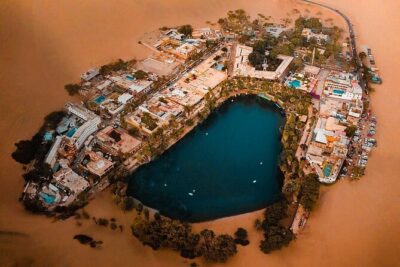
Full Day Tour From Lima: Paracas and Huacachina Oasis
Read our review →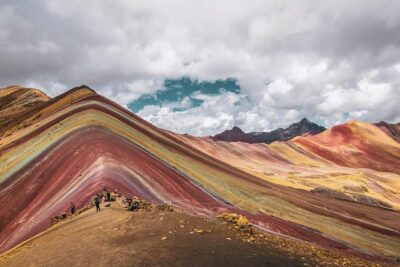
Excursion to Rainbow Mountain Full Day Optional Red Valley
Read our review →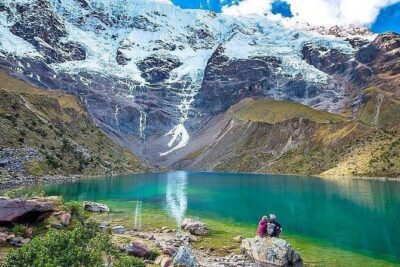
Excursión to Humantay Lake Full Day from Cusco
Read our review →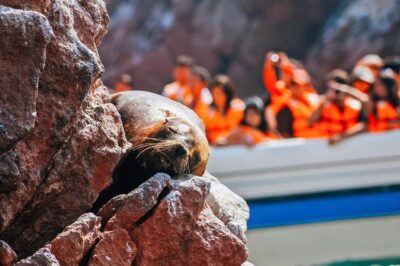
From Lima: Paracas and Huacachina Oasis Full Day Guided Tour
Read our review →
From Cusco: Full-Day Group Tour of Machu Picchu
Read our review →
From Arequipa: Colca Canyon Full-Day Guided Tour with Meals
Read our review →