
Reviewed · COLCA CANYON AND AREQUIPA TOURS
Full Day Trip to Colca Canyon from Arequipa ending in Puno
The canyon comes with a cross-country transfer. This 16-hour trip links Arequipa and Puno while taking you to Colca Canyon’s famous Cross of the Condors, high Andean viewpoints, hot springs, and wildlife reserves. I like the efficient route and the chance to avoid arranging separate buses, hotels, and canyon transport. I also like that you can bring your luggage and continue directly to Puno.
The main drawback is the punishing schedule. Pickup begins around 2:30 a.m., and you spend many hours in shared vehicles, with one change of transport in Chivay. Altitude is a serious concern, too, especially at 4,800 meters, and the experience is not a good match for anyone with heart problems, pregnancy, or limited tolerance for long road days.
In This Review
- Key points at a glance
- Why this long day can make sense
- The 2:30 a.m. start from Arequipa
- Breakfast in Yanque or Chivay
- Maca, Yanque, and the road through Colca
- The Cross of the Condors and the canyon itself
- Optional hot springs for about 40 minutes
- Lunch and the vehicle change in Chivay
- Patapampa at 4,800 meters
- Vicuñas, llamas, and the high plateau
- Patahuasi, Lagunillas, and arrival in Puno
- What the $83 really buys you
- Who should book this Colca Canyon transfer
- Should you book it?
- FAQ
- Where does the tour pick up in Arequipa?
- What time does pickup begin?
- Is breakfast included?
- Is lunch included?
- Is the Colca Canyon entrance ticket included?
- Does the tour include hot spring admission?
- Where does the tour finish in Puno?
Key points at a glance
- A full Arequipa to Puno connection: You see Colca Canyon without losing a separate day to transport.
- The Cross of the Condors is the main event: About an hour is set aside for canyon views and possible condor sightings.
- The road reaches 4,800 meters: Patapampa is spectacular, but altitude symptoms can affect even fit people.
- Two vehicles are used: You begin in one shared minibus or minivan, then change to another vehicle for Puno.
- The $83 price covers the basics: Transport, guide, breakfast, hotel pickup, and the transfer to Puno are included.
- Budget extra for required fees: The tourist entrance ticket costs $19, while lunch and hot springs cost extra.
Why this long day can make sense
Colca Canyon is often treated as a separate excursion from Arequipa, followed by another bus journey to Puno. This trip combines both jobs. You leave Arequipa before dawn, see the canyon during the morning, and arrive in central Puno around 7 p.m., possibly earlier.
That makes the tour useful if your Peru schedule is tight. You do not need to return to Arequipa, arrange a second transfer, or manage your luggage between separate bookings. The operator allows luggage without restrictions, which is a small but important advantage when you are moving between cities.
The tradeoff is simple: you save a day, not energy. Sixteen hours on the road, early pickup, high altitude, and several stops make this a transport-heavy sightseeing day. I would choose it for efficiency, not for a slow, restful visit to the canyon.
The tour costs $83 per person before the $19 entrance fee, lunch, and optional hot springs. That is a fair package price if you need the Arequipa to Puno transfer anyway. It becomes less attractive if you want long walks, a quiet canyon stay, or full control over where you stop.
More Day Trips in Arequipa
- From Arequipa: 1-Day Guided Tour to Colca Canyon with Meals
★ 4.1 · 144 reviews - From Arequipa: One Day Trip to Colca Canyon Ending in Puno
★ 4.0 · 14 reviews - Offer Price: Colca Canyon One Day in Arequipa with Breakfast
★ 4.5 · 4 reviews
The 2:30 a.m. start from Arequipa
Pickup is limited to the central downtown area, with a meeting point available if your accommodation falls outside that zone. The stated pickup window runs from 2:30 to 3:05 a.m., but you are told to be ready at 2:30. Do not treat this as a relaxed departure. Set out your clothes, documents, water, and luggage the night before.
Pickup may also be arranged from Alfredo Rodríguez Ballón International Airport, according to the listed pickup options. If you are arriving at the airport rather than staying downtown, confirm the exact meeting details before departure.
The operator sends pickup information by WhatsApp the day before. That communication has been one of the most praised parts of the service, so keep an eye on your phone and make sure the operator has the correct number. Early morning confusion is no fun when you are standing outside in the dark with your bags.
The first drive lasts about three hours. You head northwest from Arequipa toward Chivay, passing behind the snow-covered Chachani. At this hour, the vehicle is mainly a place to sleep or rest. Shared transport keeps the price down, but one French passenger found the first bus uncomfortable and noisy, with engine sound making the guide difficult to hear.
That warning matters. The vehicle is described as a tourist minibus or minivan, not a large luxury coach. Seating comfort can influence your whole day, so bring a small cushion if you have room, dress warmly, and keep water within reach.
Breakfast in Yanque or Chivay
The morning meal takes place in Yanque or Chivay, the main communities associated with the Colca area. Breakfast is included and is described as continental. The exact length of this stop is not clearly fixed, so expect a practical meal rather than a long café visit.
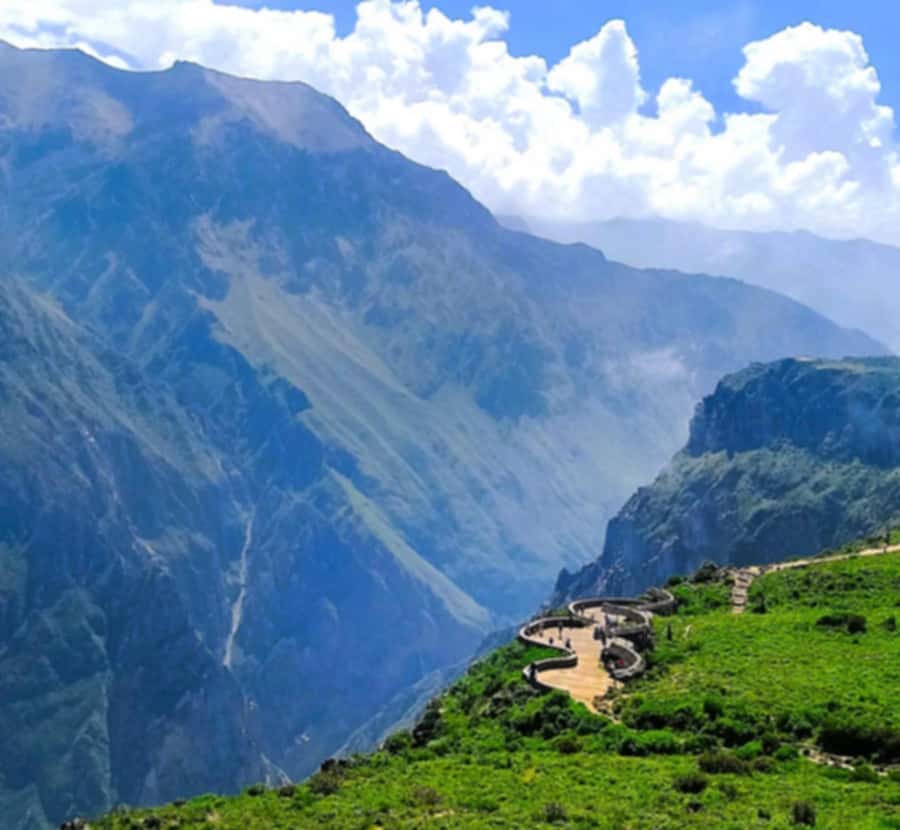
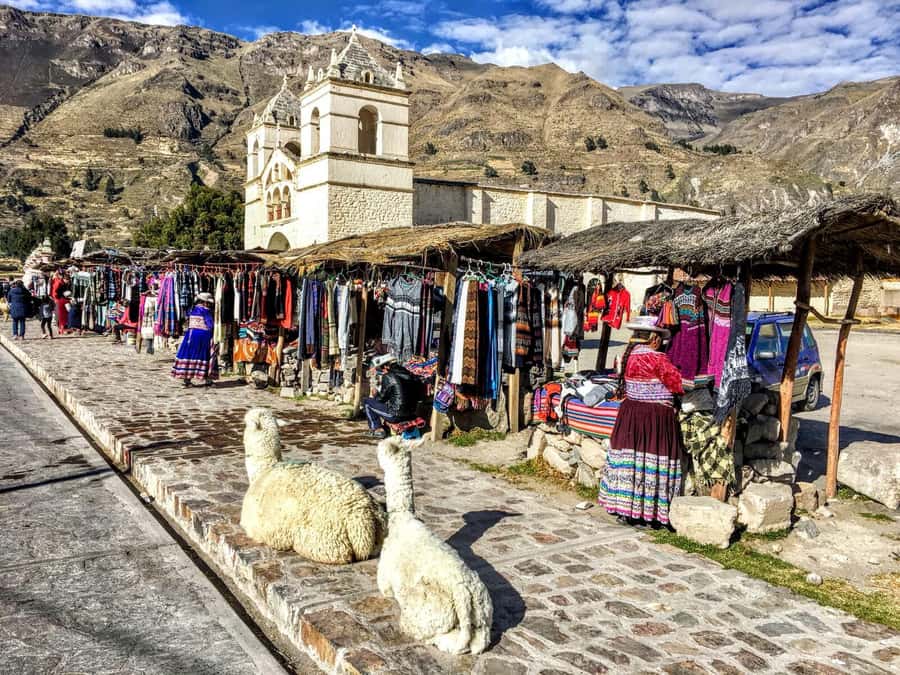
Chivay is the main town and service center of the canyon region. Yanque is known for its colonial church and local clothing, while nearby towns such as Maca offer more views of village life and cultivated terraces. The itinerary gives you a brief introduction to these places rather than a full village visit.
The canyon region still uses hundreds of pre-Inca terraces. Corn, quinoa, and kiwicha are among the crops grown in this high valley. These terraces are not simply old stone shapes for photographs. They remain part of daily farming, which gives the scenery a human scale and helps explain why the Colca area is more than a single viewpoint.
Maca, Yanque, and the road through Colca
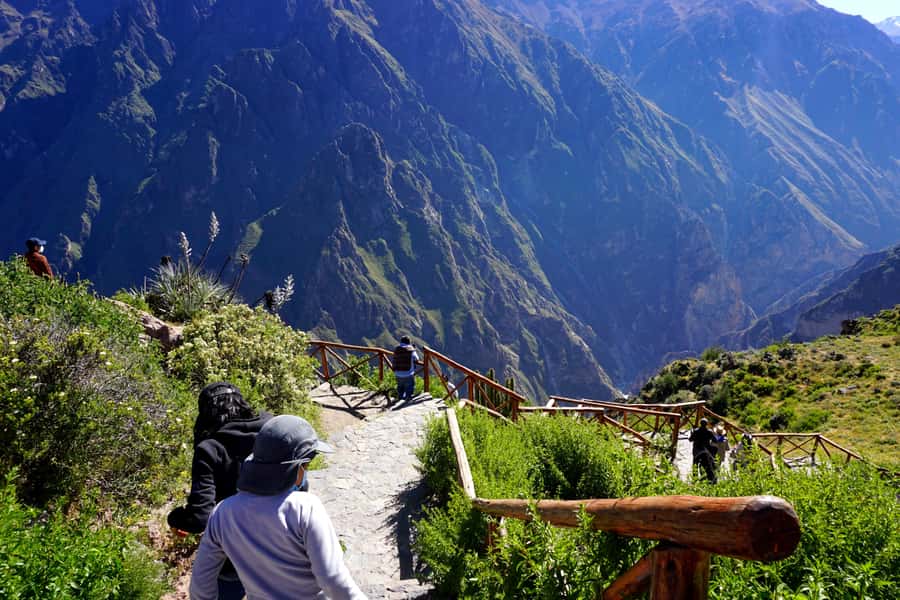
The road includes a stop around Maca and Caylloma for photographs, sightseeing, and a guided look at the area. You may see colonial churches, traditional dress, terrace farming, and small Andean communities.
The pace is brisk. This is not a walking tour through every village, and the exact amount of time at each roadside stop can depend on traffic and the group. Keep your camera ready, but listen for the guide’s instructions before wandering away from the vehicle.
A useful expectation check: one visitor felt the canyon portion did not include enough photo stops. The schedule does list the main canyon viewpoint and village areas, but the overall route is designed to get you to Puno the same evening. If you want to stop every few minutes for photographs, a private or overnight Colca trip would serve you better.
More Colca Canyon trips:
- 2-Day Tour Colca Canyon in Arequipa with end in Puno
★ 4.6 · 248 reviews - Turist Bus Colca Canyon (Chivay) To Puno
★ 5.0 · 83 reviews - From Puno to Arequipa: 2 Days/1 Night Colca Canyon Tour
★ 3.6 · 83 reviews - Tour Fullday Colca Canyon with Breakfast and Typical Lunch
★ 4.3 · 35 reviews
The Cross of the Condors and the canyon itself
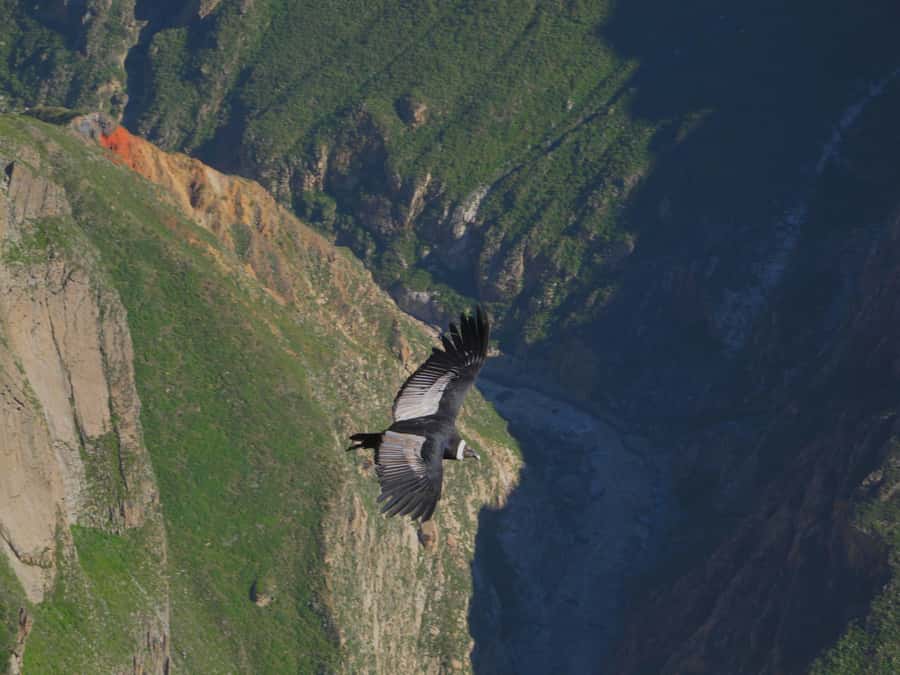
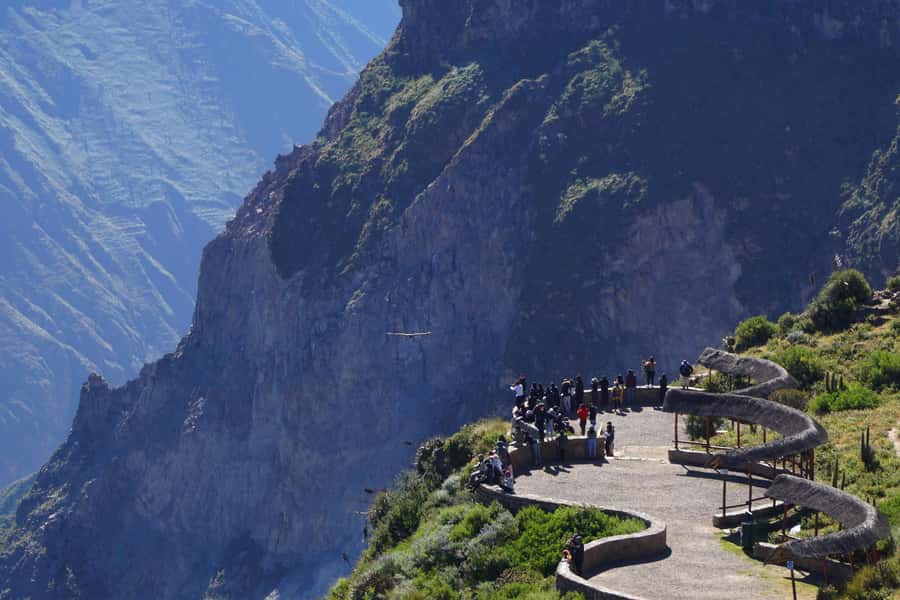
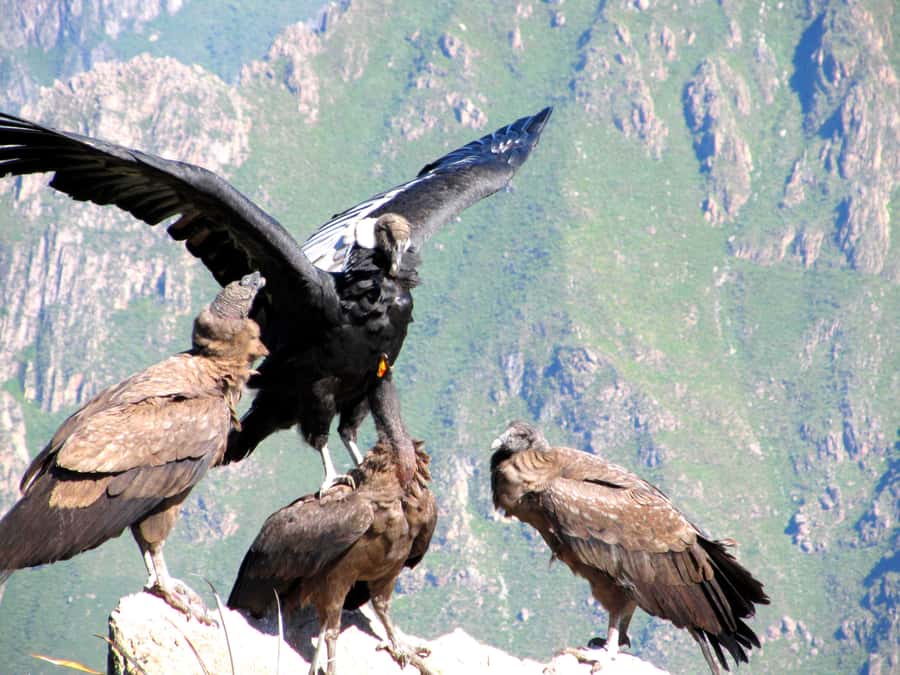
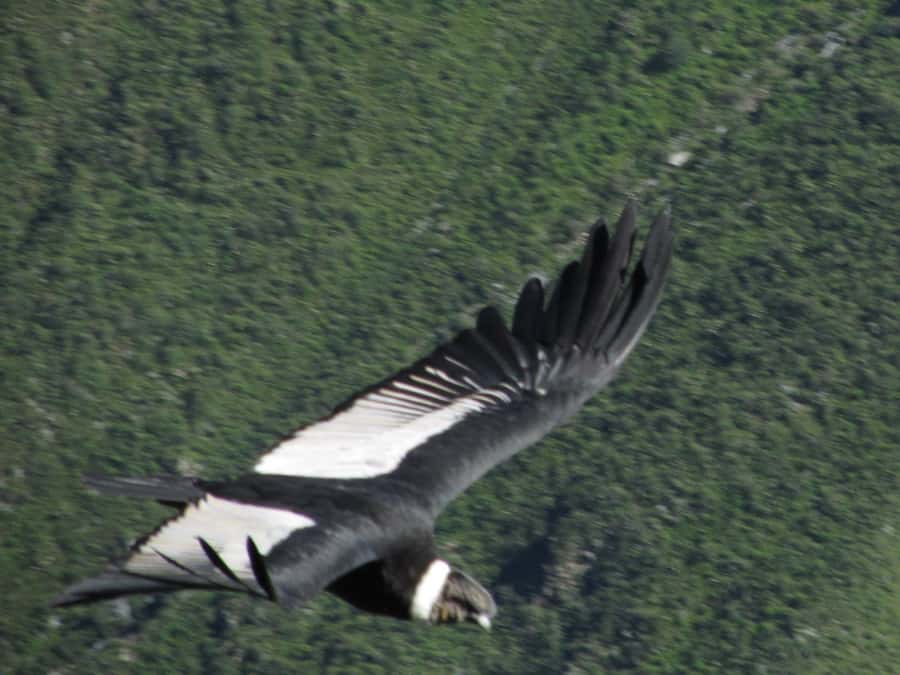
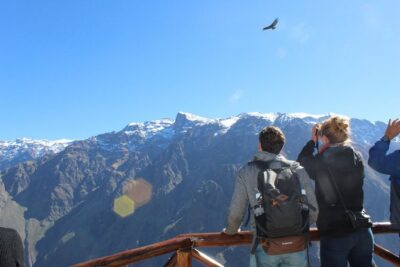
The Cross of the Condors is the centerpiece. From here, you look into the canyon and watch for Andean condors riding the rising air. The stop lasts about an hour, giving you a reasonable chance to take in the view rather than merely stepping off the bus for a quick photograph.
The canyon is impressive because of its scale and depth, but the experience depends on conditions and timing. Condors are wild birds, not scheduled performers. You may see them gliding below or across the canyon, or you may spend much of the hour watching the cliffs and waiting.
Bring a warm layer. The early part of the day can be cold, and the viewpoint is exposed. A hat and sunscreen are useful once the sun reaches the high valley. Keep your phone charged, since this is one of the few stops where you will want photographs and communication with the group.
The guide should explain the canyon and help organize the stop in English or Spanish. Most of the service praise has focused on good communication before departure and an excellent guide. Still, one passenger reported that the English explanation was hard to understand in the first vehicle because of engine noise and felt that the person was more of an escort than a full guide.
If you book for English guidance, confirm the language arrangement before leaving. The advertised languages are English and Spanish, but the quality of spoken interpretation may vary between vehicles and guides.
Optional hot springs for about 40 minutes
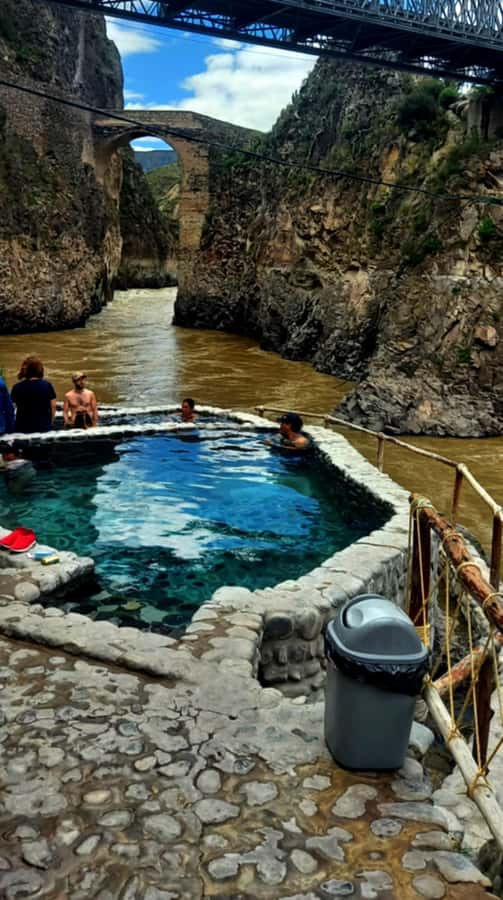
After the canyon area, the route includes a hot spring stop with about 40 to 45 minutes of free time. The admission fee is not included. You can decide on the day whether the extra cost and the short visit are worthwhile.
I see the hot springs as a pleasant option after the cold morning and long drive. Still, a short bathing stop requires changing clothes, storing your belongings, and getting back to the vehicle on time. If you would rather keep your clothes dry or use every minute for views, skip it.
The description calls this a scenic drive and a stop with free time, so do not expect a private spa experience. It is an optional break built into a packed transfer day.
Lunch and the vehicle change in Chivay
Around 12:50 p.m., you return to Chivay for lunch. Lunch is not included, and the stop also gives you free time in town. This is your main chance to buy a proper midday meal, so carry some snacks in case the restaurant timing does not suit you.
After lunch, the guide transfers you to another tourist vehicle headed for Puno. This change is an important part of the day. The first vehicle serves the Arequipa to Colca section, while the second continues across the high plateau toward Puno.
One passenger found the second bus more spacious and the second guide more serious. That suggests the comfort and guiding experience may improve after Chivay, but you should still expect shared transport rather than a private car.
Keep your luggage clearly marked and take small valuables with you during the change. The tour allows luggage, but the transfer between vehicles is still a moment when you want to know exactly where your bags are.
Patapampa at 4,800 meters
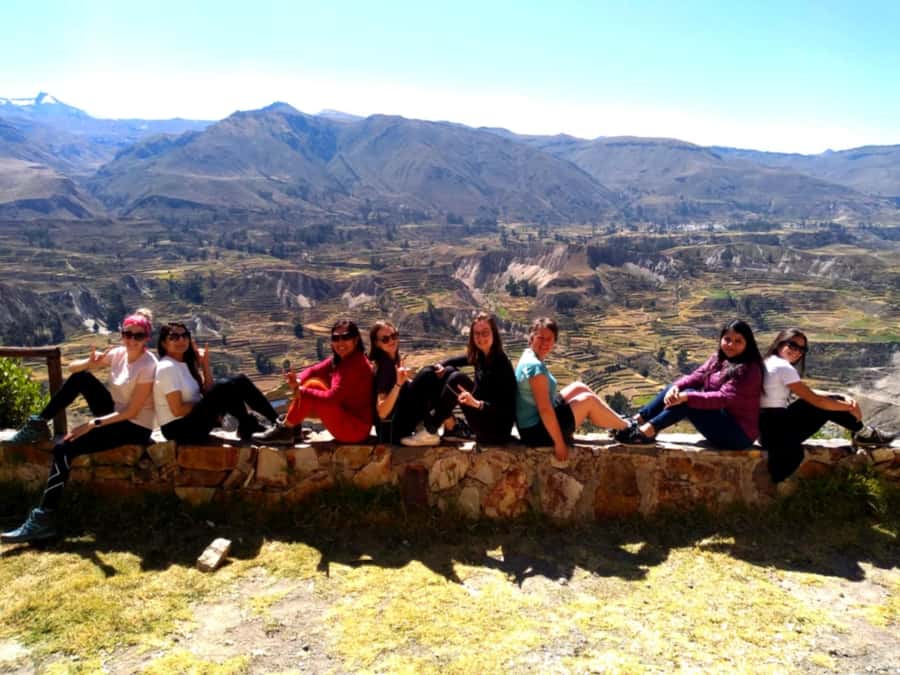
The road from Chivay to Puno climbs to Patapampa, also called the viewpoint of the Volcanoes and snow-covered mountains. At about 4,800 meters, or 15,000 feet, this is the highest point of the day.
The view is the reward, but the altitude is not a minor detail. You may feel short of breath, light-headed, tired, or headachy even if you are normally active. One passenger reported that a group of five people suffered from altitude sickness and received no assistance until reaching their hotel, where oxygen was available.
Take that warning seriously. Move slowly, avoid alcohol before the trip, drink water, and tell the guide promptly if you feel unwell. The supplied information does not promise oxygen, medical support, or an altitude plan, so you should not assume those services are available.
The tour is not suitable for children under six, pregnant women, people with heart problems, or people over 95. Those restrictions do not cover every possible medical condition, so anyone with a serious health concern should seek medical advice before booking.
Vicuñas, llamas, and the high plateau
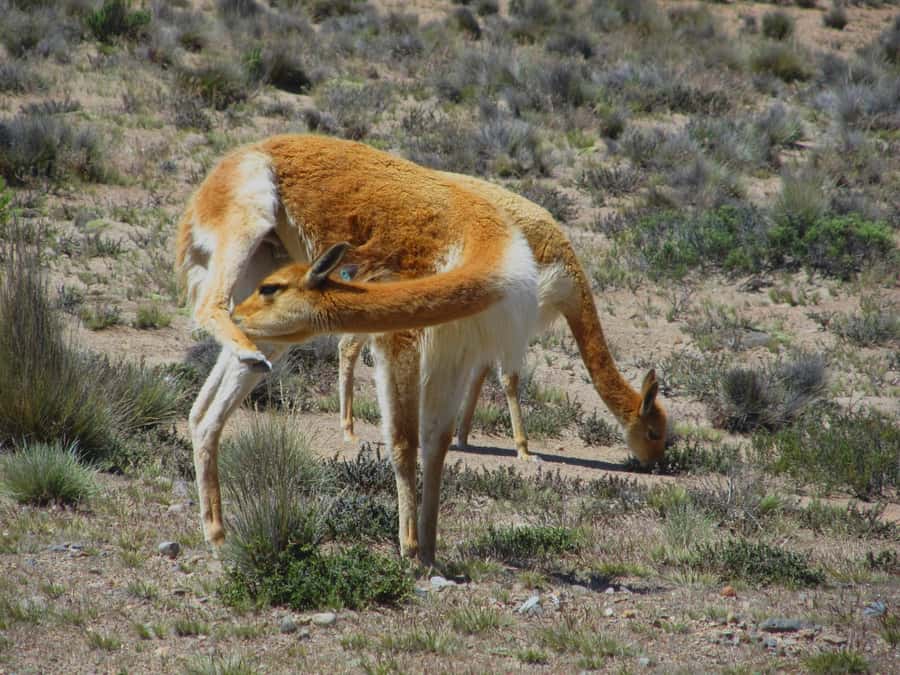
The road then passes through Pampa Cañahuas National Reserve. This is one of the more rewarding parts of the transfer because the scenery changes from canyon viewpoints to open high-altitude grasslands.
You may see wild vicuñas, as well as alpacas and llamas. The route also lists flamingoes, ibis, Andean geese, ducks, and the Andean eagle known as kara kara. Wildlife sightings are never guaranteed, but the stops give you a chance to look beyond the bus window.
This portion shows why the journey to Puno is not dead time. The road connects several distinct Andean environments, and the reserve adds wildlife to a day otherwise centered on mountains and villages. Keep binoculars handy if you have them, though you can still enjoy the animals without special equipment.
Patahuasi, Lagunillas, and arrival in Puno
The final section includes stops at Patahuasi and Lagunillas, along with another viewpoint identified as Antuyo. These are short breaks for photographs, scenery, and a little movement after hours in the vehicle.
The itinerary assigns roughly an hour to some stops and longer combined travel time to the final stretch. Exact timing can shift with road conditions, group delays, and the pace of the earlier visits. The stated arrival is around 7 p.m. or earlier at Plaza Mayor de Puno.
Drop-off is in the city center at Puno’s main square. That is convenient if you are staying centrally, but the service does not describe a hotel drop-off throughout the city. Check your accommodation location before assuming you will be taken to its door.
What the $83 really buys you
The included package covers tourist transport, a professional official guide, continental breakfast, hotel pickup, and the onward transfer to Puno. For a same-day canyon visit plus intercity connection, that is a useful bundle.
You still need to budget for:
- The mandatory $19 tourist entrance ticket
- Lunch in Chivay
- Optional hot spring admission
- Any personal snacks, drinks, or purchases
The value is strongest when you already need to travel from Arequipa to Puno. In that case, the tour turns a necessary transfer into a sightseeing day. The value is weaker if you have enough time for an overnight Colca visit, since this schedule gives you only short stops and no canyon hotel stay.
Free cancellation up to 24 hours before departure and reserve-now, pay-later booking make the commitment easier. Those terms help if your Peru plans are still shifting, but they do not change the physical demands of the day.
Who should book this Colca Canyon transfer
I would recommend it to you if:
- You have only one day for Colca Canyon.
- You need to reach Puno the same evening.
- You are comfortable with a 2:30 a.m. pickup.
- You want the main viewpoint, village scenery, wildlife, and high passes without planning several separate trips.
- You are traveling with luggage and prefer one arranged connection.
- You can handle a shared minibus and a vehicle change.
I would look for another option if you want a relaxed canyon visit, long walks, guaranteed quiet, or detailed guiding at every stop. I would also avoid this trip if high altitude is a known health risk for you or if you need dependable medical assistance on the road.
Should you book it?
Book this tour if efficiency is your top priority. It gives you the famous Cross of the Condors, a hot spring option, high-altitude viewpoints, wildlife, breakfast, and transport from Arequipa to central Puno for a reasonable base price.
Go in with clear expectations: this is a long shared transfer with sightseeing attached. The best parts are the canyon viewpoint, the changing scenery, and the practical luggage-friendly route. The weak points are the early start, possible vehicle discomfort, extra fees, uncertain English clarity, and the lack of promised help if altitude sickness develops.
If that tradeoff fits your plans, this is a smart way to cover a difficult stretch of southern Peru in one day.
FAQ
Where does the tour pick up in Arequipa?
Pickup is available from the central downtown area and is also listed for Alfredo Rodríguez Ballón International Airport. If you are outside the central area, you can meet the group at an arranged meeting point.
What time does pickup begin?
Pickup starts between 2:30 and 3:05 a.m. You should be ready at 2:30 a.m. The operator sends pickup details by WhatsApp the day before departure.
Is breakfast included?
Yes. A continental breakfast is included, with the stop taking place in Yanque or Chivay.
Is lunch included?
No. Lunch in Chivay is not included in the tour price.
Is the Colca Canyon entrance ticket included?
No. The mandatory tourist entrance ticket costs $19 per person.
Does the tour include hot spring admission?
No. The hot spring visit is optional, and the entrance fee must be paid separately. The stop provides about 40 to 45 minutes of free time.
Where does the tour finish in Puno?
Drop-off is at Plaza Mayor de Puno, in the city center. The expected arrival is around 7 p.m. or earlier.
More Lake Titicaca Trips
- From Arequipa: Fullday Tour Colca Canyon + Transfer To Puno
★ 4.4 · 17 reviews - From Arequipa: Tour Colca Canyon 2 Days with End in Puno
★ 4.2 · 12 reviews - Arequipa: 2-day Colca Canyon Trekking, Ending in Puno
★ 4.8 · 8 reviews - Arequipa: Fullday Colca Canyon + Lunch + Transfer to Puno
★ 4.6 · 5 reviews
Just added in Chivay
- Tour Fullday Colca Canyon with Breakfast and Typical Lunch★ 4.3 · 35 reviews
- Offer Price: Colca Canyon One Day in Arequipa with Breakfast★ 4.5 · 4 reviews
- Full day excursion to Colca Canyon★ 4.2 · 6 reviews
- From Puno: 2-Day Tour to Colca Canyon ending in Arequipa★ 4.1 · 4 reviews
- FROM CABANACONDE: VISIT TO THE CRUZ DEL CONDOR VIEWPOINT, DURATION 2 HOURS★ 5.0 · 5 reviews
- From Arequipa Trek : 2-Days of Hiking in the Colca Canyon★ 4.5 · 35 reviews
- From Arequipa: Tour Colca Canyon 2 Days with End in Puno★ 4.2 · 12 reviews
- From Arequipa: Fullday Tour Colca Canyon + Transfer To Puno★ 4.4 · 17 reviews
Colca Canyon and Arequipa Tours, compared.
From Arequipa: Colca Canyon Full-Day Guided Tour with Meals
Read our review →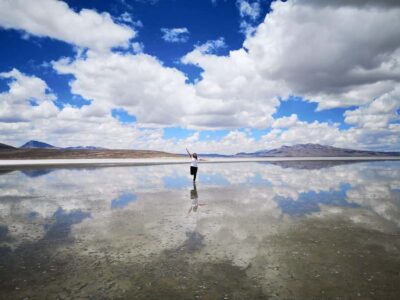
Tour to the Salinas Lagoon and National Reserve in Arequipa
Read our review →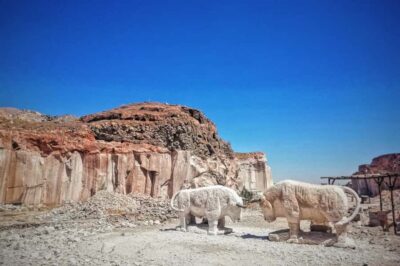
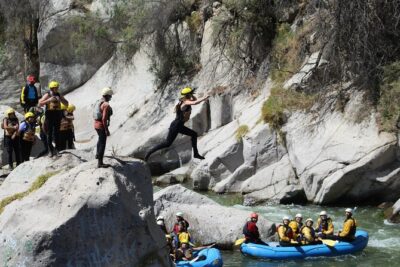
Rafting Arequipa – Chili River Canoeing – Cusipata Rafting Arequipa
Read our review →
Chili River White Water Rafting with Hotel Pickup
Read our review →
Browse the lists this tour appears in