
Reviewed · INCA TRAIL AND SALKANTAY TREKS
Lares Valley Trek with Hot Spring 4-Day, 3-Night
Mountain life comes first here. This four-day Lares Valley trek offers something the busier Inca Trail often cannot: time in Quechua villages, high mountain farms, llama country, and quiet valleys before you reach Machu Picchu. I especially like the strong local connection, led by indigenous guides such as Rodrigo, Saul Guerra, and José Santos, and the care provided by the cooks, porters, and llameros.
I also like that the route works well for families and multi-generation groups, with small groups capped at 14 people. The main caution is altitude. The climb to Condor Pass can reach about 4,800 meters, and one day includes several hours of uphill walking. The tour is listed for people with moderate fitness, but the practical standard is closer to strong fitness.
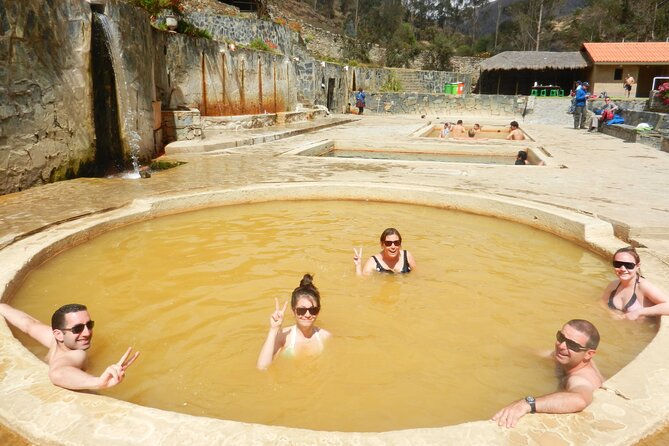
One detail deserves clarification before you pay. Hot springs are part of the experience title, but the day-by-day plan does not clearly explain when you will bathe or how long you will have there. Ask the operator to confirm this point. At $650 per person, the package includes transport, camping, meals, guides, porters, train tickets, and Machu Picchu entry, so it can be good value if you want one organized trip instead of arranging each piece separately.
In This Review
- What makes this trek worth considering
- Why Lares feels different from the Inca Trail
- Day one: Cusco, Lares, and the potato valley
- Day two: the hard climb to Condor Pass
- Day three: from high farms to the Sacred Valley
- Day four: Machu Picchu without the scramble
- Food, camping, and the people who make it work
- What the $650 price really covers
- Who should book this route
- Practical details before you book
- Should you book the Lares Valley Trek?
- FAQ
- How long is the Lares Valley Trek with hot spring?
- How difficult is the trek?
- Is Machu Picchu entry included?
- Is Huayna Picchu included?
- What meals are included?
- What equipment is not included?
What makes this trek worth considering
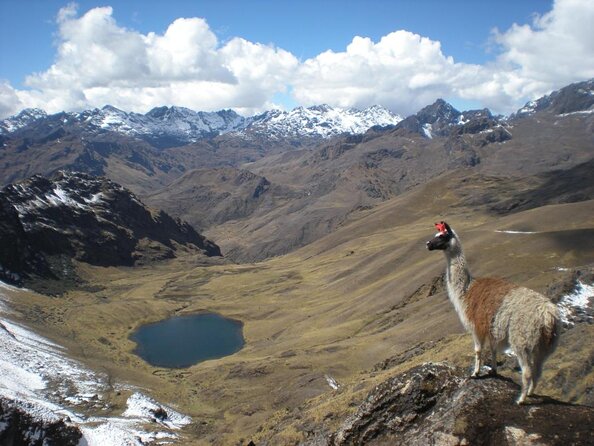
- The 4,800-meter Condor Pass: Day two brings the toughest climb and the biggest mountain views, followed by a long descent to Canchacancha.
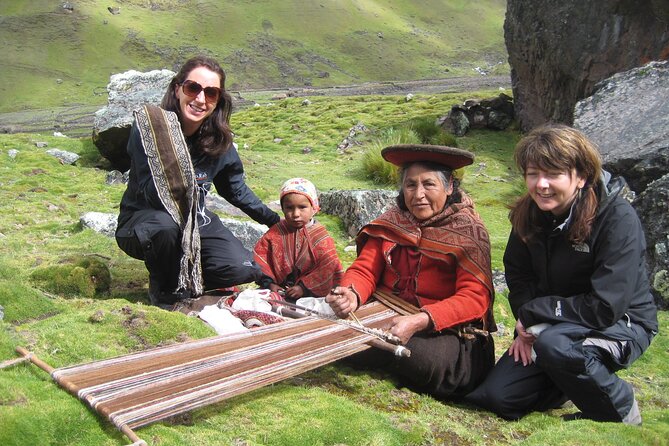
- Quechua village encounters: You pass farms, visit an elementary school, meet local families, and learn how potatoes and other crops are still grown by hand.
- A llama ceremony at camp: The llameros introduce these important Andean animals and explain their place in Inca culture and local livelihoods.
- Two nights under canvas: Camps are prepared before you arrive, with communal dining tents, alpaca blankets, and hot-water bottles for cold nights.
- Machu Picchu at the end: The trek finishes with a two-hour guided visit to the famous citadel, followed by the train back toward Cusco.
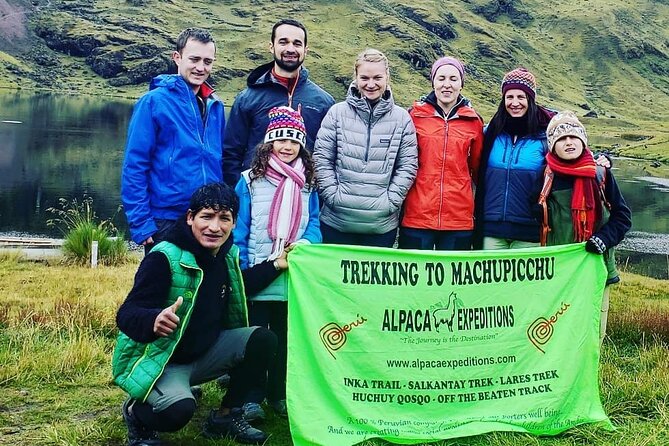
- Small-group local service: A maximum of 14 people allows more personal attention, while the indigenous company directs work, training, education, healthcare, and reforestation support into nearby communities.
Why Lares feels different from the Inca Trail
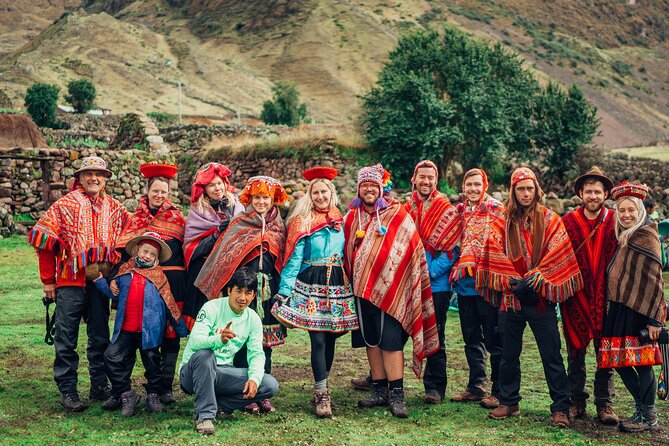
The Lares route is less about carved stone underfoot and more about people who still live in the high Andes. You walk through potato-growing country, pass llamas and alpacas, and see how crops are handled with traditional tools. The experience gives you a better sense of daily life beyond the famous ruins.
You also get more quiet. One March outing described seeing only one other hiking group briefly, even near the high pass. Rainy-season weather helped keep the route calm, though rain, hail, and cloud cover are real possibilities.
This route is not simply an easier substitute for the Inca Trail. It has its own challenge. The stone stairways and archaeological sites of the Inca Trail are not the main event here. Instead, you get open mountain scenery, village contact, and a gradual change from cold high country to the warmer Sacred Valley.
That makes the trek a good choice if you want a cultural route with Machu Picchu at the end. It is less suitable if your main goal is to follow the classic Inca approach to the citadel.
More hikes and treks in Cusco:
- Classic Inca Trail Trek 4D/3N to Machu Picchu (Group Service)
★ 5.0 · 8,653 reviews - Machu Picchu: 4-Day Inca Trail Trek with Panoramic Train Ride
★ 5.0 · 4,568 reviews - Salkantay Classic Trek 5 Days from Cusco
★ 5.0 · 4,062 reviews
Day one: Cusco, Lares, and the potato valley
Pickup begins around 5 a.m. from your Cusco hotel, so arrange your bags and breakfast plans the night before. You also attend a briefing at 6 p.m. the previous evening, where you receive a duffle bag and review the plan with the team.
From Cusco, transport takes you toward Lares and the start of the walk. The first hiking section is a gradual two-hour climb toward Kiswarani, a village in what the guides call the potato valley. This is a good opening because the pace gives you time to adjust to the altitude while learning about the crops and medicinal plants along the trail.
Lunch is prepared by the trekking chef, and the food is one of the strongest parts of this trip. Moises, named in several accounts, is praised for producing varied meals in a remote cooking tent, including excellent vegetarian dishes. You should still tell the company about dietary needs when booking.
After lunch comes one of the tour’s most unusual touches: a llama ceremony led by the llameros. Llamas were sacred to the Incas and were central to transport, trade, and status. The presentation explains why owning llamas once signaled privilege and how the animals remain tied to local work today.
The first camp is near a small lagoon. The setting sounds beautiful, but remember that high-altitude camps can be cold and basic. The team sets up the tents and dining area, and you sleep in a tent rather than a hotel. Alpaca blankets and hot-water bottles have been especially welcome on cold nights.
The first day takes about six hours, including the walking and scheduled activities. It is a full start, but the gradual ascent and cultural stops make it feel more varied than a straight uphill march.
Day two: the hard climb to Condor Pass
The second morning starts around 5 a.m. with a hot drink. You will see local people already moving their llamas and alpacas out to graze, a small but memorable glimpse of the day beginning in the high valleys.
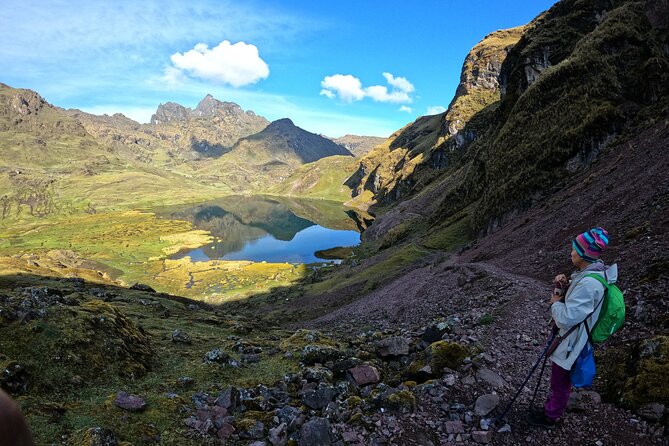
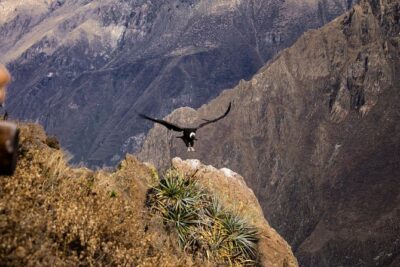
After packing, breakfast, and filling your water bottles, you begin the hardest section. The climb to Pachacute, also called Condor Pass, takes about three to four hours. At roughly 4,800 meters, the pass is high enough for thin air, sudden weather, and a very slow pace.
This is the day to respect your body. A family group completed the route with children, but even fit youngsters needed frequent breaks to catch their breath. Another group reached the summit during hail. These details are useful because they show the range of conditions you may face: the climb can be manageable, but it is not casual.
At the top, the reward is broad mountain scenery and a feeling of remoteness. You may see alpacas moving across the high ground, and in clear weather the surrounding peaks and lakes make the long climb worthwhile. Cloud can also block the view, so do not measure the day only by photographs.
The descent takes about three hours to Canchacancha Village, where you camp. Downhill walking can be hard on knees and ankles, especially after a steep ascent. Trekking poles are not included, but they are available to rent and would be useful here.
The second night has a strong community focus. You have time to learn about local culture and history, and the schedule may include a visit with a local family. The simplicity of village life can be striking. One unusual detail recorded from this night was guinea pigs beneath the bed, a reminder that these are working homes, not staged tourist displays.
Day two is about six hours of walking. It is the trip’s physical center and the part you should discuss honestly with your companions before booking.
Day three: from high farms to the Sacred Valley
After another hot drink and breakfast, you have time to explore Canchacancha and visit the local elementary school. This is one of the tour’s most valuable stops because it connects the trek to daily community life rather than treating the villages as scenery.
The final hiking section takes about four hours downhill. You pass llamas, alpacas, and farms growing potatoes, fava beans, and other traditional crops. Guides explain how farming still uses hand tools and methods connected to the Inca period.
The route also shows a clear change in climate. As you descend from the high mountains, the air becomes warmer and the crops change. That shift gives the walk a natural rhythm, from austere high country to the greener farming areas of the Sacred Valley.
The descent lasts about five hours when the day’s activities are included. Your camping days are now over. You take the train to Aguas Calientes, the town below Machu Picchu, and spend the night in a hotel.
This overnight is important. It removes the need to rush from a mountain camp to the ruins on the same morning. You can shower, sleep in a proper bed, and prepare for an early visit to Machu Picchu.
A completely different kind of day:
- Cusco: Rainbow Mountain and Red Valley Day Trip with Meals
★ 4.9 · 4,893 reviews - 4-Day Salkantay Trek with Sky Camp Stay
★ 5.0 · 3,346 reviews - Short Inca Trail to Machu Picchu 2D/1N
★ 5.0 · 3,007 reviews - Excursion to Rainbow Mountain Full Day Optional Red Valley
★ 5.0 · 2,996 reviews
Day four: Machu Picchu without the scramble
After breakfast, the team takes you to the bus station. The bus ride to Machu Picchu takes about 25 minutes and climbs through cloud forest scenery.
Your guide leads a tour of the citadel for about two hours. That guidance matters. Machu Picchu is visually powerful, but its terraces, temples, roads, and walls make more sense when someone explains how the site fits together.
Clouds can affect your visit. One family had to wait about 90 minutes for the weather to clear enough for a better view, and their guide remained patient and helpful. Build some flexibility into your expectations. The site does not promise a perfect postcard every morning.
Huayna Picchu is optional and costs $75, with advance booking required. It is not included in the package, so check availability before the trek if you want the extra climb. After the guided visit, your guide waits in Aguas Calientes while you have lunch and prepare for the train.
The return uses an Expedition tourist-class train to Ollantaytambo. From there, a driver takes you back to your Cusco hotel. The final day is listed at about three hours, not counting the time you spend inside Machu Picchu, eating, and waiting for the train.
Food, camping, and the people who make it work
The food is a major strength. Moises and the cooking team prepare three lunches, three dinners, and four breakfasts, with local flavors and enough variety to keep the meals interesting. Vegetarian food has received particularly strong praise, which is reassuring on a multi-day trek.
The porters and support crew carry group equipment, transport your duffle, prepare the camps, and set up the cooking and dining spaces. You receive a personal porter allowance of up to 7 kilograms per person, along with a duffle bag at the briefing.
That limit is useful, but do not treat it as permission to overpack. You still carry your day bag with water, rain gear, warm layers, snacks, and anything you need during the walk. The company provides drinking water along the trek.
The guides are another major asset. Rodrigo is praised for local traditions, flute playing, and patient support. Saul Guerra and José Santos are noted for explaining the area and its culture. Other trips have been led by Pillco, Sole, Alvin, and Humberto. The names may vary by departure, but the guide’s local background is central to the experience.
Safety equipment includes a first aid kit, oxygen tank, and satellite phone. That does not remove the need to prepare for altitude. Spend enough time in Cusco to adjust before setting out, and tell your guide immediately if you feel unwell.
What the $650 price really covers
At $650 per person, this is not a bare-bones hike. The price includes two nights of camping, one hotel night, all listed meals, drinking water, guides, chefs, porters, transportation, entry fees for the Lares Valley and Machu Picchu, and the round-trip Expedition train.
It also includes the ride from Ollantaytambo back to Cusco and hotel drop-off. Add up those separate costs and the package becomes easier to understand, especially if you value a guide and organized support.
You still need to budget for tips, rental sleeping bags, trekking poles, and air mattresses. Huayna Picchu costs extra, and travel insurance is advised. Hotels in Cusco before and after the trek are not included.
Small groups improve the value. With no more than 14 people, guides can pay closer attention to slower walkers, family groups, and changing weather. The company also says its local, indigenous business supports employment, training, schools, healthcare, and reforestation. If responsible local spending matters to you, that is an important part of the price.
The tour is often reserved around 61 days ahead. That lead time makes sense because Machu Picchu entry, trains, hotels, and optional Huayna Picchu permits all depend on availability.
Who should book this route
I would choose this trek if you want Andean culture as much as scenery. It suits people who enjoy village visits, traditional farming, local guides, and a quieter trail more than a nonstop archaeological route.
It can work for a family or multi-generation group, but every person should be ready for the high pass. The children in one family group managed the route, yet they needed regular rests. A strong walking base will make the second day far more enjoyable.
You should also be comfortable with camping, early starts, cold nights, rain, and possible hail. The company lists moderate fitness in one place and strong fitness in another. Treat the stronger warning as the safer one.
Practical details before you book
The start time is 5 a.m., and hotel pickup is available in Cusco. Give the company your hotel details after booking so the pickup can be arranged.
The experience requires at least two people per booking and allows a maximum of 14. Service animals are allowed, and the start point is near public transportation, though most people will use the arranged pickup.
The cancellation terms are strict. The booking is non-refundable and cannot be changed for any reason. If bad weather cancels the trip, you are offered another date or a full refund. If the minimum group size is not reached, you are offered another date, another experience, or a full refund.
Should you book the Lares Valley Trek?
Book it if you want a well-supported four-day route that combines high-altitude walking, Quechua communities, llama culture, excellent camp cooking, and Machu Picchu. The local guides and support crew add real value, and the quieter trail can feel far removed from the crowds.
Think twice if you dislike camping, struggle with steep climbs, or want the classic Inca Trail above all else. Also confirm the exact hot-spring arrangements before paying, since the schedule does not clearly state when that activity takes place.
For the right person, this is a generous package at $650. You get more than a path to Machu Picchu. You get several days of seeing how people, animals, crops, and mountains fit together in the Peruvian Andes.
FAQ
How long is the Lares Valley Trek with hot spring?
The experience lasts four days and three nights. You spend two nights camping, one night in a hotel in Aguas Calientes, and visit Machu Picchu on the fourth day.
How difficult is the trek?
The tour information gives both moderate and strong fitness guidance. The second day includes a three to four-hour climb to Condor Pass, which is about 4,800 meters, followed by roughly three hours downhill.
Is Machu Picchu entry included?
Yes. The package includes the entrance fees for the Lares Valley and Machu Picchu, plus a guided visit lasting about two hours.
Is Huayna Picchu included?
No. Huayna Picchu costs $75 per person and must be booked in advance.
What meals are included?
The price includes four breakfasts, three lunches, and three dinners. Drinking water is also provided during the trek.
What equipment is not included?
Sleeping bags, trekking poles, and air mattresses are not included, but they are available to rent. Tips, travel insurance, Huayna Picchu, and Cusco hotels before and after the trek are also excluded.
Just added in Cusco
- Cusco Private Transportation for 2026★ 5.0 · 4 reviews
- Private Transfer from Airport to Hotel in the City of Cusco★ 4.0 · 5 reviews
- Best Cusco walking tour: dinner street food tasting★ 4.5 · 11 reviews
- Private Tour to Pisac Market and Pisac Ruins★ 5.0 · 4 reviews
- Machu Picchu Day Trip With Panoramic Train from Cusco★ 5.0 · 10 reviews
- Private Tour of the Mountain of Colours by Quad★ 5.0 · 7 reviews
- Sacred Valley Private Tour from Cusco, Guide and Driver only★ 5.0 · 4 reviews
- Sacred Valley of the Incas Tour★ 5.0 · 12 reviews
Inca Trail and Salkantay Treks, compared.
Classic Inca Trail Trek 4D/3N to Machu Picchu (Group Service)
Read our review →
Salkantay Trek 5D/4N with Glass Cabins, Domes and Hobbit House
Read our review →2-Day Inca Trail to Machu Picchu with Panoramic Train
Read our review →
Browse the lists this tour appears in