
Reviewed · MACHU PICCHU TOURS
Machu Picchu: Chinchero, Maras, Moray & Machu Picchu 2 days
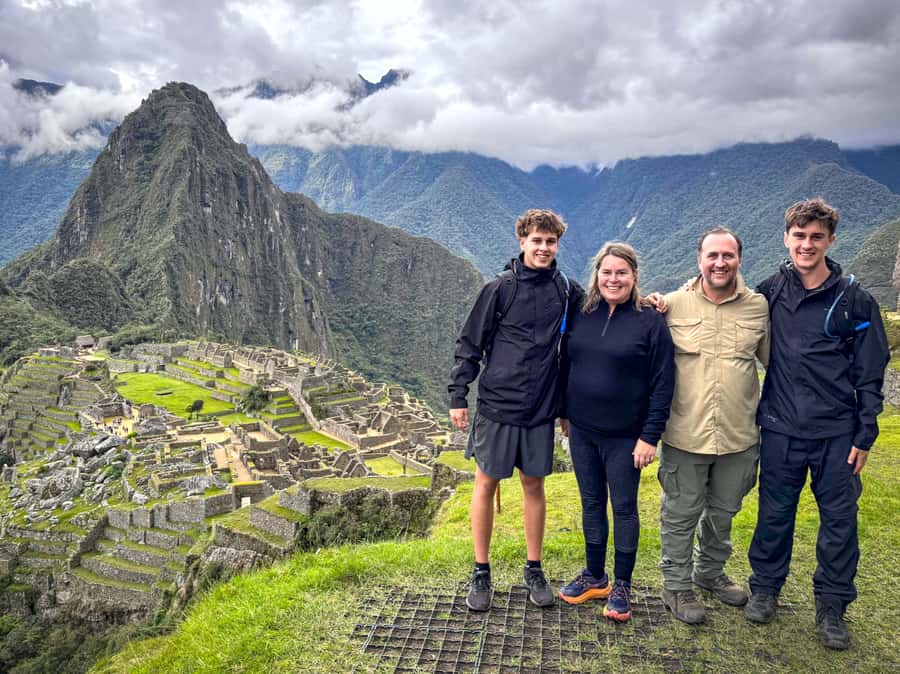
Machu Picchu is only part of the story. This two-day trip links the famous citadel with Chinchero, Moray, Maras, and Ollantaytambo, giving you a useful look at the Sacred Valley before reaching Peru’s best-known Inca site. I like the amount packed into the first day, especially the mix of archaeology, farming terraces, salt pools, and living Andean traditions. I also like that the tour handles the major practical pieces, including transport, entrance tickets, meals, a hotel, buses, and trains.
The early start at Machu Picchu is another strong point, since you take the first buses up from Aguas Calientes. Guides Nathalie, Adolfo, and Efrain were each praised for their friendly help, clear explanations, and good pacing. The main drawback is the price: at $680 per person, this is not a budget outing, and the two-day schedule can feel tiring, especially if your return involves changing from train to bus at Ollantaytambo.
In This Review
- Four highlights that make this tour different
- The big picture: two full days from Cusco
- Chinchero: Inca foundations and a colonial church
- Moray’s circular terraces and the road to Maras
- Maras and the salt pools still worked today
- Ollantaytambo: the strongest stop before Machu Picchu
- Why sleeping in Aguas Calientes matters
- Three hours inside Machu Picchu
- The train ride, meals, and return to Cusco
- Is $680 per person fair?
- Who will enjoy this two-day route?
- Should you book it?
- FAQ
- How long is the Machu Picchu tour?
- What time does pickup begin?
- Which places are visited before Machu Picchu?
- Is accommodation included?
- Are meals included?
- Is transportation included?
- Are Huayna Picchu and Machu Picchu Mountain included?
- What languages are available for the guide?
Four highlights that make this tour different
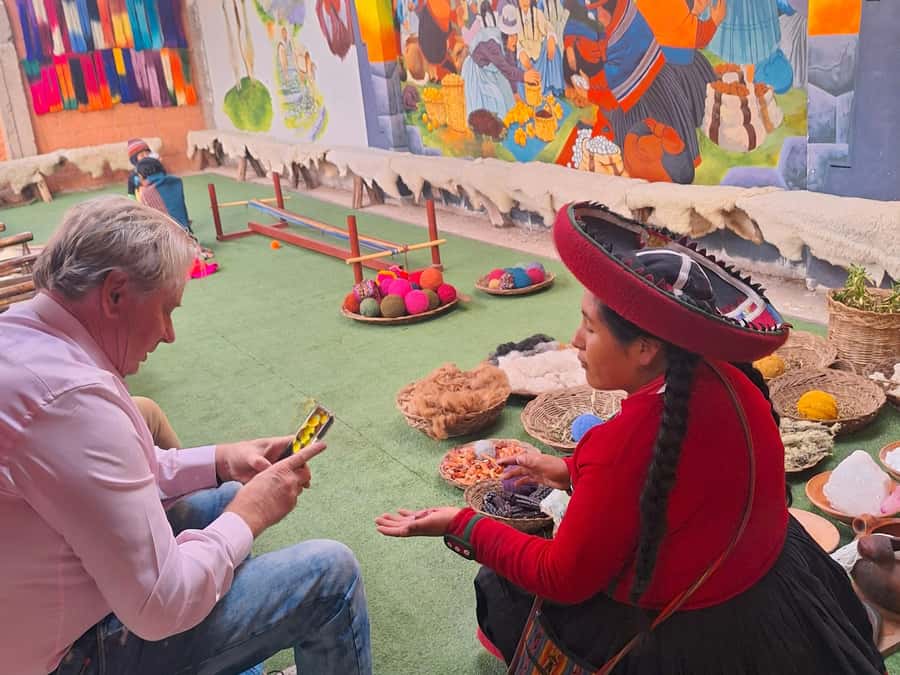
- Chinchero combines Inca ruins, a colonial church, and a handicraft market in one morning stop.
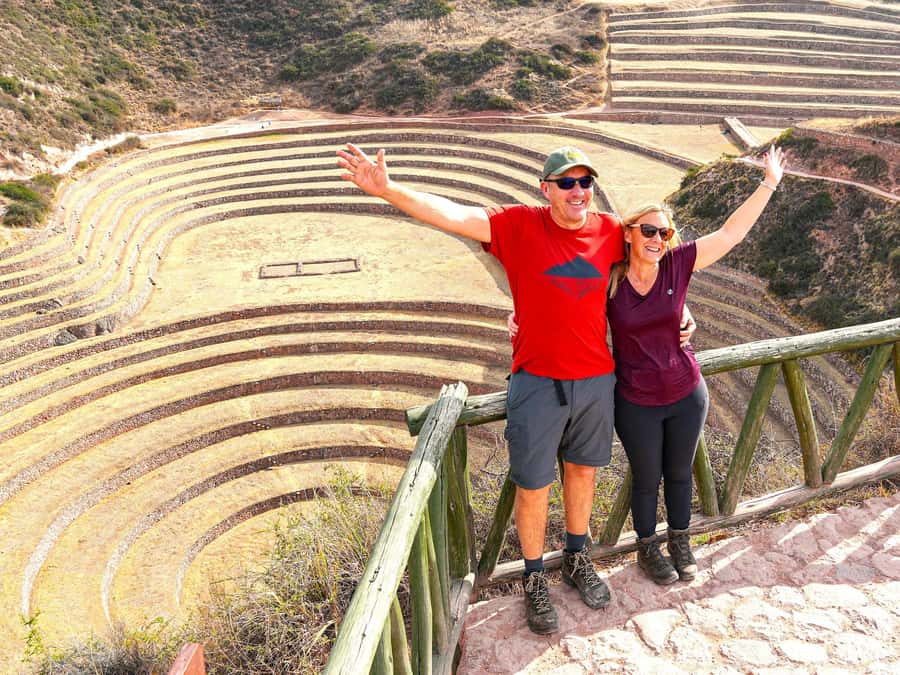
- Moray’s circular terraces offer one of the most unusual archaeological sights near Cusco.
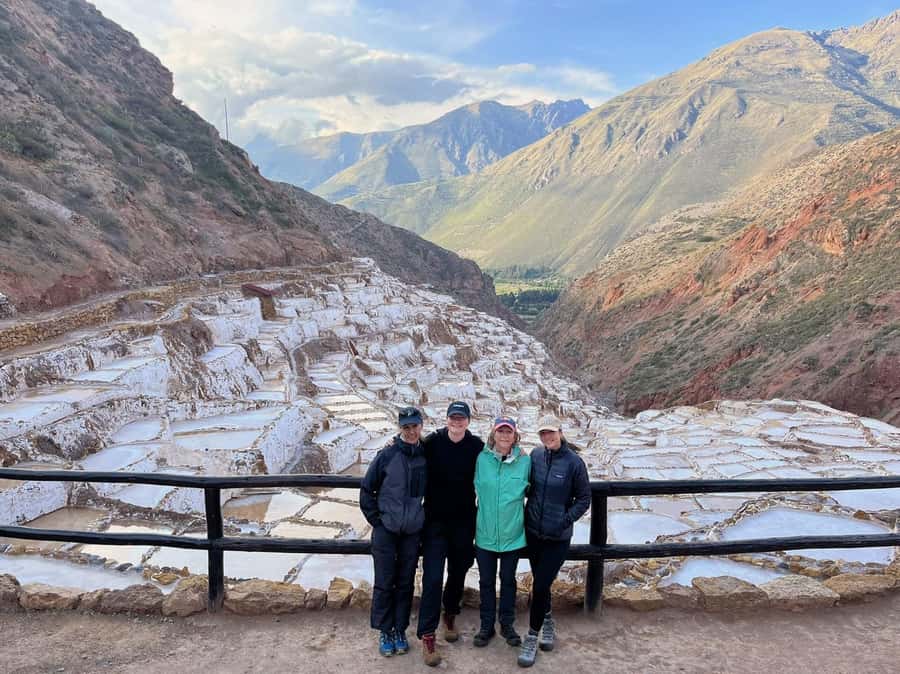
- Maras salt pools are still worked by local families, linking an ancient practice with present-day life.
- Ollantaytambo gives you a second major Inca site before you reach Machu Picchu.
- An overnight stay in Aguas Calientes lets you catch the first buses to the citadel instead of traveling there on the same morning from Cusco.
- A small group of no more than 16 people keeps the guided visits more manageable than a large coach tour.
The big picture: two full days from Cusco
This is a sightseeing-heavy trip, not a relaxed retreat. You leave your Cusco hotel at about 8:00 AM on the first day, visit four major places, eat lunch and dinner, board a train, and sleep in Aguas Calientes. The second day begins with breakfast, an early bus to Machu Picchu, a three-hour guided visit, free time in the citadel, lunch, and the return journey.
I see the structure as a smart solution for anyone with limited time. Instead of spending a whole day only on Machu Picchu, you get a broad introduction to the Cusco Region and the Upper Urubamba Valley. The tradeoff is simple: you see a lot, but you will want comfortable shoes, a light day bag, and enough energy for long hours on the move.
The group limit is 16 people. That is small enough for questions and easier listening at the archaeological sites, while still keeping the cost below a fully private tour in many cases. The guides work in English or Spanish, and the experience includes hotel pickup and return service, so you do not need to arrange separate taxis around a complicated rail journey.
More Machu Picchu trips:
- From Aguas Calientes: Machu Picchu guided tour with tickets
★ 4.9 · 72 reviews - From Cusco: Machu Picchu 2 days
★ 3.6 · 29 reviews - Cusco: Machu Picchu Day Trip with Train + Entrance ticket
★ 4.5 · 17 reviews
Chinchero: Inca foundations and a colonial church
The first stop is Chinchero, reached by road from Cusco after the 8:00 AM pickup. You visit the archaeological site, see the colonial church, and have time at the local handicraft market.
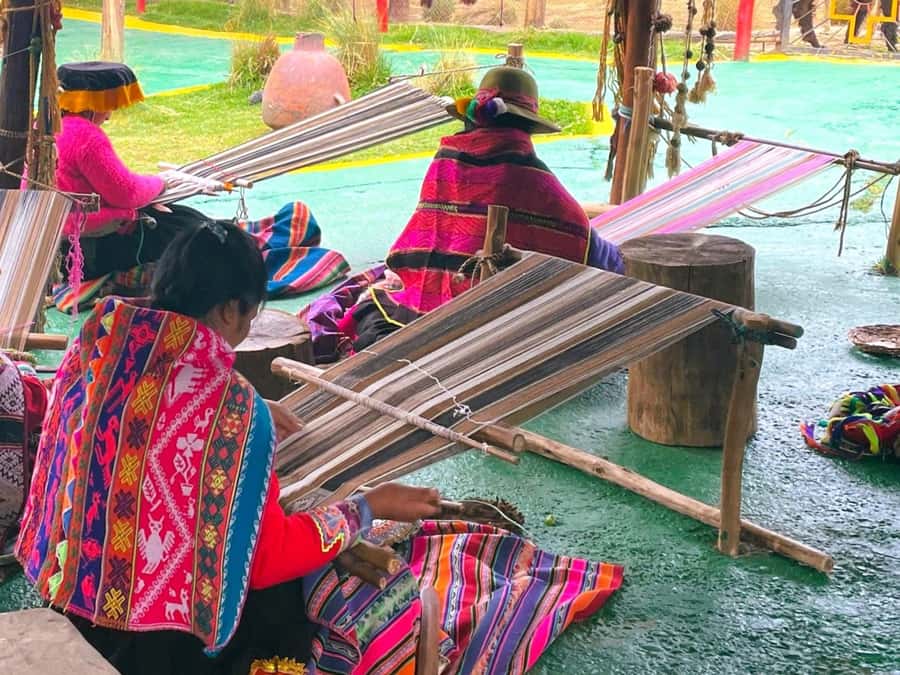
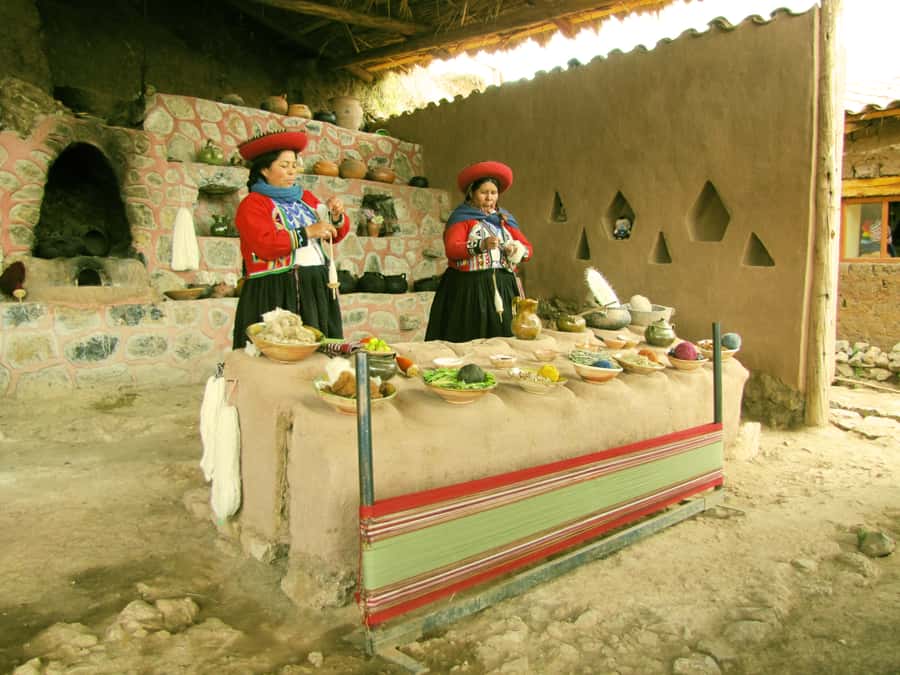
Chinchero is a good opening stop because it gives you three different ways to understand the area. The Inca remains point to the older settlement, the church shows how Spanish colonial rule was placed over existing sacred ground, and the market connects the site with daily craft traditions. You are not simply looking at abandoned stones here. The stop gives you a sense of how old and newer cultures occupy the same town.
The market is also one of the more practical parts of the morning. If you want a woven item or a small souvenir, this is a chance to browse early in the trip rather than wait until the last hour in Aguas Calientes. Keep your buying measured, though. You still have a long day ahead, and a large purchase becomes an unnecessary burden on trains and buses.
The exact amount of time at Chinchero is not specified, so your visit will depend on the group’s pace and the guide’s schedule. That is worth remembering if you prefer long, unhurried market visits.
Moray’s circular terraces and the road to Maras
After Chinchero, you settle in for roughly an hour on the road to Moray. The journey is part of the experience, with mountain views along the way, but the road time also adds to the day’s length.
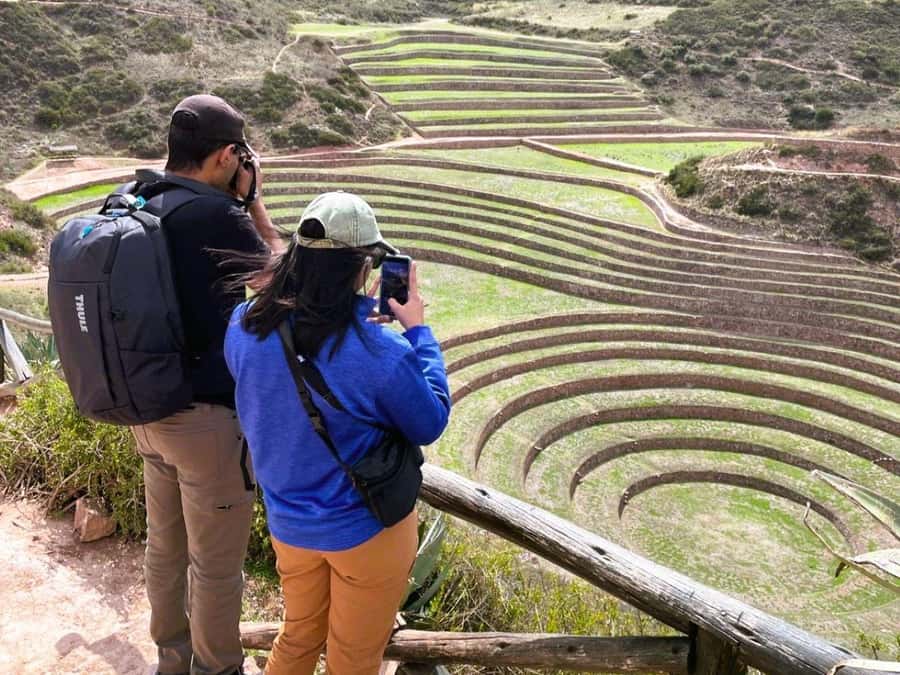
Moray is known for its dramatic circular farming terraces, cut into the ground in wide descending rings. The shapes are striking from above, and the site feels quite different from the fortress walls and plazas you will see elsewhere. Your guide can help explain the agricultural purpose and the way the terraces fit into Inca planning.
I especially like the contrast here. Chinchero introduces a town where old and new traditions meet, while Moray is a carefully shaped agricultural site. You are looking at engineering rather than a royal palace, which makes the stop valuable for understanding how the Inca supported food production across difficult highland terrain.
There is no separate mention of a long hike at Moray, so do not expect an extended trek. Still, the tour is not designed for people with mobility impairments. Uneven ground and repeated movement in and out of the vehicle are part of the day, making sturdy shoes important.
Maras and the salt pools still worked today
From Moray, the route continues toward the town of Maras, known for its salt mines. Lunch takes place at a local restaurant in the area, with mountain views included. The meal is a buffet lunch in Urubamba, according to the included services, so you should have a substantial break before the afternoon visits.
The Salineras of Maras are one of the most memorable stops because the site is not only archaeological. Locals have extracted salt here since Incan times, and the many small pools spread across the slope create a patterned scene that is unlike anything at Machu Picchu.
The value of a guide is clear at Maras. Without context, you might see a hillside covered with pale pools and move on quickly. With an explanation of the salt-making tradition and local use, the place becomes a living part of the valley rather than a simple photo stop.
This is also a good place to manage expectations. The tour includes entrance to Salineras, but it does not promise a long visit or a hands-on demonstration. You are there to see the site and understand its role, not to take part in salt production.
More Sacred Valley trips:
- Rainbow Mountain tour and Machu Picchu tour by train
★ 4.8 · 13 reviews - From Cusco: One-Day Round Trip to Machu Picchu by Train
★ 4.7 · 10 reviews - Machu Picchu Entry Ticket and Bus from Aguas Calientes
★ 3.8 · 8 reviews - Machupicchu tour by tourist train in 2 days
★ 4.5 · 7 reviews
Ollantaytambo: the strongest stop before Machu Picchu
After lunch and the salt pools, you continue to Ollantaytambo. The visit includes both the town and its archaeological site, with entrance tickets covered.
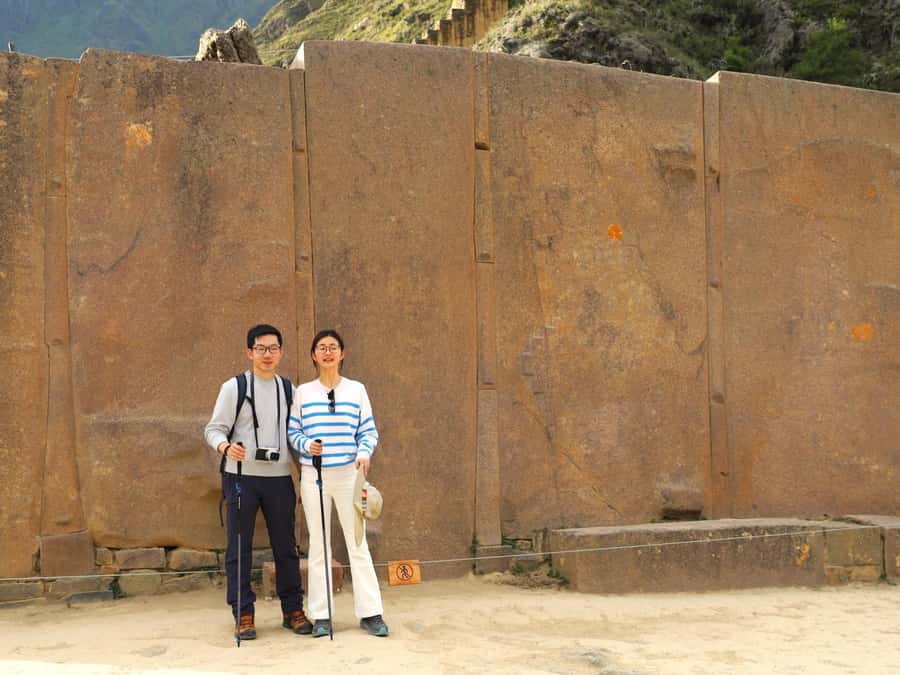
Ollantaytambo is a major Inca fortress built into the hillside, with large stone terraces rising above the settlement. It is also more than a ruin viewed from a distance. The town itself is part of the experience, and its layout helps you see how Inca planning shaped the valley.
For many people, this will be the first truly massive Inca stone complex of the trip. The terraces give the site scale, while the hillside position makes it easy to understand its defensive and ceremonial importance. I like having Ollantaytambo before Machu Picchu because it gives you another point of comparison. Machu Picchu is the star, but Ollantaytambo helps show that Inca achievement was spread across the region.
The timing matters. By this point, you will already have visited Chinchero, Moray, and Maras, so fatigue may affect how long you want to linger. A strong guide can keep the visit moving without turning it into a rushed checklist. Adolfo was praised for being friendly, helpful, and generous with explanations, while the overall pace was described as comfortable rather than dragged out.
Dinner is included at a local restaurant in Ollantaytambo. Afterward, you board the Expedition train to Aguas Calientes, the town below Machu Picchu, and spend the night in a three-star hotel.
Why sleeping in Aguas Calientes matters
The overnight stay is one of the tour’s most useful choices. You are already near Machu Picchu when the second day begins, so you do not need to make the entire Cusco to Machu Picchu journey before your guided visit.
After breakfast, you take the first buses up to the citadel. That early timing is meant to help you beat some of the later crowds, though Machu Picchu is still a major attraction and should not be mistaken for a quiet private site.
Your hotel is three-star, and the package includes one night. The experience notes that lodging and meals are included according to the program, but extra meals outside those specified should be paid separately. Day one includes buffet lunch and dinner. Lunch on day two in Aguas Calientes is also part of the stated schedule, while the general inclusions list specifically identifies the day one meals, so I would confirm the exact meal coverage before booking.
Three hours inside Machu Picchu
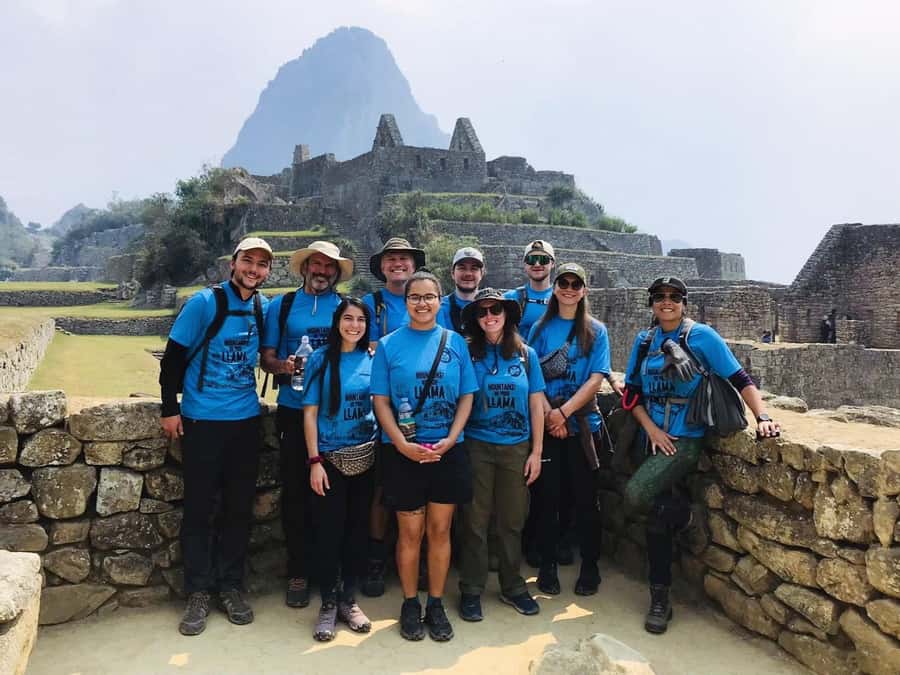
The guided visit covers the most important parts of the citadel, including temples, palaces, and plazas. The guided portion lasts about three hours, followed by free time for you to explore on your own.
That balance works well. The guide gives you a framework for reading the site, while the free period lets you pause, take photographs, and revisit the areas that interest you most. A good guide also keeps the ruins from becoming a blur of names and stones. Nathalie was praised for her passion and strong command of the subject, with a pace that allowed the group to see a great deal without feeling pushed along.
Bring your passport. It is specifically required for this activity, and you should keep it accessible rather than buried in your main luggage. Drones are not allowed, and alcohol and drugs are prohibited.
Huayna Picchu and Machu Picchu Mountain are not included. Those are extra hikes, so this package is best for you if the main citadel and its guided circuit are enough. If one of those climbs is your top priority, you will need to arrange the additional ticket and check availability separately.
The train ride, meals, and return to Cusco
The tour uses the Expedition train for the journey to Aguas Calientes and the return toward Cusco. Round-trip bus service between Aguas Calientes and Machu Picchu is included, as are the major entrance fees and reservation charges.
The train saves you from a much longer road journey and adds a pleasant change of pace after the archaeological visits. Still, the return day can be lengthy. The planned arrival back at your Cusco hotel is around 7:30 PM.
One practical point deserves attention. A recorded experience found that the return involved changing to a bus at Ollantaytambo rather than continuing all the way by train, which made the final leg more tiring. The stated package includes a round-trip Expedition train, but transport arrangements can involve a connection, so ask for the exact return routing before you pay.
The door-to-door service is valuable here. Cusco, the Sacred Valley, Ollantaytambo, Aguas Calientes, and Machu Picchu require several linked transfers. Having the company coordinate the driver, train, bus, and hotel reduces the chance of missing a connection, particularly if you do not speak Spanish.
Is $680 per person fair?
At $680 per person, this is a premium two-day package. The price includes hotel pickup and return, transport throughout, entrance tickets to Chinchero, Moray, Maras, Ollantaytambo, and Machu Picchu, the round-trip Machu Picchu buses, Expedition train service, a three-star hotel, the listed meals, guides, taxes, and reservation charges.
That is a lot of moving parts covered in one payment. I think the value is strongest for you if convenience matters and your time in Peru is limited. Buying each ticket, transfer, meal, and hotel night separately could take considerable planning, and the cost of Machu Picchu transport and admission adds up quickly.
The price is less appealing if you are a confident independent planner, want a slower pace, or care mainly about Machu Picchu itself. You are paying for the full Sacred Valley route and coordinated service, not just the citadel.
The non-refundable cancellation rule also matters. I would not book until your Cusco dates, passport details, and ability to make the early start are settled.
Who will enjoy this two-day route?
I would recommend this tour to you if:
- You want Machu Picchu plus several major Sacred Valley sights.
- You prefer one company to arrange transport, tickets, meals, and lodging.
- You have only two days available.
- You value a guide who can explain the sites in English or Spanish.
- You are comfortable with full days and uneven archaeological sites.
- You prefer a small group rather than a large coach.
I would look for another option if you want long hikes, a private schedule, or a quiet visit with no fixed timetable. The tour is not suitable for people with mobility impairments or people over 95 years old, according to the stated conditions.
Health rules listed for the experience include temperature checks when boarding the van and train and when checking into hotels. Masks are mandatory in public places under the stated rules. These requirements can change, so check the current conditions close to departure.
Should you book it?
Book this tour if you want a well-organized introduction to the Cusco Region and Machu Picchu, and you are happy to trade flexibility for convenience. The strongest parts are the broad first-day route, the overnight location in Aguas Calientes, and the guides’ reported care and pacing. Nathalie, Adolfo, and Efrain were each singled out for being helpful, friendly, and good at answering questions.
I would hesitate only if $680 feels high for a two-day trip, if you dislike early starts, or if an extra bus connection on the return would frustrate you. Ask about the exact train and bus arrangements, confirm which meals are covered, and decide whether you need Huayna Picchu or Machu Picchu Mountain before booking.
FAQ
How long is the Machu Picchu tour?
The tour lasts two days and one night. The listed return to your Cusco hotel is around 7:30 PM on the second day.
What time does pickup begin?
Hotel pickup in Cusco begins at approximately 8:00 AM on day one. You should wait in the hotel lobby 10 minutes before the scheduled pickup time.
Which places are visited before Machu Picchu?
The first day includes Chinchero, Moray, the Salineras of Maras, and Ollantaytambo before you continue to Aguas Calientes.
Is accommodation included?
Yes. One night in a three-star hotel in Aguas Calientes is included.
Are meals included?
The program includes buffet lunch in Urubamba and dinner in Ollantaytambo on day one. The schedule also includes lunch in Aguas Calientes on day two. Meals not mentioned in the program are not included.
Is transportation included?
Yes. Hotel pickup and return, transportation during the route, the Expedition train, and the buses between Aguas Calientes and Machu Picchu are included.
Are Huayna Picchu and Machu Picchu Mountain included?
No. These extra hikes are not included in the tour price.
What languages are available for the guide?
Live guiding is available in English and Spanish.
Just added in Aguas Calientes
- TOUR TO MACHU PICCHU FULL DAY BY TRAIN – The Best Adventure★ 3.2 · 4 reviews
- Tour guide in Machu Picchu on Route 2★ 4.7 · 6 reviews
- Salkantay Trek to Machu Picchu 5 Days with Sky Lodge Domes★ 5.0 · 5 reviews
- Rainbow Mountain tour and Machu Picchu tour by train★ 4.8 · 13 reviews
- From Cusco: Train Ride and Guided Tour of Machu Picchu★ 5.0 · 6 reviews
- Machu Picchu Entry Ticket and Bus from Aguas Calientes★ 3.8 · 8 reviews
- Machupicchu tour by tourist train in 2 days★ 4.5 · 7 reviews
- Machu Picchu 2 Days / 1 Night (By Bus)★ 3.7 · 4 reviews
Machu Picchu Tours, compared.
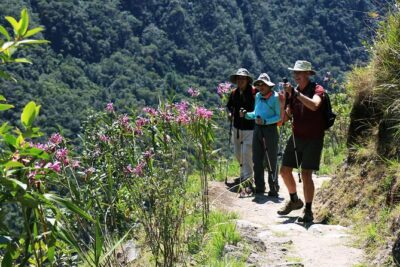
Classic Inca Trail Trek 4D/3N to Machu Picchu (Group Service)
Read our review →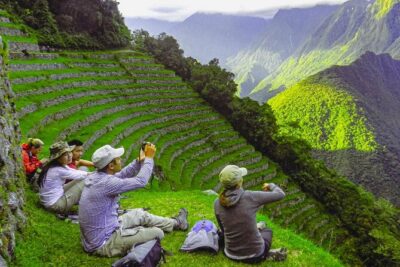
2-Day Inca Trail to Machu Picchu with Panoramic Train
Read our review →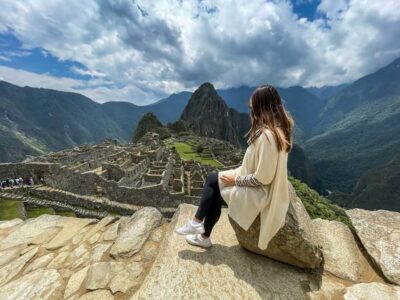
From Cusco: Full-Day Group Tour of Machu Picchu
Read our review →
2-Day Tour: Sacred Valley and Machu Picchu by Train
Read our review →
Machu Picchu: Full-Day Tour from Cusco with Optional Lunch
Read our review →
Machu Picchu Full Day from Cusco by Panoramic Train
Read our review →Browse the lists this tour appears in