Reviewed · CUSCO TOURS
Planetarium Cusco: Learn About Inca Astronomy
The stars tell a different story here. Planetarium Cusco offers a compact evening lesson in Inca astronomy, pairing local cultural insight with a dome projection and possible telescope viewing above Cusco. I especially like the small group size, capped at 20 people, and the easy pickup and return at Regocijo Square.
I also like that the experience is led by people who work seriously with astronomy while sharing their cultural heritage. The main drawback is simple: clouds and city lights can limit telescope viewing, and the planetarium itself is still developing. The indoor program remains worthwhile, but you should not book this expecting a guaranteed night of clear stars.
In This Review
- Key Points Before You Book
- Why Inca Astronomy Adds More Than a Pretty Sky
- Meeting at Regocijo Square at 5:30 pm
- Arriving at Planetarium Cusco Around 5:55 pm
- The 6:00 pm Introduction in the Interpretation Rooms
- The 6:30 pm Virtual Projection of the Southern Sky
- Telescope Viewing at About 7:00 pm
- Returning to Cusco at About 7:40 pm
- What $45 Includes and What It Does Not
- Who Will Enjoy This Cusco Evening Most
- Practical Advice for a Better Evening
- Cancellation and Weather Rules
- Should You Book Planetarium Cusco?
- FAQ
- Where does the Planetarium Cusco experience begin?
- What time does the activity start?
- How long does the experience last?
- Is transportation included?
- Is telescope viewing guaranteed?
- Are meals and drinks included?
- Can children join the experience?
Key Points Before You Book
- Pickup at 5:30 pm from Regocijo Square: You avoid finding your own way to the planetarium, then return to the same central meeting point.
- A short introduction to Inca astronomy: The interpretation rooms focus on little-known links between the Inca world and the night sky.
- A southern-sky dome projection: The virtual presentation helps you understand constellations that may be unfamiliar if you come from the Northern Hemisphere.
- Telescope viewing depends on conditions: Clouds can cancel the outdoor portion, and city lights may limit what you see.
- An intimate group of up to 20 people: This is better suited to visitors who prefer a personal lesson over a large, fast-moving attraction.
- Two hours at $45 per person: The price includes the guide, planetarium admission, and transport from and back to Regocijo Square, but not hotel transfers, food, or drinks.
Why Inca Astronomy Adds More Than a Pretty Sky
Many planetariums teach astronomy as a set of facts. This experience takes a more local route. It connects the sky above Cusco with the way the Inca understood time, place, and culture.
The supplied details do not promise a full academic course, and you should not expect one in two hours. Instead, you get an accessible introduction to stories and ideas that may not appear during a standard Cusco sightseeing day. That makes the visit useful after seeing the city’s churches, plazas, and archaeological sites.
The focus on Inca astronomy also gives the evening a stronger sense of place. You are not simply watching a generic star show. You are learning about the southern sky while sitting in Cusco, a city where the surrounding mountains and ancient sites remain closely tied to Andean culture.
I find that context valuable. A telescope can show you a planet or star, but a guide can explain why the sky mattered to the people who lived here. The guide’s role is important, since the quality of the evening depends partly on how clearly the astronomy and cultural material are presented.
More things to do in Cusco:
- Classic Inca Trail Trek 4D/3N to Machu Picchu (Group Service)
★ 5.0 · 8,653 reviews - Cusco: Rainbow Mountain and Red Valley Day Trip with Meals
★ 4.9 · 4,893 reviews - Machu Picchu: 4-Day Inca Trail Trek with Panoramic Train Ride
★ 5.0 · 4,568 reviews
Meeting at Regocijo Square at 5:30 pm
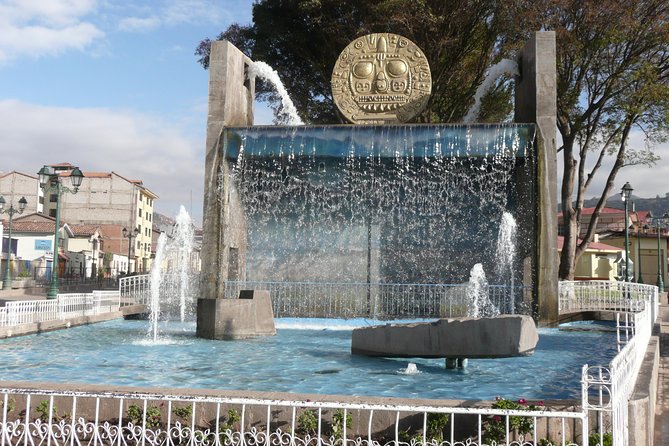
Your evening begins in the middle of Plaza Regocijo, also known as Regocijo Square. Pickup is scheduled between 5:30 and 5:40 pm, so you should arrive early and remain near the center of the plaza.
This is a practical meeting point in central Cusco. You do not need to arrange a separate taxi to the planetarium, and the experience finishes back at the same meeting point. That saves time and removes one small transport puzzle from an evening in an unfamiliar city.
The included transport is from Regocijo Square, not from your hotel. If your accommodation is elsewhere, you need to reach the square on your own. The activity is near public transportation, but the supplied information does not specify hotel pickup routes or individual hotel transfers.
The group is limited to 20 people. That is not a private tour, but it is small enough to keep the setting more personal than a major commercial attraction. A smaller group also gives you a better chance to hear the guide clearly and ask a question during the teaching portions.
Arriving at Planetarium Cusco Around 5:55 pm
Arrival is scheduled for about 5:55 pm, with the main program beginning at 6:00 pm. The timing keeps the visit compact, which matters if you have dinner plans or an early start the next morning.
Cusco sits at high altitude, and some visitors prefer a calm evening rather than another long walking route. This experience offers a seated and guided activity after a day of moving through the city. You still need to manage your own comfort, but the short transport and limited duration make the evening fairly easy to fit into a busy Cusco schedule.
The planetarium is described as a newer operation, and the experience may still feel like a work in progress. One useful expectation is to value the content more than polished production. The presentation may not have the smooth rhythm of a large museum planetarium, but the subject itself is distinctive and tied directly to the region.
The 6:00 pm Introduction in the Interpretation Rooms
The first formal part takes place in interpretation rooms at 6:00 pm. This is where the guide introduces Inca astronomy and explains the relationship between the Incan world and the night sky.
This indoor portion is the most dependable part of the evening. It does not rely on clear skies, and it gives you a foundation before the dome projection begins. If you have limited knowledge of Andean astronomy, this is likely where you will gain the most from the guide’s explanations.
The cultural element deserves your attention. The program is not only about identifying stars. It also presents local heritage through astronomy, which can help you see Cusco’s ancient traditions from a different angle.
At the same time, the presentation may feel a little disjointed. The planetarium is still new, and the indoor sequence may not have the polish of a long-established museum program. I would treat that as a minor weakness rather than a reason to skip the visit. The subject matter remains unusual, and the staff’s enthusiasm can help carry the evening.
A useful tip is to listen for the links between the sky and daily life. The value is not only in memorizing constellation names. It is in understanding how the stars could serve as reference points for culture, seasons, and stories.
A completely different kind of day:
- Salkantay Classic Trek 5 Days from Cusco
★ 5.0 · 4,062 reviews - 4-Day Salkantay Trek with Sky Camp Stay
★ 5.0 · 3,346 reviews - Short Inca Trail to Machu Picchu 2D/1N
★ 5.0 · 3,007 reviews - Excursion to Rainbow Mountain Full Day Optional Red Valley
★ 5.0 · 2,996 reviews
The 6:30 pm Virtual Projection of the Southern Sky
At about 6:30 pm, you enter the dome for a virtual projection of the southern sky and its constellations. This is especially helpful for visitors accustomed to Northern Hemisphere stars.
The projection gives you a controlled view of the sky even if outdoor conditions are poor. Clouds may hide the real stars later, but the dome presentation can still show the patterns and ideas at the center of the lesson.
This part also helps you understand why location matters. The southern sky is not identical to what you might see at home, and Cusco provides a different setting for learning about it. The dome turns that difference into something easier to follow than a quick glance upward in a dark field.
Do not expect the projection to replace a full observatory program. The activity lasts about two hours in total, and the dome is one part of a broader cultural and astronomy lesson. Its strength is clarity and context, not a long technical lecture.
I like this balance. You get a visual presentation, but the evening does not lose its connection to local culture. The guide remains central, and the projection acts as a useful aid rather than the entire show.
Telescope Viewing at About 7:00 pm
The outdoor stargazing portion begins around 7:00 pm, depending on weather conditions. Telescopes are provided when the sky permits.
This is the most uncertain part of the activity, so keep your expectations flexible. Cloud cover can prevent you from seeing the stars, and poor weather may lead to cancellation or a change of date. Even on a clear night, the planetarium’s proximity to city lights can limit telescope viewing.
That does not make the telescopes pointless. It simply means this is not the same as traveling to a remote dark-sky site. You may see less than you would far from Cusco’s lights, but the chance to connect the indoor lesson with actual sky viewing adds a welcome practical touch.
The experience may provide blankets during the stargazing portion, which is useful during a cool evening in Cusco. Still, you should dress for outdoor conditions. Food and drinks are not included, so plan to eat before or after the program rather than expecting refreshments during the visit.
If clouds arrive, the evening is not automatically wasted. The interpretation rooms and dome projection remain available, and the guide can still explain the astronomy and cultural background. One visitor described the lack of visible stars as disappointing but still found the lesson worthwhile and appreciated the provided blankets and transport.
Returning to Cusco at About 7:40 pm
The return to the city is scheduled for about 7:40 pm, bringing the total duration to roughly two hours. You finish back at the original meeting point, Regocijo Square.
This timing works well for dinner afterward. It also means you are not committing an entire night to the activity. The short format is one of its practical strengths, particularly if you are fitting the planetarium between other Cusco plans.
The return point is convenient, but remember that the tour does not include transport to your hotel. You will need to make your own way from the square at the end. Since the activity ends in central Cusco, you have access to local transport options, though no specific route is provided.
What $45 Includes and What It Does Not
The price is $45 per person. That is not a bargain basement attraction, but the cost covers several useful pieces: a local guide, admission to the planetarium, and pickup and drop-off at Regocijo Square.
I think the value depends on what you want from the evening. If you mainly want a long session of clear-sky telescope viewing, the price may feel high because weather and city lights can reduce that part of the experience. If you want an organized introduction to Inca astronomy with transport and a guide, the price is easier to justify.
The included transfer matters more than it first appears. Without it, you would need to arrange transport to a less familiar location at dusk and then find your way back. The central pickup keeps the evening simple.
The cost does not include hotel transportation, meals, or drinks. Those exclusions are straightforward, but they affect your planning. Eat before the 5:30 pm meeting time if you prefer an early dinner, or plan to eat after returning around 7:40 pm.
The group limit of 20 adds some value. You are paying for an intimate educational setting rather than a large public show. Still, the experience is not private, and the exact amount of personal attention will depend on the group.
Who Will Enjoy This Cusco Evening Most
I would recommend Planetarium Cusco to visitors who enjoy cultural interpretation, astronomy, and short guided activities. It suits families, couples, and solo visitors who want something different from another evening in the Plaza de Armas area.
Children can participate, but they must be accompanied by an adult. The activity is near public transportation, and most people can take part according to the supplied participation information.
This is also a good choice for anyone curious about Andean culture but unable to fit a longer archaeological excursion into the schedule. The program gives you a focused subject without requiring a full day away from Cusco.
I would be more cautious if your main goal is serious astrophotography or a guaranteed view through a telescope. City lights and weather are real limits here. The program is built around education first, with stargazing as an added possibility.
It may also suit you if you have already visited major Inca sites and want a different way to think about the civilization. Astronomy provides a fresh lens, and the local guide can connect the subject to cultural traditions rather than presenting only technical information.
Practical Advice for a Better Evening
Arrive at Regocijo Square before 5:30 pm. The pickup window is short, and the meeting point is in the middle of the plaza.
Keep the whole evening flexible. The listed schedule is clear, but telescope viewing depends on the weather, and the activity itself requires suitable conditions. The provider may cancel for poor weather or for not reaching the minimum group size, offering another date or a full refund in those cases.
Bring a warm layer for the outdoor portion. Blankets may be provided, but the temperature can still make telescope viewing less comfortable if you are dressed for a warm afternoon.
Do not judge the entire experience by the telescope session alone. The indoor introduction and dome projection are important parts of the program, and they remain the core of the visit when clouds interfere.
Finally, remember that this is a newer planetarium. You may notice that the presentation is still being refined. The strongest parts are the unusual subject, the guide’s cultural knowledge, and the personal scale of the program.
Cancellation and Weather Rules
The booking is non-refundable and cannot normally be changed. If you cancel or request an amendment, you should not expect your payment back.
Weather is an exception handled by the provider. If poor weather forces cancellation, you are offered a different date or a full refund. If the minimum number of participants is not reached, you are offered another date or experience, or a full refund.
Confirmation is provided when you book. Since the experience is scheduled for one evening and has a fixed meeting point, check your plans carefully before paying.
Should You Book Planetarium Cusco?
Book it if you want a short, local, culturally focused astronomy experience and you are comfortable with imperfect telescope conditions. The guide, dome projection, central transport, and Inca perspective give the evening more substance than a simple star-viewing stop.
Skip it if your top priority is a remote dark-sky outing or a highly polished planetarium production. Clouds, city lights, and the newer presentation can limit the spectacle.
For most curious visitors, I see this as a worthwhile two-hour addition to a Cusco itinerary. Go for the stories and the southern sky lesson first. Treat the telescopes as a bonus, and you will be better prepared to enjoy the evening.
FAQ
Where does the Planetarium Cusco experience begin?
It begins at Plaza Regocijo, at F2M9+5X2, Cusco 08002, Peru. Pickup is scheduled from the middle of Regocijo Square.
What time does the activity start?
Pickup takes place between 5:30 and 5:40 pm. The program at the planetarium begins at about 6:00 pm.
How long does the experience last?
The activity lasts approximately two hours. The scheduled return to Cusco is around 7:40 pm.
Is transportation included?
Pickup and drop-off from Regocijo Square are included. Transportation from and to your hotel is not included.
Is telescope viewing guaranteed?
No. Telescope viewing depends on weather conditions. City lights can also limit what you are able to see.
Are meals and drinks included?
No. Meals and drinks are not included in the $45 price.
Can children join the experience?
Yes. Children can participate, but they must be accompanied by an adult.
Just added in Cusco
- Private Transfer from Airport to Hotel in the City of Cusco★ 4.0 · 5 reviews
- Best Cusco walking tour: dinner street food tasting★ 4.5 · 11 reviews
- Cusco Private Transportation for 2026★ 5.0 · 4 reviews
- Private Tour to Pisac Market and Pisac Ruins★ 5.0 · 4 reviews
- Machu Picchu Day Trip With Panoramic Train from Cusco★ 5.0 · 10 reviews
- Sacred Valley Private Tour from Cusco, Guide and Driver only★ 5.0 · 4 reviews
- Sacred Valley of the Incas Tour★ 5.0 · 12 reviews
- Private Tour of the Mountain of Colours by Quad★ 5.0 · 7 reviews
Cusco Tours, compared.
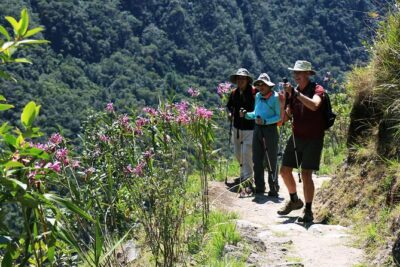
Classic Inca Trail Trek 4D/3N to Machu Picchu (Group Service)
Read our review →
Rainbow Mountain and Red Valley Day Trip with Meals
Read our review →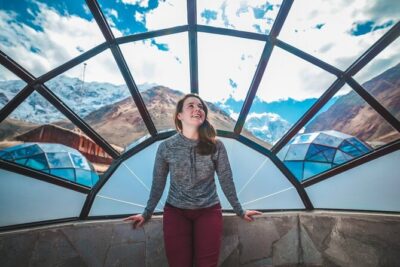
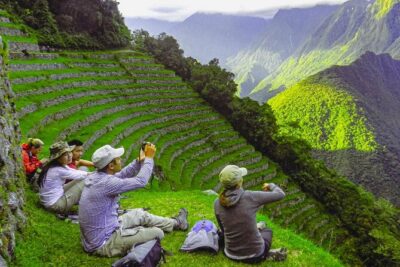

Excursion to Rainbow Mountain Full Day Optional Red Valley
Read our review →
Humantay Lake Tour with Breakfast and Buffet Lunch
Read our review →