
Reviewed · INCA TRAIL AND SALKANTAY TREKS
Salkantay Trek Premium 5D/4N
Altitude changes everything. This five-day Salkantay route gives you a big slice of Peru in one trip, from Humantay Lake and the snowy Salkantay Pass to cloud forest, coffee farms, and Machu Picchu. I especially like the mix of dramatic mountain walking and local stops such as Lucmabamba, where you can see coffee being processed.
I also like that the $510 price includes transport, meals, camping equipment, a sleeping bag, a hotel night, entrance fees, buses, train tickets, and a bilingual guide. The main caution is simple: the route is physically demanding, mainly because of altitude, long days, and steep downhill sections. You should plan at least two days in Cusco before starting, and walking poles will be useful.
The tour has a 4.8 rating from 83 reviews, with 96 percent recommending it. Guides named Jhimmy and Carlos receive especially warm praise for care, flexibility, and their ability to help people with different fitness levels. That personal attention matters on a trek where a cheerful guide can make a difficult afternoon feel much shorter.
In This Review
- Key points before you book
- What the $510 Salkantay package really covers
- Day 1: Humantay Lake at 4,200 meters
- Day 2: Crossing Salkantay Pass at 4,600 meters
- Day 3: Cloud forest, ziplining, and Lucmabamba coffee
- Day 4: Llactapata views and the long walk to Aguas Calientes
- Day 5: Early buses and Machu Picchu
- How difficult is this trek?
- Guides, food, and group size
- Camping comfort and what to expect
- Who should book this Salkantay trek?
- Small booking details that matter
- Should you book it?
- FAQ
- How long is the Salkantay Trek Premium tour?
- What time does the tour start?
- What is the highest point of the trek?
- Is Humantay Lake included?
- Is Machu Picchu admission included?
- Is the train included?
- Are meals included?
- Do I need a passport?
Key points before you book
- Humantay Lake begins the adventure: You climb from Soraypampa at 3,900 meters to the lake at 4,200 meters on the first day.
- Salkantay Pass reaches 4,600 meters: This is the highest and most demanding point of the route.
- The scenery changes fast: Expect frozen mountain country, high jungle, cloud forest, streams, waterfalls, and coffee plantations.
- Three nights are spent camping: You also get one hotel night in Aguas Calientes before visiting Machu Picchu.
- Long days require real fitness: Several days last about 10 hours, even though the itinerary calls the activity moderate.
- The group is kept small: The maximum group size is 12 people, which should make meals, trail support, and guiding more personal.
What the $510 Salkantay package really covers
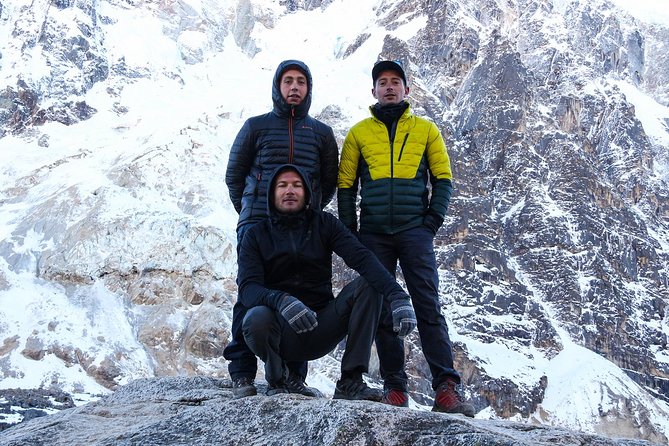
At $510 per person, this is not just a walking tour. The cost covers four breakfasts, four lunches, four dinners, three nights at campsites, one hotel night, camping equipment, a sleeping bag, a cook, assistants, and a professional bilingual guide.
You also get your Machu Picchu entrance, the round-trip bus between Aguas Calientes and Machu Picchu, the train from Aguas Calientes to Ollantaytambo, and transport from Ollantaytambo back to Cusco. Those transfers can add up quickly if arranged separately, so the package has solid value.
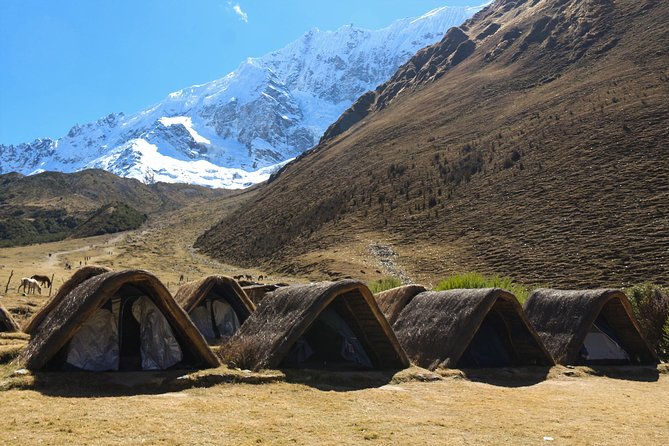
The camping setup is more organized than simply carrying a tent and sleeping beside the trail. A dining tent, kitchen, chairs, and tables are included, along with horsemen and horses to carry camping equipment. You still need a lightweight daypack, but you should not have to haul the main camp supplies yourself.
There are some important gaps. Your personal care items, tips, an additional horse, and the first day breakfast are not included. You also pay separately if you choose the optional Cocalmayo hot springs on Day 3. The final day lunch and dinner are not included either, so keep some cash for food.
The $510 price does not include Huayna Picchu or Machu Picchu Mountain. If you want either extra mountain permit, ask about it before booking rather than assuming it is part of the package.
More hikes and treks in Cusco:
- Classic Inca Trail Trek 4D/3N to Machu Picchu (Group Service)
★ 5.0 · 8,653 reviews - Machu Picchu: 4-Day Inca Trail Trek with Panoramic Train Ride
★ 5.0 · 4,568 reviews - Salkantay Classic Trek 5 Days from Cusco
★ 5.0 · 4,062 reviews
Day 1: Humantay Lake at 4,200 meters
The day starts with pickup from your Cusco hotel at 5:00 a.m. You travel to Mollepata, where the schedule includes a breakfast stop before continuing to Soraypampa. Since the first day breakfast is listed as not included, check whether you need to pay for that meal yourself.
From Soraypampa, at 3,900 meters, you meet the horsemen and horses before beginning the climb to Humantay Lake. The route rises to 4,200 meters, so this is not a gentle warm-up. Even fit walkers can feel the thin air, especially if they have not adjusted to Cusco’s altitude.
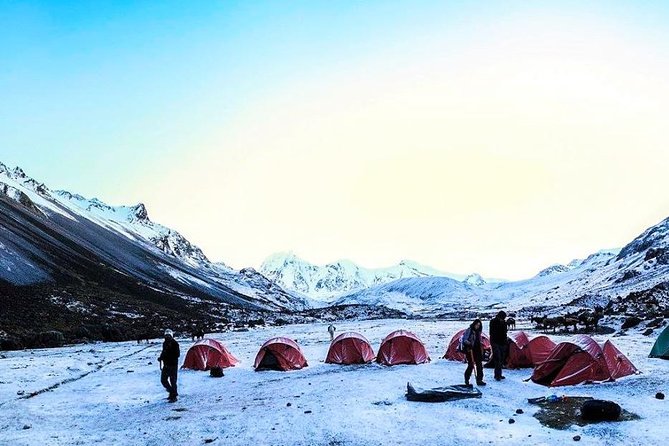
Humantay Lake is the visual reward. It sits below the snowy mountain peaks and offers the sort of high-altitude view that makes the early start worthwhile. You return to Soraypampa for lunch, then continue to Salkantaypampa, the first basecamp.
The day takes about 10 hours, which is a serious opening round. The evening includes afternoon tea and dinner, with mountain views around camp. You should keep your warm jacket handy. Temperatures can drop sharply once the sun disappears.
This first day tests your pacing. Walk slowly, drink regularly, and do not treat the lake climb like a race. The itinerary suggests carrying one bottle of water, though you should follow your guide’s advice about refilling and hydration.
Day 2: Crossing Salkantay Pass at 4,600 meters
Day 2 is the trek’s highest point. You wake with coca tea, eat breakfast, and begin the climb toward Salkantay Pass. The ascent takes about three hours and reaches 4,600 meters above sea level.
This is the point where altitude becomes more important than raw fitness. A route can look manageable on paper and still feel tough when every breath comes at high elevation. If you arrive in Cusco and start this trek the next morning, you are making the hardest part harder than it needs to be.
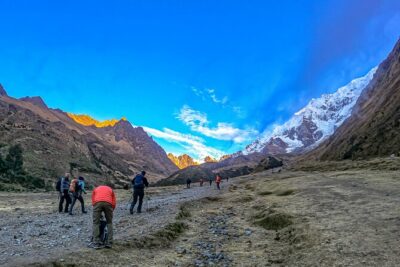
At the pass, the setting shifts into frozen mountain country, with views toward the snowy Salkantay peak. You then walk toward Wayrac Machaq for lunch. From there, the route begins to lose elevation and enters the high jungle.
That change is one of the best parts of the trek. Large trees stretch over streams, with bromeliads and orchids attached to their branches. The scenery becomes greener and more enclosed as you descend, giving you a clear sense of Peru’s climate zones changing within a single day.
The day lasts about eight hours. Downhill walking may sound easier, but long descents can be hard on your knees. A review of the route specifically points out that walking poles are a major help, especially on extended downhill stretches. I would treat poles as practical equipment, not an optional extra.
Day 3: Cloud forest, ziplining, and Lucmabamba coffee
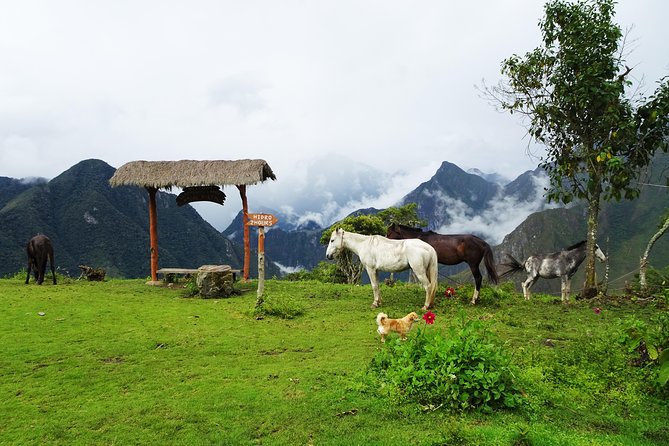
Day 3 continues through the cloud forest for roughly three hours in the morning. Rivers and waterfalls add movement to the route, and the cooler high mountain air gives way to a warmer, more humid setting.
After lunch, you walk for another three hours to Lucmabamba campsite. This is a more cultural and hands-on part of the trip. You can take part in ziplining, then spend time around coffee plantations and see how coffee is processed.
The coffee stop helps break up the long walking days. It also gives you a closer look at one of the crops associated with this part of Peru, rather than making the trip only about viewpoints and ruins. If you enjoy food, farming, and practical local activity, this may be one of the most memorable afternoons.
The schedule lists about 10 hours for the day, including walking and activities. That is a long day, so do not expect the coffee visit to be a relaxed half-day outing. You may also choose to visit Cocalmayo hot springs, located about 30 minutes from camp. Transportation and entrance fees are extra, and the tour provider can organize this optional activity.
The hot springs may sound appealing after three days on the trail, but adding them means more time and an extra expense. Ask about the timing before committing, especially if you are already tired.
A completely different kind of day:
- Cusco: Rainbow Mountain and Red Valley Day Trip with Meals
★ 4.9 · 4,893 reviews - 4-Day Salkantay Trek with Sky Camp Stay
★ 5.0 · 3,346 reviews - Short Inca Trail to Machu Picchu 2D/1N
★ 5.0 · 3,007 reviews - Excursion to Rainbow Mountain Full Day Optional Red Valley
★ 5.0 · 2,996 reviews
Day 4: Llactapata views and the long walk to Aguas Calientes
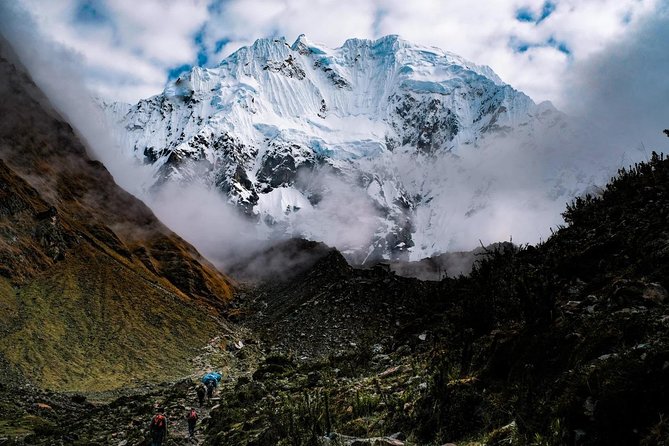
Day 4 starts with breakfast and a climb to Llactapata. From the viewpoint, you can see the surrounding mountain country and Machu Picchu in the distance. This is an important moment because you begin to see the destination before reaching it.
From Llactapata, you descend to Hydroelectric for lunch. Then comes another three-hour walk to Aguas Calientes. The day totals about 10 hours, so this is not a short approach to town.
The walk to Aguas Calientes gives you a final trail section before the more structured Machu Picchu visit. You spend the night in a hotel rather than a campsite, which is welcome after three nights outdoors. A hotel night also gives you a chance to organize your clothes, charge your camera, and prepare for the early visit.
Do not underestimate the final three hours. After several days of climbing and descending, your legs may be tired even if the trail itself is not technically difficult. Keep your daypack light and carry only what you need.
Day 5: Early buses and Machu Picchu
After breakfast, you take the early bus from Aguas Calientes to Machu Picchu for the sunrise. The round-trip bus is included, as is the entrance fee and a private tour guide.
The guided visit lasts about five hours. That gives you time to see the main areas with context instead of simply walking through the site alone. Since Machu Picchu is the climax of the trip, the guide’s explanation can help connect the stonework and setting to the wider Inca world you have been walking through.
The itinerary lists the day as about five hours and does not include breakfast in the general Day 5 meal wording, so confirm the hotel breakfast arrangement. Your return includes the train to Ollantaytambo and transportation onward to Cusco.
The return is a travel day, not a final hiking day. Keep your passport available, since a current valid passport is required for the tour and Machu Picchu entry.
How difficult is this trek?
The tour is described as suitable for someone with moderate or good fitness, but the distances and altitude deserve a clearer warning. Days 1, 3, and 4 are listed at about 10 hours, while Day 2 takes about eight hours. The highest point is 4,600 meters.
The terrain is not presented as technical climbing. The real challenge is the combination of altitude, distance, changing weather, and downhill walking. One detailed assessment of the route says the terrain and distance are manageable, but altitude makes it one of the hardest walking experiences they had attempted.
You should arrive in Cusco at least two days early to adjust. That is not a minor suggestion. Cusco itself is high, and the Salkantay route climbs considerably higher on the first two days.
Bring strong walking shoes or tennis shoes, a thick jacket, a sweater, a raincoat, long and short trousers, long-sleeved shirts, a hat, sunglasses, sunscreen with at least SPF 40, insect repellent, and a lantern. A lightweight backpack is enough for your daily needs. Bring personal medicine, toilet paper, plastic bags, and a camera charger as well.
Pack light. You can buy food and drinks along parts of the route, according to the tour information, so there is no need to fill your bag with every snack for five days. Carry some cash in small change for purchases and extras.
Guides, food, and group size
The maximum group size is 12 people, which is a useful middle ground. You get the social side of a shared trek without being part of a large walking crowd.
The guide can make a real difference on this route. Jhimmy is praised for making the experience better from the start, while Carlos is described as passionate and attentive to different abilities. The strongest practical lesson is that good guiding here means more than pointing out scenery. It means adjusting the pace, helping people through hard sections, and keeping the group together.
Meals are prepared by a cook and assistants, with a dining tent, tables, and chairs provided. The food receives strong praise for being fresh, plentiful, and served in generous portions. That matters after an eight to ten-hour walking day.
The itinerary includes four breakfasts, four lunches, and four dinners. The first day breakfast and the last day lunch and dinner are not included, so budget for those separately.
Camping comfort and what to expect
You spend three nights at campsites and one night in a hotel. This is a good fit if you want a more supported trekking experience, but it is not a luxury trip simply because the word Premium appears in the title.
The included dining tent, kitchen, chairs, tables, cook, assistants, horses, and sleeping bag make camp life easier. You still need to be comfortable sleeping outdoors and managing cold, wet, or changing conditions.
The route moves from high mountain terrain to warmer jungle areas, so your clothing needs to work across several climates. Keep rain protection and warm layers easy to reach rather than buried at the bottom of your bag.
Who should book this Salkantay trek?
I would recommend it to you if you want Machu Picchu to be part of a real five-day journey rather than a quick rail excursion. It suits people who enjoy long walks, changing scenery, simple camping, local food experiences, and a guided group setting.
It is also a good choice if you value practical support. The cook, horsemen, assistants, camping gear, transport, train, buses, and hotel night remove much of the planning burden.
I would be cautious about booking it if you have little recent walking experience, dislike early starts, or are not prepared for high altitude. The words easy or moderate should not make you think this is a casual stroll. The itinerary contains several long days, and the high point reaches 4,600 meters.
The group size of up to 12 works well for solo visitors and couples who want to meet people from other countries. It also gives the guide a better chance to help if the group has mixed abilities.
Small booking details that matter
A current valid passport is required on the day of travel, and you must provide each person’s passport name, number, expiry date, and country when booking. The starting pickup time is 5:00 a.m., so arrange your morning around an early departure.
The tour is operated by Conde Travel. Its cancellation rule is strict: the experience is non-refundable and cannot be changed for any reason. Read that condition carefully before paying.
The package is near public transportation, but the listed service already includes the main transfers needed for the route. You should still keep some cash for tips, personal items, optional activities, and meals not included in the package.
Should you book it?
Book this Salkantay trek if you want a demanding but well-supported route with big scenery and a satisfying build-up to Machu Picchu. The strongest reasons are the variety of the route, the small maximum group, the included logistics, and the care shown by guides such as Jhimmy and Carlos.
Skip it if you want a relaxed Machu Picchu holiday or if you cannot allow time to adjust to altitude. For a fit person who packs light, brings walking poles, and accepts long days, $510 is a strong value for five days of walking, food, support, camping, transport, and entry fees.
FAQ
How long is the Salkantay Trek Premium tour?
The tour lasts five days and four nights, with three nights at campsites and one night in a hotel.
What time does the tour start?
Pickup starts at 5:00 a.m. from your hotel in Cusco.
What is the highest point of the trek?
The highest point is Salkantay Pass at 4,600 meters above sea level.
Is Humantay Lake included?
Yes. The first day includes the hike to Humantay Lake and its admission ticket.
Is Machu Picchu admission included?
Yes. The entrance fee to Machu Picchu and the round-trip bus between Aguas Calientes and Machu Picchu are included.
Is the train included?
Yes. The train from Aguas Calientes to Ollantaytambo is included, along with transportation from Ollantaytambo to Cusco.
Are meals included?
Four breakfasts, four lunches, and four dinners are included. Breakfast on the first day and lunch and dinner on the last day are not included.
Do I need a passport?
Yes. You need a current valid passport on the day of travel, and passport details for every participant are required when booking.
Just added in Cusco
- Cusco Private Transportation for 2026★ 5.0 · 4 reviews
- Private Transfer from Airport to Hotel in the City of Cusco★ 4.0 · 5 reviews
- Best Cusco walking tour: dinner street food tasting★ 4.5 · 11 reviews
- Private Tour to Pisac Market and Pisac Ruins★ 5.0 · 4 reviews
- Machu Picchu Day Trip With Panoramic Train from Cusco★ 5.0 · 10 reviews
- Sacred Valley of the Incas Tour★ 5.0 · 12 reviews
- Private Tour of the Mountain of Colours by Quad★ 5.0 · 7 reviews
- Sacred Valley Private Tour from Cusco, Guide and Driver only★ 5.0 · 4 reviews
Inca Trail and Salkantay Treks, compared.
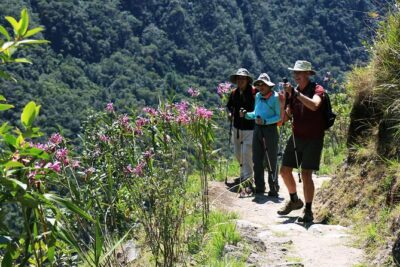
Classic Inca Trail Trek 4D/3N to Machu Picchu (Group Service)
Read our review →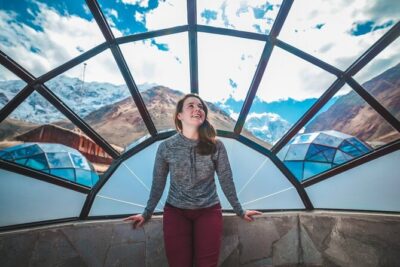
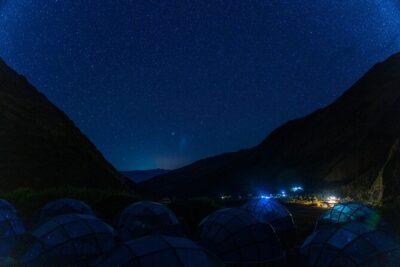
Salkantay Trek 5D/4N with Glass Cabins, Domes and Hobbit House
Read our review →2-Day Inca Trail to Machu Picchu with Panoramic Train
Read our review →
Browse the lists this tour appears in