
Reviewed · COLCA CANYON AND AREQUIPA TOURS
Sillar Route Arequipa Canteras+Quebrada de Culebrillas
Sillar turns a city into stone. This four-hour outing from Arequipa takes you to the working Cantera de Añashuayco and the narrow Quebrada de Culebrillas, where you see how the pale volcanic stone is cut and used. I like the mix of working culture and geology, and I like that the tour adds a short canyon walk instead of stopping at a single quarry.
The main consideration is the pace. You spend roughly 20 minutes walking inside Culebrillas, while much of the visit centers on explanations and viewing the quarry walls. Admission is not included, and the tour requires moderate physical fitness, so it suits you best if you can walk comfortably on uneven ground.
In This Review
- Key points at a glance
- Why Arequipa’s Sillar Route Matters
- Cantera de Añashuayco and the Work of Stone
- The Short Walk Into Quebrada de Culebrillas
- How the Four-Hour Schedule Works
- Is $22.50 a Fair Price?
- Who Will Enjoy This Route Most?
- Practical Tips for a Better Morning
- Should You Book the Sillar Route?
- FAQ
- Where does the Sillar Route tour take place?
- How long does the tour last?
- Is hotel pickup available?
- Is the tour offered in English?
- How much does the tour cost?
- How much walking is involved?
- What is the cancellation policy?
Key points at a glance
- See an active stone quarry: Cantera de Añashuayco is still worked by stonemasons from early in the day.
- Learn why Arequipa is pale: The guide explains the origin, production, and long use of sillar, the white volcanic stone associated with the city.
- Walk into Culebrillas Canyon: A 20-minute walk follows a small canyon with walls that rise from about 15 to 20 meters.
- Keep the morning free: Pickup begins around 9:00 a.m., and you return to central Arequipa at about 1:00 p.m.
- Travel in a small group: The maximum group size is 15 people, which should make explanations easier to follow.
- Pay $22.50 for a focused outing: The price is reasonable if you want transportation, guiding, and two nearby sites in one half-day trip.
Why Arequipa’s Sillar Route Matters
Arequipa is closely linked with sillar, a pale ignimbrite formed from volcanic material. The stone is not simply a decorative building material. It is part of the city’s identity, visible in the color and character of its historic architecture.
This tour gives you a chance to see the material at its source. That changes the way you look at Arequipa afterward. A white wall in the city center is no longer just an attractive façade. You can connect it with the quarry, the workers, the extraction process, and the long tradition of shaping the stone by hand.
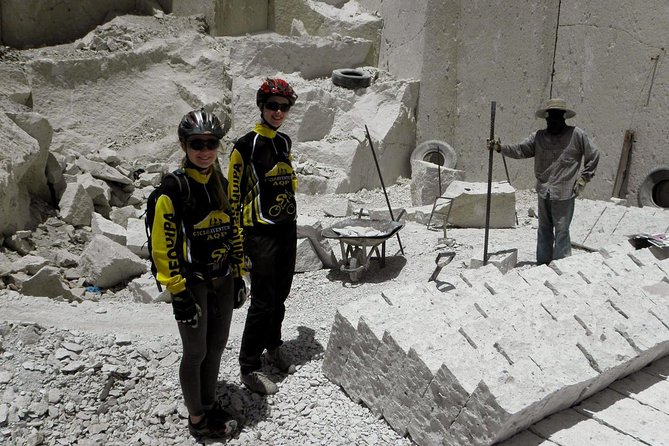
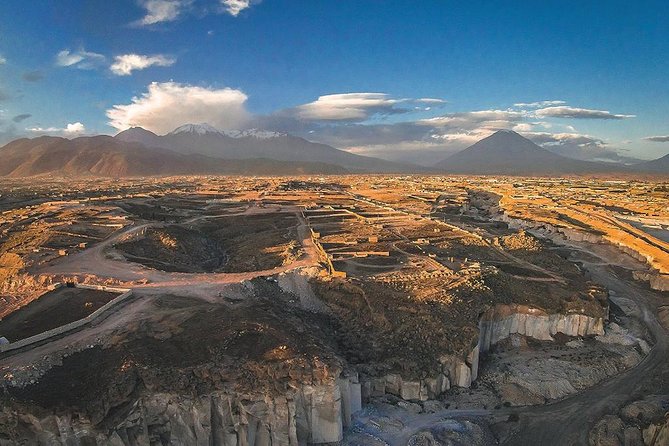
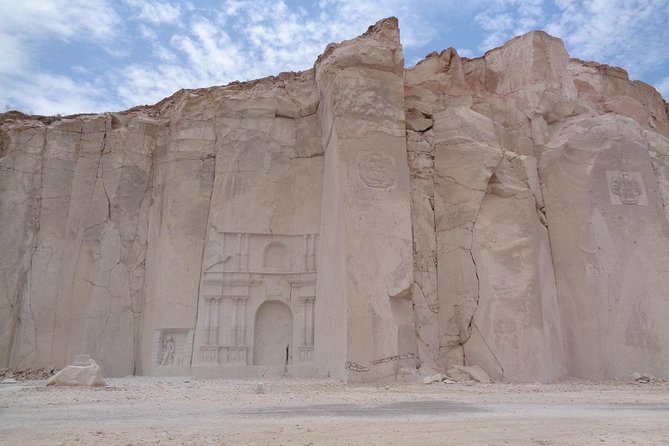
I especially like that the route includes a working site rather than only a finished monument. At Cantera de Añashuayco, stonemasons carry out their work from early in the morning. You are shown the enormous canyon and the tall ignimbrite walls created as blocks are extracted and shaped into ashlar stones.
The experience is not designed as a long historical tour with many separate stops. It is tighter and more practical. In about four hours, you get a clear introduction to the material, its production, and two very different settings: a broad quarry with evidence of human work and a narrow canyon shaped by water.
More Colca Canyon trips:
- 2 day 1 night trek / Colca Canyon
★ 5.0 · 1,069 reviews - From Arequipa: Colca Canyon Full-Day Guided Tour with Meals
★ 4.5 · 982 reviews - Tour to the Salinas Lagoon and National Reserve in Arequipa
★ 4.5 · 548 reviews
Cantera de Añashuayco and the Work of Stone
The first major stop is Cantera de Añashuayco, reached after pickup in central Arequipa. The visit is planned for around 9:00 a.m., a useful start time if you want to keep the rest of your day available.
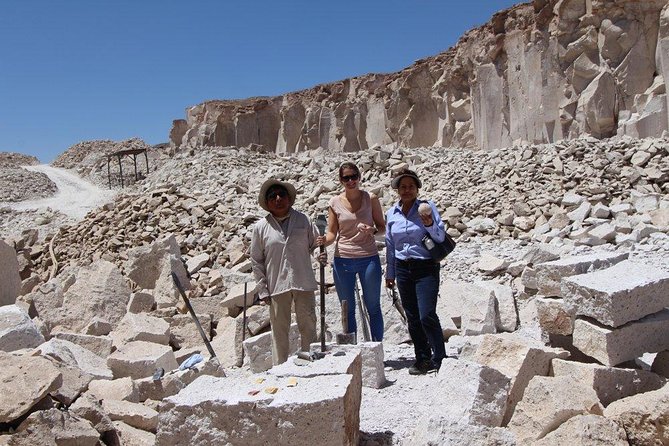
The quarry is still in operation. That matters because you are not looking at an abandoned industrial site or a staged display. The stonemasons’ work is part of the present-day route. You see the place as a source of building material and as a workplace connected to local craft.
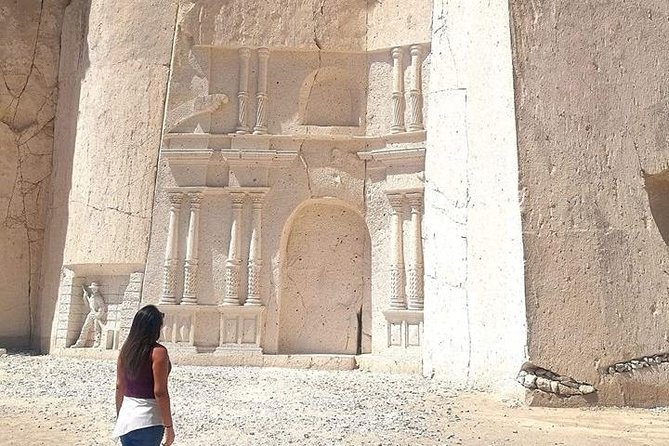
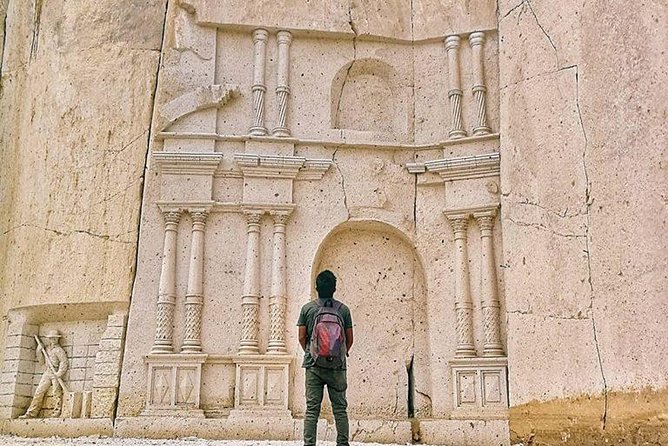
The quarry walls are the first big visual feature. They are formed from ignimbrite and rise several meters high. Their scale helps you understand how much material must be extracted before a single finished stone reaches a building project.
Your guide explains where sillar comes from, how it is prepared, and how it has been used over time. This explanation is central to the outing. Without it, the quarry could look like a pale rock face and little more. With the context, the cuts and layers become evidence of a trade and a city built around a particular volcanic stone.
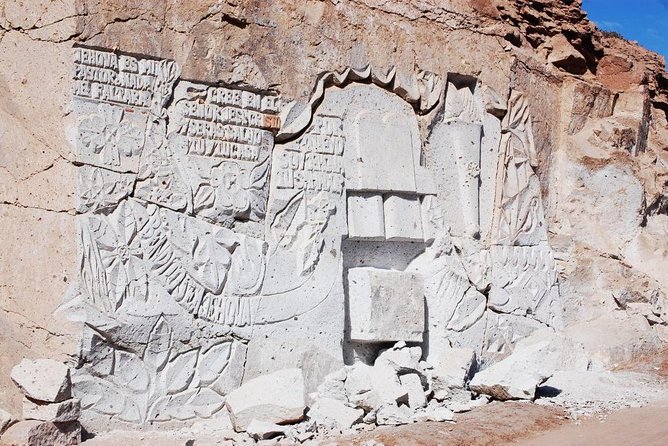
The route also gives you a chance to think about the difference between raw material and finished architecture. In Arequipa, the polished or carefully fitted stone can seem refined and formal. At the quarry, you see the rough source and the physical effort behind it. That contrast is one of the strongest reasons to choose this excursion.
A guide named Franco received particular praise for giving a very extensive and detailed explanation of both the quarry and Culebrillas. If Franco leads your outing, you can expect the interpretive side of the experience to be a major part of the value. The available feedback also describes the tour as well organized and suitable for a family, with a responsible guide.
One limitation is that the quarry visit is not a hands-on workshop. You learn about the work and observe the site, but the information provided does not promise that you will cut or shape sillar yourself. If you want a craft class, this is not that kind of activity. If you want to understand the source of Arequipa’s famous stone, it does the job well.
The Short Walk Into Quebrada de Culebrillas
After Añashuayco, the vehicle continues for about 30 minutes to Quebrada de Culebrillas. The change in setting gives the morning a useful second half. You move from an open quarry shaped by extraction to a smaller canyon shaped by the passage of water.
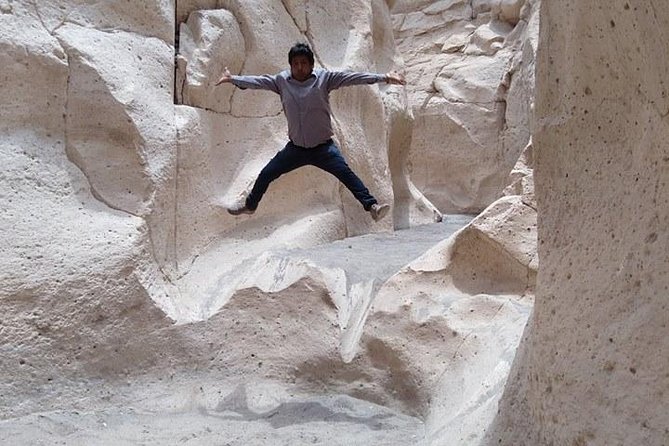
Once you arrive, the walk inside the canyon lasts about 20 minutes. The walls begin at roughly 15 to 20 meters high and increase as you go farther in. It is a short walk, but the narrowing walls give it a different feel from the first stop.
You do not need to plan this as a demanding trek. Still, the tour asks for moderate physical fitness, and you should be comfortable walking through a canyon on an uneven surface. The information provided does not specify the exact condition of the path, so sensible footwear is a practical choice.
Culebrillas is valuable because it shows another side of the same stone environment. At Añashuayco, human extraction has opened and shaped the rock. At Culebrillas, water has cut a passage through it. The two stops work together rather than feeling like unrelated attractions.
The walk is also short enough for people who want some movement without committing to a full-day hike. That makes the route a useful middle ground. You get an outdoor experience and changing scenery, but you are back in Arequipa around 1:00 p.m.
The main drawback is the limited walking time. If your priority is a long nature walk, Culebrillas may feel brief. The route is built around explanation and sightseeing, not a sustained hike. I would choose it for the combination of geology, local craft, and a compact canyon stroll.
How the Four-Hour Schedule Works
The stated duration is approximately four hours. Pickup is offered from your hotel if it is located in the city center. The day before the tour, the provider sends pickup details by WhatsApp, so you should watch for that message and keep your phone available.
The morning generally begins around 9:00 a.m. at Cantera de Añashuayco. The first visit covers the quarry, the tall ignimbrite walls, the origin of sillar, the way it is made, and its traditional uses.
The drive to Culebrillas takes about 30 minutes. After the canyon walk and explanation, the group returns to central Arequipa at approximately 1:00 p.m. That timing is helpful if you want lunch in town or have another afternoon plan.
The maximum group size is 15 people. This is not a private tour, but it is small enough to keep the group manageable. A smaller group also gives you a better chance of hearing the guide clearly during the explanations, especially when the main value comes from interpretation rather than a long list of stops.
Pickup is limited to hotels in the city center. If you are staying outside that area, you should confirm where to meet before booking. The available details do not promise pickup from every part of Arequipa.
The tour is offered in English. Confirmation is provided at booking, and the experience is available with a mobile ticket. These details make it easy to add to a short Arequipa stay, provided the hotel pickup area works for you.
More things to do in Arequipa:
- From Arequipa: Sillar Route Trek
★ 4.2 · 461 reviews - Colca Full Day Tour
★ 4.5 · 429 reviews - Rafting Arequipa – Chili River Canoeing – Cusipata Rafting Arequipa
★ 5.0 · 332 reviews - Arequipa: Chili River White Water Rafting with Hotel Pickup
★ 4.8 · 329 reviews
Is $22.50 a Fair Price?
At $22.50 per person, this is a fairly priced half-day excursion for what it includes. You receive transportation connected with the route, a guide, hotel pickup from the city center, and visits to both Cantera de Añashuayco and Quebrada de Culebrillas.
The value depends on what you want from the morning. If you only need a vehicle to the quarry, you may find the price less compelling. The important benefit is the explanation. You are not simply dropped beside a rock wall and sent off to look around. The guide provides the story of sillar, its production, and its use, then explains the second site as well.
Admission tickets are not included. The supplied information does not state the additional entrance cost, so you should allow for that when planning your budget. The tour remains inexpensive by organized excursion standards, but the final amount will be slightly higher than the headline price if an admission fee applies.
The small group limit also supports the price. With no more than 15 people, the experience should feel more personal than a large coach outing. It is still a shared tour, so you should not expect the flexibility or private attention of a custom guide.
I see the strongest value for families, first-time visitors to Arequipa, and anyone curious about how the city’s stone architecture begins at the quarry. It is less suited to you if you want a strenuous outdoor adventure, a full-day trip, or a workshop in stone carving.
Who Will Enjoy This Route Most?
This outing works well for a family because the schedule is short, the return is early, and the route combines explanation with a manageable walk. The positive family feedback points to organization and responsible guiding as important strengths.
It also suits you if you like local industry and living culture. The quarry is still active, and the stonemasons’ work gives the visit a present-day purpose. You are seeing a continuing trade, not just a historical reconstruction.
The route is a good choice for people with limited time in Arequipa. Four hours is enough to get beyond the city without giving up the entire day. You can fit it between other plans, though you should remember that the return time is approximate.
You should think twice if walking on uneven ground is difficult. The tour requires moderate physical fitness, and the Culebrillas portion takes place inside a canyon. The walk is only about 20 minutes, but the route is not described as fully accessible.
The tour also may not satisfy you if you want extensive time at each site. The schedule includes two stops, a 30-minute transfer between them, and a return to the city by early afternoon. Its strength is focus, not a slow, all-day pace.
Practical Tips for a Better Morning
Wear shoes that feel secure for a short canyon walk. The route includes a walk inside Culebrillas, and the surface is not described in detail, so basic comfort and stability matter more than fashion.
Keep your morning flexible. The tour is scheduled to return around 1:00 p.m., but the duration is approximate. Do not place an important appointment immediately afterward.
Read the WhatsApp message sent the day before. That message contains the pickup details, and pickup is available only if your hotel is in the city center.
Ask about the admission charge when you book or before departure. Admission is not included, and no amount is specified in the available information.
If English guiding is important to you, confirm the language at booking. English is offered, and the tour’s value depends heavily on understanding the explanations about sillar and the two sites.
Pay attention to the contrast between the stops. At Añashuayco, look at how extraction has created the quarry walls and listen for the connection between the raw stone and Arequipa’s buildings. At Culebrillas, notice how the canyon changes as its walls rise around the route.
Should You Book the Sillar Route?
Book it if you want a short, affordable introduction to Arequipa’s most distinctive building material, with an active quarry, a canyon walk, and an English-speaking guide. The strongest reasons are the working stonemasons at Añashuayco, the detailed explanations, and the useful four-hour schedule.
I would especially recommend it for a first visit, a family morning, or a spare half-day between city sights. Guide Franco’s detailed presentation received specific praise, and the route has enough substance to feel like more than a quick photo stop.
Skip it if you want a long hike, private touring, or a practical stone-carving lesson. You should also check the pickup area and extra admission cost before committing. For most visitors who want to understand where Arequipa’s pale stone comes from, though, this is a sensible way to spend a morning.
FAQ
Where does the Sillar Route tour take place?
The tour takes place in Arequipa, Peru. It visits Cantera de Añashuayco and Quebrada de Culebrillas.
How long does the tour last?
The experience lasts approximately four hours. It begins around 9:00 a.m. and returns to central Arequipa at about 1:00 p.m.
Is hotel pickup available?
Yes. Pickup is offered from hotels located in Arequipa’s city center. Pickup details are sent by WhatsApp the day before the tour.
Is the tour offered in English?
Yes. English is one of the languages offered for this experience.
How much does the tour cost?
The listed price is $22.50 per person. Admission tickets are not included.
How much walking is involved?
At Quebrada de Culebrillas, you walk for approximately 20 minutes inside the canyon. The tour requires a moderate level of physical fitness.
What is the cancellation policy?
You can cancel at least 24 hours before the start time for a full refund. Cancellations or changes made less than 24 hours before the experience are not accepted for a refund.
Just added in Arequipa
- Sillar Route★ 5.0 · 4 reviews
- Salinas Lagoon + Mini Volcano DE Lojen★ 5.0 · 9 reviews
- 3-Day Colca Canyon trek with Professional Guide★ 5.0 · 40 reviews
- Full Day Tour To The Salt Lake Salinas in Arequipa★ 4.5 · 34 reviews
- Walking City tour including the Monastery of Santa Catalina★ 5.0 · 6 reviews
- Trekking, Waterfalls and Thermal Baths★ 4.5 · 47 reviews
- Downhill Tour – Mountain Bike in Arequipa★ 3.5 · 5 reviews
- 2 Days 1 Night trekking Through Colca Canyon, Private room★ 5.0 · 16 reviews
Colca Canyon and Arequipa Tours, compared.
From Arequipa: Colca Canyon Full-Day Guided Tour with Meals
Read our review →
Tour to the Salinas Lagoon and National Reserve in Arequipa
Read our review →
Rafting Arequipa – Chili River Canoeing – Cusipata Rafting Arequipa
Read our review →
Chili River White Water Rafting with Hotel Pickup
Read our review →
Browse the lists this tour appears in