
Reviewed · COLCA CANYON AND AREQUIPA TOURS
Tour to the Sillar Route from Arequipa | Half Day
White stone tells Arequipa’s story. This half-day trip takes you from the city to the quarries that supplied its famous pale buildings, with volcano views, working stonecutters, a narrow canyon, and unexplained petroglyphs along the way. I like the authentic stonework at Añashuayco Quarry, and I like that the outing fits neatly into a morning.
The main drawback is the guide service. One English-speaking participant found the explanations clear, while another said the guide spoke too softly and allowed too little time to explore alone. I would treat this as a good-value introduction to the Sillar Route, but I would ask the guide to speak up and explain how much free time you will have at each stop.
In This Review
- Key points to know before you go
- Why the Sillar Route matters to Arequipa
- The 8:50 a.m. pickup and first volcano viewpoint
- Añashuayco Quarry and the people behind the White City
- The 30-minute ride to Quebrada de Culebrillas
- Culebrillas Canyon and the petroglyphs
- What $25 really buys you
- How to prepare for this half-day outing
- Who will enjoy this tour most
- Should you book the Sillar Route?
- FAQ
- Where does the Sillar Route tour take place?
- How long does the tour last?
- Is hotel pickup included?
- What transport is used?
- Are English and Spanish guides available?
- What entrance fees must I pay?
- What should I bring?
- Can I cancel for a full refund?
Key points to know before you go
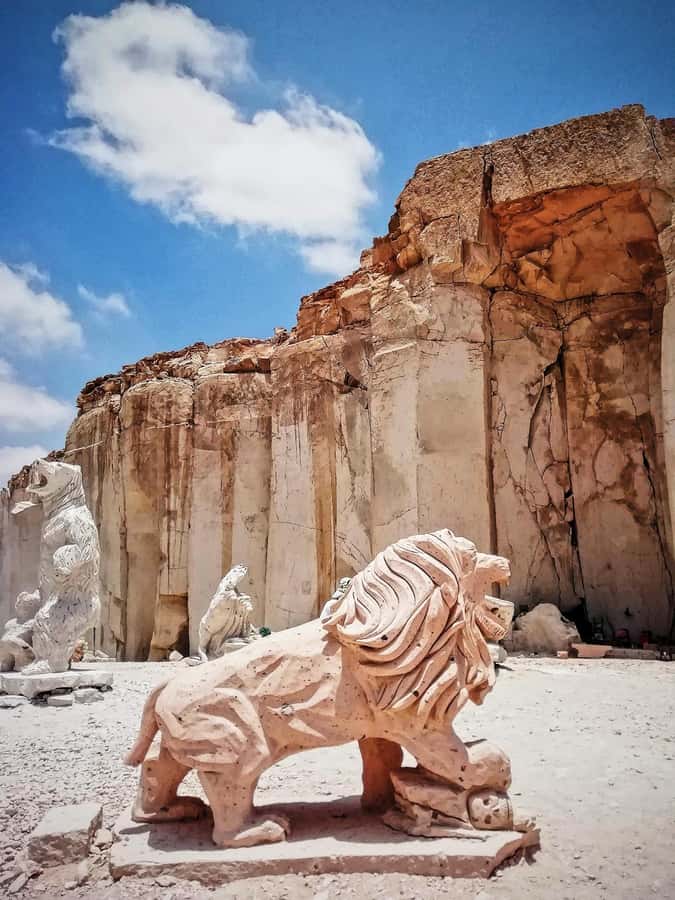
- Añashuayco Quarry: See local artisans cut and shape the pale volcanic stone used throughout Arequipa.
- Culebrillas Canyon: Walk for about 20 minutes between stone walls reaching up to 20 metres high.
- Volcano viewpoint: Begin with wide views of the volcanoes around Arequipa before reaching the quarries.
- Ancient petroglyphs: Look for carved figures whose meaning has not yet been deciphered.
- Real cost: The advertised price is $25 per person, plus $10 in entrance fees, making the known total $35 before any additional costs.
- Simple morning schedule: Hotel pickup is planned for 8:50 a.m., with a return to Arequipa around 1 p.m.
Why the Sillar Route matters to Arequipa
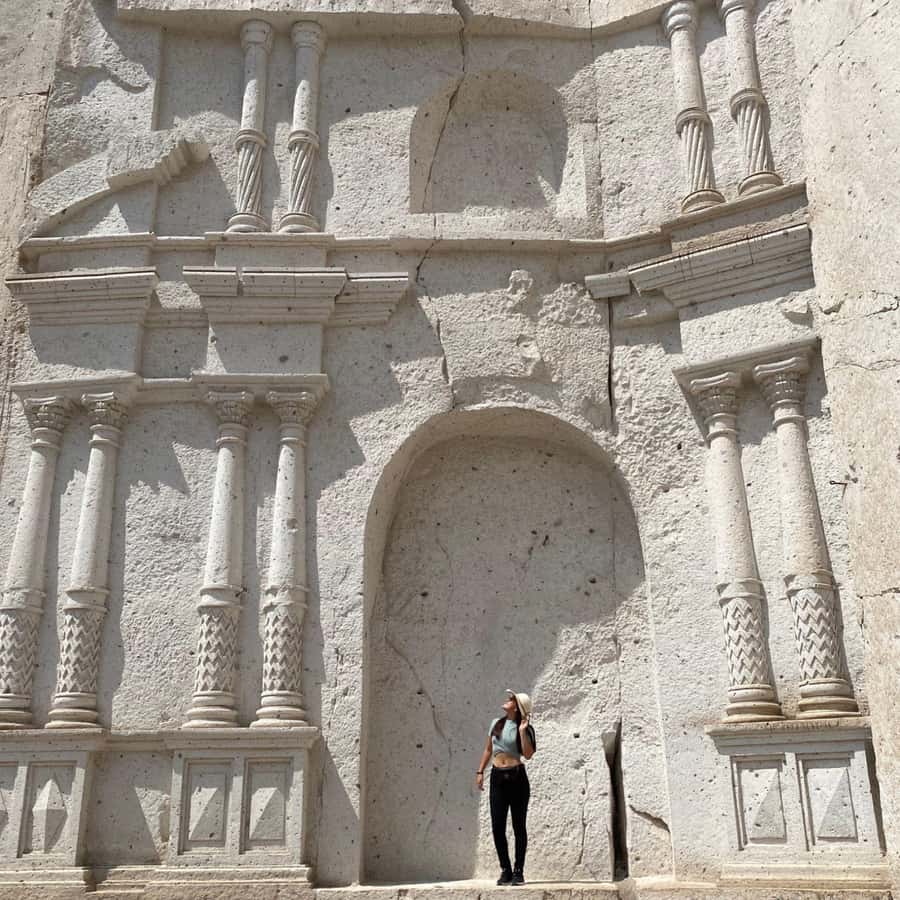
Arequipa is often called the White City because so many of its historic buildings use sillar, a light volcanic ashlar stone. The material gives the city a bright, almost glowing appearance, especially around its churches, courtyards, and older streets.
The Sillar Route helps you see where that character came from. Instead of only admiring pale walls in the city centre, you reach the quarries and watch the material being worked. That change of setting matters. You begin to understand that Arequipa’s architecture is tied to hard manual labour, local stone, and the volcanic ground around the city.
The stone-working tradition has received recognition as Intangible Cultural Heritage of the Nation. That makes the quarry visit more than a photo stop. You are seeing a living craft connected to the identity of Arequipa.
I also like the scale of the trip. At about five hours, it gives you a useful look at the region without taking a full day away from Arequipa. You can visit in the morning and still have much of the afternoon available for the city, a museum, or a slower meal.
More Colca Canyon trips:
- 2 day 1 night trek / Colca Canyon
★ 5.0 · 1,069 reviews - From Arequipa: Colca Canyon Full-Day Guided Tour with Meals
★ 4.5 · 982 reviews - Tour to the Salinas Lagoon and National Reserve in Arequipa
★ 4.5 · 548 reviews
The 8:50 a.m. pickup and first volcano viewpoint
The tour begins with pickup from your accommodation in Arequipa at 8:50 a.m. Transport is by bus or minibus, and the guide speaks Spanish and English.
The exact vehicle and group size are not specified, so I would not book this expecting a private outing. The format is designed as a shared excursion. That keeps the price low, but it can affect how long you wait for other people and how easily you can hear the guide.
The first stop is a viewpoint overlooking the volcanoes surrounding Arequipa. This gives you a useful sense of place before the quarry visit. The city is not an isolated urban stop. Its stone, views, and daily life are closely tied to the volcanic region around it.
Bring your camera, but do not let the viewpoint become the whole event. The most meaningful part of the morning comes later, when you see how the stone is cut and understand why it appears so often in Arequipa’s buildings.
The tour description gives an 8:50 a.m. pickup and a return around 1 p.m., although the stated duration is five hours. That timing suggests a fairly efficient morning. If you want long stops for sketching, extended photography, or quiet exploration, this may feel brisk.
Añashuayco Quarry and the people behind the White City
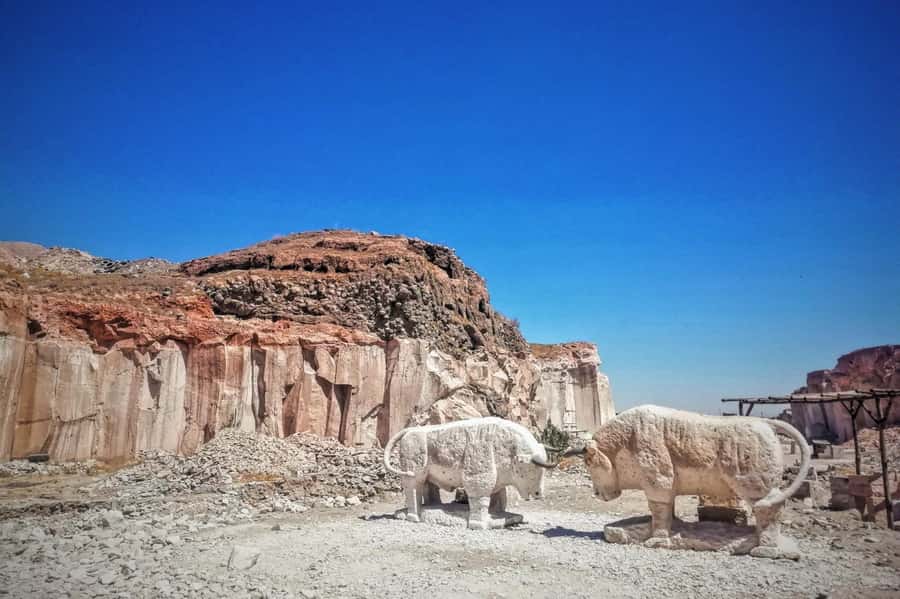
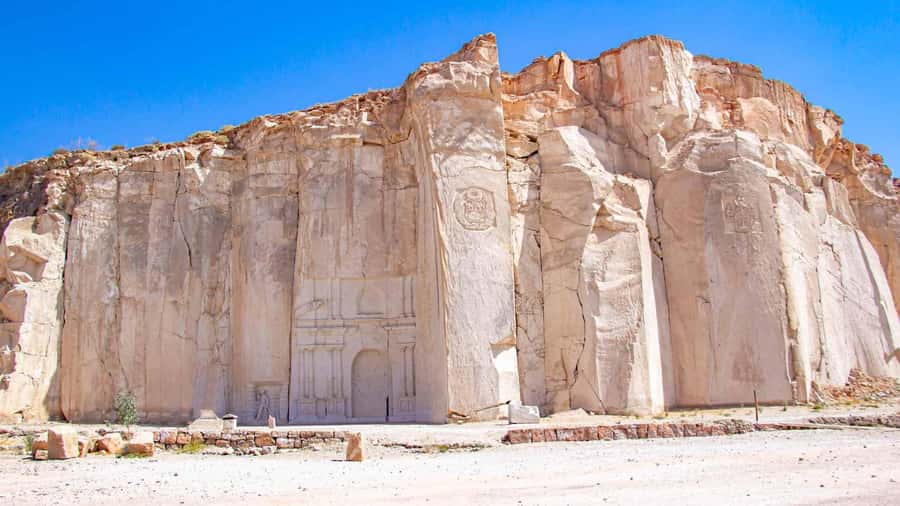
The first main stop is Añashuayco Quarry. Here, local artisans work the sillar stone, and the guide explains how it is carved.
This is the strongest part of the outing for me because it connects an impressive city style with a physical process. At first, sillar can seem like a simple decorative material. At the quarry, you see that every block begins as volcanic stone and must be shaped by hand before it can become part of a wall, doorway, or carved feature.
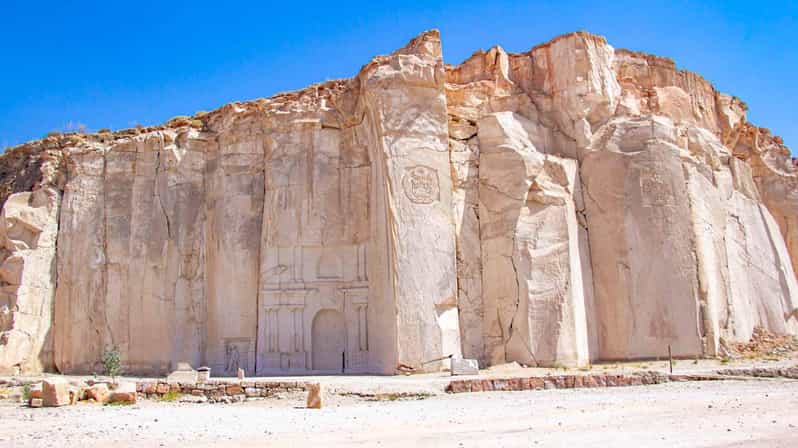
You can watch the artisans at work and learn about the carving process. The experience is most useful if you pay attention to the relationship between the workers and the quarry walls. The huge cuts in the ashlar create a canyon of their own, showing the effect of years of stone extraction.
The quarry is also where the title White City becomes clear. Arequipa’s pale buildings are not just a visual choice. They reflect the local material available in the surrounding region. A short visit here gives you context that you cannot get from simply taking photographs in the city.
I would listen closely during this stop and ask questions early. One past participant found the guide’s voice too quiet even after asking for more volume. If you are at the back of a minibus or standing away from the group, you may miss useful details. Move near the guide, and politely ask for a louder explanation before the group spreads out.
The amount of time for personal exploration may also be limited. If the guide gives a fixed talk and quickly gathers the group, you may have only a short period to study the quarry walls or watch the stoneworkers. This is a place where a few extra minutes would improve the visit, so ask how long you have before wandering off.
The 30-minute ride to Quebrada de Culebrillas
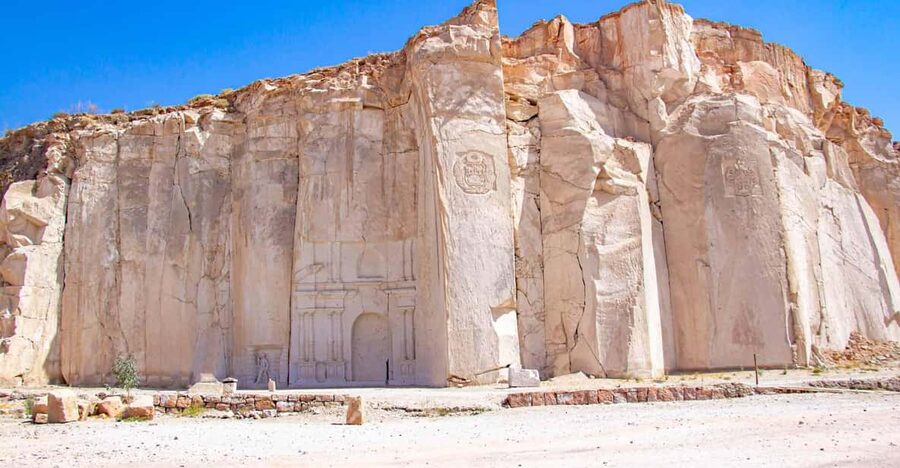
From Añashuayco, the vehicle continues for about 30 minutes to Quebrada de Culebrillas. This transfer divides the tour into two different experiences.
The quarry shows an active craft and the source of Arequipa’s building stone. Culebrillas offers a more enclosed setting, with canyon walls rising up to 20 metres. The journey between them gives the guide another chance to explain the area, but the quality of that explanation depends heavily on volume and timing.
If you have trouble hearing in a moving vehicle, sit as close to the guide as possible. The information about the stone and the route adds value to the drive. Without it, the transfer is simply transport from one stop to the next.
The canyon visit involves a walk of about 20 minutes through its interior. That is not a long hike, but you should still wear comfortable shoes and expect uneven ground. The supplied information does not give a detailed difficulty rating, so I would plan for a basic walking excursion rather than a paved sightseeing stop.
The canyon’s scale changes the mood of the morning. The quarry feels open and active, while the narrow walls of Culebrillas draw your attention upward and inward. The walk is short enough for most people who are comfortable with ordinary walking, but it should not be treated as a stop where you remain beside the vehicle.
More things to do in Arequipa:
- From Arequipa: Sillar Route Trek
★ 4.2 · 461 reviews - Colca Full Day Tour
★ 4.5 · 429 reviews - Rafting Arequipa – Chili River Canoeing – Cusipata Rafting Arequipa
★ 5.0 · 332 reviews - Arequipa: Chili River White Water Rafting with Hotel Pickup
★ 4.8 · 329 reviews
Culebrillas Canyon and the petroglyphs
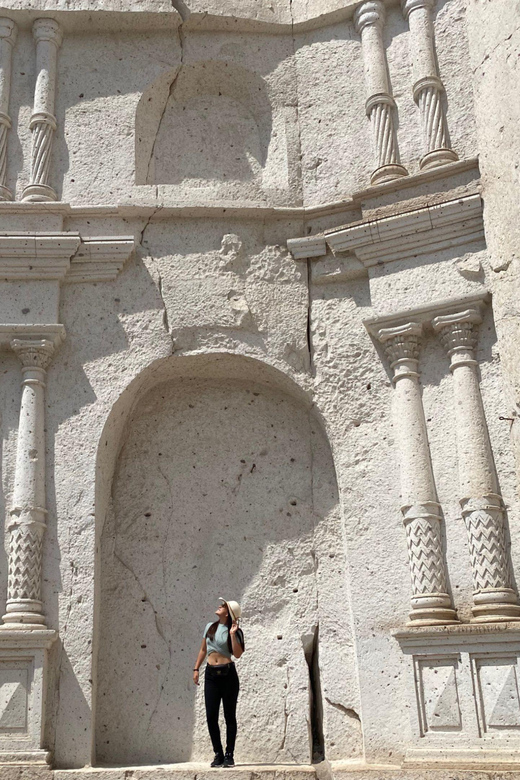
The final stop on the Sillar Route focuses on petroglyphs carved into the canyon stone. These mysterious figures have not yet been deciphered, so the appeal comes partly from the unanswered questions.
You should keep your expectations sensible. This is not presented as a museum with a complete explanation of each figure. The value is in seeing the carvings in their original stone setting and knowing that their meaning remains uncertain.
The 20-minute walk through the canyon is important here. You are not simply shown a photograph or a single marked object. You enter the canyon and examine its walls as the route continues. Pay attention to the rock surfaces, since the petroglyphs may not feel as obvious as a large modern sign.
One practical point deserves attention. A past participant felt that useful advice about mosquito protection was missing for the canyon. The official items to bring include biodegradable sunscreen, personal medication, a passport or identity card, and a pen, but mosquito protection is not listed. I would ask about local conditions before leaving and bring the protection you normally use if insects are a concern.
Do not touch or climb on the carved areas. Even when the meaning is unknown, the figures are part of the cultural record of the place. A careful visit protects the stone and leaves room for others to see the marks clearly.
What $25 really buys you
At $25 per person, the tour is priced as an affordable guided outing from Arequipa. Hotel pickup, transport by bus or minibus, and a bilingual guide are included.
The advertised price does not cover everything. You must add $5 for the Sillar Route entrance and another $5 for Culebrillas Canyon. That brings the known cost to $35 per person before travel insurance or other personal spending.
That is still reasonable if you value convenience. Getting to two quarry areas independently may require arranging separate transport and working out where to pay the entrance charges. Here, the vehicle and route are organized, and you have a guide to connect the stops.
The value is less convincing if you mainly want plenty of free time. The tour moves through several sites in one morning, and a past participant felt the schedule allowed too little independent exploration. You are paying for access, transport, and an overview, not a slow photographic workshop.
The bilingual format is another factor. English and Spanish are both offered, which is useful for mixed-language groups. Clear commentary has been praised, but the volume problem reported by one participant is worth taking seriously. A guide who speaks quietly can reduce the value of an otherwise worthwhile stop.
How to prepare for this half-day outing
Keep your packing simple, but bring the items requested for the activity:
- Passport or identity card
- Biodegradable sunscreen
- Personal medication
- Pen
Comfortable walking shoes make sense for the canyon section. The walk lasts about 20 minutes, but the route passes through a canyon rather than a polished city attraction. The information provided does not specify the surface, so sensible footwear is the safer choice.
Bring water and protect yourself from the sun as part of your normal day-trip routine, although the tour details do not list refreshments as an inclusion. If you use mosquito protection, ask about conditions and carry it, since the canyon advice was not always clearly explained.
A pen may seem like an odd item on the list, but take one. The tour specifically asks you to bring it, and it costs little space in your bag.
Most important, manage your time expectations. You will visit a viewpoint, a working quarry, a canyon, and a petroglyph site in one morning. That is a lot of ground for a five-hour outing. I would enjoy the stops in sequence instead of expecting a long, quiet period at each one.
Who will enjoy this tour most
I would recommend the Sillar Route to you if you want to understand Arequipa through its building material. It suits people who enjoy local crafts, geology, cultural sites, and short walks more than those who want a long trek or a highly polished museum presentation.
It is also a good fit if you have limited time in Arequipa. The morning schedule leaves the afternoon open, and the route adds a strong regional experience without requiring a full-day commitment.
Families and mixed-age groups may appreciate the short walking section, though the exact accessibility of the canyon is not stated. Anyone who needs detailed mobility information should ask the provider before booking.
You may want another option if your top priority is independent exploration, long photography stops, or extensive interpretation in English. The experience depends on the guide’s speaking volume and the pace of the group. A clear guide can make the route feel focused and informative, while a quiet guide or hurried schedule can leave you wishing for more.
The provider, MachuPicchu Peru tours, offers free cancellation up to 24 hours before the activity for a full refund. You can also reserve now and pay later, which helps if your Arequipa plans are still shifting.
Should you book the Sillar Route?
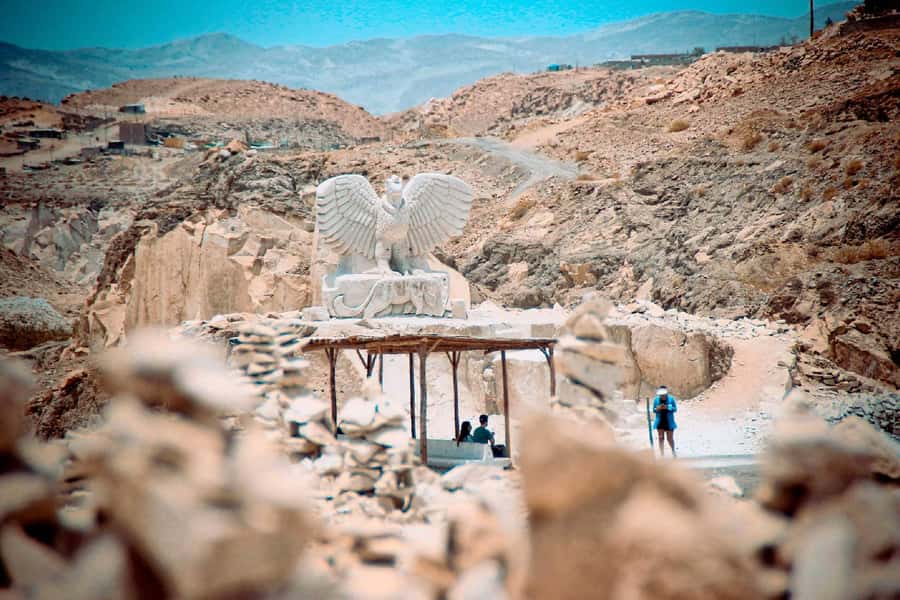
I would book this tour if you want a low-cost, well-packed introduction to the stone quarries outside Arequipa. The combination of volcano views, working artisans, tall canyon walls, and undeciphered petroglyphs gives the morning more substance than a simple viewpoint excursion.
Before departure, I would confirm the pickup details and ask the guide to speak clearly in English. I would also ask how much time is available at Añashuayco and Culebrillas, then bring sunscreen, medication, identification, comfortable shoes, a pen, and mosquito protection if needed.
The tour is best seen as a practical overview, not a leisurely day among the quarries. If that suits your plans, the $35 known total including entrance fees is fair. If you need a slow pace and plenty of time alone, look for a smaller or private option instead.
FAQ
Where does the Sillar Route tour take place?
The tour takes place in the Arequipa Region of Peru, visiting the Añashuayco Quarry and Quebrada de Culebrillas.
How long does the tour last?
The stated duration is five hours. Pickup begins at about 8:50 a.m., and the return to Arequipa is planned for around 1 p.m.
Is hotel pickup included?
Yes. Pickup from your accommodation in Arequipa is included.
What transport is used?
Transport is provided by bus or minibus.
Are English and Spanish guides available?
Yes. The activity includes a live bilingual guide in English and Spanish.
What entrance fees must I pay?
The Sillar Route entrance costs $5 per person, and the Culebrillas Canyon entrance costs another $5 per person. These charges are not included in the tour price.
What should I bring?
Bring your passport or identity card, biodegradable sunscreen, personal medication, and a pen. You may also want to ask about mosquito protection for the canyon.
Can I cancel for a full refund?
Yes. You can cancel up to 24 hours in advance for a full refund. You can also reserve now and pay later.
Just added in Arequipa
- Sillar Route★ 5.0 · 4 reviews
- Salinas Lagoon + Mini Volcano DE Lojen★ 5.0 · 9 reviews
- 3-Day Colca Canyon trek with Professional Guide★ 5.0 · 40 reviews
- Full Day Tour To The Salt Lake Salinas in Arequipa★ 4.5 · 34 reviews
- Walking City tour including the Monastery of Santa Catalina★ 5.0 · 6 reviews
- Trekking, Waterfalls and Thermal Baths★ 4.5 · 47 reviews
- Downhill Tour – Mountain Bike in Arequipa★ 3.5 · 5 reviews
- 2 Days 1 Night trekking Through Colca Canyon, Private room★ 5.0 · 16 reviews
Colca Canyon and Arequipa Tours, compared.
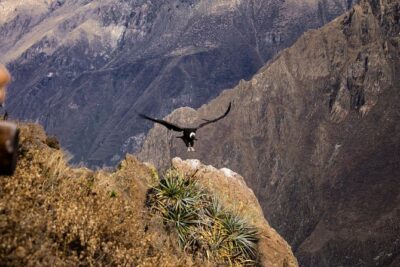
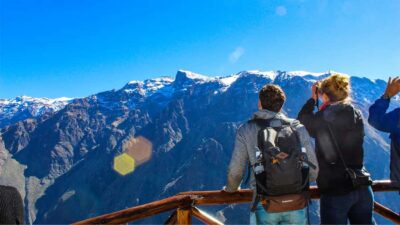
From Arequipa: Colca Canyon Full-Day Guided Tour with Meals
Read our review →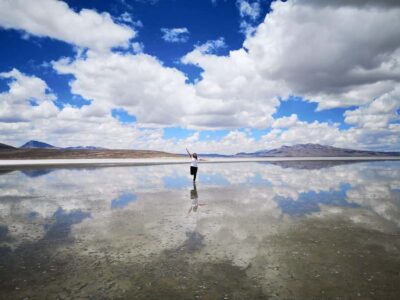
Tour to the Salinas Lagoon and National Reserve in Arequipa
Read our review →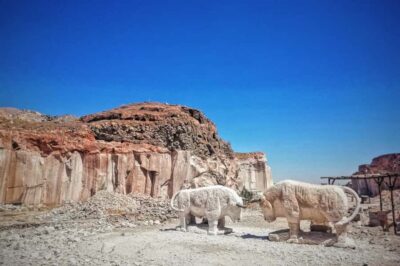
Rafting Arequipa – Chili River Canoeing – Cusipata Rafting Arequipa
Read our review →
Chili River White Water Rafting with Hotel Pickup
Read our review →
Browse the lists this tour appears in