
Reviewed · MACHU PICCHU TOURS
2 Day – Inca Trail to Machu Picchu
Catch Machu Picchu from the trail. This two-day Short Inca Trail combines a proper hike, ancient ruins, cloud forest, and an early return to the citadel. I especially like the visit to Wiñay Wayna and the first view from Inti Punku, when Machu Picchu appears below in the afternoon light. The next morning adds a sunrise visit, though the long first-day hike and strict ticket rules deserve serious attention.
The $699 price covers the guide, trail and Machu Picchu entrances, meals, trains, buses, and private transfers. That is a useful package for someone who wants the major moving parts handled, but I would confirm every ticket and hotel detail before paying. The tour has a 4.8 rating, 96 percent recommendation rate, and a maximum of 10 people.
In This Review
- Key points to know before you book
- The Short Inca Trail gives you the best two-day rhythm
- From Cusco to Km. 104 by private transfer and train
- Chachabamba starts the hike with ruins and cloud forest
- Wiñay Wayna is the day’s finest ruin
- Inti Punku delivers the first Machu Picchu view
- Aguas Calientes brings a short night and an early start
- Sunrise at Machu Picchu requires a 5:30 a.m. bus
- Returning to Aguas Calientes and Cusco
- What the $699 price really covers
- The main risks are ticket supply and communication
- Who will enjoy this two-day route most
- Should you book the 2-day Inca Trail?
- FAQ
- How long is the 2-day Inca Trail experience?
- Where does the tour start in Cusco?
- Where does the tour end?
- What physical fitness level is required?
- What is the maximum group size?
- Is the Inca Trail entrance included?
- Is transportation included?
- Are meals included?
- Do I need my passport?
- Is a walking stick included?
- Can I cancel for a full refund?
Key points to know before you book
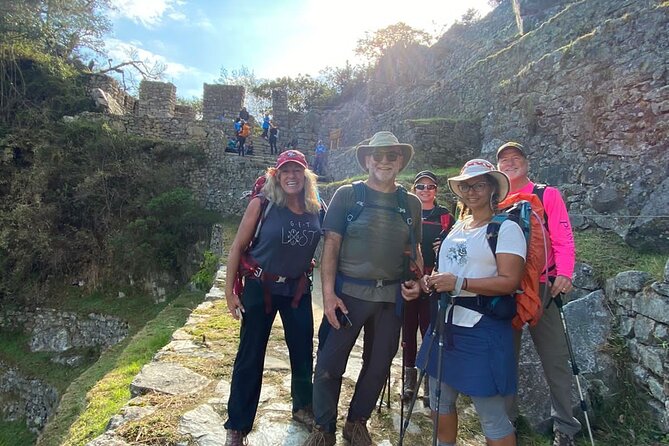
- The hike begins at Km. 104, not at the full Inca Trail starting point, making this a shorter route with major ruins and a Sun Gate finish.
- Wiñay Wayna is the day’s great archaeological stop, reached through cloud forest filled with orchids and native plants.
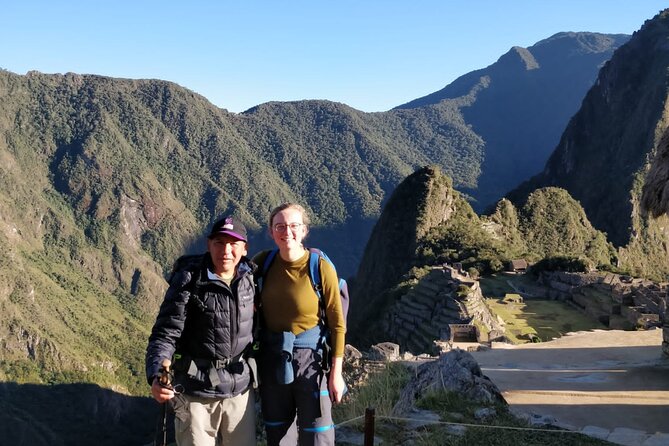
- Inti Punku gives you a first Machu Picchu view, usually in softer afternoon light before the next day’s formal citadel visit.
- The first buses leave at 5:30 a.m., so your second day starts early if sunrise is a priority.
- The package includes major transport and entrance costs, but a walking stick costs PEN 30, and lunch on the second day is not included.
- Ticket changes can be difficult, especially if one person in a booking becomes ill or no longer wants to hike.
The Short Inca Trail gives you the best two-day rhythm
The full Inca Trail takes several days and includes demanding high passes. This version uses the Short Inca Trail, beginning at Km. 104 after a train ride from Ollantaytambo. You still hike on an original Inca route, see important ruins, and enter Machu Picchu through Inti Punku, but you avoid the longer expedition.
That makes this a good choice if you want the trail experience without giving up an entire week. It is not an easy stroll, though. One account describes more than six hours of hiking on the first day, and the official guidance calls for moderate physical fitness. You should expect uneven ground, uphill sections, changing weather, and a full day on your feet.
The small maximum group size of 10 is another plus. A guide can usually keep the group together more easily, answer questions, and adjust the pace better than on a large coach excursion. Guides named in the feedback include Stiven, Alfredo Cruz, Jhimmy, and Rodrigo, with particular praise for their patience, historical explanations, and attention to the natural setting.
More Machu Picchu trips:
- Classic Inca Trail Trek 4D/3N to Machu Picchu (Group Service)
★ 5.0 · 8,653 reviews - Machu Picchu: 4-Day Inca Trail Trek with Panoramic Train Ride
★ 5.0 · 4,568 reviews - Short Inca Trail to Machu Picchu 2D/1N
★ 5.0 · 3,007 reviews
From Cusco to Km. 104 by private transfer and train
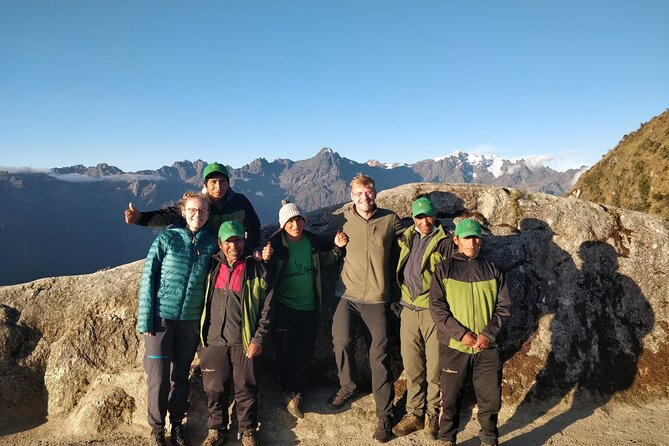
Your day begins early at Plaza de Armas in Cusco. A private transfer takes you to Ollantaytambo, where you board the train toward Km. 104. This first section matters because the route is not simply a bus ride to a trailhead. You are combining road travel, rail travel, a checkpoint, and a hike before reaching Machu Picchu.
The train ride is part of the pleasure. The route follows the Urubamba River and moves from the drier highlands toward warmer country with thicker vegetation. The included service is listed as an Expedition train, and the return journey goes to Ollantaytambo before a van continues to Cusco.
At Km. 104, you pass the official control point. Keep your original passport with you. You will need it at the checkpoint, and it is also specifically required for the Machu Picchu entrance the next morning.
Chachabamba starts the hike with ruins and cloud forest
The first archaeological stop is Chachabamba. This small site gives your guide a chance to explain how Inca settlements and ceremonial spaces fit into the route before the path turns deeper into the forest.
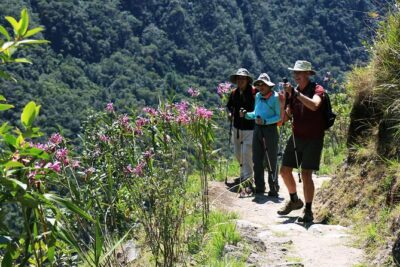
The surroundings change as you climb. The cloud forest brings orchids, native plants, damp air, and a greener setting than you will see around Cusco. I like this section because the hike is not just a march toward Machu Picchu. The plants and terrain provide a second subject for the guide, alongside the Inca remains.
Take your time here. The trail is physically demanding, and the day includes several major stops. A sensible pace will leave you more alert at Wiñay Wayna and Inti Punku, rather than treating the first hours as a race.
Wiñay Wayna is the day’s finest ruin
Wiñay Wayna means Forever Young. It is one of the most memorable sites on this route, with agricultural terraces and stonework set high above the river corridor. The setting is part of the appeal: you are surrounded by steep slopes, forest, and open views rather than looking at the ruins in isolation.
This is where a good guide earns the fee. Alfredo Cruz, Stiven, and Jhimmy were praised for explaining Inca culture, history, and the connection between the route and the wider Andes. The quality of the interpretation can change the experience from a strenuous walk with ruins into a clearer picture of how the Inca used water, terraces, paths, and mountain sites.
Lunch is served around Wiñay Wayna or along this scenic section, according to the planned route. Lunch is included on the first day. It is described as satisfactory, while dinner receives especially positive comments. You should still carry water and any small snacks you personally rely on, since a long hiking day is easier when you do not wait until a meal stop to refuel.
More hikes and treks in Cusco:
- Salkantay Classic Trek 5 Days from Cusco
★ 5.0 · 4,062 reviews - 4-Day Salkantay Trek with Sky Camp Stay
★ 5.0 · 3,346 reviews - Salkantay Trek 5D/4N with Glass Cabins, Domes and Hobbit House
★ 5.0 · 2,488 reviews - 2-Day Inca Trail to Machu Picchu with Panoramic Train
★ 5.0 · 1,876 reviews
Inti Punku delivers the first Machu Picchu view
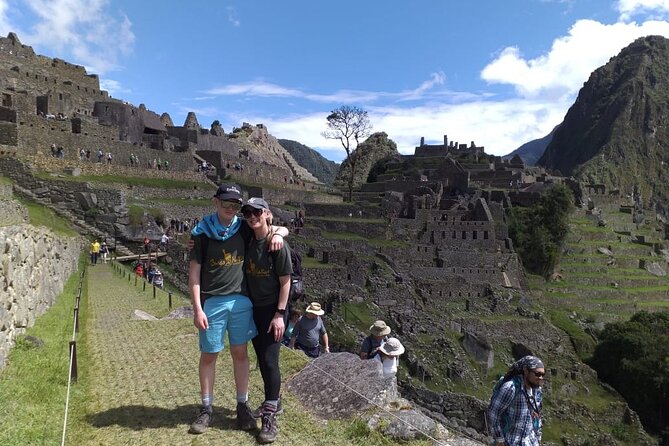
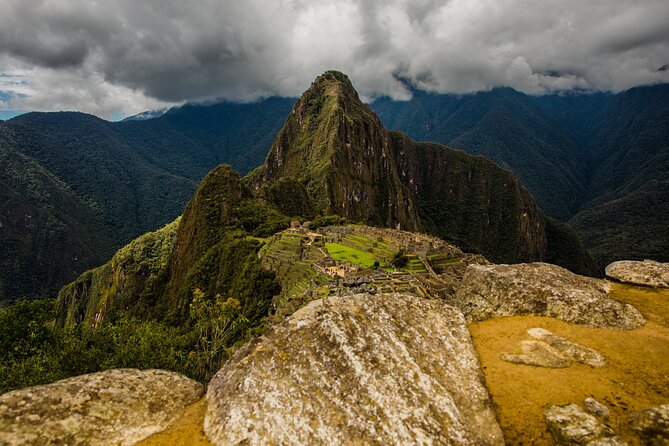
From Wiñay Wayna, the trail continues toward Inti Punku, the Sun Gate. This is the emotional payoff of day one. Instead of arriving at Machu Picchu by bus and seeing it immediately from the standard entrance area, you approach on foot and look down from the trail.
The planned arrival is in the afternoon, when the citadel may be lit by warm, slanting light. The view includes Machu Picchu, the surrounding mountains, and the Urubamba River far below. It is a fine moment for photographs, but weather can affect visibility. Clouds are part of the cloud forest experience, so do not judge the whole day by one hazy view.
The schedule then includes Machu Picchu at Circuit 1-B near closing time. This can offer a quieter first look and different photo angles, though your time will be limited by the late hour. The next morning is the more substantial citadel visit, using Circuit 3 and a private guided walk of about two to two and a half hours.
Aguas Calientes brings a short night and an early start
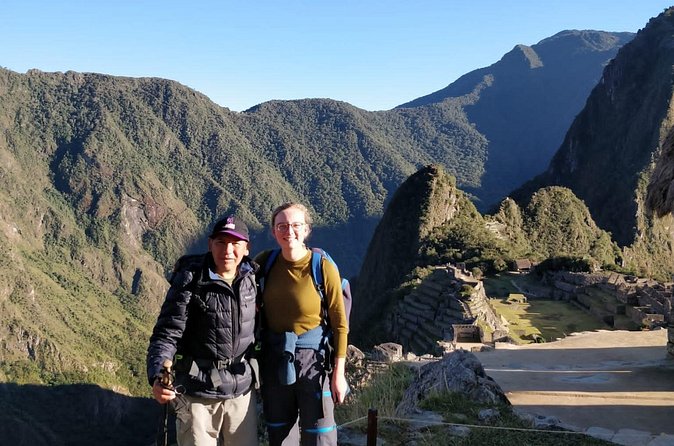
After the first day, you take a bus for about 30 minutes to Aguas Calientes. The town is the base for the night, with hotel check-in and dinner before the next morning’s Machu Picchu visit.
The overnight stop is practical rather than leisurely. The hotel is described as decent, but one account found the room warm, without a fan or air conditioning, and noisy with the windows open. That is worth considering because you will need to sleep early for the sunrise departure. The formal inclusion list does not clearly describe the hotel category, so confirm the accommodation details before booking.
Breakfast is included on day two. The planned meal includes hot drinks and a freshly prepared breakfast, but one reported breakfast was only a dry sandwich, banana, and yogurt. Food standards can vary, so pack a little extra food if breakfast quality matters to you.
Sunrise at Machu Picchu requires a 5:30 a.m. bus
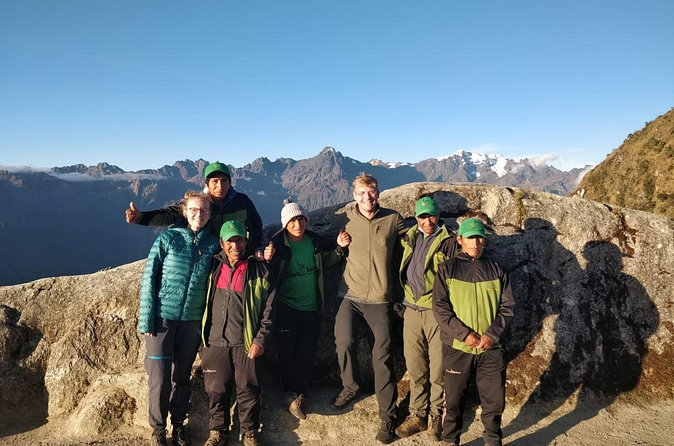
Your guide and team wake you with a choice of hot drinks. You pack your duffel bag and day pack, then walk about five minutes to the bus station. The first buses leave at 5:30 a.m. and reach Machu Picchu around 6:00 a.m.
You are aiming to be among the first arrivals. Your guide takes you to a suitable viewpoint for sunrise, with the mountains providing the backdrop. Sunrise is not guaranteed to be dramatic, since clouds and weather control the show, but the early hour gives the visit a quieter feel than a late-morning arrival.
Bring your original passport again. It is required at the entrance checkpoint. Keep it in a secure, dry place during the hike and overnight stay.
After sunrise, the guide leads a private walking tour of the citadel for roughly two hours, with the full guided visit described as about two and a half hours. Circuit 3 is generally focused on lower sections and the central ruins, so the route is different from the previous evening’s Circuit 1-B visit. That change can give you two distinct views of Machu Picchu rather than one repeated walk.
Returning to Aguas Calientes and Cusco
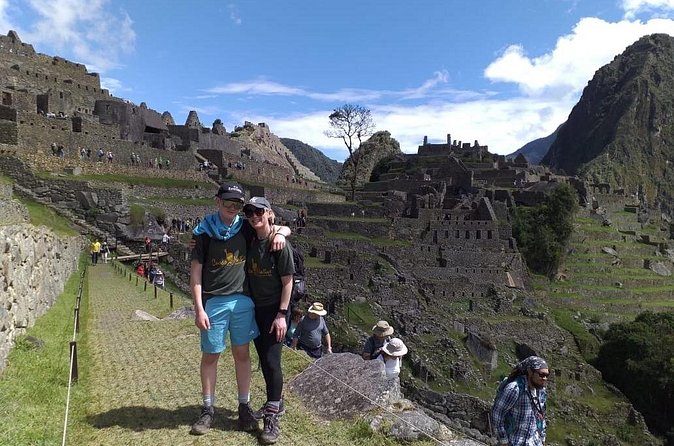
After the citadel visit, you return by bus to Aguas Calientes. You must catch the bus at least two hours before the train departure, leaving time for lunch and boarding. Lunch on this second day is not included, so budget for it separately.
The train takes you back to Ollantaytambo, followed by a van to Cusco. The package includes the return Expedition train and the van transfer. This is convenient, but it also creates a long chain of fixed departures. Missing a bus or lingering too long at lunch could make the final return stressful.
The listed end point is Plaza San Francisco in Cusco. The start point is Plaza de Armas. Confirm the exact meeting instructions and departure time with the operator before the morning of the trip, since early transfers and train schedules leave little room for confusion.
What the $699 price really covers
At $699 per person, this is not a cheap day trip. The price becomes easier to understand when you add up the moving parts: private transport from Cusco to Ollantaytambo, the train to Km. 104, the Inca Trail entrance, Machu Picchu admission, buses, the return train, the van to Cusco, a professional guide, and three meals.
A first-aid kit is included, and the group is capped at 10. The guide is also central to the value. Alfredo Cruz was praised for mixing trail knowledge with explanations of Inca culture, while another guide arranged a birthday dessert and song for a solo visitor. Those personal touches can matter after a tiring day.
The weak point is clarity, not necessarily the package itself. One difficult experience involved confusion over whether a person who did not complete the trail could still use a combined Inca Trail and Machu Picchu ticket. The operator’s response stated that the trail must be completed to access Machu Picchu with that type of ticket, and that extra admission was later purchased to solve the problem.
You should treat this as a major pre-trip question. Ask in writing what happens if someone becomes ill, cannot finish the trail, or decides not to hike. Also ask exactly what is included for every bus segment. The operator specifically clarified that a third bus ticket was not included in one case, even though other bus transfers were part of the service.
A walking stick is optional and costs PEN 30 per person. Lunch on day two is also extra. These are small costs beside the tour price, but knowing about them keeps the budget honest.
The main risks are ticket supply and communication
The Inca Trail has controlled access, so availability matters. One booking reportedly lost the trail portion when tickets could not be secured two weeks before departure. The replacement was a Sacred Valley visit at no extra cost, plus Machu Picchu access, but that is not the same experience as hiking the Inca route.
The practical lesson is simple: do not assume payment alone guarantees the exact trail. Since the tour is commonly booked about 23 days in advance, you should ask for confirmation that the Short Inca Trail permit has actually been secured, not merely requested.
Communication also deserves attention. Some difficult experiences involved illness, ticket changes, and delayed plans. At the same time, the operator says it provided information through WhatsApp and worked to arrange solutions. The safest approach is to keep all promises in writing and ask for a clear day-by-day confirmation before you leave Cusco.
The free cancellation policy allows cancellation up to 24 hours before the start time for a full refund. Changes made inside that window are not accepted, and the local time controls the cut-off. Illness and ticket restrictions can create complications, so read the conditions carefully rather than relying on goodwill at the last minute.
Who will enjoy this two-day route most
I would choose this experience if you want a real Inca Trail walk but do not want the longer version. It suits people who value ruins, scenery, and a guide’s explanation, and who can handle a full hiking day followed by an early morning.
It also works well if you want two approaches to Machu Picchu: first from Inti Punku, then from the citadel itself. The sunrise plan is a strong feature for photographers and anyone who prefers an early start before the site becomes more crowded.
I would hesitate if you dislike fixed transport schedules, have limited physical fitness, or need a relaxed morning. This is not a soft two-day holiday. It is a tightly arranged hiking trip with trains, buses, checkpoints, and a long first day.
Solo visitors can fit comfortably into the small group, and the birthday story shows that a good guide may add a personal touch. Couples and friends should discuss the ticket rule in advance, especially if one person may decide not to hike.
Should you book the 2-day Inca Trail?
I would book it for the route, the Sun Gate arrival, Wiñay Wayna, and the chance to see Machu Picchu at sunrise. The guides receive strong praise, the transport package is useful, and the 10-person limit keeps the experience from feeling like a large coach operation.
I would book only after confirming four things in writing: the Short Inca Trail permit, the exact Machu Picchu circuits, the hotel details, and the policy if someone cannot complete the trail. At $699, the package can offer fair value when every permit and transfer works as promised. If the trail permit is uncertain, choose another option or wait for firm confirmation.
FAQ
How long is the 2-day Inca Trail experience?
The tour lasts approximately two days. The first day includes transport, the hike from Km. 104, the visit to Machu Picchu near closing time, and an overnight stay in Aguas Calientes. The second day includes sunrise, a guided citadel visit, and the return journey to Cusco.
Where does the tour start in Cusco?
The listed starting point is Plaza de Armas, Cusco 08000, Peru.
Where does the tour end?
The listed end point is Plaza San Francisco, Cusco 08002, Peru.
What physical fitness level is required?
A moderate level of physical fitness is recommended. The first day is a substantial hike, and one account describes more than six hours on the trail.
What is the maximum group size?
The group can have a maximum of 10 people.
Is the Inca Trail entrance included?
Yes. The package includes entrance to the Inca Trail and Machu Picchu.
Is transportation included?
Yes. The package includes a private transfer from Cusco to Ollantaytambo, the train to Km. 104, CONSETTUR buses between Machu Picchu and Aguas Calientes, the return train to Ollantaytambo, and a van from Ollantaytambo to Cusco.
Are meals included?
Breakfast, lunch, and dinner are included in the package. Lunch on the second day in Aguas Calientes is not included.
Do I need my passport?
Yes. You should bring your original passport for the checkpoint and Machu Picchu entrance.
Is a walking stick included?
No. A walking stick is optional and costs PEN 30 per person.
Can I cancel for a full refund?
You can cancel up to 24 hours before the experience start time for a full refund. Cancellations or changes made less than 24 hours before the start time are not accepted for a refund.
Just added in Cusco
- Cusco Private Transportation for 2026★ 5.0 · 4 reviews
- Private Transfer from Airport to Hotel in the City of Cusco★ 4.0 · 5 reviews
- Best Cusco walking tour: dinner street food tasting★ 4.5 · 11 reviews
- Private Tour to Pisac Market and Pisac Ruins★ 5.0 · 4 reviews
- Machu Picchu Day Trip With Panoramic Train from Cusco★ 5.0 · 10 reviews
- Private Tour of the Mountain of Colours by Quad★ 5.0 · 7 reviews
- Sacred Valley Private Tour from Cusco, Guide and Driver only★ 5.0 · 4 reviews
- Sacred Valley of the Incas Tour★ 5.0 · 12 reviews
Machu Picchu Tours, compared.
Classic Inca Trail Trek 4D/3N to Machu Picchu (Group Service)
Read our review →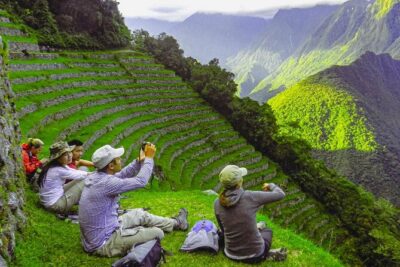
2-Day Inca Trail to Machu Picchu with Panoramic Train
Read our review →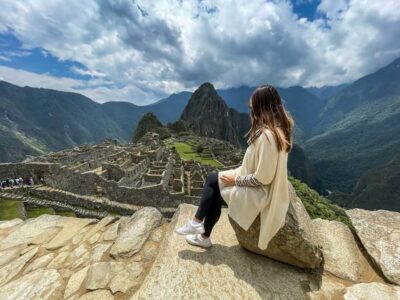
From Cusco: Full-Day Group Tour of Machu Picchu
Read our review →
2-Day Tour: Sacred Valley and Machu Picchu by Train
Read our review →
Machu Picchu: Full-Day Tour from Cusco with Optional Lunch
Read our review →
Machu Picchu Full Day from Cusco by Panoramic Train
Read our review →Browse the lists this tour appears in