
Reviewed · MACHU PICCHU TOURS
4 Day – Inca Jungle to Machu Picchu
Ride from a high Andean pass to tropical valleys. This four-day trip mixes a 55-kilometer downhill bike ride, cloud-forest hiking, hot springs, optional rafting, zip-lining, and Machu Picchu. I especially like the variety of activities and the way the route moves through several climate zones in a single journey. The included train, meals, lodging, guide, and Machu Picchu entry also make the $450 price appealing.
The main caution is organization. Different activity options and transport details may need sorting out along the way, so you should be comfortable with a flexible group trip. The hot-springs fee may also be higher than the stated $3, and the walk up to Machu Picchu on Day 4 is a serious early-morning effort.
In This Review
- Key points to know before booking
- Why this route is different from the classic Inca Trail
- Day 1: From Cusco to Malaga Pass by bike
- Day 2: Farms, the original Inca trail, and Cocalmayo
- Day 3: Zip-lining, the hydroelectric plant, and the rail-side walk
- Day 4: The early climb to Machu Picchu
- What the $450 price really includes
- Guides and group organization
- The physical demands and what to pack
- Who should book this four-day route?
- Should you book the Inca Jungle to Machu Picchu tour?
- FAQ
- How long is the Inca Jungle to Machu Picchu tour?
- Is the Machu Picchu entrance fee included?
- Is the bus from Aguas Calientes to Machu Picchu included?
- Are rafting and zip-lining included?
- What meals are included?
- How large is the group?
Key points to know before booking
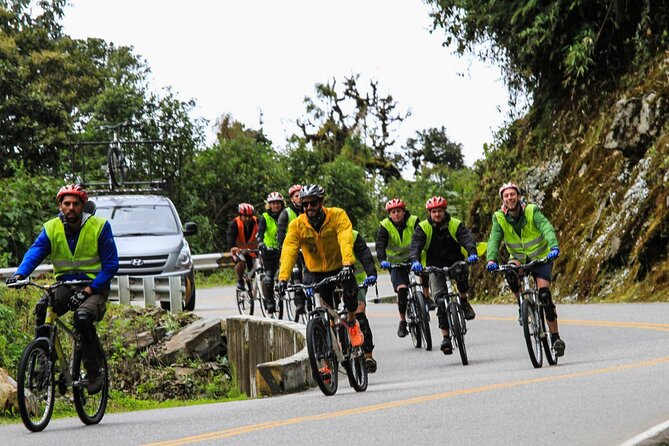
- Three hours on a mountain bike: You ride 55 kilometers downhill from Malaga Pass at 4,350 meters, moving from cold highlands into warm cloud forest.
- A full day on foot: Day 2 lasts about seven or eight hours and includes flat walking, uphill sections, river crossings, farms, and the Cocalmayo hot springs.
- Optional adrenaline stops: Rafting costs about $25, and zip-lining costs about $25. Both add excitement but are not part of the base price.
- Aguas Calientes on foot: After the hydroelectric plant, you walk beside the railway for about three hours before spending the night in town.
- Machu Picchu without the bus: The standard plan starts with a 90-minute uphill walk at 4:20 a.m. You can pay $12 for the bus instead.
- Small-group value: Groups are capped at 15 people, with bilingual guiding, three nights of lodging, meals, entrance to Machu Picchu, and the train to Ollantaytambo included.
Why this route is different from the classic Inca Trail
The Inca Jungle route is not one continuous ancient trail. It is a four-day combination of road biking, rural walking, adventure activities, hot springs, rail-side hiking, and a final visit to Machu Picchu.
That mix is the appeal. You get movement and scenery each day, rather than a long series of stone steps. The route begins at high altitude near Malaga Pass, then drops through increasingly warm and humid country. By the time you reach Santa Teresa and Aguas Calientes, the air feels tropical compared with Cusco.
I would choose this trip if you want Machu Picchu but find the classic multi-day trek too focused on hiking. You still need decent fitness, though. Day 2 is long, and the early climb to Machu Picchu can be tiring after several active days.
The operator lists an average booking lead time of 38 days. That is useful to keep in mind, especially if your dates are fixed. Machu Picchu entry and train arrangements matter, so last-minute availability should not be assumed.
More Machu Picchu trips:
- Classic Inca Trail Trek 4D/3N to Machu Picchu (Group Service)
★ 5.0 · 8,653 reviews - Machu Picchu: 4-Day Inca Trail Trek with Panoramic Train Ride
★ 5.0 · 4,568 reviews - Short Inca Trail to Machu Picchu 2D/1N
★ 5.0 · 3,007 reviews
Day 1: From Cusco to Malaga Pass by bike
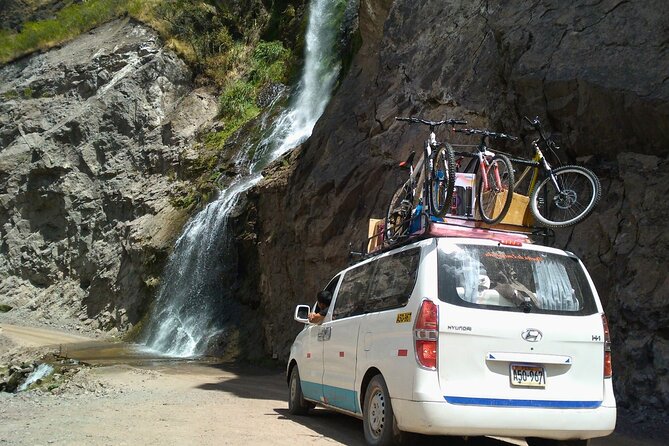
Pickup is scheduled for 7:00 a.m. The drive takes about 90 minutes through the Sacred Valley, passing Chinchero, Urubamba, and Ollantaytambo. There is a 30-minute break in Ollantaytambo before the vehicle continues toward Malaga Pass.
This opening ride gives you a quick sense of the region. The Sacred Valley is broad and cultivated, while the pass is high, cold, and exposed. At 4,350 meters, you will want a warm layer for the start, even though the day becomes much warmer as you descend.
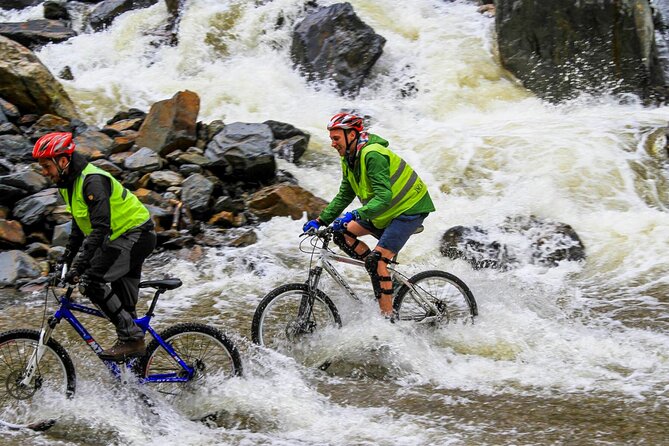
The bike route covers about 55 kilometers and lasts roughly three hours. It is mainly downhill, which makes the distance manageable for many people, but it is still a long ride on mountain roads. The route passes through mountain scenery and cloud forest, with the climate changing quickly from cold and dry to hot and humid.
You receive a bike and protective equipment, including a helmet, knee pads, gloves, and body armor. That equipment matters here. The ride includes stretches where water runs across the road, and the surface can feel rough. It is not simply a gentle cycle on a smooth paved path.
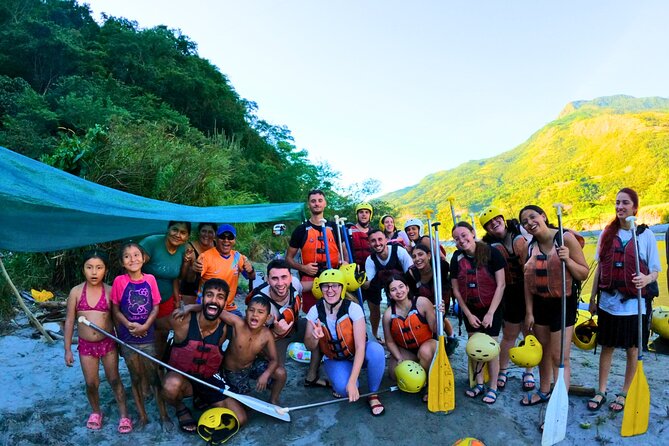
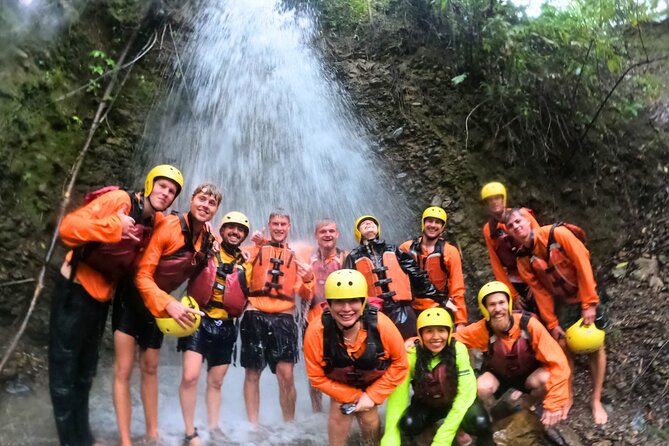
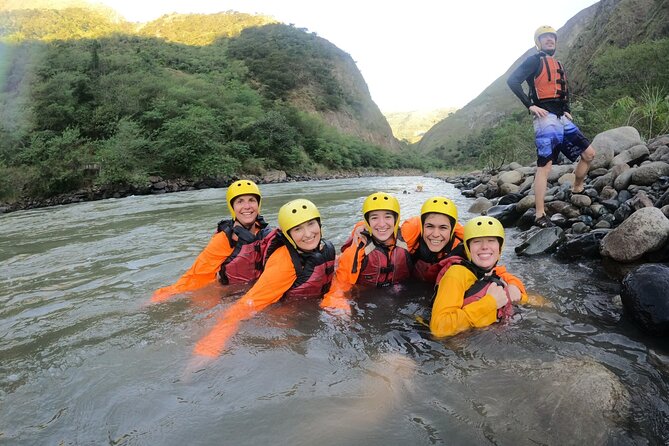
After biking to Wamanmarca, transport continues to Santa Maria. You can add rafting on the Vilcanota River for about $25. This is a good choice if you want more action on the first day, but it adds cost and another physical activity after the bike ride.
Breakfast on Day 1 and lunch at Machu Picchu are not included. Plan for both, particularly breakfast, since the morning starts early.
Day 2: Farms, the original Inca trail, and Cocalmayo
Day 2 begins with breakfast at 6:30 a.m. The walking route starts gently, with about one hour on mostly flat ground. Then comes roughly two hours of uphill walking through the cloud forest.
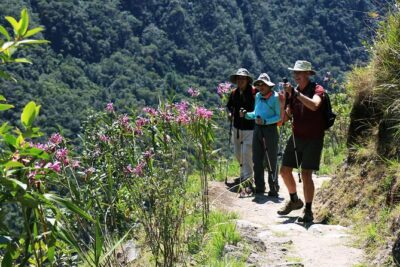
This is one of the most rewarding parts of the trip because the route passes working plantations. You may see coca, coffee, cacao, and tropical fruit growing in the warm valleys. These stops give the walk a local, lived-in quality that you miss on a route focused only on famous ruins.
One planned rest stop is at the home of the Pispitayoq family. You spend about 20 minutes there before continuing. The route later reaches the original Inca trail, with broad views over the valley. This is a useful historical connection, though the day is still a natural and rural walk rather than a formal archaeological tour.
After the Inca trail section, the path becomes easier for about 90 minutes until Qellomayu, where lunch is served. From there, you continue beside the Vilcanota River for around three hours. A monkey bridge carries you across the river, adding a memorable moment to an already varied day.
Expect seven to eight hours of walking in total. The distance is not the only challenge. Heat, humidity, uphill sections, and the length of the day all add up. You should have a moderate level of fitness and be ready to walk at a steady pace.
The final reward is Cocalmayo, a set of hot springs near Santa Teresa. The listed entry fee is $3, but you should be prepared for the actual cost to be closer to $10. The pools offer a welcome rest after the long walk. One account describes spending about two and a half hours moving between four pools and cooler areas.
After the springs, you continue to Santa Teresa, which sits at about 1,540 meters. Dinner and lodging are included. The hot springs admission is not, so carry extra soles or dollars for this stop.
Day 3: Zip-lining, the hydroelectric plant, and the rail-side walk
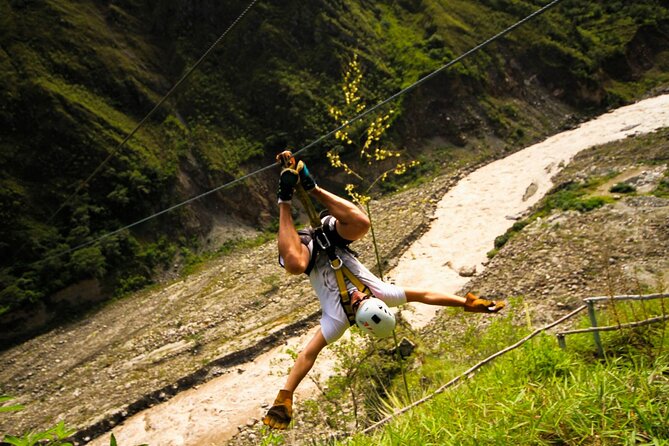
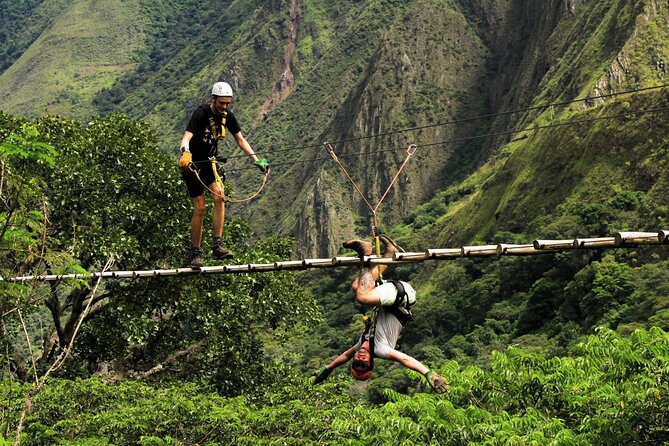
Breakfast is scheduled for 7:00 a.m. Before walking, you can pay about $25 for zip-lining. The activity is optional, and choosing it changes the timing and walking plan.
The standard route involves about three hours on a dirt trail to the hydroelectric plant, followed by lunch. After eating, you walk for another three hours beside the railway toward Aguas Calientes. This section is not an old mountain trail. It is a practical route along the tracks, but the setting remains attractive, with tropical plants and occasional views of Machu Picchu in the distance.
If you do the zip-line, the plan states that you hike only three hours to Aguas Calientes. That makes the day shorter on foot, but you should ask the guide exactly how the activity fits into the transport and meal schedule. The supplied details show that optional activities can affect the day’s organization.
Aguas Calientes, also called Machu Picchu Pueblo, is reached at about 5:00 p.m. You spend the night in a hostel with private bathrooms and hot water. That is a practical comfort after two active days, and the accommodations are described as central and pleasant.
This evening is your main chance to get ready for Machu Picchu. Keep your ticket details, water, layers, and camera handy. The next morning begins at 4:20 a.m., so I would not plan a late night.
More Amazon jungle trips:
- 4-Day Inca Jungle Trail to Machu Picchu Hiking and Biking Tour
★ 5.0 · 438 reviews - 4-Day Adventure Tour: Inca Jungle Trail to Machu Picchu
★ 5.0 · 426 reviews - 4-Day Inca Jungle Tour: Machu Picchu Biking, Rafting, and Zipline
★ 5.0 · 241 reviews - Manu National Park 4-Day Eco Tour from Cusco
★ 5.0 · 216 reviews
Day 4: The early climb to Machu Picchu
The final day starts before sunrise. The standard plan is a 90-minute uphill walk from Aguas Calientes to the citadel. You may reach the site in time to see morning light over the ruins, but the climb is demanding after three days of biking and hiking.
A $12 bus is available if you prefer to save your legs. The bus is not included, while the Machu Picchu entrance fee is included. This is one of the most useful optional expenses on the trip. If you care more about energy for the site than completing every step on foot, the bus may be worth it.
Inside Machu Picchu, the guide provides a two-hour tour. That guided time helps give structure to the visit, especially if this is your first time at the citadel. You then have free time to explore, subject to the entry rules and route assigned to your ticket.
Huayna Picchu can be climbed for an additional fee. It is not part of the standard visit, and you should not treat it as a casual add-on after the early climb and guided tour. If it is important to you, confirm availability and the extra charge before booking.
After Machu Picchu, the group takes the train from Aguas Calientes to Ollantaytambo. A bus then continues to Cusco, with the ride from Ollantaytambo taking about two hours. The return is included, but it is a long travel day. You will likely arrive tired, which is normal for a trip that packs so much into four days.
What the $450 price really includes
At $450 per person, this tour offers solid value for an active route to Machu Picchu. The package includes:
- Private transport from Cusco to Malaga Pass and Santa Maria
- Bikes and protective gear
- A bilingual Spanish-English guide
- Machu Picchu entrance
- Train from Aguas Calientes to Ollantaytambo
- Bus from Ollantaytambo to Cusco
- Three nights of accommodation
- Three breakfasts, three lunches, and three dinners
- A pre-tour briefing at your hotel
The included train and Machu Picchu ticket are important. Those two items can make independent planning more complicated and expensive, especially when dates are limited. The three nights of lodging and included meals also reduce the number of details you need to manage during the trip.
You should budget extra for the Cocalmayo hot springs, the Machu Picchu bus, and any optional activities. Rafting and zip-lining are listed at $25 each. Breakfast on the first morning and lunch at Machu Picchu are also your responsibility.
The strongest value comes if you use the included guide and transport while keeping the optional spending modest. If you add rafting, zip-lining, hot springs, the Machu Picchu bus, and Huayna Picchu, your final cost will rise well above the advertised price.
Guides and group organization
The group limit is 15 people. That is small enough for a guide to keep track of the group, but large enough that the pace may not suit everyone equally.
Guides named in the supplied feedback include Jose and Jhimmy. Jose was praised for sorting out transport and activity details when the office arrangements were unclear. Jhimmy was praised for his Quechua cultural knowledge, local stories, route choices, patience, and attention to practical details.
That praise points to an important strength of the experience: a good guide can make the difference between a smooth trip and a confusing one. The guide may need to communicate with the local agency and coordinate the various parts of the route, particularly if you add rafting or zip-lining.
The weak spot is pre-trip communication. Contact after booking may be limited, and the activities may be handled by several groups working together. I would use the hotel briefing to confirm pickup, meals, optional activity prices, train times, and the exact plan for Day 3.
The meeting information lists Plaza de Armas as the start and Plaza San Francisco as the end, while the daily plan describes hotel pickup. Confirm your personal pickup point before the morning of departure.
The physical demands and what to pack
This is a moderate-fitness trip, not a relaxed sightseeing circuit. Day 1 brings a long bike ride. Day 2 is the hardest walking day, with seven or eight hours on foot. Day 3 adds up to six hours of walking unless you choose zip-lining, and Day 4 begins with a steep climb before breakfast.
Pack for major temperature changes. You will begin at a high, cold pass and finish in hot, humid valleys. Bring lightweight clothing, a warm layer, rain protection, sturdy walking shoes, sun protection, and a small bag for daily essentials.
The bike equipment is supplied, including body protection. Water shoes and a towel were also provided on at least one departure, but because the general inclusions only specifically promise bikes and protective gear, I would confirm those items before relying on them.
Allow room in your budget for snacks, drinks, the first breakfast, lunch at Machu Picchu, hot springs, and optional activities. Keep some cash available because several small charges are paid locally.
Who should book this four-day route?
You should consider it if you want an active and varied way to reach Machu Picchu. It suits people who enjoy cycling, long walks, warm-water breaks, rural scenery, and optional adrenaline activities.
It is also a good fit if you want the major transport and entry arrangements handled for you. The included train, return bus, accommodation, meals, guide, and Machu Picchu admission take care of the costly and time-sensitive parts.
I would think twice if you want a quiet, highly structured tour with no changes. The route has early starts, long physical days, optional activities, and some coordination between local operators. You need to be comfortable asking questions and adapting to the group’s plan.
The score of 4.9 from 29 ratings, with 100 percent recommending the experience, reflects strong satisfaction overall. Still, the one major caution is worth taking seriously: the guide may be excellent, but office organization can be less polished.
Should you book the Inca Jungle to Machu Picchu tour?
Book it if you want maximum variety for four days and have the fitness for long walks and an early final morning. The downhill bike ride, plantation route, Cocalmayo pools, rail-side walk, and guided Machu Picchu visit create a memorable chain of experiences for $450.
Before paying, confirm your hotel pickup, the exact Day 3 plan, current hot-springs pricing, and whether you want the Machu Picchu bus or Huayna Picchu. If you prefer a slower route or dislike changing plans, choose a simpler Machu Picchu package. If you want action, scenery, and good value, this is a strong choice.
Free cancellation is available up to 24 hours before the start time for a full refund. Changes or cancellations made within 24 hours are not accepted for a refund.
FAQ
How long is the Inca Jungle to Machu Picchu tour?
The tour lasts approximately four days and includes three nights of accommodation.
Is the Machu Picchu entrance fee included?
Yes. The entrance fee for Machu Picchu is included. Huayna Picchu requires an additional fee.
Is the bus from Aguas Calientes to Machu Picchu included?
No. The optional bus costs about $12. The standard plan is a 90-minute uphill walk to the citadel.
Are rafting and zip-lining included?
No. Rafting costs about $25, and zip-lining costs about $25. Both activities are optional.
What meals are included?
Three breakfasts, three lunches, and three dinners are included. Breakfast on the first day and lunch at Machu Picchu are not included.
How large is the group?
The maximum group size is 15 people. A bilingual Spanish-English guide accompanies the group.
Just added in Cusco
- Cusco Private Transportation for 2026★ 5.0 · 4 reviews
- Private Transfer from Airport to Hotel in the City of Cusco★ 4.0 · 5 reviews
- Best Cusco walking tour: dinner street food tasting★ 4.5 · 11 reviews
- Private Tour to Pisac Market and Pisac Ruins★ 5.0 · 4 reviews
- Machu Picchu Day Trip With Panoramic Train from Cusco★ 5.0 · 10 reviews
- Private Tour of the Mountain of Colours by Quad★ 5.0 · 7 reviews
- Sacred Valley Private Tour from Cusco, Guide and Driver only★ 5.0 · 4 reviews
- Sacred Valley of the Incas Tour★ 5.0 · 12 reviews
Machu Picchu Tours, compared.
Classic Inca Trail Trek 4D/3N to Machu Picchu (Group Service)
Read our review →
2-Day Inca Trail to Machu Picchu with Panoramic Train
Read our review →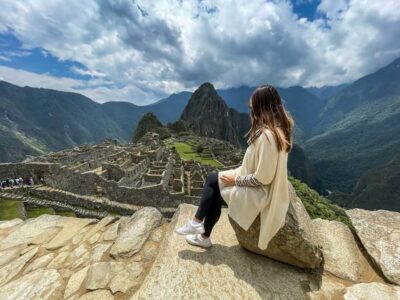
From Cusco: Full-Day Group Tour of Machu Picchu
Read our review →
2-Day Tour: Sacred Valley and Machu Picchu by Train
Read our review →
Machu Picchu: Full-Day Tour from Cusco with Optional Lunch
Read our review →
Machu Picchu Full Day from Cusco by Panoramic Train
Read our review →Browse the lists this tour appears in