
Reviewed · MACHU PICCHU TOURS
4 Day Inca Quarry Trail to Machu Picchu
The quieter road to Machu Picchu starts before sunrise. This four-day Inca Quarry Trail trip from Cusco trades the famous Inca Trail crowds for high mountain paths, working villages, ancient stone quarries, and a memorable finish at Machu Picchu. I especially like the small group size of up to nine people and the strong focus on local history, food, plants, animals, and culture shared by guides such as Anthony.
I also like that the price includes the major moving parts: camping gear, meals, porters or pack animals, entrance fees, trains, and transport. The main consideration is the physical demand. You begin with a 5:00 AM pickup, sleep outdoors for two nights, cross thin-air mountain terrain, and face a notably hard second day.
In This Review
- Key points to know before you book
- Why this four-day route is different
- Day one: from Cusco at 5:00 AM to Corimarca
- Day two: a hard push toward Queuñacancha
- Day three: the Inca quarries and Ollantaytambo
- Day four: Machu Picchu without rushing the arrival
- The guide can shape the whole experience
- Meals, camping, and what you still need
- Who should book this trek?
- Should you book the Inca Quarry Trail?
- FAQ
- How long is the Inca Quarry Trail to Machu Picchu?
- How difficult is the trek?
- How many people are in the group?
- Are meals included?
- Is camping equipment included?
- Are train tickets to Machu Picchu included?
Key points to know before you book
- The route visits the Inca quarries near Ollantaytambo, where stones were cut for the construction of the town’s famous temples and terraces.
- You camp for two nights, with tents, inflatable sleeping mats, meals, porters or pack animals, first aid, and emergency oxygen provided.
- The group is capped at nine people, a useful size for a mountain route and for asking questions during guided archaeological visits.
- The trip ends at Machu Picchu on day four, after a train ride from Ollantaytambo to Aguas Calientes.
- The trail is quieter than the classic Inca Trail and Salkantay route, making it a good choice if you want open views and fewer people.
- Anthony is a particularly praised guide, described as courteous, engaging, well informed, and attentive to small details.
Why this four-day route is different
The Inca Quarry Trail gives you a more unusual approach to Machu Picchu. It is not simply a long walk followed by a famous ruin. You pass through farming country, small Andean communities, mountain meadows, old paths, and the stone-working sites that helped build the Inca settlement of Ollantaytambo.
I like the route because it connects several parts of Andean life. You see the mountains as scenery, but you also see how people used them. The trail passes through farmland and villages before rising into rougher high country. Later, the quarries explain where some of Ollantaytambo’s enormous stones came from.
The trip costs $801.29 per person. That is a substantial price, but it covers many expensive pieces: private transport, a bilingual guide, camping equipment, meals, support staff, entry fees, and both train journeys. You are paying for a managed four-day experience rather than arranging each part yourself.
The value depends on how much help you want. If you already have trekking equipment, local transport contacts, and experience organizing Machu Picchu tickets and trains, you may find a self-planned trip cheaper. If you want one company to handle the route, camps, food, archaeology, and train connections, the package is easier to justify.
More Machu Picchu trips:
- Classic Inca Trail Trek 4D/3N to Machu Picchu (Group Service)
★ 5.0 · 8,653 reviews - Machu Picchu: 4-Day Inca Trail Trek with Panoramic Train Ride
★ 5.0 · 4,568 reviews - Short Inca Trail to Machu Picchu 2D/1N
★ 5.0 · 3,007 reviews
Day one: from Cusco at 5:00 AM to Corimarca
Your day begins early in Cusco. Pickup is scheduled for 5:00 AM, followed by a roughly two-hour drive of about 62 kilometers to Huarocondo. This first ride is part of the experience, not just a transfer. The road moves through rolling hills, villages, farmland, valleys, and steep mountain scenery.
You should be ready for a long first morning. The early start helps fit a full day into the route, but it also means you need rest in Cusco beforehand. A late dinner or a packed morning routine will make the opening drive harder than it needs to be.
From Huarocondo, you continue toward Pachar. The road winds through rural Andean country, with small settlements and cultivated fields outside the vehicle window. Pachar is used as the trailhead, and the stop gives you time to stretch, adjust to the altitude, and eat breakfast before walking.
That breakfast matters. The first day involves a gradual change from farmland to rougher mountain country, and you will need steady energy rather than a quick snack. Meals are included as listed in the schedule, with four breakfasts, three lunches, and two dinners across the trip.
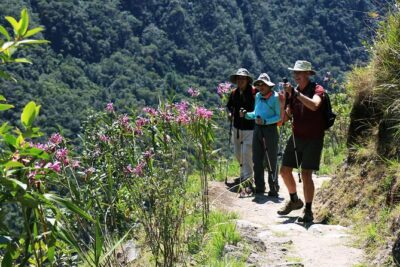
The trek from Pachar toward Corimarca is moderately challenging. You follow mountain paths, including sections described as original Inca trails. The scenery changes as you gain height, with views over peaks and valleys replacing the greener fields below.
Corimarca brings the first major archaeological moment. The settlement offers stone remains in a mountain setting, giving you an early look at Inca building skill before the larger sites later in the trip. This is also the first camping night.
The day is listed at roughly nine hours overall, with transport and walking stops included. That makes it a full opening day, even if the hike itself is not described as the hardest section. You should expect tired legs by camp and limited comfort compared with a hotel in Cusco.
Day two: a hard push toward Queuñacancha
Day two begins with breakfast, breaking camp, and setting out toward Queuñacancha. This is described as the most notably challenging trekking day in the schedule, so you should take the warning seriously.
The route passes through changing high Andean scenery, including cloud forest, rugged mountain passes, and old Inca paths. The air is thin at altitude, and the combination of climbing, cold mountain conditions, and a long day can test anyone who has not prepared.
The schedule allows about eight hours for this section. That is enough time for a steady pace, but it is not a casual walk. A moderate level of physical fitness is required, and you should be comfortable walking for hours on uneven ground.
One advantage of a small group is that the guide can pay closer attention to pace and condition. First aid and emergency oxygen are included, which is reassuring in remote high country, though these provisions do not replace proper acclimatization or sensible preparation.
Queuñacancha is a high meadow and your second camping location. After a demanding day, the open setting and quiet sky should feel rewarding. The route’s appeal comes partly from this contrast: hard walking during the day, then a calm mountain camp far from city noise.
Camping is one of the trip’s central features, not a minor detail. Tents, inflatable sleeping mats, and other basic camping equipment are provided, while porters or pack animals carry camping gear, food, and personal items. You do not need to carry the full camp on your back, but you still need your own trekking clothes and personal equipment.
Day three: the Inca quarries and Ollantaytambo
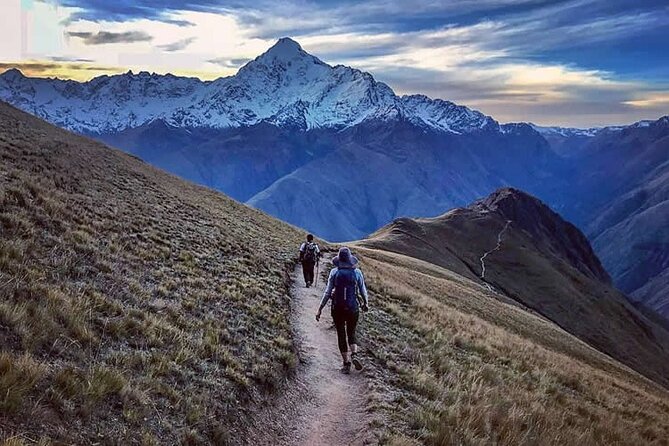
After breakfast at Queuñacancha, you continue toward the Inca quarries. The route first passes through valleys and rough mountain slopes before opening to wide views over the surrounding peaks and distant valleys.
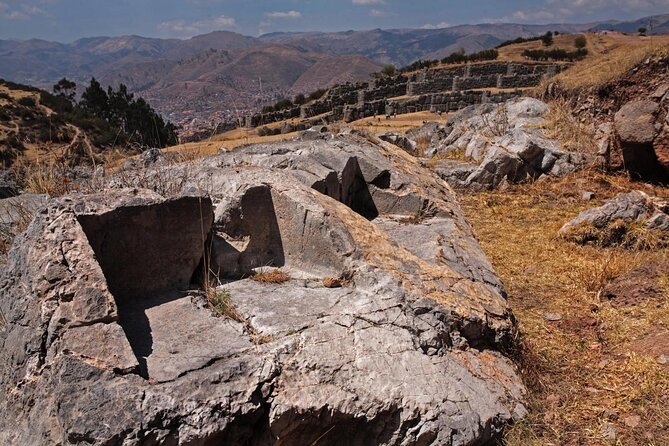
The quarries are the trail’s defining attraction. Here, Inca stonemasons cut blocks for Ollantaytambo. You can see chisel marks, unfinished pieces, and stones left behind during transport down the mountain. These details make the site more interesting than a collection of old walls. They show the work process itself.
I find that this is where a good guide makes a real difference. A guide such as Anthony can turn the quarry from a scenic stop into a practical lesson in Inca engineering, labor, stone cutting, and construction. His style has been praised for connecting the ancient civilization with the later effects of colonization, rather than presenting history as a string of dates.
The guided visit lasts about five hours according to the schedule. That includes walking and the archaeological stop, so you should not read it as five hours of standing beside the quarry. Expect a measured visit with time to examine the stonework and hear the explanation.
After the quarries, the trail descends toward Ollantaytambo. You pass mountain slopes, greener vegetation, and scattered Inca stonework before reaching the town. The descent changes the feel of the day, but it can still be demanding on knees and feet.
Ollantaytambo is one of the best-preserved Inca towns in Peru. Its narrow cobbled streets, terraces, and large stone walls give you a strong sense of how the settlement functioned. The town is not just a transport point. It is an important part of the story you have been following since the quarries.
You have a short period to rest, refuel, and possibly explore. The time is limited, so do not expect a full town tour after the trek. Still, even a short walk through the streets can help you connect the quarry stones with the buildings below.
Later, you go to the Ollantaytambo station for the train to Aguas Calientes. The rail journey follows the Andean valleys toward the cloud forest at the foot of Machu Picchu. This is a welcome change of pace after three days on foot.
Aguas Calientes is your overnight base before the final morning. The schedule assigns about ten hours to the evening transfer and stop, so the exact pace may depend on train timing and the day’s walking. The important practical point is that your transport to the Machu Picchu area is arranged for you.
More things to do in Cusco:
- Cusco: Rainbow Mountain and Red Valley Day Trip with Meals
★ 4.9 · 4,893 reviews - Salkantay Classic Trek 5 Days from Cusco
★ 5.0 · 4,062 reviews - 4-Day Salkantay Trek with Sky Camp Stay
★ 5.0 · 3,346 reviews - Excursion to Rainbow Mountain Full Day Optional Red Valley
★ 5.0 · 2,996 reviews
Day four: Machu Picchu without rushing the arrival
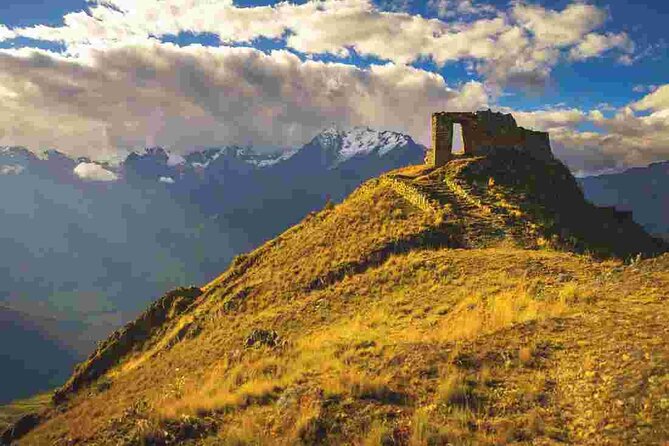
The final morning begins early again. From Aguas Calientes, you take a short bus ride up the mountainside to the Machu Picchu entrance.
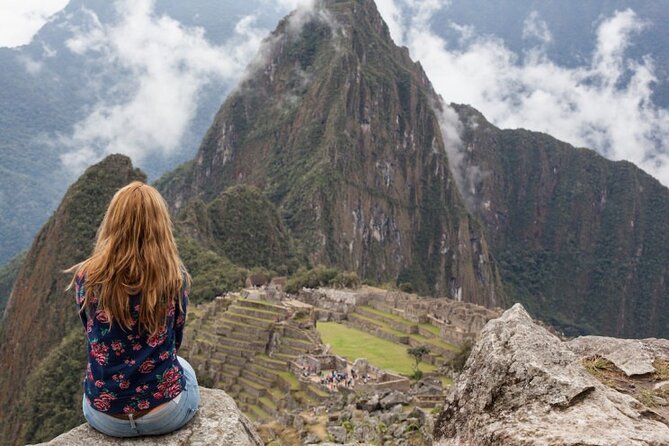
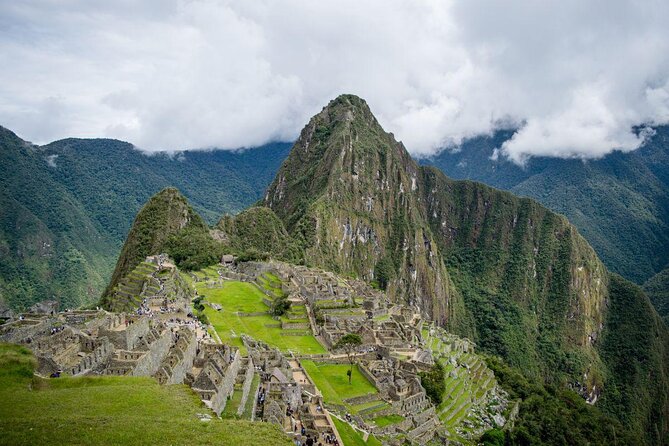
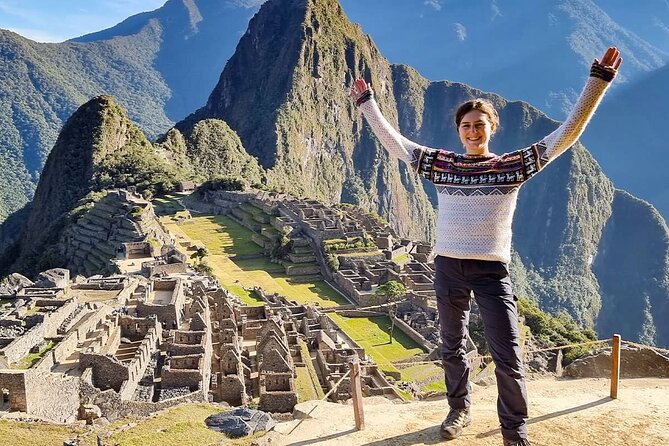
The first view can be misty, dramatic, and very different from the open mountain scenery of the quarry route. Machu Picchu sits among steep, cloud-covered peaks, and the setting is part of its power. You have not simply arrived by bus from Cusco. You have reached it after walking through the places that supported the Inca world around it.
A guided visit covers major areas such as the Sun Temple and the Room of the Three Windows. Your guide explains the purpose and meaning of key structures, helping you notice details that are easy to miss when you walk through alone.
You also receive free time after the guided portion. Use it to take photographs, revisit an area, or sit quietly among the stone buildings. The free time is valuable because a guided tour gives structure, while personal time lets you absorb the place at your own pace.
The Machu Picchu visit is listed at about five hours. That is a useful amount of time, though the actual order of the visit can depend on entrance rules, bus timing, and train arrangements. Keep your attention on the guide and the day’s schedule so you do not turn a memorable ending into a hurried one.
After Machu Picchu, you return by train from Aguas Calientes to Ollantaytambo. The train provides another view of the valleys and mountain slopes, this time with tired legs and four days of experience behind you.
A private vehicle then takes you from Ollantaytambo to Cusco. The drive passes through Sacred Valley scenery before reaching the city. Drop-off is at your hotel, completing the trip.
The guide can shape the whole experience
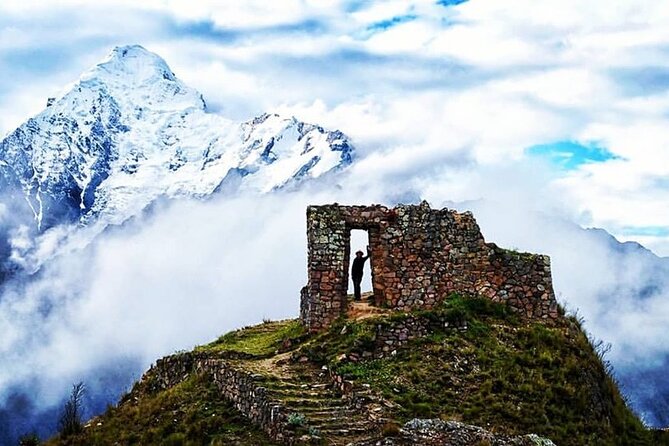
The strongest praise for this tour centers on the guiding. Anthony is repeatedly described as friendly, respectful, engaging, and attentive. His value goes beyond pointing out ruins. He explains local vegetation, animals, food, culture, Inca engineering, and the effects of colonization.
That range matters on a quieter route. The Inca Quarry Trail does not have the same instant recognition as the classic Inca Trail, so the guide helps you understand why each village, path, and stone site deserves attention.
A good guide also makes a hard trek feel more manageable. The group size is limited to nine, and the company provides a bilingual professional guide. You can ask questions without shouting across a large group, and the guide can offer practical support during difficult sections.
The trip also benefits from a support team. Porters or pack animals carry camping equipment, food, and personal items. This does not make the hike easy, but it reduces the burden of carrying supplies and allows you to focus more on walking and scenery.
Meals, camping, and what you still need
Four breakfasts, three lunches, and two dinners are included. The food has been praised as nutritious, delicious, and authentic, which is especially important on a four-day mountain route.
The package supplies tents, inflatable sleeping mats, and other required camping equipment. First aid and emergency oxygen are also provided. These inclusions help explain the price and remove some of the planning work.
You still need personal trekking equipment. The package does not include your clothing, footwear, personal supplies, snacks, or extra drinks. Optional activities are also separate, as are tips for guides and porters and the cost of a personal porter.
Plan for changing Andean conditions. The information does not specify a packing list, so you should ask Kawsay Travel Peru what personal gear is required before departure. You should also bring travel insurance, which is not included.
Who should book this trek?
I would recommend this route to someone who wants Machu Picchu but prefers a less familiar approach. You get archaeology, wide mountain views, rural scenery, camping, and a small group instead of four days focused only on the final ruin.
It suits hikers with moderate fitness who can manage long days and high-altitude terrain. The second day deserves special attention. If you dislike early starts, uneven paths, thin air, or sleeping outdoors, this may not be the right way to reach Machu Picchu.
It also suits history-minded visitors. The quarries are not as instantly famous as Machu Picchu, but they give the trip a strong purpose. You see where stone was cut, how it was moved, and how it relates to Ollantaytambo.
Families with older teenagers may find it suitable if everyone is prepared for the physical effort. One parent and teenage daughter completed the route with support from the staff, who helped them feel ready for difficult ground and shared information about nature and culture along the way.
Kawsay Travel Peru receives a five-star rating from 14 ratings, with 100 percent recommending the experience. That is a small sample, but the praise is consistent: guides, organization, food, safety, scenery, and the unusual route receive the most attention.
Should you book the Inca Quarry Trail?
Book it if you want a small-group, history-focused trek with camping and a quieter path to Machu Picchu. The inclusion of trains, meals, gear, support staff, entrance fees, and private transport makes the $801.29 price easier to defend, especially if you value simple logistics.
Skip it if you want a relaxed sightseeing holiday or a soft approach to Machu Picchu. This is a real trek with a 5:00 AM start, two nights outdoors, and a hard second day.
Before paying, confirm the exact daily walking times, personal equipment requirements, train schedule, and camping arrangements. Also make sure you are acclimatized and physically ready. If those points suit you, this route offers a thoughtful way to reach Machu Picchu, with the quarries and high Andes giving the journey as much meaning as the destination.
FAQ
How long is the Inca Quarry Trail to Machu Picchu?
The experience lasts approximately four days. It begins with pickup in Cusco at 5:00 AM and ends with hotel drop-off in Cusco on day four.
How difficult is the trek?
A moderate level of physical fitness is required. The second day is described as notably challenging, with high Andean terrain, mountain passes, and thin air.
How many people are in the group?
The group can have a maximum of nine travelers.
Are meals included?
Yes. The package includes four breakfasts, three lunches, and two dinners.
Is camping equipment included?
Yes. Tents, inflatable sleeping mats, and other necessary camping equipment are included. Porters or pack animals carry camping equipment, food, and personal items.
Are train tickets to Machu Picchu included?
Yes. Train tickets from Ollantaytambo to Aguas Calientes and back are included, along with transportation from Cusco to the trailhead and from Ollantaytambo back to Cusco.
Just added in Cusco
- Cusco Private Transportation for 2026★ 5.0 · 4 reviews
- Private Transfer from Airport to Hotel in the City of Cusco★ 4.0 · 5 reviews
- Best Cusco walking tour: dinner street food tasting★ 4.5 · 11 reviews
- Private Tour to Pisac Market and Pisac Ruins★ 5.0 · 4 reviews
- Machu Picchu Day Trip With Panoramic Train from Cusco★ 5.0 · 10 reviews
- Sacred Valley Private Tour from Cusco, Guide and Driver only★ 5.0 · 4 reviews
- Sacred Valley of the Incas Tour★ 5.0 · 12 reviews
- Private Tour of the Mountain of Colours by Quad★ 5.0 · 7 reviews
Machu Picchu Tours, compared.
Classic Inca Trail Trek 4D/3N to Machu Picchu (Group Service)
Read our review →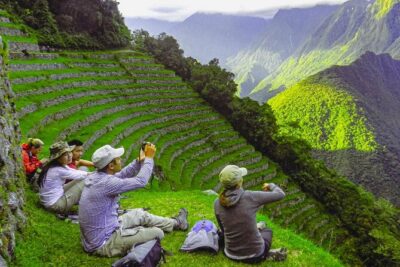
2-Day Inca Trail to Machu Picchu with Panoramic Train
Read our review →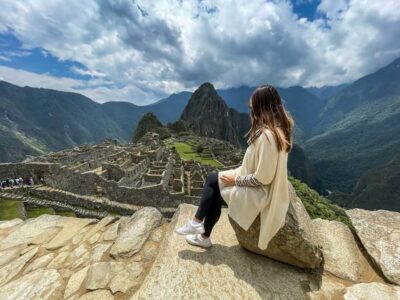
From Cusco: Full-Day Group Tour of Machu Picchu
Read our review →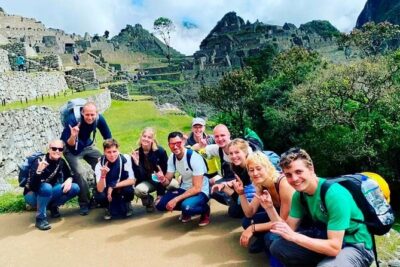
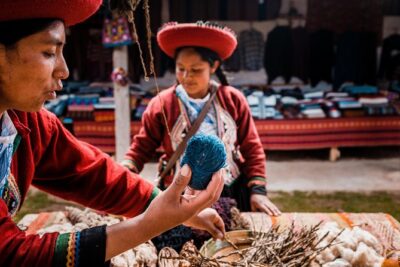
2-Day Tour: Sacred Valley and Machu Picchu by Train
Read our review →
Machu Picchu: Full-Day Tour from Cusco with Optional Lunch
Read our review →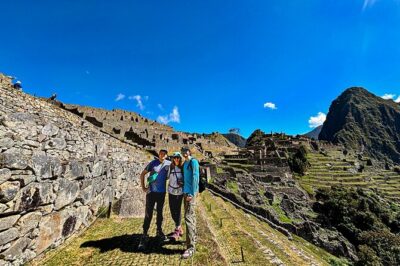
Machu Picchu Full Day from Cusco by Panoramic Train
Read our review →Browse the lists this tour appears in