
Reviewed · MACHU PICCHU TOURS
4 Day Inca Trail To Machu Picchu
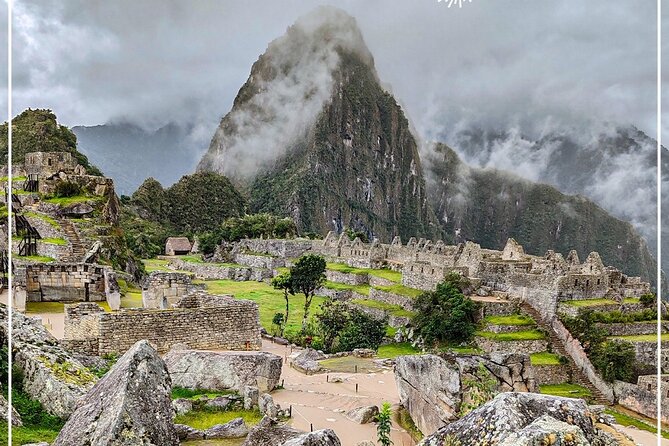
The trail saves its best for sunrise. This four-day trek combines major Inca sites, high mountain passes, cloud forest, and a final arrival at Machu Picchu through the Sun Gate. I like the steady mix of scenery and archaeology, and I like that the price includes permits, transport, campsites, meals, equipment, and a personal porter for up to 5 kilos. The main concern is the physical demand, especially on Day 2 and Day 3, when altitude, steep climbs, and long hours make this much more than a sightseeing trip.
You pay $1,100 per person, which is a serious sum, but the package covers many costly parts of the Inca Trail. You still need to budget for a sleeping bag, walking sticks, Day 1 breakfast, and Day 4 lunch and dinner. The small maximum group of 15 should also help keep the experience organized without making it feel like a private expedition.
The operation receives especially strong praise for its friendly staff, good food, transfers, and close attention to logistics. One useful warning comes with the return journey: a train delay or confusing wait can affect the final leg back to Cusco, so keep your plans that evening flexible.
In This Review
- Key points before you book
- What the $1,100 price really covers
- Day 1: From Km 82 to Patallacta and Wayllabamba
- Day 2: The hard climb to Dead Woman’s Pass
- Day 3: Runkurakay, Sayacmarca, and Wiñayhuayna
- Day 4: Enter Machu Picchu through Inti Punku
- How the staff and logistics shape the experience
- Who should book this four-day trek?
- Practical details to settle before departure
- Should you book it?
- FAQ
- How long is the Inca Trail tour?
- How much does the tour cost?
- What language is the tour offered in?
- Is hotel pickup available?
- How difficult is the trek?
- What meals are included?
- Is a porter included?
- What is not included?
Key points before you book
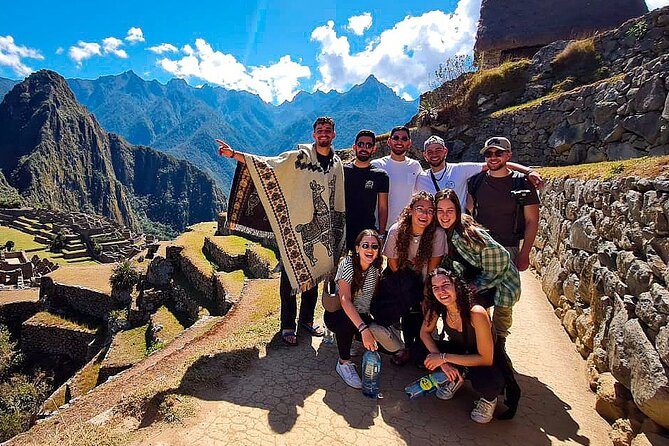
- Reach Machu Picchu through the Sun Gate: You enter the site on foot from Inti Punku, rather than arriving first by bus from Aguas Calientes.
- Climb to 4,200 meters: Dead Woman’s Pass is the physical high point and the toughest uphill section of the trek.
- See Inca sites along the way: Patallacta, Runkurakay, Sayacmarca, Phuyupatamarca, and Wiñayhuayna make the route far more than a long walk.
- Expect a serious third day: Day 3 covers 16 kilometers and about eight hours, with repeated climbs and descents.
- Personal porter allowance is included: A porter carries up to 5 kilos of your personal belongings, while you still need a daypack.
- Book ahead: This experience is booked about 72 days in advance on average, a useful clue for planning your permits and dates.
What the $1,100 price really covers
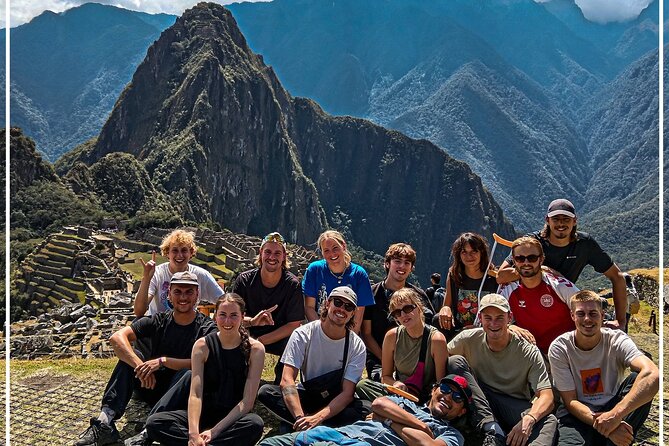
At first glance, $1,100 looks expensive for four days of hiking and camping. The value becomes clearer when you count what is already handled: briefing, trained staff, emergency kit, permits, entrance fees, accommodation, transport, three breakfasts, three lunches, three dinners, and a personal porter for up to 5 kilos.
The permit and entrance arrangements matter most. The Classic Inca Trail operates under controlled access, so you cannot simply arrive at Km 82 and start walking on your own. Having the permit, crew, transport, and campsites arranged together removes a lot of difficult planning.
The food is another meaningful part of the package. The strongest praise for this operation centers on the meals and attentive service, which matters after hours on steep stone paths. You should not expect restaurant dining in the mountains, but having three lunches, three dinners, and three breakfasts included is practical and saves you from carrying all your food.
The personal porter allowance is helpful but limited. Five kilos will cover clothing layers, toiletries, and some personal items, but not a large suitcase. You will still carry water, snacks, rain protection, a camera, and anything you need during the day.
The price does not include a sleeping bag or walking sticks. You can rent or arrange those separately, but confirm the details before departure. Day 1 begins too early for breakfast to be included, and Day 4 lunch and dinner are also your responsibility.
More Machu Picchu trips:
- Classic Inca Trail Trek 4D/3N to Machu Picchu (Group Service)
★ 5.0 · 8,653 reviews - Machu Picchu: 4-Day Inca Trail Trek with Panoramic Train Ride
★ 5.0 · 4,568 reviews - Short Inca Trail to Machu Picchu 2D/1N
★ 5.0 · 3,007 reviews
Day 1: From Km 82 to Patallacta and Wayllabamba
Your first morning begins very early. Pickup from a Cusco hotel is generally between 4:00 and 5:00 AM, with the exact time confirmed at the briefing. If you are staying in Urubamba or Ollantaytambo, pickup time is arranged separately.
The drive takes about 1.5 hours through the Sacred Valley to Km 82, the official starting point. You meet the crew there, cross the Urubamba River, and begin walking at about 2,720 meters.
Day 1 covers 12 kilometers and takes roughly five hours. Compared with the next two days, it is a gentle introduction. That does not mean effortless. You are starting after a pre-dawn wake-up, and the trail quickly reminds you that this is a walking holiday with real mileage.
One of the first major stops is Patallacta, an important Inca complex with administrative, economic, and religious roles. Its position near the Cusichaca River helps explain why this was a useful point along the route. Nearby Willkarakay served as a military outpost, adding another layer to the story of how the Incas controlled movement through the valley.
The route then follows the Cusichaca River toward the Wayllabamba Valley. The surroundings shift from open Andean scenery into thicker vegetation as you continue through forest. Your first campsite is at Wayllabamba, at about 3,000 meters.
I like the rhythm of this day. You get archaeology early, a manageable hike, and enough time to settle into camp. The drawback is the start time. If you are not ready for a 4:00 AM pickup, this first day can feel longer than the five-hour walking estimate suggests.
Day 2: The hard climb to Dead Woman’s Pass
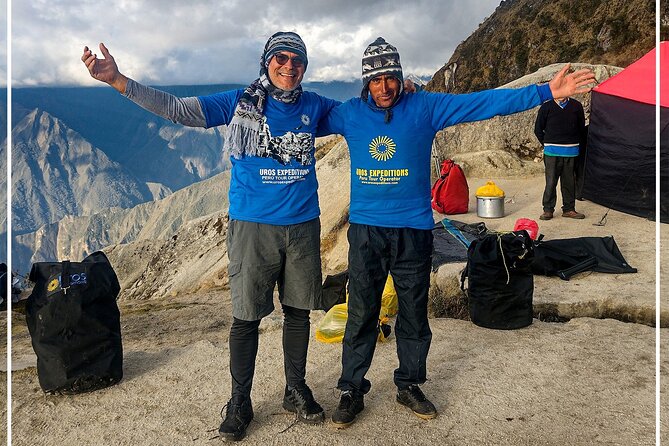
Day 2 is where the Classic Inca Trail earns its reputation. You begin at 3,000 meters and climb to Warmihuañusca, better known as Dead Woman’s Pass, at 4,200 meters. The total distance is 11 kilometers, with about five hours of walking, but the altitude makes the effort feel greater.
The trail first rises through dense vegetation toward Tres Piedras, where you get a short break. The route then changes as you enter inter-Andean forest with native Unca trees. After roughly two hours, you reach Llulluchapampa for snacks and hot drinks.
That pause is well timed. The final ascent to the pass is the day’s main test, and the higher you go, the more important a controlled pace becomes. The views over the surrounding valleys are the reward, but you should not treat the pass as a quick photo stop. At 4,200 meters, some people need time to catch their breath.
The descent to Pacaymayu takes several hours. Downhill sounds easy until your knees have already worked hard on the climb. The campsite sits at about 3,580 meters, so you finish higher than you began.
This is a challenging day, not a moderate one. The tour is best suited to someone with a moderate fitness level who is comfortable walking for hours on uneven, steep ground. If you are worried about altitude, the most useful preparation is to allow time in Cusco before the trek and take the guide’s pace seriously. The supplied information does not promise a special altitude program, so do not assume the crew can remove the effects of thin air.
Day 3: Runkurakay, Sayacmarca, and Wiñayhuayna
Day 3 is the longest and, for many people, the most rewarding. You walk 16 kilometers in about eight hours, starting at 3,580 meters and finishing at 2,680 meters. The day is rated formidable, and that word is fair.
The first climb takes about 45 minutes to Runkurakay, a circular archaeological site once used as a rest lodge for people moving along the Inca route. Another 45-minute ascent brings you to the Runkurakay pass, the second-highest point of the trek at about 4,000 meters.
From there, you descend to Sayacmarca. This site was built in a strategic position, and its setting helps you understand the Inca talent for placing buildings where access and views could be controlled. The path continues to Chaquicocha, where lunch provides a needed break.
After lunch, the trail enters high Andean cloud forest. This is one of the route’s best changes of scenery. The stone path follows a ridge toward Phuyupatamarca, where you can look across the Sacred Valley and toward the surrounding peaks.
The final section drops toward Wiñayhuayna, your last campsite. Along the way, you pass another important archaeological site and a temple connected with sacred offerings. The changing altitude means the scenery keeps shifting, from high open passes to wetter forest and stone terraces.
The length is the main drawback. Eight hours on stone steps can be tiring even if you are fit. Day 3 also includes repeated uphill and downhill sections, so it is not simply a long descent from the high pass. Still, this is the day that gives the trek its full character: ruins, mountain views, forest, and a strong sense of following an old route rather than taking a direct road to Machu Picchu.
More hikes and treks in Cusco:
- Salkantay Classic Trek 5 Days from Cusco
★ 5.0 · 4,062 reviews - 4-Day Salkantay Trek with Sky Camp Stay
★ 5.0 · 3,346 reviews - Salkantay Trek 5D/4N with Glass Cabins, Domes and Hobbit House
★ 5.0 · 2,488 reviews - 2-Day Inca Trail to Machu Picchu with Panoramic Train
★ 5.0 · 1,876 reviews
Day 4: Enter Machu Picchu through Inti Punku
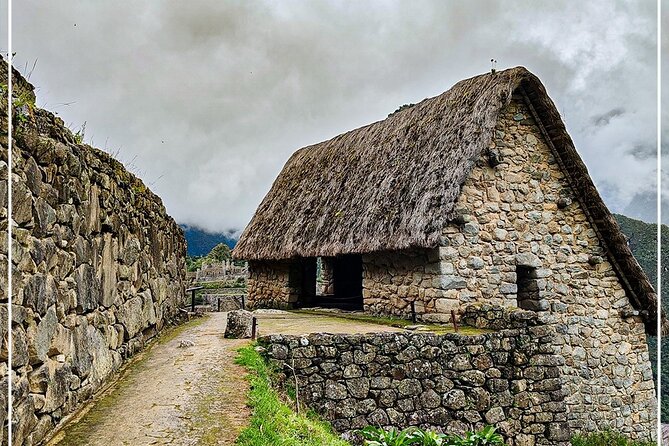
The final morning begins at Wiñayhuayna, at about 2,680 meters. You walk roughly 5 kilometers, with the highest point only around 2,730 meters. The day is rated easy and takes about five hours, including the visit to Machu Picchu.
The final stretch leads to Inti Punku, the Sun Gate and traditional entrance to Machu Picchu for people completing the Inca Trail. The uphill section is considered easy compared with the previous days, but the early start and anticipation make it feel special.
From the Sun Gate, you descend for about 45 minutes to the upper area of Machu Picchu. This is where you get the familiar first photograph and a group picture before entering the main complex. The guided visit lasts about two hours.
The guided tour gives structure to the site after three days on the trail. You will have a set period to see the main areas with the guide, so listen closely and save your best questions for the walk. The supplied plan does not promise free time inside the ruins, so do not assume you can wander without limits.
Huayna Picchu or Machu Picchu Mountain can be added for an extra cost, but advance booking is required. These optional climbs should be treated as a separate decision, not an automatic part of the day. After the main visit, you take the bus down to Aguas Calientes for lunch, which is not included.
You then receive return train tickets for the journey toward Cusco. Staff collect you in Ollantaytambo and return you to your hotel. This final transfer is useful, but train coordination can be the least predictable part of the day. Keep your evening open and avoid booking a tight onward connection.
How the staff and logistics shape the experience
The package includes professional staff, a briefing, an emergency kit, transport, and a maximum group size of 15. Those details are not just paperwork. On a route with altitude changes, early starts, fixed permits, campsites, and a train connection, organization affects your comfort every day.
The team receives particularly strong praise for being friendly and attentive. That matters when you are tired, cold, hungry, or trying to understand the next day’s plan. The guides are also responsible for keeping the group moving at a sensible pace and explaining sites such as Patallacta and Sayacmarca.
Transport is arranged from the start. Pickup is offered from hotels within Cusco’s city limits, usually about 30 minutes before the tour’s stated start time. If your accommodation is outside the urban area, an alternative meeting point must be arranged.
The experience is offered in English and comes with a mobile ticket. Confirmation is provided at booking. A briefing is part of the service, and you should use it to settle questions about luggage, sleeping bags, walking sticks, pickup, and the return train.
Who should book this four-day trek?
You should consider it if you want the Classic Inca Trail as a full walking experience, not just a quick visit to Machu Picchu. The route gives you archaeological sites before the main destination, several kinds of Andean scenery, and the satisfaction of arriving through the Sun Gate.
It suits people with moderate physical fitness who can handle five to eight hours of walking, steep steps, and high altitude. You do not need to be an elite athlete, but you do need patience, preparation, and a willingness to walk at the group’s pace.
It is less suitable if you want a relaxed holiday, dislike camping, or have only one free day for Machu Picchu. The 4:00 to 5:00 AM start, the 4,200-meter pass, and the long third day are central parts of the experience, not minor details.
The small group limit is a good fit if you want support without joining a very large crowd. The porter allowance also helps, especially if you pack carefully. Bring only what you need for the trail and keep your daypack light.
Practical details to settle before departure
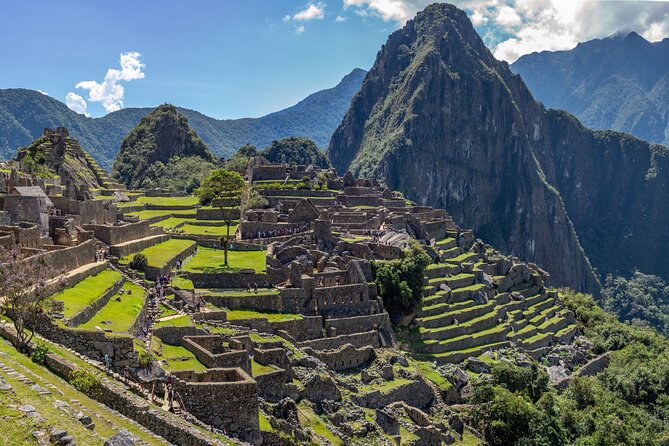
The tour operates daily during the stated booking period, from October 10, 2024, through November 27, 2026. It is commonly reserved about 72 days ahead, so last-minute planning may be difficult.
Free cancellation is available if you cancel at least 24 hours before the local start time. Cancellations or changes made less than 24 hours before departure are not accepted for a refund.
Before you leave Cusco, confirm your hotel pickup, personal luggage arrangement, sleeping bag, walking sticks, and the meals you must buy yourself. You should also verify the train return instructions, since the final transfer involves a pickup in Ollantaytambo rather than a direct hotel drop-off from Aguas Calientes.
Should you book it?
Book this tour if you want a well-organized Classic Inca Trail package with meals, permits, campsites, transport, trained staff, and a 5-kilo personal porter allowance included. The strongest reasons to choose it are the route itself, the arrival through Inti Punku, and the repeated praise for friendly service, food, and coordination.
Think twice if you are not comfortable with long mountain days or if you need a fully relaxed schedule. The third day is formidable, Dead Woman’s Pass is high, and the return train may require patience.
For a fit hiker who wants the route as much as the ruins, this is a solid-value way to reach Machu Picchu. Prepare for the altitude, pack light, and leave space in your plans after the train ride.
FAQ
How long is the Inca Trail tour?
The experience lasts approximately four days. Walking distances are about 12 kilometers on Day 1, 11 kilometers on Day 2, 16 kilometers on Day 3, and 5 kilometers on Day 4.
How much does the tour cost?
The listed price is $1,100 per person.
What language is the tour offered in?
The tour is offered in English.
Is hotel pickup available?
Yes. Pickup is offered from hotels within Cusco’s city limits, usually about 30 minutes before the tour begins. Alternative arrangements are needed for accommodations outside the urban area.
How difficult is the trek?
The tour requires a moderate level of physical fitness. Day 1 is moderate, Day 2 is challenging, Day 3 is formidable, and Day 4 is easy. The highest point is Dead Woman’s Pass at 4,200 meters.
What meals are included?
Three breakfasts, three lunches, and three dinners are included. Breakfast on Day 1, lunch on Day 4, and dinner on Day 4 are not included.
Is a porter included?
Yes. A personal porter is included to carry up to 5 kilos of your personal items.
What is not included?
A sleeping bag and a pair of walking sticks are not included. The optional Huayna Picchu or Machu Picchu Mountain hikes also cost extra and require advance booking.
Just added in Cusco
- Private Transfer from Airport to Hotel in the City of Cusco★ 4.0 · 5 reviews
- Best Cusco walking tour: dinner street food tasting★ 4.5 · 11 reviews
- Cusco Private Transportation for 2026★ 5.0 · 4 reviews
- Private Tour to Pisac Market and Pisac Ruins★ 5.0 · 4 reviews
- Machu Picchu Day Trip With Panoramic Train from Cusco★ 5.0 · 10 reviews
- Sacred Valley Private Tour from Cusco, Guide and Driver only★ 5.0 · 4 reviews
- Sacred Valley of the Incas Tour★ 5.0 · 12 reviews
- Private Tour of the Mountain of Colours by Quad★ 5.0 · 7 reviews
Machu Picchu Tours, compared.
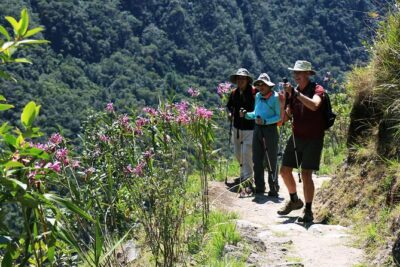
Classic Inca Trail Trek 4D/3N to Machu Picchu (Group Service)
Read our review →
2-Day Inca Trail to Machu Picchu with Panoramic Train
Read our review →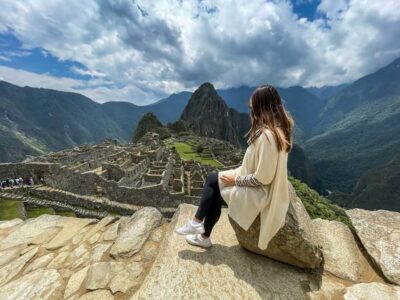
From Cusco: Full-Day Group Tour of Machu Picchu
Read our review →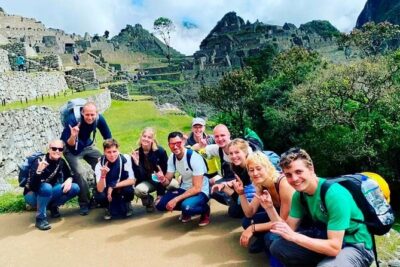
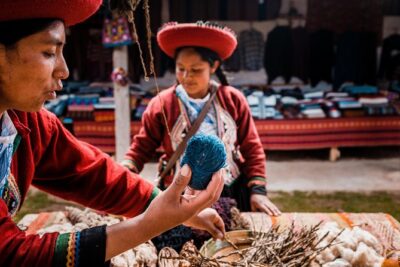
2-Day Tour: Sacred Valley and Machu Picchu by Train
Read our review →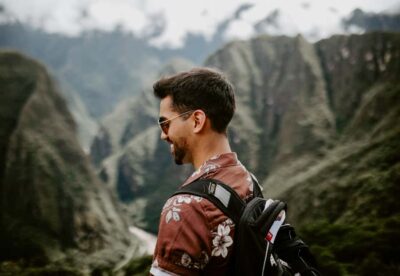
Machu Picchu: Full-Day Tour from Cusco with Optional Lunch
Read our review →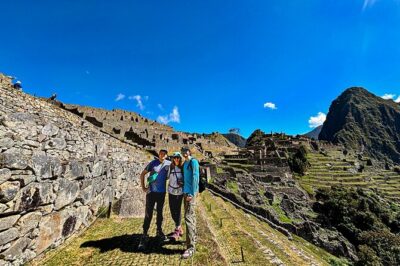
Machu Picchu Full Day from Cusco by Panoramic Train
Read our review →Browse the lists this tour appears in