
Reviewed · MACHU PICCHU TOURS
4-Day Inca Trail Tours to Machu Picchu
The trail earns its reputation. This four-day Inca Trail trek combines demanding mountain walking, remote camps, Inca sites, and arrival at Machu Picchu through the Sun Gate. I especially like the small-group attention and the care built into the camping setup, including a cook, porters, dining tent, toilet tent, and air mattresses. The food also sounds unusually good for a trek, with one account praising restaurant-quality meals and even a cake on the final camp night.
The main catch is simple: this is hard work at high altitude. You will climb to about 4,200 meters, sleep in tents for three nights, and start the final day early. The $825 price covers the permits, Machu Picchu entry, meals, camping support, guide, and return transport, but you still need to budget for a sleeping bag, hiking poles, the shuttle bus down from Machu Picchu, insurance, tips, and lunch in Aguas Calientes.
In This Review
- Key points to know before you book
- What the $825 price really covers
- Day one, from Cusco to Kilometer 82 and Wayllabamba
- Day two, the hard climb to Dead Woman’s Pass
- Day three, Runkuraqay, Sayacmarca, and the Village in the Clouds
- Day four, entering Machu Picchu through Inti Punku
- The guide, cook, and porter team
- Who should choose this trek?
- Timing, permits, and what to pack
- Should you book the four-day Inca Trail?
- FAQ
- How long is the Inca Trail tour?
- What time does the tour start?
- What is the highest point on the route?
- How many nights do you camp?
- Are meals included?
- Is water provided?
- Is the Machu Picchu entrance ticket included?
- Are sleeping bags and hiking poles provided?
- Can children join the trek?
Key points to know before you book
- The highest point is 4,200 meters: Day two brings the steepest climb, to Warmiwañusca, also called Dead Woman’s Pass.
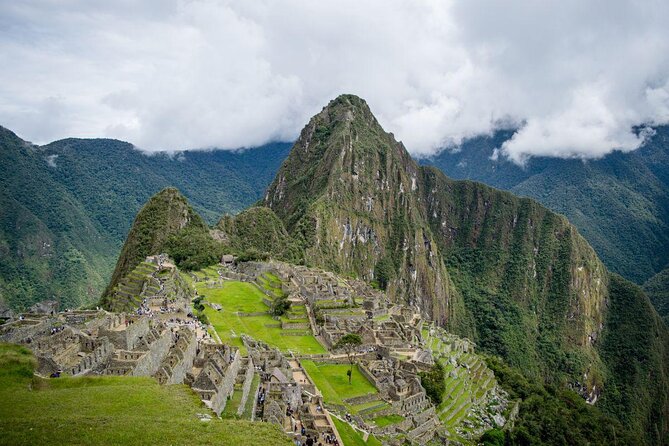
- You enter Machu Picchu through the Sun Gate: The final approach includes about an hour of walking from Wiñayhuayna to Inti Punku.
- Camping support is unusually complete: Porters carry food and equipment, while the cook prepares meals in a dedicated cooking tent.
- Food is a major strength: Breakfast, lunch, dinner, and hot afternoon drinks are included for the three trekking days.
- The final day starts early: The meeting time is 4:30 am, so you should be ready for a very long day before returning to Cusco.
- Book well ahead: The Inca Trail has limited daily permits, with extra capacity in July and August, but spaces can still disappear months in advance.
What the $825 price really covers
At $825 per person, this is not a budget walk, but the price makes more sense once you see what is included. You are paying for a regulated Inca Trail permit, entry to Machu Picchu, transport to the trailhead, three nights of camping, three meals each trekking day, a bilingual guide, a trekking chef, porters, camping equipment, and the return train and vehicle connections.
The permit matters. You cannot simply arrive at Kilometer 82 and walk onto the classic Inca Trail. The route is controlled, and your documents must be checked before you begin. That limited access helps protect the trail and also explains why you need to reserve well in advance.
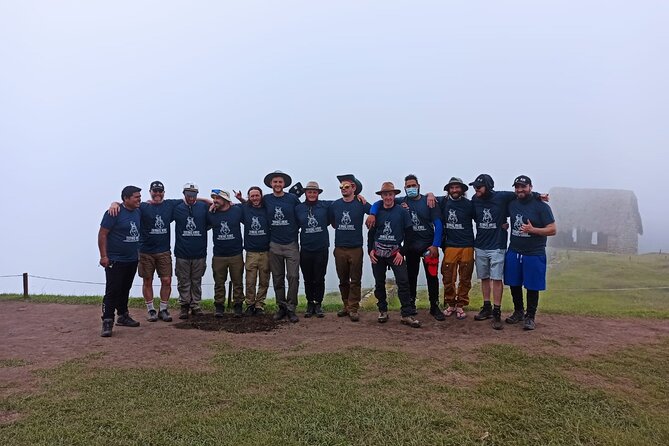
The camping equipment reduces the amount you must carry. Porters handle the food, tents, cooking gear, tables, chairs, and other shared supplies. Your personal gear is still your responsibility unless you pay for an extra porter to carry up to 7 kilograms. That extra service is not included, so pack carefully.
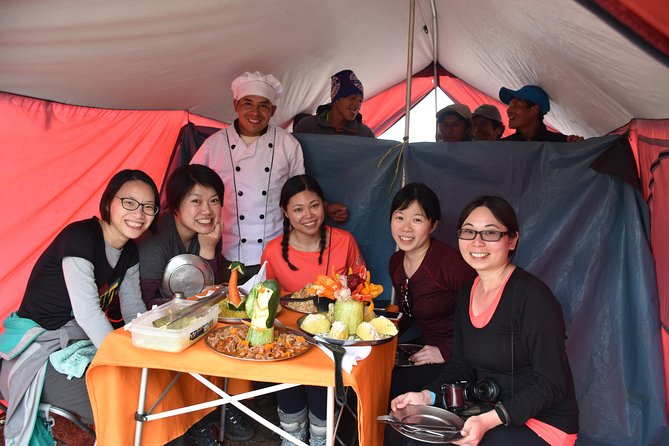
The food provision adds real value. You receive breakfast, lunch, dinner, and hot afternoon drinks on each of the three trekking days. One particularly strong account described the meals as restaurant quality and recalled an iced cake served on the final night. You should not assume every meal will be a feast, but the dedicated cook clearly makes a difference.
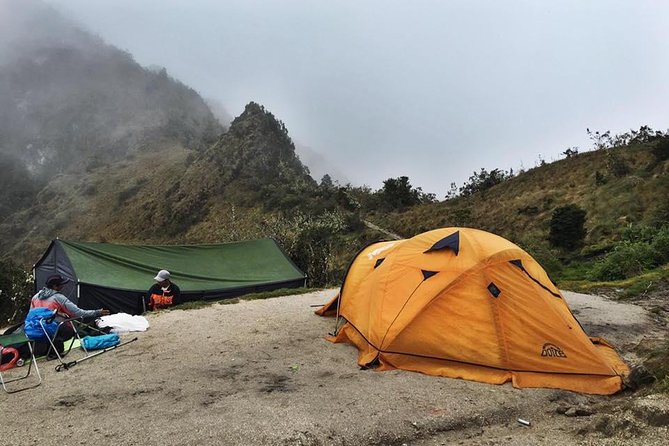
You also receive a personal tent arrangement using a four-person tent for greater comfort, an air roll mattress, and access to a dining tent and toilet tent. Those details matter after a long climb. A basic trek can leave you eating on the ground and sleeping on thin foam. This setup gives you a more organized camp.
Still, make a separate budget for sleeping bags and hiking poles. Travel insurance, tips, the shuttle bus from Machu Picchu to Aguas Calientes, and your final lunch are also outside the advertised price. The first four hours of walking begin without supplied water, so carry enough for that opening stretch.
More Machu Picchu trips:
- Classic Inca Trail Trek 4D/3N to Machu Picchu (Group Service)
★ 5.0 · 8,653 reviews - Machu Picchu: 4-Day Inca Trail Trek with Panoramic Train Ride
★ 5.0 · 4,568 reviews - Short Inca Trail to Machu Picchu 2D/1N
★ 5.0 · 3,007 reviews
Day one, from Cusco to Kilometer 82 and Wayllabamba
The first morning starts at 4:30 am with a hotel pickup in Cusco. That early departure is necessary because the trailhead lies well beyond the city, reached by passing through Chinchero, Urubamba, and Ollantaytambo before arriving at Chilca, near Kilometer 82.
At the trail entrance, you receive an explanation of the trek and recommendations for the walk. Your documents are checked at the Inca Trail control point. This is practical rather than glamorous, but it is an important part of a permit-controlled route.
You stop for lunch for about an hour and a half before starting the walk. Since breakfast is not included on the first day, arrange your own morning food before pickup. The schedule then moves toward the first camp at Wayllabamba.
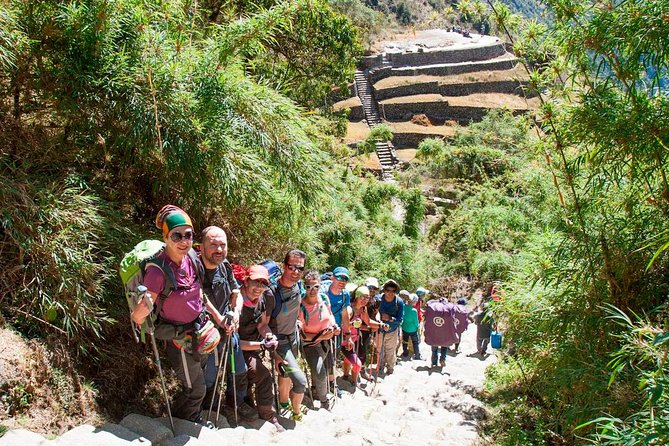
The day also includes a guided visit to the Llactapata archaeological group. This gives the trek an early cultural focus instead of making it only a test of stamina. You begin seeing the route as an old travel corridor, not just a path to a famous ruin.
Day one is generally the gentler introduction compared with what follows, but the early start and long transfer make it tiring. The practical advantage is that you do not need to organize separate transport to the trailhead. The guide, vehicle, permits, camp crew, and food system are already arranged.
Day two, the hard climb to Dead Woman’s Pass
After breakfast, the most demanding section begins. You climb steeply for roughly three hours toward Warmiwañusca, or Dead Woman’s Pass, at about 4,200 meters above sea level.
This is the day that tests your fitness and your altitude preparation. The climb is not described in terms of distance alone because the slope and elevation are the real challenge. If you have spent your life near sea level, take the pace seriously. One account specifically praised guide Auriol for remaining patient and never rushing the group when altitude made the walk difficult.
At the pass, you get wide views across the surrounding mountains and the satisfaction of reaching the route’s highest point. It is a major physical milestone, but do not treat it as the end of the day. After resting, you descend to Pacaymayo for lunch, camping, and dinner.
The descent can be hard on tired knees, especially after the steep climb. Hiking poles are not included, but they may be useful if you already use them. The tour also advises anyone prone to altitude sickness to bring needed medicine and consult a doctor before the trek.
The camp routine is one of the better features here. Porters carry the cooking and camping equipment, while the cook prepares meals away from the walking trail. You still sleep outdoors in a tent, but the dining and toilet tents provide a bit of order and privacy.
Day three, Runkuraqay, Sayacmarca, and the Village in the Clouds
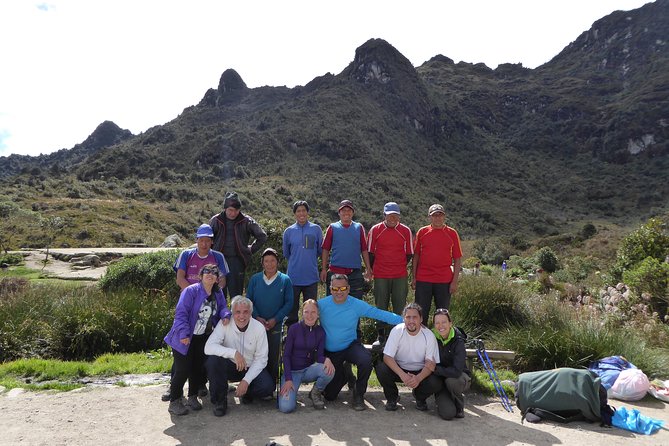
Day three starts with breakfast and another climb, reaching the second-highest section of the route at about 3,800 meters. The elevation is lower than Dead Woman’s Pass, but your legs may still feel the previous day.
A guided visit to Runkuraqay breaks up the walking with a close look at an important Inca archaeological site. The route then continues to Sayacmarca, where lunch is served. These stops are valuable because the guide can connect the stone remains to the terrain around you rather than leaving you to guess what you are seeing.
The scenery changes as you continue. The route moves from a dry, mountainous setting toward greener tropical vegetation. That shift is one of the most satisfying parts of the trek because the trail does not offer just one type of scenery for four days.
You also pass Phuyupatamarca, known as the Village in the Clouds, another major archaeological monument. The name fits the high route, though cloud and visibility conditions can vary. You should expect a mix of walking, ruins, changing vegetation, and mountain weather rather than guaranteed views at every point.
The final camp is Wiñayhuayna. Dinner and the last night in a tent follow. You may feel exhausted by this point, but the location sets up the final approach to Machu Picchu. It also means you are already close to the Sun Gate when morning arrives.
More hikes and treks in Cusco:
- Salkantay Classic Trek 5 Days from Cusco
★ 5.0 · 4,062 reviews - 4-Day Salkantay Trek with Sky Camp Stay
★ 5.0 · 3,346 reviews - Salkantay Trek 5D/4N with Glass Cabins, Domes and Hobbit House
★ 5.0 · 2,488 reviews - 2-Day Inca Trail to Machu Picchu with Panoramic Train
★ 5.0 · 1,876 reviews
Day four, entering Machu Picchu through Inti Punku
After breakfast, you walk for about an hour through the forest to Inti Punku, the Sun Gate. This is the classic arrival point on the Inca Trail, and it gives you a first broad view of Machu Picchu from above.
That entrance is a major reason to choose the four-day trail rather than simply taking a train to Aguas Calientes. You do not approach the citadel as a quick day visitor arriving by bus. You reach it on foot, after several days of walking, with the ruins appearing from the Sun Gate.
Once inside Machu Picchu, the guide leads a tour of the main remains. The route includes the Main Square, Circular Tower, Sacred Solar Clock, royal quarters, Temple of the Three Windows, and cemeteries. The guided visit helps you understand the layout and purpose of the principal structures, though the supplied schedule does not specify the exact length of the citadel tour.
The day is not over once you leave the ruins. You must descend to Aguas Calientes, and the shuttle bus from Machu Picchu is not included. At the appropriate time, you board the tourist train to Ollantaytambo, where a representative meets you for the vehicle ride to your Cusco hotel.
The return connection is useful, but it is also a long travel day. Your final lunch in Aguas Calientes is not included, and you should keep money available for food and the bus. The early start, walking, guided ruins visit, train, and road transfer make this a full finish rather than a relaxed sightseeing morning.
The guide, cook, and porter team
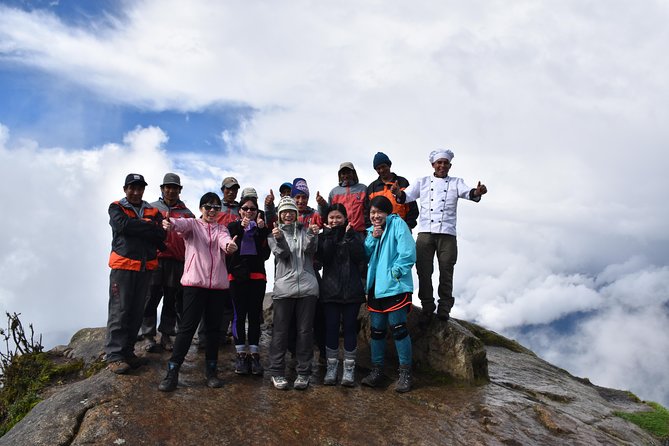
The human support can shape this trek as much as the scenery. You receive an experienced bilingual guide, a trekking chef, and porters who carry food, tents, cooking gear, and camp supplies.
Specific praise has gone to guides Julio and Auriol. Julio was described as a passionate Incan guide who explained local culture and medicinal plants, while Auriol was valued for patience, clear information, and a willingness to adjust the pace for people unused to altitude.
That kind of help matters on a route where you cannot simply step into a café or shorten the walk. A guide who watches the group and explains the sites can turn a punishing hike into a more meaningful experience. The porters and cook also make the difference between carrying survival gear yourself and concentrating on the trail.
A first-aid kit and emergency oxygen bottle are included. These supplies are reassuring, but they are not a substitute for preparation. The tour advises you to address altitude concerns before departure and bring any medicine you need.
Who should choose this trek?
You should choose this trip if you want the classic Inca Trail approach, not just a visit to Machu Picchu. It suits someone with moderate physical fitness who can handle steep climbs, high altitude, early starts, and three nights of camping.
It can also work well for a parent and older teenager. The minimum age is 12, and a 14-year-old completed the trek with a parent and described it as an excellent adventure. That does not mean the route is easy for young people. You should judge fitness, altitude tolerance, and willingness to camp on their own merits.
This is less suitable if you dislike rough conditions, need flexible plans, or want a comfortable hotel each night. The tour is non-refundable and cannot be changed after booking, so you should be confident about your dates, health, and ability before paying.
The information describes the activity as private, meaning only your group participates. At the same time, the experience is presented as a small-group trek with personal service. Either way, the useful point is that you should expect a more personal setup than a large coach excursion.
Timing, permits, and what to pack
Reserve weeks or months ahead. The classic Inca Trail has a daily limit, with an additional 200 people allowed during July and August according to the supplied information. Confirmation arrives within 48 hours of booking, but only if space is available, so do not treat that window as a guarantee until your permit is confirmed.
Pack light, but remember the first four hours are without supplied water. You need to carry your own supply at the start. You also need a sleeping bag, hiking poles if you want them, personal clothing, and anything needed for altitude sickness.
The tour supplies water each day after that opening period, along with tents, mattresses, meals, hot drinks, and camp furniture. An extra porter can carry up to 7 kilograms of personal belongings, but that service costs extra.
Vegetarian meals are available if you advise the company when booking. The same early planning applies to any medical or dietary needs. Since the cancellation policy offers no refund or amendments for any reason, check your dates and insurance before committing.
Should you book the four-day Inca Trail?
I would choose this trek if walking into Machu Picchu through the Sun Gate matters to you. The route combines major archaeological sites, high mountain passes, changing scenery, strong camp support, and a guide-led visit to the citadel. At $825, it offers solid value for a permit-controlled trek with transport and a full support crew.
I would not choose it simply because Machu Picchu is on your list. The climb to 4,200 meters is serious, the final day begins at 4:30 am, and several important extras remain outside the price. Prepare properly, reserve early, and accept that the trail is the main event, not just a long way to reach the ruins.
FAQ
How long is the Inca Trail tour?
The tour lasts approximately four days, including three nights of camping and the return journey from Machu Picchu to Cusco.
What time does the tour start?
The stated start time is 4:30 am, with pickup from your hotel in Cusco on the first morning.
What is the highest point on the route?
The highest point is Warmiwañusca, also called Dead Woman’s Pass, at approximately 4,200 meters above sea level.
How many nights do you camp?
You camp for three nights, at Wayllabamba, Pacaymayo, and Wiñayhuayna.
Are meals included?
Yes. The tour includes three breakfasts, three lunches, three dinners, and three afternoon hot drinks. Breakfast on the first day and your final lunch in Aguas Calientes are not included.
Is water provided?
Water is provided each day except during the first four hours of the trek. You must bring your own water for that opening section.
Is the Machu Picchu entrance ticket included?
Yes. The Inca Trail permits and Machu Picchu tickets are included.
Are sleeping bags and hiking poles provided?
No. Sleeping bags and hiking poles are not included, so you need to arrange them separately.
Can children join the trek?
The minimum age is 12. Anyone joining should also have a moderate level of physical fitness and be prepared for steep walking and high altitude.
Just added in Cusco
- Cusco Private Transportation for 2026★ 5.0 · 4 reviews
- Private Transfer from Airport to Hotel in the City of Cusco★ 4.0 · 5 reviews
- Best Cusco walking tour: dinner street food tasting★ 4.5 · 11 reviews
- Private Tour to Pisac Market and Pisac Ruins★ 5.0 · 4 reviews
- Machu Picchu Day Trip With Panoramic Train from Cusco★ 5.0 · 10 reviews
- Sacred Valley Private Tour from Cusco, Guide and Driver only★ 5.0 · 4 reviews
- Sacred Valley of the Incas Tour★ 5.0 · 12 reviews
- Private Tour of the Mountain of Colours by Quad★ 5.0 · 7 reviews
Machu Picchu Tours, compared.
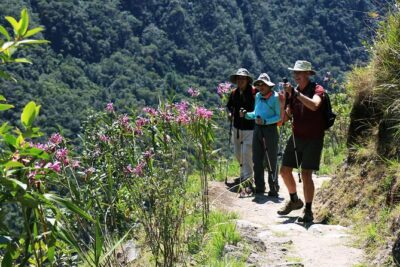
Classic Inca Trail Trek 4D/3N to Machu Picchu (Group Service)
Read our review →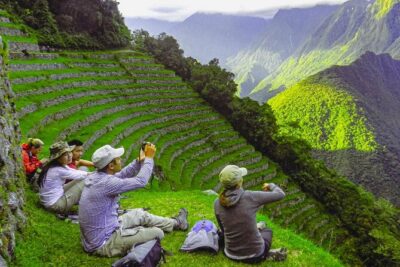
2-Day Inca Trail to Machu Picchu with Panoramic Train
Read our review →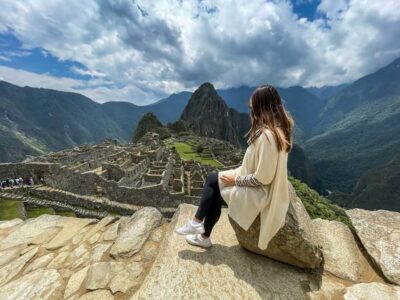
From Cusco: Full-Day Group Tour of Machu Picchu
Read our review →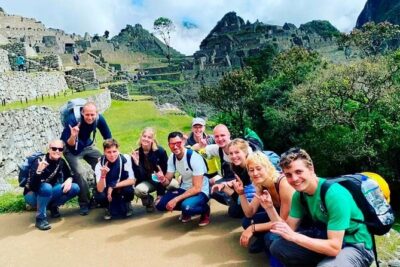
2-Day Tour: Sacred Valley and Machu Picchu by Train
Read our review →
Machu Picchu: Full-Day Tour from Cusco with Optional Lunch
Read our review →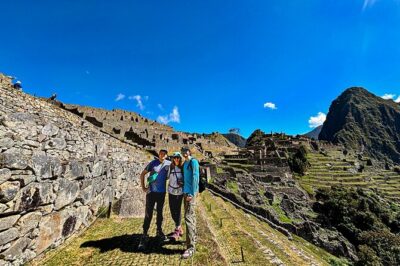
Machu Picchu Full Day from Cusco by Panoramic Train
Read our review →Browse the lists this tour appears in