
Reviewed · MACHU PICCHU TOURS
4-Day Lares Trek to Machu Picchu from Cusco
High passes lead to an unforgettable arrival. This four-day route links the Lares Valley with Machu Picchu, giving you mountain trekking, rural Quechua communities, camping, a comfortable hotel night, and a guided visit to the Inca citadel. I like the local feel of the route and the strong support from the guide and cook. The main caution is altitude: the trek reaches 4,400 meters and demands good fitness.
I also like the small groups, with a maximum of 15 people and an average of four. That size should make it easier to walk at your own pace and ask questions. The long second day, limited electricity, shared tents for solo participants, and early start at Machu Picchu may feel tough if you prefer a relaxed holiday.
In This Review
- Key points to know before booking
- Why the Lares route makes a good Machu Picchu trek
- Day 1: Lares hot springs and the climb to Wakawasi
- Day 2: The 4,400-meter push over Ipsayccocha Pass
- Food, horses, and camp support on the trail
- Day 3: Patacancha to Ollantaytambo, then the train
- Day 4: Early buses and two hours inside Machu Picchu
- What the $847 price really includes
- Group size, fitness, and practical preparation
- Who should book this Lares Trek?
- Final booking advice
- FAQ
- How long is the Lares Trek to Machu Picchu?
- What is the highest altitude on the trek?
- Is camping included?
- Is a hotel night included?
- Are meals included?
- Can I request vegetarian meals?
- Is a sleeping bag included?
- Can I hike Huayna Picchu?
- Where does the tour finish in Cusco?
Key points to know before booking
- 4,400-meter Ipsayccocha Pass: The highest point comes on Day 2, after a four-hour uphill walk.
- Local community camps: You spend nights near Wakawasi and Patacancha, with llamas, alpacas, crops, and mountain families nearby.
- Peruvian cooking on the trail: A dedicated cook prepares three breakfasts, lunches, dinners, and snacks, with vegetarian meals available if requested ahead of time.
- Seven kilos carried by horse: Horses carry camping gear, your sleeping bag and mattress allowance, plus 2.5 kilos of personal items during the first three trekking days.
- Aguas Calientes hotel night: After two nights camping, you sleep in a three-star hotel before visiting Machu Picchu.
- Small-group value: The $847 price includes transport, camping, meals, a guide, a cook, train tickets, buses, and Machu Picchu admission.
Why the Lares route makes a good Machu Picchu trek
The Lares Trek is a quieter alternative to the classic Inca Trail. You do not walk through the famous Sun Gate, but you do get a more rural route before reaching Machu Picchu by train.
That distinction matters. The first two days are about mountain communities and high-altitude walking. The final two days shift toward rail travel, Aguas Calientes, and the major archaeological site. You get variety rather than four straight days on the trail.
I like that a local guide leads both the trek and the Machu Picchu visit. The guide is not with you for every bus and train transfer, so you need to pay attention to the meeting points and tickets. Still, the important walking sections receive professional guidance, and the reported experience with Percy points to the kind of service you want here: clear English, humor, patience, and practical help on the trail.
The price is not cheap, but it covers the costly pieces. You receive tourist train travel from Ollantaytambo to Aguas Calientes and back, buses to Machu Picchu, a return bus to Cusco, two nights of camping, one hotel night, food, guide services, park admission, and support animals. Paying separately for all those items would take time and could make the total harder to control.
More Machu Picchu trips:
- Classic Inca Trail Trek 4D/3N to Machu Picchu (Group Service)
★ 5.0 · 8,653 reviews - Machu Picchu: 4-Day Inca Trail Trek with Panoramic Train Ride
★ 5.0 · 4,568 reviews - Short Inca Trail to Machu Picchu 2D/1N
★ 5.0 · 3,007 reviews
Day 1: Lares hot springs and the climb to Wakawasi
Your pickup from Cusco is scheduled for around 6:00 in the morning. The bus takes you to Lares Town, at about 2,900 meters, where you can visit the hot springs before the trek begins. The hot springs cost an additional 10 soles, so bring local cash and a swimsuit if you want a warm soak.
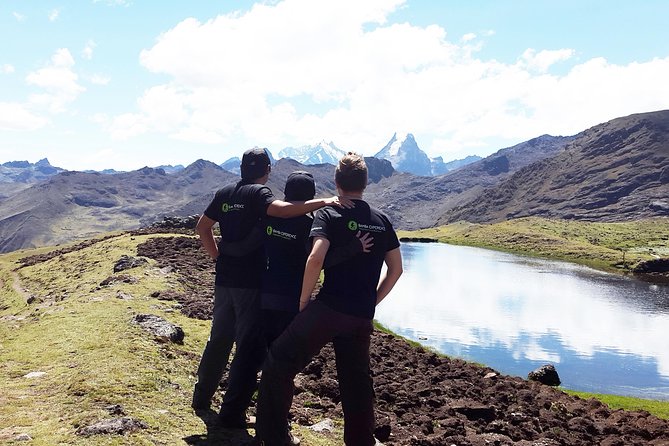
The first walking day covers about 14 kilometers in six hours. The route climbs in a zigzag pattern toward Wakawasi, which sits at approximately 3,850 meters. This is not a gentle warm-up, especially if you have just arrived in the Cusco region and have not adjusted to the altitude.
The reward is a close look at mountain life. You may see glaciers, wildlife, local crops, and rural communities as the trail rises. The campsite near Wakawasi gives you the chance to meet families who live in the area and depend closely on the surrounding land.
That community connection is one of the best reasons to choose Lares. The route is not only a scenic walk from point A to point B. It also places you near people who maintain a traditional highland way of life. Bring a small gift for the communities if you wish, since this is suggested but not included.
Your first night is in a tent. Solo participants share with another person, while couples have a tent to themselves. Camping equipment, cooking gear, and part of your personal load are carried by horses, which makes the uphill walking more manageable.
Day 2: The 4,400-meter push over Ipsayccocha Pass
Day 2 is the hardest section for most people. You begin with about four hours of uphill walking to Ipsayccocha Pass, at 4,400 meters. At that height, even a moderate slope can feel demanding. You should expect to walk slowly, drink often, and follow the guide’s advice about rest.
After crossing the pass, a 40-minute descent takes you to lunch beside the lake. The change from hard climbing to a lakeside meal gives the day a useful rhythm. You can recover your breath, eat properly, and prepare for another three hours of walking.
The full day covers about 15 kilometers in eight hours. You then continue downhill toward Patacancha, at roughly 3,800 meters. The campsite is near llamas, alpacas, and native crop plantations, so the setting remains tied to daily community life rather than isolated from it.
This day explains why the tour asks for moderate fitness and calls the hike difficult. The distance alone is not the full challenge. The altitude, cold, uneven ground, and length of time on your feet all add up.
Warm clothing is essential. Pack gloves, a hat, thermal layers, warm socks, rain protection, and sturdy trekking boots. Conditions can change quickly in the high mountains, and there is limited to no electricity during the camping portion. A flashlight, spare batteries, and waterproof bags for electronics are sensible additions.
Food, horses, and camp support on the trail
A cook travels with the group and prepares the meals. The package includes three breakfasts, three lunches, three dinners, and three snacks. Typical breakfasts include porridge, quinoa, oats, eggs, pancakes, fresh bread, and hot drinks. Lunch and dinner may include soups, quinoa, rice, pasta, chicken, beef stew, potatoes, and Peruvian dishes such as aji de gallina.
The food is more than a minor convenience on a trek like this. After six to eight hours of walking, a hot meal and a cup of coca tea can make the difference between feeling miserable and enjoying the evening. The strong praise for the food, and for the cook in particular, is worth noting. A well-fed group usually handles the high passes better.
Vegetarian meals are available, but you need to request them at least two days before departure. Bottled water is not included, and drinks become more expensive along the route, so carry a refillable bottle and extra cash. Water, snacks, and sports drinks are specifically items to budget for.
The horses carry cooking and camping equipment along with up to seven kilos for each trekker during the first three days. That allowance includes 2.5 kilos for the sleeping bag and mattress and another 2.5 kilos of personal belongings. Since the sleeping bag is not included, you can rent one in Cusco for about $15 or arrange your own.
More hikes and treks in Cusco:
- Salkantay Classic Trek 5 Days from Cusco
★ 5.0 · 4,062 reviews - 4-Day Salkantay Trek with Sky Camp Stay
★ 5.0 · 3,346 reviews - Salkantay Trek 5D/4N with Glass Cabins, Domes and Hobbit House
★ 5.0 · 2,488 reviews - 2-Day Inca Trail to Machu Picchu with Panoramic Train
★ 5.0 · 1,876 reviews
Day 3: Patacancha to Ollantaytambo, then the train
The third morning begins in Patacancha at about 3,800 meters. You walk for another four hours toward Ollantaytambo, covering approximately 12 kilometers. Compared with Day 2, this is shorter, but your legs may still feel the previous day’s climb.
Ollantaytambo marks the change from wilderness route to transport-based visit. After lunch, you board the tourist train to Aguas Calientes, the town below Machu Picchu. During the train and bus transfers, you are on your own rather than accompanied by a guide, so keep your tickets close and listen carefully to the instructions you received.
Aguas Calientes is a useful pause. You spend the night in a three-star hotel instead of a tent, and the town offers cafes, internet cafes, shops, and places to play board games or cards. An extra night can be arranged if you want more time before visiting Machu Picchu, though that must be requested when booking.
The hotel night gives you a chance to shower, charge devices, and sleep in a proper bed before the early start. It also helps break up the trip. The first two nights are basic camping, while the third night gives you a little comfort before the major sightseeing day.
Day 4: Early buses and two hours inside Machu Picchu
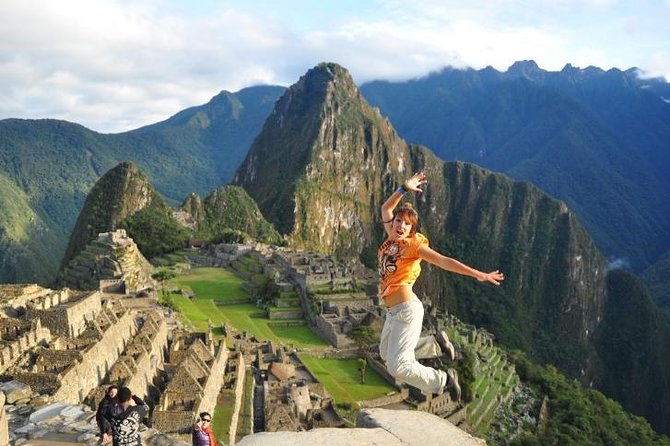
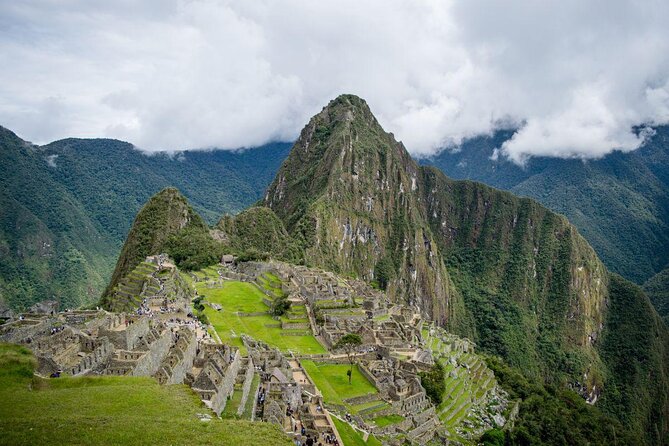
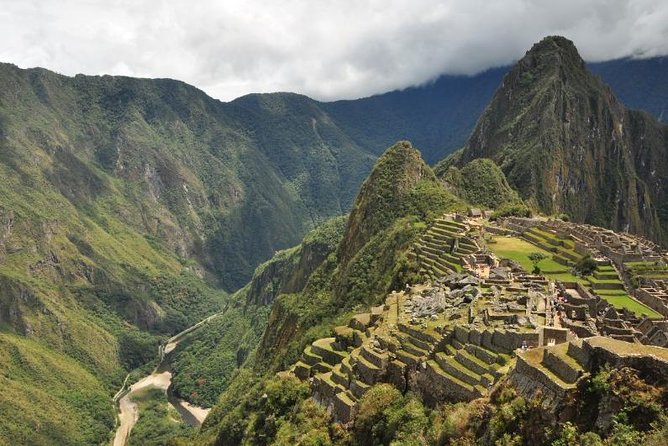
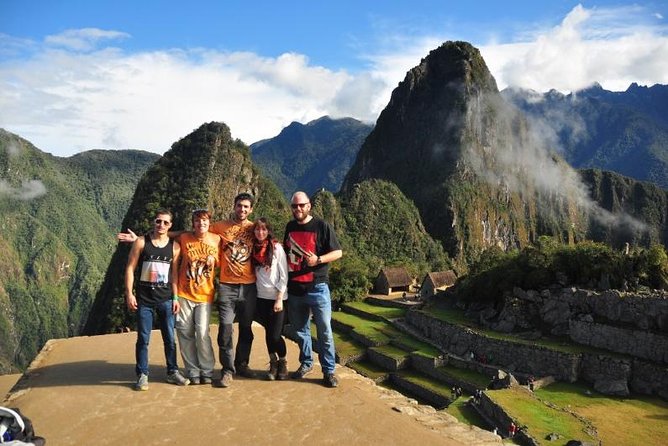
The final morning starts early. You are scheduled to catch one of the first buses at 5:30 a.m., with a ride of about 25 minutes to the entrance of Machu Picchu. The goal is to see the site as morning mist lifts and the light changes across the stonework.
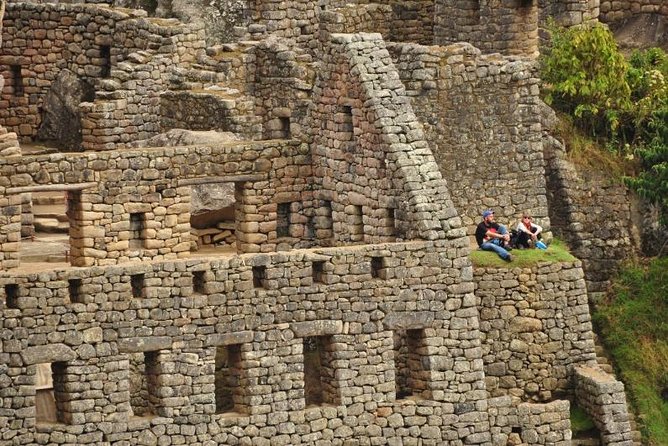
Your guide leads a walking tour of about two hours. The tour covers the main areas and explains the site’s history, layout, and importance. Afterward, you have time to explore on your own and take photographs at your own pace.
The guided portion is useful because Machu Picchu can feel overwhelming at first. A guide gives shape to the visit and helps you understand what you are seeing before you wander independently. The free time afterward lets you slow down and enjoy the views without having to stay with the group every minute.
Huayna Picchu is available as an optional extra. The steep route takes around 45 to 60 minutes and can be muddy. Only 400 passes are available each day, split between 7:00 a.m. and 10:00 a.m. You must request and purchase this ticket at least two weeks ahead.
Machu Picchu Mountain is another optional hike, with its ticket needed at least one week in advance. These add-ons are not included in the $847 price, and availability can change. If one of these climbs is important to you, arrange it before the trek rather than hoping to decide at the entrance.
After visiting the site, you take the bus back to Aguas Calientes. You can browse the market near the train station before boarding the train to Ollantaytambo. From there, a bus returns you to Cusco, arriving around 8:00 p.m. The drop-off is at Plaza San Francisco, and you arrange your own way to your accommodation.
What the $847 price really includes
At $847 per person, this tour sits in the higher-cost range for a four-day Peru excursion, but the package is broad. Included services cover:
- Pickup from your Cusco accommodation
- Transport to Lares
- Camping tents and basic sleeping mattresses
- A three-star hotel in Aguas Calientes
- Tourist train transport
- Buses between Ollantaytambo, Cusco, Aguas Calientes, and Machu Picchu
- A bilingual guide for the trek and Machu Picchu
- A cook and support horses
- Three breakfasts, lunches, dinners, and snacks
- Machu Picchu admission and the two-hour guided visit
- First-aid supplies and emergency oxygen
You still need to pay for your Cusco accommodation, the first breakfast, the fourth-day lunch, bottled water, a sleeping bag, hot springs, optional mountain hikes, tips, and your return from Plaza San Francisco to your accommodation.
The horse allowance is an important value point. Carrying camping gear over a 4,400-meter pass would make the trek much harder. You still need to carry a daypack with water, rain gear, warm layers, medication, and valuables, but the major camp load is handled for you.
Group size, fitness, and practical preparation
The maximum group size is 15, with an average of four. A small group can make a high-altitude trek more pleasant because the guide can monitor the pace and answer questions without managing a crowd.
The minimum age is seven, but age alone does not determine suitability. The tour requires good physical condition, with most of the walking at altitudes around 4,000 meters. You should be comfortable with six to eight hours of mountain walking before signing up.
The mandatory briefing takes place at 6:00 p.m. the evening before departure at the operator’s Cusco office on Calle Matara 242, second floor. You receive the packing list, confirm departure details, and get instructions for the route. This meeting is important, especially because the first pickup is early.
Bring your original passport. The passport details used for the booking must be exact, including your full name, birth date, nationality, passport number, and expiration date. The passport must be valid for at least six months after the travel date. If you renew your passport after booking, carry the old passport or a photocopy of it.
The trek operates on Mondays, Wednesdays, and Saturdays. Daily departures are possible with a group of four or more. Confirmation is normally provided at booking, though bookings made within four days of departure may take up to 48 hours and depend on availability.
The cancellation rule is strict: the experience is non-refundable and cannot be changed for any reason. Check your dates, passport information, fitness, and accommodation plans before paying.
Who should book this Lares Trek?
I would choose this tour if you want a full Machu Picchu trip that includes more than the archaeological site. It suits you if you value rural communities, high mountain walking, a small group, local guiding, and proper meals at camp.
It is also a good fit if you want support without carrying all your equipment. The horses, cook, tents, train tickets, and hotel night remove much of the planning burden.
I would hesitate if you dislike camping, struggle with altitude, need flexible dates, or want to spend several hours alone at Machu Picchu. The route is physically demanding, the final day is long, and the non-refundable policy leaves little room for a change of plans.
Final booking advice
Book this Lares Trek if the journey matters as much as the destination. The high pass, community camps, good trail food, small groups, and local guide create a more personal route to Machu Picchu than a simple train-and-tour package.
Before paying, confirm your passport details, arrange a sleeping bag, request vegetarian meals if needed, and reserve Huayna Picchu or Machu Picchu Mountain well ahead. If you can manage the altitude and accept two basic camping nights, the $847 package offers strong value for a carefully supported four-day adventure.
FAQ
How long is the Lares Trek to Machu Picchu?
The experience lasts approximately four days. The trek includes about 14 kilometers on Day 1, 15 kilometers on Day 2, and 12 kilometers on Day 3 before the final Machu Picchu visit.
What is the highest altitude on the trek?
The highest point is Ipsayccocha Pass at about 4,400 meters. The tour requires good physical condition because much of the route is above 4,000 meters.
Is camping included?
Yes. Two nights of camping are included, along with a tent for two people and a basic sleeping mattress. Solo participants share a tent with another person, while couples have a private tent.
Is a hotel night included?
Yes. You spend one night in a three-star hotel in Aguas Calientes on Day 3. Solo participants share a room with another person, while couples have a private room.
Are meals included?
The package includes three breakfasts, three lunches, three dinners, and three snacks. Day 1 breakfast, Day 4 lunch, bottled water, and other drinks are not included.
Can I request vegetarian meals?
Yes. Vegetarian food is available for every meal, but you should request it at least two days before departure.
Is a sleeping bag included?
No. You can rent a sleeping bag in Cusco for about $15. Horses carry the sleeping bag and mattress allowance as part of the seven-kilo load permitted for each trekker.
Can I hike Huayna Picchu?
Yes, but it is optional and costs extra. The hike takes about 45 to 60 minutes, may be muddy, and requires a ticket requested at least two weeks ahead. Only 400 passes are available each day.
Where does the tour finish in Cusco?
The return bus arrives at Plaza San Francisco at approximately 8:00 p.m. You must arrange your own transport from there to your accommodation.
Just added in Cusco
- Cusco Private Transportation for 2026★ 5.0 · 4 reviews
- Private Transfer from Airport to Hotel in the City of Cusco★ 4.0 · 5 reviews
- Best Cusco walking tour: dinner street food tasting★ 4.5 · 11 reviews
- Machu Picchu Day Trip With Panoramic Train from Cusco★ 5.0 · 10 reviews
- Private Tour to Pisac Market and Pisac Ruins★ 5.0 · 4 reviews
- Sacred Valley Private Tour from Cusco, Guide and Driver only★ 5.0 · 4 reviews
- Sacred Valley of the Incas Tour★ 5.0 · 12 reviews
- Private Tour of the Mountain of Colours by Quad★ 5.0 · 7 reviews
Machu Picchu Tours, compared.
Classic Inca Trail Trek 4D/3N to Machu Picchu (Group Service)
Read our review →
2-Day Inca Trail to Machu Picchu with Panoramic Train
Read our review →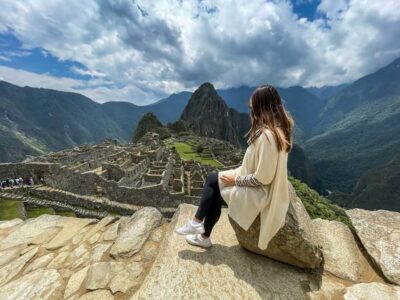
From Cusco: Full-Day Group Tour of Machu Picchu
Read our review →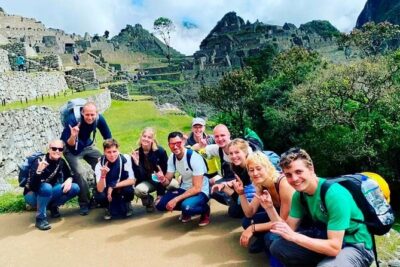
2-Day Tour: Sacred Valley and Machu Picchu by Train
Read our review →
Machu Picchu: Full-Day Tour from Cusco with Optional Lunch
Read our review →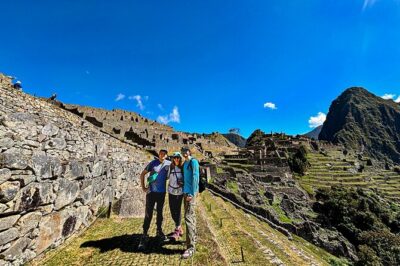
Machu Picchu Full Day from Cusco by Panoramic Train
Read our review →Browse the lists this tour appears in