
Reviewed · MACHU PICCHU TOURS
4-Day Lares Trek to Machu Picchu
High passes lead to an unforgettable finish. This four-day route combines remote Andean walking with a comfortable final night in Aguas Calientes and a guided visit to Machu Picchu. I especially like the quiet trails through mountain villages and the strong support team, including a chef, horse wranglers, camping equipment, and private transfers.
I also like that the trip includes a horse for up to 8 kilograms of personal gear, so you do not carry your full pack over passes reaching 15,678 feet. The main caution is altitude: the route is physically demanding, and the coldest night can be rough if your sleeping bag is not warm enough.
In This Review
- Key points to know before booking
- Why the Lares route feels different
- Day 1: Huaran to Acopata beside the Cancha Cancha River
- Day 2: Pachacutec Pass and the glacial lakes near Quishuarani
- Day 3: Willcaccasa, Cuncani, and a soak at Lares
- Day 4: Machu Picchu without another long hike
- What the $690 price really covers
- The crew and the private-tour advantage
- Packing for altitude, rain, and cold nights
- Who should choose this trek?
- Booking and cancellation details
- FAQ
- How long is the Lares Trek to Machu Picchu?
- What is the highest point on the trek?
- Where do you sleep during the trek?
- Is a sleeping bag included?
- How much personal gear can the horse carry?
- Is lunch included on the final day?
- What level of fitness do I need?
- Should you book the 4-Day Lares Trek?
Key points to know before booking
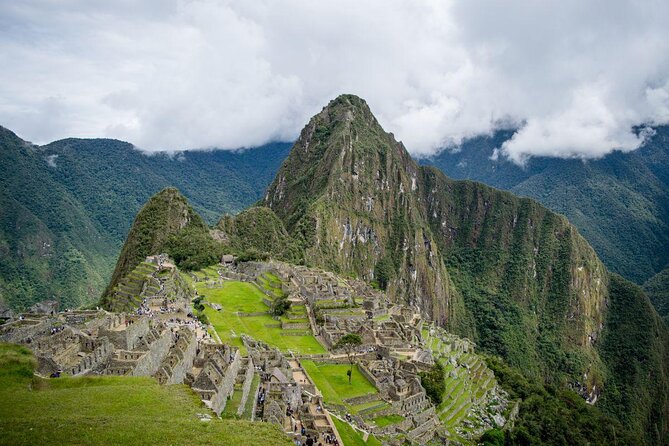
- Pachacutec Pass reaches 15,678 feet: The highest point brings huge views of Pitusiray and Sahuasiray, but it also makes Day 2 the hardest day.
- This is a quieter alternative to the Inca Trail: The route passes Cancha Cancha, Quishuarani, Cuncani, and other Andean communities rather than following the classic stone path.
- Camping support is unusually complete: A chef, wranglers, horses, tents, mattresses, pillows, dining furniture, an emergency horse, oxygen, and a medical kit are included.
- The hot springs arrive at just the right time: On Day 3, you finish the mountain walking at Lares Hot Springs before riding to Ollantaytambo and taking the train to Aguas Calientes.
- The private format gives you flexibility: Only your group takes part, and the guide can adjust the pace and respond to problems along the way.
- Budget for a few extras: A sleeping bag costs $30 to rent, trekking poles can be rented, Day 4 lunch is not included, and crew tips are separate.
Why the Lares route feels different
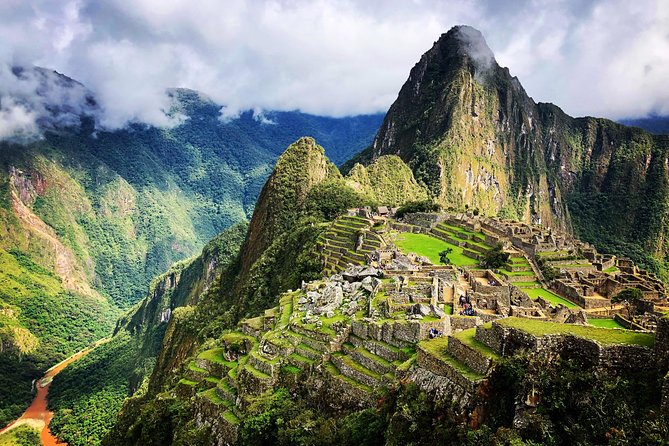
The Lares Trek is not simply a shorter version of the Inca Trail. Its appeal is the combination of high mountain scenery, small communities, grazing animals, glacial lakes, and a less crowded route into the Sacred Valley.
You start near Huaran and gradually move into higher country. Along the way, the trail follows the Cancha Cancha River, passes old Polylepis forests, and reaches villages with stone houses. Alpacas, llamas, and sheep are part of the setting, and you may spot Andean geese, viscachas, Puna hawks, giant coots, brocket deer, or even an Andean condor.
The route does not walk directly into Machu Picchu. Instead, you finish the trek at Lares, take a private van to Ollantaytambo, and continue by train to Aguas Calientes. That arrangement avoids a long final walking day and gives you a bed before the early visit to the citadel.
I see this as a good fit if you want genuine mountain time but do not want four nights under canvas. You camp for two nights, then sleep at a bed and breakfast in Aguas Calientes.
More Machu Picchu trips:
- Classic Inca Trail Trek 4D/3N to Machu Picchu (Group Service)
★ 5.0 · 8,653 reviews - Machu Picchu: 4-Day Inca Trail Trek with Panoramic Train Ride
★ 5.0 · 4,568 reviews - Short Inca Trail to Machu Picchu 2D/1N
★ 5.0 · 3,007 reviews
Day 1: Huaran to Acopata beside the Cancha Cancha River
Your pickup begins around 6:30 a.m. at your Cusco hotel. A private bus takes about an hour and a half to Huaran, at 9,840 feet, in the Sacred Valley.
At Huaran, the crew loads the horses and you begin walking north along the Cancha Cancha River. The opening climb is gentle, which gives you time to settle into the altitude and the rhythm of the trek.
The route passes cultivated fields and old Polylepis forests. These small, high-altitude trees are worth noticing, not just because they look different from ordinary woodland, but because they support a broad range of bird life.
You stop for lunch partway through the walk. The food is prepared by the trek chef, who works from a separate kitchen tent carried by the horses. That matters on a remote route, since you are not relying on snacks or packaged meals for several days.
The trail continues toward Cancha Cancha village before reaching the camp at Acopata. The day is described as roughly six hours of hiking, with about eight hours allocated overall. That difference probably reflects breaks, lunch, and the pace of a private group.
Day 1 is a scenic introduction rather than an immediate assault on the mountains. Still, you are sleeping at altitude, and the evening can be cold. Pack warm layers where you can reach them easily, rather than burying them deep inside your duffle.
Day 2: Pachacutec Pass and the glacial lakes near Quishuarani
Day 2 is the physical centerpiece. After an early breakfast, you climb for about two and a half hours to Pachacutec Pass at 15,678 feet.
At the top, the view opens toward the snow-covered Pitusiray and Sahuasiray mountains. This is the kind of high Andean scene that makes the hard climb worthwhile, but you should not underestimate the altitude. The tour asks for moderate physical fitness, and this is the day that gives that requirement real meaning.
The descent takes about two hours and brings you to lunch beside a lake. After eating, you continue downhill for about another hour and a half, passing several glacial lakes on the way to Quishuarani.
The animal life gives the day a pleasant sense of motion. You may see herds of alpacas, llamas, and sheep, along with Andean birds. The stated sightings include gray brocket deer, viscachas, Andean geese, the rare giant coot, Puna hawks, and Andean condors.
You camp at Quishuarani village, where typical stone houses provide a strong connection to local mountain life. The night is still basic. You get a tent, mattress, and pillow, but not a hotel room, and a warm sleeping bag is important.
One useful detail comes from the trip arrangements: the company provides a four-person tent for every two people. That means you get more space than a tightly packed four-person setup would suggest. You also have a dining tent with tables and chairs, a small comfort that becomes meaningful after a long day.
Day 3: Willcaccasa, Cuncani, and a soak at Lares
The third morning begins with another climb, this time toward Willcaccasa mountain. The ascent takes roughly two to three hours and brings more views of Andean valleys and turquoise lakes.
After crossing the second pass, you walk downhill for about one and a half to two hours, passing more lakes before reaching Cuncani village. The trail then continues downhill for another two to three hours toward the Lares Valley.
This is a long mountain day, but the hot springs give it a clear reward. Lares Hot Springs is the lunch stop, and you can soak before leaving the trekking route. After two nights in tents and several high passes, that break is more than a sightseeing stop. It is a practical reset before the evening transport.
A private van then takes about three hours to Ollantaytambo, at 9,158 feet. You have dinner there before boarding the train to Aguas Calientes.
The transfer-heavy ending is both useful and worth understanding. You are not walking all the way to the train station, and you arrive in Aguas Calientes with a bed waiting. On the other hand, this is a full day involving hiking, hot springs, a long road journey, dinner, and a train. It may feel tiring rather than leisurely.
Your Aguas Calientes stay is at a bed and breakfast, based on double occupancy. The overnight stop means you can visit Machu Picchu early without first making a long morning journey from the mountains.
More hikes and treks in Cusco:
- Salkantay Classic Trek 5 Days from Cusco
★ 5.0 · 4,062 reviews - 4-Day Salkantay Trek with Sky Camp Stay
★ 5.0 · 3,346 reviews - Salkantay Trek 5D/4N with Glass Cabins, Domes and Hobbit House
★ 5.0 · 2,488 reviews - 2-Day Inca Trail to Machu Picchu with Panoramic Train
★ 5.0 · 1,876 reviews
Day 4: Machu Picchu without another long hike
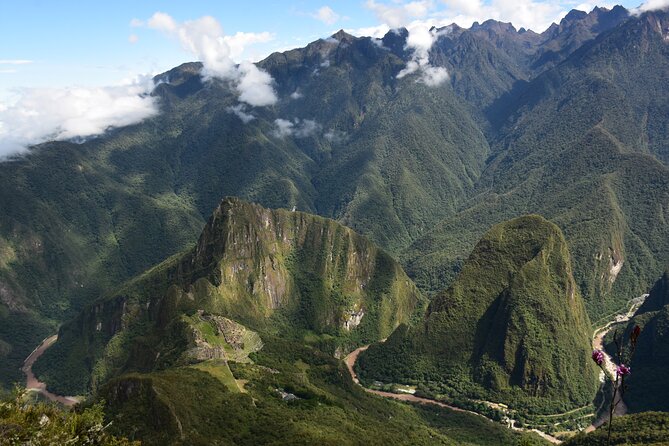
After breakfast at the bed and breakfast, you take the winding bus road from Aguas Calientes up to Machu Picchu.
A guide leads a two-hour walking tour of the citadel. That guided time is valuable because the site is much easier to understand when someone explains what you are seeing, rather than leaving you to wander among the walls without context.
You also have time to explore after the tour. The schedule then takes you by bus back to Aguas Calientes, where you board the Expedition train to Ollantaytambo.
From Ollantaytambo, a private van returns you to Cusco and drops you at your hotel. The listed time for Day 4 is about four hours, though the precise length of the day depends on train and transport timing.
The final day is efficient, not slow. You see Machu Picchu, have some independent time, and return to Cusco in one organized chain of buses, train, and private vehicle.
What the $690 price really covers
At $690 per person, this is not a bare-bones hiking package. The price includes a guide, a hotel briefing one or two days before departure, private transportation, camping equipment, a chef, wranglers, horses, meals during the trek, the Aguas Calientes bed and breakfast, and the main transport connection to Machu Picchu.
The horse support is especially useful. One horse carries up to 8 kilograms of your personal gear in a provided duffle bag, while the other horses carry food, tents, tables, chairs, and other group equipment. You walk with a lighter day pack instead of hauling a full camping load over the passes.
The food is another major part of the value. Breakfast, lunch, and dinner are included for the three trekking days. Several accounts describe meals as far better than expected, with one chef managing elaborate multi-course dinners in remote camps. That does not turn the trek into a restaurant tour, but it does make the evenings easier.
The package also includes an emergency horse, oxygen, and a medical kit. These items may never be needed, but they show that the operator has planned for the demands of a high-altitude route.
You still need to pay for a sleeping bag if you rent one, at $30. Day 4 lunch in Aguas Calientes is also on you, as are tips for the guide, chef, and wranglers. Include those costs when comparing the package with a self-arranged trek.
The crew and the private-tour advantage
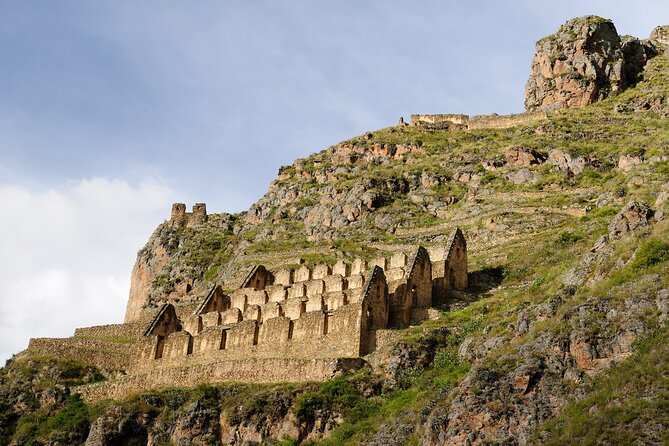
The private format is one of the strongest reasons to choose this trip. Only your own group participates, so the pace does not have to match a large mixed party.
Past trips have included guides such as Christian Pena, Ali, and Ronald. Christian Pena is praised for his grasp of history, geography, and plants, as well as his ability to adjust when plans change. Ronald is described as having 18 to 20 years of experience on these routes.
Those names are useful, but you should confirm your assigned guide before departure. The exact team can change, and the important point is the level of support built into the trip.
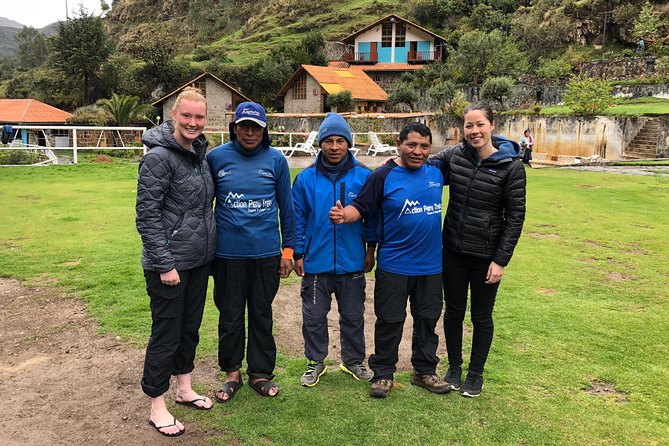
The chef and horseman also matter. The crew handles camp setup, food, equipment, and personal gear while you concentrate on walking. Warm water for washing, hot water bottles, and extra blankets have been provided on some trips, though you should not assume every comfort is guaranteed on every departure.
One past complaint is worth taking seriously: the supplied sleeping bag was not warm enough for a very cold night. I would rent or bring a properly rated down or synthetic bag, especially if you sleep cold. The packing list calls for warm fleece, thermal underwear, gloves, a rain jacket, a poncho, and warm trousers for good reason.
Packing for altitude, rain, and cold nights
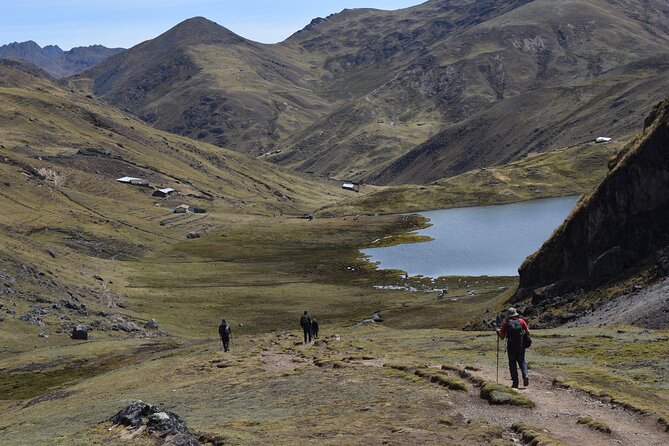
Bring your original passport. If you received a new passport after booking, bring both the old and new documents.
Your essential clothing list should include trekking boots, warm layers, several shirts, socks, a sun hat, thermal underwear, light long pants, gloves, and rain protection. At high elevations, weather can shift quickly, so a poncho and rain jacket are more useful than relying on a single waterproof layer.
A headlamp, sunglasses, sunscreen of at least factor 35, toiletries, toilet paper, wet wipes, and a personal towel are listed as required or recommended items. Batteries can run down faster at high altitude, so carry spares for your camera.
Trekking poles are recommended, particularly for steep descents. You can rent them from the operator. Binoculars are worthwhile if birds and mountain animals interest you, while a book can fill the quiet time at camp.
The tour uses a duffle bag for the 8-kilogram horse allowance. Keep essentials for the day in your own small pack, since you may not have immediate access to the horse-carried luggage while walking.
Who should choose this trek?
I would choose this route if you want a quieter, nature-focused approach to Machu Picchu and like the idea of passing through working Andean communities. It suits people who value good camp support and a private guide more than a stripped-down expedition.
It can also work well for friends, couples, and families whose members want to walk together at their own pace. The private arrangement makes it easier to discuss a slower start, extra breaks, or a change in rhythm with the guide.
I would hesitate if you dislike cold camping, struggle with steep descents, or want a relaxed holiday with little physical effort. The highest pass is nearly 16,000 feet, and the itinerary contains long climbing and downhill sections on both Days 2 and 3.
This is not the right trip for someone who wants to carry nothing, either. The horse carries much of the load, but you still need to manage your day pack and walk for several hours at altitude.
Booking and cancellation details
The experience begins with a 6:30 a.m. pickup in Cusco, and confirmation is provided when you book. Service animals are allowed, and the activity is private to your group.
Free cancellation is available if you cancel at least 24 hours before the local start time. Changes or cancellations inside that window are not accepted for a refund.
With an average booking lead time of 27 days, I would not leave this until the last moment. The trip includes a guide, horses, camping crew, train arrangements, and a Machu Picchu visit, so advance planning is sensible.
FAQ
How long is the Lares Trek to Machu Picchu?
The experience lasts approximately four days. It includes three days of trekking and a fourth day for Machu Picchu, buses, the Expedition train, and private transport back to Cusco.
What is the highest point on the trek?
The highest point is Pachacutec Pass, at 15,678 feet. It is reached on Day 2 after about two and a half hours of uphill walking.
Where do you sleep during the trek?
You camp at Acopata on the first night and Quishuarani village on the second night. After the third trekking day, you stay one night at a bed and breakfast in Aguas Calientes.
Is a sleeping bag included?
A sleeping bag is not included in the listed package. You can rent one from the operator for $30, or bring your own down or synthetic sleeping bag.
How much personal gear can the horse carry?
A horse carries up to 8 kilograms of your personal gear. The operator provides a duffle bag for this purpose.
Is lunch included on the final day?
No. Day 4 lunch in Aguas Calientes is not included, so you should budget separately for it.
What level of fitness do I need?
The tour requires a moderate level of physical fitness. The route includes several hours of uphill and downhill walking, two high passes, and a highest point of 15,678 feet.
Should you book the 4-Day Lares Trek?
I would book it if you want high mountain scenery, small Andean communities, and a well-supported route into Machu Picchu without the crowds associated with the classic Inca Trail.
The strongest value comes from the service. Your fee covers the working parts that are difficult to arrange alone: horses, camp staff, food, tents, private transfers, trains, and the Aguas Calientes night. The tradeoff is a demanding route, cold camping, and a busy third day.
Bring serious cold-weather gear, take the altitude requirement seriously, and confirm the sleeping bag arrangement before you go. If those points suit you, this is a well-organized way to see a quieter side of Peru and still reach Machu Picchu with the practical details handled.
Just added in Cusco
- Cusco Private Transportation for 2026★ 5.0 · 4 reviews
- Private Transfer from Airport to Hotel in the City of Cusco★ 4.0 · 5 reviews
- Best Cusco walking tour: dinner street food tasting★ 4.5 · 11 reviews
- Private Tour to Pisac Market and Pisac Ruins★ 5.0 · 4 reviews
- Machu Picchu Day Trip With Panoramic Train from Cusco★ 5.0 · 10 reviews
- Sacred Valley Private Tour from Cusco, Guide and Driver only★ 5.0 · 4 reviews
- Sacred Valley of the Incas Tour★ 5.0 · 12 reviews
- Private Tour of the Mountain of Colours by Quad★ 5.0 · 7 reviews
Machu Picchu Tours, compared.
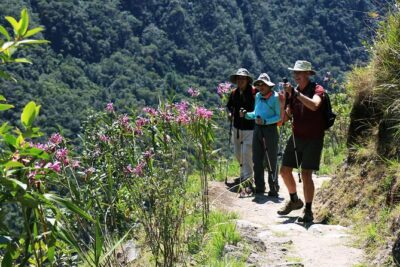
Classic Inca Trail Trek 4D/3N to Machu Picchu (Group Service)
Read our review →
2-Day Inca Trail to Machu Picchu with Panoramic Train
Read our review →
From Cusco: Full-Day Group Tour of Machu Picchu
Read our review →
2-Day Tour: Sacred Valley and Machu Picchu by Train
Read our review →
Machu Picchu: Full-Day Tour from Cusco with Optional Lunch
Read our review →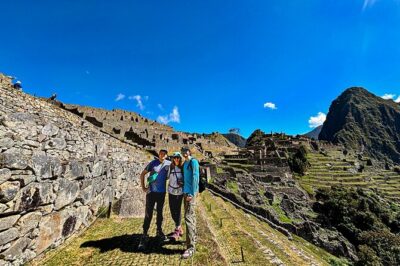
Machu Picchu Full Day from Cusco by Panoramic Train
Read our review →Browse the lists this tour appears in