
Reviewed · MACHU PICCHU TOURS
4-Day Salkantay Trek to Machu Picchu
The mountains make you earn Machu Picchu. This four-day route gives you dramatic changes in scenery, from the icy heights around Humantay Lake to the warm upper jungle near Santa Teresa. I especially like the small-group format and the local guiding, which can make a demanding trek feel more personal and less like a moving queue.
The food is another strong point, with typical Peruvian meals and a vegetarian choice available. Guides named Percy, Junior, Francisco, Cesar, Chino, and Ruth have received especially warm praise for kindness, humor, pacing, and clear explanations. The main caution is simple: this is a hard hike, not a gentle sightseeing trip, and the price does not cover every permit or optional extra.
In This Review
- Key points at a glance
- What the $810 price really covers
- Day one: Humantay Lake and a cold night at 3,920 meters
- Day two: The 4,650-meter Salkantay Pass
- Day three: From high jungle paths to Aguas Calientes
- Day four: First buses and a two-hour Machu Picchu tour
- Guides, food, and support on the trail
- How demanding is this trek?
- Small details that make a big difference
- Should you book the 4-day Salkantay Trek?
- FAQ
- How long is the Salkantay Trek to Machu Picchu?
- What time does the tour start?
- Is the trek suitable for beginners?
- What is the highest point of the trek?
- Where do you sleep during the trek?
- Are meals included?
- How much luggage can the mules carry?
- Can I take a train from the Hydroelectric Station to Aguas Calientes?
- Are Machu Picchu and Salkantay permits included?
Key points at a glance
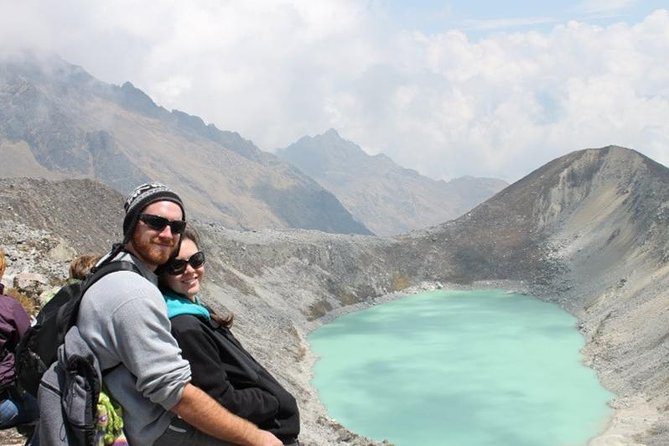
- Humantay Lake on day one: You reach the bright mountain lake after a steep climb, with lunch and a night at the trek’s coldest campsite.
- A 4,650-meter mountain pass: Day two brings the toughest climb, with Salkantay and Humantay mountains rising on either side.
- Small groups up to 16 people: The average group is listed as four, giving the guide more room to adjust the pace.
- Three kinds of accommodation: You camp for two nights, then sleep in a three-star hotel in Aguas Calientes.
- Seven kilograms of porterage included: Mules carry camping gear, your sleeping bag and mattress, plus four kilograms of personal items.
- Machu Picchu at first light: The final morning begins with an early bus and a two-hour guided visit.
What the $810 price really covers
At $810 per person, this is not a budget walk to Machu Picchu, but it includes a lot of moving parts. You get pickup from your Cusco accommodation, transport to the trailhead, a bilingual guide, camping equipment, meals, mule support, a hotel in Aguas Calientes, the bus to Machu Picchu, the train to Ollantaytambo, and the bus back to Cusco.
That package matters because arranging the trek independently would mean coordinating road transfers, camps, cooks, mules, trains, buses, and Machu Picchu timing. Here, the core transport chain is arranged for you. The small group also adds value. With an average of four people and a maximum of 16, your guide may be able to set a sensible pace rather than simply pushing everyone along.
Still, read the fine print before you pay. The Salkantay Trail permit is listed separately at PEN133, and the Machu Picchu entry fee is listed at PEN48. The published price also excludes bottled water, day-one breakfast, day-four lunch and dinner, tips, and optional services.
A sleeping bag rental costs $15 if you need one. The train from the Hydroelectric Station to Aguas Calientes is optional and listed at $30. You can walk that stretch instead, which is the standard plan described here. Huayna Picchu and Machu Picchu Mountain each require an extra PEN200 entrance fee, and Huayna Picchu must be requested in advance.
So, I would budget beyond the headline price. The package remains useful, but $810 is not the final figure for everyone.
More Machu Picchu trips:
- Classic Inca Trail Trek 4D/3N to Machu Picchu (Group Service)
★ 5.0 · 8,653 reviews - Machu Picchu: 4-Day Inca Trail Trek with Panoramic Train Ride
★ 5.0 · 4,568 reviews - Short Inca Trail to Machu Picchu 2D/1N
★ 5.0 · 3,007 reviews
Day one: Humantay Lake and a cold night at 3,920 meters
The day starts early, with pickup around 5:30 in the morning. A tourist-class bus takes you toward Mollepata at 2,900 meters, where you can stretch, buy snacks, and get one last easy break before the trail.
From Mollepata, a car continues to Challacancha. The guides make final equipment checks here, a small step that matters when you are carrying gear into remote mountain country. The hike then climbs for about three hours to Soraypampa, at 3,920 meters.
Lunch comes with broad views of snow-covered peaks. This is a good first test of the group’s pace, since the altitude is already serious. Take it slowly, drink regularly, and do not treat the first day as a warm-up stroll.
After lunch, you hike to Laguna de Humantay. The walk takes about an hour and a half each way, so the lake adds a demanding three-hour outing to the day. The reward is a striking blue-green body of water below the Andes peaks, with steep slopes rising around it.
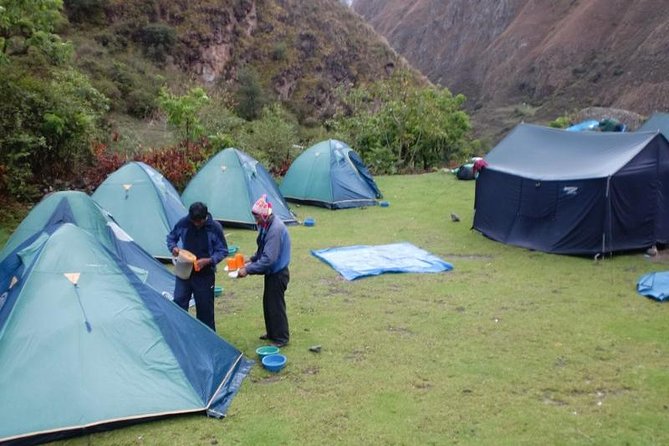
The return to camp brings a practical reality check. Soraypampa is the highest and coldest camp on the route. You sleep at roughly 3,920 meters, so warm layers, dry socks, gloves, and a good hat are worth packing. The tents include a basic sleeping pad, and a foam sleeping mat is also provided, but a rented or personal sleeping bag may make the night more comfortable.
The first day covers about 14 kilometers and roughly six hours of walking, not counting every stop. Dinner is included, and an early night is the sensible plan. Day one is beautiful, but it is also a quick introduction to altitude and cold.
Day two: The 4,650-meter Salkantay Pass
Breakfast is planned for about 6:00 in the morning. The main climb begins soon after, taking around four hours to reach the highest point of the trek, at 4,650 meters.
This pass sits between the Salkantay and Humantay mountains. The views are the day’s prize, and snow is possible near the high point. If the air is clear, you get the kind of open Andean scenery that makes the hard breathing worthwhile.
It is also the day when fitness matters most. At 4,650 meters, even a short incline can feel slow. An optional horse rental is available for the climb, listed at 100 to 120 soles. That option can help if altitude or fatigue becomes a problem. It is not a sign of failure. It is a sensible safety valve on the steepest day.
From the pass, the route drops for about two hours to Huayracpampa, where lunch is served. The downhill section may sound easier, but loose or uneven ground can be tiring on knees and ankles. Trekking poles would be useful, though they are not listed among the included equipment.
After lunch, you continue for about three hours toward Challhuay or Colcapampa. The route gradually enters the high jungle, and the temperature begins to rise as you descend toward about 2,900 meters.
This long day covers around 22 kilometers and roughly nine to ten hours of walking. That distance makes day two the physical center of the trip. I would not schedule an important activity in Cusco immediately after returning, since your legs will likely want a quiet evening.
Day three: From high jungle paths to Aguas Calientes
The third morning starts at about 6:30. The scenery changes again as the trail passes through the upper jungle, across the Santa Teresa River, and over smaller streams.
You can expect valleys, waterfalls, tropical plants, and fruit-growing areas. This section gives the trek its variety. Instead of spending four days among bare high mountains, you move through several climate zones in a short distance.
Lunch is served at La Playa, around 2,200 meters. Afterward, a car takes you to Santa Teresa, at about 1,700 meters, where the climate is warmer. Another vehicle then carries you to the Hydroelectric Station. That transfer takes about 40 minutes.
From the Hydroelectric Station, you walk for roughly three hours to Aguas Calientes. The route is long, but the lower altitude makes it a different challenge from the previous day. You finish in town, with cafes, shops, internet cafes, and places to play cards or board games.
You sleep in a three-star hotel in Aguas Calientes, a welcome change after two nights in a tent. A hot shower and a real bed can make a noticeable difference before the Machu Picchu visit.
The day totals about 24 kilometers and around nine hours, including walking and transfers. There is an optional train from the Hydroelectric Station to Aguas Calientes for $30. If your feet are hurting, this is the easiest extra to justify. If you want the full walking route and have enough energy, stay on foot.
One practical point: the package includes transportation to Aguas Calientes, but not a guide for the bus and train transfers. You handle those portions on your own, while the guide leads the trek and the Machu Picchu visit.
More hikes and treks in Cusco:
- Salkantay Classic Trek 5 Days from Cusco
★ 5.0 · 4,062 reviews - 4-Day Salkantay Trek with Sky Camp Stay
★ 5.0 · 3,346 reviews - Salkantay Trek 5D/4N with Glass Cabins, Domes and Hobbit House
★ 5.0 · 2,488 reviews - 2-Day Inca Trail to Machu Picchu with Panoramic Train
★ 5.0 · 1,876 reviews
Day four: First buses and a two-hour Machu Picchu tour
The final morning starts before sunrise. You catch one of the first buses, scheduled around 5:30, from Aguas Calientes to Machu Picchu.
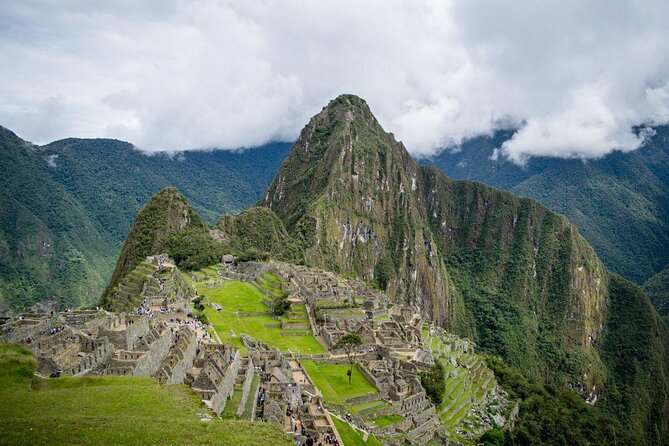
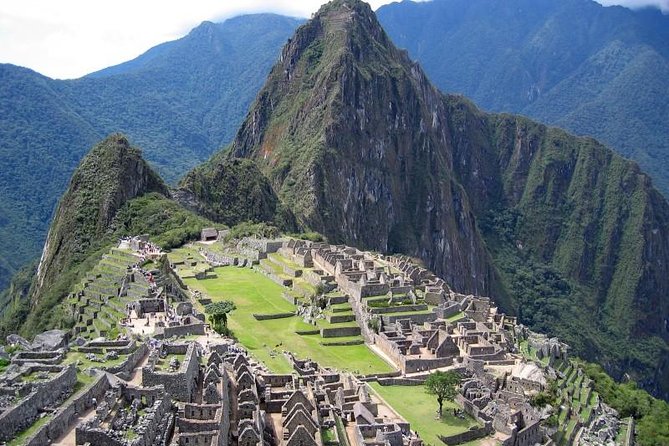
The early timing is worth considering carefully. Morning mist may lift from the ruins as the light improves, creating a memorable first view. It also gives you a better chance to see the site before the day feels fully crowded, although Machu Picchu can still be busy.
Your guide leads a tour of about two hours. That is important because the ruins make more sense when someone explains the setting, construction, Inca culture, and surrounding mountains. Guides such as Francisco and Percy have been praised for explaining both the natural setting and the history in clear English. Junior has also been praised for keeping people motivated on steep sections and adjusting the pace.
After the guided portion, you can explore independently. The package includes the return bus to Aguas Calientes, though buses run about every 15 minutes from the entrance. You can also walk down to town on a trail that takes about an hour.
Huayna Picchu is possible only with advance planning and an extra ticket. The daily limit is 400 people, so you should request it before departure if you want that climb. Machu Picchu Mountain is another optional hike, also listed at PEN200.
The return journey uses the train from Aguas Calientes to Ollantaytambo, followed by a bus to Cusco. Drop-off is late in the day at Plaza San Francisco. You need to arrange your own walk from there to your accommodation, and day-four lunch and dinner are not included.
Guides, food, and support on the trail
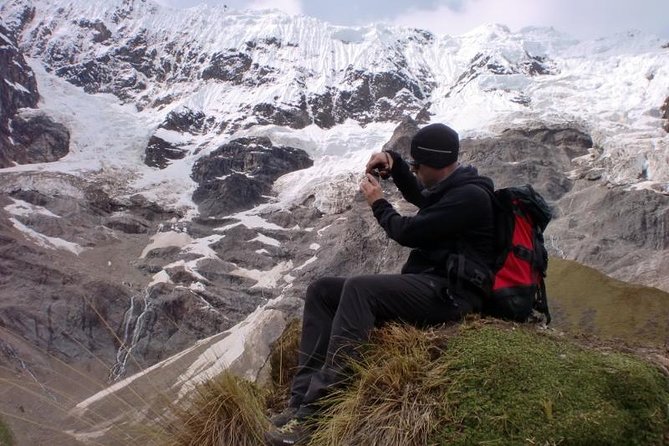
The strongest part of this trip is the human support. The guide names connected with particularly positive experiences include Percy, Junior, Francisco, Cesar, Chino, and Ruth. The praise is consistent in useful ways: friendly personalities, good English, local knowledge, patience on climbs, and the ability to set a pace the group can manage.
That last point is more important than a polished speech. On a high-altitude trek, a guide who notices when you need to slow down can shape the whole experience. Small groups help here, especially when the average size is four people.
A cook and horsemen support the group. The included meals cover three breakfasts, three lunches, and three dinners, plus two snacks. Menus are described as typical and local, and the food has been singled out as a real strength. Vegetarian meals are available, but you need to request that when booking.
The mules carry cooking and camping equipment, along with up to seven kilograms for each trekker. That allowance includes three kilograms for your sleeping bag and mattress, plus four kilograms of personal belongings. Pack carefully. Seven kilograms is helpful, but it is not permission to bring your entire Cusco wardrobe.
A first aid kit and emergency oxygen bottle are included. Those supplies do not remove the need for preparation, but they show that the operator plans for the realities of high-altitude walking.
How demanding is this trek?
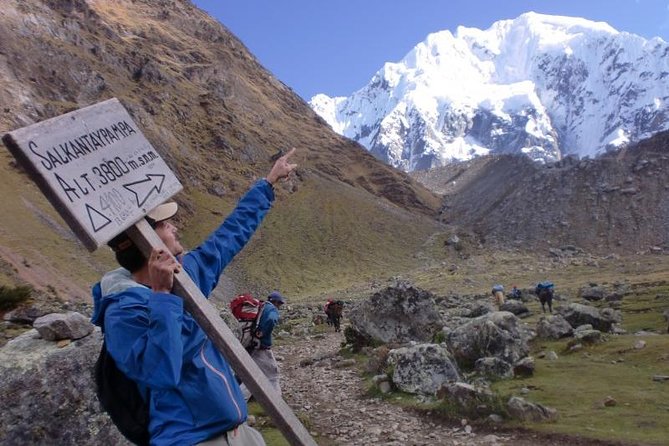
You should have a strong level of physical fitness. The route covers about 60 kilometers of walking across three active days, with the hardest altitude on day two and the longest total day on day three.
The temperature changes are also significant. You move from around 4,000 meters to about 2,000 meters, so your clothing needs to handle cold, sun, wind, rain, and warmer jungle conditions. The highest camp is cold, while Aguas Calientes feels much warmer.
The minimum age is seven, but the age rule does not tell you how hard the walk will feel. A child would still need to handle steep climbs, long days, altitude, and camping. Fitness and prior mountain experience matter more than the minimum age.
I would choose this trip if you want a serious mountain route but prefer a shorter schedule than a longer Salkantay program. I would not choose it if you dislike early starts, basic camping, long downhill sections, or changing sleeping arrangements.
Small details that make a big difference
Bring snacks for the first morning because breakfast on day one is not included. Bottled water is also extra, so plan your water purchases and ask the guide how to manage supply along the route.
You should carry warm clothing for Soraypampa, lighter layers for Santa Teresa and Aguas Calientes, sturdy walking shoes, sun protection, and rain protection. The supplied sleeping pad is basic, so check what sleeping equipment you already own before deciding to rent a bag.
Single participants share a tent and hotel room with another person. Couples receive a private tent and room. That arrangement is worth knowing before booking, especially if you are traveling alone.
The operator requires your full name exactly as shown on your passport, date of birth, nationality, passport number, and passport expiration date. The stated vaccination requirements also depend on age and current rules, so check the conditions supplied with your booking.
The cancellation policy is strict: the experience is non-refundable and cannot be changed for any reason. Book only when your dates, health, and fitness plans are firm.
Should you book the 4-day Salkantay Trek?
I would recommend this trek if you want big mountain scenery, local food, and a real physical challenge before reaching Machu Picchu. The guide quality, small groups, mule support, and mix of camping and hotel accommodation give the $810 package solid practical value, though you need to add permits, water, tips, and any optional activities.
Choose it for the changing scenery and the chance to experience the Andes beyond the ruins. Skip it if you want a relaxed visit with short walks and lots of free time. This route asks for effort, but it rewards you with Humantay Lake, a 4,650-meter pass, jungle valleys, and a memorable approach to Machu Picchu.
FAQ
How long is the Salkantay Trek to Machu Picchu?
The trip lasts four days, with approximately 14 kilometers of walking on day one, 22 kilometers on day two, and 24 kilometers on day three. The final day focuses on Machu Picchu and the return journey to Cusco.
What time does the tour start?
Pickup begins around 5:30 am on the first day. The Machu Picchu morning also starts around 5:30 am with an early bus from Aguas Calientes.
Is the trek suitable for beginners?
The route requires a strong level of physical fitness. It includes steep climbs, long walking days, high altitude up to 4,650 meters, and important temperature changes.
What is the highest point of the trek?
The highest point is the Salkantay Pass at approximately 4,650 meters, between Salkantay Mountain and Humantay Mountain.
Where do you sleep during the trek?
You spend the first two nights camping. The first campsite is at Soraypampa, around 3,920 meters. The third night is in a three-star hotel in Aguas Calientes.
Are meals included?
Three breakfasts, three lunches, and three dinners are included, along with two snacks. Day-one breakfast and day-four lunch and dinner are not included. Vegetarian meals are available if requested during booking.
How much luggage can the mules carry?
Mules carry cooking and camping equipment plus up to seven kilograms for each trekker. This includes three kilograms for a sleeping bag and mattress and four kilograms of personal belongings.
Can I take a train from the Hydroelectric Station to Aguas Calientes?
Yes. The optional train transfer is listed at $30 per person. The standard program includes a three-hour walk from the Hydroelectric Station to Aguas Calientes.
Are Machu Picchu and Salkantay permits included?
They are listed as separate costs. The Salkantay Trail permit is PEN133 per person, and the Machu Picchu entrance fee is PEN48 per person.
Just added in Cusco
- Cusco Private Transportation for 2026★ 5.0 · 4 reviews
- Private Transfer from Airport to Hotel in the City of Cusco★ 4.0 · 5 reviews
- Best Cusco walking tour: dinner street food tasting★ 4.5 · 11 reviews
- Private Tour to Pisac Market and Pisac Ruins★ 5.0 · 4 reviews
- Machu Picchu Day Trip With Panoramic Train from Cusco★ 5.0 · 10 reviews
- Sacred Valley Private Tour from Cusco, Guide and Driver only★ 5.0 · 4 reviews
- Sacred Valley of the Incas Tour★ 5.0 · 12 reviews
- Private Tour of the Mountain of Colours by Quad★ 5.0 · 7 reviews
Machu Picchu Tours, compared.
Classic Inca Trail Trek 4D/3N to Machu Picchu (Group Service)
Read our review →
2-Day Inca Trail to Machu Picchu with Panoramic Train
Read our review →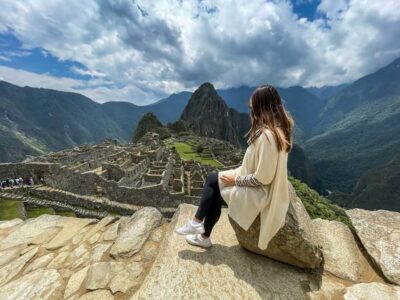
From Cusco: Full-Day Group Tour of Machu Picchu
Read our review →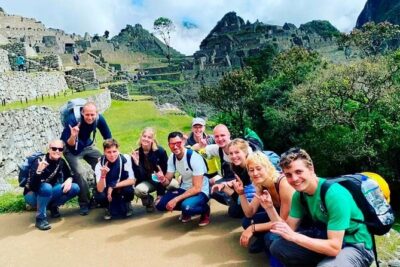
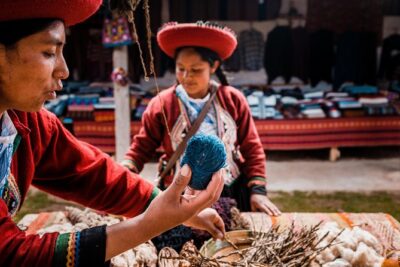
2-Day Tour: Sacred Valley and Machu Picchu by Train
Read our review →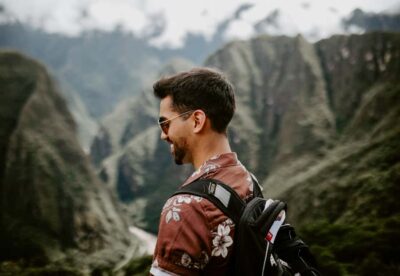
Machu Picchu: Full-Day Tour from Cusco with Optional Lunch
Read our review →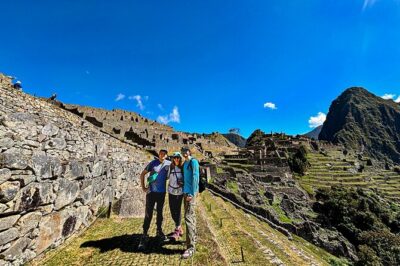
Machu Picchu Full Day from Cusco by Panoramic Train
Read our review →Browse the lists this tour appears in