
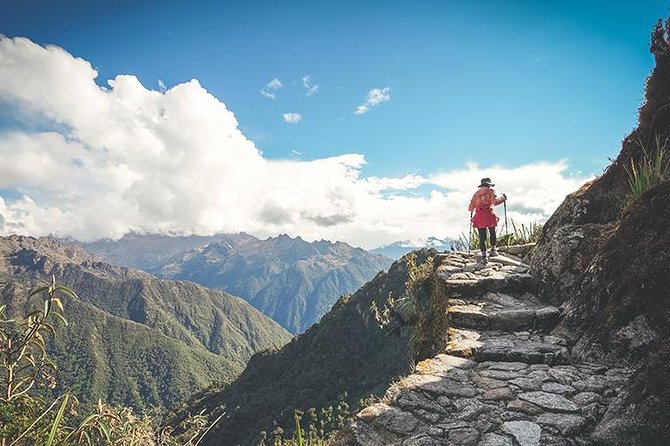
Reviewed · MACHU PICCHU TOURS
4-Day Trek to Machu Picchu Through the Inca Trail
The mountain sets the schedule. This four-day Inca Trail trek gives you the full old-road approach to Machu Picchu, not just a bus ride to the ruins. I like the changing scenery, from the Vilcanota River Valley to high mountain passes and cloud forest, and I like that the permit, camps, meals, porters, and return transport are arranged for you. The catch is simple: this is a demanding hike, and the trail permit may be unavailable even after you inquire.
You also need to accept early starts, basic camping, steep stone stairs, and a long second day at altitude. Still, the route offers something a faster visit cannot: you reach Machu Picchu after passing ruins, mountain passes, and jungle paths on foot. The small groups, usually averaging six people, add to the personal feel, though the advertised maximums vary between 15 and 30.
In This Review
- Key details before you commit
- Why the classic Inca Trail still earns its place
- Day 1: Km 82 and the Vilcanota River Valley
- Day 2: Dead Woman’s Pass at 4,215 meters
- Day 3: Inca stairways, high passes, and cloud forest
- Day 4: Sun Gate sunrise and Machu Picchu
- Camping, porters, and the package choice
- Guides, group size, and the human side
- Fitness, altitude, and what to pack
- Permits, booking risk, and overall value
- Should you book this Inca Trail trek?
- FAQ
- How difficult is the four-day Inca Trail trek?
- What does the Complete package include?
- What does the Basic package exclude?
- Are meals included?
- Do I need my passport on the trek?
- How early does the trek start?
- Is the Inca Trail available in February?
Key details before you commit
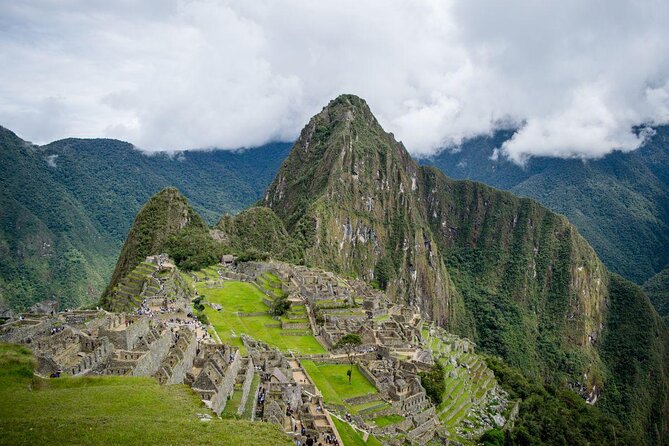
- Reach Machu Picchu through the Sun Gate: On Day 4, you walk from Wiñayhuayna to Intipunku, arriving above the citadel before entering the main ruins.
- Dead Woman’s Pass is the big test: You climb to 4,215 meters, then descend steep stone steps to Pacaymayo Camp.
- The food is a major strength: Breakfast, lunch, and dinner are included on the trek, with vegetarian meals available if requested in advance.
- Porter service depends on your package: The Complete option carries up to 7 kilograms of your personal gear, while the Basic option leaves you carrying your own larger load.
- Permits are limited and date-sensitive: Only 500 people can start at Km 82 each day, including guides and support crews.
- The return is well organized: A bus takes you to Aguas Calientes, followed by a tourist train to Ollantaytambo and a bus to Cusco.
Why the classic Inca Trail still earns its place
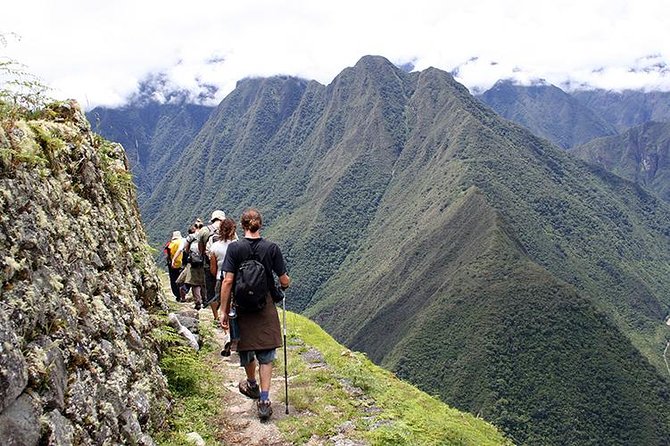
The Inca Trail is not simply a hiking route to a famous ruin. It is a carefully controlled historic path with archaeological sites built into the walk. Each day changes the setting, the weather, and the kind of effort required.
You begin near Km 82, following the old route through the Vilcanota River Valley. The trail then climbs through high mountain country before dropping into a warmer, wetter zone filled with jungle plants and archaeological remains. By the time you reach Machu Picchu, you have a physical sense of how the site connects to the wider Inca world.
That progression is the best reason to choose this trip instead of taking the train both ways. You work for the view, but the reward is not only the ruins at the end. It is the feeling of moving through several parts of the Andes under your own power.
The price is $833 per person. That is not a cheap walk, but the cost includes items that quickly add up on an independent trip: the Inca Trail permit, professional bilingual guide, camping equipment, cook, shared porters, three days of meals, entry to Machu Picchu, buses, the return train, and transport back to Cusco. Check which package you are booking, since the Complete and Basic options differ in sleeping gear and personal porter service.
More Machu Picchu trips:
- Classic Inca Trail Trek 4D/3N to Machu Picchu (Group Service)
★ 5.0 · 8,653 reviews - Machu Picchu: 4-Day Inca Trail Trek with Panoramic Train Ride
★ 5.0 · 4,568 reviews - Short Inca Trail to Machu Picchu 2D/1N
★ 5.0 · 3,007 reviews
Day 1: Km 82 and the Vilcanota River Valley
Pickup begins around 5:45 to 6:00 in the morning. You should prepare the night before, since this is not a slow breakfast kind of departure.
The bus takes you first to Ollantaytambo. You have about an hour there to eat breakfast on your own and buy final supplies. This is the practical shopping stop for snacks, water, and walking sticks. Prices for drinks and energy products rise along the trail, so buying what you need here is sensible.
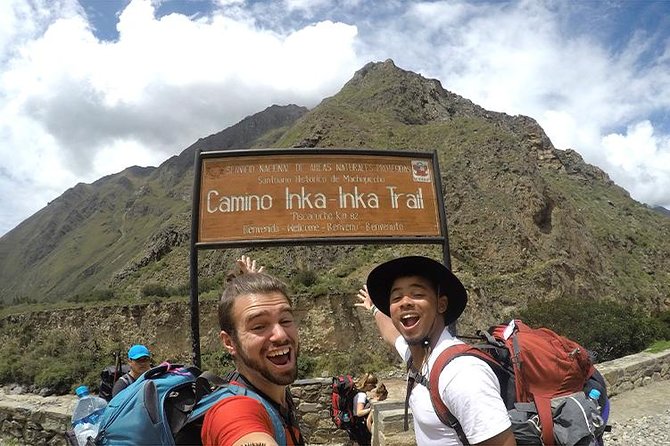
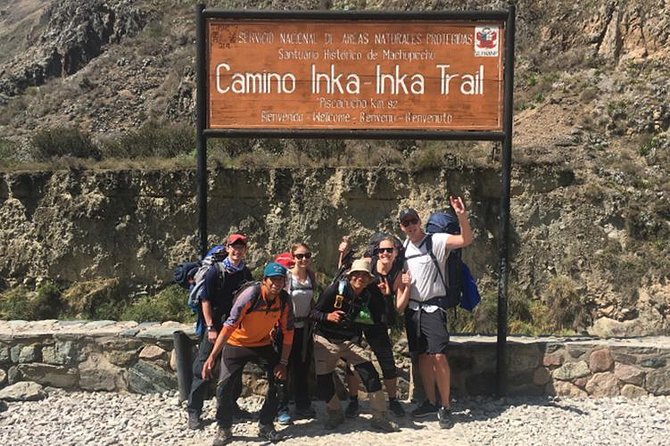
You then continue to Piscacucho at Km 82, the official starting point. Bring your original passport. You will need it at the first Inca Trail checkpoint, and the guide carries the trekking permits.
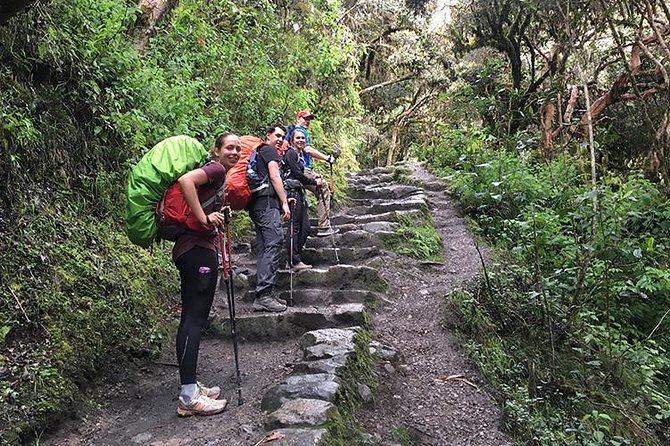
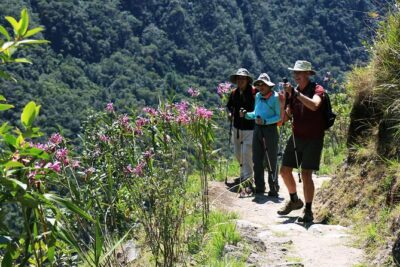
Day 1 is the gentlest hiking day, though you should not mistake that for an easy stroll. You follow rolling paths beside the Vilcanota River and pass several small archaeological sites. The scenery gives you time to settle into your boots, find your pace, and learn how the group moves.
Lunch is prepared partway through the walk. After a rest, you continue to Wayllabamba Camp at 2,980 meters. The first night is a useful introduction to mountain camping, with a tent shared by two people. Couples generally have their own tent, while solo hikers share with another person of the same sex.
Breakfast on Day 1 is not included, so use the Ollantaytambo stop for a proper meal. Bottled water is also excluded. Carry enough for the first portion of the trail and keep some cash for additional drinks, snacks, or sports beverages along the way.
Day 2: Dead Woman’s Pass at 4,215 meters
Day 2 is the day that decides if your preparation was honest.
After breakfast around 6:00 am, you climb roughly 6 kilometers over about five hours to Dead Woman’s Pass, also called Warmiwañusca. The high point reaches 4,215 meters. From there, you descend about 3 kilometers over stone steps to Pacaymayo Camp at 3,600 meters, usually taking about two more hours.
The total climb is more than 1,200 meters in the morning. That figure matters more than the distance. At high altitude, a short uphill section can take real effort, so do not race the people ahead of you. The guides are expected to provide rest points and monitor the group, and you should use those pauses before you feel completely spent.
The reward comes after the pass, with views toward snow-covered peaks and waterfalls. Weather can shift quickly, and clouds may hide the mountains, but the route remains impressive even on a damp day.
The descent deserves respect. Going downhill on old stone steps can be hard on knees and ankles, especially after the long climb. Trekking poles are one of the most useful items on the packing list. They help with balance going up and offer real support on the way down.
You reach Pacaymayo in time for lunch, followed by a nap or a quiet afternoon at camp. Dinner comes early, which is just as well. This is not the night for late conversation and heroic card games. Warm layers are essential because conditions can turn cold at camp, even when the lower trail felt warm.
Day 3: Inca stairways, high passes, and cloud forest
Day 3 begins with an uphill hour to the Pacaymayo archaeological site. You then continue for about an hour to Runquracay Pass at 3,950 meters.
The walking is still serious, but the day feels more varied than Day 2. You visit Runquracay, Sayacmarca, and Phuyupatamarca with your guide, stopping along the route for views and meals. These sites give the trek its historical character. You are not just counting kilometers between camps. You are seeing how the Incas placed structures along a difficult mountain road.
The route covers about 15 kilometers and takes roughly nine hours, with moderate ups and downs on ancient stairs. That description is accurate, but moderate does not mean effortless. Your legs may already be tired from the previous day, and the repeated steps demand patience.
The scenery changes as you descend toward Wiñayhuayna High Jungle Camp at 2,650 meters. The high, spare mountain country gives way to a warmer zone above the river valley. Plants, flowers, and hummingbirds may appear along the route, adding a different feel to the day.
Wiñayhuayna is an especially important stop because it places you close to the final approach. After dinner, you have the chance to thank the porters and cooks before the group turns in. This is also the final night in camp, so organize your pack before sleeping. You will leave very early the next morning.
The food receives some of the strongest praise on this trip. Meals can include porridge, quinoa, oats, eggs, pancakes, soup, rice, pasta, chicken, beef stew, potatoes, desserts, tea, coffee, and coca tea. The exact menu may vary, but the cooking is intended to be substantial rather than merely functional. Request vegetarian meals at least two days ahead.
More hikes and treks in Cusco:
- Salkantay Classic Trek 5 Days from Cusco
★ 5.0 · 4,062 reviews - 4-Day Salkantay Trek with Sky Camp Stay
★ 5.0 · 3,346 reviews - Salkantay Trek 5D/4N with Glass Cabins, Domes and Hobbit House
★ 5.0 · 2,488 reviews - 2-Day Inca Trail to Machu Picchu with Panoramic Train
★ 5.0 · 1,876 reviews
Day 4: Sun Gate sunrise and Machu Picchu
The alarm comes between 3:30 and 4:30 am. You eat breakfast, then wait near the Wiñayhuayna checkpoint for the gate to open at 5:30.
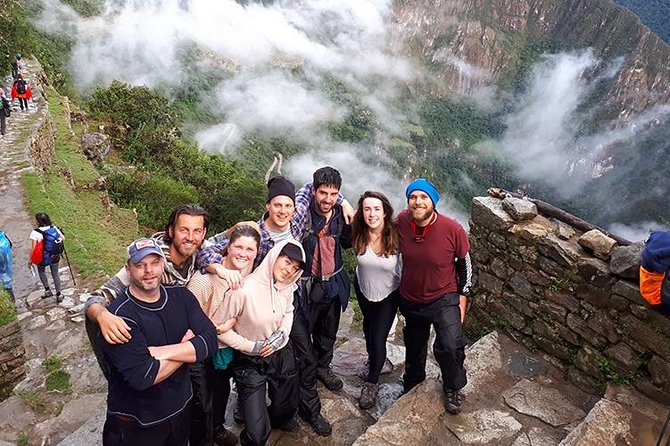
This early start is tiring, but it gives the final approach its drama. Once admitted, you hike for about an hour to the Sun Gate, or Intipunku. On a clear morning, the first light reaches Machu Picchu below you. Clouds can block the view, so nobody can promise a perfect sunrise, but arriving through this high entrance is one of the defining pleasures of the classic route.
From the Sun Gate, you walk another 40 minutes to the Machu Picchu complex. Your guide leads a two-hour tour of the citadel, explaining the main buildings and the site’s role in the Inca world. Afterward, you have free time to explore and take photographs.
Optional climbs to Huayna Picchu or Machu Picchu Mountain cost extra, listed at 200 soles each, and Huayna Picchu must be booked at least two weeks ahead. If you choose an extra climb, pay close attention to the entry window. A late morning slot is safer than an early one because the guided citadel visit and the group’s walking pace can take longer than expected.
The standard day lasts about 12 hours. Lunch is not included, so plan for food in Aguas Calientes or carry a suitable snack. A tourist bus takes you down from Machu Picchu to Aguas Calientes, where you board the tourist train to Ollantaytambo. The train takes about two hours, followed by a roughly 90-minute bus ride to Cusco.
You are on your own during the bus and train transfers. A guide accompanies you on the trek and at Machu Picchu, but not through these transport sections. Keep your ticket, passport, and personal items easy to reach.
Camping, porters, and the package choice
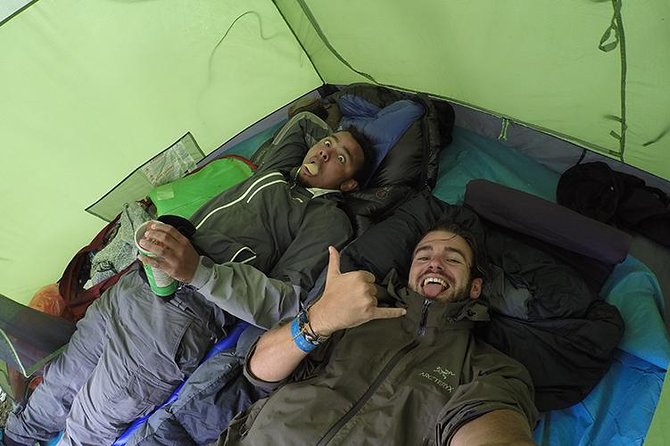
The Complete service includes a thermal sleeping bag, foam sleeping mat, duffel bag, and a porter carrying up to 7 kilograms of your personal gear. That allowance includes 3 kilograms for the sleeping bag and mat, plus 4 kilograms of personal items.
The Basic service includes a basic foam mat but excludes the thermal sleeping bag, duffel bag, and personal porter. You carry your own backpack, sleeping bag, mat, and personal equipment.
I would seriously consider the Complete option unless you already own suitable high-altitude camping gear and are comfortable carrying it. One hiker described carrying a 15-kilogram pack as a poor choice, even while acknowledging that it gave a strong sense of accomplishment. Less weight also leaves you more energy for Machu Picchu on Day 4.
You can rent a sleeping bag for $15 and an inflatable sleeping mattress for $15. Professional trekking poles are also listed at $15 for the trek. The included camping is basic, and conditions can be wet, cold, and short on electricity. Pack waterproof bags for electronics, a flashlight, extra batteries, warm clothing, and sandals for camp.
The porters carry shared equipment, while the cook handles the meals. Many departures have received warm praise for the support team and food. At the same time, one serious complaint described poorly maintained tents, worn sleeping equipment, and slow camp setup. That means you should inspect rented gear at the briefing and speak up immediately if something is damaged or unsuitable.
Tips are optional. A suggested total is $40 to $50 per person for the entire team of guides, cooks, and porters. Carry small bills and ask at the pre-departure meeting how the group plans to handle gratuities.
Guides, group size, and the human side
The guide can make a difficult trek feel manageable. Guides named Francisco, Sergio, Percy, Freddie, Willie Huayaconza, and others have been praised for encouragement, cultural explanations, organization, and care with slower hikers. Francisco in particular is repeatedly described as patient, funny, and strong on Inca history, plants, animals, and local customs.
That does not guarantee a particular guide on your departure. It does show what to value: a guide who sets a steady pace, explains the ruins, watches for altitude problems, and keeps the group together.
The advertised average group is six, with a small-group maximum of 15. The general activity information also gives a maximum of 30, so ask for the expected group size at your briefing. Smaller groups make rest stops and questions easier, while larger groups can feel less personal at gates and camps.
A mandatory briefing takes place at the Cusco headquarters at 6:00 pm the day before departure. You receive the packing list, departure details, and final instructions there. This is also the right time to confirm the package, sleeping gear, porter allowance, dietary needs, and optional mountain tickets.
Fitness, altitude, and what to pack
You need moderate fitness, but I would prepare beyond the minimum. The route includes about 1,950 meters of uphill walking and 2,250 meters of descent, spread across three passes and many stone stairs.
Train with long uphill walks, stair sessions, and downhill work. Strong legs help, but pacing matters just as much. Use walking poles, drink regularly, and tell your guide if you feel unwell.
Your practical list should include trekking boots, rain pants or a poncho, warm socks, thermals, a sweater, hat, gloves, sun hat, sunscreen, sunglasses, flashlight, water bottle, personal medication, hand sanitizer, and a small first-aid kit. Bring your original passport, and if you renewed the passport used for the booking, carry the old one or a photocopy.
The route has limited to no electricity, so charge devices before departure and carry spare batteries or a power bank if permitted by your own packing needs. No departure is offered in February because of unfavorable weather conditions.
Permits, booking risk, and overall value
The permit system is the key practical issue. Only 500 people may start from Km 82 each day, and that total includes porters, cooks, guides, and other staff. Permits require your full name, birth date, nationality, passport number, and passport expiration date. Your passport must be valid for at least six months after the travel date.
Book well ahead. The average booking lead time is 87 days, and popular dates can disappear sooner. If no Inca Trail permit is available, the operator may offer an alternative trek, such as the Lares route, or a full refund. Several people have ended up on Lares after expecting the classic trail, so do not treat that substitution as a minor detail.
The cancellation terms are strict: the experience is nonrefundable and cannot be amended after booking. If poor weather cancels the trip, you are offered another date or a full refund. Confirm every passport detail before the permit is purchased, since changes can cause the permit and payment to be lost.
Should you book this Inca Trail trek?
Book it if you want the historic route, enjoy strenuous walking, and value having permits, food, camping, porters, and transport handled in one package. The strongest reasons are the Sun Gate arrival, the archaeological sites along the way, the excellent meal program, and the chance to walk through several mountain climates before reaching Machu Picchu.
Think twice if you dislike camping, have little time to train, or want a relaxed visit. The second day is hard, the fourth day starts before dawn, and equipment quality can vary. Choose the Complete package if carrying a heavy load would spoil the experience, confirm the permit before finalizing other plans, and use the briefing to settle every practical question.
For a fit hiker with four days to spare, this is one of the most meaningful ways to reach Machu Picchu. You earn the final view one uphill step at a time.
FAQ
How difficult is the four-day Inca Trail trek?
The trek requires moderate physical fitness and is demanding because of the altitude, three passes, steep stairs, and long walking days. The highest point is Dead Woman’s Pass at 4,215 meters.
What does the Complete package include?
The Complete service includes a thermal sleeping bag, foam sleeping mat, duffel bag, and a porter carrying up to 7 kilograms of personal gear for each trekker.
What does the Basic package exclude?
The Basic service excludes the thermal sleeping bag, duffel bag, and personal porter for your gear. You carry your own backpack, sleeping bag, mat, and personal items.
Are meals included?
Three breakfasts, three lunches, and three dinners are included during the trek, along with three snacks. Day 1 breakfast, Day 4 lunch, and bottled water are not included. Vegetarian meals are available if requested at least two days ahead.
Do I need my passport on the trek?
Yes. You must bring your original passport for the first Inca Trail checkpoint. If you booked with a passport that was later renewed or replaced, bring the old passport or a photocopy as well.
How early does the trek start?
Pickup is around 5:45 to 6:00 am on Day 1. On Day 4, you wake between 3:30 and 4:30 am to reach the Wiñayhuayna checkpoint before the gate opens at 5:30 am.
Is the Inca Trail available in February?
No. The tour has no February departures because of unfavorable climatic conditions.
Just added in Cusco
- Cusco Private Transportation for 2026★ 5.0 · 4 reviews
- Private Transfer from Airport to Hotel in the City of Cusco★ 4.0 · 5 reviews
- Best Cusco walking tour: dinner street food tasting★ 4.5 · 11 reviews
- Private Tour to Pisac Market and Pisac Ruins★ 5.0 · 4 reviews
- Machu Picchu Day Trip With Panoramic Train from Cusco★ 5.0 · 10 reviews
- Sacred Valley Private Tour from Cusco, Guide and Driver only★ 5.0 · 4 reviews
- Sacred Valley of the Incas Tour★ 5.0 · 12 reviews
- Private Tour of the Mountain of Colours by Quad★ 5.0 · 7 reviews
Machu Picchu Tours, compared.
Classic Inca Trail Trek 4D/3N to Machu Picchu (Group Service)
Read our review →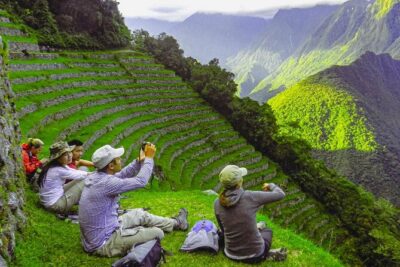
2-Day Inca Trail to Machu Picchu with Panoramic Train
Read our review →
From Cusco: Full-Day Group Tour of Machu Picchu
Read our review →
2-Day Tour: Sacred Valley and Machu Picchu by Train
Read our review →
Machu Picchu: Full-Day Tour from Cusco with Optional Lunch
Read our review →
Machu Picchu Full Day from Cusco by Panoramic Train
Read our review →Browse the lists this tour appears in