
Reviewed · MACHU PICCHU TOURS
4 Days Inca Trail To Machu Picchu
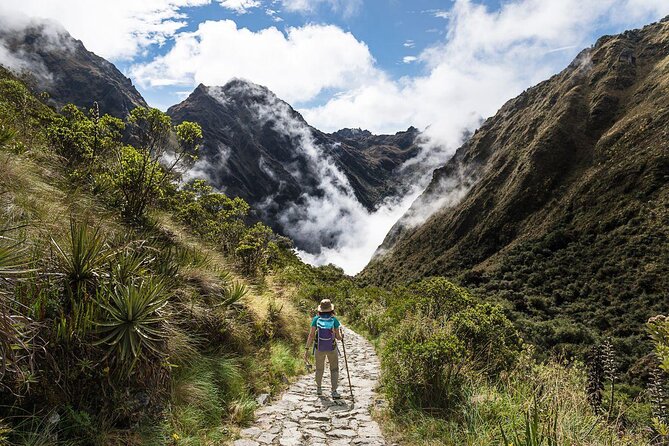
The reward comes one step at a time. This four-day trek follows the classic Inca Trail from kilometer 82 to Machu Picchu, with three nights in tents, meals prepared along the way, porters, and a guided visit to the citadel. I especially like the direct arrival through the Sun Gate and the fact that the price includes major costs such as park admission, camping equipment, meals, buses, trains, and transfers.
I also like the small-group format, limited to a maximum of 15 people, and the strong attention given to organization, food, and staff. Guides such as Dante, Alexsandro, Julio, and Marcial have been praised for their care and fluent English. The main catch is simple: this is a demanding hike, especially on the second day, and the camps are basic. You should come ready for long climbs, stairs, cold nights, and simple facilities.
In This Review
- Key points before you reserve
- What the $725.20 price really covers
- Day 1: From kilometer 82 to Huayllabamba
- Day 2: The climb to 13,779 feet
- Day 3: Inca stonework above the clouds
- Day 4: Entering Machu Picchu through Inti Punku
- Aguas Calientes, the train, and the return to Cusco
- Food, porters, and the human side of the trek
- How hard is the four-day route?
- Who should book this Inca Trail experience?
- Booking timing and cancellation terms
- FAQ
- How long is the Inca Trail tour?
- What is the highest point of the hike?
- Is Machu Picchu admission included?
- Are meals included?
- Is camping equipment provided?
- Is transportation from Cusco included?
- How many people can join the group?
- Should you book it?
Key points before you reserve
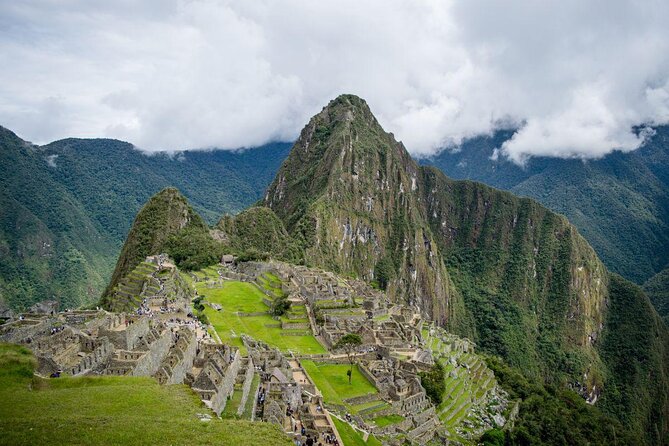
- The second day reaches 13,779 feet: Warmiwañiusca, also called Dead Woman’s Pass, is the toughest climb of the route.
- You enter Machu Picchu through Inti Punku: The Sun Gate gives the trek a more dramatic arrival than reaching the site by bus.
- Three nights are spent camping: A two-person tent and foam mattress are included, but sleeping bags and walking sticks cost extra.
- Meals are a major strength: Breakfast, lunch, dinner, and three snacks are included, with especially generous portions and carefully prepared food.
- The package covers the main transport: Round-trip transfers from Cusco, the train between Ollantaytambo and Aguas Calientes, and the bus to Machu Picchu are included.
- Book early: The Inca Trail entrance is subject to availability, and the average booking lead time is about 99 days.
What the $725.20 price really covers
At $725.20 per person, this is not a cheap walk in the hills. But the price includes many of the expenses that can quietly add up on an independent trip: park permits, Machu Picchu admission, camping gear, meals, snacks, buses, trains, and transport from Cusco.
You receive a tent shared by two people and a foam mattress for each person. The package includes three breakfasts, four lunches, three dinners, and three snacks. It also includes the round train ticket between Ollantaytambo and Aguas Calientes, the round bus ticket between Aguas Calientes and Machu Picchu, and transfers from Cusco.
That makes the price easier to judge. You are paying for a managed four-day expedition, not just a walking route and a guide. Porters, cooks, and assistants are part of the operation, and the food receives unusually warm praise. One cook, Dante, is specifically remembered for preparing four-course meals that felt closer to restaurant food than camp food.
Still, budget for extras. Sleeping bags and walking sticks are not included, though they can be rented from the operator. Tips for the guide, porters, and chef are optional. Meals not listed in the package are also your responsibility.
More Machu Picchu trips:
- Classic Inca Trail Trek 4D/3N to Machu Picchu (Group Service)
★ 5.0 · 8,653 reviews - Machu Picchu: 4-Day Inca Trail Trek with Panoramic Train Ride
★ 5.0 · 4,568 reviews - Short Inca Trail to Machu Picchu 2D/1N
★ 5.0 · 3,007 reviews
Day 1: From kilometer 82 to Huayllabamba
The day begins early, with hotel pickup in Cusco around 4:20 a.m. That is an important detail, not a footnote. You will need to be ready before dawn, and a calm evening before departure will help more than a late night wandering Cusco.
The vehicle takes you to kilometer 82, the trail checkpoint. You must show your passport there, so keep it easy to reach. After the formalities, you begin walking for roughly two hours toward Patallacta.
Patallacta is one of the first major Inca sites on the route, and it gives you an early taste of why this trail is more than a long hike. The ruins sit beside the route, surrounded by steep mountain scenery. The stop also serves a practical purpose: you meet the porters and support team, then have lunch before continuing.
The first day is described as the easiest of the four, but that does not mean effortless. You are still adjusting to the altitude, the early start, and the rhythm of walking with a pack. After lunch, the route continues toward Huayllabamba camp, where dinner is served and you spend the night in a tent.
The basic camp conditions are part of the deal. Facilities can be simple, and some camps may have limited bathrooms or showers. Electricity is not something to count on. I would choose this trip for its connection with the trail, not for comfort at the campsite.
Day 2: The climb to 13,779 feet
Day two is the test. After breakfast, you begin the long ascent toward the highest point of the trek, at 13,779 feet. The climb takes about three hours before reaching Warmiwañiusca, or Dead Woman’s Pass.
The name is dramatic, but the physical challenge is the real story. The route includes long uphill sections and many stone stairs. One useful way to think about the day is that the climb is not a short obstacle between two attractions. It is the main event.
Reaching the pass brings a clear sense of achievement. After the high point, you have lunch and begin descending toward Pacaymayo. That descent gives tired legs a different problem, especially after the uphill effort. Dinner and the second night are at Pacaymayo camp.
You should take the fitness guidance seriously. The activity calls for a moderate fitness level, but the comments about the second day make clear that preparation matters. Anyone who has completed three or four-day treks may find the effort more manageable, while a first-time long-distance hiker should train for sustained climbs rather than relying on ordinary city walking.
The best strategy is steady pacing. You do not need to race the group. Guides are there to manage the route and keep the day moving, but your own pace and preparation still matter.
Day 3: Inca stonework above the clouds
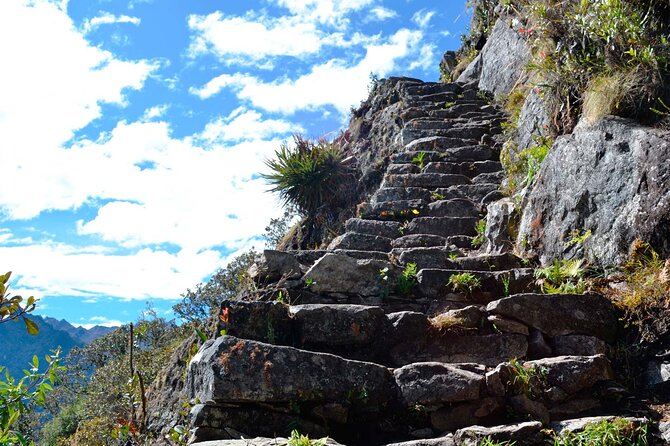
Day three covers about 15 kilometers and shifts the character of the trek. After breakfast, you pass through Runcurakay and Chaquicocha, stopping at Chaquicocha for lunch.
The route brings a steady mix of mountain views and Inca remains. Runcurakay is one of the memorable archaeological points along the trail, while Chaquicocha offers a useful pause before the afternoon walking. These stops break up the mileage and give the day a sense of progress beyond simply counting steps.
After lunch, you continue to Phuyupatamarca, whose Quechua name means City above the Clouds. The ruins are an especially striking part of the route because of their high position and the way the stone structures fit the mountain setting. This is the kind of place that makes the Inca Trail feel like a cultural route, not merely a path to Machu Picchu.
The final section leads to Wiñaywayna, where you have dinner and spend the night. By now, the group has spent several days walking, eating, and camping together. That can be one of the pleasant surprises of a small group. The size is capped at 15 people, and the shared effort tends to create a friendly rhythm without the feel of a large tour convoy.
The facilities remain basic. You may find simple bathrooms and limited washing options, and the camps are not designed for luxury. Pack with that in mind and treat the night as a short rest before the early final approach.
More hikes and treks in Cusco:
- Salkantay Classic Trek 5 Days from Cusco
★ 5.0 · 4,062 reviews - 4-Day Salkantay Trek with Sky Camp Stay
★ 5.0 · 3,346 reviews - Salkantay Trek 5D/4N with Glass Cabins, Domes and Hobbit House
★ 5.0 · 2,488 reviews - 2-Day Inca Trail to Machu Picchu with Panoramic Train
★ 5.0 · 1,876 reviews
Day 4: Entering Machu Picchu through Inti Punku
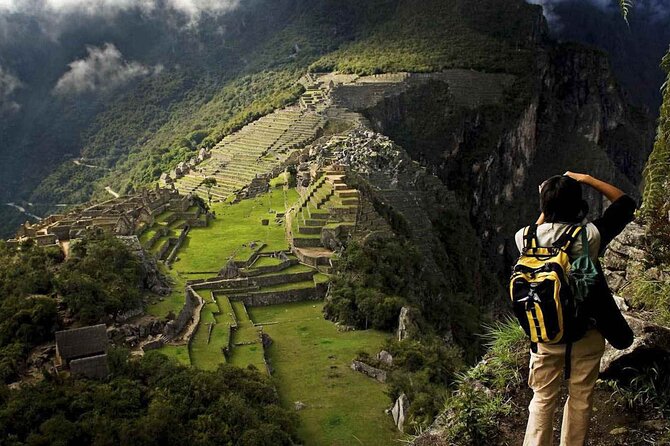
The last morning begins with a walk toward Inti Punku, the Sun Gate. This is the emotional high point of the route. Instead of arriving at Machu Picchu by bus and seeing the citadel all at once, you approach it on foot through the historic entrance used by people walking the Inca Trail.
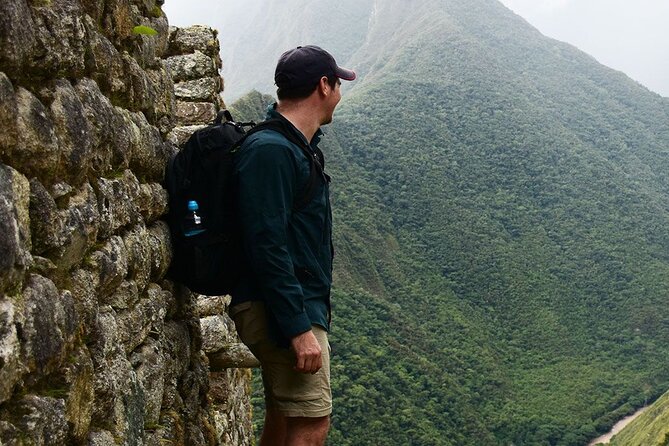
From Inti Punku, you continue down toward Machu Picchu, at about 7,970 feet. At the entrance, you show your ticket and begin a guided visit lasting about two and a half hours. The guide explains the citadel, then you have free time to take photos and explore independently.
The guided portion matters because the stones alone do not explain the site. A good guide adds context and points out details you might otherwise pass without noticing. The company’s guides have been praised for positive attitudes, fluent English, and patience. Alexsandro is specifically remembered for practical tips and a helpful manner, while other trips have included Julio and Marcial.
The schedule gives you both structure and breathing room. You receive a guided introduction, then time to look around on your own. That balance is useful at Machu Picchu, where many people want both clear explanations and a few quiet minutes for photographs.
The listed timing gives about three hours at the Inca Trail and another three hours at the Historic Sanctuary of Machu Picchu. The exact flow can depend on the day’s conditions and site rules, but you should expect an active morning rather than a leisurely one.
Aguas Calientes, the train, and the return to Cusco
After the visit, you go down to Aguas Calientes for lunch. The package does not specify that lunch as included beyond the four included lunches, so check the final meal arrangements carefully before departure.
Aguas Calientes is the practical base below Machu Picchu. Here, the expedition changes from hiking to transport. After lunch, you go to the train station for the return journey to Ollantaytambo.
At Ollantaytambo station, a representative from MachuPicchu Journey waits with a sign and your names. That person takes you to the vehicle for the return trip to Cusco and your hotel. This handoff is valuable after four tiring days. You are not left to figure out the last connection on your own.
The package lists a round train ticket between Ollantaytambo and Aguas Calientes, plus the round bus ticket between Aguas Calientes and Machu Picchu. Read the transport details closely when booking, since the itinerary begins with pickup from Cusco and returns through Ollantaytambo rather than using a train directly to Cusco.
Food, porters, and the human side of the trek
Food is one of the strongest parts of this experience. The meals are not presented as basic trail rations. Large portions and carefully prepared dishes are a recurring feature, with one account describing four-course lunches and dinners of restaurant quality.
That matters on this route. By the second and third days, a substantial hot meal can change your whole outlook. You should still tell the operator about any dietary needs during the booking process if that information is relevant to you, but the supplied details do not specify special menus.
The porters, cook, guide, and assistants carry much of the operation. The praise for their patience and service is important because the quality of a trek depends on more than the scenery. A guide who keeps the group together, a cook who feeds tired hikers well, and porters who manage camp logistics can make a difficult route feel organized rather than chaotic.
Tips are optional, but you may want to plan for them as part of your personal budget. The price does not include gratuities.
How hard is the four-day route?
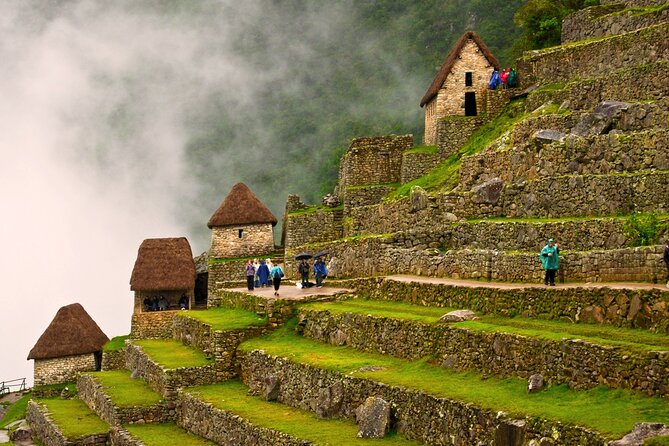
The first day is comparatively easy. The second day is the hardest, with the climb to Dead Woman’s Pass and the long descent afterward. Day three covers about 15 kilometers, and day four combines the final approach to Machu Picchu with several hours at the site.
You should have a moderate level of physical fitness and some preparation for hills and stairs. The route is not suited to someone seeking a relaxed sightseeing holiday with occasional walks. It is better for someone who sees the effort as part of the experience.
Altitude is also a serious consideration because the trail reaches 13,779 feet. The tour details do not provide a separate acclimatization program, so you should think carefully about how you handle high-altitude walking before booking.
The tents and foam mattresses provide basic shelter, but not a hotel-style night’s sleep. Sleeping bags are extra, and the facilities can be limited. Pack for function, keep your personal load manageable, and do not expect electricity or polished camp amenities.
Who should book this Inca Trail experience?
I would choose this trip if you want the classic four-day route, prefer a guide and support crew, and value reaching Machu Picchu through the Sun Gate. It suits hikers who enjoy a physical challenge and want archaeological sites such as Patallacta, Runcurakay, Phuyupatamarca, and Wiñaywayna along the way.
It is also a good fit if you want most major costs bundled together. Meals, tents, mattresses, admissions, buses, trains, and Cusco transfers are included, which reduces the number of details you need to arrange separately.
I would think twice if your priority is comfort, flexible timing, or easy walking. The camps are basic, the morning pickup is very early, and the second day is a genuine mountain climb. You may also want extra time in Aguas Calientes. One useful suggestion is to stay there for a day after the trek so you can revisit the area at a slower pace or consider an additional climb such as Huayna Picchu or Machu Picchu Mountain. Those extra options require advance planning and are not included in this package.
The tour accommodates no more than 15 people, which is a sensible size for a trail where communication and pacing matter. It is not a private trip, so you should be comfortable sharing the route with a small group.
Booking timing and cancellation terms
The Inca Trail entrance tickets are subject to availability, and the route is commonly reserved well ahead. With bookings averaging about 99 days in advance, waiting until the last minute is a poor plan. One experienced recommendation is to reserve roughly four months ahead, particularly if you hope to add Huayna Picchu.
Confirmation is provided when you book. The stated cancellation policy allows a full refund if you cancel at least 24 hours before the local start time. Cancellations or changes made less than 24 hours before departure are not accepted for a refund.
FAQ
How long is the Inca Trail tour?
The experience lasts approximately four days, including three nights of tent camping and the guided visit to Machu Picchu on the final day.
What is the highest point of the hike?
The highest point is Warmiwañiusca, also called Dead Woman’s Pass, at approximately 13,779 feet.
Is Machu Picchu admission included?
Yes. The Inca Trail and Machu Picchu entrance tickets are included, subject to availability.
Are meals included?
Yes. The package includes three breakfasts, four lunches, three dinners, and three snacks. Other meals are not included.
Is camping equipment provided?
A tent shared by two people and one foam mattress per person are included. Sleeping bags and walking sticks are not included, but they can be rented from the operator.
Is transportation from Cusco included?
Yes. Hotel pickup in Cusco and the return transfer to your hotel are included. The package also includes the train between Ollantaytambo and Aguas Calientes and the bus between Aguas Calientes and Machu Picchu.
How many people can join the group?
The maximum group size is 15 people.
Should you book it?
Book this tour if you want the full Inca Trail experience with the hardest climb, the archaeological stops, three nights under canvas, and a memorable arrival through the Sun Gate. The strong points are the organized transport, capable support crew, generous meals, and guided Machu Picchu visit.
Skip it if you want soft beds, easy walks, or a flexible schedule. This is a serious four-day hike, not a simple route to the ruins. If you train for the climbs, reserve early, budget for a sleeping bag and optional gratuities, and accept basic camp conditions, the $725.20 package offers a well-supported way to reach Machu Picchu on foot.
Just added in Cusco
- Private Transfer from Airport to Hotel in the City of Cusco★ 4.0 · 5 reviews
- Best Cusco walking tour: dinner street food tasting★ 4.5 · 11 reviews
- Cusco Private Transportation for 2026★ 5.0 · 4 reviews
- Private Tour to Pisac Market and Pisac Ruins★ 5.0 · 4 reviews
- Machu Picchu Day Trip With Panoramic Train from Cusco★ 5.0 · 10 reviews
- Sacred Valley Private Tour from Cusco, Guide and Driver only★ 5.0 · 4 reviews
- Sacred Valley of the Incas Tour★ 5.0 · 12 reviews
- Private Tour of the Mountain of Colours by Quad★ 5.0 · 7 reviews
Machu Picchu Tours, compared.
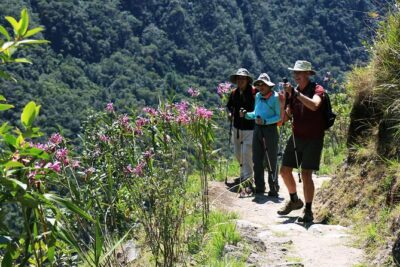
Classic Inca Trail Trek 4D/3N to Machu Picchu (Group Service)
Read our review →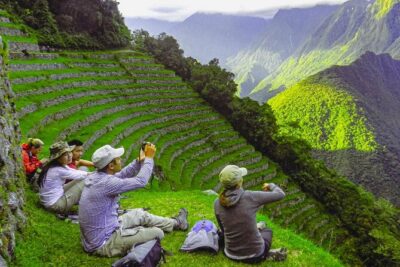
2-Day Inca Trail to Machu Picchu with Panoramic Train
Read our review →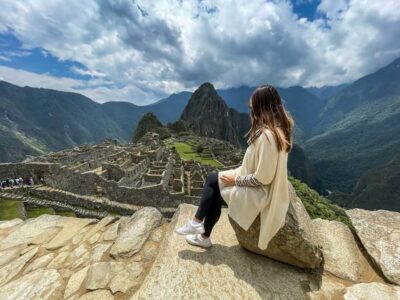
From Cusco: Full-Day Group Tour of Machu Picchu
Read our review →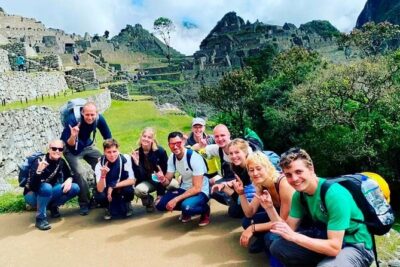
2-Day Tour: Sacred Valley and Machu Picchu by Train
Read our review →
Machu Picchu: Full-Day Tour from Cusco with Optional Lunch
Read our review →
Machu Picchu Full Day from Cusco by Panoramic Train
Read our review →Browse the lists this tour appears in