
Reviewed · INCA TRAIL AND SALKANTAY TREKS
4 Days Multi-Day Tour in Inca Trail Jungle
Machu Picchu comes with a little adrenaline. This four-day Inca Jungle route links mountain biking, whitewater rafting, jungle hiking, ziplining, hot springs, and a guided visit to Machu Picchu for $470 per person. I like the mix of active outings and cultural context, and I especially like that the group is limited to 10 people.
The guide can make or break a trip like this. Guides such as Ebert have earned especially warm praise for clear instructions, good humor, patience with slower walkers, and strong knowledge of Peruvian culture. The main caution is simple: this is a demanding trip, with a seven to eight-hour jungle hike and several days of activity, so you need a good fitness level.
In This Review
- Key points to know before booking
- Why this route feels different from a standard Machu Picchu trip
- Day 1: From 4,316 meters to the Santa María jungle
- Whitewater rafting near Santa María
- Day 2: Seven to eight hours through the jungle
- Cocalmayo Hot Springs
- Day 3: Ziplining, train tracks, and the Vilcanota River
- Day 4: The climb to Machu Picchu
- Afternoon return to Cusco
- What the $470 price really covers
- Guides, pace, and group comfort
- What to pack and what to plan
- Who should book this four-day route?
- Should you book it?
- FAQ
- Where does the tour start?
- What time does the tour begin?
- How long is the tour?
- How many people can join the tour?
- Is Machu Picchu admission included?
- Are meals included?
- Is the Cocalmayo Hot Springs entrance fee included?
- Are the buses between Aguas Calientes and Machu Picchu included?
- Is the train from Aguas Calientes to Ollantaytambo included?
- Does the tour return to Cusco?
Key points to know before booking
- Abra Málaga begins the trip at 4,316 meters: You start high in the Andes, then bike downhill for about 55 kilometers toward the warmer jungle.
- Four kinds of adventure fit into one route: Mountain biking, rafting, ziplining, and long-distance hiking give this trip far more variety than a standard train journey.
- Cocalmayo Hot Springs offer a welcome pause: The thermal pools near Santa Teresa are not included in the price, but they are a well-timed break after a hard day.
- Machu Picchu is reached on foot or by optional transport: The final route includes an ascent from Aguas Calientes, while bus tickets are an extra cost.
- The trip is social but not huge: A maximum of 10 people makes it easier to hear the guide and keep the group together.
- The $470 price covers the main framework: Meals, lodging, activities, Machu Picchu admission, return train, and transport back to Cusco are included, but several useful extras are not.
Why this route feels different from a standard Machu Picchu trip
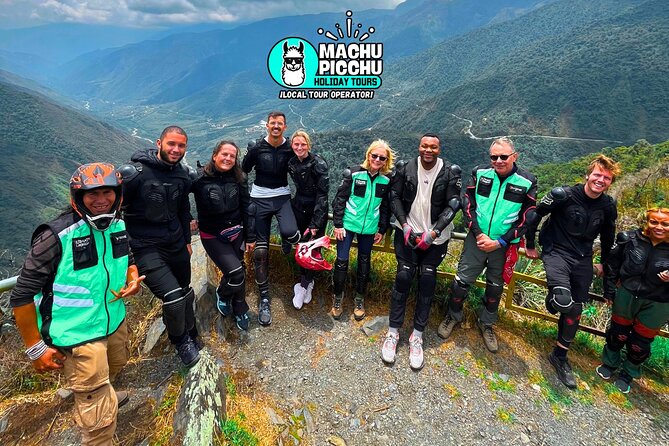
Many Machu Picchu packages focus on getting you to the ruins as efficiently as possible. This one makes the journey part of the attraction. You move from cold, high mountain air to warm jungle, then follow the Vilcanota River toward Aguas Calientes.
I like that progression. On the first morning, you are high enough to feel the Andes immediately. By Santa María, the air is warmer and the setting has changed completely. The route gives you a sense of Peru’s changing elevations instead of placing you on a bus or train for most of the trip.
The tradeoff is comfort. You spend long hours outside, change activities often, and walk for much of Days 2 and 3. This is not the right choice if you want a relaxed four-day holiday with only a short visit to Machu Picchu.
The group size helps. With no more than 10 people, the guide can give instructions without shouting across a crowd. That also matters on the trail, where people naturally move at different speeds. Ebert has been praised for not pressuring slower walkers and for watching the group’s comfort and safety.
More hikes and treks in Cusco:
- Classic Inca Trail Trek 4D/3N to Machu Picchu (Group Service)
★ 5.0 · 8,653 reviews - Machu Picchu: 4-Day Inca Trail Trek with Panoramic Train Ride
★ 5.0 · 4,568 reviews - Salkantay Classic Trek 5 Days from Cusco
★ 5.0 · 4,062 reviews
Day 1: From 4,316 meters to the Santa María jungle
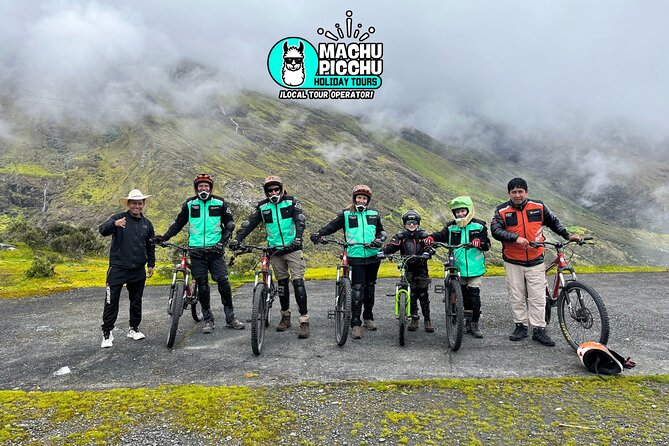
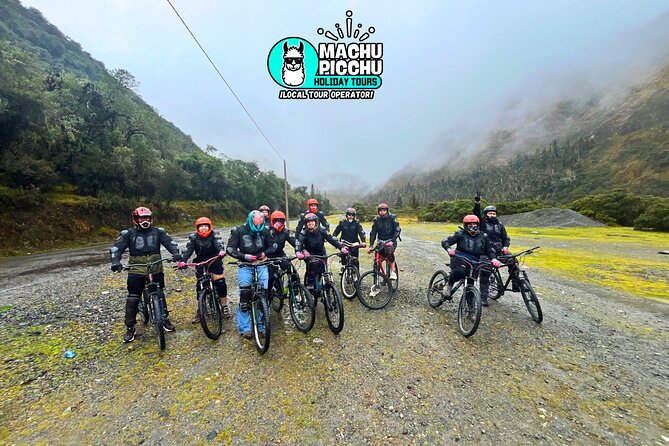
The morning begins at 6:00 am at Plaza de Armas in Cusco. The first major stop is Abra Málaga, a mountain pass at 4,316 meters, or about 14,160 feet. From here, the tour switches from transport to a two-hour downhill mountain-bike ride.
The setting is the star. You begin among high Andean surroundings and descend toward warmer, greener country. The tour provides the activity, but the practical details matter: bring layers, since the starting point is cold, and be ready for a fast change in temperature as you lose altitude.
The downhill ride covers part of a roughly 55-kilometer route toward Santa María. The road twists through changing scenery, and the descent finishes around 1,430 meters above sea level. You are not climbing for most of this section, but biking for two hours still requires balance, focus, and enough comfort on a mountain road.
After the ride, lunch lasts about 30 minutes. That short stop keeps the day moving, but it also means you should arrive ready to eat promptly and continue with the schedule.
Whitewater rafting near Santa María
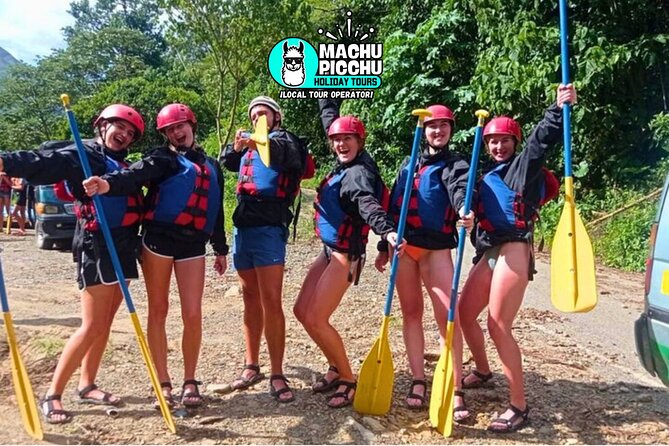
The next activity is rafting on the Urubamba River. This adds a proper adventure element to the day rather than simply using the river as scenery. You receive a different view of the surrounding country while handling rapids with the group and guide.
The full Santa María portion is listed at about eight hours, including the rafting program and the evening arrangements. Afterward, you spend the night in the Santa María jungle.
This is a full first day. You leave Cusco early, descend from extreme altitude, bike, eat quickly, raft, and settle into a warmer climate. If you are prone to altitude discomfort, the descent may feel helpful, but the activity level still makes Day 1 tiring.
Day 2: Seven to eight hours through the jungle
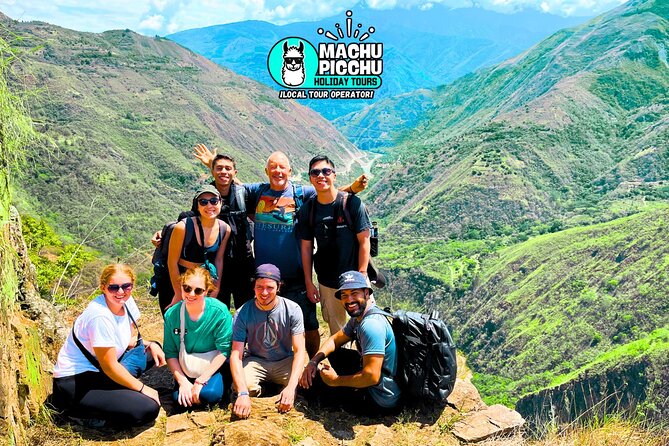
Day 2 is the most demanding walking day. The route from Santa María to Santa Teresa takes about seven to eight hours and includes a jungle hike, a Camino Inka section, and a coffee tour.
I like the coffee stop because it gives the day a local focus. This is not only a march toward Machu Picchu. You get a closer look at one of the crops associated with the warmer eastern slopes, along with time to learn about the route and the surrounding plants and culture.
The walk follows a changing jungle setting, with the route eventually leading toward Cocalmayo and Santa Teresa. The tour includes breakfast, lunch, and dinner, which is important on a day this long. Food is described as plentiful and very good, but you should still carry whatever personal snacks and drinks you prefer.
The overnight stay is in Santa Teresa town. That location keeps you close to the next day’s activities and gives you a chance to recover without leaving the route.
More Amazon jungle trips:
- 4-Day Inca Jungle Trail to Machu Picchu Hiking and Biking Tour
★ 5.0 · 438 reviews - 4-Day Adventure Tour: Inca Jungle Trail to Machu Picchu
★ 5.0 · 426 reviews - 4-Day Inca Jungle Tour: Machu Picchu Biking, Rafting, and Zipline
★ 5.0 · 241 reviews - Manu National Park 4-Day Eco Tour from Cusco
★ 5.0 · 216 reviews
Cocalmayo Hot Springs
Cocalmayo Hot Springs are a major reward on Day 2. The thermal pools provide a place to rest tired legs while surrounded by mountain scenery. The planned visit lasts about three hours, so this is not a rushed photo stop.
The entrance fee is not included. That is a small but important budgeting detail, particularly because the hot springs are presented as part of the schedule rather than an optional side trip. Bring extra money for admission and personal purchases.
The springs do not remove the physical demands of the day, but they change the rhythm. After hours of walking, sitting in warm water can make the evening in Santa Teresa much more pleasant.
Day 3: Ziplining, train tracks, and the Vilcanota River
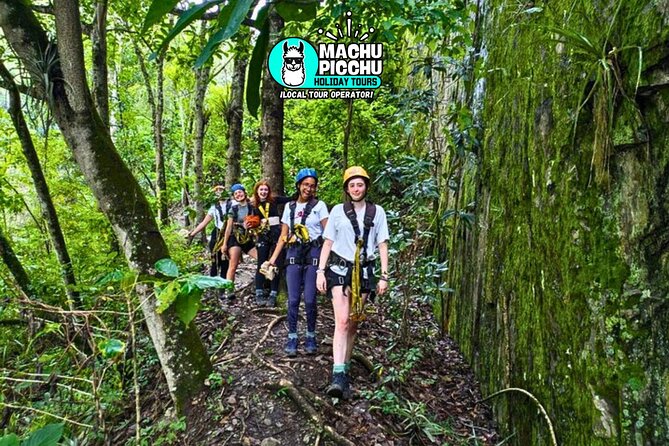
Day 3 begins with ziplining as you leave Santa Teresa for Hidroeléctrica. This is a short activity compared with the previous day’s hike, but it adds another kind of movement and gives the morning a lively start.
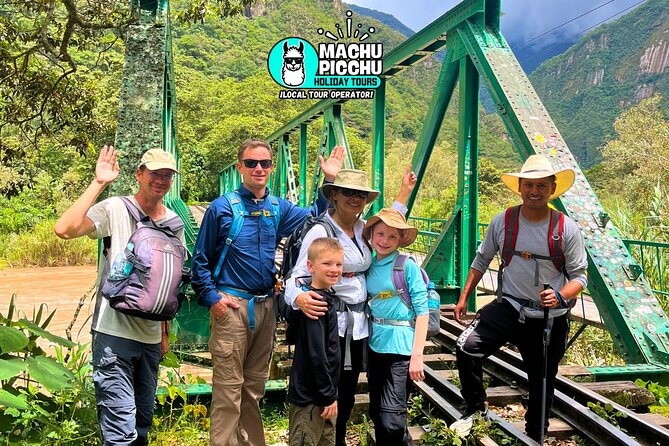
At Hidroeléctrica, the group begins the walk toward Aguas Calientes. The route follows the train tracks and runs beside the Vilcanota River. Along the way, you get views toward Machu Picchu and Huayna Picchu, with cloud forest and jungle meeting around the river corridor.
The listed walking portion takes about three hours. Compared with Day 2, it is shorter, but you still need sturdy footwear and enough energy for the final approach to Aguas Calientes. Walking beside the railway gives the route a very different feel from a marked mountain trail. You see the railway infrastructure up close while the mountains rise around you.
At Hidroeléctrica, you have a choice. You can continue on foot along the tracks or take a train for the final stretch to Aguas Calientes. The train option costs extra unless covered by a separate arrangement, so check exactly what your booking includes before deciding.
I prefer the walk for the sense of arrival. You can follow the river, watch the mountains draw closer, and build anticipation before reaching town. Still, the train is a sensible choice if your legs are tired after Day 2 or if weather and energy make the walk less appealing.
You spend the night in Aguas Calientes, the town below Machu Picchu. The evening is useful for an early meal, a little rest, and preparing for the next morning.
Day 4: The climb to Machu Picchu
The final day begins early after breakfast. The scheduled ascent from Aguas Calientes takes about two hours. The tour does not include the bus between Aguas Calientes and Machu Picchu, so you need to budget separately if you do not want to walk.
That extra cost is easy to overlook. The tour includes Machu Picchu admission, but not the bus tickets in either direction. The price also lists cable-car access as not included, although the main route described here is by foot.
Once inside the sanctuary, you spend about three hours with the guide. This is where the quality of the guide matters most. A good guide can help you make sense of the stonework, explain the Inca world, and connect the site to the terrain you have crossed over the previous three days.
Ebert has been singled out for answering questions about Peruvian culture and history, giving clear directions, and keeping the mood friendly. That combination is valuable at Machu Picchu, where it is easy to stare at the ruins without understanding what you are seeing.
The visit is not just a final photo stop. You have reached the site after biking down from the mountains, rafting, walking through the jungle, soaking in hot springs, ziplining, and following the railway corridor. That effort gives the ruins a stronger sense of place.
Afternoon return to Cusco
After Machu Picchu, you return to Aguas Calientes and have free time in town. The schedule allows about four hours for this part of the day, including time to eat, look around, and prepare for the train.
The return train goes from Aguas Calientes to Ollantaytambo, and that train ticket is included. In Ollantaytambo, a bus takes you back to Cusco, where you arrive in the evening.
This is a long final day. You have an early start, a two-hour ascent, several hours at Machu Picchu, a return to town, a train ride, and a bus transfer. Plan to keep your evening in Cusco free rather than scheduling another activity.
What the $470 price really covers
At $470 per person, the tour offers solid value for an active route to Machu Picchu. You receive three breakfasts, three lunches, and three dinners, along with overnight stays, bilingual guides, first aid, transportation, rafting, ziplining, Machu Picchu admission, the train to Ollantaytambo, and the bus from Ollantaytambo to Cusco.
That is a broad package. If you arranged the same combination of activities, lodging, meals, entrance admission, and transport on your own, the costs and coordination would add up quickly.
Still, you should not treat $470 as the final amount you will spend. You need extra money for:
- Cocalmayo Hot Springs admission
- The bus between Aguas Calientes and Machu Picchu
- The return bus from Machu Picchu to Aguas Calientes, if you do not walk
- The train from Hidroeléctrica to Aguas Calientes, if you choose it
- Personal expenses
- Any cable-car charge listed for your arrangements
The included meals are a real advantage on a physically active trip. Strong food and generous portions can make the difference between enjoying the next hike and merely surviving it.
Guides, pace, and group comfort
The strongest praise for this tour centers on the guides, especially Ebert. He is described as friendly, funny, attentive, and well informed about Peruvian culture, plants, and Machu Picchu. Those qualities matter because the route has several points where clear instructions are essential, including biking, rafting, ziplining, and the long jungle walk.
The small maximum group of 10 is another practical advantage. It is easier to ask questions, hear safety instructions, and keep track of the group. It also gives the guide a better chance to notice if someone is struggling.
You should still be honest about your fitness. The tour specifically calls for a strong physical fitness level. Day 2 lasts seven to eight hours on foot, and Day 4 begins with a two-hour ascent before the site visit. The guide may help you manage your pace, but no guide can remove the distance.
Accommodation is included at designated stops, including Santa Teresa and Aguas Calientes. The available feedback describes the lodging as comfortable and well located, though the provided details do not name the properties or specify room standards. I would ask the operator for current accommodation details if that is important to you.
What to pack and what to plan
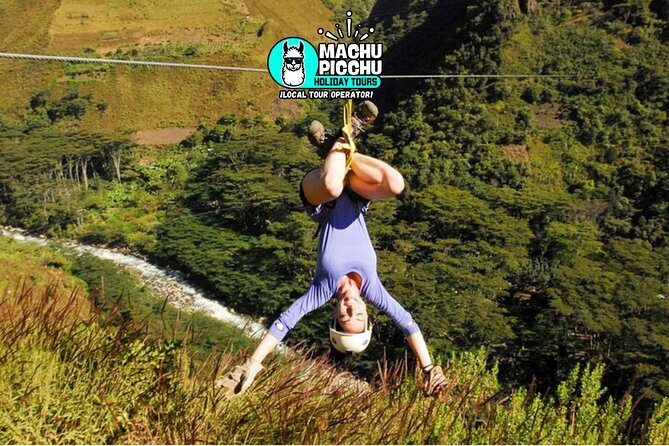
Pack for two climates. Abra Málaga is high and cold, while Santa María and the jungle route are much warmer. Layers are more useful than one heavy coat.
You should also bring:
- Comfortable walking shoes with good grip
- A change of clothes for the warmer jungle
- Sun protection
- Rain protection
- Personal toiletries
- Money for hot springs, buses, and personal expenses
- Any snacks or drinks you prefer for long activity days
Start at Plaza de Armas at 6:00 am. Confirmation is normally sent at booking, though bookings made within two days of departure may take up to 48 hours and depend on availability.
The cancellation rule is strict. The booking is non-refundable and cannot be changed for any reason, so do not book until your dates, fitness, and budget are settled.
Who should book this four-day route?
I would choose this tour if you want Machu Picchu to feel like the final chapter of an active journey. It suits you if you enjoy biking, rafting, ziplining, long walks, warm springs, and a small-group atmosphere.
It is also a good choice if you want a guide who can explain more than the basic route. The best feedback centers on cultural information, plant knowledge, humor, safety, and patience with different walking speeds.
I would look elsewhere if your main goal is a quiet, low-effort visit to Machu Picchu. The schedule is packed, the walking is substantial, and several extra costs need to be handled along the way. The route is rewarding, but it is not gentle.
Should you book it?
Yes, if you want a varied and active way to reach Machu Picchu and can handle a seven to eight-hour jungle hike. The combination of mountain biking, rafting, hot springs, ziplining, railway walking, and a guided Machu Picchu visit gives the $470 price strong value.
Before paying, confirm the exact lodging, the optional train from Hidroeléctrica, and the current costs for hot springs and buses. If you are comfortable with those extras and arrive ready for long days, this tour offers a memorable route through several distinct parts of Peru, not just a quick stop at the ruins.
FAQ
Where does the tour start?
The tour starts at Plaza de Armas de Cusco, at Del Medio 123, Cusco 08000, Peru.
What time does the tour begin?
The scheduled start time is 6:00 am.
How long is the tour?
The tour lasts four days, approximately.
How many people can join the tour?
The maximum group size is 10 people.
Is Machu Picchu admission included?
Yes. Entrance admission to Machu Picchu is included.
Are meals included?
Yes. The tour includes three breakfasts, three lunches, and three dinners.
Is the Cocalmayo Hot Springs entrance fee included?
No. Admission to the hot springs is not included.
Are the buses between Aguas Calientes and Machu Picchu included?
No. The bus tickets between Aguas Calientes and Machu Picchu are not included.
Is the train from Aguas Calientes to Ollantaytambo included?
Yes. The train ticket from Aguas Calientes to Ollantaytambo is included.
Does the tour return to Cusco?
Yes. After the train to Ollantaytambo, a bus takes you back to Cusco, and the activity ends at the original meeting point.
Just added in Cusco
- Cusco Private Transportation for 2026★ 5.0 · 4 reviews
- Private Transfer from Airport to Hotel in the City of Cusco★ 4.0 · 5 reviews
- Best Cusco walking tour: dinner street food tasting★ 4.5 · 11 reviews
- Private Tour to Pisac Market and Pisac Ruins★ 5.0 · 4 reviews
- Machu Picchu Day Trip With Panoramic Train from Cusco★ 5.0 · 10 reviews
- Private Tour of the Mountain of Colours by Quad★ 5.0 · 7 reviews
- Sacred Valley Private Tour from Cusco, Guide and Driver only★ 5.0 · 4 reviews
- Sacred Valley of the Incas Tour★ 5.0 · 12 reviews
Inca Trail and Salkantay Treks, compared.
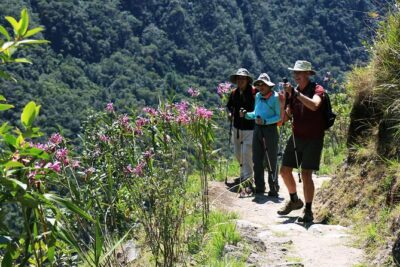
Classic Inca Trail Trek 4D/3N to Machu Picchu (Group Service)
Read our review →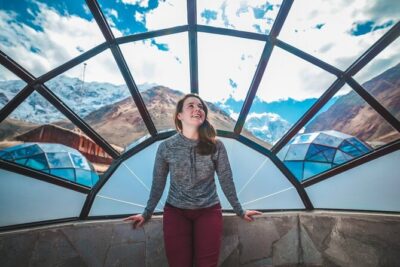
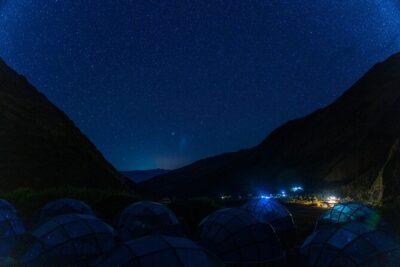
Salkantay Trek 5D/4N with Glass Cabins, Domes and Hobbit House
Read our review →2-Day Inca Trail to Machu Picchu with Panoramic Train
Read our review →
Browse the lists this tour appears in